On a narrow street beside Modena's Mercato Albinelli, Schiavoni occupies a particular slot in the city's drinking culture: a bar where the food programme holds equal weight to what's in the glass. In a city that treats cured meats, aged cheeses, and local wine as daily necessities rather than special occasions, that calibration matters. Schiavoni sits close enough to the market to feel like an extension of it.
Pearl is the En Primeur Club membership app — saves, bookings, and concierge access live there. Same editors, same standards.
- Address
- Via Luigi Albinelli, 13, 41121 Modena MO, Italy
- Phone
- +39 348 921 0380
- Website
- facebook.com
- Directions
- Get directions
 Saves & bookings on Pearl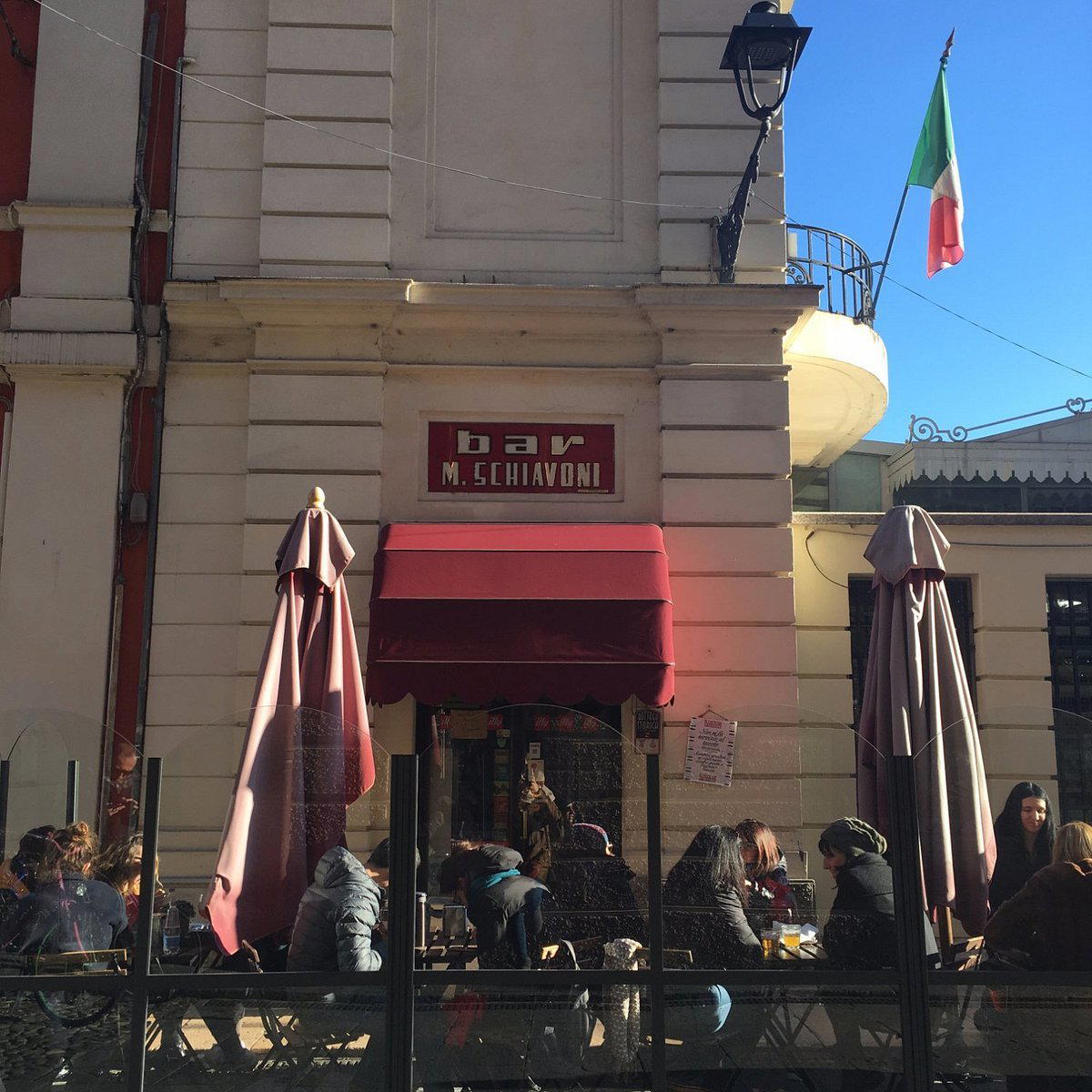
Where the Market Ends and the Bar Begins
Via Luigi Albinelli runs alongside one of Emilia-Romagna's most celebrated food markets, and the character of the street shapes everything that happens at its address. Modena's Mercato Albinelli is not a tourist attraction dressed as a food hall; it is a working wholesale and retail market where the city's restaurants and households have sourced cotechino, Parmigiano-Reggiano, and local Lambrusco for generations. A bar positioned at number 13 on that street is, by geography alone, making a statement about what belongs in the glass and on the plate.
This is a useful frame for Schiavoni. The bar sits within a city that does not separate drinking from eating, and does not treat wine or aperitivo as a preamble to the meal. In Modena, the two are continuous. The salumi board and the glass of wine are the meal, or at least a fully legitimate version of it. Bars that understand this tend to build food programmes with the same seriousness they bring to the drinks list. Those that don't read immediately as places serving a different kind of visitor.
The Emilian Approach to Bar Food
To understand what a bar like Schiavoni is doing, it helps to know what Emilian bar food has traditionally meant. The region produces some of Italy's most structured cured meats: Prosciutto di Modena DOP, Salame di Felino, Mortadella from nearby Bologna, and the local Zampone that every Modenese has an opinion about. These are not garnishes. In the right setting, they are the centrepiece, served at the right temperature with enough bread to carry them, alongside a wine chosen to cut or complement the fat.
Lambrusco is the obvious pairing here, and its rehabilitation over the past two decades is worth noting. The sweet, low-alcohol export version that dominated the 1970s and 1980s gave the grape a reputation it spent years shedding. The Lambrusco Grasparossa di Castelvetro and Lambrusco di Sorbara that serious Modenese bars now pour are dry, structured, and often refermented in bottle, with a acidity that handles cured meat exceptionally well. A bar close to the Albinelli market is well-placed to source both the food and the wine from producers who supply that same market.
This pairing logic extends to gnocco fritto, the fried dough pillows that Modena treats as a delivery mechanism for salumi. Hot, light, and slightly hollow, they are designed to be eaten immediately, which means a bar serving them needs a kitchen running on tight timing. The food programme and the bar programme are not independent operations in this context; they inform each other at the level of service rhythm.
Modena's Bar Scene in Context
Modena sits in a position that is slightly unusual for a mid-sized Italian city. It has global recognition through its restaurant scene, specifically through Osteria Francescana and the broader Bottura effect on how the city is perceived internationally. That recognition has raised expectations across the hospitality sector without necessarily changing the character of its neighbourhood bars, which remain oriented toward local rhythms rather than international visitors.
The bars along and around Via Luigi Albinelli serve a morning-to-early-evening arc that most northern Italian cities recognise: caffè at the counter, a mid-morning pause, an aperitivo before lunch, and then again before dinner. Modena's version of this pattern is inflected by proximity to the market, which means the aperitivo hour tends to involve more food than you might find at a comparable bar in, say, central Florence or Rome. The culture is less about cocktail innovation and more about product quality.
For comparison, bars like Archer Modena, Bar Tiffany, and Mon Cafè each occupy different corners of the city's bar culture. Pasticceria Dondi represents the pastry-and-coffee axis that runs parallel to the wine-and-salumi axis. Schiavoni's address places it closer to the market-and-produce tradition than to the cocktail-bar or café format.
Elsewhere in Italy, the bar programmes that have attracted sustained critical attention share a commitment to pairing discipline. 1930 in Milan operates through a reservation-only format that treats cocktails as the primary text. Drink Kong in Rome and L'Antiquario in Naples have built reputations on technical bar programmes. Gucci Giardino in Florence approaches the aperitivo through a fashion-house aesthetic. None of these is the model for a market-adjacent Modenese bar, which suggests that Schiavoni's comparable set is local rather than national.
Planning Your Visit
Via Luigi Albinelli 13 is walkable from Modena's historic centre, a few minutes on foot from Piazza Grande. The Mercato Albinelli closes by early afternoon on most days, which means the street is quieter in the evenings than it is at mid-morning; visiting around aperitivo hour, roughly 11:30 in the morning or from 6pm onward, aligns with when the bar is likely at its most active. Autumn and winter are the stronger seasons for the food pairing format here: salumi and warm gnocco fritto are cold-weather eating, and the local Lambrusco producers tend to release their most interesting bottles in the months following harvest.
Visitors who want to extend the pairing format beyond Modena will find different expressions of it at Al Covino in Venice, which applies a similar wine-and-food logic in a Venetian register, or at Lost and Found in Nicosia for a different regional context. Bar Leather Apron in Honolulu demonstrates how far the bar food pairing format has spread beyond its European origins.
Comparable Venues
Comparable venues nearby, for context on price, style, and recognition.
| Venue | Cuisine | Price | Notes |
|---|---|---|---|
| SchiavoniThis venue — the venue you are viewing | pub | $ | Not listed |
| Bar Tiffany | pub | $$ | historic center |
| Pasticceria Dondi | Bar | $$ | Modena |
| Archer Modena | wine_bar | $$ | city center |
| Salumeria Hosteria Giusti | wine_bar | $$$ | historic center |
Continue exploring
More in Modena
Bars in Modena
Browse all →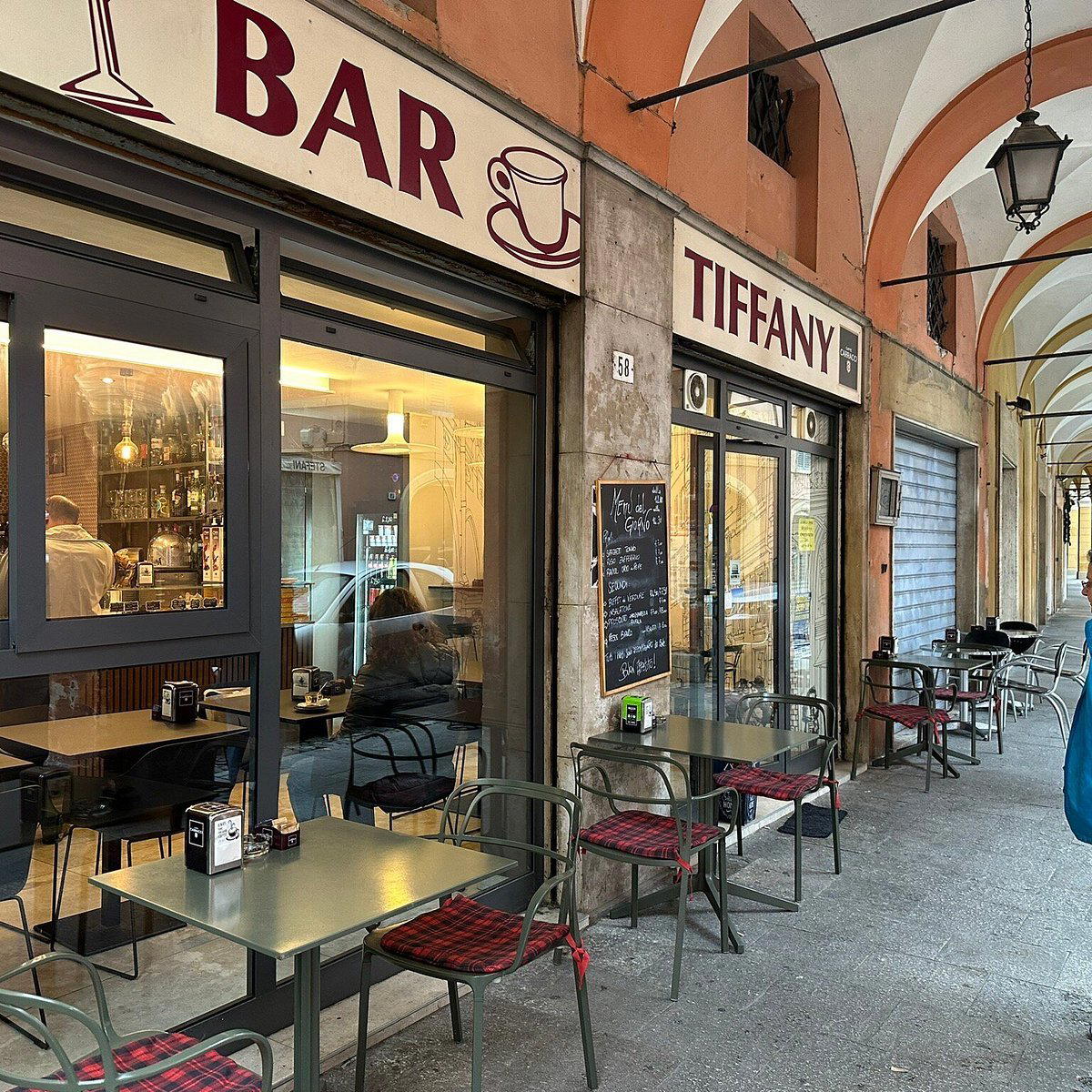
Restaurants in Modena
Browse all →
Hotels in Modena
Browse all →

At a Glance
- Cozy
- Casual
- Well Known
- Casual Hangout
- Group Outing
- After Work
- Historic Building
- Standalone
- Standing Room
- Communal Tables
- Outdoor Terrace
- Counter Only
- Conventional Wine
- Craft Beer
Current opening hours
- Monday
- 7:30 AM–3:30 PM
- Tuesday
- 7:30 AM–3:30 PM
- Wednesday
- 7:30 AM–3:30 PM
- Thursday
- 7:30 AM–3:30 PM
- Friday
- 7:30 AM–3:30 PM
- Saturday
- 7:30 AM–3:30 PM
- Sunday
- Closed
Hours can change for holidays and private events. Last verified .