

Inside a fifteenth-century palazzo in Rubiera, Arnaldo - Clinica Gastronomica holds a Michelin star and an Opinionated About Dining top-300 ranking by doing the opposite of what most starred kitchens attempt: no modernist technique, no tasting-menu theatre, just the rolling carts, hand-rolled pasta, and braised cuts that define Emilian table culture at its most disciplined. Under chef Roberto Bottero, the kitchen is a study in restraint through precision.
Pearl is the En Primeur Club membership app — saves, bookings, and concierge access live there. Same editors, same standards.
- Address
- Piazza Ventiquattro Maggio, 3, 42048 Rubiera RE, Italy
- Phone
- +39 0522 626124
- Website
- clinicagastronomica.com
- Directions
- Get directions
 Saves & bookings on Pearl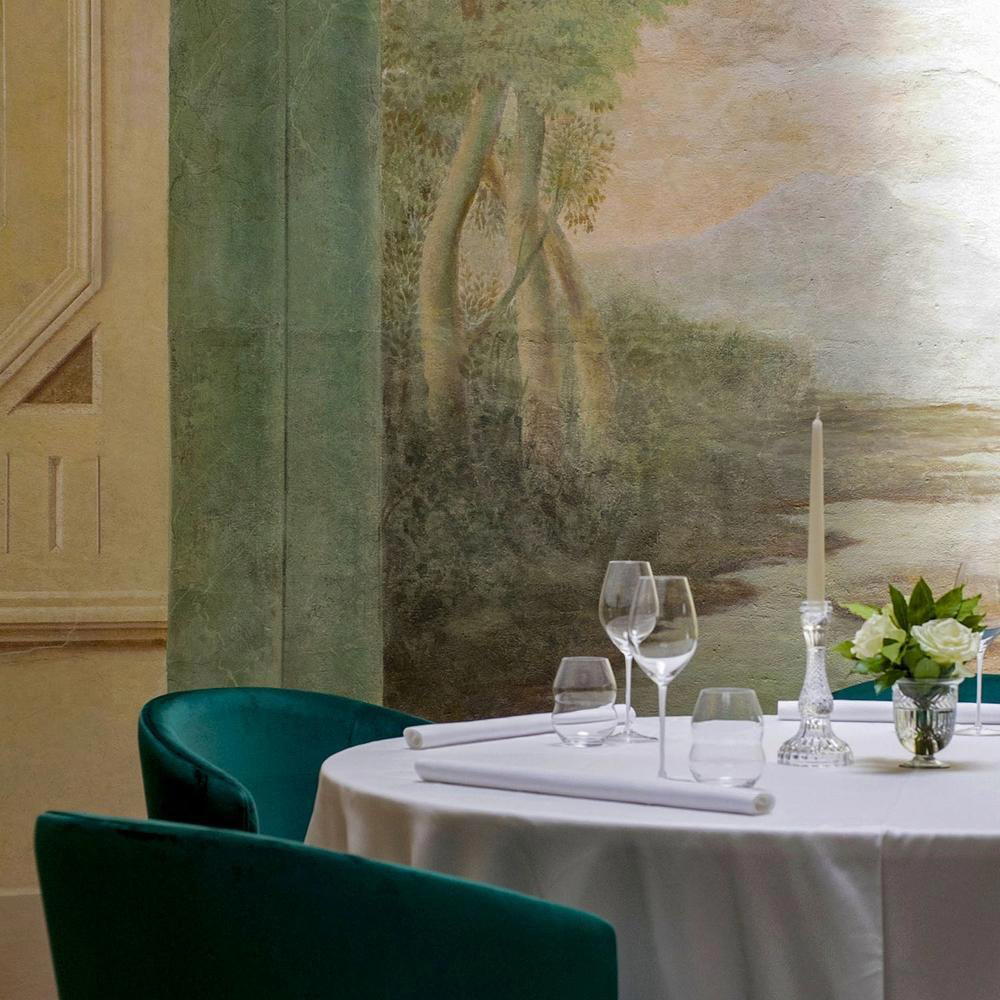
A Fifteenth-Century Palazzo and the Weight of Emilian Tradition
Rubiera sits on the Via Emilia between Reggio Emilia and Modena, a stretch of road that has organised the food culture of northern Italy since Roman times. The towns along it do not compete with each other so much as reinforce a shared culinary identity: fresh egg pasta made each morning, pork products cured with exacting regional specificity, and braised or boiled meats that reward patience over cleverness. Arnaldo - Clinica Gastronomica, occupying a palazzo from the fifteenth century next to Hotel Aquila d'Oro on Piazza Ventiquattro Maggio, operates inside that tradition with its Michelin star and without compromise.
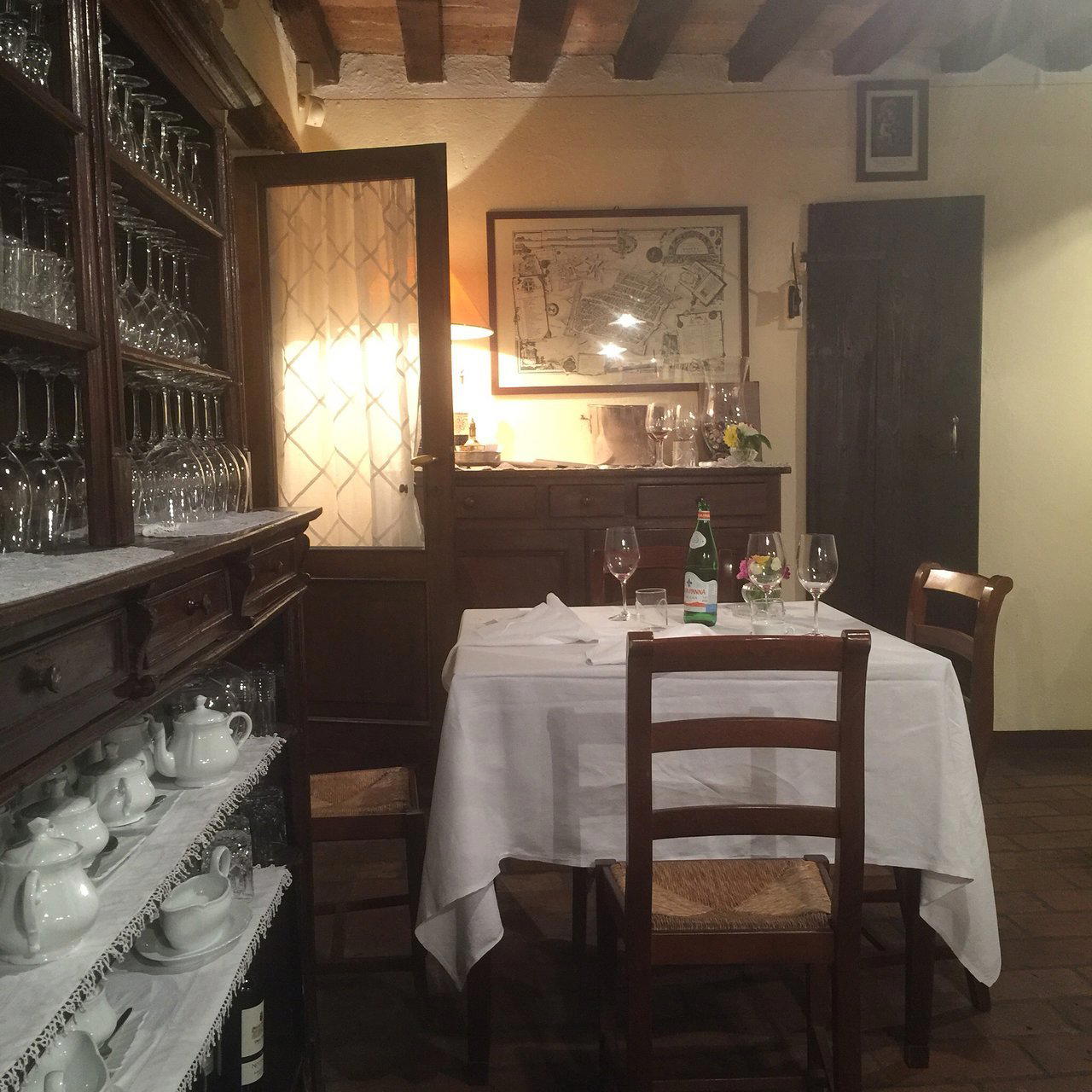
The building itself sets the terms. Stone thresholds, the kind worn smooth over centuries rather than sandblasted for effect, signal that whatever happens inside has been happening for a long time. This is a category of Italian restaurant that the international market sometimes misreads as merely rustic: the tablecloths are white, the rooms are formal, and the carts that move between tables are not a nostalgic affectation but a considered service architecture. Each trolley is a statement of what the kitchen prioritises.
The Trolley as Editorial Argument
In contemporary Italian fine dining, the tasting menu has become the default grammar. Three-Michelin-star kitchens such as Osteria Francescana in Modena and Le Calandre in Rubano present food as sequential argument, each course building a case for the chef’s particular vision. Arnaldo makes the opposite choice, and the trolley is the mechanism through which that choice becomes legible.
The antipasto cart leads: hand-carved prosciutto worked at the table, and erbazzone, the Reggiano spinach and lard flatbread that functions as a regional marker precise enough to distinguish this kitchen’s geography from Parma or Bologna without a word being spoken. The meat trolley, originally designed by the restaurant’s founding patron Arnaldo himself, arrives as the meal’s centrepiece: roasts, boiled meats, veal head, tongue, pig’s trotter, presented with the sauces and condiments that give each cut its correct context. This is cotechino-and-mostarda territory, where condiment knowledge is as much a marker of culinary seriousness as technique. The dessert trolley closes the sequence with zabaglione poured over pears poached in red wine, and a Sambuca semifreddo that anchors the meal firmly in Emilian sweet tradition rather than reaching for anything more continental.
What the trolley format demands of a kitchen is consistency at scale and across service: the roasts must hold without deteriorating, the pasta must be timed precisely, the hand-carved prosciutto must be sliced correctly at every table. These are not easy standards. A Michelin star awarded for this kind of cooking is a different credential from one awarded for creative tasting menus, and a more demanding one in its own terms.
Roberto Bottero and the Discipline of Continuity
The editorial angle on Arnaldo’s kitchen is not transformation but stewardship. Roberto Bottero operates in a tradition where the highest compliment is that nothing has been lost. In a region that has produced Italy’s most internationally recognised modernist restaurant, the decision to maintain a format rooted in sfogline culture and trolley service is itself a curatorial act.
The sfogline, the women who hand-roll fresh pasta each morning, represent a skill set that Emilian culture has historically passed through apprenticeship rather than culinary school. Fresh pasta served in broth or with butter and sage is the kind of dish that forgives nothing: there is no sauce architecture to compensate for pasta that is too thick or unevenly rolled, no garnish to redirect attention. In this respect Arnaldo’s kitchen operates closer to the precision required at places such as Al Cavallino Bianco in Polesine Parmense or Al Vedel in Vedole, both of which anchor Emilian tradition through the same commitment to technique without flourish, than to the modernist trajectory represented by kitchens like Reale in Castel di Sangro or Enrico Bartolini in Milan.
Opinionated About Dining Classical ranking, placing Arnaldo at number 277 in Europe in 2025, positions it within a specific comparable set: restaurants where the evaluation criteria exclude originality in favour of fidelity, execution, and depth of tradition. That ranking alongside a concurrent Michelin star is a relatively unusual double signal, suggesting the kitchen satisfies both the guide’s consistency benchmarks and OAD’s community of informed diners who weight classical execution heavily.
Where Arnaldo Sits in the Italian Fine Dining Map
Italy’s Michelin-starred restaurants divide, roughly, into three commercial categories: destination kitchens drawing international visitors on reputation alone, urban fine dining venues serving professional clientele, and regionally embedded restaurants where the star functions as validation of a tradition rather than a calling card for culinary tourism. Arnaldo belongs firmly to the third group.
Rubiera is not a destination in the way that Modena draws visitors to Osteria Francescana, or Alba draws visitors to Piazza Duomo. It requires intent. Guests arriving at Piazza Ventiquattro Maggio have, by definition, chosen a specific kind of meal over the alternatives available in larger regional centres. That self-selection shapes the room: this is not a restaurant where diners arrive uncertain of what they want.
Arnaldo sits at the €€€€ tier, where the value argument is not price-to-innovation but price-to-authenticity: the cost of a meal here is the cost of a specific kind of cultural access, not a premium for novelty.
Rubiera also has Osteria del Viandante for those wanting to map the town’s dining range. Elsewhere in Emilia-Romagna, kitchens like Uliassi in Senigallia and Quattro Passi in Marina del Cantone represent the coastal and southern Italian counterpart to what Arnaldo does for the inland Emilian tradition, while Atelier Moessmer Norbert Niederkofler in Brunico shows how mountain northern Italy interprets similar questions about regional fidelity through an entirely different set of ingredients and techniques.
Planning a Visit
Arnaldo serves lunch and dinner Tuesday through Saturday, with Sunday lunch service also available. The kitchen is closed on Mondays. Lunch runs from 12:30 to 2:30 PM; dinner from 8:00 to 10:30 PM. Given the restaurant’s reputation and relatively limited capacity in a small piazza setting, booking ahead is advisable, particularly for weekend services. The palazzo address at Piazza Ventiquattro Maggio 3, Rubiera, places it in the town centre. Those planning a broader visit to the area can consult our full Rubiera hotels guide for accommodation, alongside our Rubiera bars guide, our Rubiera wineries guide, and our Rubiera experiences guide for what surrounds a meal here.
Fast Comparison
Comparable venues nearby, for context on price, style, and recognition.
| Venue | Cuisine | Price | Awards | Notes |
|---|---|---|---|---|
| Arnaldo - Clinica GastronomicaThis venue — the venue you are viewing | Traditional Emilian | $$$$ | Michelin 1 Star | Not listed |
| Osteria del Viandante | Modern Emilian Italian | $$$ | Michelin 1 Star | Rubiera centre |
| Iacobucci | Italian Contemporary | $$$$ | Michelin 1 Star | Villa Zarri |
| Il Palagio | Modern Tuscan Fine Dining | $$$$ | Michelin 1 Star | Le Cure |
| Ca' Matilde | Contemporary Italian Fine Dining | $$$$ | Michelin 1 Star | Rubbianino |
| Impronta d'Acqua | Modern Italian Contemporary | $$$$ | Michelin 1 Star | Cavi di Lavagna |
Recognition history
Dated appearances from independent guides and award organizations, with the underlying list record or original source where available.
Michelin Plate
Michelin
Michelin 1 Star
Michelin
Opinionated About Dining Classical in Europe Ranked #277
Opinionated About Dining
Michelin 1 Star
Michelin
Continue exploring
More in Rubiera
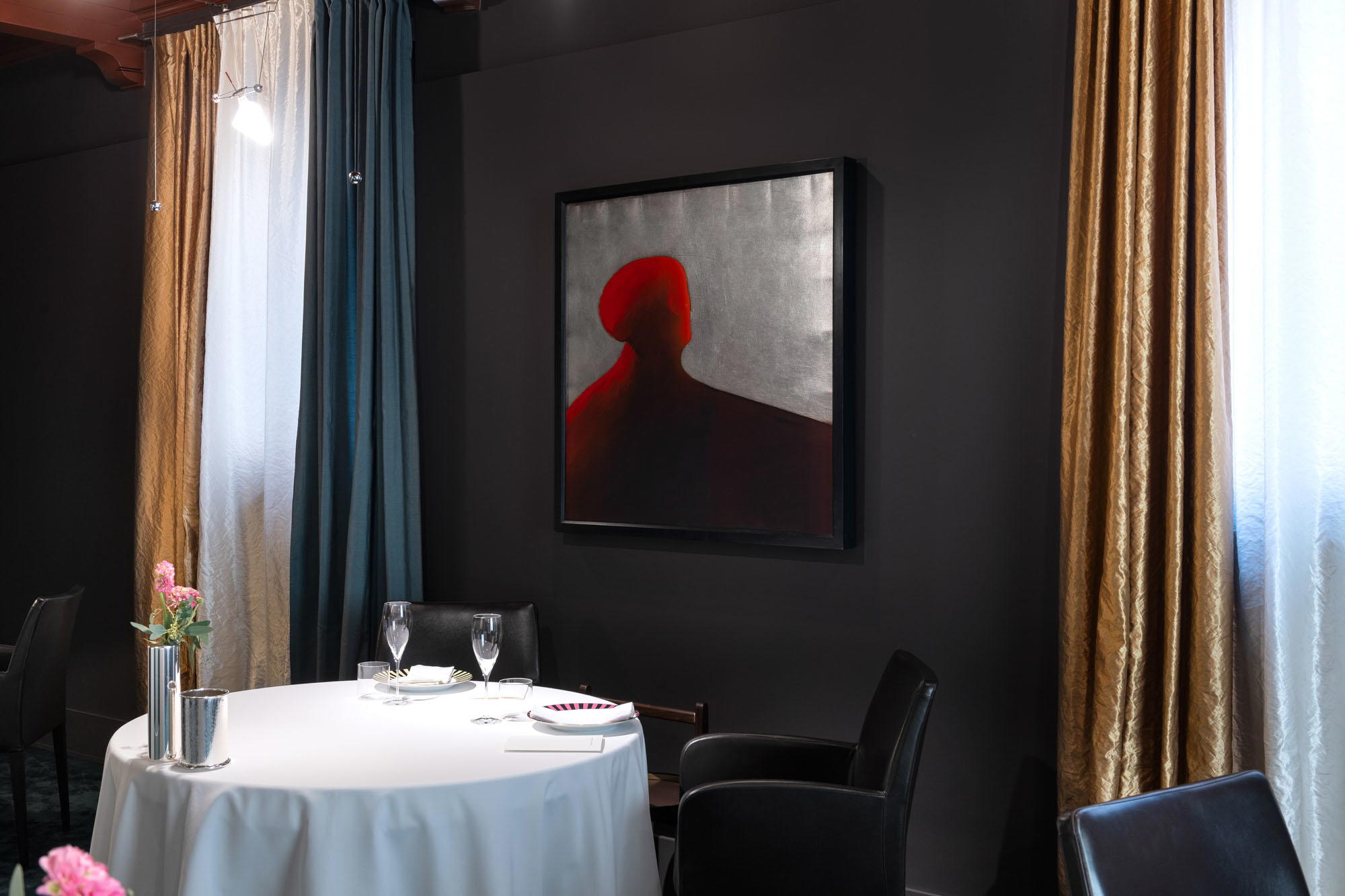
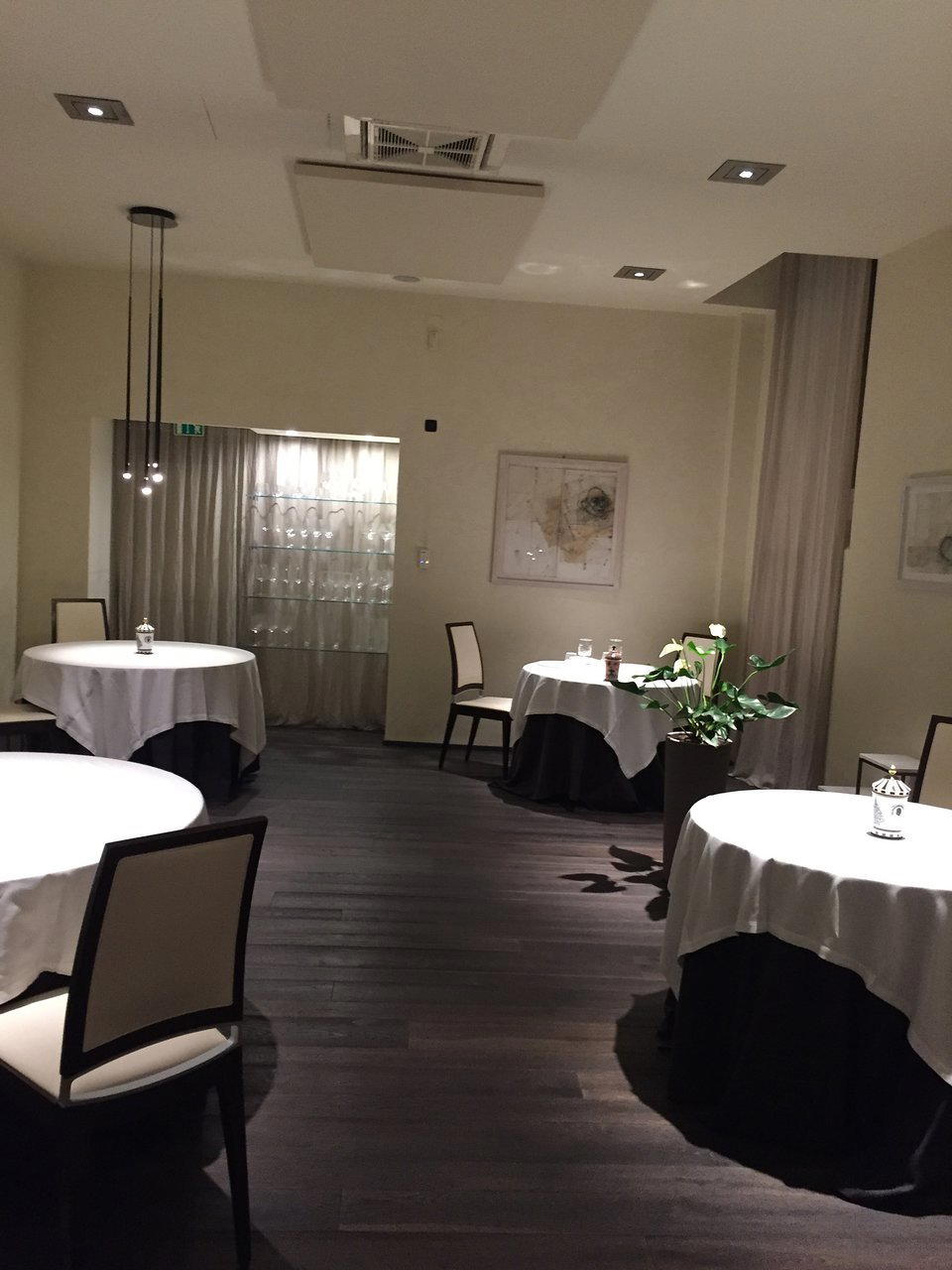
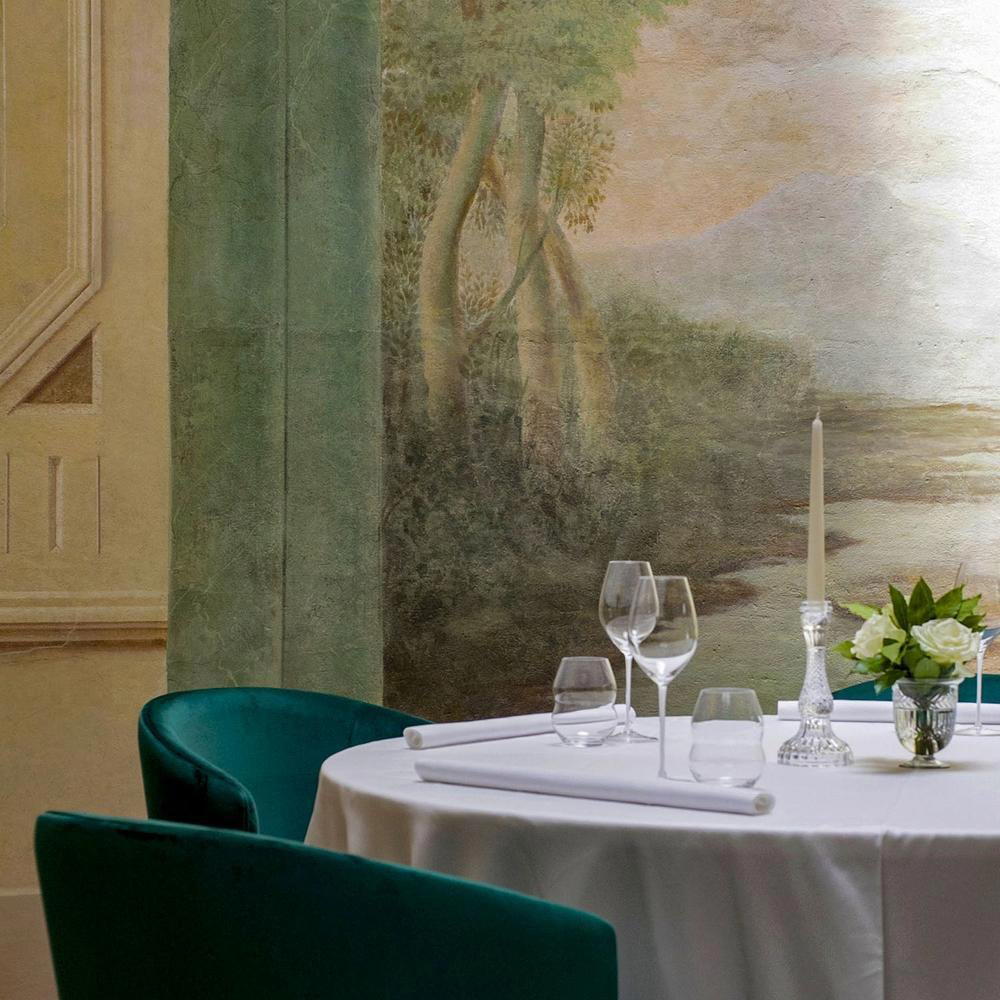
Restaurants in Rubiera
Browse all →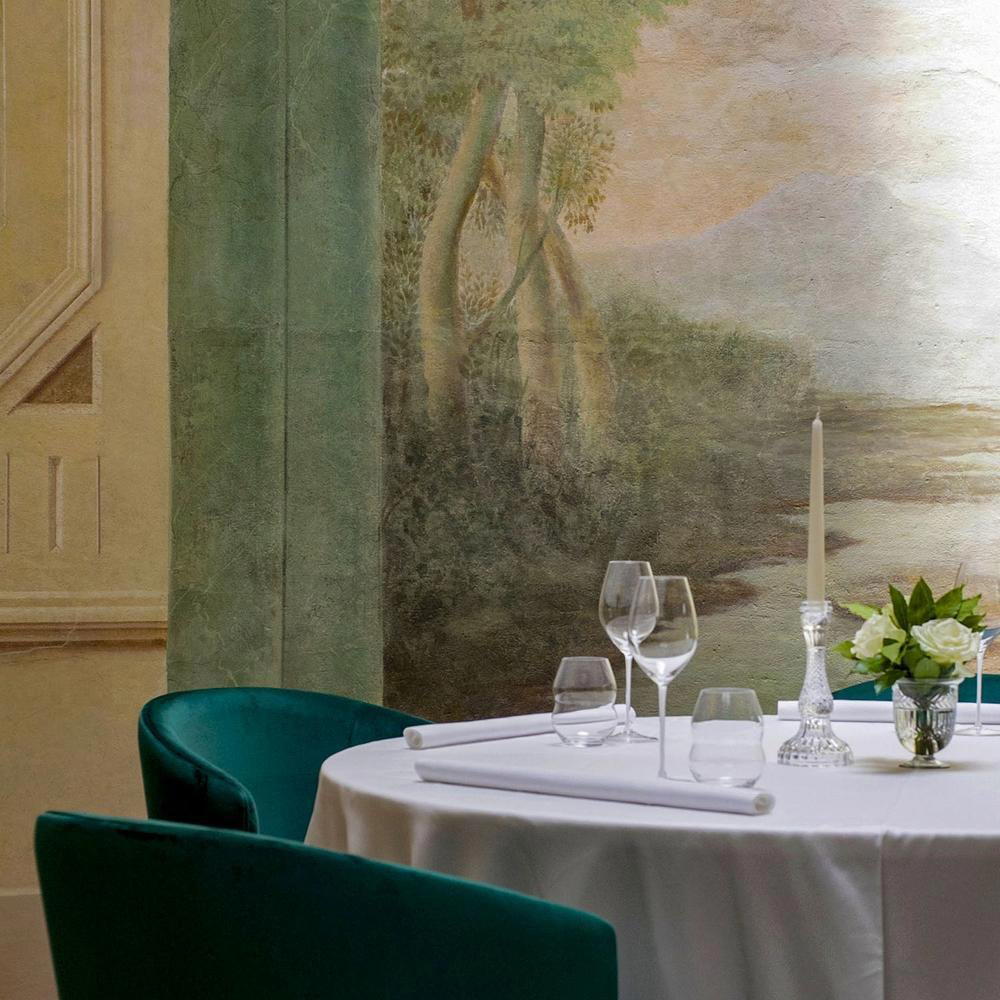
Bars in Rubiera
Browse all →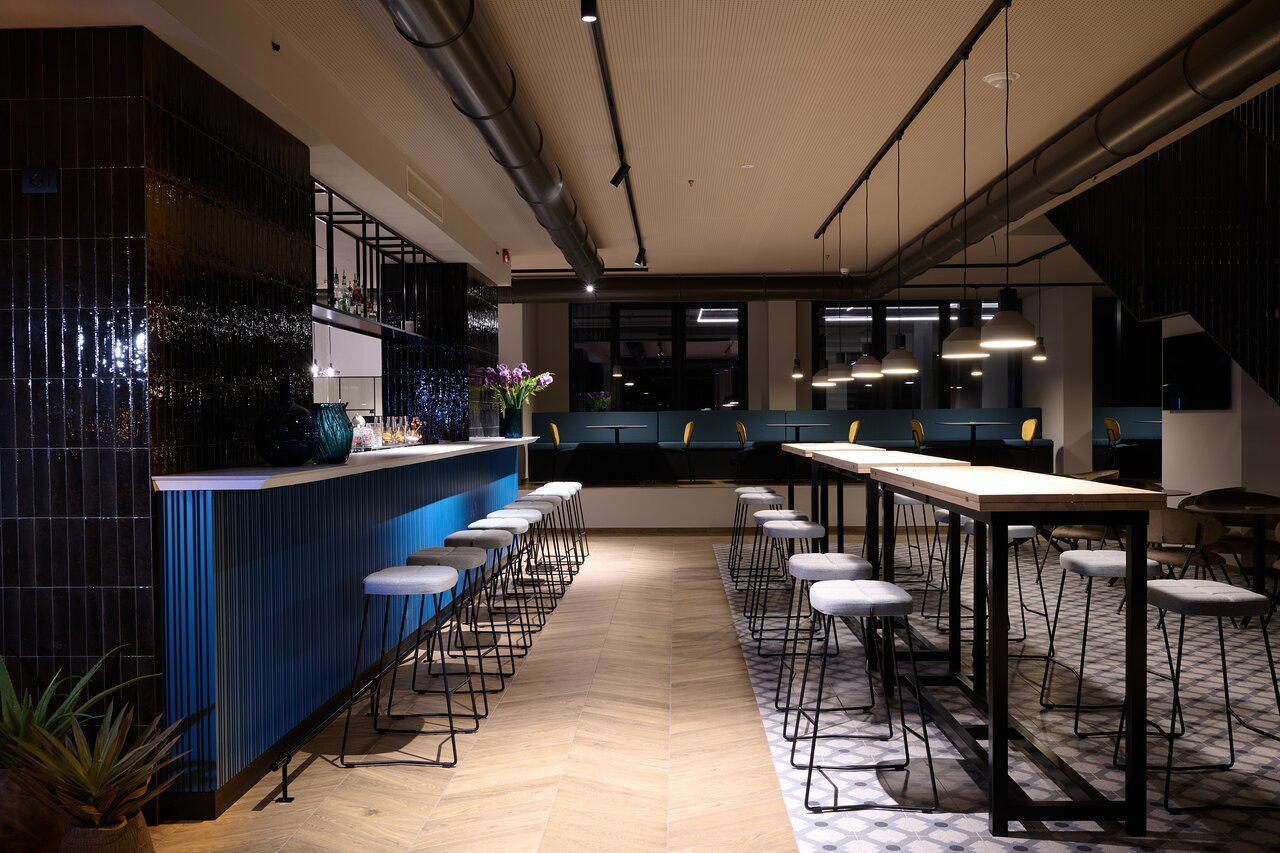
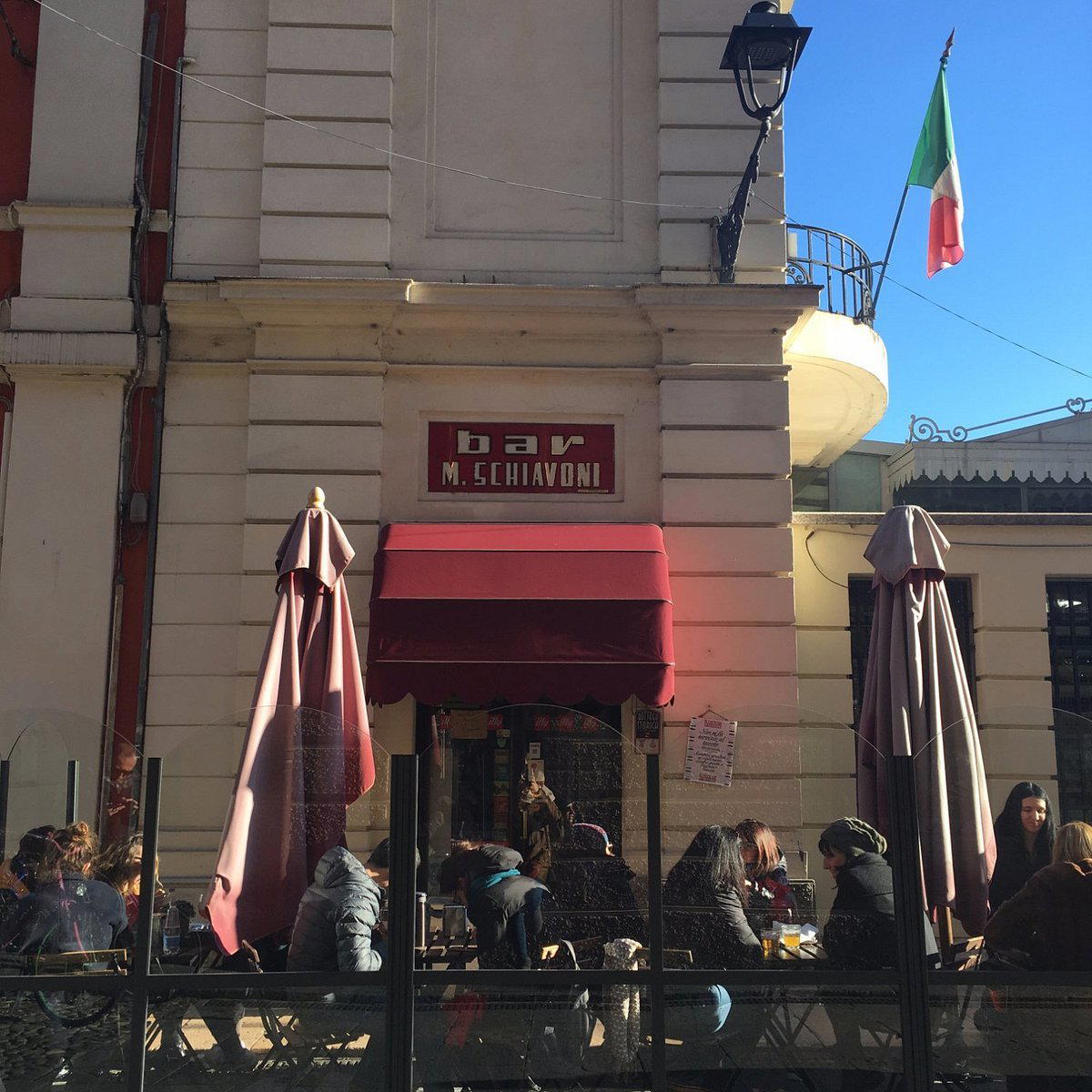
Hotels in Rubiera
Browse all →

At a Glance
- Classic
- Well Known
- Elegant
- Intimate
- Special Occasion
- Family
- Celebration
- Historic Building
- Extensive Wine List
Current opening hours
- Monday
- Closed
- Tuesday
- 12:30–2:30 PM, 8–10:30 PM
- Wednesday
- 12:30–2:30 PM, 8–10:30 PM
- Thursday
- 12:30–2:30 PM, 8–10:30 PM
- Friday
- 12:30–2:30 PM, 8–10:30 PM
- Saturday
- 12:30–2:30 PM, 8–10:30 PM
- Sunday
- 12:30–2:30 PM
Hours can change for holidays and private events. Last verified .
Nostalgic atmosphere in historic 15th-century rooms evoking old-world Emilian charm with rolling service carts.