Alto

1 Michelin Star
Our verdict
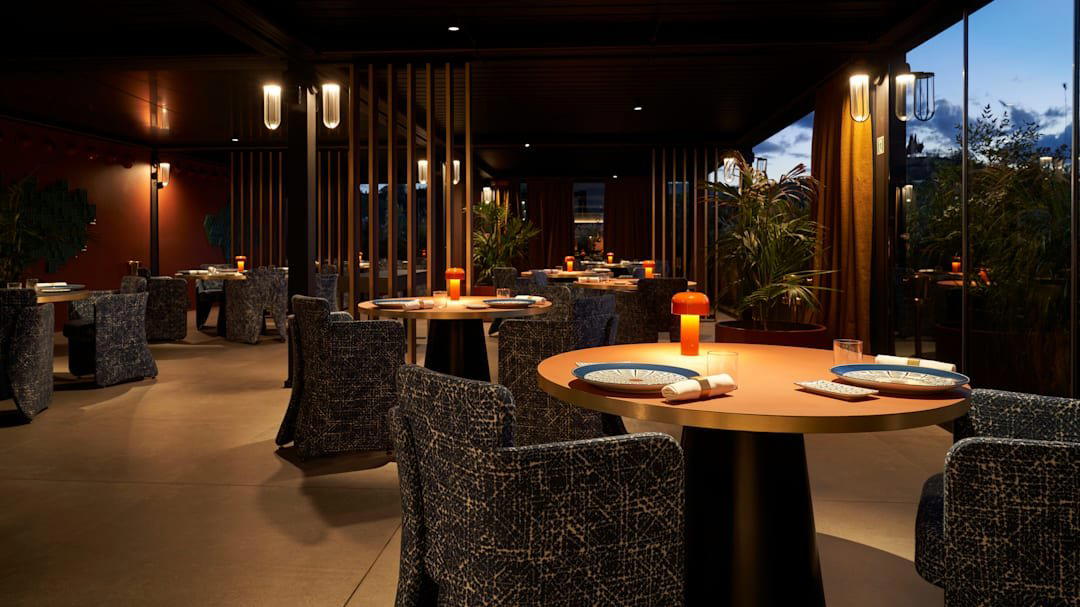
Alto occupies the rooftop of Fiorano Modenese's Executive Spa Hotel, where glass walls frame views across the Emilian hills to the Sanctuary of the Blessed Virgin of the Castle. Chef Mattia Trabetti runs two tasting menus rooted in regional produce: a fully vegetable-driven format and a broader exploration of local Modenese ingredients. Open Tuesday through Saturday from 7:30 PM, it operates at the €€€ creative fine-dining tier.

Pearl is the En Primeur Club membership app — saves, bookings, and concierge access live there. Same editors, same standards.
- Address
- Circondariale S. Francesco, 2, 41042 Fiorano Modenese MO, Italy
- Phone
- +39 0536 175 3281
- Hours
- Mon ClosedTue–Fri 7:30–10:30 PMSat 12:30–2:30 PM, 7:30–10:30 PMSun Closed
- Website
- altoristorante.com
- Directions
- Get directions
- Booking
- Book on the venue's website
The menu
What to order
- Modena Safari tasting menu
- Emilia Vegetale vegetarian menu
- Fusillone
- Snail
- Hillside risotto
- Marble gress dessert
A Rooftop Dining Room in the Emilian Hills
Fine dining in the Emilia-Romagna region tends to anchor itself in urban centres or converted rural estates. Alto takes a different position: the leading floor of the recently renovated Executive Spa Hotel in Fiorano Modenese, where glass walls on all sides place the dining room inside the landscape rather than apart from it. The Sanctuary of the Blessed Virgin of the Castle sits in the sightline, and the soft gradient of the Emilian hills fills the periphery. Before a dish arrives, the setting already frames the meal as a conversation between the room and the territory outside it.
That relationship between place and plate is not incidental. In a region where provenance is taken seriously — where the land dictates what goes on the table and the seasons determine when — Alto's location carries editorial weight. Fiorano Modenese sits within the province of Modena, one of the most ingredient-dense food geographies in Italy: Parmigiano-Reggiano wheels aged in surrounding caseifici, traditional balsamic vinegar that takes decades to produce, and Lambrusco grown in the flatlands just below. A rooftop creative restaurant operating at the €€€ tier here is working with serious raw material from its first course.
Two Menus, Two Arguments About the Same Terroir
The menu architecture at Alto presents two tasting formats that approach the same regional larder from opposite angles. The Emilia Vegetale menu draws entirely from the plant world, tracing the seasons and soils of the region through vegetables, grains, and herbs. The Modena Safari menu opens the aperture to include local animal proteins and the full range of Modenese produce, positioning itself as an exploration of the area's defining ingredients rather than a conventional progression of courses.
This kind of dual-menu structure has become a common device in Italian creative fine dining, and the better examples use it to make a genuine argument rather than to simply offer a vegetarian alternative. At Alto, the framing of Emilia Vegetale as a "green journey rooted in the region's land and seasons" suggests the menu follows agricultural time, not a fixed script, a signal that sourcing drives the kitchen's decisions at a structural level, not just as a garnish on a marketing description. The Modena Safari title, meanwhile, suggests a culinary curiosity about the area's identity, rather than a conventional tasting progression. Chef Mattia Trabetti's approach is described as young and innovative, which in this region's context means working creatively with ingredients that carry enormous cultural weight.
For comparison, Italian creative restaurants at the three-Michelin-star tier, Osteria Francescana in Modena, Le Calandre in Rubano, or Atelier Moessmer Norbert Niederkofler in Brunico, have all built their identities around a specific regional or seasonal thesis expressed through tasting menus. Alto operates at the €€€ tier rather than the €€€€ bracket occupied by those peers, which positions it as a serious creative address without the full ceremony or price commitment of Italy's most decorated rooms. That gap matters: it describes a tier of fine dining where the kitchen's ambition is high but the experience retains a degree of accessibility.
The Wine List as a Regional Argument
The wine program at Alto opens with regional labels before moving outward across Italy and into France, which is the correct sequencing for a restaurant making a territorial argument through its food. Starting local means the first glass a guest encounters frames the meal's geography before the kitchen does.
The Romagna Sangiovese "Acereta" by Giorgio Melandri receives a specific recommendation in the venue's own documentation, cited for its balance and value. Romagna Sangiovese occupies an interesting position in Italian wine culture: less globally discussed than Piedmont's Nebbiolo or Tuscany's Sangiovese-based blends, but increasingly recognised by wine professionals for its range and food compatibility. A recommendation that reaches across the region's border into Romagna, rather than defaulting to a Lambrusco from the immediate Modenese zone, suggests a wine program with genuine range and some editorial confidence behind it.
For context, Italian restaurants in this creative tier, from Enoteca Pinchiorri in Florence to Uliassi in Senigallia, tend to treat the wine list as a second editorial layer, not a support function. At Alto, the structure of the list suggests a similar intent at a different scale.
Where Alto Sits in the Regional and Italian Creative Scene
The creative fine-dining tier across northern Italy currently splits between heavily awarded destination restaurants requiring considerable advance planning, and a smaller cohort of ambitious addresses that operate with less institutional recognition but comparable kitchen seriousness. Alto belongs to the latter group. Its location in Fiorano Modenese, a small industrial town leading known internationally for Ferrari's test track, means it does not benefit from the flow of food-tourism traffic that sustains restaurants in Modena's historic centre or Bologna's old city.
That geography creates a different kind of guest dynamic. Alto draws from a local and regional audience that treats it as a serious dining destination rather than a stop on an established circuit. In that respect, it belongs to a pattern visible across Italy's secondary cities and towns: restaurants like Reale in Castel di Sangro or Quattro Passi in Marina del Cantone, which deliver serious creative cooking in locations that require deliberate travel rather than convenient proximity. The argument in each case is the same: the food is reason enough to go specifically there.
For readers exploring creative fine dining across Europe at this price tier, similar positioning appears in venues like 't Amsterdammertje in Loenen aan de Vecht and Codium in Goes, €€€ creative addresses operating outside major city centres, where the kitchen's relationship with its immediate territory is part of the offer. Equally, within Milan's more urban creative scene, Enrico Bartolini and further south Dal Pescatore in Runate and Piazza Duomo in Alba illustrate the range of environments in which Italian creative cooking finds expression.
Planning a Visit
Alto opens Tuesday through Saturday, with service from 7:30 PM to 10:30 PM. The restaurant is closed Sunday and Monday. Given its location on the leading floor of the Executive Spa Hotel, guests staying at the hotel have direct access, while those dining only should account for Fiorano Modenese's limited public transport connections and plan accordingly. For those spending longer in the area, our full Fiorano Modenese hotels guide covers accommodation options across the town.
Fiorano Modenese rewards a full day's exploration before dinner: the Ferrari Museum in nearby Maranello draws significant visitor traffic, and the broader Modena province offers producer visits to balsamic vinegar acetaie and Parmigiano-Reggiano dairies that give the region's food culture concrete form before the tasting menu makes its own case. For the full picture of what the town offers beyond Alto, see our full Fiorano Modenese restaurants guide, alongside guides to bars, wineries, and experiences in the area. Exé Restaurant offers an alternative Italian address in the same town for those building a longer stay around the local dining scene.
Frequently asked questions
Where is Alto in Fiorano Modenese?
Alto is located at Circondariale S. Francesco, 2, 41042 Fiorano Modenese MO, Italy, Fiorano Modenese.
Side-by-Side Snapshot
| Venue | Cuisine | Price | Awards | Notes |
|---|---|---|---|---|
| AltoThis venue — the venue you are viewing | Contemporary Emilian Fine Dining | $150–200 | 1 Michelin Star | Not listed |
| Atelier Moessmer Norbert Niederkofler | Italian, Creative | Not listed | Michelin 3 Star | Not listed |
| Dal Pescatore | Italian, Italian Contemporary | Not listed | Michelin 3 Star | Not listed |
| Enoteca Pinchiorri | Contemporary Italian Fine Dining | $200–300 | 3 Michelin Stars · World's 50 Best #32 | Italian - French, Italian Contemporary |
| Enrico Bartolini | Creative | Not listed | Michelin 3 Star | Not listed |
| Osteria Francescana | Avant-Garde Italian Contemporary | $300–500 | 3 Michelin Stars · World's 50 Best #1 | Progressive Italian, Creative |
Recognition history
Dated appearances from independent guides and award organizations, with the underlying list record or original source where available.
Michelin 1 Star
Michelin
Full recognition history (2 entries)
Michelin 1 Star
Michelin
Continue exploring
More in Fiorano Modenese
Restaurants in Fiorano Modenese
Browse all →
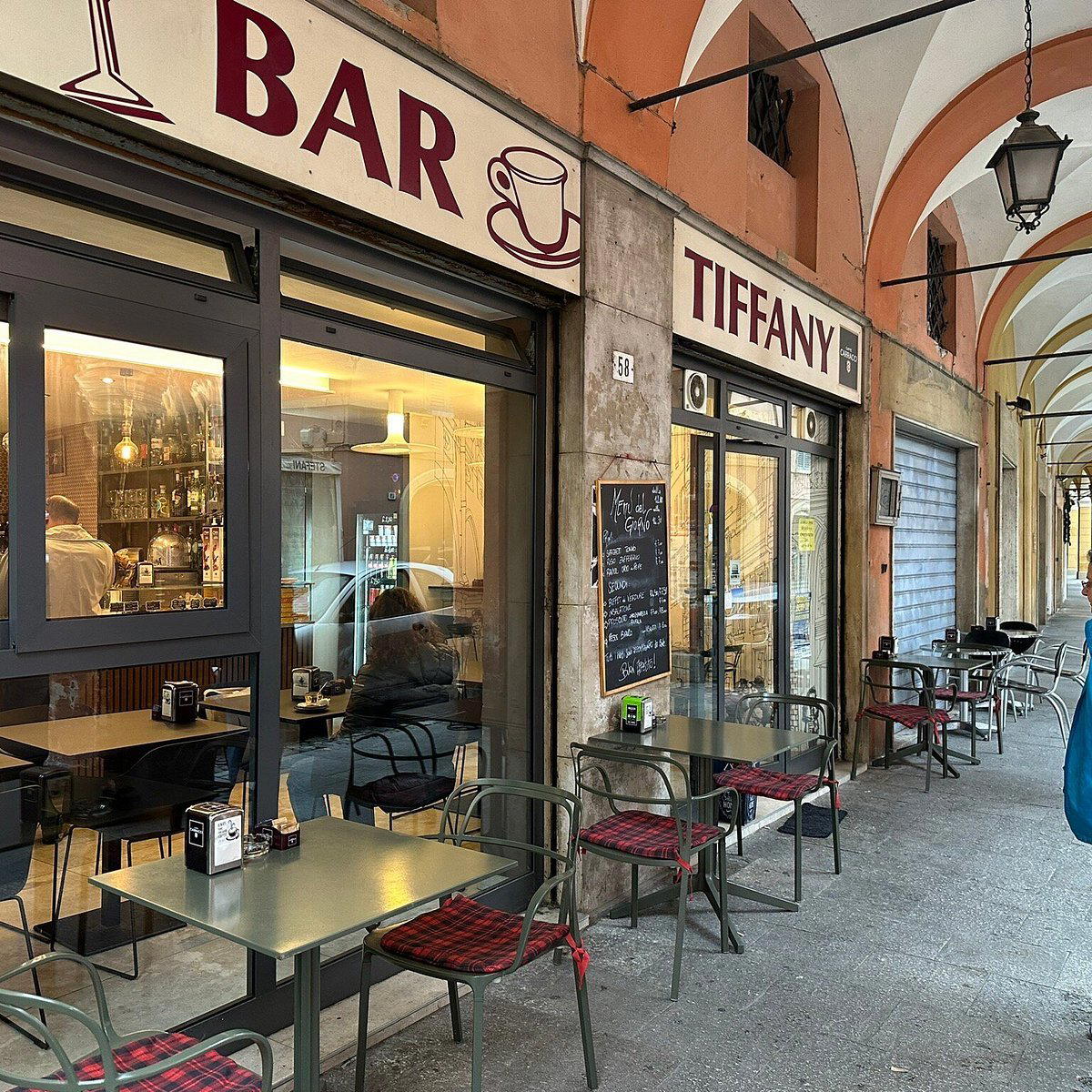
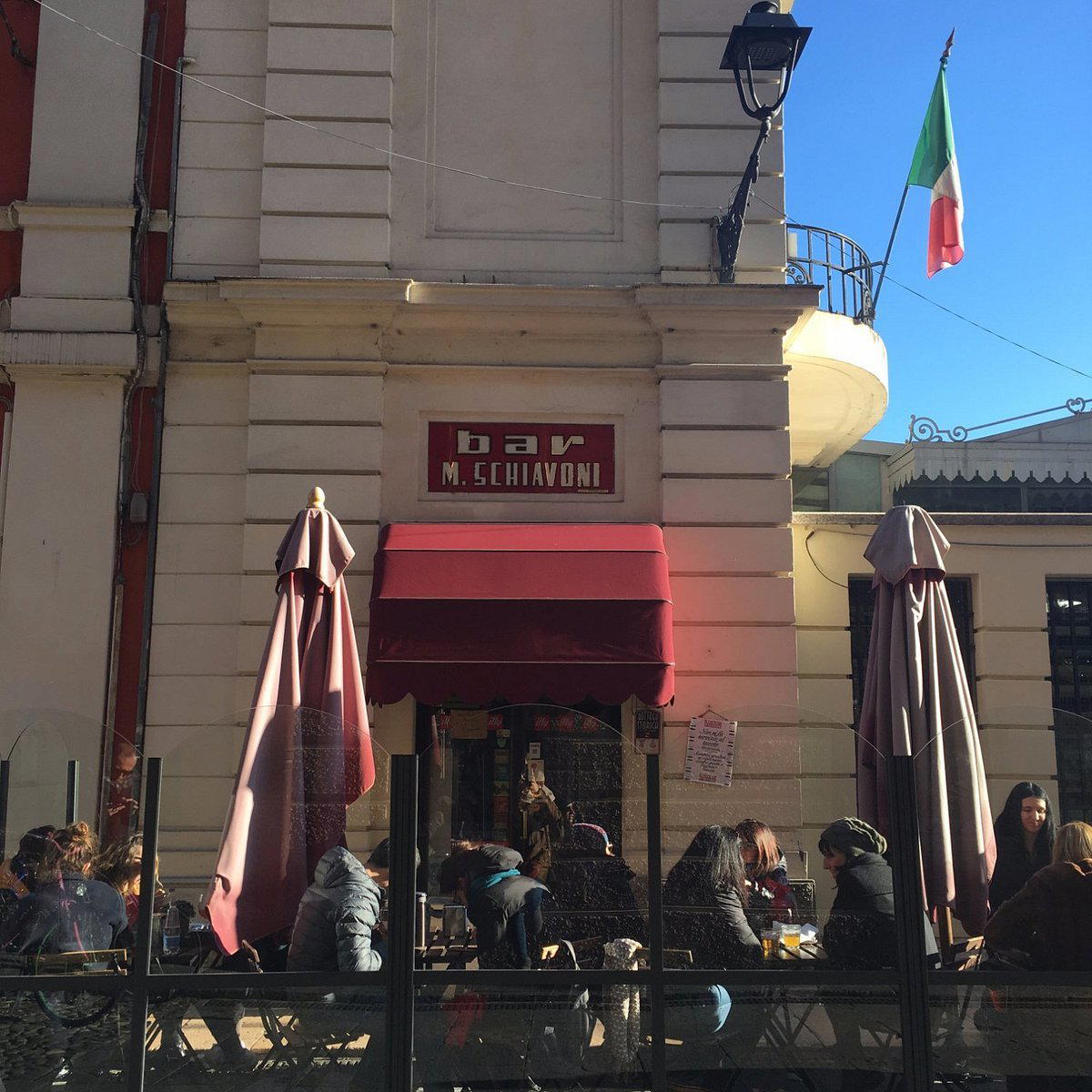
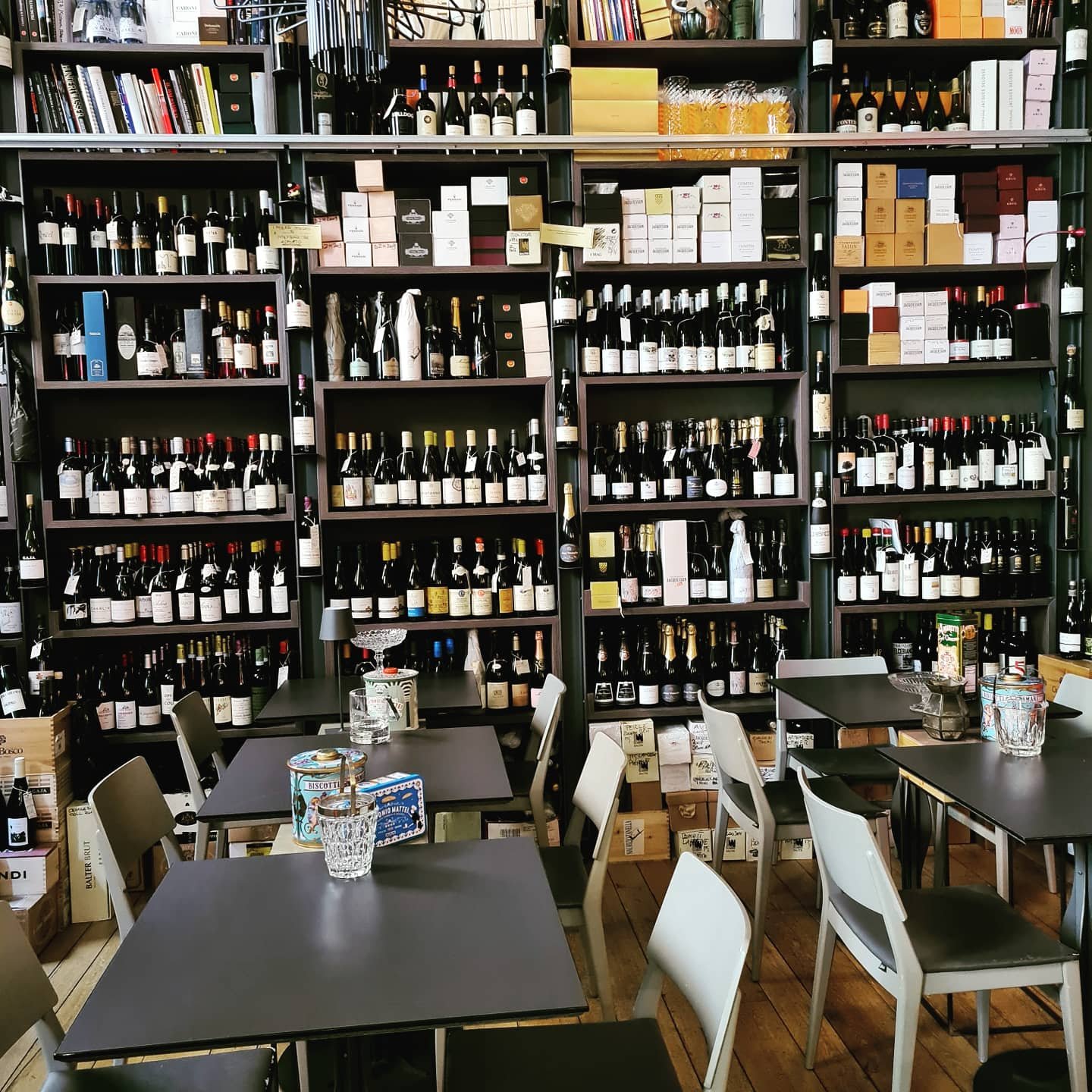
Bars in Fiorano Modenese
Browse all →
Hotels in Fiorano Modenese
Browse all →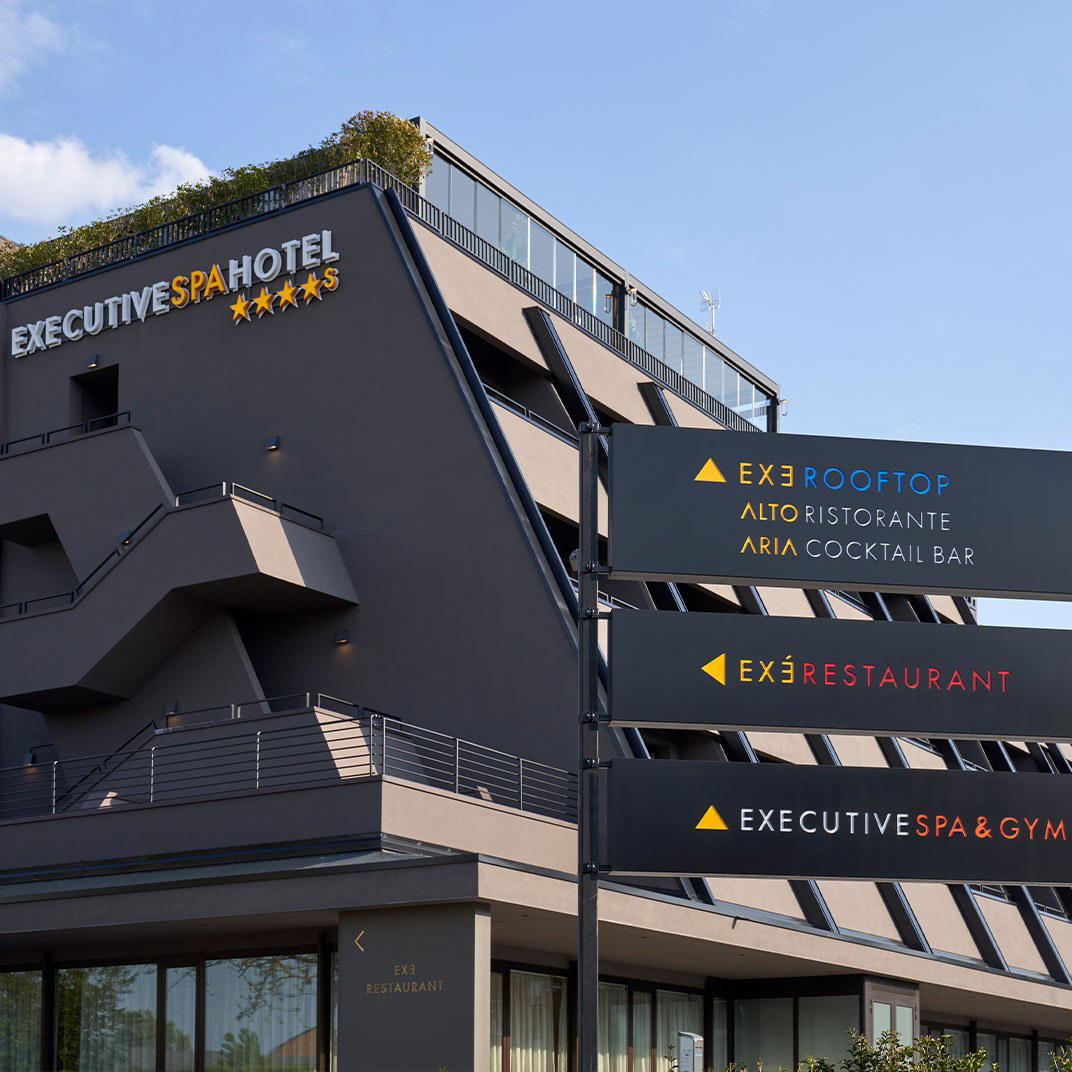

Details
- Sophisticated
- Elegant
- Modern
- Scenic
- Intimate
- Date Night
- Special Occasion
- Celebration
- Rooftop
- Panoramic View
- Hotel Restaurant
- Open Kitchen
- Extensive Wine List
- Sommelier Led
- Craft Cocktails
- Farm To Table
- Local Sourcing
- Organic
- Mountain
- Tasting Menu
- A La Carte
- Wine Pairing
- Lambrusco
- Natural Wine
- Vegetarian Friendly
- Allergy Accommodating
Current opening hours
- Monday
- Closed
- Tuesday
- 7:30–10:30 PM
- Wednesday
- 7:30–10:30 PM
- Thursday
- 7:30–10:30 PM
- Friday
- 7:30–10:30 PM
- Saturday
- 12:30–2:30 PM, 7:30–10:30 PM
- Sunday
- Closed
Hours can change for holidays and private events. Last verified .
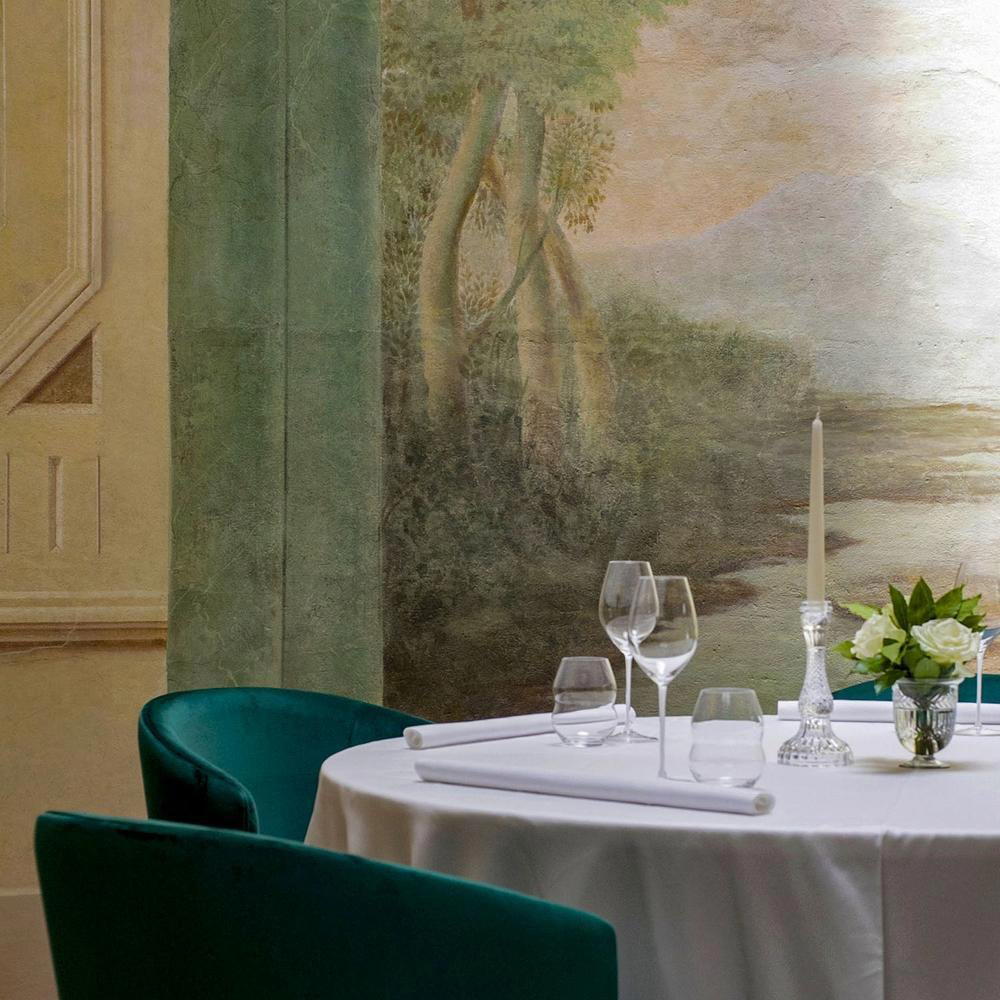
Modern, refined dining room with soft lighting and floor-to-ceiling windows overlooking the Modenese hills and the Santuario della Beata Vergine del Castello; intimate and tranquil atmosphere conducive to conversation.