Enigma Restaurant

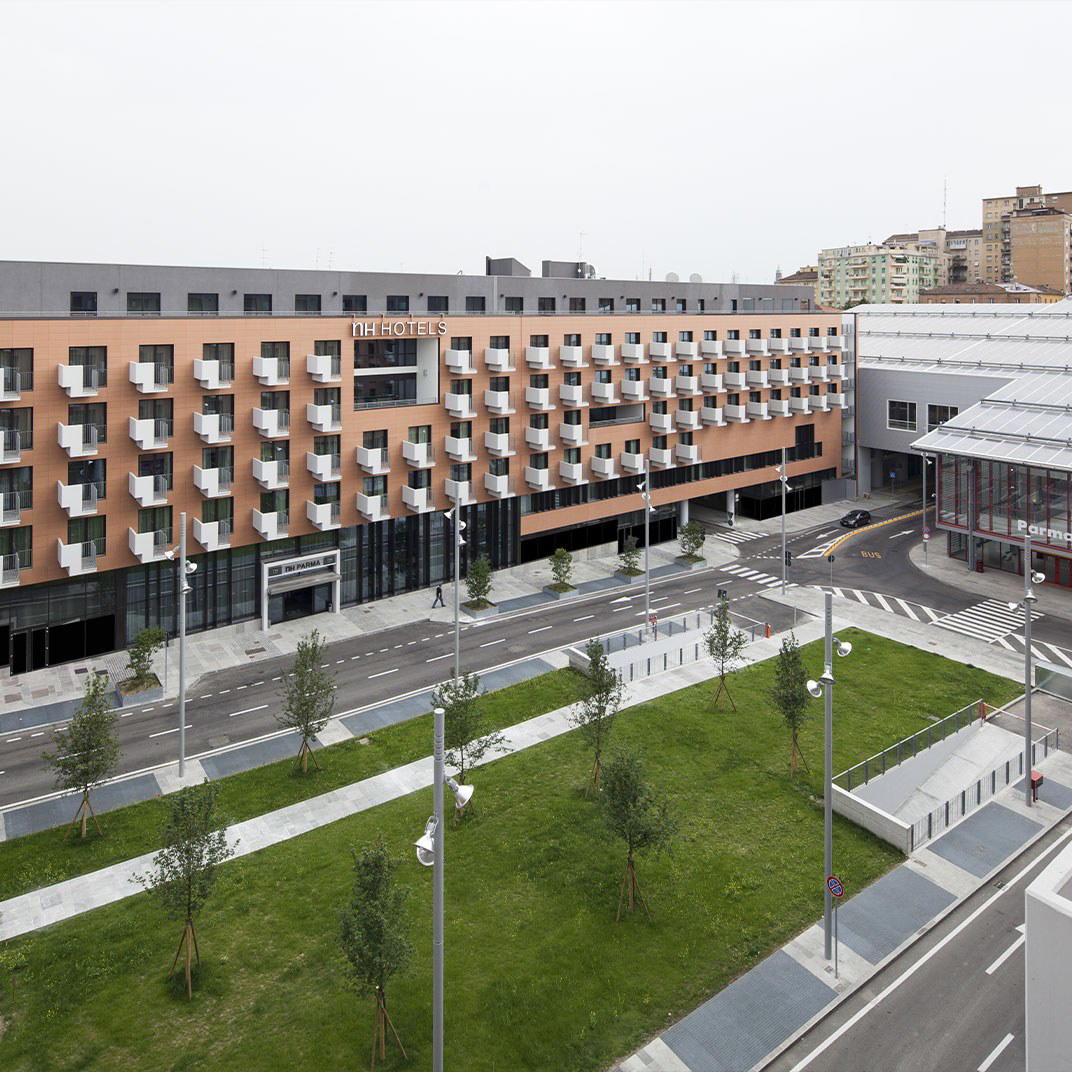
Set within a hotel overlooking a central Reggio Emilia park, Enigma holds a Michelin Plate (2025) and takes a dual-regional approach, drawing from both Emilia and Campania to produce cooking that is neither strictly local nor predictably crossover. Chef Ciro Sieno's menu moves between tortello filled with Neapolitan ragù and cappelletti with minestra maritata, placing the restaurant in a small category of Italian tables where geography is actively interrogated rather than simply celebrated.
Pearl is the En Primeur Club membership app — saves, bookings, and concierge access live there. Same editors, same standards.
- Address
- Viale Leopoldo Nobili, 2/c, 42121 Reggio nell'Emilia RE, Italy
- Phone
- +39 0522 206614
- Website
- enigmarestaurant.it
- Directions
- Get directions
 Saves & bookings on Pearl
Where Two Regions Meet the Plate
Reggio Emilia sits at the productive heart of Emilia-Romagna, a province whose culinary reputation rests on cured pork, Parmigiano-Reggiano aged in local caseifici, and a pasta tradition so entrenched that even minor deviations generate debate. Most restaurants operating at the €€€ price tier in this city stay close to that tradition, using regional provenance as both credential and comfort. Enigma, on Viale Leopoldo Nobili within a hotel that faces a centrally located park, takes a different position: it sources from two regional traditions simultaneously, combining the larder of Emilia with the techniques and ingredients of Campania, the southern Italian region from which the kitchen draws a second frame of reference.
That dual sourcing is not window dressing. The tortello filled with a Neapolitan ragù puts a northern pasta form in direct conversation with a slow-cooked southern meat sauce, a pairing that requires both culinary traditions to be handled with equal seriousness. The cappelletti filled with minestra maritata does something similar, borrowing a Neapolitan broth-and-greens dish and pressing it inside a format that is quintessentially Emilian. For diners familiar with either tradition, the effect is disorienting in a productive way: you recognize the components, but the combinations are not ones you would find in Bologna or Naples separately. This is what ingredient sourcing looks like when it is used as an argument rather than a backdrop.
The Setting and the Approach
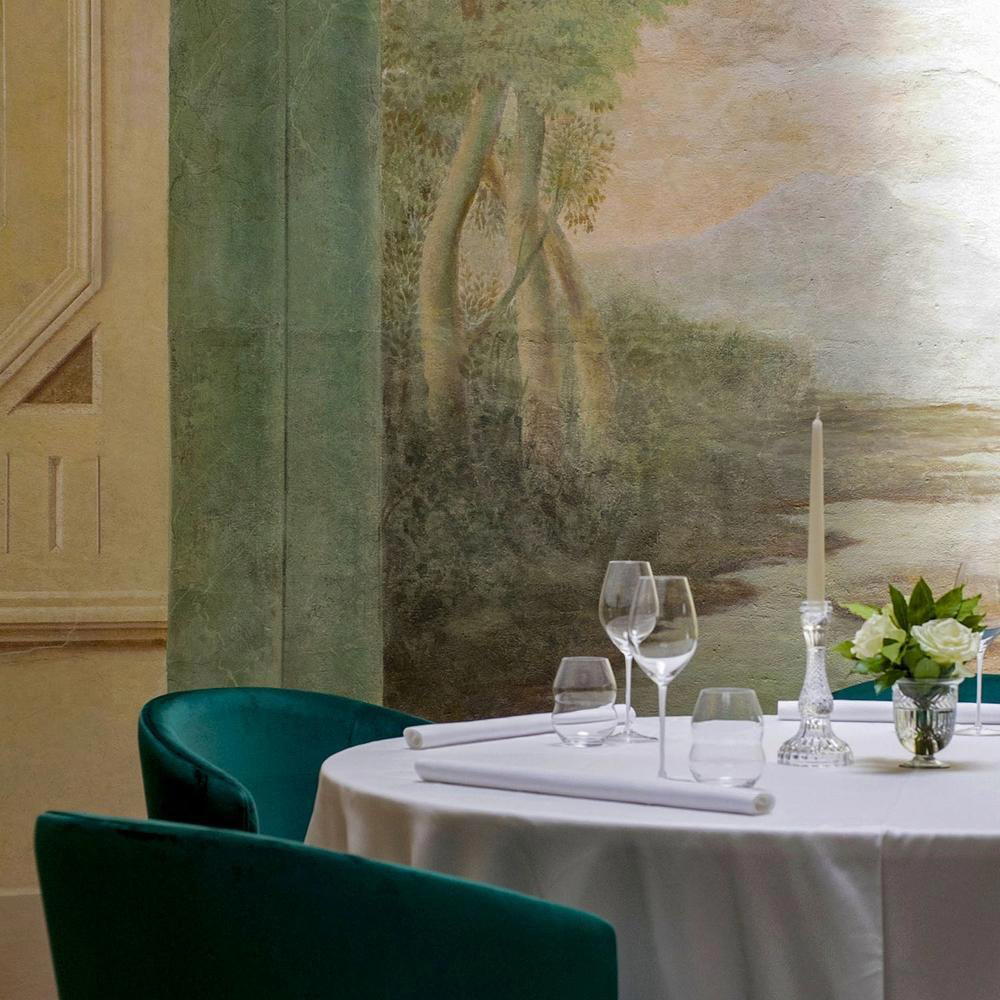
The restaurant occupies a room with large windows that face the surrounding park greenery, giving it a quality of natural light that separates it from the more enclosed dining rooms common to historic city-centre buildings in Emilia-Romagna. The private entrance, independent from the main hotel access, signals a deliberate separation of the dining experience from the broader hospitality operation. This kind of architectural decision is common to hotel restaurants that are trying to build a reputation on their own terms rather than on the hotel's guest base alone.
The menu structure covers meat, fish, and vegetarian options, a range that reflects both the breadth of the two regional traditions it draws from and a practical acknowledgment that the €€€ price point brings in a more varied clientele than a single-focus tasting format would. Emilia-Romagna's culinary tradition is heavily meat-oriented, but Campania's coastal geography introduces fish and seafood as equally legitimate anchors, and the vegetarian strand sits naturally alongside both.
Regional Cuisine at the €€€ Tier in Reggio Emilia
Reggio Emilia's dining scene at this price level is relatively contained. The city does not have the density of high-end restaurants found in Bologna or Modena, and the proximity to Osteria Francescana in Modena means that diners travelling specifically for serious Italian cooking often continue east rather than stopping here. That context matters for understanding what Enigma is doing. It is not competing with the multi-starred operations along the Po Valley corridor, such as Le Calandre in Rubano or Dal Pescatore in Runate. It is operating as a serious restaurant within a city that has a smaller peer group, which gives its dual-regional proposition more room to be distinctive.
Within Reggio Emilia itself, the comparable set is worth mapping. A Mangiare and Il Pozzo both operate at the €€ tier, the former in regional cuisine and the latter in traditional cooking. Both sit below Enigma's price positioning. Piccola Piedigrotta offers another point of reference in the city's restaurant landscape. Enigma's €€€ positioning and its 2025 Michelin Plate recognition place it at the upper end of the local scene by both price and critical acknowledgment, without the starred accolades that would put it in a national conversation.
For broader context on the regional cuisine category across Italy, the distance between a Michelin Plate and the starred tier becomes visible when comparing against restaurants like Piazza Duomo in Alba or Enrico Bartolini in Milan, where the same regional sourcing philosophy operates at a different level of ambition and investment. Closer geographically, Atelier Moessmer Norbert Niederkofler in Brunico shows what Alpine regional sourcing looks like at the starred level, and Enoteca Pinchiorri in Florence anchors the fine dining end of Italian cooking with a different emphasis on wine and classical technique. For readers interested in how the regional cuisine format plays out beyond Italy, Fahr in Künten-Sulz and Gannerhof in Innervillgraten represent the Central European version of the same commitment to place-specific ingredients. The southern Italian coastal register, meanwhile, appears more fully developed at Quattro Passi in Marina del Cantone.
The Wine Program
Italian restaurants at the €€€ tier that hold Michelin recognition typically carry wine lists weighted toward regional producers, with broader national and international coverage as a secondary layer. What the Michelin Plate recognition does signal is a level of overall table investment, of which wine is generally a component, particularly in Emilia-Romagna, where Lambrusco and local whites form a natural anchor for regional menus.
Planning Your Visit
Enigma is located at Viale Leopoldo Nobili, 2/c, 42121 Reggio nell'Emilia, within a hotel property that faces one of the city's central parks. The restaurant has its own entrance, separate from the hotel. At the €€€ price tier The restaurant draws a mix of hotel guests and local diners. Booking in advance is advisable, particularly for weekend evenings, though the relatively modest review volume suggests the restaurant does not operate at the same capacity pressure as starred venues in larger Italian cities. Specific hours and booking contacts are not listed here.
Budget and Context
Comparable venues nearby, for context on price, style, and recognition.
| Venue | Cuisine | Price | Awards | Notes |
|---|---|---|---|---|
| Enigma RestaurantThis venue — the venue you are viewing | city center, Modern Italian Fine Dining | $$$$ | Michelin Plate, World's 50 Best #34 | Not listed |
| A Mangiare | Not listed | $$$ | Michelin Plate | historic centre, Traditional Emilian with Creative Touches |
| Piccola Piedigrotta | Not listed | $$ | Not listed | Piazza XXV Aprile, Neapolitan Pizza with Emilia Ingredients |
| Il Pozzo | Not listed | $$ | Michelin Plate | old town centre, Traditional Reggio Emilia Italian |
| La Peca | Lonigo, Modern Italian Fine Dining | $$$$ | Michelin 2 Star | Not listed |
| Miramonti l'Altro | Not listed | $$$$ | Michelin 2 Star | Costorio, Italian Contemporary with French Influences |
Recognition history
Dated appearances from independent guides and award organizations, with the underlying list record or original source where available.
Michelin Plate
Michelin
Michelin Plate
Michelin
World's 50 Best Best Restaurants #34
World's 50 Best
Michelin Plate
Michelin
Continue exploring
More in Reggio Emilia
Restaurants in Reggio Emilia
Browse all →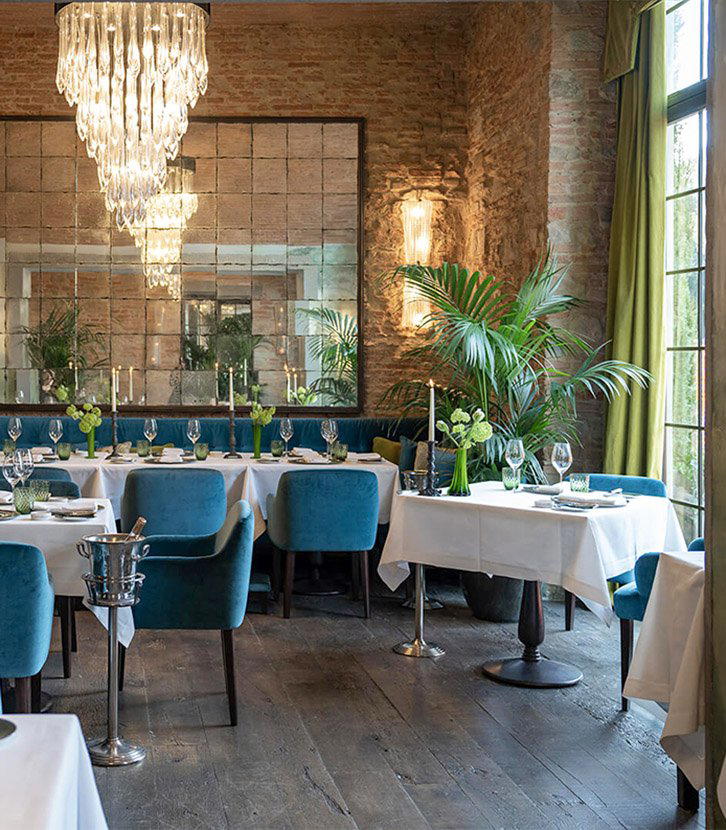
Bars in Reggio Emilia
Browse all →
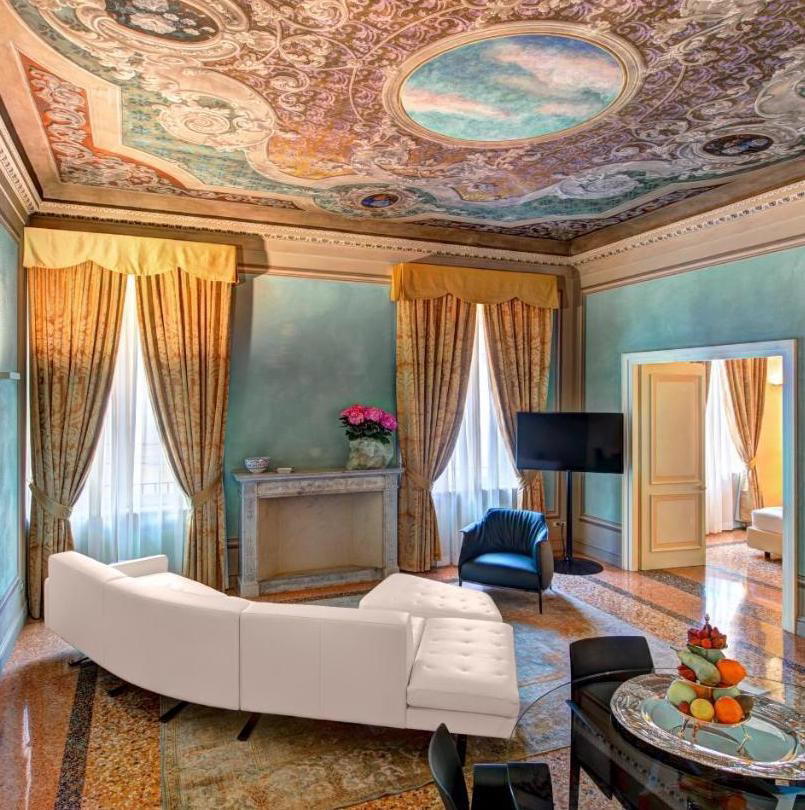
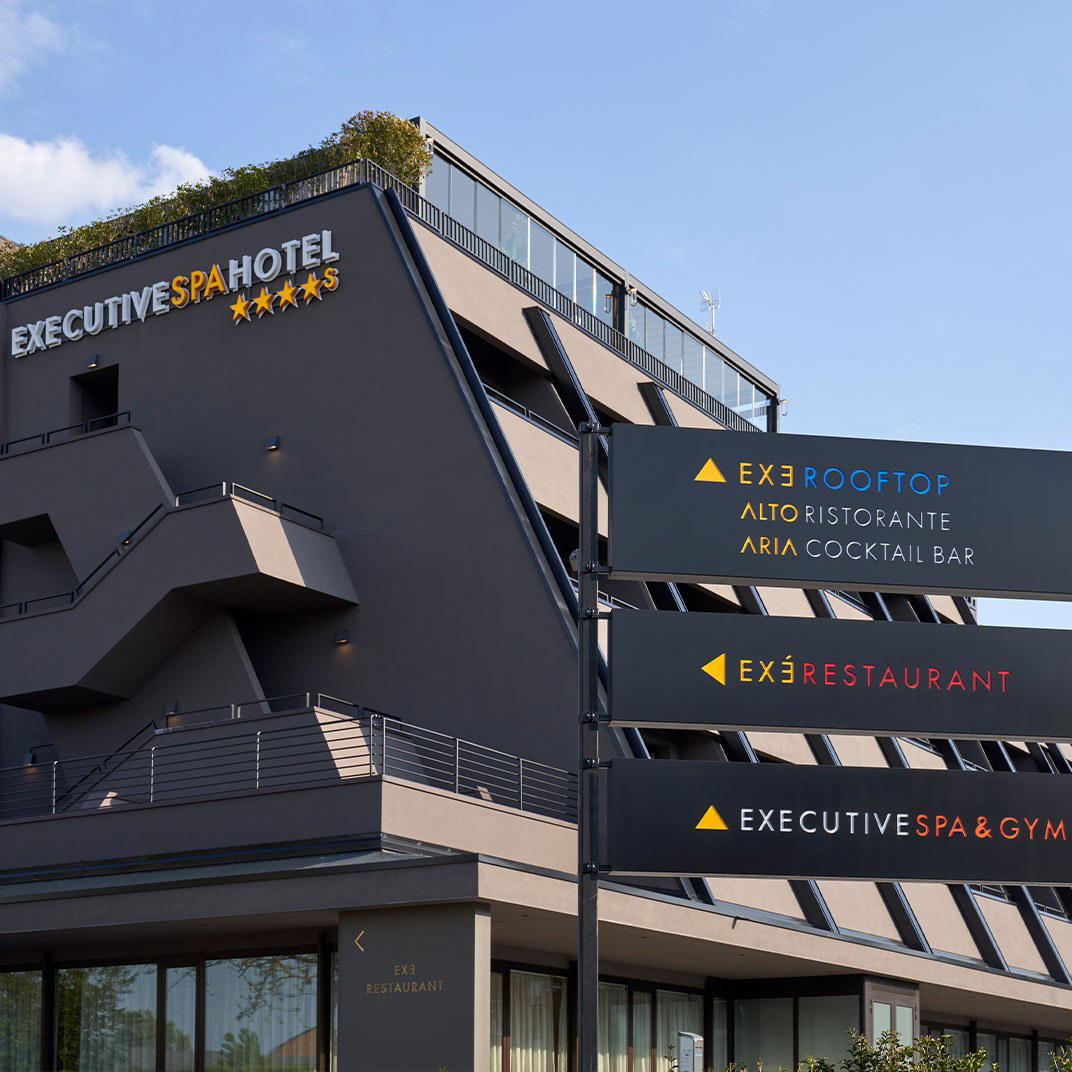
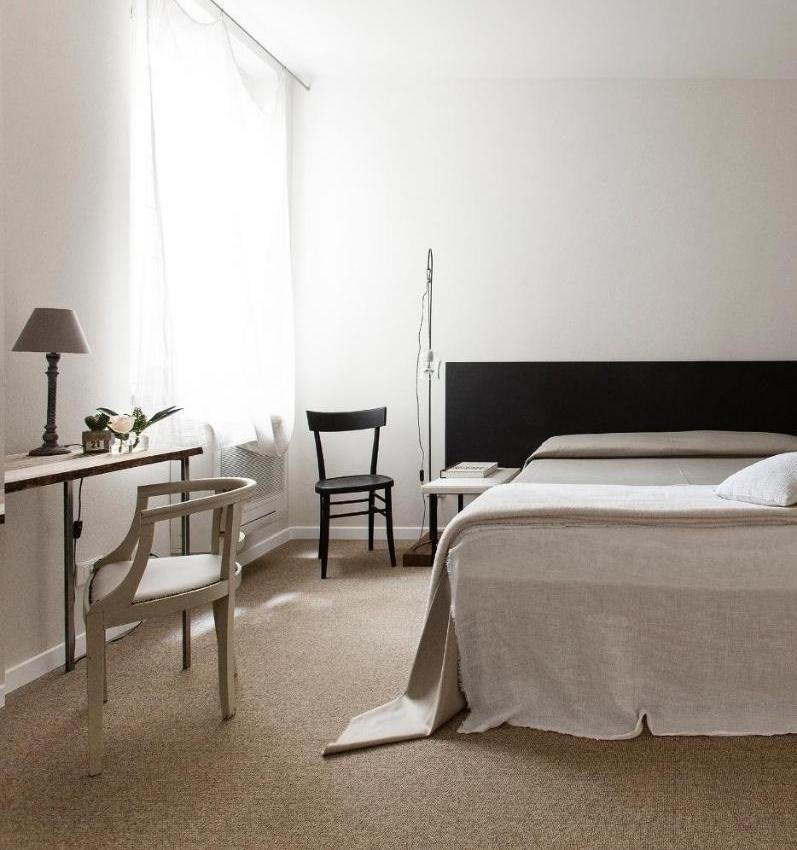
Hotels in Reggio Emilia
Browse all →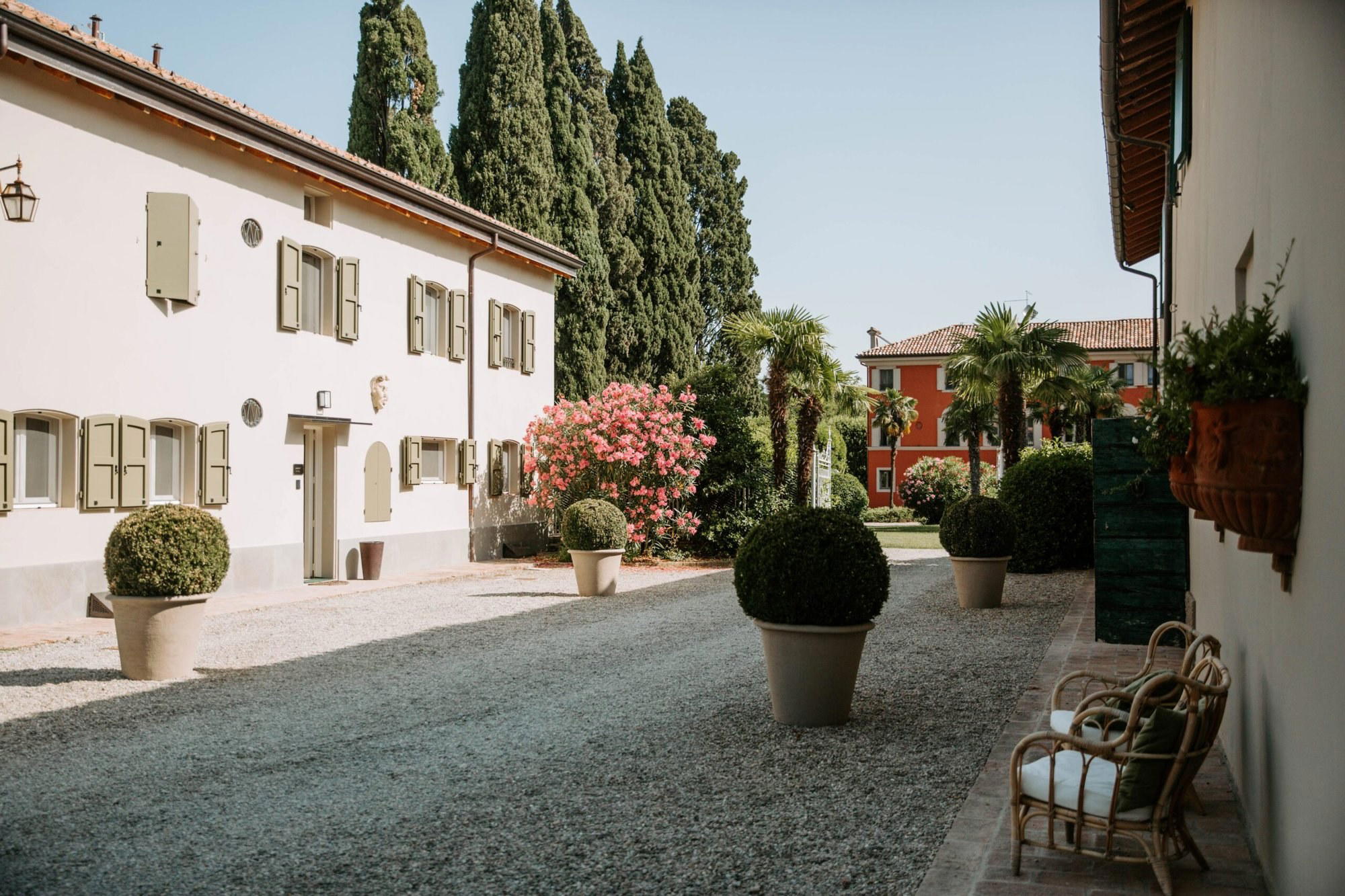
Wineries in Reggio Emilia
Browse all →
At a Glance
- Elegant
- Sophisticated
- Intimate
- Date Night
- Special Occasion
- Hotel Restaurant
- Garden
Current opening hours
- Monday
- 7:30–10 p.m.
- Tuesday
- 12–2 p.m., 7:30–10 p.m.
- Wednesday
- 12–2 p.m., 7:30–10 p.m.
- Thursday
- 12–2 p.m., 7:30–10 p.m.
- Friday
- 12–2 p.m., 7:30–10 p.m.
- Saturday
- Closed
- Sunday
- Closed
Hours can change for holidays and private events. Last verified .
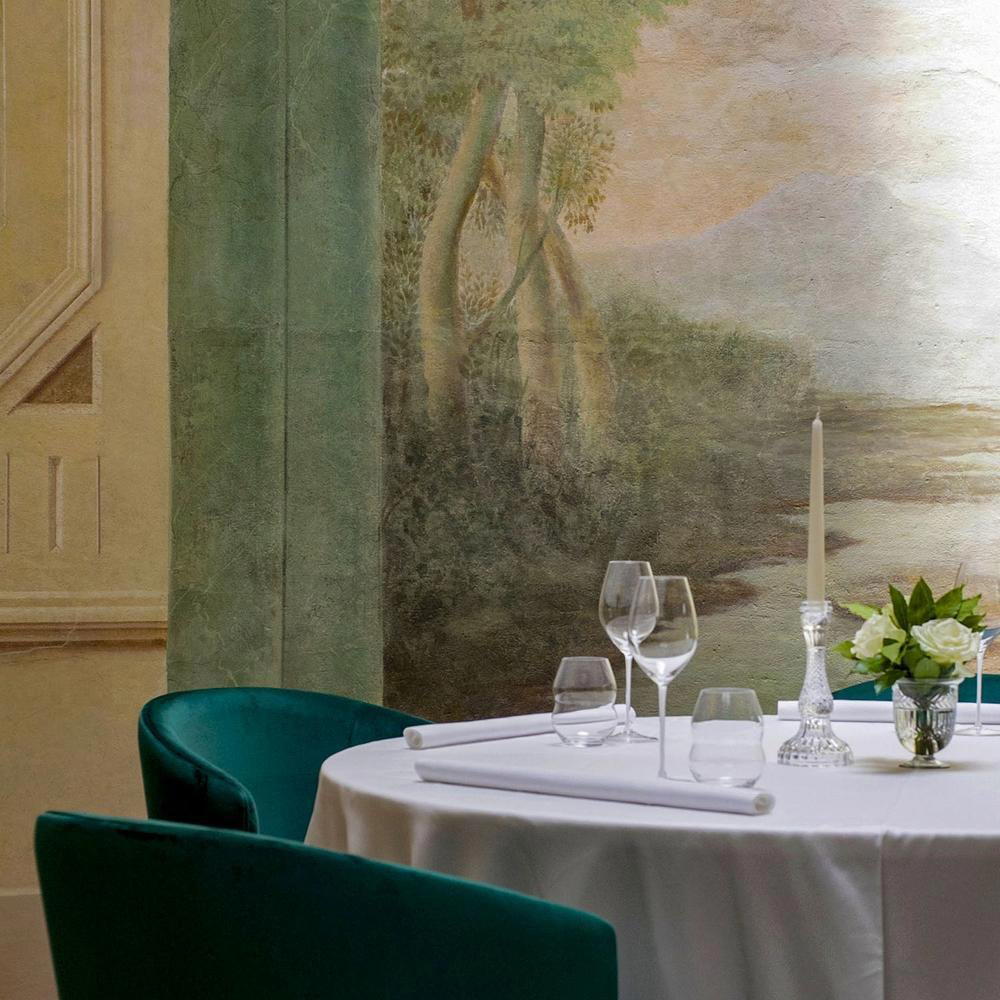
Beautifully appointed with elegant lighting and serene park surroundings.