Bad Saint

Bad Saint on 11th Street NW has built one of Washington D.C.'s most tenacious dining followings around Filipino cooking that sits well outside the city's usual diplomatic-circuit fare. The room is small, the format deliberately casual, and the kitchen's approach to Philippine regional cuisine has earned sustained national recognition. Regulars return not for occasion dining but for the kind of cooking that improves with familiarity.
- Address
- 3226 11th St NW, Washington, DC 20010
- Website
- badsaintdc.square.site
- Directions
- Get directions
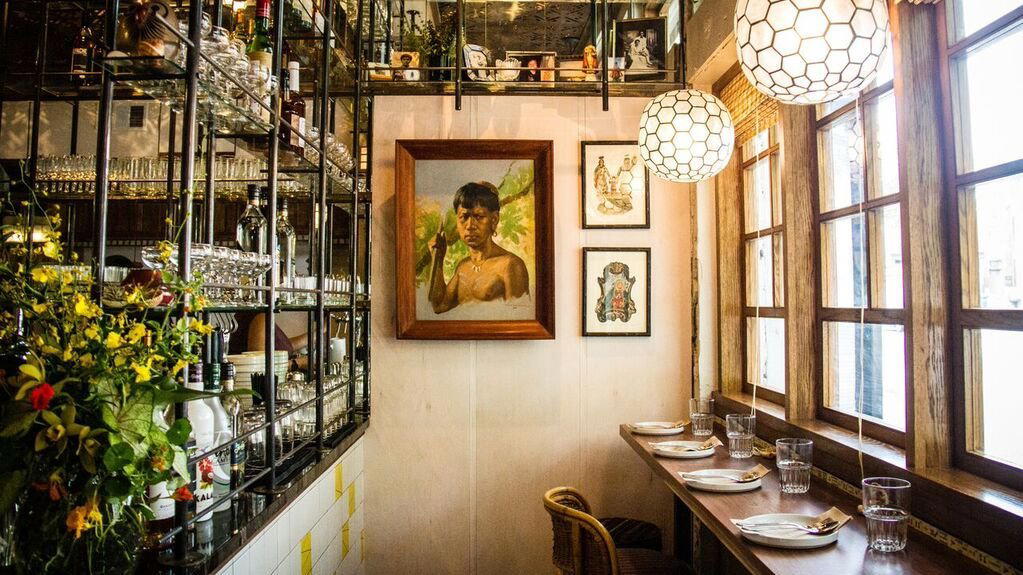
Columbia Heights and the Case for Filipino Cooking in D.C.
Bad Saint is a Filipino restaurant at 3226 11th St NW in Washington, D.C. with a casual dress code and a walk-in-friendly format. The stretch between Meridian Hill and the Park Road corridor carries the kind of density that produces genuine restaurant culture: a residential population that eats out because it wants to, not because it's entertaining clients. Into that context, Bad Saint arrived as something D.C.'s dining scene didn't know it was short on: a serious Filipino kitchen operating without the usual qualifications of a fine-dining pedigree or a deep-pocketed backer. What it attracted instead was a following so loyal that the restaurant's informal no-reservation model became, paradoxically, part of its reputation.
Philippine cuisine occupies an unusual position in American dining. It is simultaneously among the more widely eaten cuisines across the Filipino-American diaspora and among the more underrepresented at the level of critical attention. That gap has been closing in cities like Los Angeles and New York over the past decade, but Washington D.C. has its own version of that story, and Bad Saint is the clearest chapter in it. The restaurant sits in a tier of D.C. dining that prizes directness and specificity over ceremony, sharing that category with places like Oyster Oyster, which applies similar rigour to sustainable American cooking, and Causa, which brings a comparable seriousness to Peruvian cuisine.
What the Regulars Already Know
One informative way to read the restaurant is through the habits of its repeat visitors. For diners who return often, the restaurant operates on two registers simultaneously: there is what's on the menu, and there is what you learn to order once you've been a few times. Filipino cooking in a register like this rewards familiarity. The cuisine draws on Malay, Spanish, Chinese, and American influences in proportions that shift by region and by cook, and a kitchen interpreting that tradition has room to move. Regulars at the restaurant are not returning for the comfort of predictability; they are returning because the cooking repays attention.
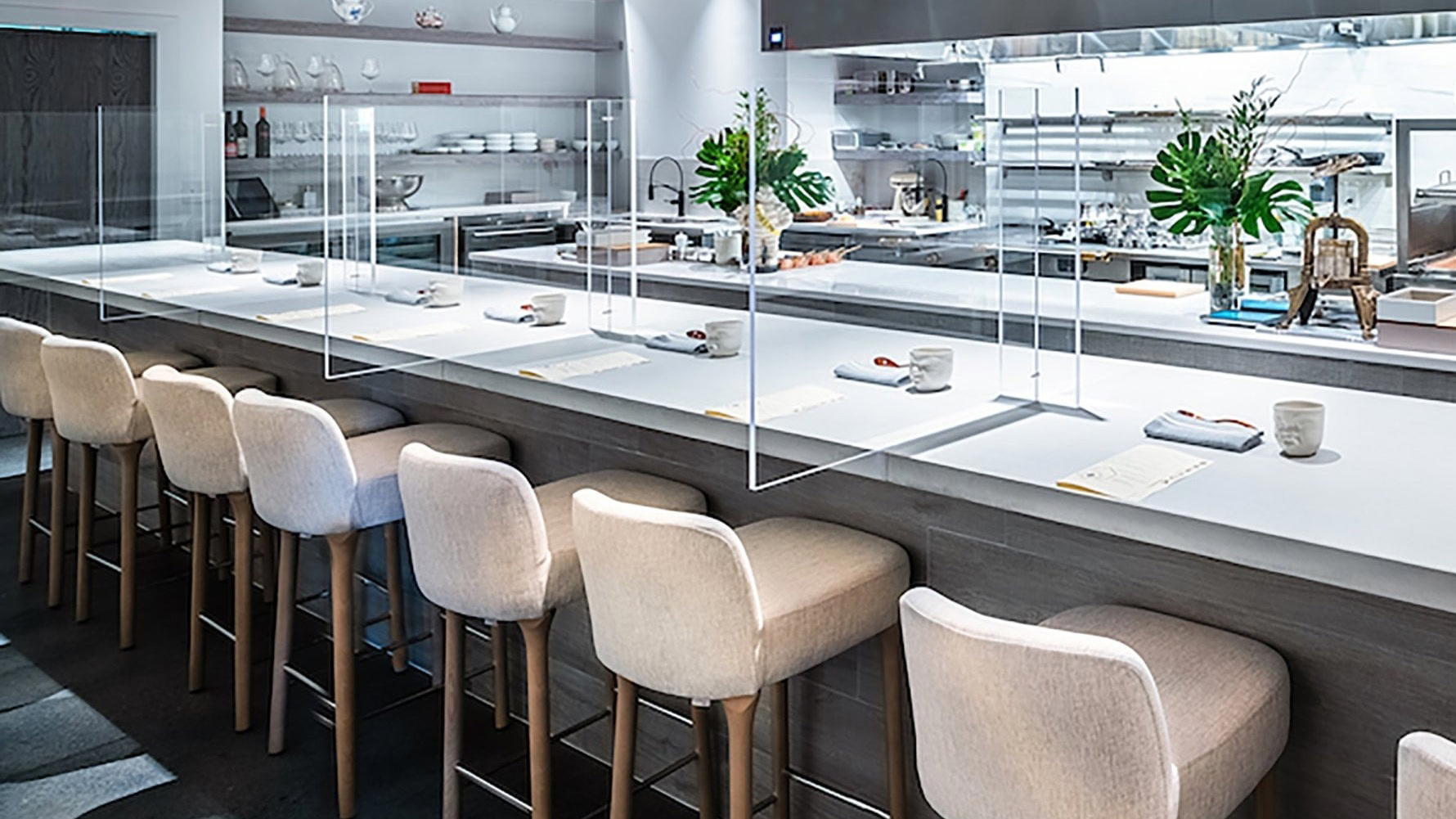
The format amplifies this. The room at 3226 11th St NW is compact, which keeps the experience intimate. There is no distance between the table and the operation. This physical compression, which might read as a limitation in another context, is here a feature: it keeps the cooking in the foreground and the hospitality immediate. The walk-in-friendly format means timing and patience still matter. First-timers often discover the place by standing in line behind someone who's been doing it for years and learning to move through the system from them directly.
D.C.'s serious dining scene has grown considerably more complex in the years since the restaurant opened. The arrival of places like Albi, which applies premium positioning to Middle Eastern cooking, and the sustained ambition of tasting-menu operations like Jônt and minibar at the molecular end of the spectrum, means the city now has a genuine range. The restaurant operates in none of those registers. Its comparable set is not the tasting-menu circuit that also includes, nationally, Le Bernardin in New York City, The French Laundry in Napa, Smyth in Chicago, or Lazy Bear in San Francisco. The comparison that matters is with restaurants that have built cultural authority through consistency and specificity rather than format and ceremony.
National Recognition Without the Usual Apparatus
The restaurant has appeared repeatedly on Bon Appétit's annual restaurant lists, including a high placement in their Hot 10. That kind of national editorial recognition, from a publication tracking American restaurant culture broadly, signals something about how the restaurant sits in the wider conversation: it is not a local favourite that occasionally gets noticed, but a restaurant that has shaped how the national food press thinks about Filipino cooking in America. That is a different kind of achievement from holding a Michelin star, and it operates in a different register from the recognition earned by places like Atomix in New York City, Providence in Los Angeles, Addison in San Diego, or Blue Hill at Stone Barns in Tarrytown. The editorial press and the fine-dining award circuit are measuring different things, and the restaurant has positioned itself to matter in the former category without competing in the latter.
Internationally, there are analogues to this kind of positioning: restaurants that carry serious cultural weight in categories the Michelin Guide has historically underweighted. Atelier Moessmer Norbert Niederkofler in Brunico operates in a similarly specific register, where the cuisine's relationship to a cultural tradition matters as much as its technical precision. The comparison is not direct, but the structural point holds: category authority and award authority are not the same thing, and particularly consequential restaurants of the past decade have built one without the other.
Planning a Visit: What to Know Before You Go
The restaurant is located at 3226 11th St NW in Columbia Heights, a neighbourhood accessible by Metro on the Green and Yellow lines at the Columbia Heights station, which places it within a short walk. The walk-in-friendly format means timing and patience are the primary logistics. Arriving early relative to service times and being prepared to wait is the standard approach for first-time visitors. For the rest of D.C.'s dining, the Washington guide maps the broader scene. The room is small, the format is casual, and the cooking is the point.
Category Peers
Comparable venues nearby, for context on price, style, and recognition.
| Venue | Cuisine | Price | Notes |
|---|---|---|---|
| Bad SaintThis venue — the venue you are viewing | Filipino | $$ | Not listed |
| Thip Khao & Padaek | Laotian (Lao) & Thai | $$ | Columbia Heights |
| Tiki On 18th | Filipino-Inspired Tiki Bar | $$ | Reed-Cooke |
| PogiBoy | Filipino Fast Casual | $$ | East End |
| Otto Mediterranean | Modern Mediterranean with Turkish Influences | $$ | Georgetown |
| RedRocks Pizza | Wood Oven Pizza | $$ | Columbia Heights |
Recognition history
Dated appearances from independent guides and award organizations, with the underlying list record or original source where available.
James Beard Award Best Chefs
James Beard Award
Continue exploring
More in Washington DC
Restaurants in Washington DC
Browse all →
Bars in Washington DC
Browse all →
Hotels in Washington DC
Browse all →

At a Glance
- Cozy
- Intimate
- Date Night
- Special Occasion
- Open Kitchen
Cozy and intimate 24-seat dining room with a warm, familial atmosphere.