PogiBoy
Historical profile: PogiBoy at 1110 Vermont Ave NW, Washington, DC 20005 is listed as closed or replaced after a June 22, 2026 audit. Active booking, hours, and contact details have been removed.
- Address
- 1110 Vermont Ave NW, Washington, DC 20005
- Phone
- +1 202 681 7516
- Directions
- Get directions
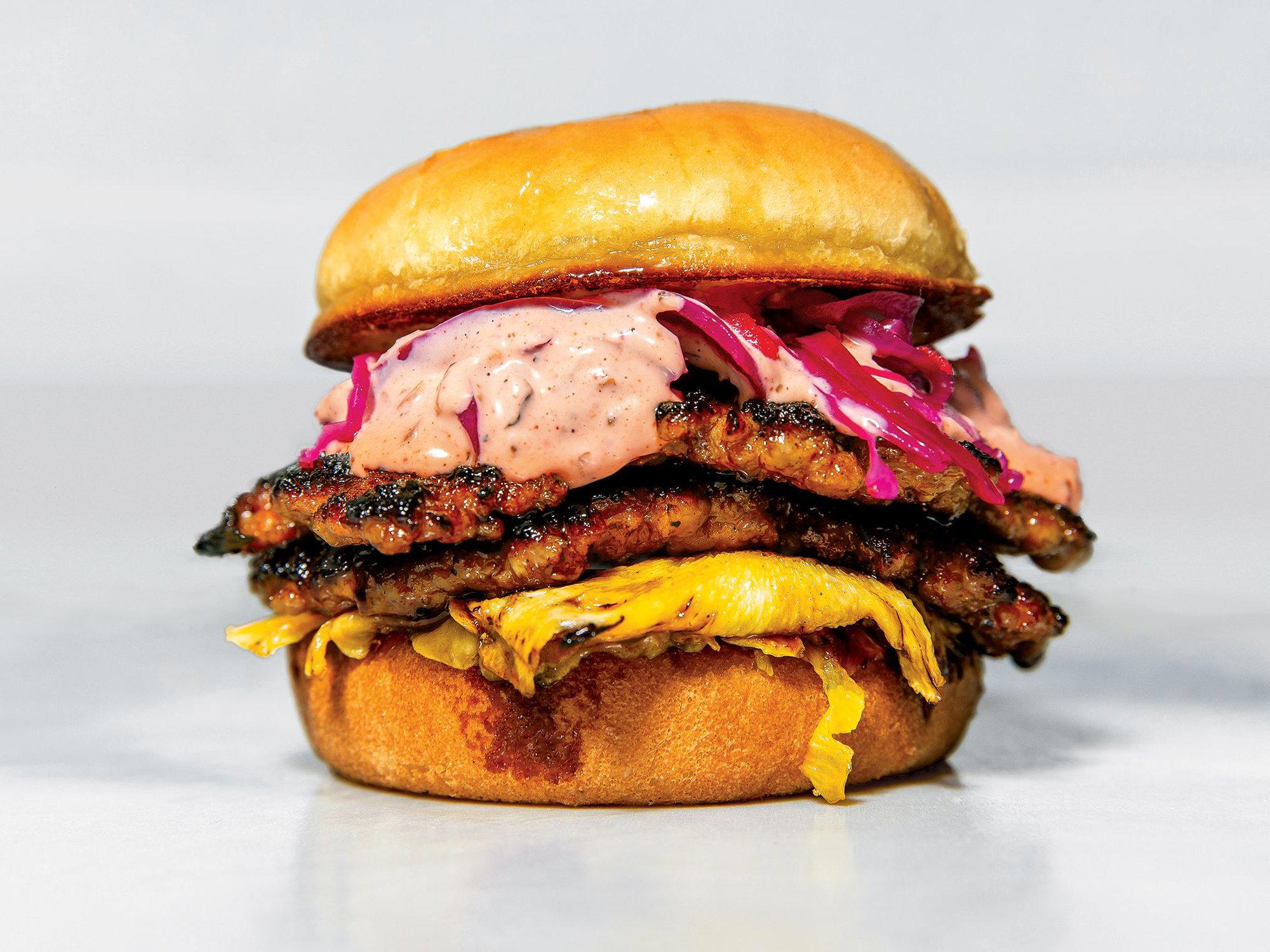
Vermont Avenue and the Filipino Fast-Casual Shift
There is a particular kind of restaurant that defines a city's dining maturity: not the tasting-menu destination, not the white-tablecloth institution, but the counter-service spot that treats its cuisine with the same seriousness usually reserved for formal rooms. Washington, D.C. has been building that tier quietly for years, and along Vermont Avenue NW, PogiBoy occupies a position in that shift. The address at 1110 Vermont Ave NW places it in downtown Washington, D.C. with foot traffic drawn from the office clusters and residential buildings that fill this section of the city.
Filipino cuisine in the American capital has followed a trajectory familiar from other coastal cities: a long period of invisibility in the mainstream restaurant conversation, followed by a concentrated emergence of formats ranging from tasting-menu ambition to approachable fast-casual. PogiBoy lands in the latter category, but the category itself has been reframed nationally by venues that have proven quick-service formats can carry real culinary identity. That broader context matters when reading what PogiBoy is doing at its corner of the city.
What the Room Communicates
The physical cues at a fast-casual counter tell you everything about the intended experience before food arrives. At PogiBoy, the setup signals informality without indifference: the kind of space where the ordering process is efficient, the environment is casual, and the noise level sits at a level that makes conversation possible without effort. In a city where dining rooms at the $$$$ tier, venues like Albi, Causa, and Jônt, compete for a specific kind of attention and spend, there is genuine value in a room that makes no such demand.
The sensory register here is not about hushed reverence or choreographed service. It is about the smell of adobo and garlic that reaches you before you reach the counter, the visual shorthand of steam trays and a menu board, the sound of a room operating at full pace without ceremony. These are the atmospherics of Filipino home cooking translated into a service format designed for throughput, and the translation carries its own form of authenticity. You are not being asked to treat the meal as an event. You are being asked to eat.
Filipino Flavors in D.C.'s Broader Asian-American Moment
Washington's Asian-American dining scene has expanded considerably over the past decade. The tasting-menu end of that spectrum, Atomix in New York sets the national benchmark for Korean fine dining, and D.C.'s own minibar has long demonstrated the city's appetite for technical ambition, but the more consequential shift in recent years has been the growth of serious mid-market and fast-casual operators working with non-European culinary traditions.
Filipino cuisine is particularly well-suited to that mid-market slot. The flavor profile, vinegar-forward, deeply savory, built around pork, chicken, and fermented aromatics, translates well into counter-service formats without losing its essential character. Adobo, lechon, kare-kare, and pancit are dishes that are forgiving of the reheating and holding that counter service demands, unlike the more delicate preparations that anchor fine-dining menus. PogiBoy works within those culinary parameters, and the operative question for any visitor is how well the execution holds up against the inherent strengths of the cuisine.
For D.C. diners already familiar with the more ambitious end of the city's restaurant circuit, Oyster Oyster's ingredient-driven New American format, or the Peruvian precision at Causa, PogiBoy represents a different register entirely. The comparison is not apt by price or format, but it is relevant as evidence of a city where multiple tiers of serious cooking now operate simultaneously across diverse culinary traditions.
D.C.'s Fast-Casual Tier in National Context
Across the country, the fast-casual format has been rehabilitated by a generation of operators who trained in formal kitchens before choosing counter service as their medium. Lazy Bear in San Francisco, Smyth in Chicago, and Blue Hill at Stone Barns in Tarrytown represent the destination end of American dining ambition, but their cultural significance partly depends on the health of the broader restaurant ecosystem beneath them. Cities where the mid-tier and accessible-tier dining is strong, where a Filipino counter or a Peruvian lunch spot operates with genuine culinary purpose, tend to produce more interesting fine-dining conversations as well.
D.C. has made real progress in that direction. The Vermont Avenue corridor where PogiBoy operates is part of a city that also contains The Inn at Little Washington in the broader Washington region and has long supported ambitious rooms like minibar. That the same city now has a Filipino fast-casual concept drawing consistent traffic is a sign of a maturing food culture, not a dilution of it.
Planning Your Visit
PogiBoy sits at 1110 Vermont Ave NW, accessible from multiple Metro lines given its downtown D.C. position. The format is fast-casual, which means no reservations, no dress code, and no meaningful wait for a table in the way a tasting-menu room would require. Timing follows the rhythms of a busy urban lunch counter: the midday rush is real, and arriving at the edges of peak hours, before noon or after 1:30pm, tends to reduce the queue at the counter. The price point, consistent with a fast-casual operator, sits well below the $$$ and $$$$ tiers that define D.C.'s most-discussed dinner destinations. For visitors building a D.C. food itinerary that ranges across price points and culinary traditions, the city offers a wide range of options.
Comparable Venues
Comparable venues nearby, for context on price, style, and recognition.
| Venue | Cuisine | Price | Notes |
|---|---|---|---|
| PogiBoyThis venue — the venue you are viewing | Filipino Fast Casual | $$ | Not listed |
| Vokzal | Eastern European Gastropub | $$ | Cardozo |
| Ambar - Shaw | Modern Balkan Small Plates | $$ | Shaw |
| AMBAR Restaurant, Capitol Hill | Modern Balkan Small Plates | $$ | Capitol Hill |
| Dawa | Modern Ghanaian Casual | $$ | U Street Corridor |
| Etto | Neapolitan Pizza & Italian Antipasti | $$ | Logan Circle |
Continue exploring
More in Washington DC
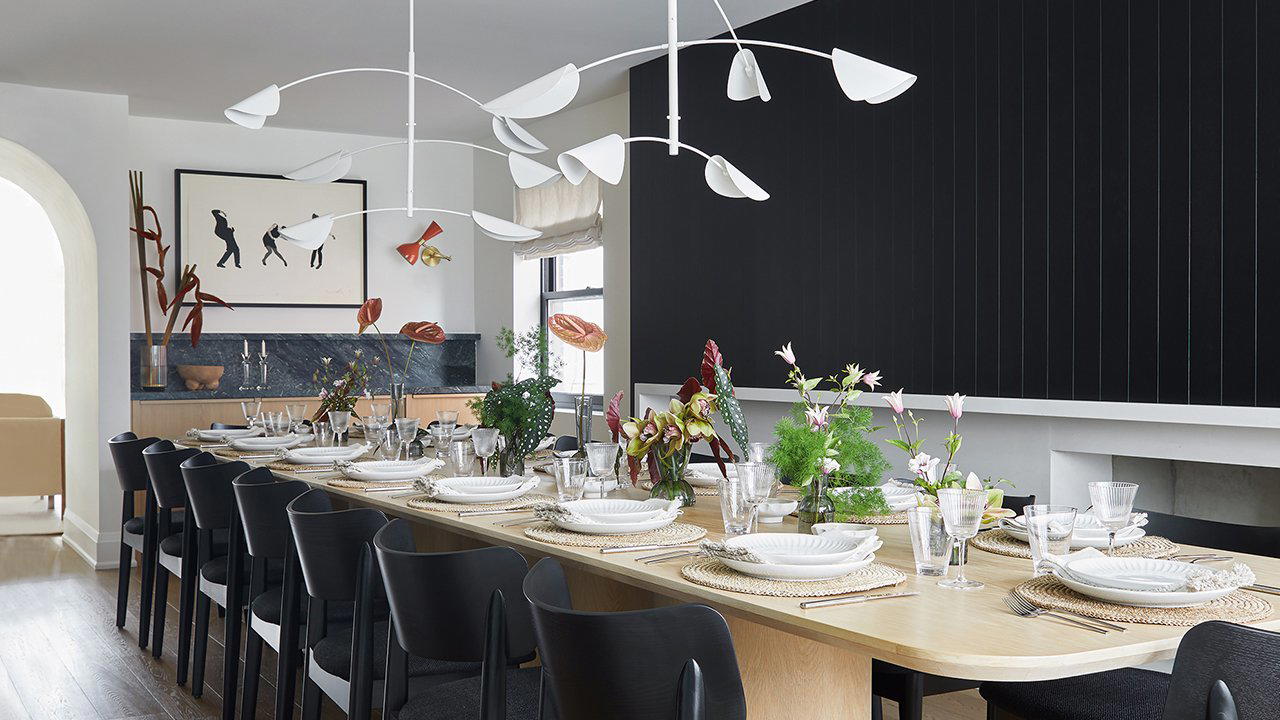
Restaurants in Washington DC
Browse all →
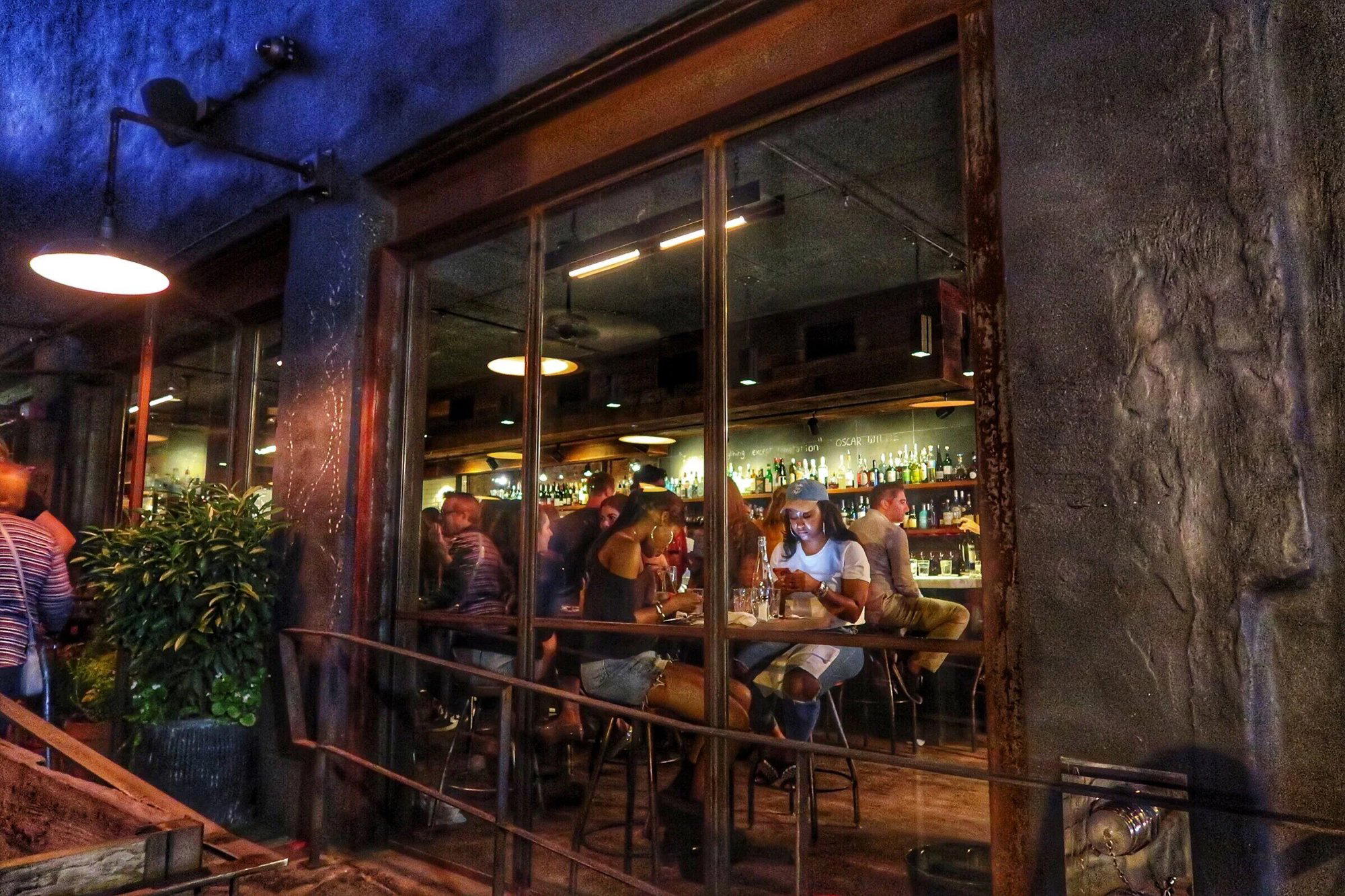
Bars in Washington DC
Browse all →
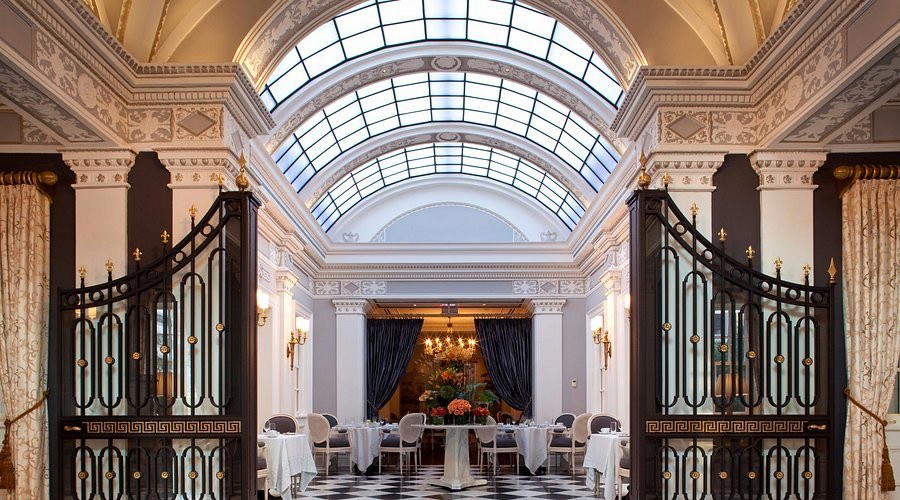
Hotels in Washington DC
Browse all →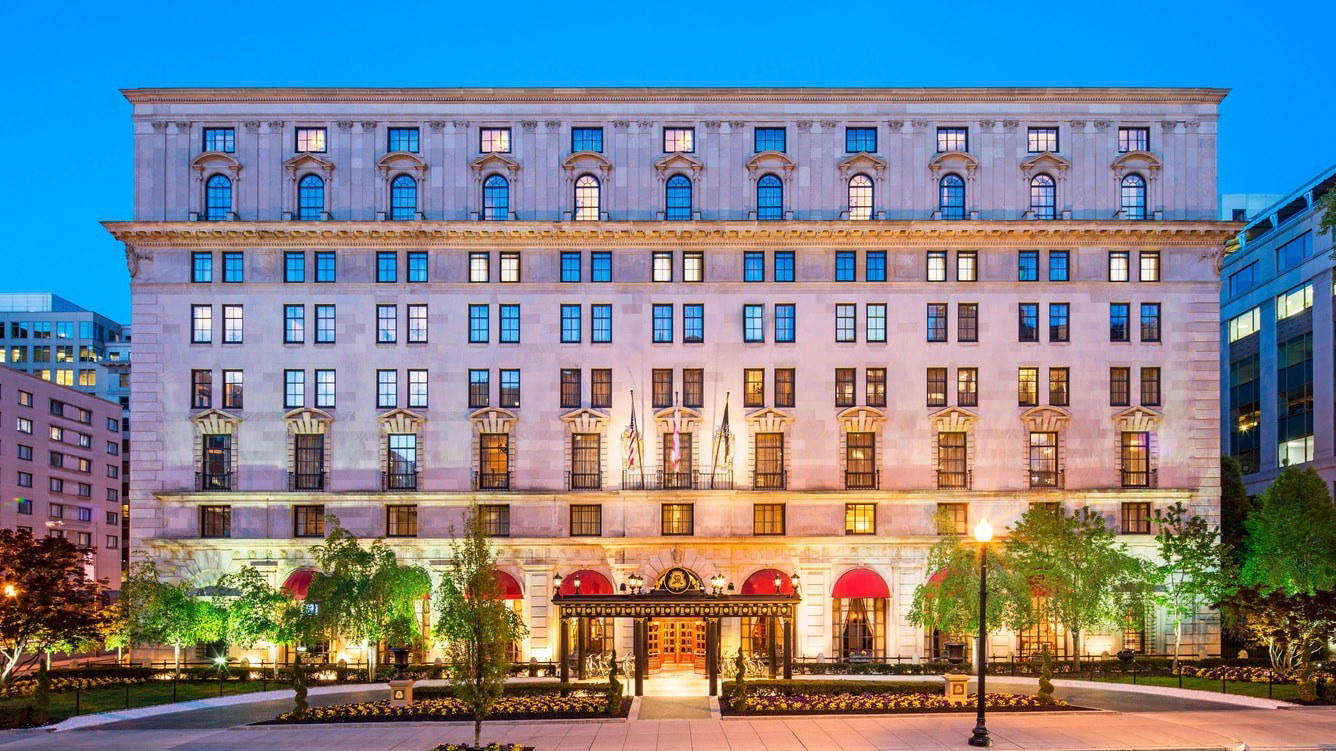



At a Glance
- Trendy
- Lively
- Modern
- Casual Hangout
- Group Dining
- Open Kitchen
Cute, boutique-style dining area with friendly waitstaff and charming decor that evokes the Philippines.