Otto Mediterranean
Otto Mediterranean brings the meze tradition to Washington DC, framing shared plates and Mediterranean grape varieties within a city better known for power lunches and tasting-menu formality. The format suits DC's shifting appetite for convivial, wine-forward dining that resists the single-entrée structure. For a capital increasingly interested in the eastern Mediterranean, Otto arrives at a useful moment.

Pearl is the En Primeur Club membership app — saves, bookings, and concierge access live there. Same editors, same standards.
The Case for Meze in a City of Fixed-Course Thinking
Washington DC has long organised its serious dining around formats borrowed from European fine dining: the tasting menu, the prix-fixe, the single protein with sides. That architecture suits a city whose professional culture runs on scheduled appointments and legible hierarchies. Mediterranean meze operates by a different logic entirely. Dishes arrive when they are ready, the table fills incrementally, and the wine is poured as conversation rather than ceremony. Otto Mediterranean enters that tension and comes down firmly on the side of the latter.
The meze format has deep structural roots across the eastern Mediterranean, from the meyhane tradition of Istanbul to the taverna circuits of Athens and the mezze spreads of Beirut. What connects them is a philosophy of abundance through accumulation: individually modest dishes that build, in combination, into something much larger than the sum of their parts. A city that has spent decades perfecting the formal dinner is now encountering that logic more frequently, and Otto Mediterranean positions itself within that broader shift in DC dining. The comparison set is not The Inn at Little Washington or the tasting-menu rooms that define the capital's upper bracket, it is something more convivial, more lateral in its structure.
What the Wine Programme Signals
The editorial angle that distinguishes Mediterranean-focused restaurants from their pan-European counterparts is wine. The Mediterranean basin contains some of the world's oldest continuously cultivated grape varieties, many of which remain largely absent from standard American wine lists. Assyrtiko from Santorini, Xinomavro from northern Greece, Nero d'Avola from Sicily, Vermentino from Sardinia, Cinsault from Lebanon's Bekaa Valley, these are not obscure novelties but ancient varieties whose modest international profile reflects distribution history rather than quality. A credible Mediterranean meze programme leans on them.
When a restaurant builds its wine list around indigenous Mediterranean varieties rather than defaulting to the Burgundy-Bordeaux-Barolo trinity, it signals something about editorial intent. The pairings that work leading with meze, high-acid whites against hummus and labneh, lighter reds against grilled lamb or charred vegetables, require a different vocabulary from what most American diners have been trained to reach for. This is a wine programme that teaches by doing, placing a glass of something unfamiliar alongside a plate that makes the reasoning immediate. Restaurants doing this well, from Frasca Food and Wine in Boulder to smaller neighbourhood rooms in coastal cities, treat the wine list as an argument rather than a menu appendage. Otto Mediterranean approaches its programme with conviction.
The Physical Register
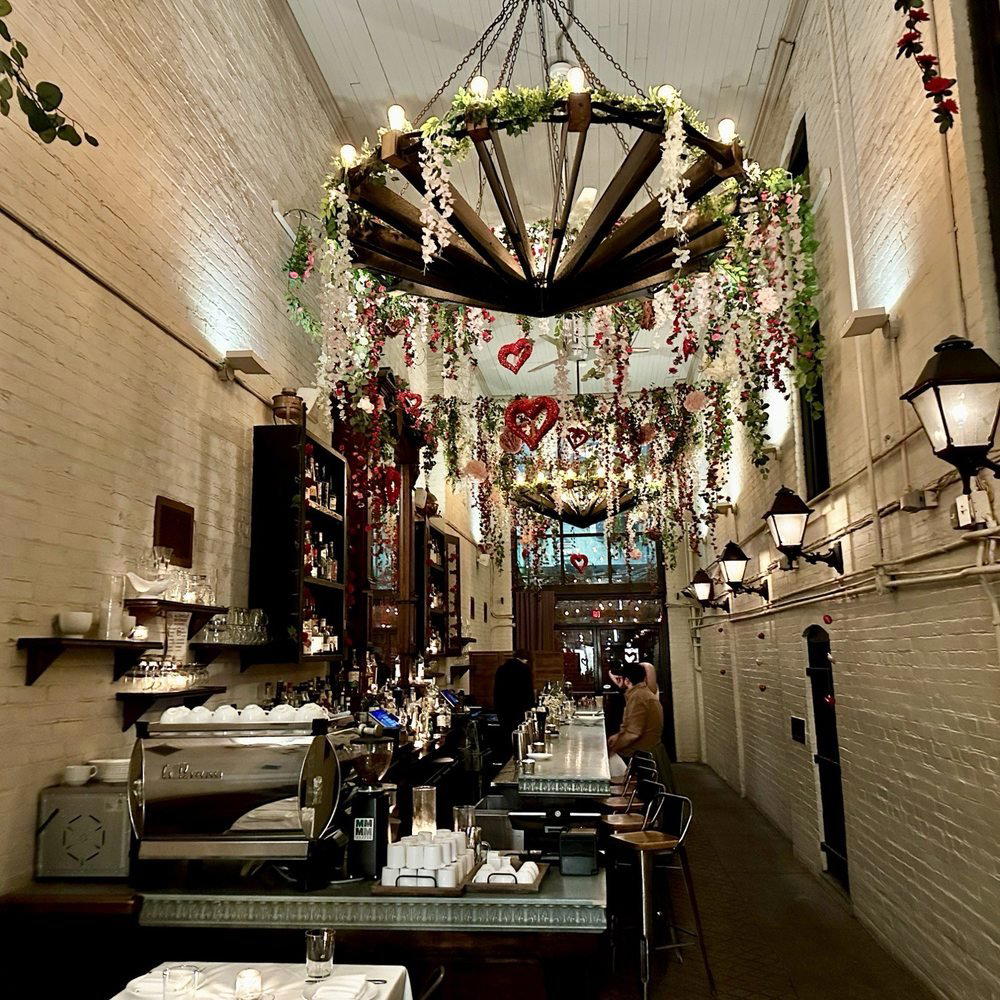
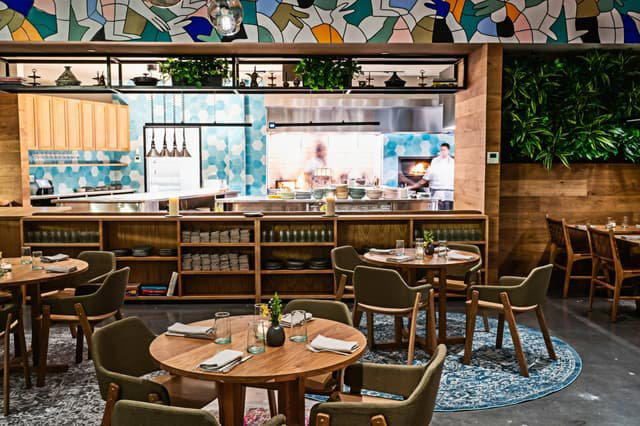
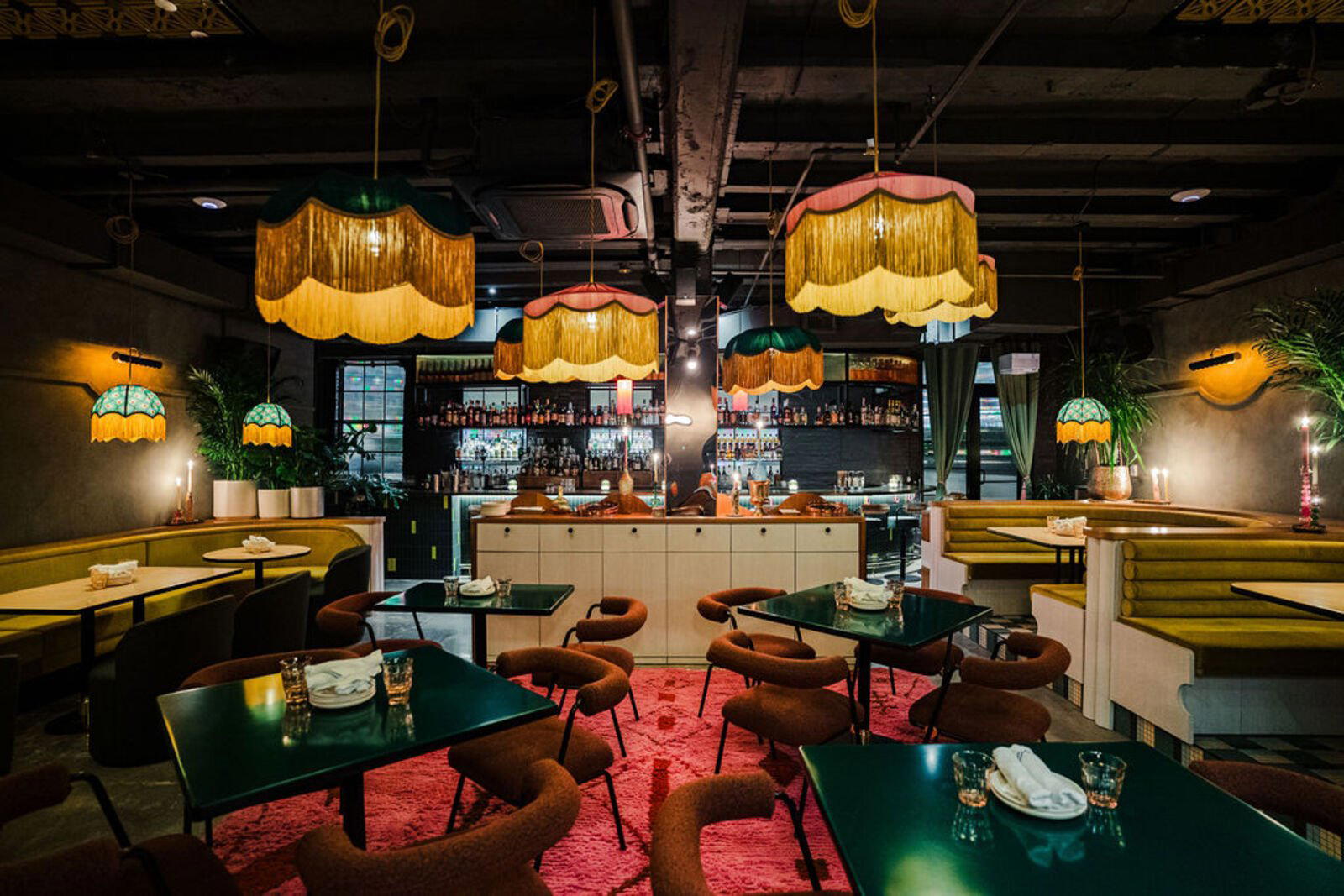
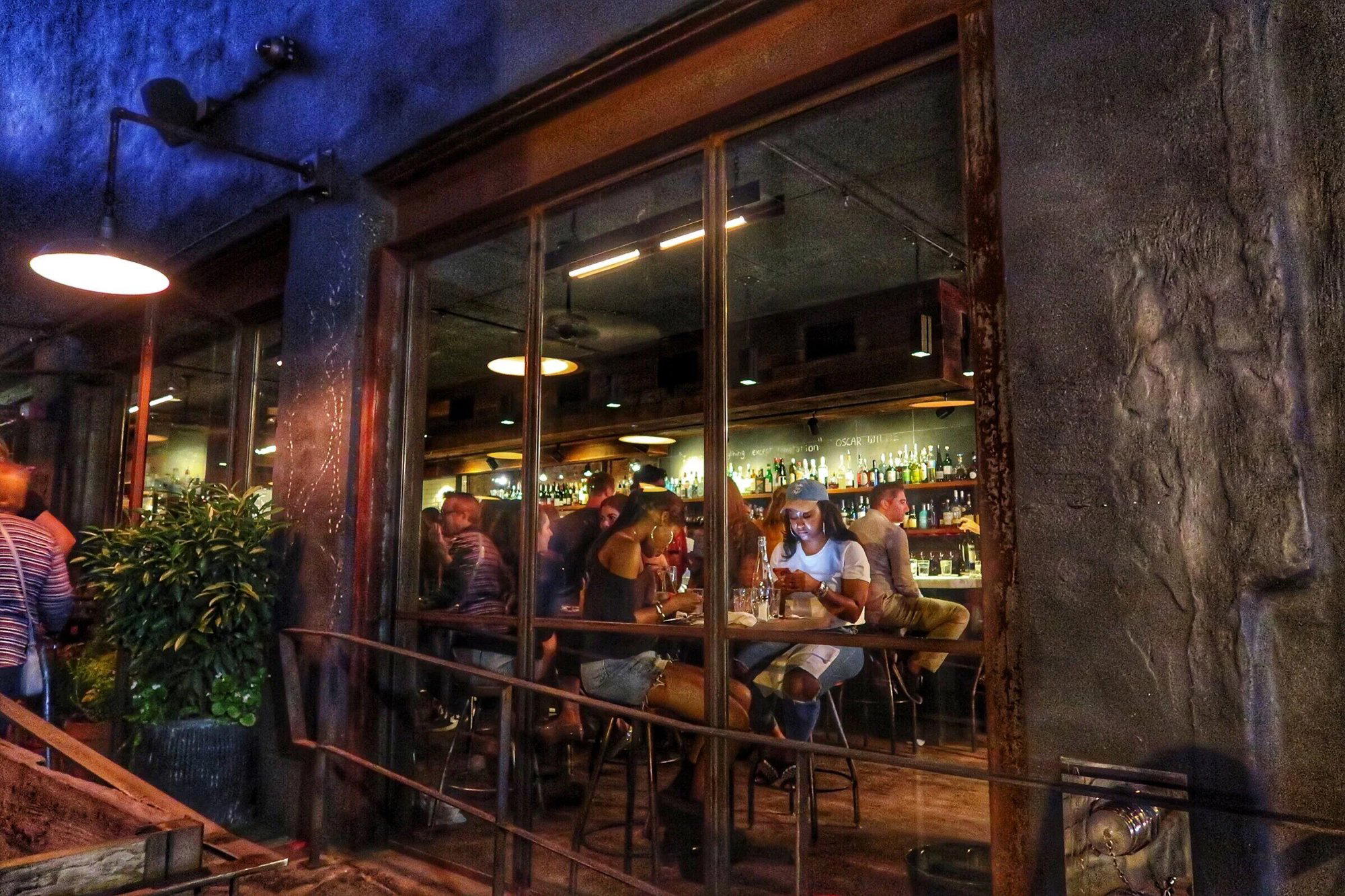
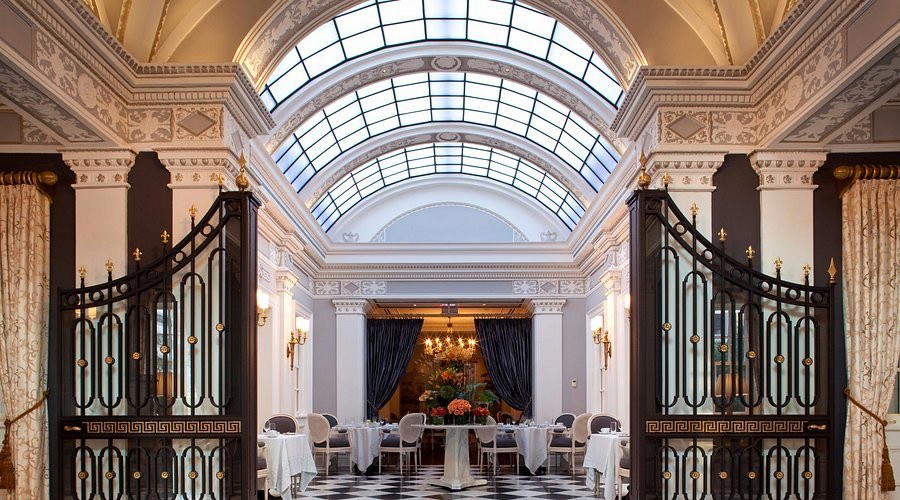
Mediterranean restaurant design in the United States has passed through several phases: the whitewashed Aegean pastiche of the 1990s, the dark-wood taverna revival of the 2000s, and a more recent lean toward minimalism drawn from the natural-wine restaurant aesthetic of southern Europe. The better rooms now prioritise materials, ceramic, stone, linen, terracotta, over theme. They feel grounded rather than costumed. The atmosphere that meze requires is one of warmth without noise, generosity without excess: tables that can hold eight small plates without crowding, enough ambient sound to feel alive but not so much that conversation requires effort. DC's Mediterranean options have not always managed that calibration, which is partly what gives a focused room like Otto Mediterranean its relevance in the current market.
Otto Mediterranean in DC's Broader Restaurant Moment
Washington has become a more serious restaurant city over the past decade, and its growth has been uneven in interesting ways. The tasting-menu tier has deepened, with ambitious programmes drawing comparisons to rooms like Smyth in Chicago or Blue Hill at Stone Barns in Tarrytown in terms of sourcing philosophy. The city's natural-wine and casual-fine bracket has also expanded, with spots like Alfie's and its permanent Georgetown location demonstrating that DC diners will engage with serious, technique-led cooking outside the white-tablecloth envelope. Spanish-influenced meat-forward cooking has its own foothold through Bazaar Meat and Bazaar Meat by José Andrés.
The Mediterranean meze niche, however, has remained thinner than the city's diplomatic and cultural connections to that region would suggest. DC has substantial Lebanese, Greek, Israeli, and Turkish diaspora communities, a State Department that routes diplomats through the eastern Mediterranean, and an embassy row that includes most of the countries whose food traditions meze represents. The culinary infrastructure has lagged behind the demographic and institutional reality. The restaurant operates in that gap.
For context on how wine-forward Mediterranean formats have fared elsewhere in the country, it is worth looking at what has worked in analogous markets. Providence in Los Angeles and Le Bernardin in New York City demonstrate how seafood-centred programmes build authority through specificity and sourcing rigour. Addison in San Diego and Single Thread Farm in Healdsburg show how a clear point of view on ingredients and provenance creates a durable restaurant identity. The same logic applies at the meze scale: clarity of conviction, expressed through what goes on the table and what goes in the glass, is what separates a Mediterranean room with staying power from a trend-chasing concept that fades in eighteen months.
Internationally, the alpine-Italian precision of Atelier Moessmer Norbert Niederkofler in Brunico provides a useful reference point for how regional specificity, even within European cooking traditions, can generate a completely distinct critical identity. Mediterranean meze has that same potential when it resists the impulse to broaden into vague pan-European territory.
Planning a Visit
The restaurant sits within DC's restaurant scene at a moment when the city is receptive to format experimentation and Mediterranean wine programmes. Given the meze structure, the room works well for groups of three to six, where the sharing logic reaches its natural expression and the wine programme can cover more ground across a table. Reservations are recommended. Lazy Bear in San Francisco, Emeril's in New Orleans, or Atomix in New York City for points of comparison on how format and wine programme interact with dining-room experience.
Side-by-Side Snapshot
Comparable venues nearby, for context on price, style, and recognition.
| Venue | Cuisine | Price | Notes |
|---|---|---|---|
| Otto MediterraneanThis venue — the venue you are viewing | Modern Mediterranean with Turkish Influences | $$ | Not listed |
| Green Almond Pantry | Turkish-Mediterranean cafe counter & market | $$ | Georgetown |
| Gemini | Greco‑Roman small plates, pasta & pizza with natural wine | $$ | Dupont Circle |
| Agora | Mediterranean Mezze (Turkish, Greek, Lebanese) | $$ | Dupont Circle |
| Byblos Deli | Mediterranean Greek & Middle Eastern Deli | $ | Cleveland Park |
| 1339 H St NE | American Pie Shop | $$ | Near Northeast |
Continue exploring
More in Washington DC
Restaurants in Washington DC
Browse all →
Bars in Washington DC
Browse all →

At a Glance
- Modern
- Lively
- Trendy
- Casual Hangout
- Group Dining
- Date Night
- Standalone
Fresh, lively atmosphere with warm Mediterranean spirit designed to evoke dining by the sea.