Baannok BKK occupies a low-rise building on Lang Suan Road in Lumphini, one of Bangkok's quieter pockets of the Pathum Wan district. Set within a scene where Thai-rooted restaurants increasingly compete on cellar depth as much as kitchen craft, Baannok positions itself in the neighbourhood's mid-to-upper register. A useful reference point for visitors tracing Bangkok's evolving relationship between local cuisine and serious wine curation.
Pearl is the En Primeur Club membership app — saves, bookings, and concierge access live there. Same editors, same standards.
- Address
- 34 à¸à¸²à¸à¸²à¸£ วิà¸à¸£à¹, 3 Lang Suan Rd, Lumphini, Pathum Wan, Bangkok 10330, Thailand
- Phone
- +66639341416
- Website
- widget.mozrest.com
- Directions
- Get directions
 Saves & bookings on Pearl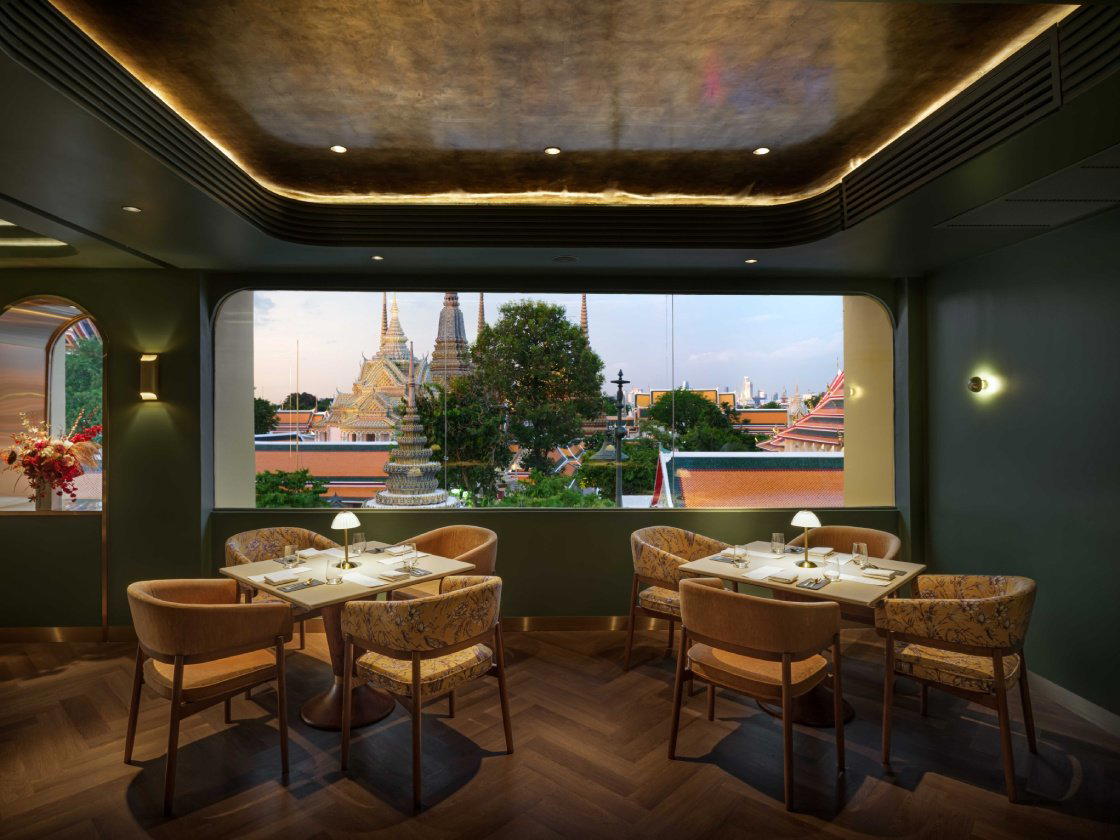
Lang Suan and the Quiet Stretch That Changed Bangkok Dining
Lang Suan Road doesn't announce itself the way Sukhumvit or Silom do. The stretch through Lumphini that runs south from the junction near Lumpini Park moves at a different register: smaller shopfronts, less foot traffic, and a cluster of restaurants that tend to attract a local crowd over an international one. It is in this context that Baannok BKK sits, at 34 Vikirn Building, 3 Lang Suan Road, in a part of Pathum Wan that has developed a reputation for restaurants that prioritise substance over spectacle.
Bangkok's dining scene has undergone a structural shift over the past decade. The city's upper tier now includes Thai-rooted restaurants with wine programs that would hold their own in European fine-dining contexts, a development that has made serious cellar curation a competitive differentiator. Baannok BKK operates within that shift, in a neighbourhood where the ambient energy is closer to residential than commercial, and where guests arrive with intention rather than impulse.
The Wine-Forward Turn in Bangkok's Independent Restaurants
To understand why a restaurant in Lumphini warrants attention through the lens of its wine program, it helps to understand Bangkok's cellar culture broadly. For most of its modern fine-dining history, Bangkok restaurants treated wine as a supporting act: imported lists, low by-the-glass options, and sommeliers trained primarily to sell rather than educate. That picture has changed substantially, driven in part by a generation of restaurateurs who trained or ate seriously in Europe and returned with a different set of expectations.
The shift is visible across the city's upper tier. Sorn (Southern Thai) has built recognition around an approach to Thai regionalism that extends to pairing logic; Baan Tepa (Thai contemporary) occupies a garden-house format at ฿฿฿฿ that treats beverage as integral to the tasting sequence; and international transplants like Sühring (German) and Côte by Mauro Colagreco (Mediterranean, Modern Cuisine) have brought European cellar expectations into the Bangkok market. Against that backdrop, independent restaurants on quieter corridors like Lang Suan face a clear choice: build a wine program that signals seriousness, or cede that ground to the better-resourced operators.
Baannok BKK's position on Lang Suan suggests the former. The address alone, in a low-density part of Pathum Wan without the foot traffic to sustain a casual cover count, implies a business model oriented toward repeat guests and word-of-mouth rather than tourist volume. That operating logic typically correlates with a more considered approach to the cellar, since the guest coming back for a third visit needs a reason beyond novelty.
Pairing Logic in a Thai Context
Wine pairing with Thai cuisine presents a set of challenges that European frameworks don't fully resolve. Acidity, heat, fish sauce salinity, and the layered sweetness of palm sugar interact with tannin and oak in ways that make Bordeaux-anchored lists a poor default. The restaurants in Bangkok that have navigated this most effectively have moved toward higher-acid, lower-tannin references: Alsatian Riesling, Grüner Veltliner, skin-contact whites, and Champagne as a through-line rather than an occasion pour. Some have extended this to natural wine, which pairs its own unpredictability against the complexity of Thai flavor structures with mixed but occasionally striking results.
For a restaurant on Lang Suan, the pairing question is particularly acute if the kitchen is working with Thai-rooted cuisine. The wines that make sense here are rarely the ones that sell themselves on brand recognition. A guest arriving at the restaurant from familiarity with the European fine-dining circuit will be measuring the list against a set of international references. The question is whether individual operators at this level of the market have made the investment in curation depth that turns a decent wine list into an actual program.
Bangkok's Broader Restaurant Geography
Lumphini and Pathum Wan sit within Bangkok's central core, well-connected by BTS and accessible from both the Silom and Sukhumvit corridors, but they have a different urban character from either. The area's restaurant density is lower, which means individual addresses carry more weight in defining the neighbourhood's identity. Gaa (Modern Indian, Indian) has demonstrated that a single strong restaurant can become a neighborhood anchor at the ฿฿฿฿ tier, and that critical attention follows culinary seriousness regardless of address.
Beyond Bangkok's centre, Thailand's restaurant geography has broadened considerably. PRU in Phuket has established a southern outpost of serious tasting-menu dining; AKKEE in Pak Kret demonstrates that the Bangkok metropolitan fringe can support sophisticated cooking; and regional addresses like Ayutthayarom in Phra Nakhon Si Ayutthaya, Baan Heng in Khon Kaen, and Baan Chik Pork Noodles in Udon Thani signal that culinary ambition is no longer concentrated exclusively in the capital. For visitors building a Thailand itinerary around food, Baan Suan Lung Khai in Ko Samui, Anuwat in Phang Nga, Banrimbung in Nakhon Pathom, Banmai Chay Nam in Nakhon Ratchasima, and The Spa in Lamai Beach each extend the map in different directions.
Within Bangkok itself, the restaurant belongs to an address type that rewards the effort of seeking it out over the convenience of better-signposted alternatives. The Lumphini location, the low-profile building, and the Lang Suan corridor's general resistance to tourist foot traffic all point toward a restaurant operating on the logic of the known-quantity return visit.
Planning a Visit
The restaurant is located at 34 Vikirn Building, 3 Lang Suan Road, Lumphini, Pathum Wan, Bangkok 10330. The nearest BTS station is Ratchadamri, with the restaurant a short walk from the Lumpini Park perimeter. For this part of Pathum Wan, weekday evenings typically offer better availability than Friday and Saturday, when the neighbourhood's residential dining crowd fills the better-known addresses earliest.
Comparable Spots, Quickly
Comparable venues nearby, for context on price, style, and recognition.
| Venue | Cuisine | Price | Notes |
|---|---|---|---|
| Baannok BKKThis venue — the venue you are viewing | Authentic Korat-Style Thai | $$ | Not listed |
| à¸à¸²à¸¢à¸à¹à¸§à¸à¹à¸¢à¹à¸à¸à¸²à¹à¸ à¹à¸ªà¸²à¸à¸´à¸à¸à¹à¸² | :null | Not listed | San Chaopho Suea |
| Kiew Kai Ka | Traditional Regional Thai | $$ | Ban Song Krathiam |
| Somyos | Thai with Chinese influences | $$ | Ban Song Krathiam |
| Baan Nual | Authentic Homestyle Thai | $$ | Sanam |
| JJ's Kitchen Restaurants | Thai with International Options | $$ | Ban Don Muang Khwaeng |
Continue exploring
More in Bangkok
Restaurants in Bangkok
Browse all →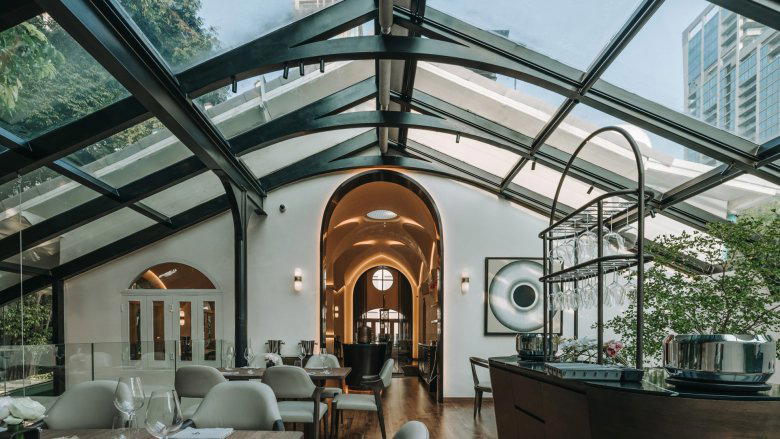
At a Glance
- Cozy
- Rustic
- Family
- Group Dining
- Casual Hangout
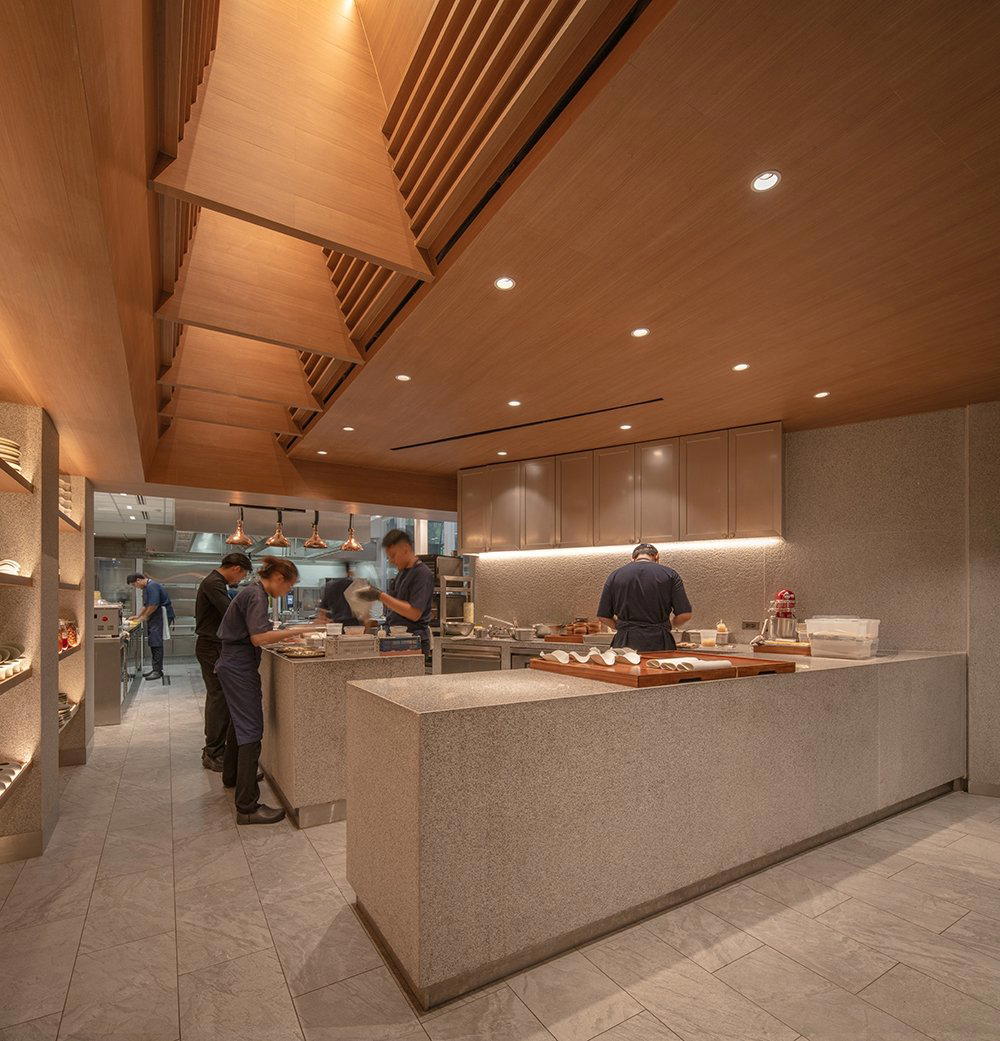
- Open Kitchen
Current opening hours
- Monday
- 11 AM–10 PM
- Tuesday
- 11 AM–10 PM
- Wednesday
- 11 AM–10 PM
- Thursday
- 11 AM–10 PM
- Friday
- 11 AM–10 PM
- Saturday
- 11 AM–10 PM
- Sunday
- 11 AM–10 PM
Hours can change for holidays and private events. Last verified .
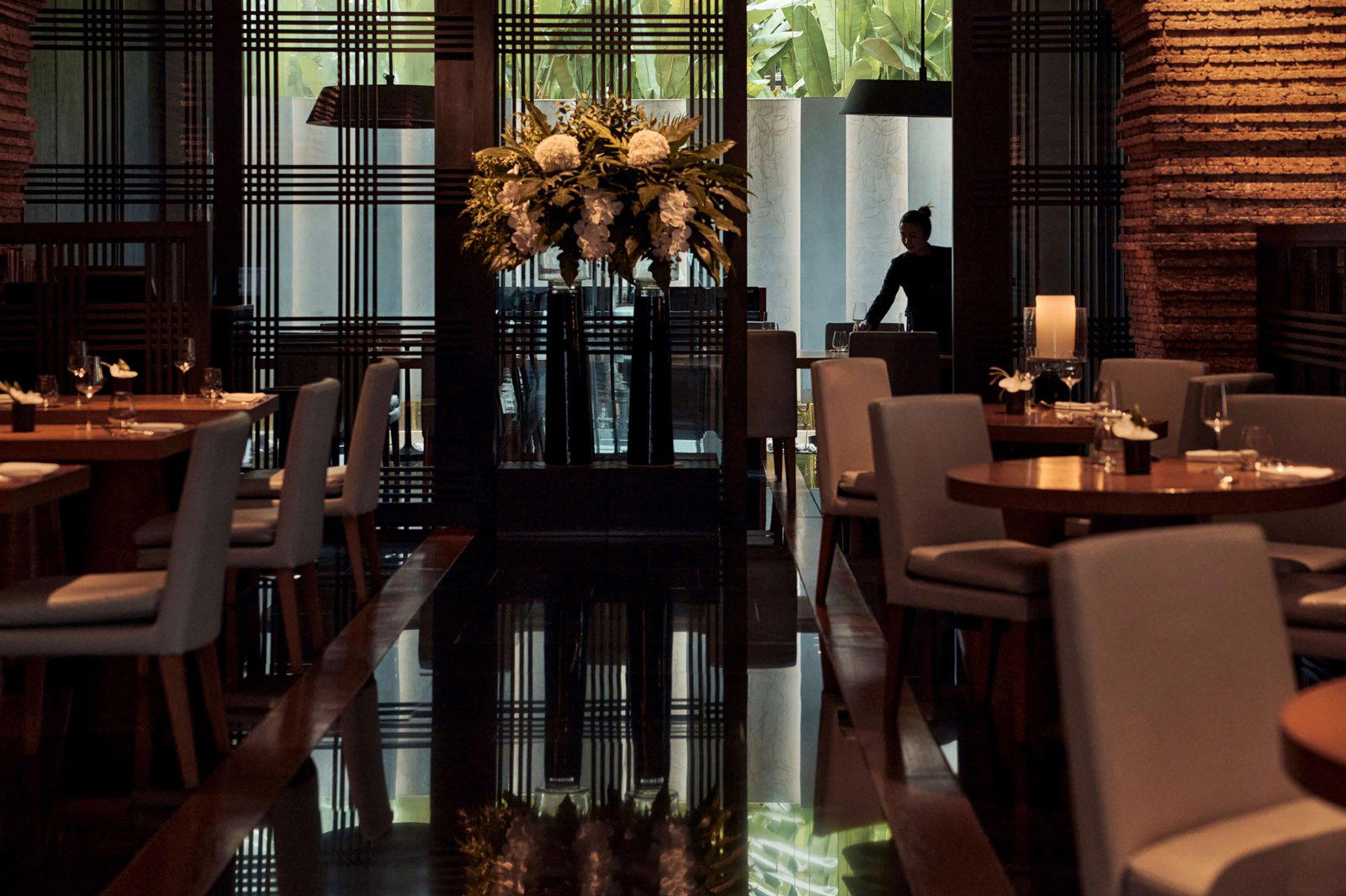
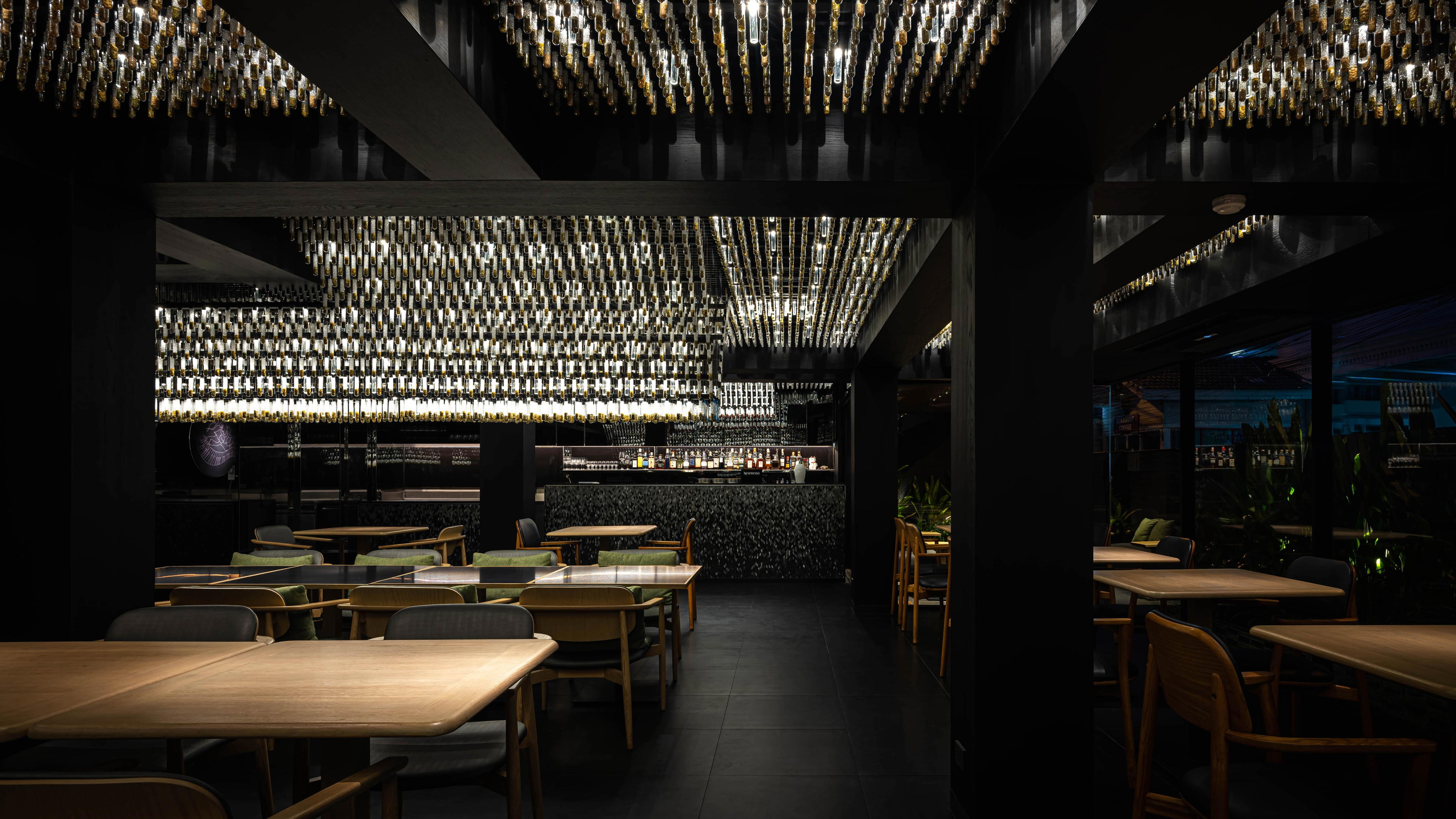
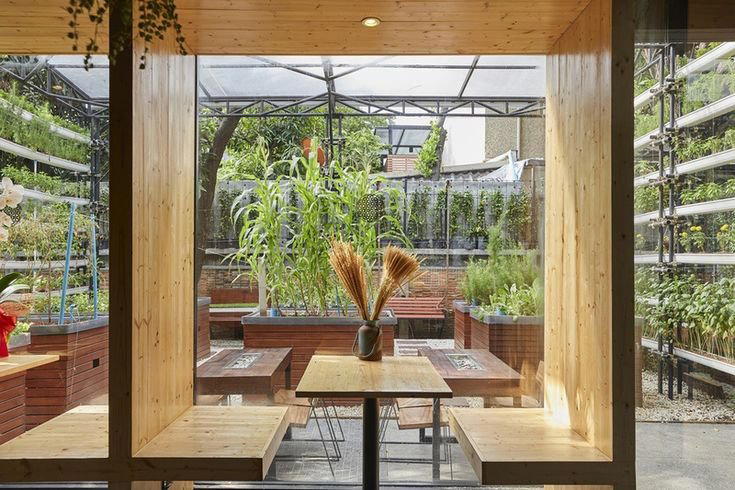
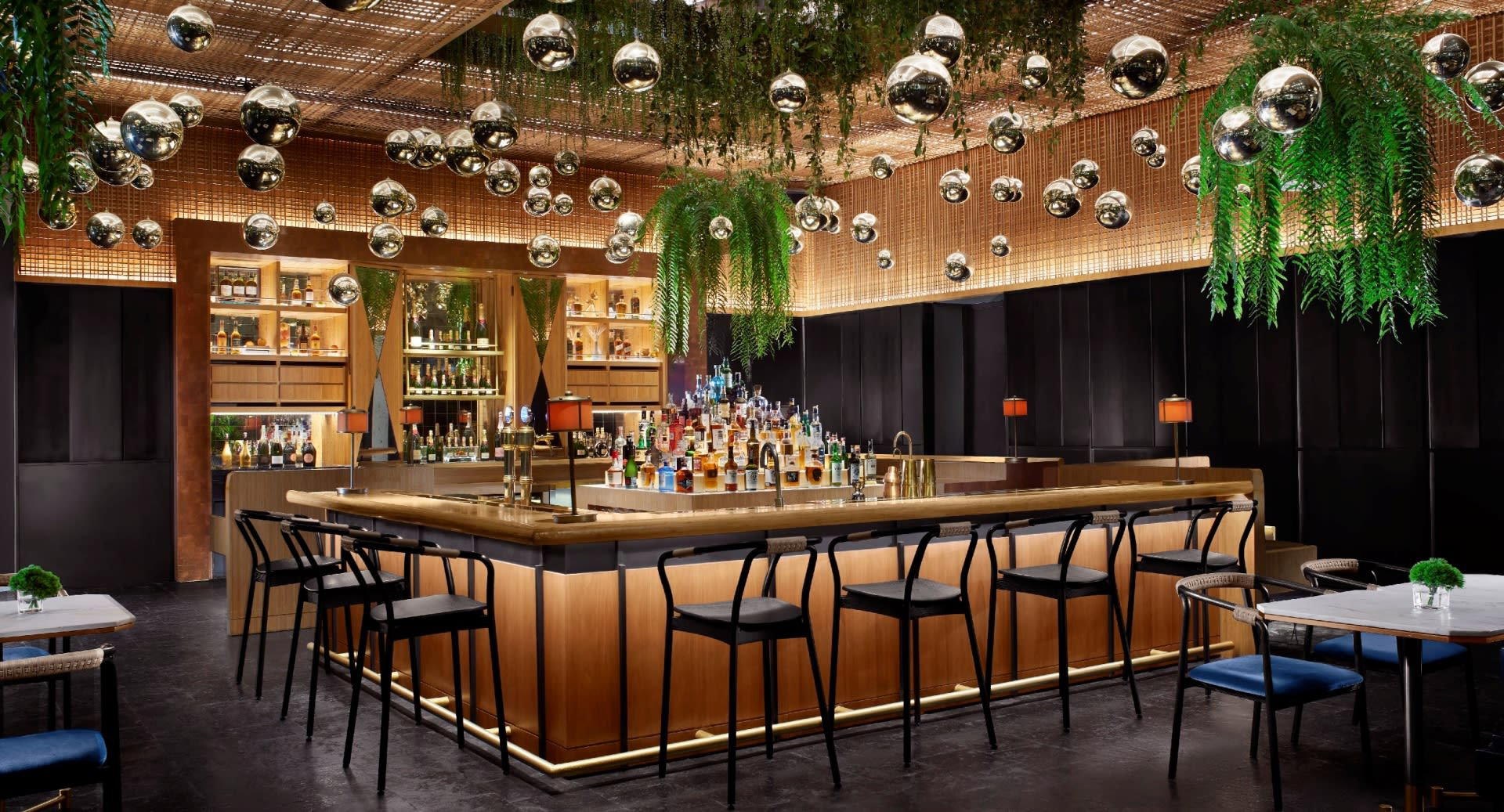
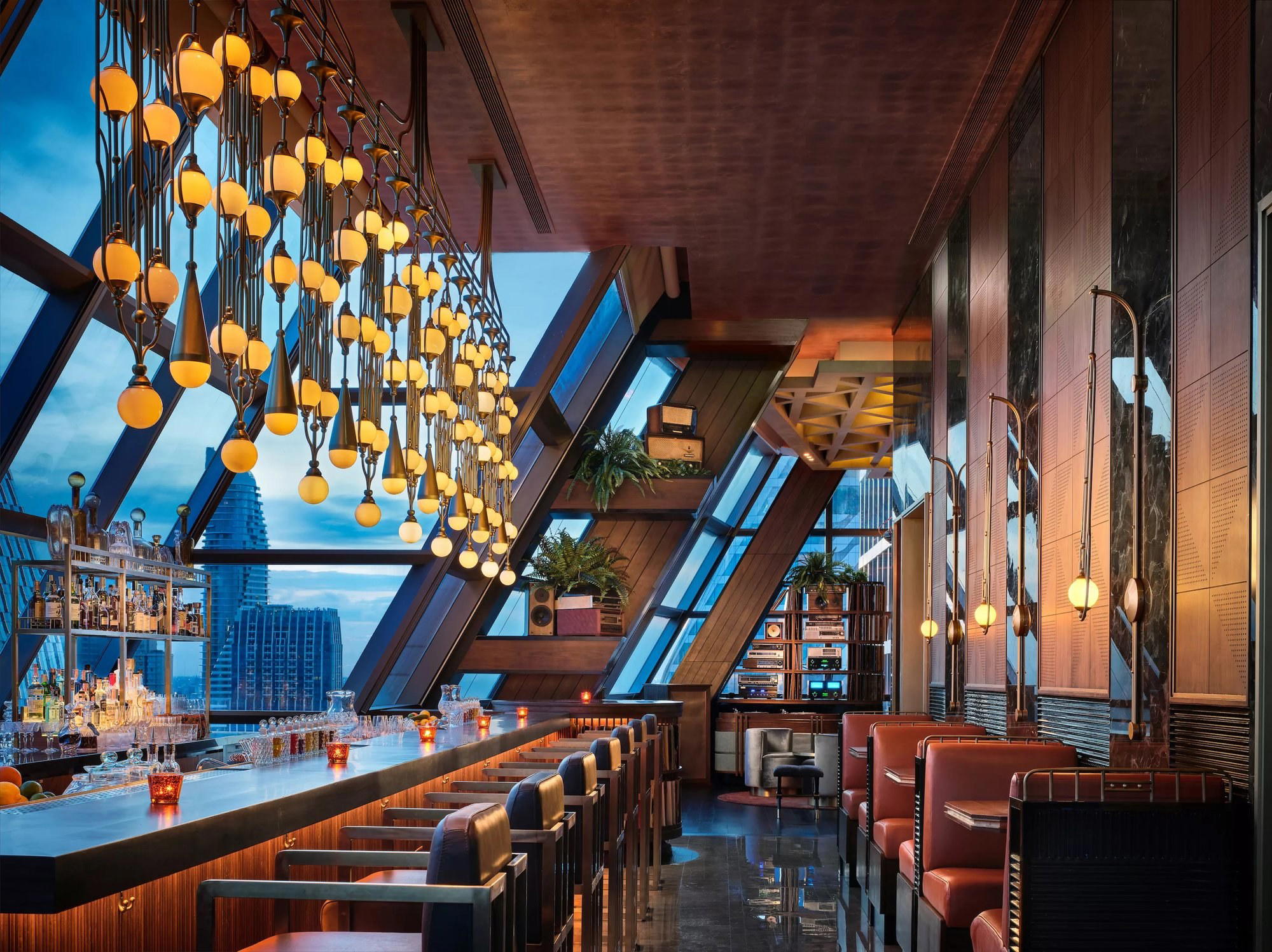
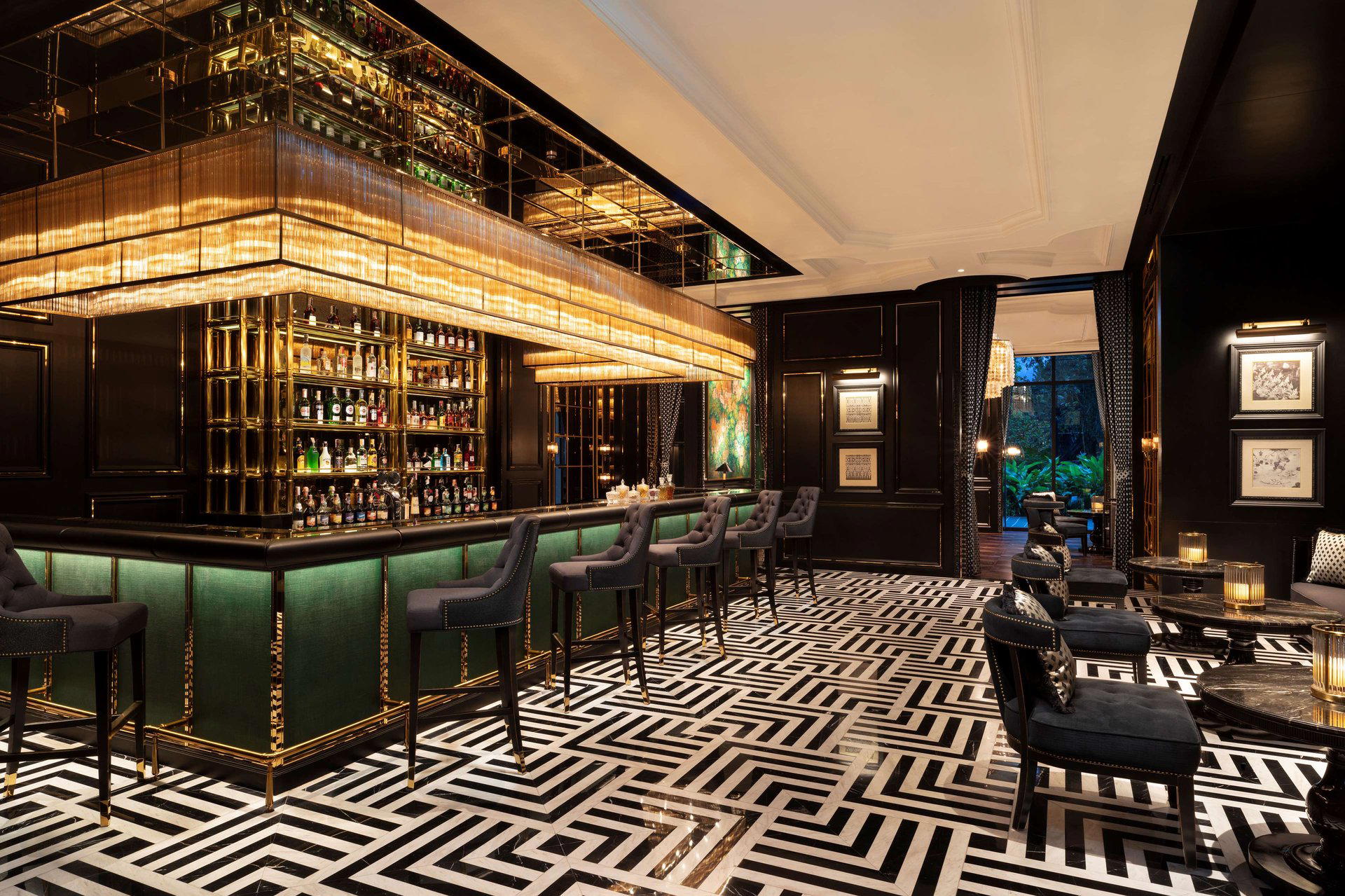
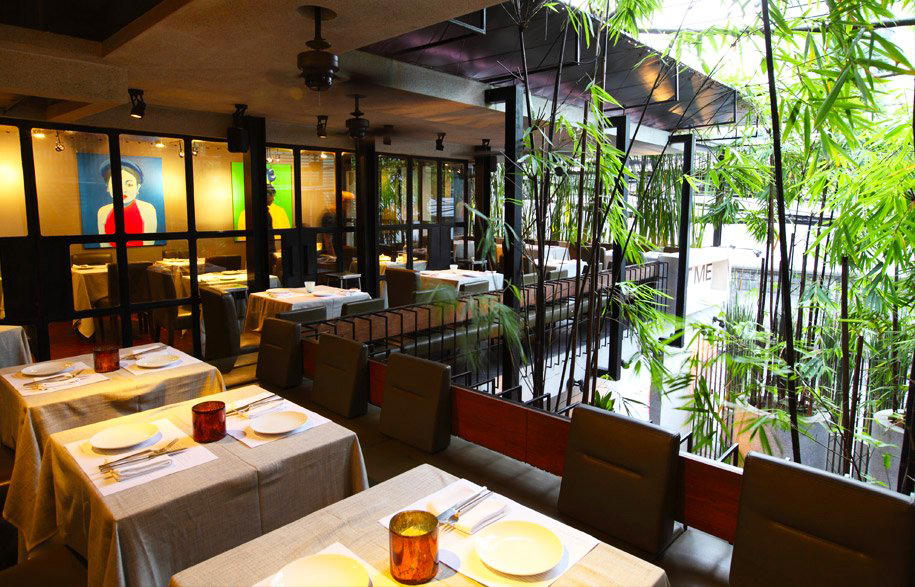
Cozy and inviting with rustic wooden decor, soft lighting, and traditional Thai cultural touches creating a warm, homely atmosphere.