Our verdict
Kiew Kai Ka sits on Nak Niwat Road in Lat Phrao, a district where Bangkok's everyday restaurant culture operates well outside the fine-dining circuit. The address places it among the residential northern suburbs that serious eaters cross the city to reach, where cooking tends to be direct, ingredient-led, and built for regulars rather than passing traffic. It represents a strand of Bangkok dining that runs parallel to the Michelin-starred tier without competing on the same terms.

Pearl is the En Primeur Club membership app — saves, bookings, and concierge access live there. Same editors, same standards.
- Address
- 33 Nak Niwat Rd, Lat Phrao, Bangkok 10230, Thailand
- Phone
- +6622270685
- Hours
- Daily 11 AM–10 PM
- Website
- sites.google.com
- Directions
- Get directions
- Booking
- Book on the venue's website
Lat Phrao and the Bangkok Restaurants That Don't Need a Publicist
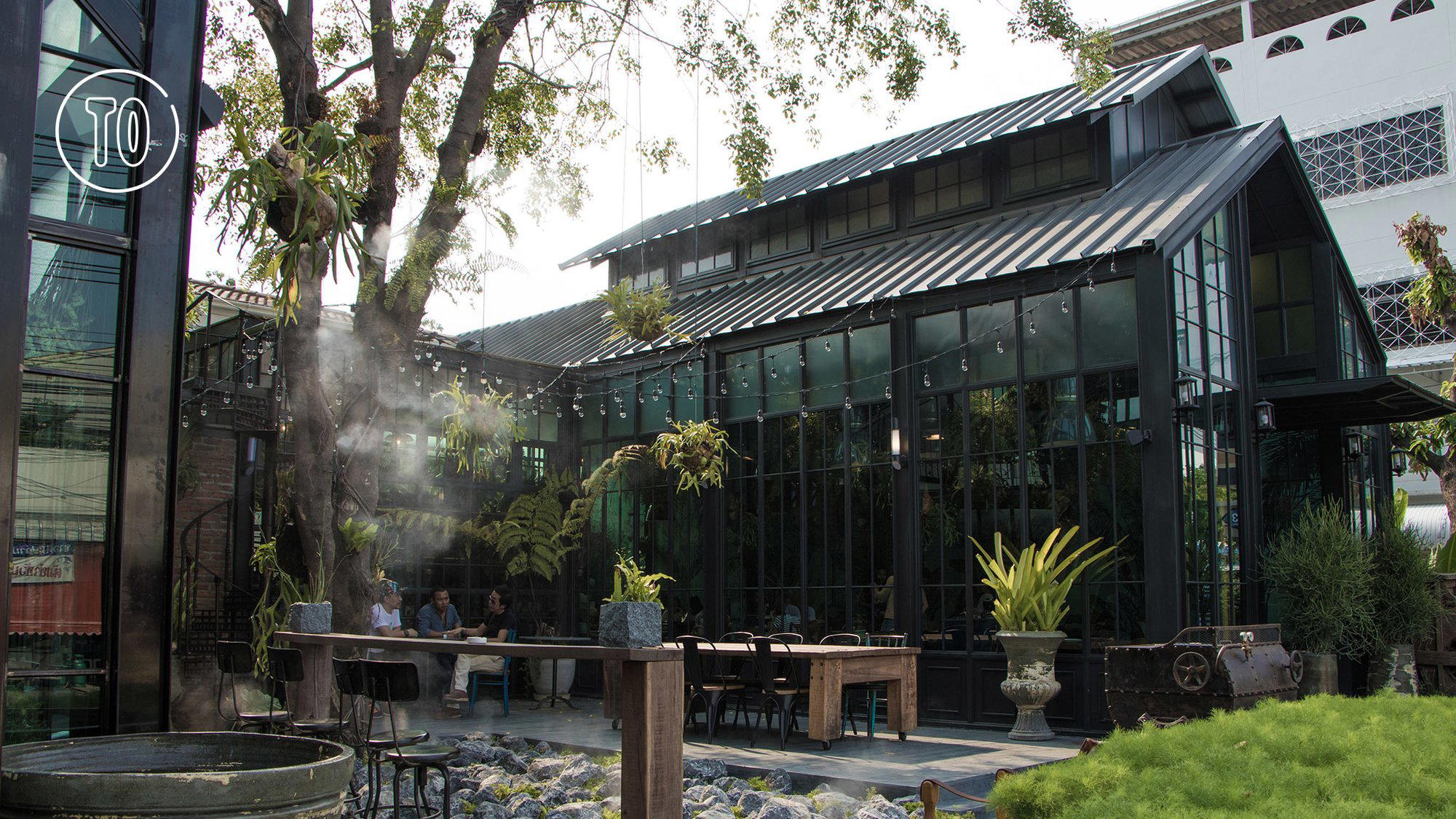
Bangkok's northern residential belt has a particular relationship with restaurants. The districts running along the Lat Phrao corridor, from the expressway interchanges out toward the ring road, are where the city's middle-class eating culture is least performed and most honest. Shophouse kitchens here are not styled for Instagram. Menus are handwritten or recited. The clientele arrives by motorcycle taxi, private car, and the occasional food-pilgrim from Sukhumvit who has done their research. Kiew Kai Ka, at 33 Nak Niwat Road, sits inside this geography, on a street that feeds into the everyday fabric of Lat Phrao rather than a tourist or business corridor.
The address matters because it sets the frame. Bangkok dining in 2024 operates across a wide and sometimes bewildering range of registers. At one end sit the Michelin-starred tasting-menu rooms: Sorn, which has built its reputation around southern Thai cuisine at the ฿฿฿฿ tier, and Baan Tepa, where contemporary Thai cooking is framed through a fine-dining lens. Further afield in the international-import bracket, venues like Sühring and Côte by Mauro Colagreco serve European cooking to a city that has developed genuine appetite for it. Kiew Kai Ka operates in none of these registers. It is a neighbourhood restaurant in the older Bangkok sense: a place whose reputation travels by word of mouth, whose prices reflect the local economy rather than the hotel-adjacent premium, and whose reason for existing is the food itself rather than a concept around it.
What the Lat Phrao Dining Scene Signals
The residential northern suburbs of Bangkok have produced a disproportionate share of the city's most-discussed local restaurants over the past decade. The pattern is consistent across cities with strong food cultures: as premium dining gentrifies inner neighbourhoods and raises rents, the cooking that retains the most character tends to migrate or persist in districts where overheads are lower and clientele loyalty is higher. Lat Phrao functions as one of those districts. It has enough population density to sustain specialist cooking, enough distance from the tourist circuit to keep prices honest, and enough local pride to reward restaurants that maintain quality over time.
Nak Niwat Road itself is a mid-length arterial that connects Lat Phrao Road to the surrounding residential grid. It is not a dining destination in the way that Ari or Ekkamai are destination neighbourhoods, which means restaurants here build their following through repetition rather than novelty. A reservation-book or a walk-in queue at this address represents genuine community trust rather than a social-media moment. For visitors navigating the city from more central points, the BTS does not reach directly, but the Mo Chit interchange provides a reasonable approach by taxi or rideshare, and journey times from Sukhumvit or Silom, while dependent on traffic, are typically manageable outside peak hours. Bangkok's traffic flows mean early lunch or late evening tend to be the more reliable windows for northern district trips.
The Sensory Register of a Bangkok Shophouse Restaurant
The physical experience of a Lat Phrao shophouse restaurant follows patterns that are worth understanding before arriving. These are not quiet rooms. The acoustics of tiled floors and open frontages carry the sound of woks and conversation in roughly equal measure. The smell of charcoal or high-heat cooking reaches the street before the signage does. Seating tends to be functional: plastic chairs, folding tables, or the slightly more permanent arrangements of older establishments that have invested in basic furniture without crossing into interior-design territory. Lighting is practical. Air conditioning, where present, competes with open doors.
This is the sensory register that defines a significant portion of Bangkok's actual dining culture, as opposed to the portion that appears in international travel coverage. It is the register that produced Thailand's global culinary reputation: wok breath, fresh aromatics, heat calibrated by the cook rather than by recipe, and the particular brightness that comes from lime, fish sauce, and fresh chilli used in correct proportion. Venues in this category are benchmarked against each other and against memory rather than against tasting menus, and the standards applied are often more exacting as a result. A regular at a neighbourhood restaurant in Lat Phrao will notice a change in seasoning or sourcing faster than a diner who visits once and moves on.
For context on how Bangkok's local dining culture compares across the country, spots like Cherng Doi Roast Chicken in Chiang Mai and Loet Rot in Mueang Chiang Mai represent the same principle applied to the northern Thai tradition. In the south, PRU in Phuket and AKKEE in Pak Kret show how ingredient-forward cooking is being reframed in different coastal and suburban registers. Bangkok's neighbourhood restaurants occupy a different position in that landscape, neither rustic nor refined, but occupying the productive middle ground where daily cooking and genuine craft overlap.
Placing Kiew Kai Ka in the Broader Bangkok Picture
The city's dining scene in 2024 is more stratified than at any previous point. The Michelin Guide has created clear tiers at the leading, and venues like Gaa, which applies a modern Indian lens to Thai ingredients, represent the international fine-dining layer that Bangkok now sustains at genuine scale. But the restaurants that form the texture of daily eating life in a city of ten million operate on different terms entirely, and they represent the larger portion of what makes Bangkok one of the more compelling food cities in Southeast Asia. Kiew Kai Ka, positioned in Lat Phrao, belongs to that larger portion.
Comparable neighbourhood-anchored dining exists across the city and the region: Hoy Tord Chao Lay in Wattana operates in a similar register at the seafood-specialist end, and Krua Laew Tae R-Rom in Pattaya shows how this style of cooking persists in coastal cities south of the capital. The thread connecting them is a kitchen culture built on technique and ingredient quality rather than on concept or brand. For the full context of how Bangkok's restaurant scene distributes across neighbourhoods, formats, and price points, our Bangkok restaurants guide maps the wider terrain.
Planning a Visit
Nak Niwat Road is most efficiently reached by taxi or rideshare from central Bangkok. Traffic on Lat Phrao Road, which runs parallel, can extend journey times significantly during the morning and evening peaks, so timing arrivals for the post-lunch lull or after 8pm typically produces a smoother approach. Walk-in policy is consistent with neighbourhood restaurants of this type in the Lat Phrao district. For visitors with broader Thailand itineraries, the EP Club also covers dining in Lamai Beach, Takua Pa, Surat Thani, and other Bangkok-adjacent destinations across the country.
Frequently asked questions
What's the address for Kiew Kai Ka?
Kiew Kai Ka is located at 33 Nak Niwat Rd, Lat Phrao, Bangkok 10230, Thailand, Bangkok.
How far is Kiew Kai Ka from central Bangkok, and what's the best way to get there?
Kiew Kai Ka sits on Nak Niwat Road in the Lat Phrao district of Bangkok — roughly 12 to 15 kilometres north of the Sukhumvit corridor depending on your starting point. Taxi or rideshare via Grab is the practical option, though Lat Phrao Road traffic can stretch journey times significantly during evening rush hour. The MRT Yellow Line has improved northern Bangkok access in recent years, with connecting motorcycle taxis available from nearby stations.
What's the signature dish at Kiew Kai Ka?
The menu specifics at Kiew Kai Ka are not formally documented in published sources. Given its position as a Lat Phrao shophouse restaurant in Bangkok's northern residential belt, the kitchen almost certainly focuses on Thai home-style cooking — the category that defines this corridor's reputation. Visiting without a fixed agenda is standard practice at venues of this type.
Is Kiew Kai Ka reservation-only?
No reservation or booking contact details are publicly listed for Kiew Kai Ka at 33 Nak Niwat Road. Shophouse restaurants in Bangkok's Lat Phrao district typically operate on a walk-in basis, and arriving outside peak lunch and dinner hours reduces wait times considerably.
What's the signature at Kiew Kai Ka?
Nothing in the current public record pins down a single signature item at Kiew Kai Ka. What defines the restaurant's appeal within Bangkok's Lat Phrao dining scene is its standing as a neighbourhood-first venue — the kind of place that accumulates a local following through consistency rather than a single showpiece dish.
Nearby-ish Comparables
Comparable venues nearby, for context on price, style, and recognition.
| Venue | Cuisine | Price | Notes |
|---|---|---|---|
| Kiew Kai KaThis venue — the venue you are viewing | Traditional Regional Thai | $20–30 | Not listed |
| Somyos | Thai with Chinese influences | Not listed | Ban Song Krathiam |
| JJ's Kitchen Restaurants | Thai with International Options | $10–20 | Ban Don Muang Khwaeng |
| Khua Kling Pak Sod | Authentic Southern Thai | $10–20 | Surawong |
| Phed Mark | Spicy Pad Krapao Specialist | $1–10 | Khlong Toei |
| Mae Varee Sweet Sticky Rice with Mango | Thai Mango Sticky Rice | $1–10 | Khlong Tan |

Details
- Cozy
- Modern
- Scenic
- Group Dining
- Casual Hangout
- Family
- Open Kitchen
- Local Sourcing
- Garden
- A La Carte
- Small Plates
- Vegetarian Friendly
Current opening hours
- Monday
- 11 AM–10 PM
- Tuesday
- 11 AM–10 PM
- Wednesday
- 11 AM–10 PM
- Thursday
- 11 AM–10 PM
- Friday
- 11 AM–10 PM
- Saturday
- 11 AM–10 PM
- Sunday
- 11 AM–10 PM
Hours can change for holidays and private events. Last verified .
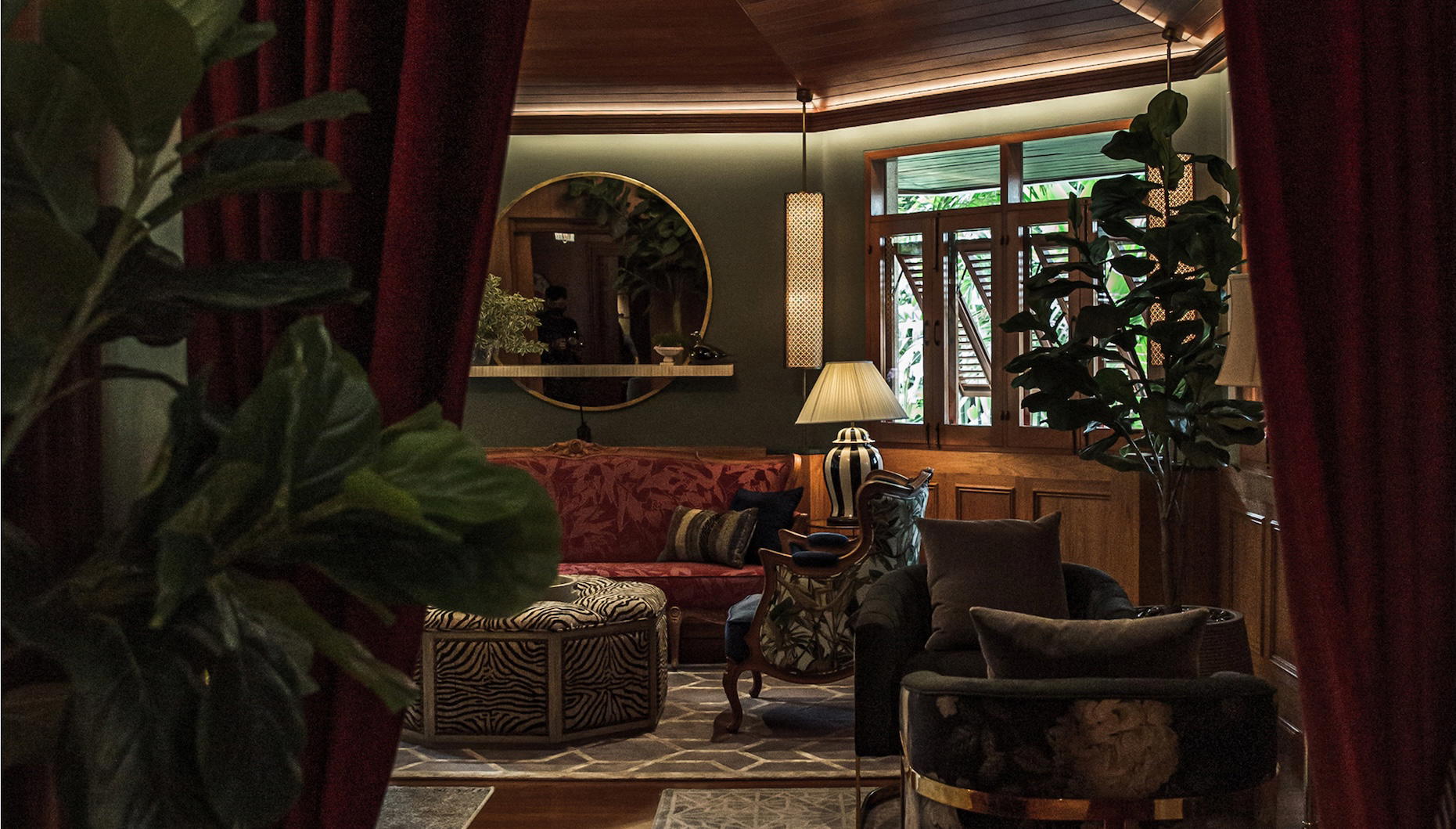
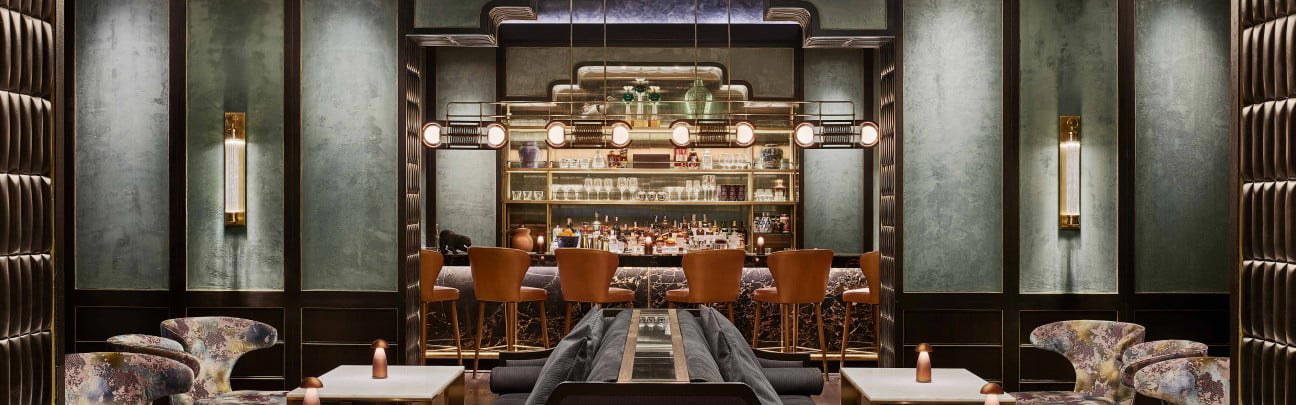
Refined nature-inspired interior with glasshouse structures, tropical greenery, ferns, acid-stained green walls, and vintage furniture creating a hidden oasis feel.