
Michelin Bib Gourmand
Our verdict
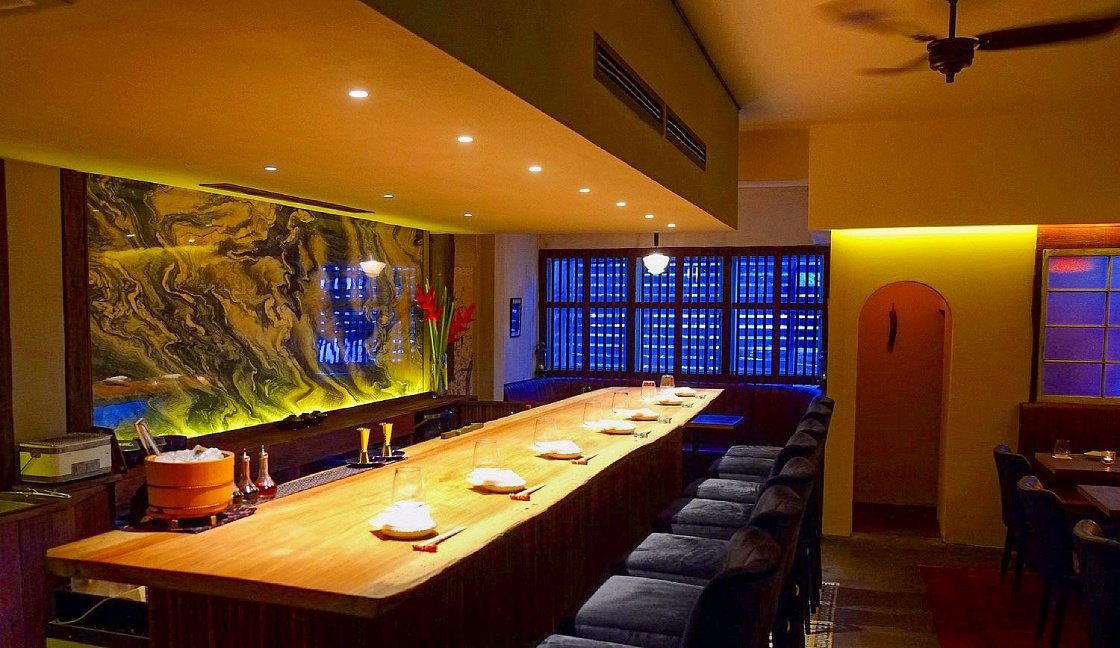
A Khon Kaen institution with roots in a 1957 Chinese grocery shop, Baan Heng has earned back-to-back Michelin Bib Gourmand recognition in 2024 and 2025 for its Thai-Chinese breakfast fare. The signature Baan Heng sandwich and baked rice with sweet pork sausage draw a loyal morning crowd, all set inside a wood-panelled room that carries the weight of three generations of family trade.

Pearl is the En Primeur Club membership app, where members save venues, book tables and use the concierge.
The menu
What to order
- Baan Heng sandwich
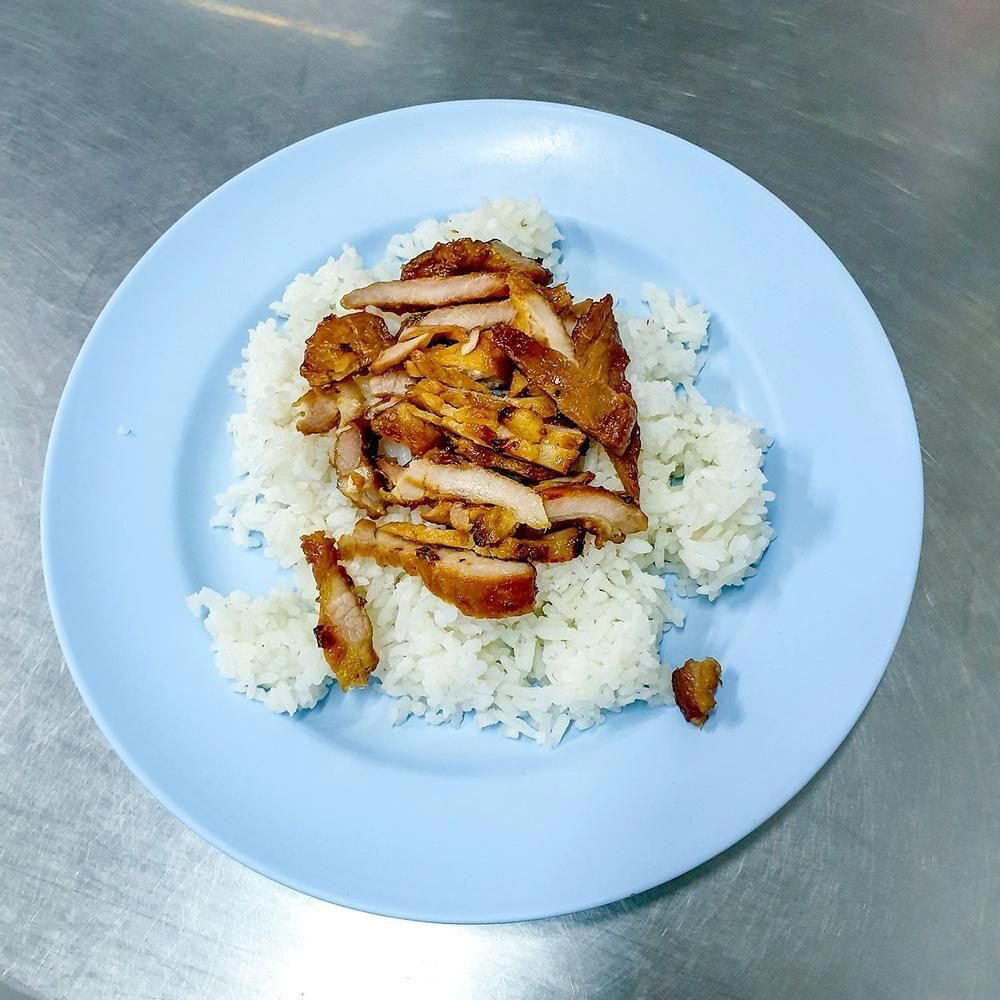
- Baked rice with sweet pork sausage
- Claypot rice with Chinese sausage
Where a Grocery Counter Became a Morning Ritual
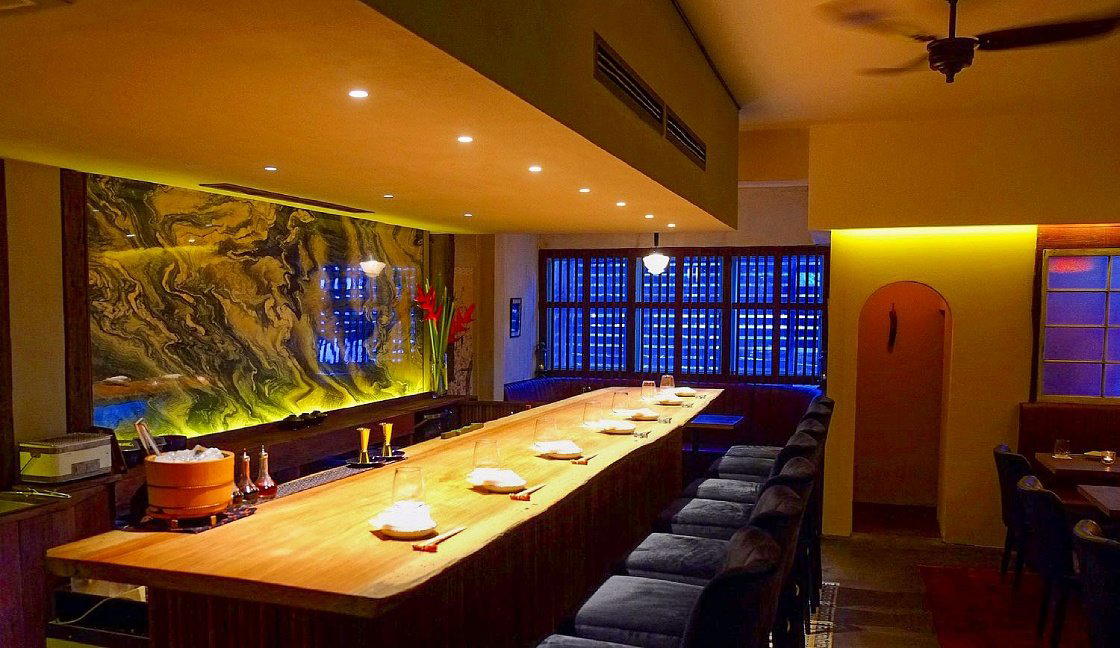
In Thailand's provincial cities, the most enduring eating spots rarely begin as restaurants. They begin as provision stores, wet-market stalls, or family workshops that accumulate loyal customers across decades before the cooking formalises into something worth a dedicated journey. Khon Kaen's Baan Heng belongs squarely in that tradition. The building on Glang Muang Road carries the quiet authority of a place that has never needed to announce itself, its wood-themed interior stripped of anything showy and all the better for it. The worn grain of the fit-out is not aesthetic nostalgia; it is an accurate record of how long this address has been feeding the neighbourhood.
The lineage starts in 1957, when the owners' grandparents ran a souvenir and grocery shop called Heng Nguan Hiang at the same site, trading in homemade Chinese sausage, pork floss, and pork jerky. Those products were not decoration; they were the nucleus around which the current menu grew. The leap from grocery counter to breakfast kitchen is not as wide as it sounds in a Thai-Chinese household context, where cured and preserved meats have always been the backbone of early-morning cooking. Baan Heng formalised what the shop had always half-implied: that the leading morning table in this part of Khon Kaen was here all along.
Thai-Chinese Breakfast and the Logic of the Morning Counter
Thai-Chinese breakfast culture operates on different rhythms from the café model that dominates most urban food commentary. The heat is on before seven. The crowd peaks early, orders fast, and turns over quickly. The cooking relies on speed and repetition rather than elaboration, and the ingredient logic runs directly back to the preserved-meat tradition that Chinese migrant communities carried across Southeast Asia through the nineteenth and twentieth centuries. Baan Heng sits precisely inside that lineage.
The signature Baan Heng sandwich draws on the shop's own preserved-meat heritage, while the baked rice with sweet pork sausage connects to the Chinese-style lap cheong tradition that has long been domesticated into Northeastern Thai cooking. Neither dish requires theatrical technique; both require absolute consistency and a working knowledge of how sweetness, salt, and fat balance across a single plate at seven in the morning. Getting that balance right at volume, day after day, is the quiet discipline that separates a generational institution from a one-season breakfast trend. For a broader picture of how Thai-Chinese cooking registers across the country, Chop Chop Cook Shop in Bangkok and Heng Khao Moo Daeng in Surat Thani represent comparable points on the same regional map.
The coffee and milk tea offering completes the picture in the way that only proper Thai black coffee can. Brewed strong, served in a glass tumbler with condensed milk on the side, it is the beverage equivalent of the food: simple in format, uncompromising in execution, and deeply specific to this part of the country's Chinese-inflected café culture. Ordering the food without the coffee is technically possible but misses the point of the experience entirely.
What the Bib Gourmand Signals in This Context
Michelin's Bib Gourmand category rewards cooking that delivers quality at accessible prices, and the ฿ price point at Baan Heng places it at the lower end of even that bracket. Back-to-back Bib Gourmand recognition in 2024 and 2025 confirms consistency rather than novelty, which is the more meaningful signal for a breakfast spot. A single award year might reflect a good run or a lucky inspector visit; two consecutive years points to a kitchen that operates at the same level regardless of external attention.
In the wider context of Thailand's Michelin-recognised dining, the Bib Gourmand cohort in provincial cities like Khon Kaen documents a pattern that matters: the country's most interesting food is frequently not concentrated in Bangkok's fine-dining corridor. Venues like Sorn in Bangkok, PRU in Phuket, and Aeeen in Chiang Mai represent the formal-dining tier of that national picture. Baan Heng represents something different and equally legitimate: the unbroken everyday cooking tradition that feeds real cities at real hours.
Where Baan Heng Sits in Khon Kaen's Eating Fabric
Khon Kaen's food scene runs on a mixture of Isan staples and Chinese-influenced breakfast and noodle culture, with the former dominating lunch and dinner and the latter anchoring the early morning. Baan Heng operates in the same breakfast and early-day category as Guang Tang Noodles and Here Joi Beef Noodle, though its menu format and preserved-meat DNA distinguish it from the noodle-soup model those venues follow. Jok Guay Jab Tom Sen Bat Queue covers the rice-porridge end of the Thai-Chinese morning tradition, leaving Baan Heng to occupy the sandwich and baked-rice slot that no other address in the city handles with the same generational authority.
For visitors wanting to range wider across Khon Kaen's dining, Mana and Kaen cover the contemporary Thai end of the city's food offer, and EP Club's full Khon Kaen restaurants guide maps the full picture. Those planning a longer stay can consult our Khon Kaen hotels guide, bars guide, wineries guide, and experiences guide for a complete orientation. Elsewhere in the Northeast, Agave in Ubon Ratchathani and AKKEE in Pak Kret round out a regional picture that rewards travel beyond Bangkok.
Planning a Visit
Baan Heng is located at 54/2 Glang Muang Road in central Khon Kaen, accessible without significant difficulty from the main hotel and commercial districts. The price point, firmly in the ฿ bracket, means a full breakfast including coffee runs to a fraction of what equivalent Bib Gourmand venues charge in Bangkok. Arriving early is the practical advice most regulars follow: Thai-Chinese breakfast spots at this quality level and price fill fast, and the kitchen's rhythm is built around the morning surge rather than extended all-day service.
Frequently asked questions
What kind of recognition has Baan Heng received?
Baan Heng has received recognition including: Baan Heng was born out of a souvenir and grocery shop the owners’ grandparents started in 1957 called Heng Nguan Hiang. It sold products like homemade Chinese sausage, pork floss and pork jerky. Now, the restaurant serves Thai-Chinese break….
What do regulars order at Baan Heng?
The two dishes that define the menu are the signature Baan Heng sandwich and the baked rice with sweet pork sausage, both rooted in the Chinese preserved-meat traditions the founding family sold from their grocery counter from 1957 onward. Pairing either with a hot Thai black coffee or milk tea is the standard order among morning regulars.
What should I budget for a meal at Baan Heng?
Pricing at Baan Heng is listed as ฿.
How do I find Baan Heng?
Baan Heng is located at 54/2 Glang Muang Rd, ในเมือง เมือง Khon Kaen 40000, Thailand, Khon Kaen.
Is Baan Heng reservation-only?
Baan Heng operates at the ฿ price point with a Michelin Bib Gourmand profile for 2024 and 2025, which places it firmly in the walk-in breakfast category rather than a reservation-led dining format. Arriving early is the practical strategy at counters with this kind of neighbourhood following in Khon Kaen.
Comparison Snapshot
A compact comparison to help you place this venue among nearby peers.
| Venue | Cuisine | Price | Awards | Notes |
|---|---|---|---|---|
| Baan HengThis venue (the venue you are viewing) | Thai-Chinese Breakfast | $1–10 | Michelin Bib Gourmand | Not listed |
| Here Joi Beef Noodle | Thai Beef Noodles | $1–10 | Michelin Bib Gourmand | Noodles, ฿ |
| Jok Guay Jab Tom Sen Bat Queue | Thai Street Food Noodles & Porridge | $1–10 | Michelin Bib Gourmand | Street Food, ฿ |
| Kai Yang Rabeab (Khao Suan Kwang) | Isan | Not listed | Not listed | ฿ |
| Khun Jaeng Guay Tiew Pak Mor Kao Wang | Thai Noodle Shop | $1–10 | Michelin Bib Gourmand | Thai, ฿ |
| Praprai | Authentic Isaan Thai | $10–20 | Michelin Bib Gourmand | Isan, ฿฿ |
Recognition history
Dated appearances from independent guides and award organizations, with the underlying list record or original source where available.
Michelin Bib Gourmand
Michelin
Full recognition history (3 entries)
Michelin Bib Gourmand
Michelin
Michelin Bib Gourmand
Michelin
Continue exploring
More in Khon Kaen
Details
- Classic
- Cozy
- Rustic
- Casual Hangout
- Historic Building
- Local Sourcing
- A La Carte
- Thai Tea
- Thai Coffee
Current opening hours
- Monday
- 6 AM–2:30 PM
- Tuesday
- 6 AM–2:30 PM
- Wednesday
- 6 AM–2:30 PM
- Thursday
- 6 AM–2:30 PM
- Friday
- 6 AM–2:30 PM
- Saturday
- 6 AM–2:30 PM
- Sunday
- 6 AM–2:30 PM
Hours can change for holidays and private events. Hours as of .
Nostalgic wood-themed design exuding old-school vibes and local charm.