





1 Michelin Star · World's 50 Best #96 · La Liste Top Restaurants
Our verdict
Ranked 89th in Asia by Opinionated About Dining (2025) and recognised by La Liste with 80.

Pearl is the En Primeur Club membership app, where members save venues, book tables and use the concierge.
The menu
What to order
- Benaras Ki Chaat
- Lobster Two Ways
- Allahabadi Dawat
- Textures Of Coconut
The broader context for this kind of cooking is instructive. Across Asia, a generation of chefs trained in classical Indian techniques has been rerouting those techniques through local produce, creating what is broadly called neo-Indian cuisine.
The Spice Logic: Indian Tradition Through a Thai Agricultural Lens
The editorial angle most worth applying to Haoma's menu is the one that asks what happens to coastal and South Indian spice traditions when the coconut, curry leaf, tamarind, and kokum at their core are sourced or substituted locally. South Indian and Goan cooking depends on a specific aromatic ecosystem: the fat of fresh coconut, the volatile oils in curry leaf that dissipate rapidly after harvest, the sharp fermented sourness of kokum, the slow background acidity of tamarind.
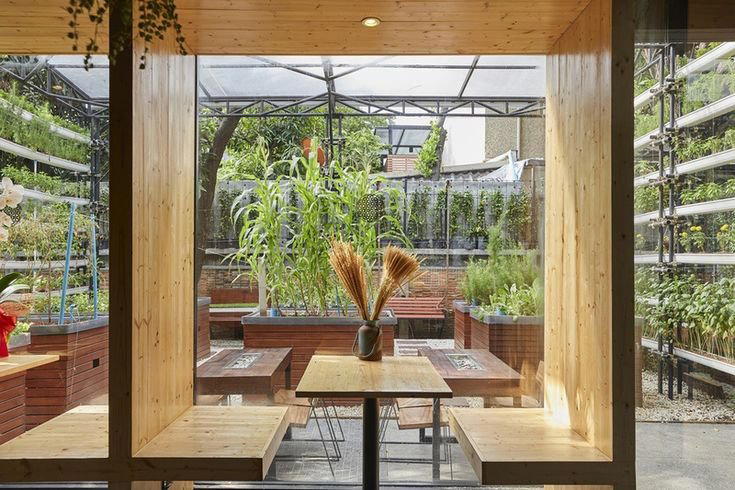
What the We're Smart Green Guide's 4 Radishes recognition (awarded to Haoma and documented in the venue's award record) confirms is that the kitchen's plant-forward approach is not decorative. The scoring framework for that award weights organic farming practice, water conservation, zero-waste systems, and community engagement, all of which Haoma has implemented as operational infrastructure rather than marketing positioning. For a restaurant working within the Indian culinary tradition, where vegetables and legumes have always carried more structural weight than in most Western fine-dining formats, the alignment between ancestral cooking logic and contemporary sustainability certification is more coherent than it might appear from the outside.
The seasonal vegetarian tasting menu that runs alongside the main menu is a direct expression of this alignment. Indian cuisine, particularly from the subcontinent's south and west, has a long tradition of full vegetarian formal meals. Haoma's vegetarian programme does not read as an accommodation for non-meat-eaters: it reads as the kitchen working within a tradition where pure plant cooking has its own deep grammar, distinct from the protein-with-sides logic that dominates most Western tasting menus. Against the Thai-heritage houses, it offers a different culinary grammar entirely while matching them on local-produce seriousness.
Its Michelin star (awarded 2024) and its Opinionated About Dining ranking of 89th in Asia (2025, down from 86th in 2024 and 61st in 2023) place it in a legible position within the regional critical conversation. The La Liste score of 80.5 points in 2025 (78 points in 2026) and the Star Wine List recognition across multiple consecutive years suggest a programme that performs consistently across food, wine, and broader hospitality criteria. That consistency is relevant in a city where openings are frequent and rankings are volatile. Trèsind Studio in Dubai and Opheem in Birmingham, both of which are reframing Indian fine dining through contemporary technique and local produce sourcing, though without the urban farming model Haoma has built on-site.
Planning Your Visit
| Venue | Cuisine | Price Tier | Recognition | Format |
|---|---|---|---|---|
| Haoma | Neo-Indian | ฿฿฿฿ | Michelin 1 Star, OAD Asia #89 (2025), La Liste 80. The nearest BTS station is Phrom Phong, from which the soi is reachable by foot or a short taxi ride. Reservations at this level of recognition book ahead; approaching the restaurant directly through its website is advisable well in advance of your intended date.enprimeurclub.enprimeurclub.com/restaurants/akkee-nonthaburi-restaurant">AKKEE in Pak Kret, PRU in Phuket, The Spa in Lamai Beach, Aeeen in Chiang Mai, Agave in Ubon Ratchathani, and Angeum in Phra Nakhon Si Ayutthaya.Frequently asked questionsWhat should I order at Haoma?Haoma operates seasonal tasting menus rather than an à la carte format, so the ordering decision is structural rather than dish-by-dish. The kitchen produces both a main seasonal menu and a dedicated vegetarian tasting menu, the latter being the more direct expression of the restaurant's plant-forward, zero-waste philosophy and its alignment with Indian cuisine's deep tradition of formal vegetarian cooking. Given that Haoma holds a Michelin star, an OAD Asia ranking of 89th (2025), and a We're Smart 4 Radishes recognition for its plant programme specifically, the vegetarian menu is worth serious consideration even for non-vegetarians: it is the format that most directly showcases the on-site urban farm, the Chiang Mai organic sourcing, and the kitchen's command of spice architecture applied to vegetables and legumes. Chef Deepanker Khosla and the team's stated approach, growing what they cook and cooking what they love, means the strongest dishes on any given visit will reflect what is in peak condition from the farm at that moment.enprimeurclub.enprimeurclub. |
Cuisine Lens
| Venue | Cuisine | Price | Awards | Notes |
|---|---|---|---|---|
| HaomaThis venue (the venue you are viewing) | Neo-Indian Fine Dining | $100–150 | 1 Michelin Star · World's 50 Best #96 | Not listed |
| Sorn | Fine Southern Thai | $200–300 | 3 Michelin Stars · World's 50 Best #12 | Southern Thai, ฿฿฿฿ |
| Côte by Mauro Colagreco | Riviera Mediterranean Fine Dining | $200–300 | 2 Michelin Stars · World's 50 Best #91 | Mediterranean, Modern Cuisine, ฿฿฿฿ |
| Baan Tepa | Creative Thai Fine Dining | $150–200 | 2 Michelin Stars · World's 50 Best #53 | Thai contemporary, ฿฿฿฿ |
| Gaa | Modern Indian Fine Dining with Thai Influences | $150–200 | 2 Michelin Stars · World's 50 Best #95 | Modern Indian, Indian, ฿฿฿฿ |
| Sühring | Modern German Fine Dining | $200–300 | 3 Michelin Stars · World's 50 Best #18 | German, ฿฿฿฿ |
Recognition history
Dated appearances from independent guides and award organizations, with the underlying list record or original source where available.
Michelin 1 Star
Michelin
World's 50 Best Asia's Best Restaurants #96
World's 50 Best
La Liste Top Restaurants
La Liste
Star Wine List
Star Wine List
Opinionated About Dining Top Restaurants in Asia Ranked #109
Opinionated About Dining
Full recognition history (16 entries)
La Liste Top Restaurants
La Liste
Michelin 1 Star
Michelin
Opinionated About Dining Top Restaurants in Asia Ranked #89
Opinionated About Dining
Star Wine List
Star Wine List
The Best Chef Two Knives
The Best Chef
We're Smart World 4 Radishes
We're Smart World
Michelin 1 Star
Michelin
Opinionated About Dining Top Restaurants in Asia Ranked #86
Opinionated About Dining
Star Wine List
Star Wine List
Opinionated About Dining Top Restaurants in Asia Ranked #61
Opinionated About Dining
Star Wine List
Star Wine List