



1 Michelin Star · World's 50 Best #47 · La Liste Top Restaurants
Our verdict
Wana Yook occupies a 100-year-old colonial house in Ratchathewi, where Chef Chalee Kader runs a seasonal tasting menu structured around rice from different Thai regions. Holders of a Michelin star since 2024 and ranked #81 in Asia's 50 Best (2025), the restaurant operates Wednesday through Sunday from 5 PM, placing it in Bangkok's mid-to-upper contemporary Thai tier at ฿฿฿.

Pearl is the En Primeur Club membership app, where members save venues, book tables and use the concierge.
The menu
What to order
- Gaeng Kua of Bitter Beans
- Pickled Bengal Currant Pud Cha of Frog
- Grilled Pomfret with Stink Bean Curry
A Colonial House and the Architecture of Thai Rice Culture
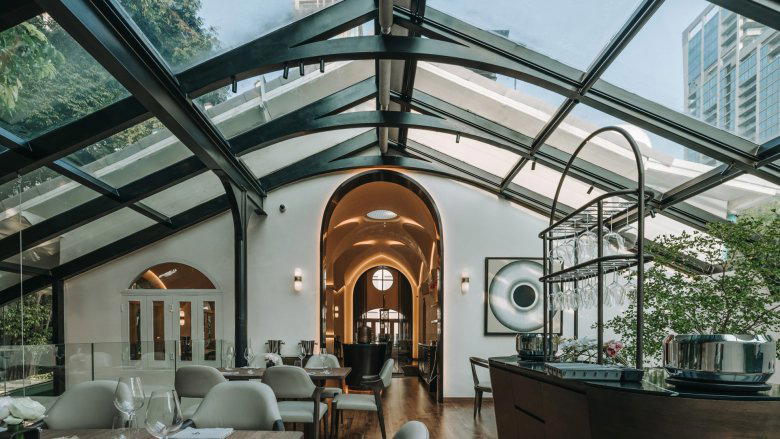
Bangkok's serious tasting-menu restaurants have, over the past decade, split into two distinct approaches. The first treats Thai cuisine as raw material for European fine-dining formats, knife skills, French sauces, global pantry. The second digs into regional specificity, using the tasting-menu format as a vehicle to document what Thailand actually eats outside the capital. Wana Yook, operating out of a century-old colonial house on Phaya Thai Road in Ratchathewi, sits firmly in the second camp. The building itself sets a tone before anything reaches the table: a structure from the early 1900s, when Bangkok's administrative quarter was expanding outward along the royal roads, now quietly asserting that Thai food culture has its own depth of history to draw from.
Chef Chalee Kader built the menu around khao kaeng, the everyday Thai practice of rice topped with curry, and extended it into a format where each course features rice from a different Thai region. This is not fusion reasoning or concept-for-concept's-sake. Street food stalls and market vendors across Thailand have long organised their menus around the same logic: the rice is not a side, it is the structural element, and the curries, proteins, and condiments exist in relationship to it. Formalising that hierarchy at tasting-menu length is a genuine editorial decision, not decoration.
Where It Sits in Bangkok's Contemporary Thai Scene
The recognition trail around Wana Yook is substantial for a restaurant at the ฿฿฿ price tier. A Michelin star arrived in 2024. By 2025, the restaurant held the #81 position in World's 50 Best Asia's Leading Restaurants and #195 in Opinionated About Dining's Asia ranking. La Liste scored it 77 points in 2025 and moved it to 81 points in 2026, a meaningful climb in a single cycle. Taken together, these signals place Wana Yook in the tier just below Bangkok's ฿฿฿฿ flagships.
For comparison, the ฿฿฿฿ end of Bangkok's contemporary Thai spectrum includes Baan Tepa, R-Haan, and Sorn, each operating longer set menus with deeper kitchen brigades and higher per-head pricing. Wana Yook's three-price-tier positioning makes it arguably the most accessible entry point into Bangkok's award-recognised contemporary Thai tasting menu format, without the format conceding anything in seriousness. 80/20 and NAWA operate in adjacent conceptual territory, Thai ingredients read through a modernist or research-led lens, though their format and price signals differ from Wana Yook's rice-structured approach.
| Venue | Price | Format | Key Recognition | Days Open |
|---|---|---|---|---|
| Wana Yook | ฿฿฿ | Seasonal tasting menu | Michelin 1★, Asia's 50 Best #81 | Wed–Sun (dinner only) |
| Baan Tepa | ฿฿฿฿ | Tasting menu | Michelin starred | Check venue |
| R-Haan | ฿฿฿฿ | Tasting menu | Michelin starred | Check venue |
| Sorn | ฿฿฿฿ | Southern Thai tasting | Michelin 2★ | Check venue |
| 80/20 | ฿฿฿฿ | Tasting menu | Michelin starred | Check venue |
The Street Food Logic Behind the Menu
Thai street food has never been casual in the way Western observers tend to assume. The vendors who have operated the same khao kaeng stall for thirty years are not serving convenience food, they are executing a daily discipline of curry-making, sourcing, and rice cooking that the tasting-menu format can legitimately reference without distortion. Wana Yook's menu draws on that tradition directly: fried gourami fish with Thai dipping sauce and khao soy appear in the La Liste citation as examples of dishes reimagined with precision rather than replaced by something else entirely. Southern curries with multiple rice variations occupy the main courses, the regional variation in rice making explicit what Bangkok's street food geography only implies, that what you eat in the South differs materially from what you eat in the North, and the rice is where that difference starts.
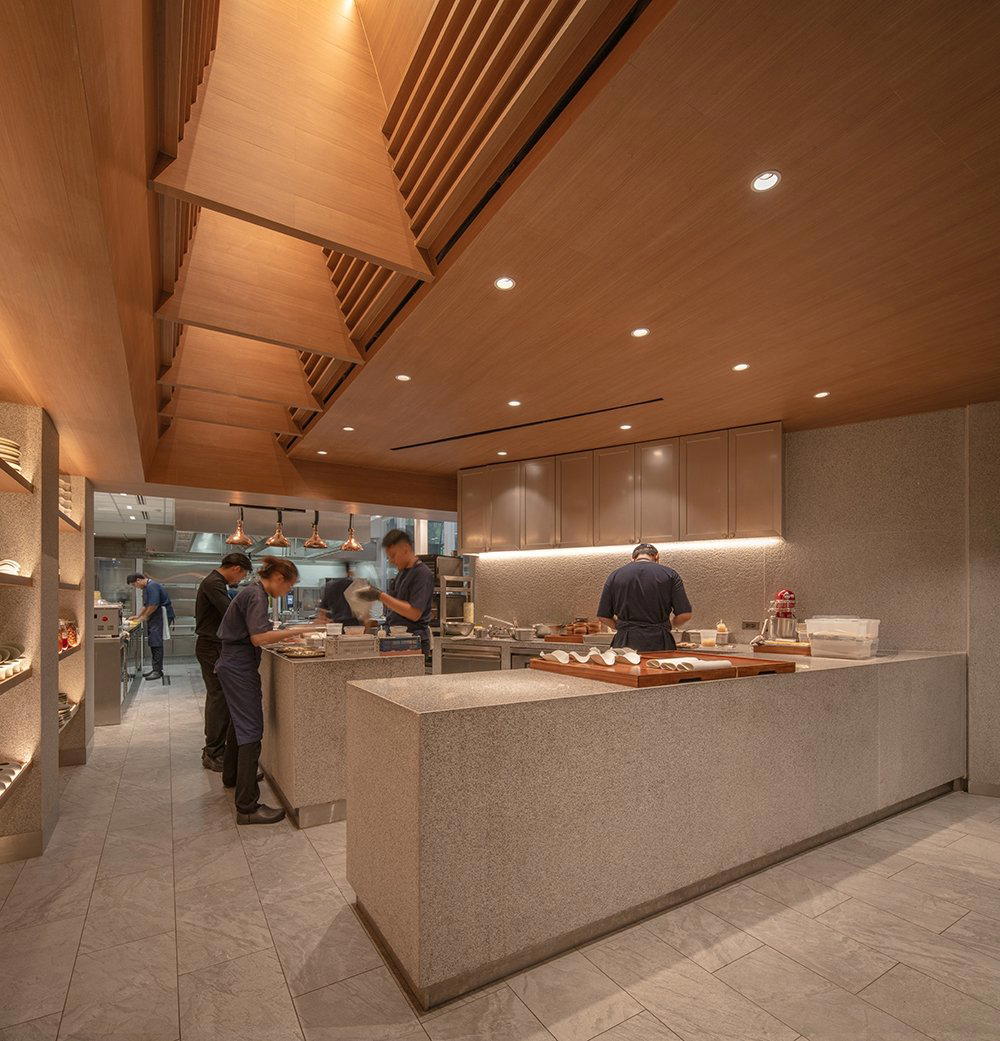
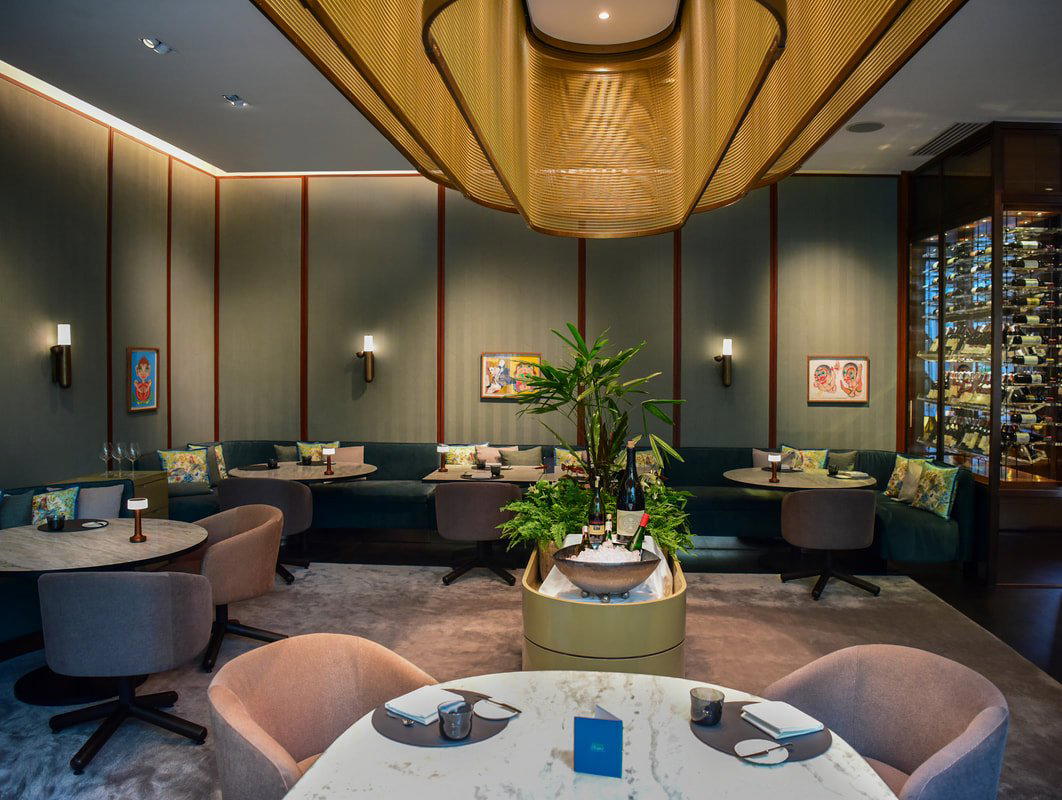
The progression through the building reinforces this. Guests begin with a welcome drink in the lounge, move to the kitchen for an opening bite, and then settle into the dining room, wood furniture, silk cushions, the colonial architecture providing the frame. It is a considered sequence, the kind that street food in its original form achieves differently: the queue, the open kitchen, the specific stool at a specific counter. Wana Yook translates the intimacy of that experience into a setting where the cooking itself can be observed and the sourcing explained, without pretending the two contexts are identical.
Chef Chalee Kader and the Regional Thai Argument
Contemporary Thai fine dining has, broadly, made two kinds of argument about what it is doing. The first argument is about technique: Thai kitchens can produce food at the same technical standard as any European kitchen, using global methods and local ingredients. The second argument is about knowledge: Thai culinary culture contains specific regional traditions, ingredient relationships, and cooking logic that are worth documenting and presenting on their own terms. Chalee Kader's work at Wana Yook represents the second argument. The rice-from-each-region structure is a pedagogical decision as much as a culinary one, it insists that Thailand's regional diversity is the subject, not the technique applied to it.
That position is shared, in different registers, by Aunglo by Yangrak in Bangkok and by restaurants in other Thai cities working similar territory: Aeeen in Chiang Mai, AKKEE in Pak Kret, and PRU in Phuket each take a version of the regionally-specific argument in their own direction. The recognition Wana Yook has accumulated suggests this approach is resonating with the international critical community, not as novelty but as a coherent culinary position with enough depth to sustain serious tasting-menu length.
The Evening Structure and What to Expect
Wana Yook opens Wednesday through Sunday, exclusively for dinner, from 5 PM to 11 PM. Monday and Tuesday are closed. The four-stage spatial progression, lounge, kitchen, dining room, and the ground-floor bar for after-dinner drinks, means the experience is designed to occupy a full evening rather than a fixed sitting time. The sommelier's wine pairing is noted in La Liste's assessment as a considered element rather than an afterthought, which at ฿฿฿ pricing represents real value relative to the ฿฿฿฿ restaurants where wine programmes operate at significantly higher per-head costs.
The address on Phaya Thai Road in Ratchathewi places the restaurant within reach of the BTS Phaya Thai station, which also connects to the Airport Rail Link, a practical consideration for visitors arriving from Suvarnabhumi or staying near the central BTS corridor.
Bangkok Contemporary Thai Beyond Wana Yook
For visitors building a Bangkok itinerary around the city's contemporary Thai scene, the picture extends well beyond a single restaurant. Our full Bangkok restaurants guide covers the broader field, from the street food corridors of the older quarters to the tasting-menu tier. Practical logistics for the city, accommodation, bars, and other experiences, are covered in our Bangkok hotels guide, Bangkok bars guide, and Bangkok experiences guide. For Thai contemporary cooking outside the capital, Angeum in Phra Nakhon Si Ayutthaya and Agave in Ubon Ratchathani represent the format operating in provincial contexts with different ingredient access and regional focus. The Thai contemporary argument is also being made internationally: Manāo in Dubai and Chim by Chef Noom in Kuala Lumpur carry versions of the conversation into diaspora markets, and our Bangkok wineries guide is worth consulting for context on the wine scene that supports menus like Wana Yook's pairing programme.
What Regulars Order at Wana Yook
The tasting menu is the only format on offer, so the question of what regulars order is less about individual dishes and more about what draws them back. Based on the La Liste citation, the Southern curry courses with regional rice variations are the centrepiece of the meal, the element that most clearly expresses the khao kaeng thesis the menu is built on. The fried gourami fish with Thai dipping sauce is noted as an early-course example of classic preparation treated with precision rather than reinterpretation for its own sake. Khao soy appears as another touchstone: a dish with deep Northern Thai and Shan roots that has become one of the most recognisable reference points for Thai regional cooking internationally, and whose inclusion here signals that the menu is as interested in cultural geography as in seasonal ingredient sourcing. The after-dinner drinks at the ground-floor bar are a structured extension of the meal rather than an optional postscript, and the cosy bar setting offers a different register from the formal dining room above it.
Budget and Context
| Venue | Cuisine | Price | Awards | Notes |
|---|---|---|---|---|
| Wana YookThis venue (the venue you are viewing) | Modern Thai Khao Gaeng Tasting | $100–150 | 1 Michelin Star · World's 50 Best #47 | Not listed |
| Sorn | Fine Southern Thai | $200–300 | 3 Michelin Stars · World's 50 Best #12 | Southern Thai, ฿฿฿฿ |
| Côte by Mauro Colagreco | Riviera Mediterranean Fine Dining | $200–300 | 2 Michelin Stars · World's 50 Best #91 | Mediterranean, Modern Cuisine, ฿฿฿฿ |
| Baan Tepa | Creative Thai Fine Dining | $150–200 | 2 Michelin Stars · World's 50 Best #53 | Thai contemporary, ฿฿฿฿ |
| Gaa | Modern Indian Fine Dining with Thai Influences | $150–200 | 2 Michelin Stars · World's 50 Best #95 | Modern Indian, Indian, ฿฿฿฿ |
| Sühring | Modern German Fine Dining | $200–300 | 3 Michelin Stars · World's 50 Best #18 | German, ฿฿฿฿ |
Recognition history
Dated appearances from independent guides and award organizations, with the underlying list record or original source where available.
Michelin 1 Star
Michelin
World's 50 Best Asia's Best Restaurants #47
World's 50 Best
La Liste Top Restaurants
La Liste
Opinionated About Dining Top Restaurants in Asia Recommended
Opinionated About Dining
Full recognition history (9 entries)
La Liste Top Restaurants
La Liste
Michelin 1 Star
Michelin
Opinionated About Dining Top Restaurants in Asia Ranked #195
Opinionated About Dining
World's 50 Best Asia's Best Restaurants #81
World's 50 Best
Michelin 1 Star
Michelin
Continue exploring
More in Bangkok
More from Chef Chalee Kader
Browse all →
Restaurants in Bangkok
All restaurants in Bangkok →
Bars in Bangkok
All bars in Bangkok →
Details
- Elegant
- Classic
- Intimate
- Sophisticated
- Date Night
- Special Occasion
- Historic Building
- Extensive Wine List
- Local Sourcing
- Tasting Menu
- Allergy Accommodating
Current opening hours
- Monday
- Closed
- Tuesday
- Closed
- Wednesday
- 5:30–11 PM
- Thursday
- 5:30–11 PM
- Friday
- 5:30–11 PM
- Saturday
- 5:30–11 PM
- Sunday
- 5:30–11 PM
Hours can change for holidays and private events. Hours as of .
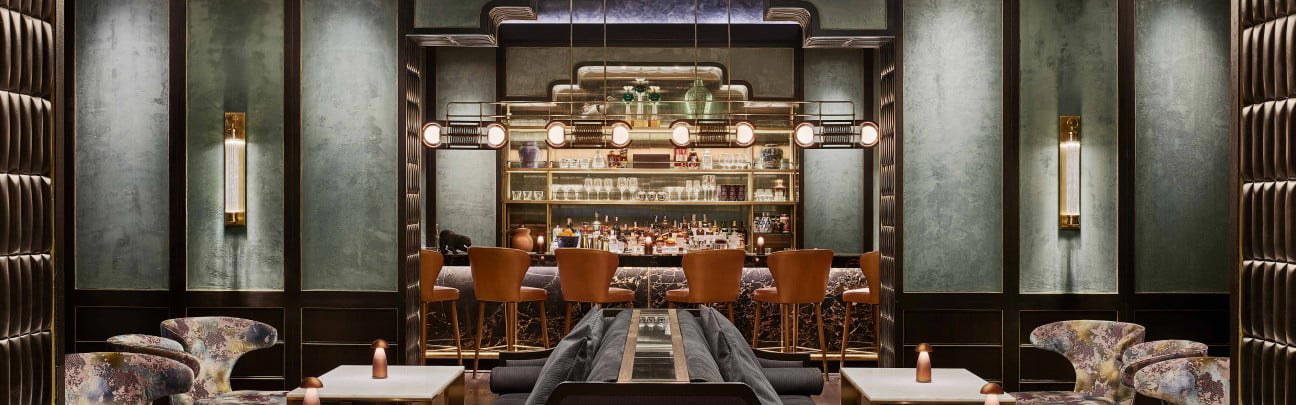
Historic and elegant ambiance in a restored colonial-era building with a mixture of traditional and modern decor, providing a classic yet chill atmosphere across intimate rooms.