Our verdict
ブルッティ エ ブォーニ occupies a quiet address in Hiroshima's Minami Ward, where the Italian name, translating roughly to 'ugly but good', signals a deliberate resistance to surface polish. The restaurant sits within a dining scene increasingly shaped by kaiseki formalism and Chinese banquet traditions, offering a counterpoint worth seeking out for those who read Hiroshima's food culture beyond its most visible formats.

Pearl is the En Primeur Club membership app, where members save venues, book tables and use the concierge.
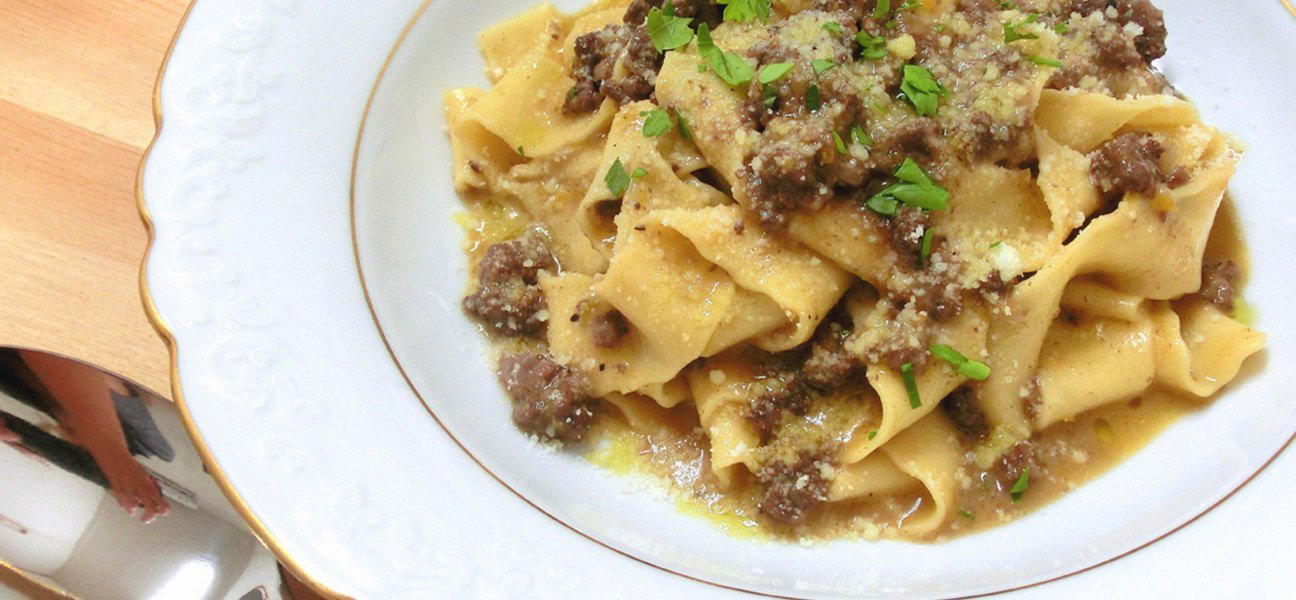
The menu
What to order
- Homemade pasta
- Cheese pasta
- Antipasto
A Name That Announces Its Position
In a city where formal dining tends toward either the kaiseki register or the kind of polished Chinese banquet format represented by venues like MASUKI, the Italian phrase ブルッティ エ ブォーニ, 'ugly but good', reads as an editorial statement before a guest has even crossed the threshold. That naming choice locates the restaurant within a particular tradition of European trattoria culture: the deliberate rejection of ornament in favour of substance, where the physical container is allowed to be imperfect as long as what arrives at the table is not. Hiroshima's Minami Ward, where the restaurant is addressed at 12-9 Osugacho, sits south of the city's more trafficked commercial districts. That geography matters. Dining rooms that choose peripheral addresses over central visibility tend to operate for a clientele that arrives by recommendation rather than footfall, and the dynamic between room and reputation shifts accordingly.
The Physical Container and What It Signals
The editorial angle on ブルッティ エ ブォーニ begins with the name's implicit promise about space. The phrase 'ugly but good' has a specific architectural meaning in European dining culture: it describes trattorias where the fit-out is functional rather than designed, where the seating exists to hold people rather than to photograph well, and where the light serves the food rather than the Instagram grid. Whether this restaurant delivers that aesthetic precisely is a matter for a visitor to confirm, but the category of dining it evokes is well established. Across Japan's smaller cities, a cohort of European-inflected restaurants has emerged that borrows this logic: modest physical containers, serious kitchens, local clientele who regard the address as a standing arrangement rather than an occasion. These restaurants tend not to appear in major award cycles, they operate below the threshold of formal recognition, which in practice means they serve their regular guests without the logistical pressure that accompanies, say, a Michelin listing.
For context on what that formal recognition tier looks like in nearby cities, HAJIME in Osaka and Gion Sasaki in Kyoto represent the kind of destination dining that draws regional and international visitors specifically for the credential. ブルッティ エ ブォーニ, by contrast, reads as a neighbourhood proposition, a different and equally valid position in the dining ecosystem.
Hiroshima's Dining Scene: Where This Address Fits
Hiroshima's restaurant culture is more layered than its tourism infrastructure often suggests. The city has a functional kaiseki tradition, venues like Chiso Sottakuito and Eizan operate within that formal Japanese framework, alongside a more contemporary set that includes places like CHILAN and Denko Sekka, which work in different registers entirely. Within that range, a European trattoria format in a non-central ward occupies a specific niche: it is not competing with kaiseki counters for the formal occasion diner, and it is not competing with contemporary tasting-menu formats for the destination-seeking visitor. It sits in a third category, closer to the kind of honest neighbourhood European cooking that cities like Fukuoka and Nara have also developed alongside their formal dining tiers. akordu in Nara offers a useful comparison point for how European-inflected cooking can establish serious credibility in a Japanese city better known for traditional formats.
Across Japan's mid-sized cities more broadly, from the restaurants of Nanao to the dining scene in Sapporo, there is a recognisable pattern: serious European-influenced cooking, often in modest rooms, building loyal local audiences without the apparatus of formal recognition. ブルッティ エ ブォーニ sits within that national pattern, even if its specific execution remains for the visitor to verify.
What the Address in Minami Ward Tells You
Minami Ward is a residential and light commercial zone in Hiroshima's southern sector. It is not a dining destination in the way that Naka Ward's central blocks are, and choosing to operate there rather than in the city's more visible strips communicates something about the restaurant's intended relationship with its guests. Restaurants that locate away from the tourism flow tend to price for a local clientele rather than for visitors with expense account flexibility, venues like Goh in Fukuoka are instructive here as a counter-example: a restaurant that commands destination-level pricing partly because of its address's accessibility to the city's dining core. The Osugacho address suggests ブルッティ エ ブォーニ is making the opposite wager: that a guest willing to travel to the neighbourhood is already committed in a way that changes the hospitality dynamic. The room, however it presents itself physically, is not designed to sell the restaurant on first impression to a passing stranger.
For anyone building a broader Hiroshima itinerary, our full Hiroshima restaurants guide maps the city's dining options across cuisine type, price tier, and neighbourhood, which is useful context before committing to an address this far from the centre. Comparisons further afield, Harutaka in Tokyo or Atomix in New York City, illustrate how destination restaurants in major cities command attention through formal recognition; ブルッティ エ ブォーニ operates without that apparatus, which is either a reason to be curious or a reason to prioritise alternatives depending on what the visit to Hiroshima is for.
Planning a Visit
Because no direct booking information, operating hours, or pricing data is available for ブルッティ エ ブォーニ through EP Club's database, the practical approach is to verify current status and reservation options before travelling to the Minami Ward address. For European-inflected neighbourhood restaurants in Japan generally, weekday visits tend to encounter more flexibility than Friday or Saturday evenings, which are typically reserved weeks in advance by a loyal local base. Arriving without a reservation at addresses of this type, particularly in non-central wards where walk-in traffic is low, is a reasonable option mid-week in quieter tourism periods, but confirmation in advance is the prudent approach.
Frequently asked questions
Where do I go for ブルッティ エ ブォーニ?
ブルッティ エ ブォーニ is located at 12-9 Osugacho, Minami Ward, Hiroshima, 732-0821, Japan, Hiroshima.
Is ブルッティ エ ブォーニ suitable for a casual dinner rather than a special occasion?
The venue's name, drawn from the Italian phrase meaning 'ugly but good', signals an ethos that leans away from formality, placing it in a different register from Hiroshima's kaiseki rooms or banquet-format restaurants. Its location in Minami Ward, a residential and light commercial district rather than a polished dining corridor, reinforces that positioning. For a relaxed meal without the ceremony of the city's more formal options, this address appears to fit that intention, though operating hours and current format should be confirmed locally before visiting.
What dish is ブルッティ エ ブォーニ famous for?
The name itself, Italian for 'ugly but good', points toward a kitchen philosophy that prioritises flavour over presentation, a posture common in rustic Italian cooking traditions. Until direct reporting or menu data becomes available, the name remains the clearest guide to what the kitchen likely values.
What's the best way to book ブルッティ エ ブォーニ?
No phone number, website, or online reservation platform is currently listed for ブルッティ エ ブォーニ in EP Club's database. The venue sits at 12-9 Osugacho in Hiroshima's Minami Ward, a residential area where walk-in culture tends to be more common than at destination restaurants in central Naka Ward. Visiting in person to check hours and availability is the most practical approach until direct contact details are confirmed.
The Short List
Comparable venues nearby, for context on price, style, and recognition.
| Venue | Cuisine | Price | Awards | Notes |
|---|---|---|---|---|
| ブルッティ エ ブォーニThis venue (the venue you are viewing) | Hidden Gem Italian Pasta | $30–50 | Not listed | Not listed |
| イプシロン | Italian Trattoria | $50–100 | Not listed | Naka, Italian Trattoria |
| Napul | Neapolitan Pizza & Italian | $20–30 | Tabelog 100 #29 | Nishi, Neapolitan Pizza & Italian |
| pizza juicy | Italian Pizza Restaurant | $30–50 | Tabelog 100 #6 | Naka, Italian Pizza Restaurant |
| NICON | Modern Italian | Not listed | Tabelog Bronze #313 | Naka, Modern Italian |
| ミル | 古民家フレンチ | $50–100 | Not listed | Naka, 古民家フレンチ |
Continue exploring
More in Hiroshima
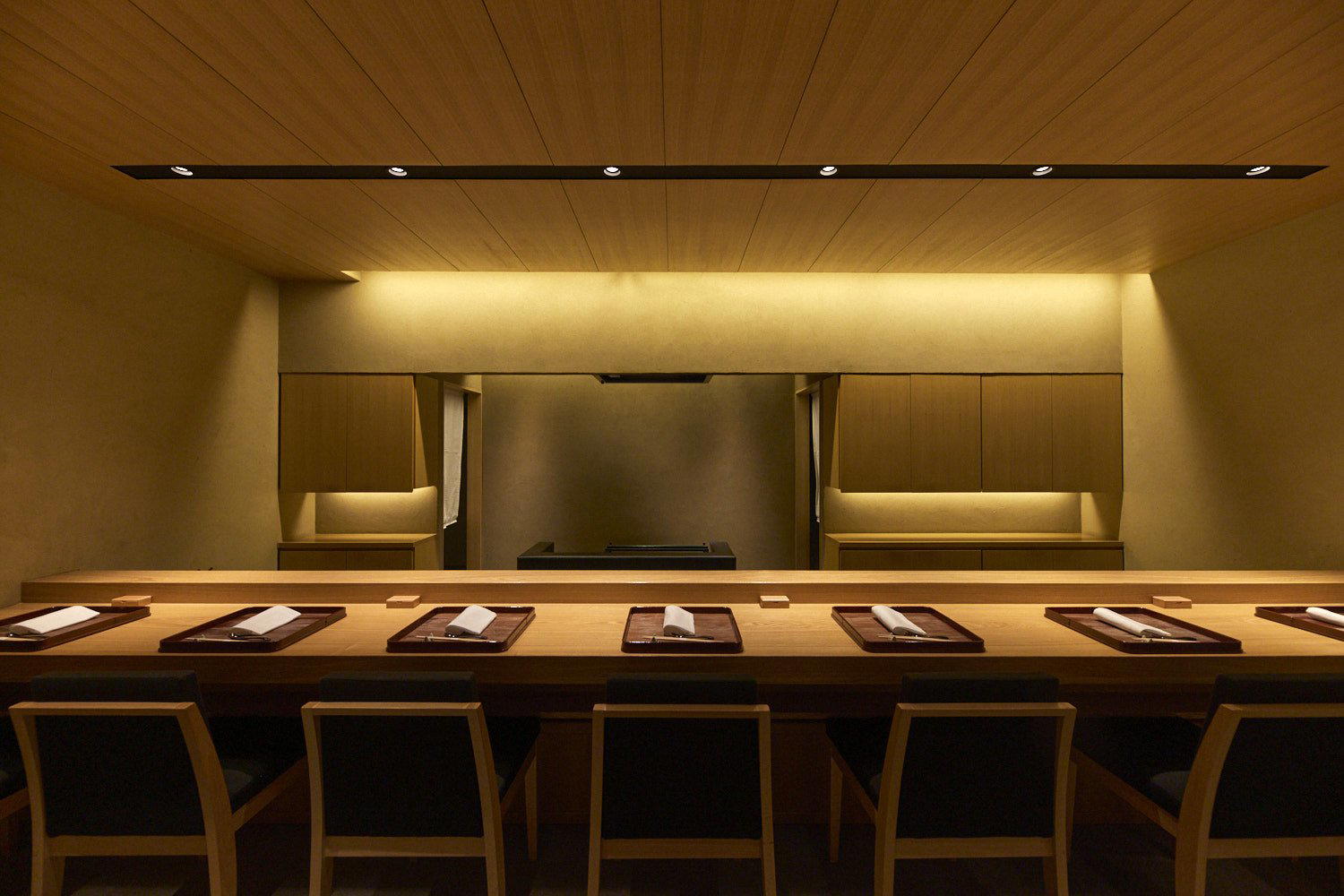
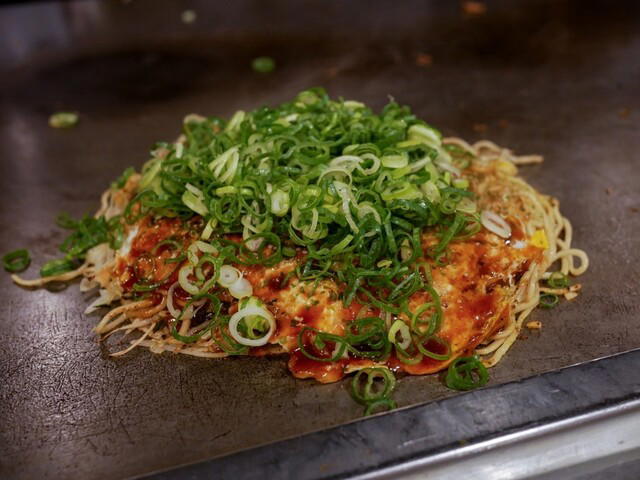
Restaurants in Hiroshima
All restaurants in Hiroshima →
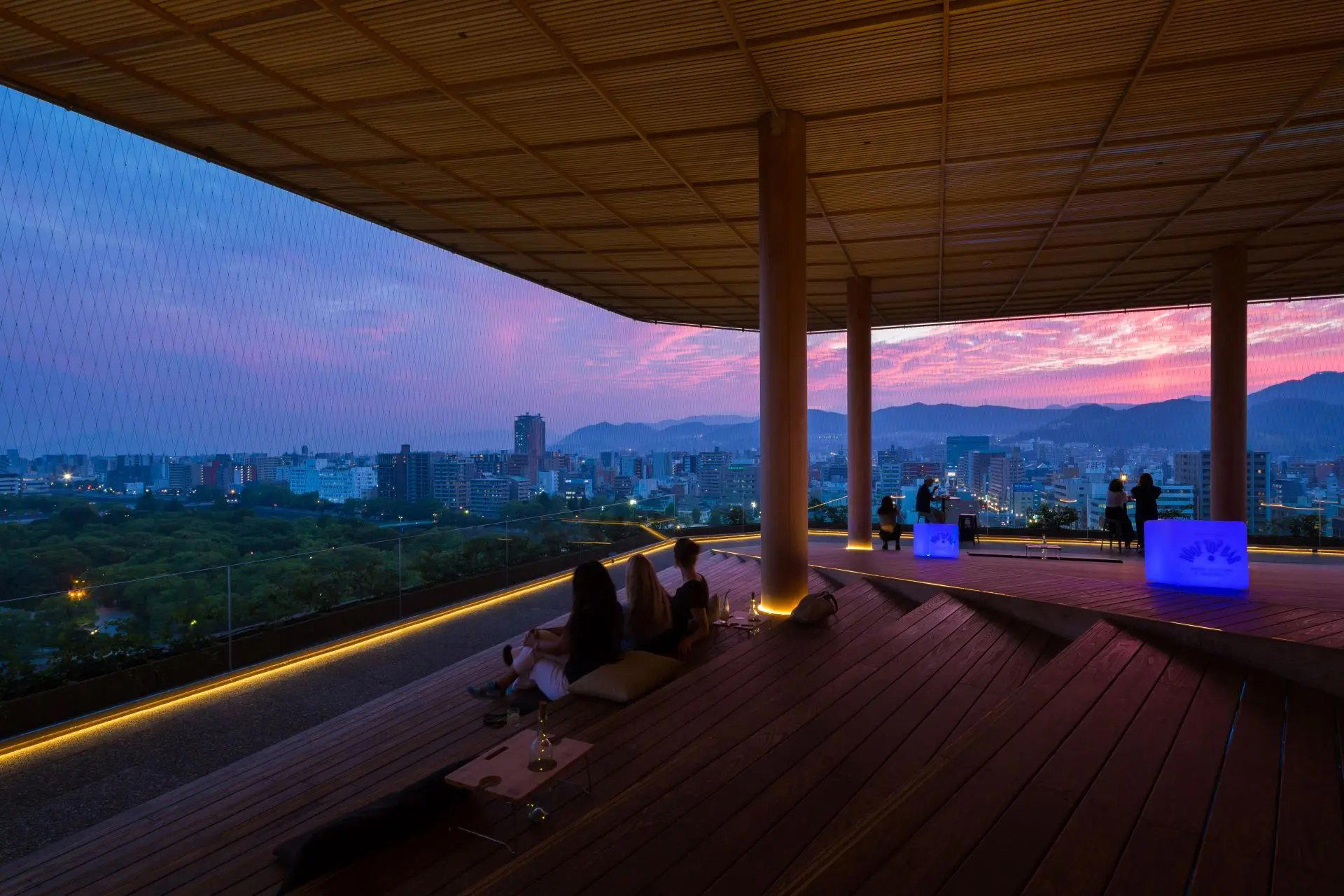
Bars in Hiroshima
All bars in Hiroshima →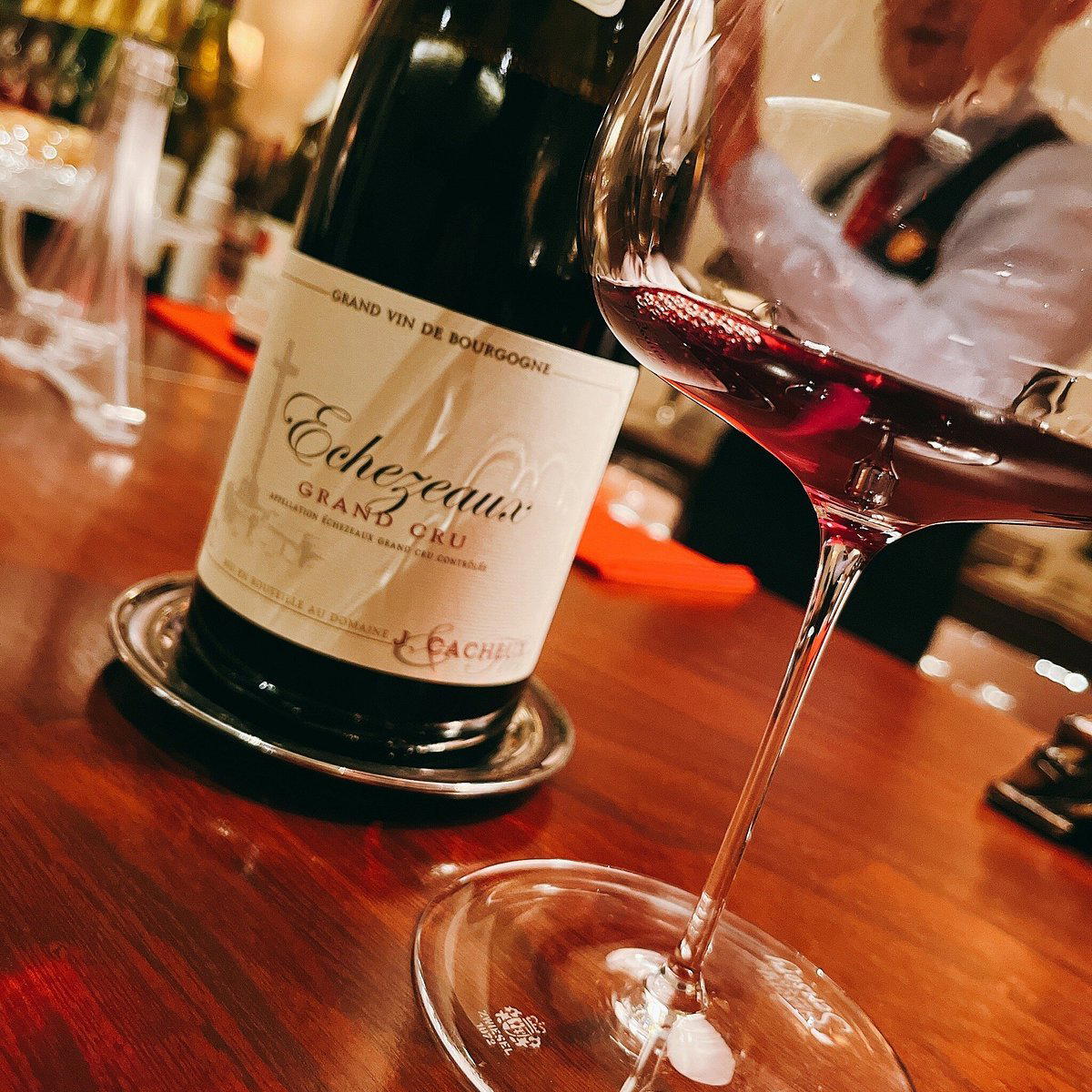
Details
- Intimate
- Cozy
- Date Night
- Casual Hangout
- A La Carte
- Counter Dining
Current opening hours
- Monday
- Closed
- Tuesday
- 6–10 PM
- Wednesday
- 6–10 PM
- Thursday
- 6–10 PM
- Friday
- 6–10 PM
- Saturday
- 6–10 PM
- Sunday
- 6–10 PM
Hours can change for holidays and private events. Last verified .
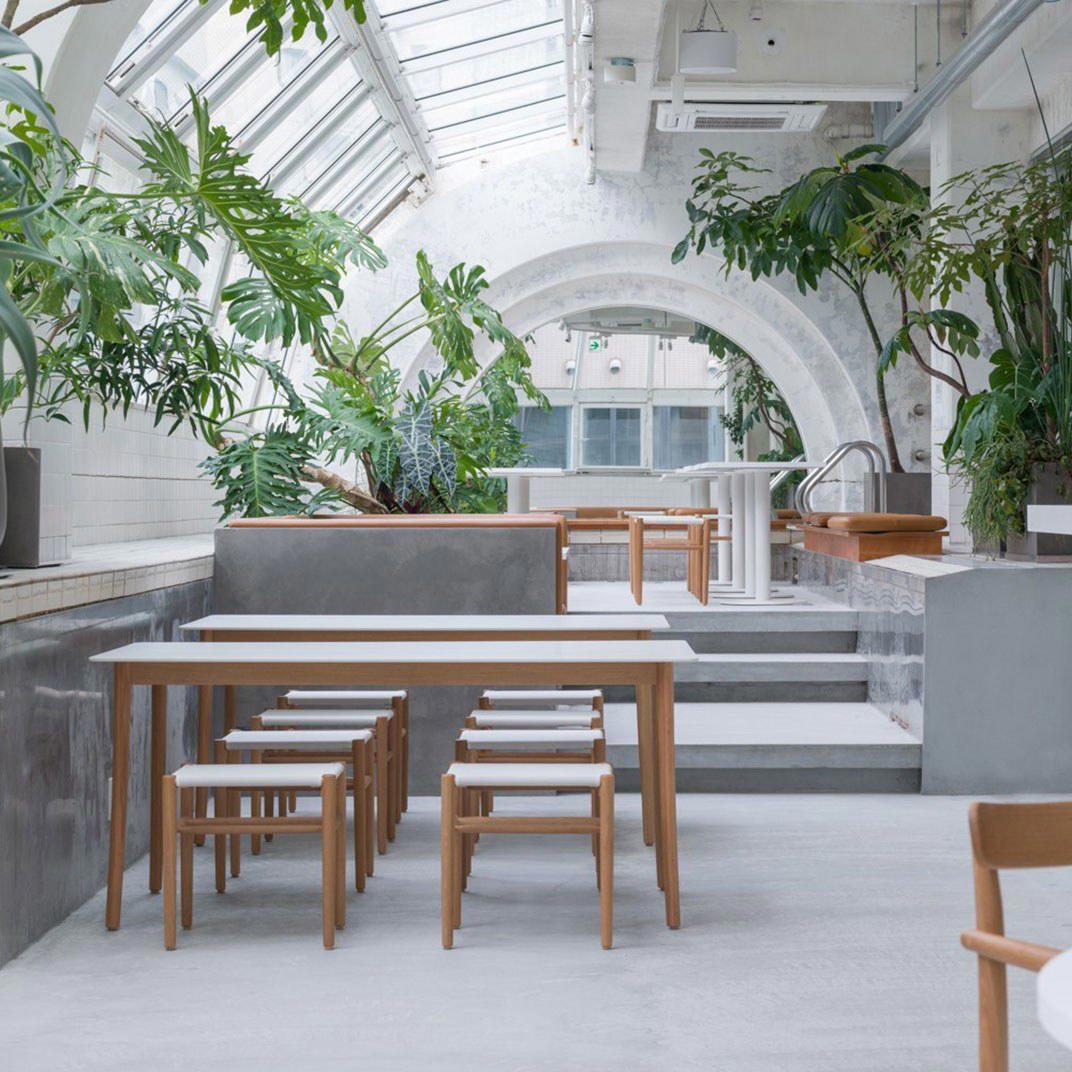
Cozy and welcoming hidden house atmosphere with counter seating on the first floor and table seats on the second, described as homey and likable by guests.