Our verdict
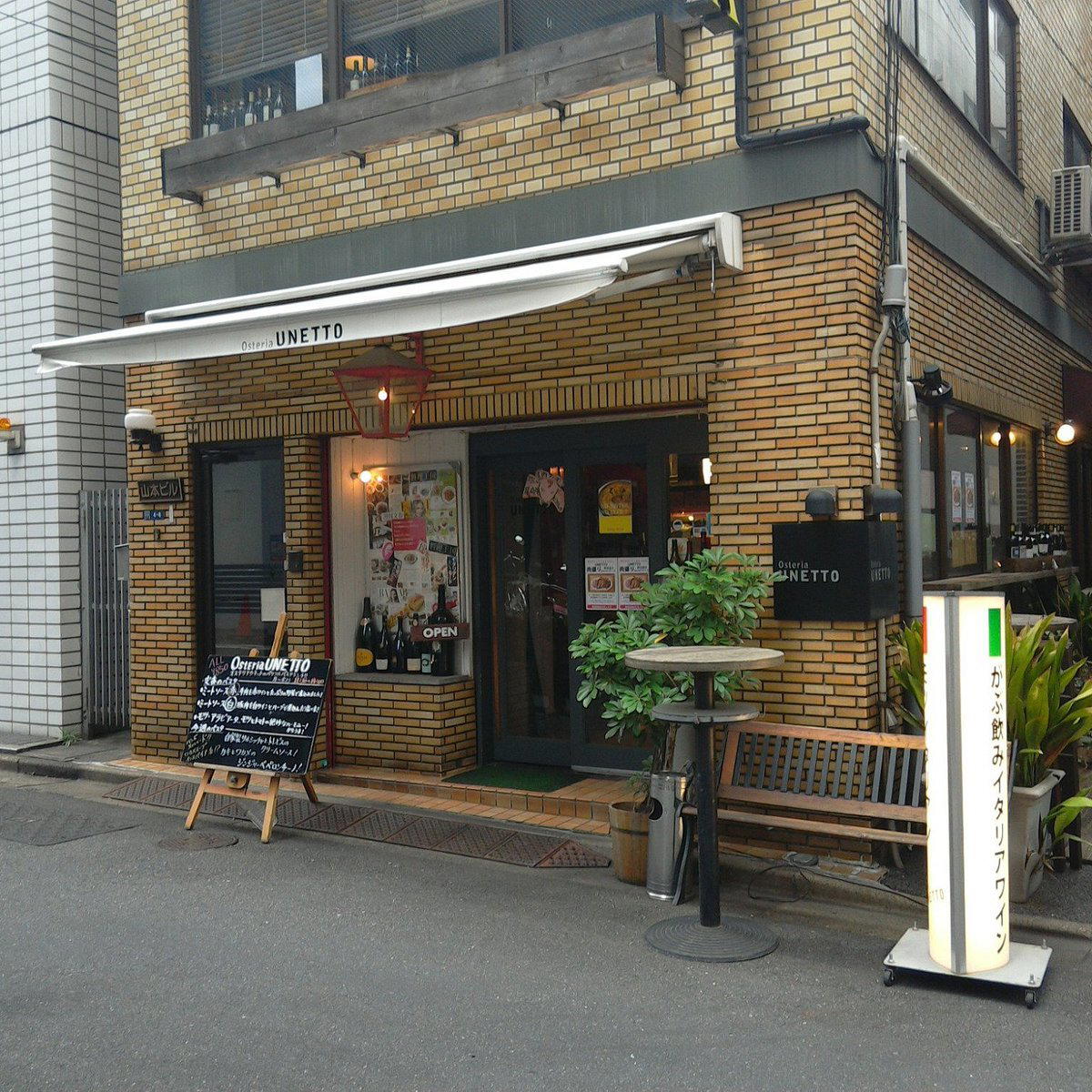
オステリア・ウネット occupies a quiet address in Nihonbashi Kayabacho, one of Tokyo's more considered dining corridors, where Italian form meets Japanese material discipline. The restaurant sits within a tier of Tokyo trattorias that treat local produce as the primary argument and imported technique as the frame. Reservations require planning, and the experience rewards those who arrive with some knowledge of both traditions.

Pearl is the En Primeur Club membership app, where members save venues, book tables and use the concierge.
The menu
What to order
- Lampredotto
- Wagyu Harami Charcoal-Grilled Tagliata
- T-Bone Steak
Where Italian Technique Meets the Tokyo Produce Calendar
The intersection of European culinary method and Japanese ingredient precision has shaped one of Tokyo's most coherent dining sub-categories over the past two decades. Italian restaurants in the capital occupy a different position than their counterparts in Milan or Rome: the kitchen tradition travels intact, but the pantry does not. What fills that gap is the Japanese supply chain, and in the hands of serious cooks, the result is something that neither country produces alone. オステリア・ウネット, located in Nihonbashi Kayabacho in Chuo City, belongs to this tradition, operating from an address that has quietly accumulated a concentration of thoughtful, ingredient-focused restaurants far from the higher-traffic dining corridors of Ginza or Minami-Aoyama.
Nihonbashi Kayabacho sits east of the Nihonbashi financial district, a neighbourhood historically shaped by trading, warehousing, and the kind of working-lunch culture that still supports a density of lunch-only counters and specialist dining rooms. It is not a destination in the way that Roppongi or Ebisu signal dining ambition to out-of-towners, and that relative obscurity tends to work in favour of the restaurants that have chosen it. The clientele skews local and repeat, which creates the conditions where a kitchen can refine a seasonal menu without recalibrating constantly for tourist expectations.
The Italian-Japanese Produce Argument
Italy's regional cooking traditions are built on the specificity of local product: the olive oil of Liguria, the tomatoes of Campania, the aged Parmigiano of Emilia-Romagna. When those traditions are transplanted to Tokyo, the substitution problem is immediate and significant. The most credible Italian kitchens in Japan address this not by importing substitutes but by treating Japanese ingredients as the primary material and applying Italian technique to what the domestic market produces at a genuinely high standard.
Japan's agricultural infrastructure is exceptional at the producer level. Vegetable farming in particular operates through a network of small-plot growers who supply specific restaurants directly, allowing chefs to specify variety, harvest timing, and even cultivation method. The fish markets need no introduction: Tokyo's access to a diversity of seafood species, with rigorous handling standards from dock to kitchen, gives any restaurant fluent in Italian seafood preparation a formidable pantry. Where a Roman kitchen might build a dish around bottarga from Sardinia, a Tokyo Italian kitchen can reach for karasumi, the Japanese equivalent made from mullet roe, which carries its own preservation character and a different salt balance.
This kind of substitution, done with intelligence rather than convenience, is where the most interesting Italian cooking in Japan tends to happen. It requires a cook fluent in why an original Italian ingredient was chosen, not just what it tastes like, so that the Japanese alternative can be selected on structural grounds rather than superficial resemblance. Restaurants working at this level sit in a different category from those that simply import Italian ingredients or replicate Italian recipes without adjustment. For context on how this produce-first philosophy operates across different European frames in Tokyo, the approach at L'Effervescence and Sézanne in the French register offers a useful parallel: both treat Japanese sourcing as the editorial argument of their menus rather than a logistical concession.
Kayabacho in the Context of Tokyo's Dining Geography
Tokyo's premium dining tier clusters in predictable postcodes: the Ginza-Kyobashi corridor for counter omakase and high-formal kaiseki, Minami-Aoyama and Ebisu for European formats drawing an international crowd, Shinjuku and Shibuya for volume. Nihonbashi and its adjacent districts represent a quieter node, associated with longer-standing institutions and the financial district's lunch trade rather than the dinner reservation race that defines other neighbourhoods.
This geographic positioning has implications for how restaurants in the area operate. A dining room in Kayabacho is not competing for the post-theatre crowd or the hotel-concierge referral. It builds its clientele through the kind of sustained quality that earns repeat visits from people who work nearby or who make a specific trip. That pattern tends to produce more consistent kitchen output and a service register calibrated to regulars rather than first-time visitors seeking orientation. For a broader survey of Tokyo's restaurant geography and which neighbourhoods reward specific dining intentions, the full Tokyo restaurants guide maps the key clusters in detail.
Among Tokyo's Italian-influenced or European ingredient-led restaurants worth considering alongside オステリア・ウネット, Crony operates in the innovative French tier and shares a similar instinct for technique applied to domestic produce. At the kaiseki end of the Japanese-European produce conversation, RyuGin and the sushi counter at Harutaka demonstrate what the same Japanese supply chain produces in entirely different culinary frames.
Beyond Tokyo: The Broader Japan Context
The Italian-Japanese kitchen dialogue is not confined to the capital. HAJIME in Osaka operates in a European fine dining register with Japanese produce at its centre, while akordu in Nara works the Spanish-Japanese intersection in a city whose agricultural surroundings feed the kitchen directly. In Fukuoka, Goh and in Kyoto, Gion Sasaki each demonstrate how regional Japanese produce creates distinct kitchen personalities even when European technique is the common thread.
Further afield, specialist restaurants in smaller Japanese cities are building equally compelling produce cases: 一本木 右川制 in Nanao, 古代山乃 in Sapporo, 湖畔荘 in Takashima, and 庭羽屋 in Nishikawa Machi each make the argument that the most interesting cooking in Japan is no longer concentrated in the three major cities. For comparison outside Japan, Le Bernardin in New York City and Atomix in New York City represent how the same imported-technique-meets-exceptional-produce logic plays out in a different market entirely.
Know Before You Go
- Address: 3 Chome-4-8 Nihonbashi Kayabacho, Chuo City, Tokyo 103-0025, Japan
- Nearest Station: Kayabacho Station (Tokyo Metro Tozai and Hibiya lines), approximately 3-5 minutes on foot
- Booking: Contact directly or via third-party reservation platforms; specific booking at time of publication
- Price Range: Not confirmed at time of publication; comparable Italian fine dining in Tokyo operates in the ¥¥¥–¥¥¥¥ tier depending on menu format
- Leading Season: Spring and autumn, when Tokyo's vegetable supply is at its most varied and the kitchen's seasonal argument is strongest
- Dietary Requirements: Confirm directly with the restaurant; Italian-format kitchens in Tokyo vary widely in their flexibility
Frequently asked questions
How do I find オステリア・ウネット?
オステリア・ウネット is located at 3 Chome-4-8 Nihonbashikayabacho, Chuo City, Tokyo 103-0025, Japan, Tokyo.
What makes dining at オステリア・ウネット in Kayabacho different from Tokyo's better-known Italian restaurants?
The Nihonbashikayabacho address places this osteria well outside the Omotesando and Ginza corridors where most of Tokyo's internationally recognised Italian restaurants are clustered. That geographic separation is meaningful: the room draws from a Chuo City clientele of office workers and local regulars rather than a walk-in tourist flow, which shapes the atmosphere and often the price-to-quality ratio. The Italian-Japanese genre it operates in is technically demanding, requiring the kitchen to source from the same seasonal networks as the city's kaiseki establishments while maintaining Italian structural logic in the cooking.
What dish is オステリア・ウネット famous for?
The kitchen operates within the Italian-Japanese genre established in Tokyo's Nihonbashi district, where the emphasis falls on seasonal Japanese produce interpreted through Italian regional cooking methods. Expect the menu to shift with the Tokyo produce calendar rather than anchoring to fixed signature plates.
How hard is it to get a table at オステリア・ウネット?
Reservation difficulty at this Kayabacho address is not formally documented, though Italian-Japanese restaurants of this format in the Nihonbashi corridor routinely book out one to two months in advance. The absence of a published website suggests reservations are handled directly or through third-party platforms such as Tableall or Omakase. Planning at least four to six weeks ahead is a reasonable baseline for Tokyo dining rooms in this category.
What has オステリア・ウネット built its reputation on?
The restaurant operates from 3-chome Nihonbashikayabacho in Chuo City, a district that sits outside Tokyo's most obvious fine-dining postcodes, which tends to filter the room toward a local and trade clientele rather than tourist traffic. Within that context, the venue's standing appears to rest on the credibility of its Italian-Japanese approach: applying European technique to the same ingredient networks that supply the city's kaiseki kitchens. No formal awards are currently listed in the restaurant's record.
Can オステリア・ウネット accommodate dietary restrictions?
No formal dietary policy is documented. Italian-Japanese kitchens of this type typically build menus around fish, shellfish, and seasonal vegetables sourced from Japanese producers, which offers natural flexibility for pescatarian requests. For strict requirements including allergies or plant-based diets, contacting the restaurant directly before booking is the only reliable course of action.
Is eating at オステリア・ウネット worth the cost?
Italian-Japanese tasting menus at comparable Tokyo addresses in the Nihonbashi and Kayabacho area typically run from ¥15,000 to ¥30,000 per person at dinner, positioning them below Ginza omakase counters but above casual trattoria formats. Whether the spend makes sense depends on how much you value the Italian-Japanese produce argument as a genre: it is a coherent and technically demanding category, and Kayabacho's lower profile relative to Minami-Aoyama or Ginza means the room tends to attract guests who are there for the food rather than the postcode.
Peers Worth Knowing
Comparable venues nearby, for context on price, style, and recognition.
| Venue | Cuisine | Price | Awards | Notes |
|---|---|---|---|---|
| オステリア・ウネットThis venue (the venue you are viewing) | Florentine Tripperia (Offal-Focused Italian) | $50–100 | Not listed | Not listed |
| PIZZA DA BABBO | Traditional Neapolitan pizza & Italian trattoria | $20–30 | Tabelog 100 #61 | Chūō |
| Trattoria Tsukiji Paradiso | Southern Italian Seafood Trattoria | $50–100 | Tabelog 100 #14 | Chūō |
| Arrangiarsi | Traditional Neapolitan Pizza | $20–30 | Tabelog 100 #81 | Bunkyō |
| CRAZY BRAVO | Italian Pizza / Neo-Italian | $50–100 | Tabelog 100 #88 | Shinjuku |
| SAVOY | Neapolitan-Style Pizza | $10–20 | Not listed | Setagaya |
Continue exploring
More in Tokyo
Restaurants in Tokyo
All restaurants in Tokyo →









Details
- Casual
- Cozy
- Rustic
- Casual Hangout
- Business Dinner
- Group Dining
- Open Kitchen
- Sake Program
- A La Carte
- Small Plates
- Italian Wine
- Vegetarian Friendly
Current opening hours
- Monday
- 11:30 AM–2 PM, 5:30–10:30 PM
- Tuesday
- 11:30 AM–2 PM, 5:30–10:30 PM
- Wednesday
- 11:30 AM–2 PM, 5:30–10:30 PM
- Thursday
- 11:30 AM–2 PM, 5:30–10:30 PM
- Friday
- 11:30 AM–2 PM, 5:30–10:30 PM
- Saturday
- Closed
- Sunday
- Closed
Hours can change for holidays and private events. Hours as of .
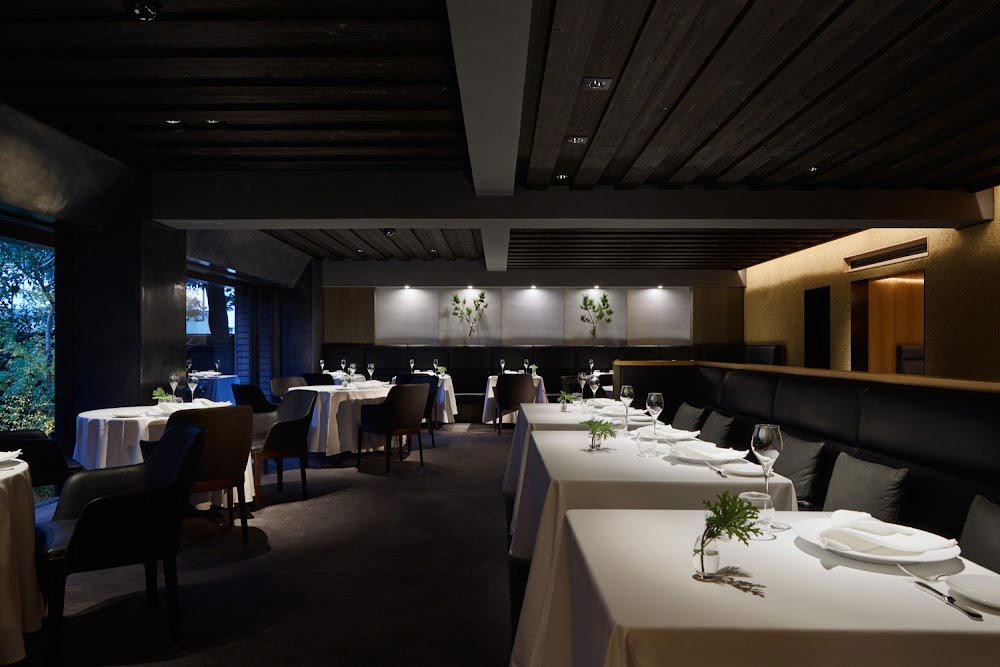
Casual and unpretentious atmosphere reminiscent of an Italian market diner, with cozy standing bar on the first floor and table seating on the second.