Hase occupies a central address on Sankt-Apern-Straße in Cologne's old town fringe, placing it within reach of the city's densest concentration of serious dining. Cologne's restaurant scene has developed a sharper editorial identity in recent years, and Hase sits inside that conversation. Visitors looking to understand the city's current dining range will want to note it alongside the broader cluster of options in this part of the centre.
Pearl is the En Primeur Club membership app — saves, bookings, and concierge access live there. Same editors, same standards.
- Address
- Sankt-Apern-Straße 17, 50667 Köln, Germany
- Phone
- +4922174740153
- Website
- hase-restaurant.de
- Directions
- Get directions
 Saves & bookings on Pearl
Sankt-Apern-Straße and the Geometry of Cologne Dining
Sankt-Apern-Straße runs through the western edge of Cologne's Altstadt, a stretch where the medieval street grid starts to loosen and the city's commercial centre gives way to quieter residential blocks. The address at number 17 puts Hase within a short walk of the Rhine embankment to the east and the Neumarkt transit hub to the north, which means it sits at a genuine crossroads of the city rather than in any single neighbourhood enclave. In a city where serious restaurants have historically concentrated around the Belgian Quarter and the inner ring roads, this central position carries its own logic: accessible without being a tourist trap, visible without being conspicuous.
Cologne's dining culture has undergone a slow but measurable consolidation over the past decade. The city now sustains a range of formats that stretches from casual Kölsch-and-Himmel-un-Ääd taverns through to Michelin-recognised modern kitchens. That middle and upper tier is where the more interesting editorial questions sit. Venues like Ox & Klee, which operates a modern cuisine format at the leading price bracket, and La Cuisine Rademacher, which brings a French-inflected approach to the same tier, represent the direction Cologne fine dining has taken: technically ambitious, European in reference, locally rooted in ingredient sourcing. Hase's place within or adjacent to that conversation is part of what makes the address worth noting.
What Cologne's Central Dining Scene Tells You
To understand any individual restaurant in Cologne's centre, it helps to understand the structural tension the city's dining scene has been working through. Cologne is large enough to support serious ambition but has historically operated in the shadow of Düsseldorf to the north and the Black Forest and Munich destinations to the south. That positioning has, counterintuitively, produced some of the more interesting mid-tier and upper-tier restaurants in the German west: venues that compete on quality rather than profile, and that attract a local clientele rather than destination-dining tourists.
The French influence runs deep in Cologne's fine dining history, partly through geography and partly through the city's longstanding relationship with brasserie culture. Le Moissonnier Bistro is one reference point for how that tradition has been absorbed and localised. La Société represents a more contemporary take on the same inheritance. What both illustrate is that Cologne diners have developed fluency with European technique and expect it to be applied with precision, not spectacle. maiBeck, operating a modern cuisine format with strong regional sourcing, points toward a different strand of the same evolution: the turn toward German identity as a positive editorial statement rather than a default.
Cultural Roots and the Question of Occasion
Restaurants on older Cologne streets carry an implicit cultural argument: that the city's dining identity is inseparable from its civic fabric. The Altstadt fringe, where Hase sits, is neither the self-consciously cool Belgian Quarter nor the tourist-facing riverfront strip. It occupies a zone that locals use for everyday movement, which historically has meant that restaurants here earn their clientele through repetition rather than occasion. That dynamic shapes the kind of food that works: it needs to reward return visits, to feel proportionate to a Tuesday evening as well as a Saturday celebration.
Germany's broader fine dining conversation has moved in an interesting direction over the past five years. Three-star destinations like Aqua in Wolfsburg and Schwarzwaldstube in Baiersbronn, alongside two-star operations such as Vendôme in Bergisch Gladbach (which is essentially a Cologne satellite by geography), have defined the upper ceiling. Below that ceiling, in the one-star and recognised-but-unstarred tier, the conversation has become more dynamic. JAN in Munich and CODA Dessert Dining in Berlin illustrate how format experimentation is happening at that level: unconventional structures, tighter guest counts, sharper editorial identity. Cologne's central restaurants, including those on streets like Sankt-Apern-Straße, are part of that same national conversation.
Positioning and Peer Context
What the address alone establishes is that it operates in a part of Cologne where the ambient dining level is serious. Its immediate neighbourhood comparison set includes venues charging at the upper end of the Cologne price spectrum, which means that even a mid-market operator in this zone is calibrating against a more demanding local standard than, say, the same concept in a peripheral district.
For international reference points, the structural dynamics are not unlike what you see at restaurants in the Marais in Paris or in Midtown Manhattan: central addresses that carry cost and visibility simultaneously, where the clientele tends to be knowledgeable and expectations for technical execution are correspondingly high. Le Bernardin in New York City and Atomix in New York City are useful reference anchors for what sustained critical recognition looks like in a high-cost urban centre, even if the scale is different. Cologne operates at a different volume, but the logic of earning a central address applies.
Within Germany's western corridor, the relevant comparable set extends beyond the city. Waldhotel Sonnora in Dreis, Schanz in Piesport, Victor's Fine Dining by christian bau in Perl, and Restaurant Haerlin in Hamburg are all operating at the recognised best of the German dining register. ES:SENZ in Grassau represents the newer wave of destination-format restaurants pushing into that bracket. Hase, whatever its current positioning, exists in a national context where the bar for serious recognition has risen steadily.
Planning a Visit
For visitors building a Cologne dining itinerary, the Sankt-Apern-Straße address is reachable on foot from both Neumarkt and the Dom/Hauptbahnhof area, which makes it a workable choice before or after the standard sightseeing circuit without requiring dedicated transport. Reservations are recommended, and the restaurant is open Monday, Tuesday, Thursday, Friday, Saturday from 12 PM to 1 AM, with Wednesday and Sunday closed.
How It Stacks Up
Comparable venues nearby, for context on price, style, and recognition.
| Venue | Cuisine | Price | Notes |
|---|---|---|---|
| HaseThis venue — the venue you are viewing | Modern European Bistro | $$$ | Not listed |
| La Fonda | Modern European Bistro | $$$$ | Altstadt/Nord |
| Augustin | Modern German-French Brasserie | $$$ | Altstadt/Nord |
| Well Being | Vegan Vietnamese | $$ | Neustadt/Nord |
| Malz-Bierbrauerei Gerhard Fischenich | Traditional Cologne Brewpub | $$ | Altstadt/Süd |
| Freddy Schilling – Die Hamburger Manufaktur | Handmade American Burgers | $$ | Neustadt/Süd |
Continue exploring
More in Cologne
Restaurants in Cologne
Browse all →
Bars in Cologne
Browse all →

Hotels in Cologne
Browse all →

At a Glance
- Intimate
- Cozy
- Elegant
- Modern
- Date Night
- Special Occasion
- Open Kitchen
- Extensive Wine List
- Local Sourcing
Current opening hours
- Monday
- 12 PM–1 AM
- Tuesday
- 12 PM–1 AM
- Wednesday
- Closed
- Thursday
- 12 PM–1 AM
- Friday
- 12 PM–1 AM
- Saturday
- 12 PM–1 AM
- Sunday
- Closed
Hours can change for holidays and private events. Last verified .
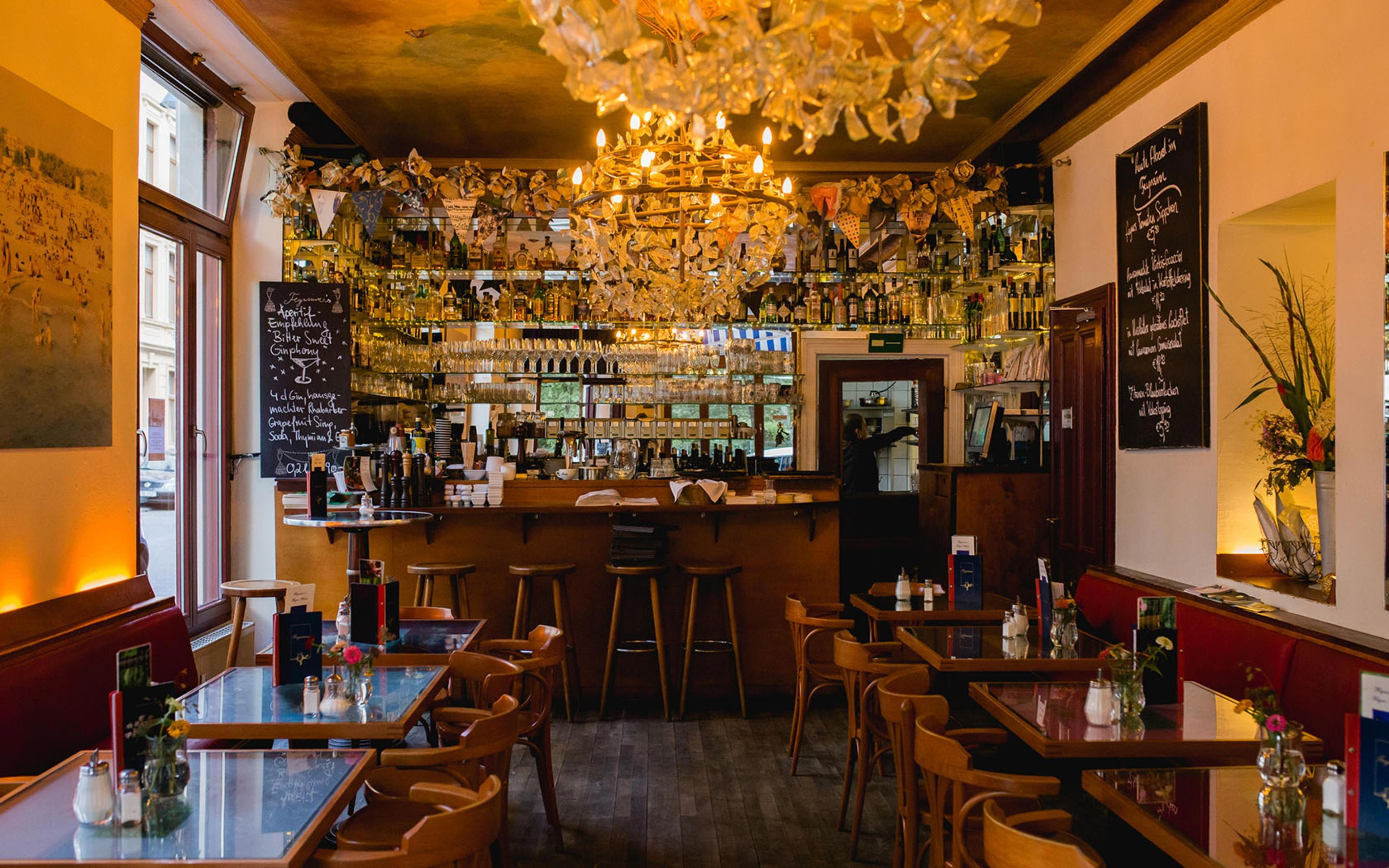
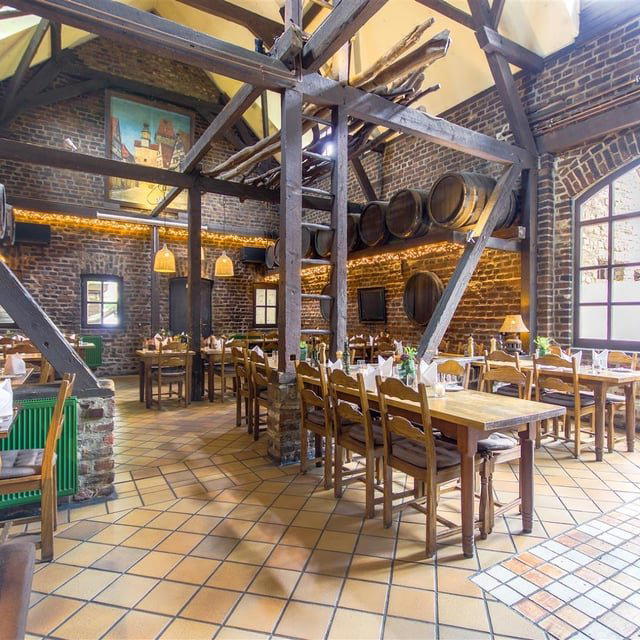
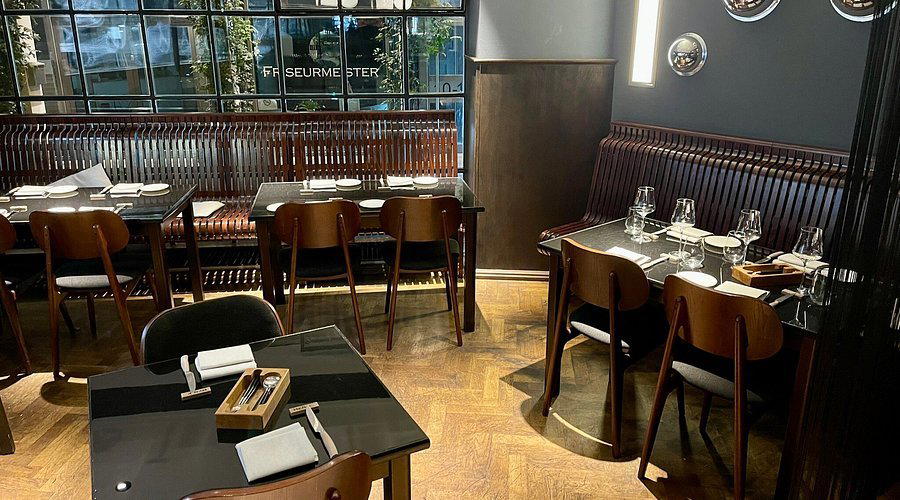
Relaxed and cozy with warm lighting, wooden furniture, and an intimate setting though tables are close together.