
Tokyo’s gyoza culture has a serious, list-driven side, and Chinkai Rou belongs to that conversation through its Tabelog Dumplings 100 selections in 2021 and 2024. The Meguro room is better understood as a Chinese-izakaya night out than a polished tasting-counter meal: dumplings anchor the decision, shochu and wine support the table, and planning matters because the format is compact, cash-led, and evening-focused.
Pearl is the En Primeur Club membership app — saves, bookings, and concierge access live there. Same editors, same standards.
- Address
- Japan, 〒141-0021 Tokyo, Shinagawa City, Kamiosaki, 2 Chome−15−6 市川ビル
- Phone
- +81 3-3449-8425
- Website
- tabelog.com
 Saves & bookings on Pearl
Meguro after dark has a useful split personality: station-side convenience and small-room eating. Its better meals rarely announce themselves; they sit near train lines, fold Chinese cooking into Tokyo’s izakaya grammar, and expect diners to understand the rhythm before arriving. Chinkai Rou belongs to that older, practical category, where dinner is built around dumplings, shared plates, and drinks rather than a chef-led procession.
Tokyo dumpling culture is not one lane. There are fast gyoza counters built for turnover, Chinese restaurants where dumplings sit inside a wider table, and izakaya-style rooms where the drinking pace shapes the meal. Chinkai Rou is in the third camp. Its Tabelog Dumplings 100 selections in 2021 and 2024 place it in a curated national conversation, but its appeal is not trophy dining. It is a specific Tokyo habit: a modest, tightly run room used for a focused night around one food category.
Meguro's dumpling table, not a tasting-menu performance
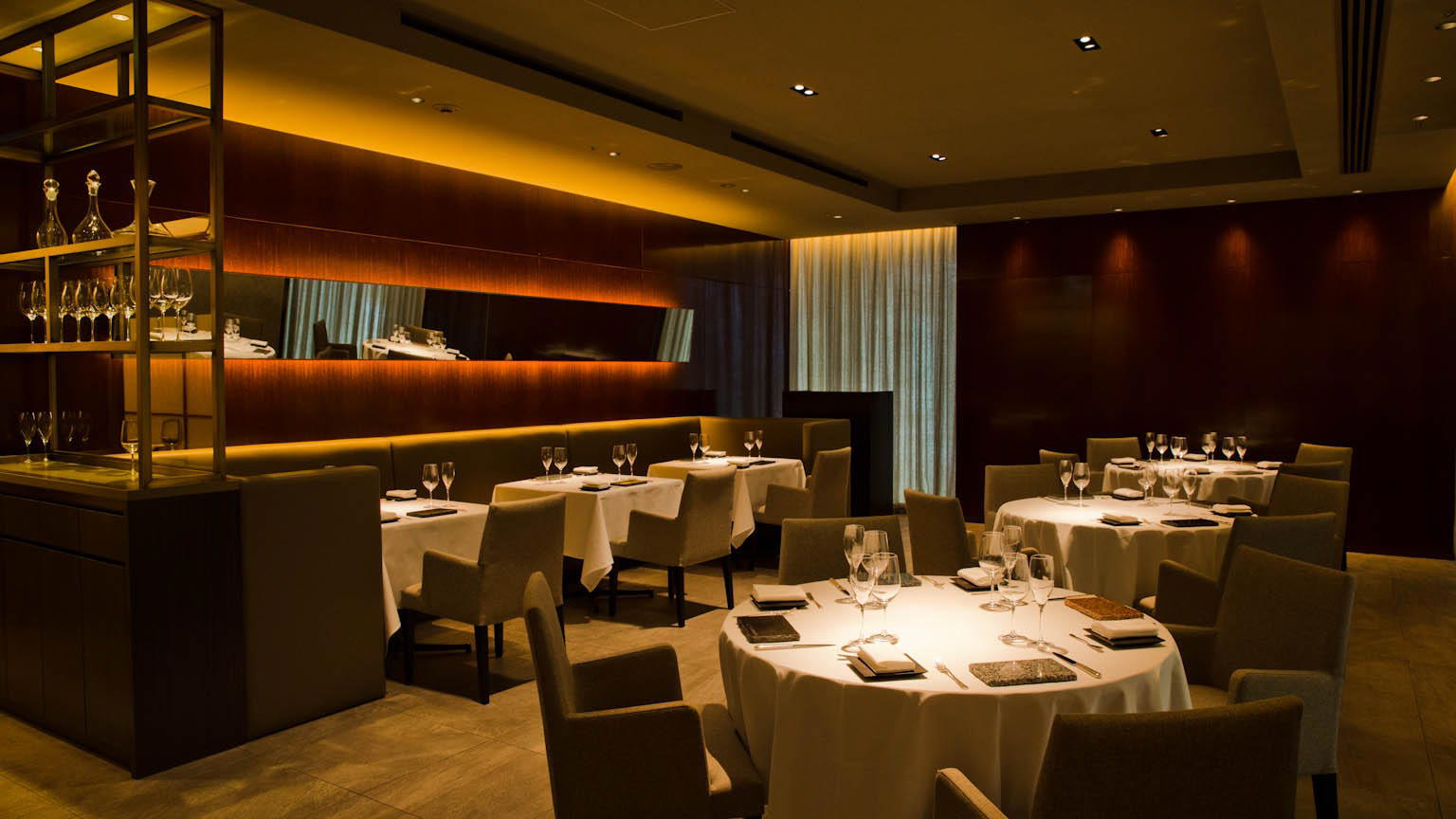
Read this address through format. A 40-seat room is large enough for groups and repeat neighborhood use, yet small enough that timing and table control matter. Private use is listed for 20 to 50 people, and reservations are available, so the experience sits closer to a planned izakaya dinner than a casual walk-in snack. For diners trying to understand Tokyo beyond sushi counters and omakase calendars, that distinction matters.
The category listing is clear: dumpling, Chinese, and izakaya. In Tokyo, those labels set a precise expectation. Dumplings anchor the meal; Chinese cooking supplies the broader structure; the izakaya frame keeps it social, drink-compatible, and paced around the table rather than the kitchen’s choreography. Shochu and wine are listed, a sensible range for salt, oil, vinegar, and shared plates rather than a fixed beverage doctrine.
Comparison helps. Tori-Shiki and Yakitori Abe represent Tokyo’s yakitori seriousness, where counter craft and grill timing define the night. Konpira Chaya and Tonkatsu Meguro Kogane show another Meguro pattern: narrow comfort categories earning loyalty through repetition. Chinkai Rou belongs closer to that second logic. It does not translate dumplings into luxury language; it treats them as the center of a full evening, which reveals more about Tokyo dining than another high-gloss performance room.
The dinner range of JPY 3,000 to JPY 3,999 reinforces the point: regular use still makes sense, especially beside Tokyo’s reservation-led premium counters. That affordability does not make the meal casual. In this city, sharp category specialists often sit below luxury pricing, and Tabelog’s Hyakumeiten lists often reward that narrow confidence.
Why the booking matters more than the branding
Tokyo rewards diners who read operational signals. The restaurant has no official website listed, accepts reservations, and lists a phone number for inquiries. Payment is cash-only across credit cards, electronic money, and QR code payments. Those facts shape the experience before any plate arrives. Treat the meal as a coordinated evening: arrange the table, bring cash, and assume a working neighborhood-restaurant tempo rather than a concierge-managed one.
The calendar also matters. Evening service is the frame, Sunday closure is listed, and from October the Saturday pattern changes, with first and third Saturdays closed. Food last order is around 22:40, and entry is permitted until approximately 22:30. These boundaries describe the meal: late enough for after-work drinking, structured enough that pushing arrival too far risks a compromised order.
Access is part of the appeal. Meguro is a strong base for visitors who want Tokyo dining without committing every night to Ginza, Roppongi, or Shibuya. The station connection makes a dumpling-led dinner easy to pair with a broader itinerary, especially near the Yamanote Line. For the city’s restaurant range, Our full Tokyo restaurants guide is the natural companion; hotel planning sits in Our full Tokyo hotels guide, while drinks-focused nights can be mapped through Our full Tokyo bars guide.
This booking experience is editorially useful. At a luxury counter, high-friction reservations usually signal scarcity. Here, friction is analogue: no official site, cash payment, fixed closures, and a compact room. That planning suits diners who value category depth over spectacle and filters expectations. White-tablecloth Chinese dining is the wrong cue; dumplings as the organizing principle of a Tokyo night is the point.
How to place it in a Tokyo eating itinerary
The restaurant works as a category stop, not a once-per-trip monument. That is a compliment. Tokyo food culture is built on obsessive specialization at every price level, from yakitori to curry to tonkatsu to gyoza. Stronger itineraries balance formal meals with narrower rooms, where value lies in repetition, speed of decision, and a clear house identity.
In that plan, the restaurant is a useful counterweight to grill-focused meals at Tori-Shiki, 鳥かど, or Yakitori Abe, and to the single-category comfort of Konpira Chaya or Tonkatsu Meguro Kogane. It adds a different texture: Chinese-izakaya rather than counter yakitori, dumplings rather than curry or cutlet, table conversation rather than chef-facing attention. Readers building a citywide route can compare it with . 鮪と炭火焼き うお炭 秋葉原店, 12/10 Shinjuku ten, 124. KAGURAZAKA (Yakitori), 2D Cafe, and 3 Chome no Curry Ya San.
The broader Japan map is useful because dumpling-led dining in Tokyo belongs to a national habit of tight specialization. Beyond the capital, look at -Grilled beef Sukiyaki- KAMAKURA TANUKIAN 鎌倉 たぬき庵 in Kamakura.cafe in Osaka.know in Kumamoto, (Shoku) Vietnam in Kawasaki, [Curry Senmon Ten] Maruyama Kyoju. in Sapporo, or [ki:] in Kyoto to see narrowly defined formats across regions. Outside Japan, Jōdo Saké Bar in Los Angeles and Onigiri Time in Pasadena show Japanese drinking and snack formats translated abroad.
The verdict is practical, not sentimental: the restaurant is for diners who plan around a room’s operating logic and understand that a Tabelog Dumplings 100 selection signals category credibility, not luxury theater. Bring the right expectations, and the meal explains a slice of Tokyo polished hotel concierges often flatten. For a fuller city plan beyond restaurants, Our full Tokyo wineries guide and Our full Tokyo experiences guide round out the itinerary.
Category Peers
Comparable venues to place this listing in its category.
| Venue | Cuisine | Price | Notes |
|---|---|---|---|
| Chinkai RouThis venue — the venue you are viewing | Traditional Chinese dumpling house & izakaya | $$ | Not listed |
| Wee Nam Kee Chicken Rice (威南記 海南鶏飯) | Singaporean Hainanese Chicken Rice | $$ | Shibaura |
| Akasaka Minmin | Traditional Chinese Gyoza & Dumpling House | $$ | Minato |
| Gyoza Bo Butahakkai | Gyoza & Chinese hot pot | $$ | Suginami |
| chuukaryouri tokutake | Modern Chinese & Ramen | $$ | Sumida |
| 南方中華料理 南三 | Taiwanese | Not listed | Shinjuku |
Recognition history
Dated appearances from independent guides and award organizations, with the underlying list record or original source where available.
Tabelog 100 #15 · No. 15
Tabelog · Tabelog 100 - Dumplings - 2024











At a Glance
- Lively
- Cozy
- Classic
- After Work
- Group Dining
- Casual Hangout
- Family
- Late Night
- Standalone
- Beer Program
Current opening hours
- Monday
- 6 PM–12 AM
- Tuesday
- 6 PM–12 AM
- Wednesday
- 6 PM–12 AM
- Thursday
- 6 PM–12 AM
- Friday
- 6 PM–12 AM
- Saturday
- Closed
- Sunday
- Closed
Hours can change for holidays and private events. Last verified .
Bustling, classic neighborhood Chinese izakaya with a cozy, no‑frills dining room that fills up in the evening and feels casual and friendly rather than formal.