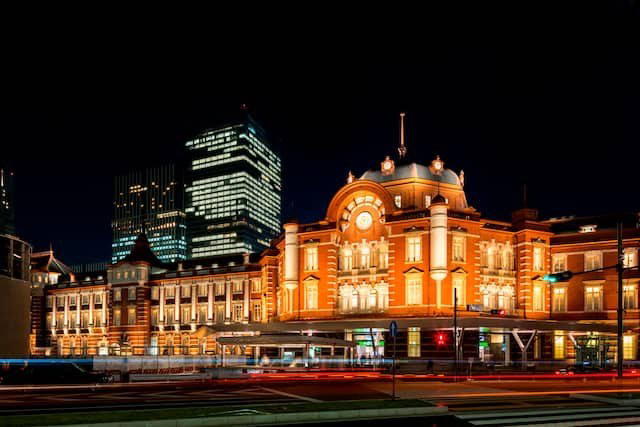
2 Michelin Stars · La Liste Top Restaurants · Tabelog Bronze #30
Our verdict
A two-Michelin-star French restaurant in Tokyo's Nihonbashi Kabutocho district, ASAHINA Gastronome has held Tabelog Bronze recognition every year since 2021 and earned 80 points from La Liste 2026. Chef Satoru Asahina works within the classical French canon, reconstructing historical techniques alongside modern presentation. Dinner runs ¥40,000–¥49,999; the weekend lunch service offers a lower entry point at ¥20,000–¥29,999.

Pearl is the En Primeur Club membership app — saves, bookings, and concierge access live there. Same editors, same standards.
- Address
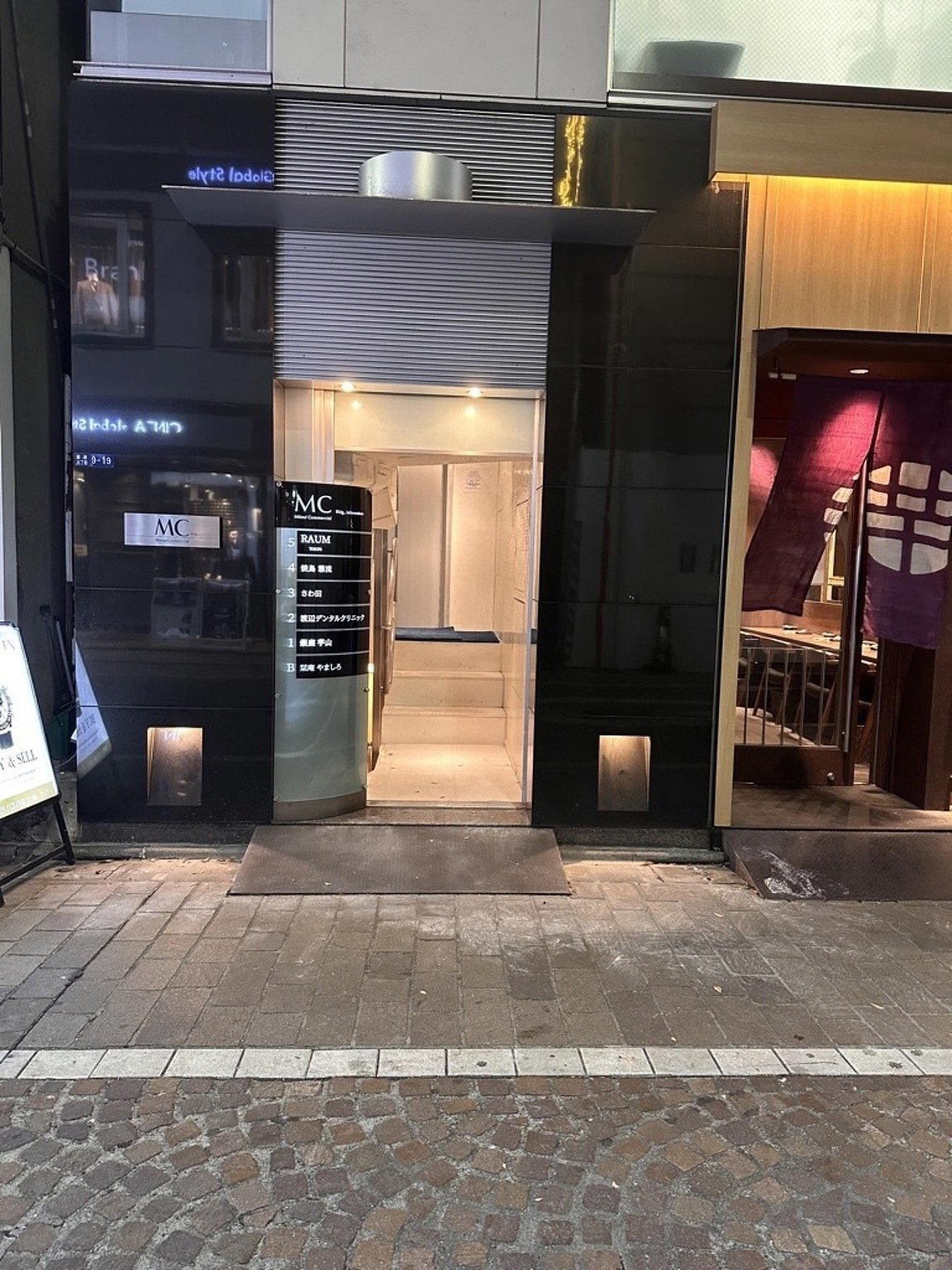
- 1F, Nihonbashi Kabutocho M-Square, 1-4 Nihonbashikabutocho, Chuo City, Tokyo 103-0026, Japan
- Phone
- +81 3-5847-9600
- Hours
- Mon 6–10:30 PMTue–Wed ClosedThu–Fri 6–10:30 PMSat–Sun 12–3:30 PM, 6–10:30 PM
- Website
- asahinagastronome.com
- Directions
- Get directions
- Booking
- Book on Omakase
French Classicism in a Financial District Setting
Tokyo's high-end French scene has long clustered around Minami-Aoyama and Nishi-Azabu, where European-trained chefs and expense-account clientele found each other naturally. The emergence of serious French dining further east, in the Nihonbashi Kabutocho area, says something about how the city's restaurant geography has shifted over the past decade. Once purely the domain of securities firms and brokerage houses, the district around Kayabacho Station has been adding cultural and culinary weight to its financial identity. ASAHINA Gastronome, which opened in October 2018 inside the M-SQUARE building on Nihonbashikabutocho 1-4, arrived early in that transition and has since accumulated a credential record that positions it firmly within Tokyo's top tier of classical French.
The restaurant holds two Michelin stars (2024 and 2025 guides), a Tabelog score of 4.27 with Bronze Award recognition in every year from 2021 through 2026, three selections to the Tabelog French TOKYO "Tabelog 100" list (2021, 2023, and 2025), 80 points on the La Liste 2026 ranking, and a position of 335th in the Opinionated About Dining Leading Restaurants in Japan list for 2025. That is a consistent cross-platform performance rather than a single-source spike, which in Tokyo's crowded French category means something. Peer restaurants in the ¥¥¥¥ French tier — L'Effervescence, Sézanne, and ESqUISSE — operate in the same award ecosystem but each with its own positioning. ASAHINA's signal is consistency and classicism.
The Lunch vs. Dinner Divide
In Tokyo's formal French category, lunch has become a meaningful access point rather than a secondary service. Many two- and three-star houses now run weekend-only midday services priced well below their evening menus, and the dynamic at ASAHINA Gastronome follows that logic precisely. The evening menu sits at ¥40,000–¥49,999 per person (with review-based averages trending toward ¥50,000–¥59,999 once wine and service are included), while the weekend lunch menu runs ¥20,000–¥29,999. A 10% service charge applies at both services.
The operational structure reinforces the distinction. Dinner runs Monday, Thursday, and Friday from 18:00 to 22:30, and Saturday and Sunday from 18:00 to 22:30. Lunch is a weekend-only proposition: Saturday and Sunday from 12:00 to 15:30. Tuesday and Wednesday are closed. This makes the restaurant effectively a four-day-a-week operation with five evening services and two lunch services per week, and the lunch slots represent the only moments when the full kitchen and setting are available at the lower price point. For visitors whose Tokyo itinerary spans a weekend, the Saturday or Sunday lunch is the more accessible entry into the room and the cooking without committing to the full dinner budget.
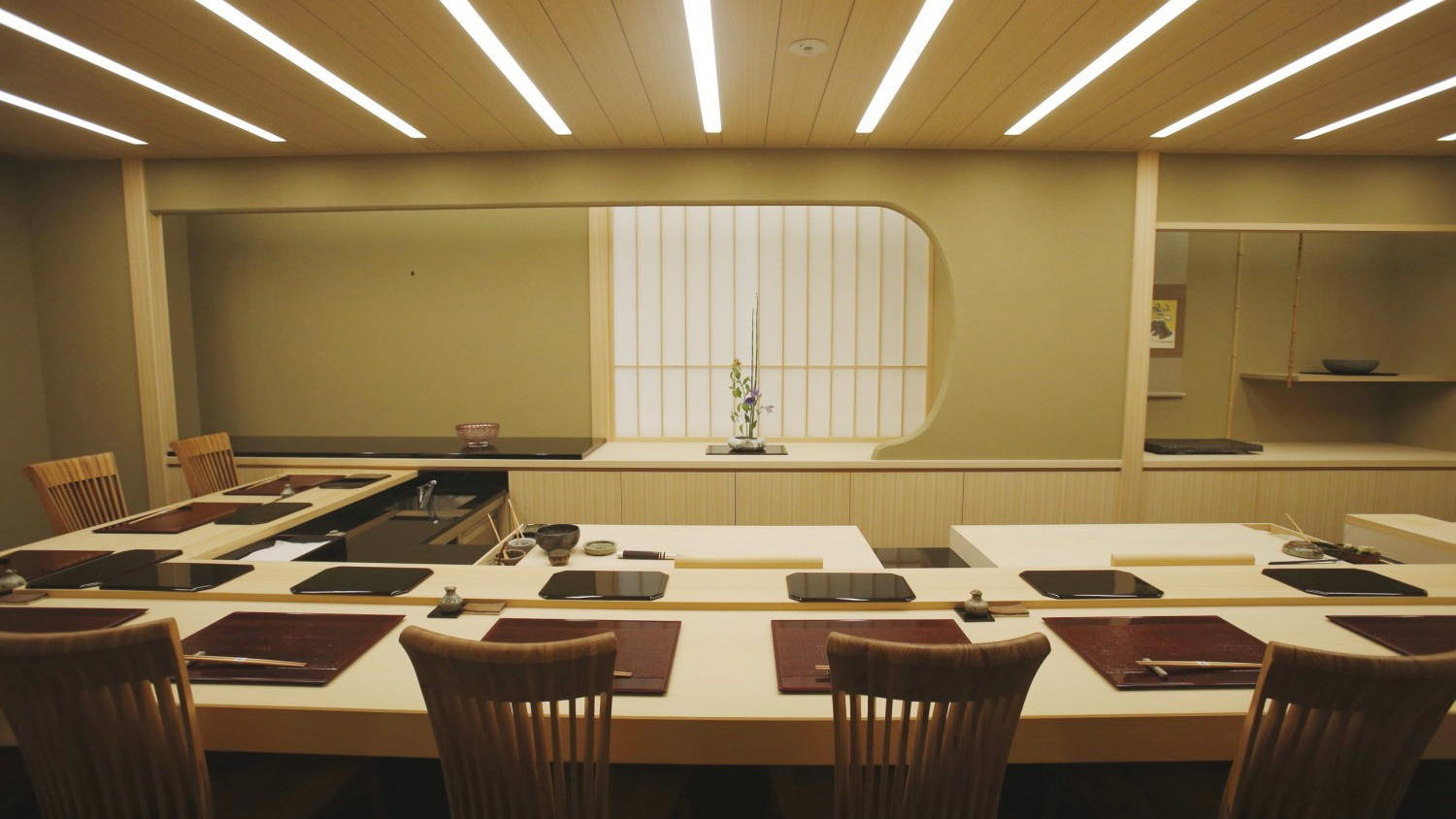
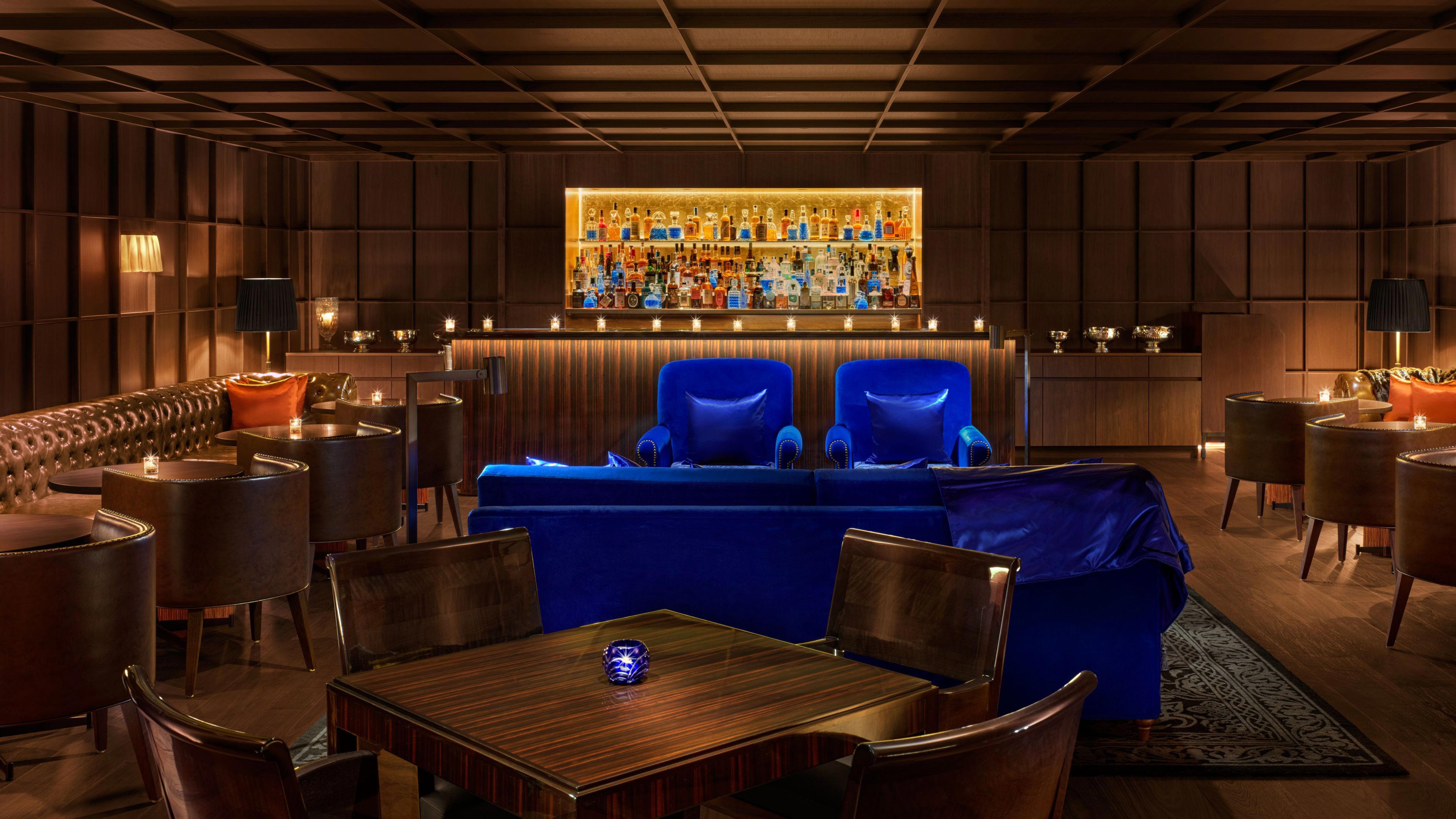
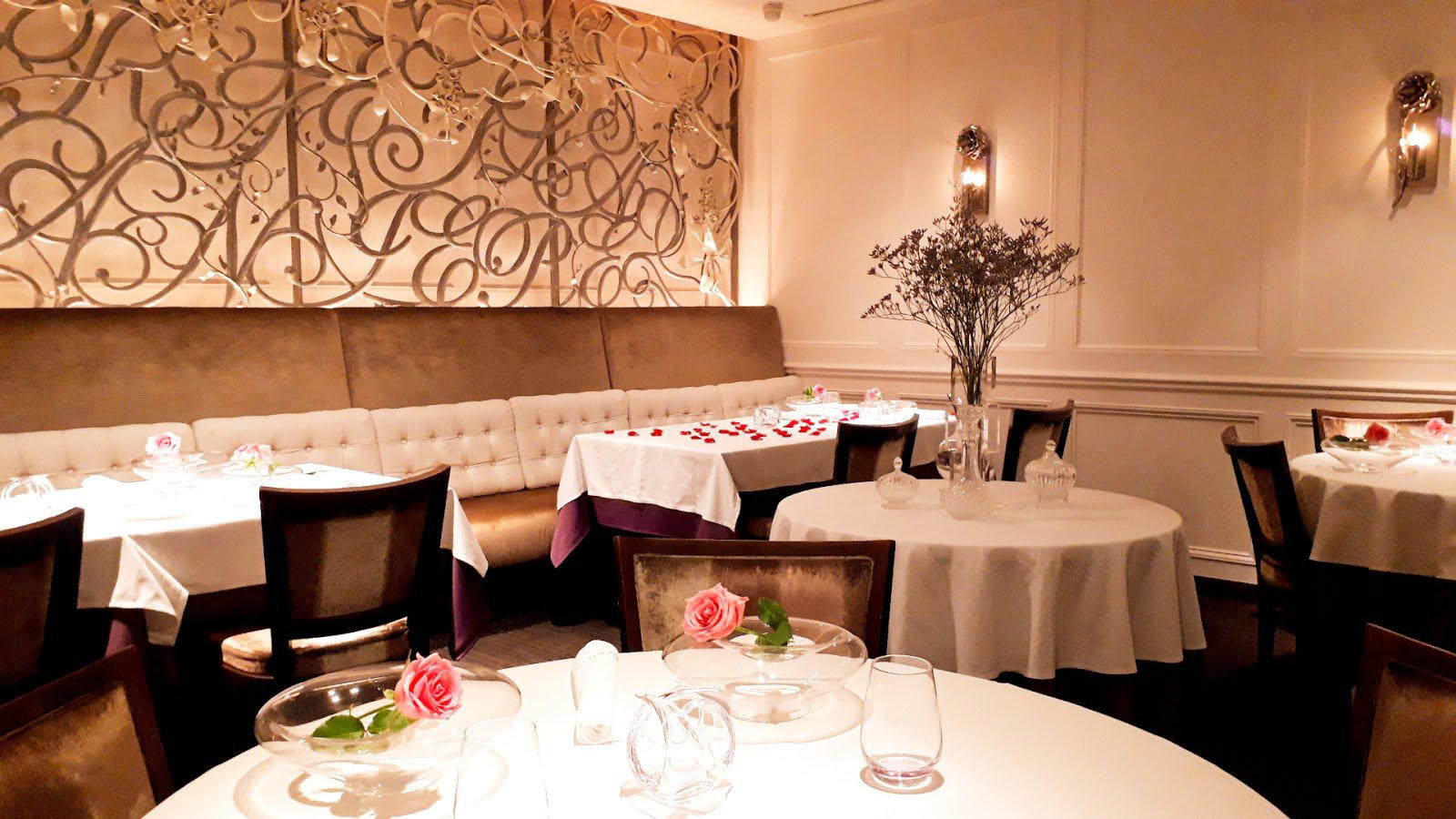
The dining room itself seats 20 in standard configuration, expandable to 28 for reserved parties. Private rooms accommodate groups of two, four, six, or eight, with a separate fee of ¥11,000 plus 10% service charge for that enclosure. The space is described as offering relaxing atmosphere and sofa seating, a contrast to the exposed-counter formats that dominate Tokyo's high-end sushi and omakase tiers. For formal French in particular, table service with sommelier presence and a wine program signals a different register than counter dining, and ASAHINA operates clearly in that format. Château Restaurant Joël Robuchon at the opposite end of the price and ceremony spectrum sets one pole of Tokyo French; ASAHINA operates with considerably less theatrical overhead but no less technical seriousness.
The Cooking: Classical French With Historical Reconstruction
Chef Satoru Asahina works from the records of classical French technique, reconstructing older preparations and then reinterpreting them through contemporary execution. The result is a prix fixe format that opens with a composed amuse-bouche, moves through multi-course plates, and deploys tableside technique including consommé processed through a siphon and desserts presented on trolleys. These are gestures drawn from the mid-twentieth-century French restaurant tradition, rarely executed at this level in Tokyo outside the most formally appointed houses.
This positions ASAHINA in a different competitive conversation than, say, Florilège, which works within a more contemporary French idiom with Japanese ingredient integration at its center. ASAHINA's reference points are more explicitly European and historical, while still being calibrated for the precision standards that Tokyo diners in this price range expect. The wine program matches that seriousness: the restaurant is noted for its wine focus and a sommelier is on staff. Credit card payment (VISA, Mastercard, JCB, AMEX, Diners) is accepted; electronic payments and QR code payments are not.
Kabutocho as a Dining Address
The neighbourhood context matters for first-time visitors. Nihonbashi Kabutocho is four minutes on foot from Kayabacho Station on the Tokyo Metro Tozai and Hibiya lines, placing it within easy reach of both central Tokyo and connections from Ginza, Nihonbashi, and Shinjuku. The address lacks the residential density of Aoyama or the tourist infrastructure of Ginza, which means the dining room fills with a different mix than those neighbourhoods, more business-adjacent on weekday evenings, more considered destination visitors on weekends.
Parking is not available. For evening arrivals, the metro is the practical option. The confirmation protocol is notable: the restaurant contacts guests by phone or email approximately three days before the reservation to reconfirm, and if the team cannot reach a guest by the day before the visit, the reservation may be cancelled. This is standard practice for high-end Tokyo dining but worth noting for visitors relying on non-Japanese phone numbers or email addresses with slower response habits.
For those building a wider Japan itinerary around serious restaurant dining, the broader EP Club coverage spans HAJIME in Osaka, Gion Sasaki in Kyoto, akordu in Nara, Goh in Fukuoka, 1000 in Yokohama, and 6 in Okinawa. For international comparisons within the classical French category, Hotel de Ville Crissier in Switzerland and Les Amis in Singapore represent the European source tradition and its Southeast Asian adaptation, respectively.
Planning Your Visit
Reservations are available online, with groups of five or more directed to phone or email contact. The dress code requires male guests to wear a jacket or collared shirt; T-shirts, shorts, torn jeans, sportswear, and sandals are not permitted. Children aged 10 and over may dine in the main room; those aged 6 and over are permitted in the private rooms. The restaurant is entirely non-smoking. For private events, the full venue accommodates 20 to 50 guests (seated to standing). Sofa seating and a relaxing room layout make the space well-suited to extended meals, particularly at the dinner service where the full trolley and tableside service sequence unfolds without the time compression of a lunch window.
For a fuller picture of Tokyo's dining and hospitality options, see our full Tokyo restaurants guide, [our full Tokyo hotels guide](), [our full Tokyo bars guide](), [our full Tokyo wineries guide](), and our full Tokyo experiences guide.
Frequently asked questions
Can I bring kids to ASAHINA Gastronome?
Children are welcome with age restrictions in place. In the main dining room, guests must be 10 years or older; in the private rooms, the minimum age is 6. Private rooms accommodate up to 8 people and carry a separate fee of ¥11,000 plus a 10% service charge.
What's the overall feel of ASAHINA Gastronome?
The room seats 20 in regular service, with sofa seating and a non-smoking policy throughout. A dress code is enforced: male guests are required to wear a jacket or collared shirt, with sportswear, shorts, and sandals explicitly prohibited. The tone is formal without being severe — a Tabelog score of 4.27 and consecutive Tabelog Bronze awards from 2021 through 2026 reflect a consistent, composed house style rather than a scene-driven one.
What awards or recognition does ASAHINA Gastronome have?
ASAHINA Gastronome has received recognition including: {"Year":"2026","Award Source":"Tabelog","Award Type":"The Tabelog Award","Award Group":"bronze","Award Group Rank":"30","Restaurant Name":"ASAHINA Gastronome","Score":"4.27","Budget":"Dinner: JPY 40,000 - JPY 49,999; Lunch: JPY 20,000 - JPY….
What do regulars order at ASAHINA Gastronome?
ASAHINA operates on a prix fixe format, so the menu is not à la carte. Chef Satoru Asahina structures meals around historically informed French cooking — consommé finished tableside through a siphon and desserts presented on trolleys are documented features of the service. Dinner runs ¥40,000–¥49,999 per person (with reviews averaging closer to ¥50,000–¥59,999), while lunch sits at ¥20,000–¥29,999, making the weekend lunch service the more accessible entry point to the same kitchen.
What cuisine category does ASAHINA Gastronome fall under?
A Lean Comparison
A short peer table to compare basics side-by-side.
| Venue | Cuisine | Price | Awards | Notes |
|---|---|---|---|---|
| ASAHINA GastronomeThis venue — the venue you are viewing | Modern French Fine Dining | $300–500 | 2 Michelin Stars · La Liste Top Restaurants | Not listed |
| Harutaka | Edo-Style Omakase Sushi | $200–300 | 3 Michelin Stars · World's 50 Best #76 | Sushi |
| RyuGin | Modern Kaiseki | $500+ | 3 Michelin Stars · World's 50 Best #41 | Kaiseki, Japanese |
| L'Effervescence | Modern French with Japanese Influences | $200–300 | 3 Michelin Stars · World's 50 Best #69 | French |
| HOMMAGE | Modern French with Japanese Influences | $150–200 | 2 Michelin Stars · World's 50 Best #78 | Innovtive French, French |
| MAZ | Innovative Peruvian-Japanese Fusion | $150–200 | 2 Michelin Stars · World's 50 Best #28 | Innovative |
Recognition history
Dated appearances from independent guides and award organizations, with the underlying list record or original source where available.
Michelin 2 Stars
Michelin
La Liste Top Restaurants
La Liste
Opinionated About Dining Top Restaurants in Japan Recommended
Opinionated About Dining
Tabelog Bronze #30
Tabelog
Full recognition history (11 entries)
La Liste Top Restaurants
La Liste
Michelin 2 Stars
Michelin
Opinionated About Dining Top Restaurants in Japan Ranked #335
Opinionated About Dining
Tabelog 100 #38 · No. 38
Tabelog · Tabelog 100 - French - TOKYO - 2025
Tabelog Bronze
Tabelog
Michelin 2 Stars
Michelin
Opinionated About Dining Top Restaurants in Japan Ranked #367
Opinionated About Dining