
Star Wine List
Our verdict
Aru Melbourne operates at the intersection of live-fire cooking and bold, unconventional flavour combinations, making it one of Little Collins Street's more compelling options for diners who take ingredients seriously. The wine list skews international and considered, pairing well with a menu built around the drama of open-flame technique. It is the kind of room that rewards curiosity over caution.

Pearl is the En Primeur Club membership app, where members save venues, book tables and use the concierge.
The menu
What to order
- Duck sausage sanga
- Clay pot rice
- Eggplant
- Spanner crab toast
Little Collins Street and the Open-Flame Moment
Melbourne's dining culture has long been comfortable with heat, both the competitive kind and the literal kind. In the past decade, a wave of restaurants across the city has moved the kitchen's live-fire element from back-of-house infrastructure to front-of-menu identity. Wood and flame are no longer just a cooking method; they have become an editorial statement about sourcing, seasonality, and the relationship between ingredient and technique. Aru, at 268 Little Collins St, sits inside that movement with clear intent.
Little Collins Street occupies a particular register in Melbourne's inner-city dining geography. Narrower and quieter than Flinders Lane, it draws a crowd that tends to be deliberate in its choices, people who have researched where they are going rather than wandered in. That self-selecting audience suits a restaurant built around bold flavour and unconventional combinations, the kind of cooking that benefits from a diner who is paying attention.
Fire as a Sourcing Argument
Open-flame cooking is, at its core, an ingredient sourcing argument. When a kitchen commits to wood fire or live coals as its primary technique, it is implicitly accepting that there is nowhere to hide: inferior produce reads as inferior produce, unedited by the masking effects of cream, butter, or complex sauce architecture. The restaurants that have made live fire central to their identity, from Brae in Birregurra to Saint Peter in Sydney, tend to be the ones that treat sourcing as a non-negotiable rather than a marketing footnote.
Aru's position in that conversation is grounded in what open-flame technique demands of its ingredients. The char and smoke that define this style of cooking amplify rather than transform: a well-sourced piece of protein will carry those flavours differently than something of lesser provenance. That logic runs through the menu's reputation for bold, intriguing combinations, pairings that feel unconventional on paper but cohere in the eating because the base ingredients are doing real work. This is the kind of cooking that other live-fire rooms in Melbourne, including Charrd, are also navigating, each finding its own answer to the question of how far to push flavour contrast before the dish loses coherence.
The Room and What It Signals
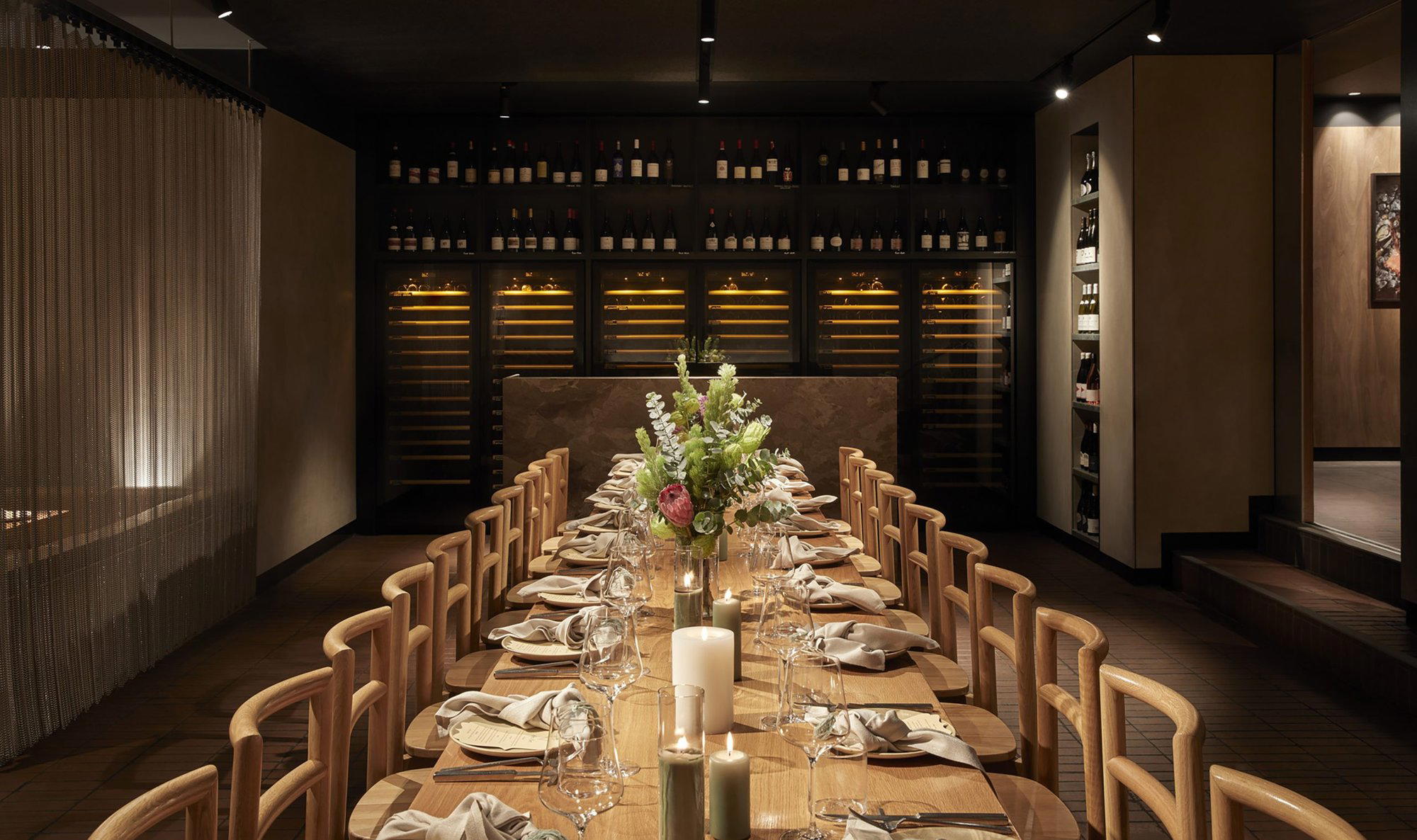
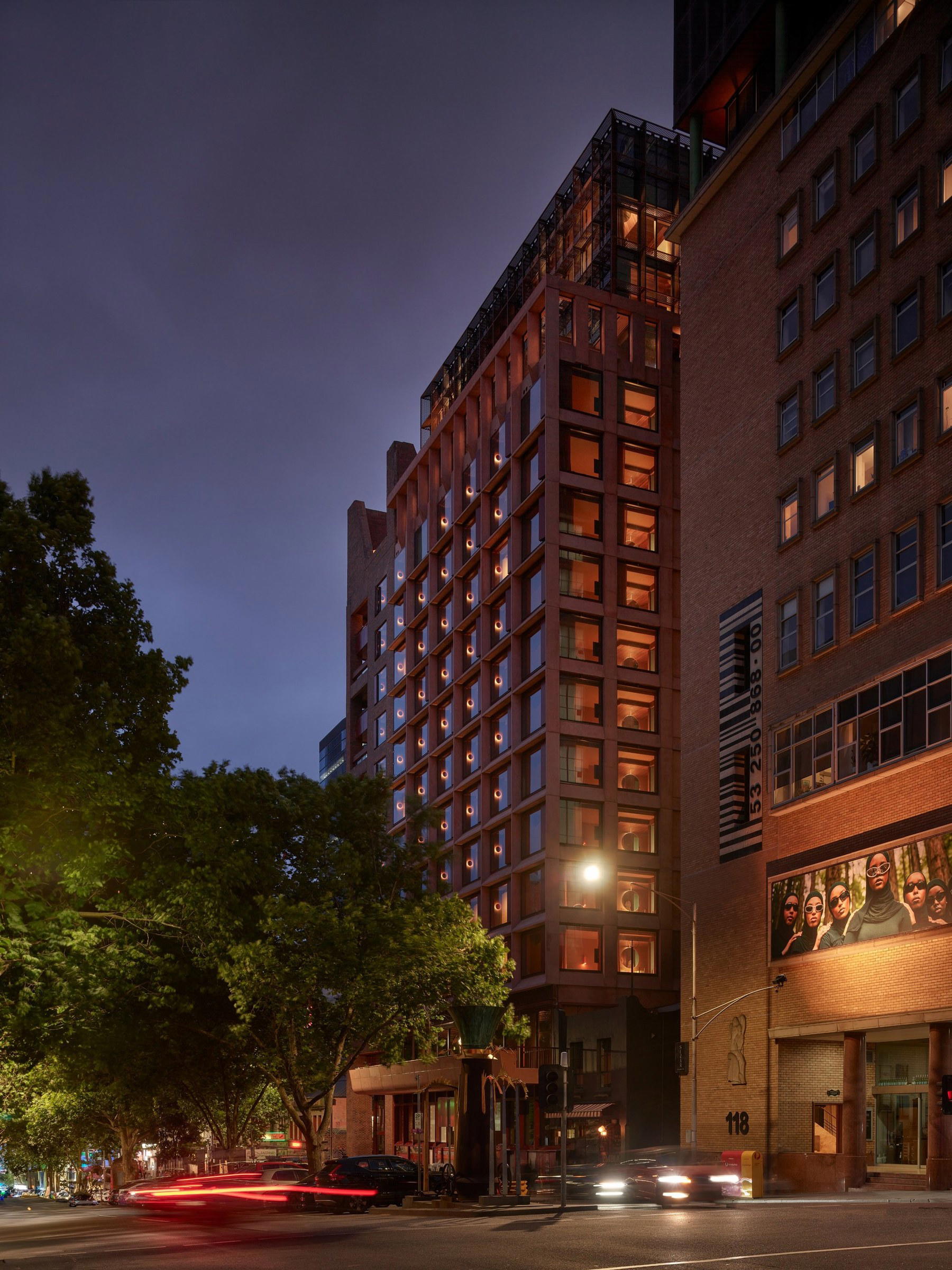
Approaching Aru, the address places you inside Melbourne's dense CBD grid, a few steps from the financial district but firmly in the eating-and-drinking corridor that defines central Melbourne after dark. The physical environment in rooms built around live fire typically shares certain qualities: warmth, the low-level ambient drama of a working hearth, and a slightly heightened sensory register that comes from cooking happening close to where you are sitting. The kitchen's presence is felt before a single dish arrives.
That atmosphere is part of the offer. Melbourne diners have grown accustomed to a certain transparency in their restaurants, open kitchens, counter seats with sightlines to the pass, rooms where the cooking is part of the theatre without being theatrical about it. Aru fits that template without being reducible to it.
The Wine List as Editorial Position
A serious international wine list in a live-fire restaurant is not a given. Many kitchens that commit to flame-forward cooking lean heavily on natural and low-intervention wines, often with a tight domestic focus. Aru's list, described as smart and international, suggests a different approach: broader in geography, selected to work alongside bold, char-inflected flavours rather than in spite of them. That kind of list requires editorial confidence. Matching wine to food where the dominant flavour notes are smoke, char, and high-heat caramelisation demands a buyer who has thought carefully about weight, tannin, and acidity across a wide range of styles.
That ambition aligns Aru with a cohort of Melbourne restaurants where the beverage program is treated as a peer to the kitchen rather than a support act. For diners who use the wine list as a proxy for the kitchen's overall seriousness, this is a meaningful signal. Internationally trained sommeliers working in Australian fine dining have tended to build lists that sit confidently between domestic excellence and European reference points, and the best of those programs, across Melbourne and beyond, including in rooms like Amaru in Armadale, treat the glass as inseparable from what arrives on the plate.
Bold Flavour and What It Requires of the Diner
Unconventional combinations in a menu context can mean many things. At their least interesting, they are novelty, combinations that provoke on paper but deliver little in the eating. At their most compelling, they are the result of a kitchen that has interrogated its ingredients carefully enough to find connections that are not immediately obvious. The latter category requires a diner willing to follow rather than anticipate, which is why Aru's reputation for intriguing dishes is most meaningful to those who arrive with some appetite for the unexpected.
That is not a niche position in Melbourne. The city's dining culture has consistently supported restaurants that ask something of their guests, that reward engagement over passivity. Agrarian Kitchen in Hobart operates on a similar premise of ingredient-led surprise; so does the sourcing-forward logic that has driven Australian modern cooking more broadly. Aru sits within that tradition, extending it through the specific vocabulary of live fire and a wine list built for the long table.
Planning a Visit
Aru is located at 268 Little Collins St in Melbourne's CBD, accessible from multiple tram routes running along Collins Street and within walking distance of Flinders Street and Melbourne Central stations. Those exploring the wider Melbourne dining scene will find useful context in our full Melbourne restaurants guide, with additional coverage across hotels, bars, wineries, and experiences for the full picture of what the city offers.
Frequently asked questions
Is Aru Melbourne a family-friendly restaurant?
Aru is oriented toward adult dining. The kitchen's commitment to open-flame cooking and bold, unconventional flavour combinations places it firmly in the bracket of restaurants where considered eating is part of the point. It sits in Melbourne's mid-to-upper CBD dining tier, which generally draws a crowd looking for something more focused than a casual family meal.
What kind of setting is Aru Melbourne?
Aru occupies a mid-to-upper position in Melbourne's CBD dining scene, at 268 Little Collins Street, a few blocks from the financial district in a corridor dense with serious eating options. The kitchen is built around open-flame technique, and the wine list has an international scope that signals the room takes both food and drink seriously. It reads as a destination for a deliberate meal rather than a casual drop-in.
Is Aru Melbourne award-winning?
Aru Melbourne has received recognition including: Aru is a must-visit in Melbourne if you enjoy bold flavours and food cooked on open flames. It has a very smart international wine list to accompany the intriguing dishes and unconventional combinatio....
What do people recommend at Aru Melbourne?
Aru's reputation is built on dishes produced over open flame, where the cooking method shapes flavour at a structural level rather than as a finishing touch. The combinations that draw attention are those that read as unconventional on paper but resolve coherently on the plate. The international wine list is frequently cited alongside the food as a reason to visit, not merely an accompaniment to it.
Fast Comparison
Comparable venues nearby, for context on price, style, and recognition.
| Venue | Cuisine | Price | Awards | Notes |
|---|---|---|---|---|
| Aru MelbourneThis venue (the venue you are viewing) | Modern Asian-Australian Fusion | $100–150 | Star Wine List | Not listed |
| Old Palm Liquor | Modern Wood-Fired Fusion | Not listed | Star Wine List | Brunswick East |
| Lona Misa | Latin-inspired Vegan | Not listed | We're Smart World 3 Radishes | South Yarra |
| Tipo 00 | Modern Italian Pasta Bar | $50–100 | World's Best Wine Lists Awards WBWL 2-Star | Melbourne |
| VEX | Modern Australian Small Plates | $50–100 | Star Wine List | Northcote |
| Al Dente | Modern Northern Italian | $50–100 | Not listed | Carlton |
Recognition history
Dated appearances from independent guides and award organizations, with the underlying list record or original source where available.
Star Wine List
Star Wine List
Continue exploring
More in Melbourne
Restaurants in Melbourne
All restaurants in Melbourne →
Bars in Melbourne
All bars in Melbourne →
Details
- Modern
- Intimate
- Sophisticated
- Trendy
- Date Night
- Special Occasion
- Group Dining
- Open Kitchen
- Chefs Counter
- Extensive Wine List
- Craft Cocktails
- Local Sourcing
- Small Plates
- Set Menu
- A La Carte
- Wine
- Cocktails
- Gluten Free Options
- Allergy Accommodating
Current opening hours
- Monday
- 6–10 PM
- Tuesday
- 12–3 PM, 6–10 PM
- Wednesday
- 12–3 PM, 6–10 PM
- Thursday
- 12–3 PM, 6–10 PM
- Friday
- 12–3 PM, 6–10 PM
- Saturday
- 12–3 PM, 6–10 PM
- Sunday
- Closed
Hours can change for holidays and private events. Last verified .
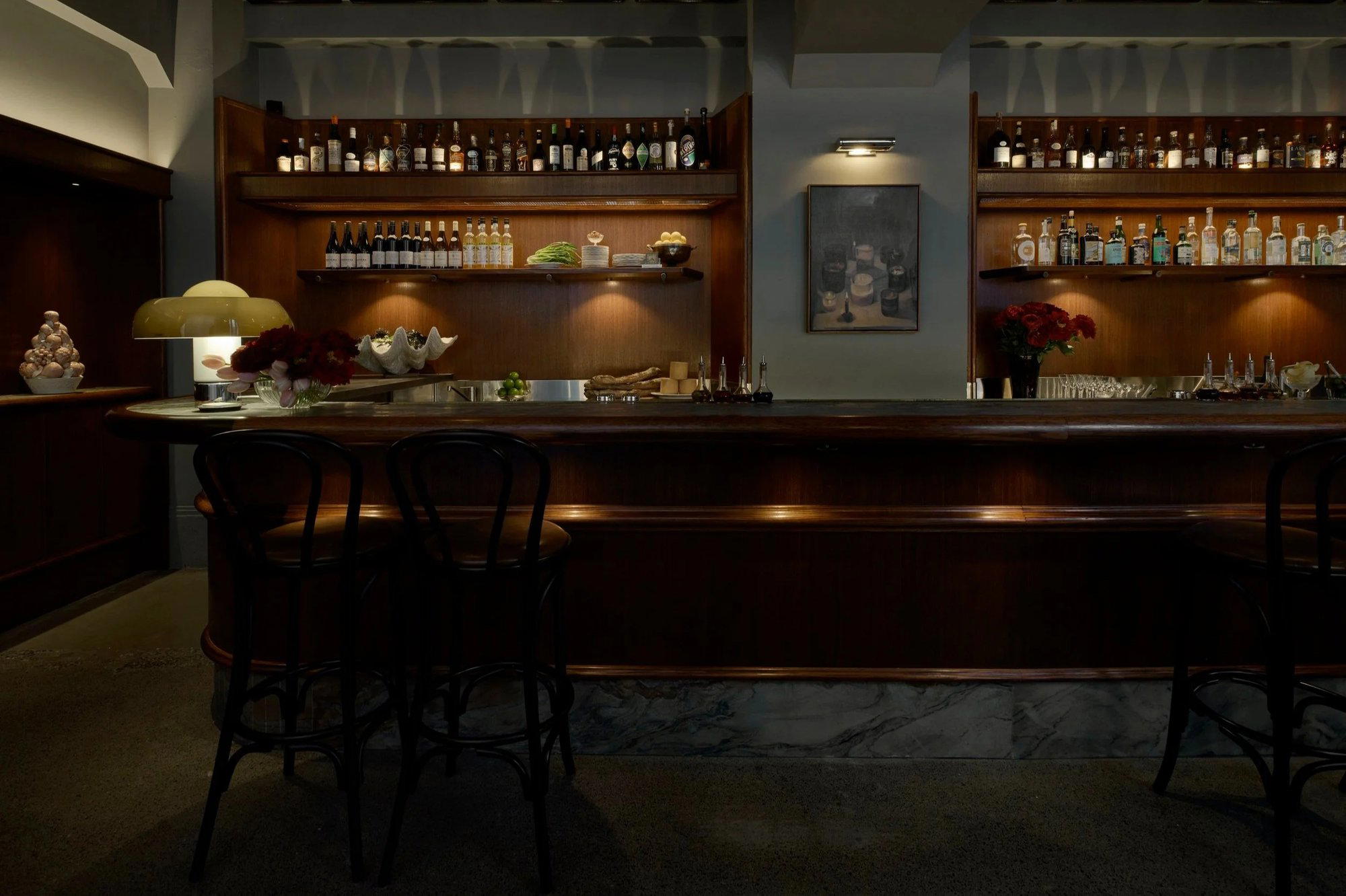
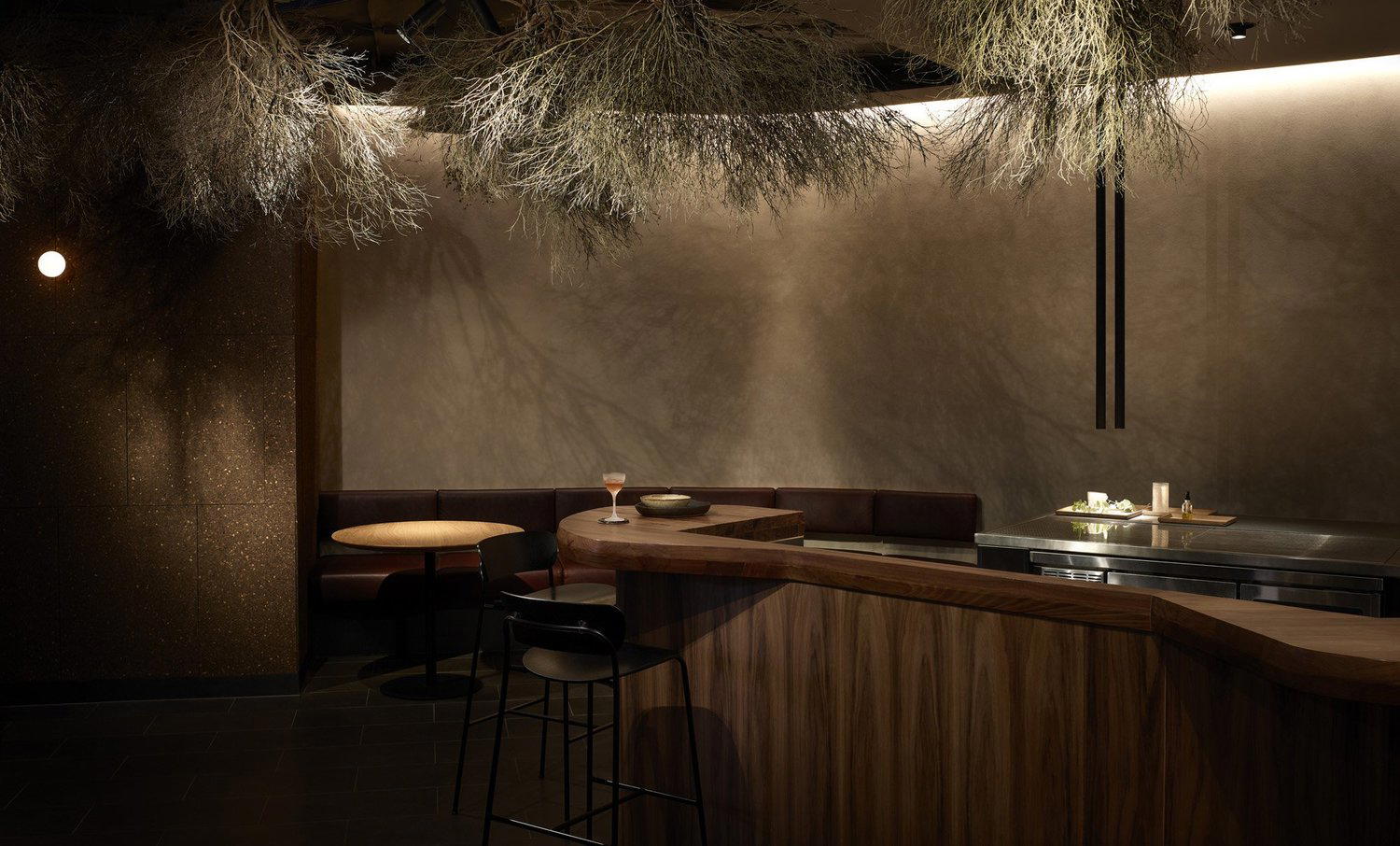
Warm earthy tones with terracotta brick floors, wooden elements, subtle lighting, and an intimate view of the open kitchen.