
Our verdict
Beneath the historic Georges Building on Little Collins Street, Meatmaiden operates as one of Melbourne's most committed smoke-and-fire rooms, pairing an ironbark-fired smoker with premium Australian beef from producers like O'Connor and Rangers Valley Wagyu. The subterranean setting, open kitchen, and serious dry-aging program place it in a distinct tier among the city's carnivore-focused dining options.

Pearl is the En Primeur Club membership app — saves, bookings, and concierge access live there. Same editors, same standards.
- Address
- 195 Little Collins St, Melbourne VIC 3000, Australia
- Phone
- +61 3 9078 7747
- Hours
- Mon ClosedTue–Fri 12–3 PM, 5–10 PMSat 5–10 PMSun Closed
- Website
- meatmaiden.com.au
- Directions
- Get directions
- Booking
- Book on OpenTable
The menu
What to order
- 20-hour Rangers Valley Wagyu Brisket
- Lobster Mac & Cheese
- Dry-Aged Porterhouse
Below Street Level, Above Most Expectations
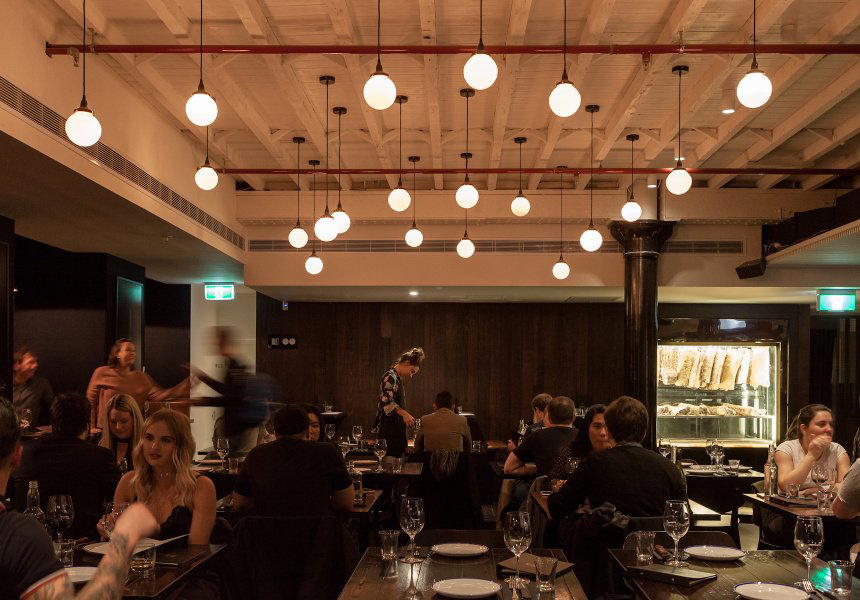
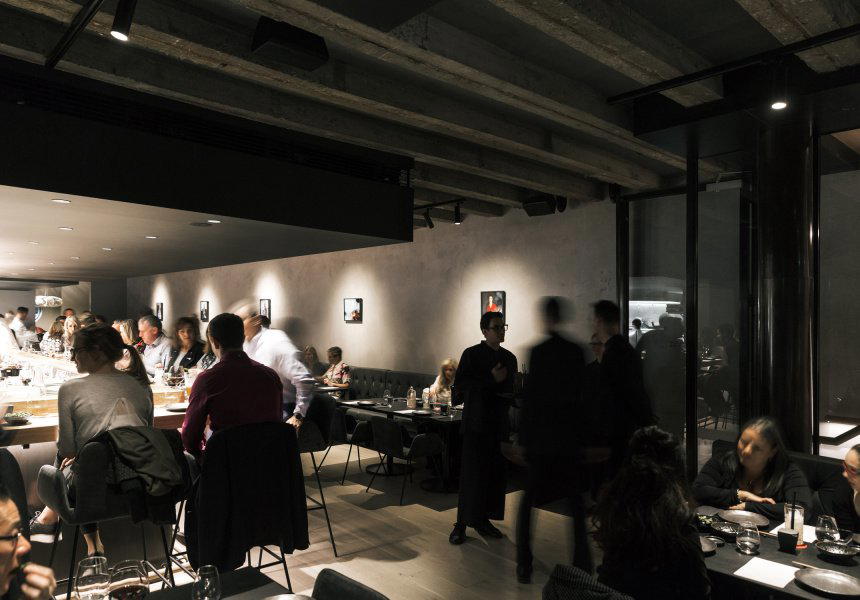
Melbourne's CBD dining scene has a long tradition of colonising its own basement levels. The city's lane-and-arcade culture means that some of its most considered rooms sit below the footpath, away from window displays and passing trade, relying entirely on word of mouth and return visits. Meatmaiden occupies exactly this position, accessed beneath the historic Georges Building on Little Collins Street, in a subterranean room that trades on low ceilings, moody industrial design, and the kind of deliberate dimness that signals you've arrived somewhere built for a specific purpose. The address alone frames the experience before you've ordered a thing.
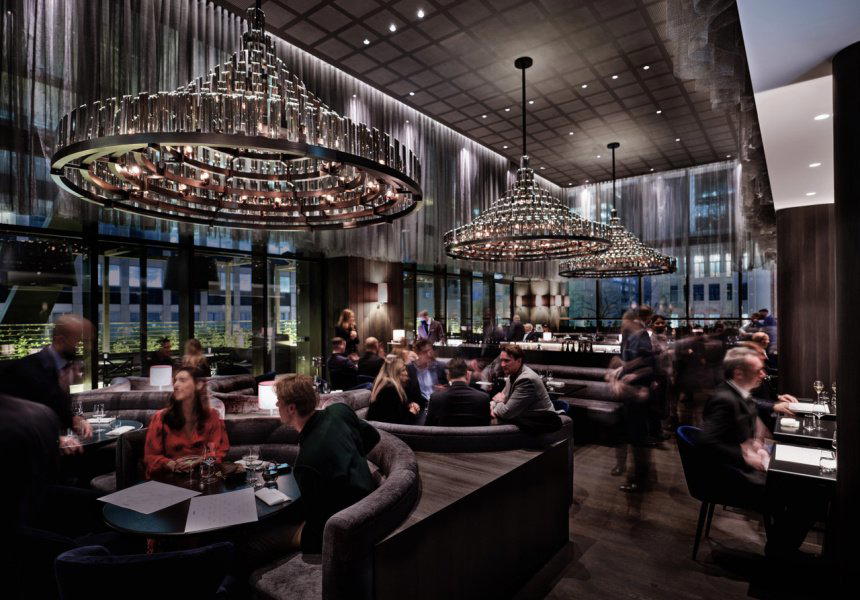
The interior leans hard into the industrial-chic register that Melbourne's kitchen-forward restaurants adopted through the 2010s and have since refined: exposed materials, open-kitchen sightlines, and bar seating that makes the cooking itself part of the atmosphere. Here, the logic is sound. When your kitchen runs a custom-built grill alongside an ironbark-fired smoker, there is genuine theatre in making that equipment visible. Smoke, fire, and slow-rendered fat are not processes you want hidden behind a wall.
The Physical Room as Editorial Statement
Basement steakhouses internationally have wrestled with the same design problem: how do you create energy in a room without natural light? The answers tend to split between theatrical darkness and compensatory warmth. Meatmaiden lands in the latter camp, using moody lighting and open-kitchen glow to generate the sense of a controlled, purposeful environment rather than a sealed-off cave. The bar anchors one end of the experience, serving cocktails and a curated selection of local wines and beers, giving the space a dual identity that works for drinkers arriving early and diners staying late.
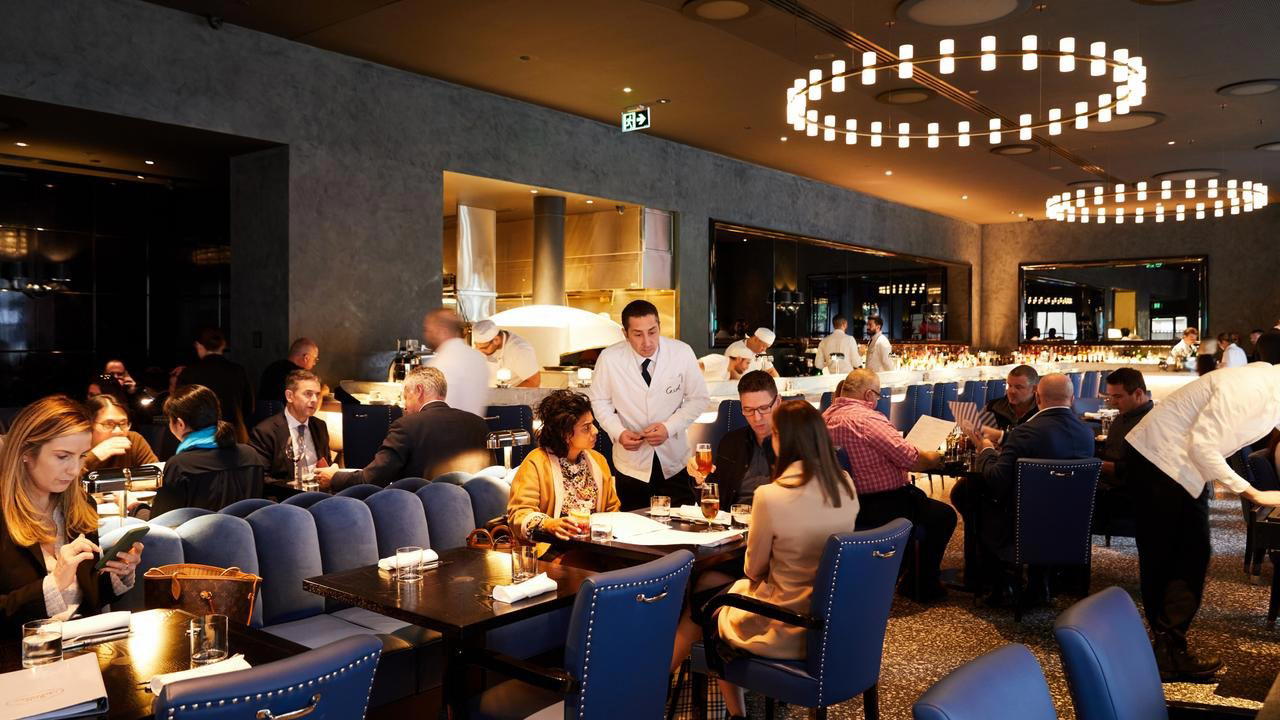
The open kitchen is structural to how the room reads. Diners watching a tomahawk ribeye come off a custom grill are receiving real-time evidence of the kitchen's method. This transparency, increasingly common in Melbourne's serious food rooms, from the counter seats at Attica (Australian Modern) to the pass-adjacent positioning at Charrd, functions as a trust signal. You can see what you're eating being made. At a restaurant where the central claim is fire and smoke technique, that visibility carries particular weight.
Smoke Methodology and Australian Produce
The American smokehouse tradition has been absorbed, adapted, and in some cases significantly improved by Australian kitchens over the past decade. Where the genre originated in low-and-slow barbecue culture built around accessibility and volume, its Australian iteration has tended toward premium sourcing and tighter technique. Meatmaiden sits clearly in this evolved category, combining ironbark-fired smoking (ironbark being a dense, high-heat eucalyptus hardwood that burns long and imparts a distinctly Australian smoke character) with beef sourced from producers at the upper end of the Australian supply chain.
O'Connor pasture-fed beef and Rangers Valley Wagyu are not mid-market options. O'Connor, from Victoria's western district, is associated with grass-fed programs and careful supply chain management. Rangers Valley, in New South Wales' New England region, produces marbled beef that competes in international Wagyu markets. Choosing both as anchor suppliers signals a kitchen positioning itself at the premium end of the fire-cooking category rather than the accessible middle, where volume and price point tend to govern sourcing decisions. The beef program uses both wet and dry-aged cuts, giving the kitchen range across different textural and flavour profiles.
The 20-hour smoked brisket is the most direct expression of the American smokehouse lineage: a long, low-temperature cook that converts collagen into gelatin and renders a cut that would otherwise be unworkable. The tomahawk ribeye represents the other axis, a theatrical bone-in cut suited to the grill rather than the smoker, relying on heat management and resting time rather than patience and smoke accumulation. Both dishes function as proof-of-concept for a kitchen that has genuinely mastered two distinct fire disciplines rather than treating smoke as a flavour additive.
Chef Jesse Sirawasit Nipitthumrong leads the kitchen, continuing a culinary direction that has kept Meatmaiden's program consistent with the high sourcing standards the restaurant established in its earlier years.
Where Meatmaiden Sits in Melbourne's Wider Dining Map
The city's fine-dining tier, anchored by long-running names like Flower Drum (Cantonese) and the kind of Australian-modern precision associated with Attica (Australian Modern), operates at a different register from a fire-focused steakhouse. Meatmaiden's competitive set is more accurately the city's ingredient-led, technique-serious casual-to-mid-fine tier: rooms where the cooking is unambiguously skilled but the atmosphere permits a jacket-free evening. In that bracket, it competes on the quality of its sourcing, the consistency of its smoke program, and the atmosphere of its room rather than on tasting-menu prestige or wine-list depth.
For visitors making broader dining plans across the city, the contrast is instructive. A night at Chin Chin or 48h Pizza e Gnocchi Bar operates in a higher-energy, walk-in-friendly register. Meatmaiden's basement setting and smoke-forward kitchen suit a different kind of evening: more deliberate, more meat-centric, more focused on a specific set of techniques. Both modes are worth building into a Melbourne itinerary. For visitors thinking beyond Melbourne, comparable fire-focused rooms in the Australian context include Bacchus in Brisbane and, at a different price point, the wood-fire orientation of Brae in Birregurra. Internationally, the smoke-meets-premium-produce crossover that Meatmaiden represents has North American parallels, though Le Bernardin in New York City and Atomix in New York City show how differently the fine-dining register can frame technical mastery in other cooking traditions.
For a fuller picture of Melbourne's dining options across all categories, [our full Melbourne restaurants guide]() maps the city by cuisine type, price point, and neighbourhood. Those building a wider trip can also consult [our full Melbourne hotels guide](), [our full Melbourne bars guide](), [our full Melbourne wineries guide](), and our full Melbourne experiences guide.
Planning Your Visit
Meatmaiden sits at 195 Little Collins Street in the CBD, beneath the Georges Building, an address that puts it within easy reach of the city's central tram network and walking distance from the major hotel corridors around Collins and Bourke Streets. The subterranean entry means first-time visitors should look for the building number rather than a street-level shopfront. Given the kitchen's focus on large-format cuts and smoked proteins, the restaurant is well suited to groups of two or more who can split across multiple preparations. Reservations are advisable, particularly for Friday and Saturday evenings when CBD demand across all categories runs high. Booking ahead is the more reliable approach than attempting a walk-in on a weekend night.
Frequently asked questions
Is Meatmaiden Michelin-listed?
Meatmaiden has received recognition including: Meatmaiden - Melbourne’s Underground Shrine to Smoke and Steak Tucked beneath the historic Georges Building on Little Collins Street, Meatmaiden is a subterranean sanctuary for carnivores seeking bold flavours and refined technique. This mo….
Who runs the kitchen at Meatmaiden?
The chef associated with Meatmaiden is Jesse Sirawasit Nipitthumrong.
What do people recommend at Meatmaiden?
The 20-hour smoked brisket and tomahawk ribeye are the two dishes most associated with the kitchen's identity. Both come off a custom-built grill and ironbark-fired smoker, with beef sourced from O'Connor pasture-fed and Rangers Valley Wagyu programs. Order either if you want to understand what the room is actually about.
Where do I go for Meatmaiden?
Meatmaiden is located at 195 Little Collins St, Melbourne VIC 3000, Australia, Melbourne.
Can I walk in to Meatmaiden?
Walk-ins depend on the day and time. Meatmaiden sits beneath the Georges Building at 195 Little Collins Street in Melbourne's CBD, and its basement format limits capacity. For weekend evenings especially, booking ahead is the more reliable approach — the room fills with a central-city crowd that includes pre-theatre diners and post-work groups.
What makes Meatmaiden worth seeking out?
The combination of an ironbark-fired smoker and a custom-built grill is not standard kit in Melbourne's dining scene. The kitchen applies American low-and-slow smoke methodology to Australian dry-aged and wet-aged beef, including Rangers Valley Wagyu, which narrows the gap between smokehouse tradition and fine-cut steakhouse. That dual focus, executed in a subterranean room with an open kitchen, gives the venue a position few CBD restaurants occupy.
Is Meatmaiden allergy-friendly?
Given that the menu centres on smoked and grilled proteins with sides and sauces, guests with dietary restrictions should contact the restaurant at 195 Little Collins Street directly before visiting to confirm current accommodations for their needs.
Nearby-ish Comparables
| Venue | Cuisine | Price | Awards |
|---|---|---|---|
| MeatmaidenThis venue — the venue you are viewing | Modern Steakhouse & Grill | $100–150 | Not listed |
| Flower Drum | Fine Dining Cantonese | $50–100 | World's 50 Best #33 · Star Wine List |
| Attica | Modern Australian Indigenous Fine Dining | $300–500 | World's 50 Best #20 · La Liste Top Restaurants |
| Vue de Monde | Modern Australian Fine Dining | $200–300 | La Liste Top Restaurants · Star Wine List |
| Florentino | Classic Italian Fine Dining | $150–200 | La Liste Top Restaurants · World's Best Wine Lists Awards WBWL 3-Star |
| 48h Pizza e Gnocchi Bar | Authentic Italian Pizza and Gnocchi | $20–30 | 50 Top Pizza Asia-Pacific #14 |
Recognition history
Dated appearances from independent guides and award organizations, with the underlying list record or original source where available.
World's Best Steaks 101 Best Steak Restaurants #81
World's Best Steaks
Full recognition history (2 entries)
World's Best Steaks 101 Best Steak Restaurants #91
World's Best Steaks
Continue exploring
More in Melbourne
Restaurants in Melbourne
Browse all →
Bars in Melbourne
Browse all →
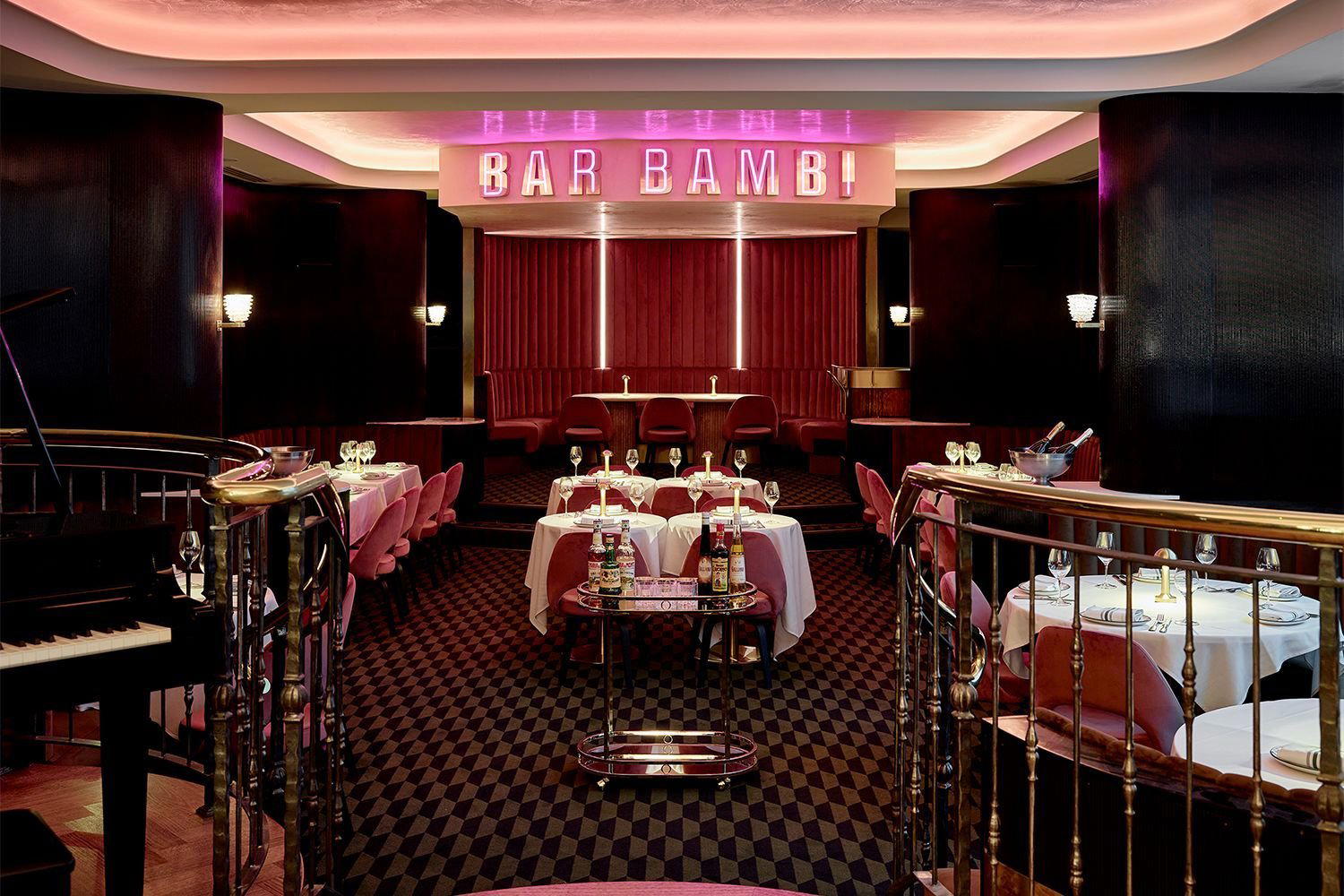
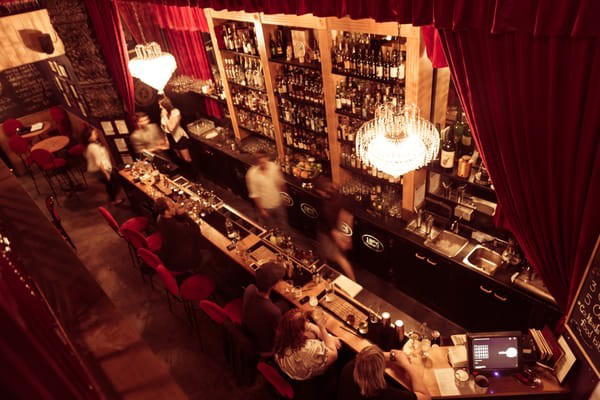
Hotels in Melbourne
Browse all →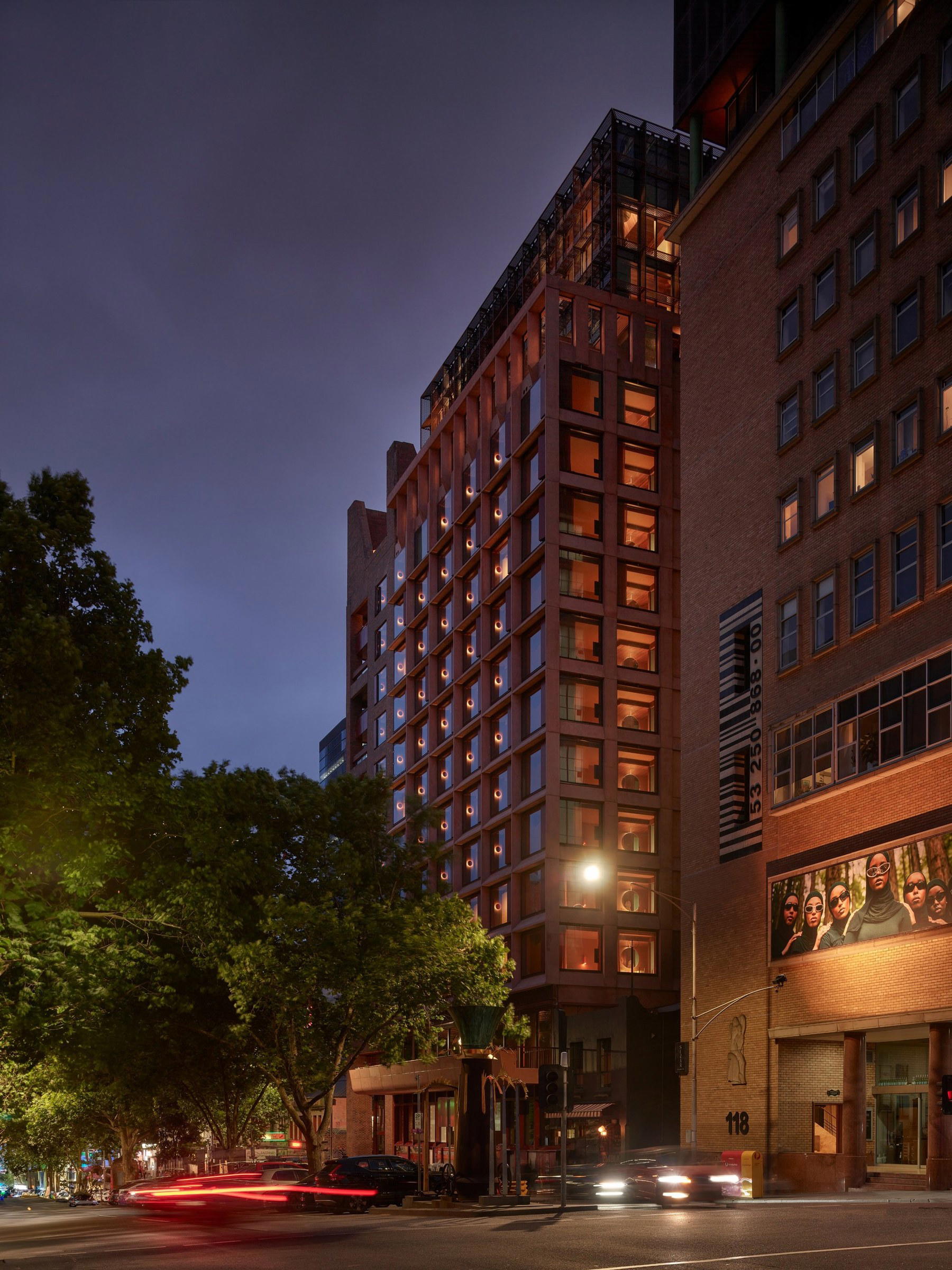
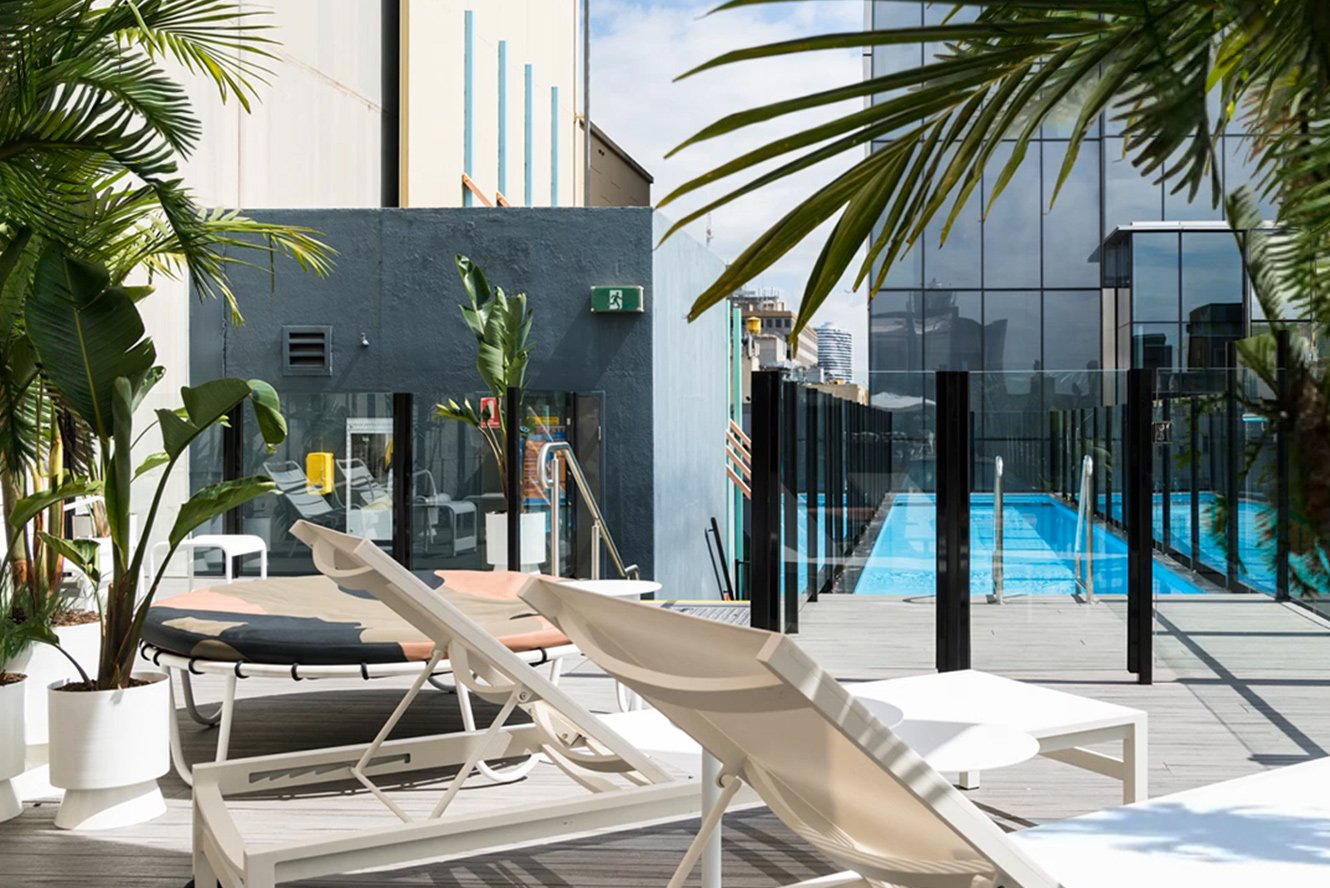
Details
- Trendy
- Industrial
- Lively
- Modern
- Energetic
- Date Night
- Group Dining
- Celebration
- Special Occasion
- Open Kitchen
- Craft Cocktails
- A La Carte
- Small Plates
- Craft Cocktails
- Gluten Free Options
Current opening hours
- Monday
- Closed
- Tuesday
- 12–3 PM, 5–10 PM
- Wednesday
- 12–3 PM, 5–10 PM
- Thursday
- 12–3 PM, 5–10 PM
- Friday
- 12–3 PM, 5–10 PM
- Saturday
- 5–10 PM
- Sunday
- Closed
Hours can change for holidays and private events. Last verified .
Dimly lit with a fun, busy, and energetic atmosphere that creates a modern industrial vibe but can feel cramped and noisy.