
Star Wine List · World's Best Wine Lists Awards WBWL 3-Star
Our verdict
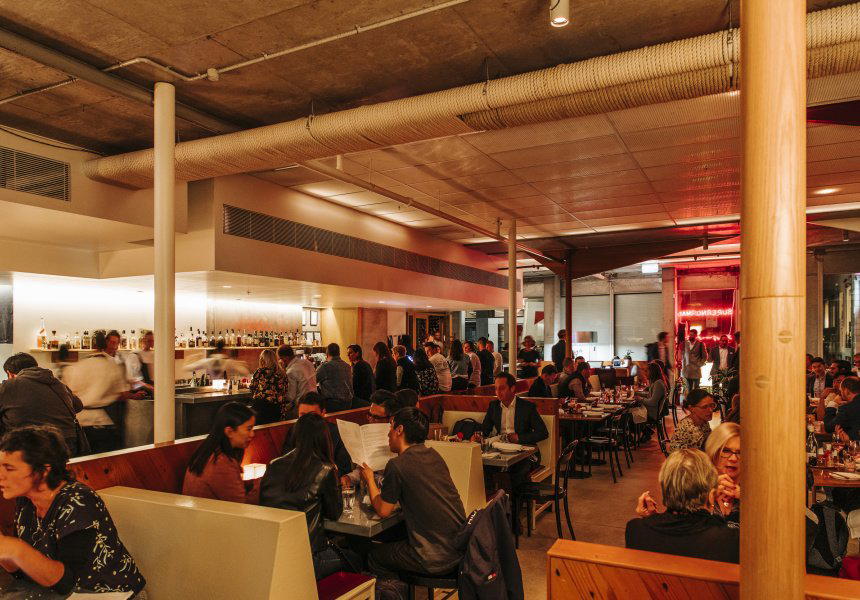
Supernormal on Flinders Lane sits inside Andrew McConnell's broader restaurant portfolio as his most direct engagement with Japanese and Asian-influenced formats. The large glass-fronted room on the 171 Collins Street development carries crimson neon, an open kitchen, and a wine list that holds a 3-Star accreditation from the World of Fine Wine. It occupies a distinct tier in Melbourne's CBD dining scene.

Pearl is the En Primeur Club membership app, where members save venues, book tables and use the concierge.
The menu
What to order
- New England lobster roll
- Slow-cooked Szechuan lamb shoulder
- Pot sticker dumplings
- Duck bao
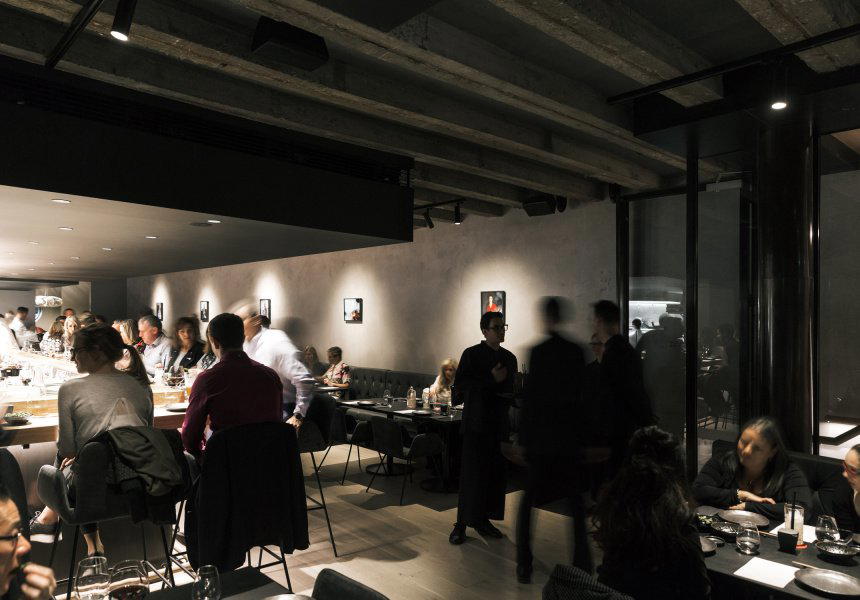
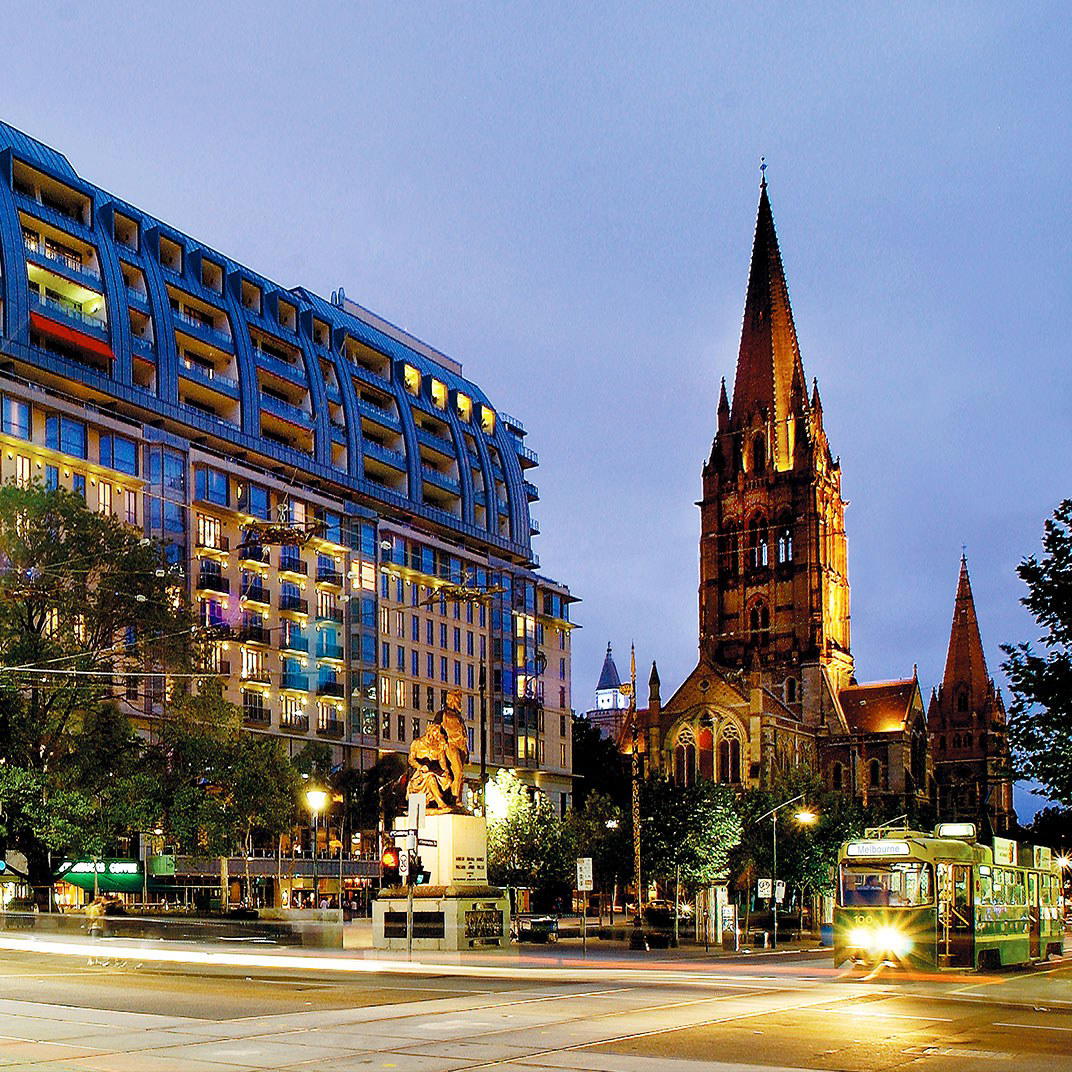
Flinders Lane after dark has a particular grammar: the street is narrow enough that neon catches in wet pavement, and the crimson cherry glow visible from the footpath outside 180 Flinders Lane has become a reliable landmark in that vernacular. The signage is in katakana. The room behind it is large, glass-fronted, and deliberately lit to be seen from outside as much as from within. Before you consider what's on the plate, the entrance is making an argument about what kind of restaurant this is.
A Room Designed as a Position Statement
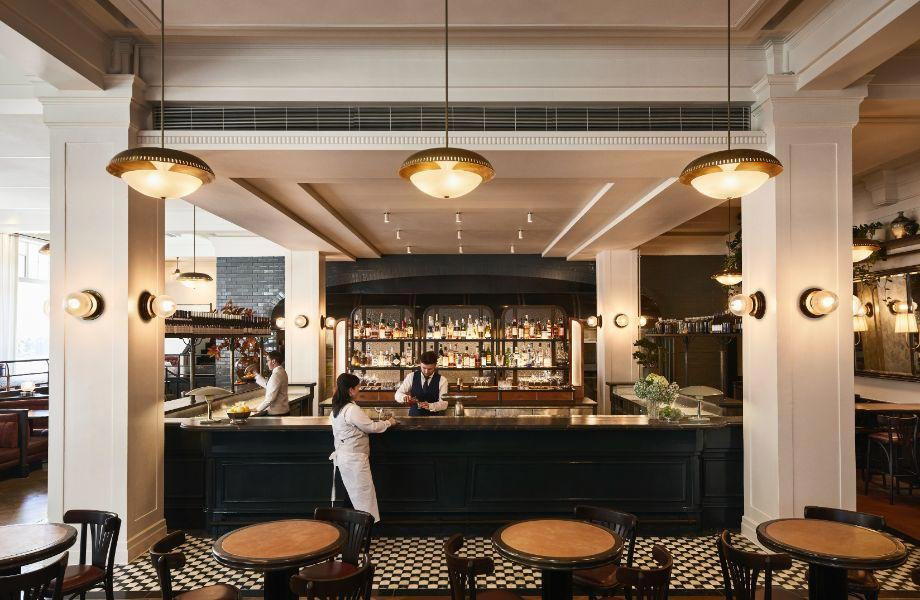
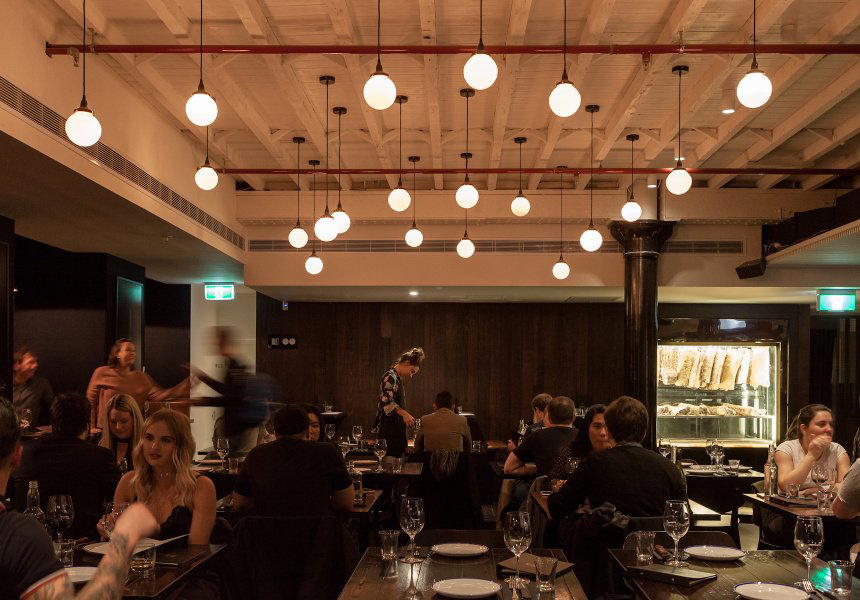
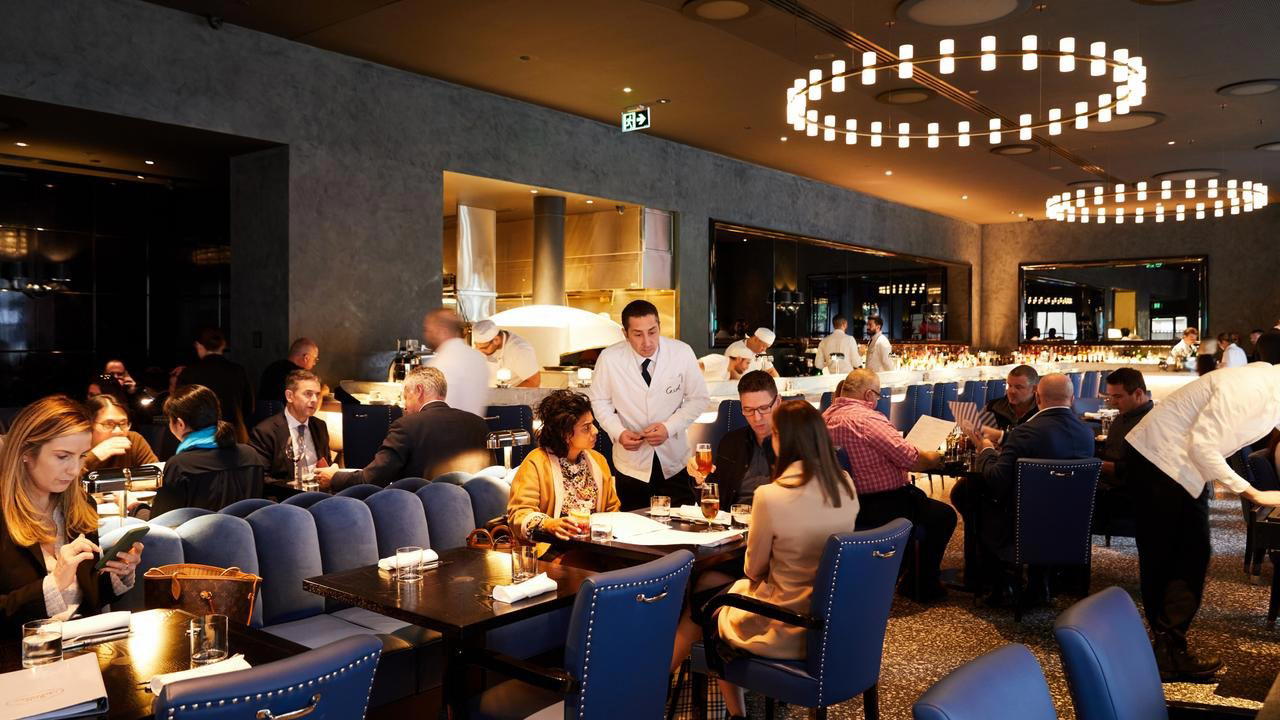
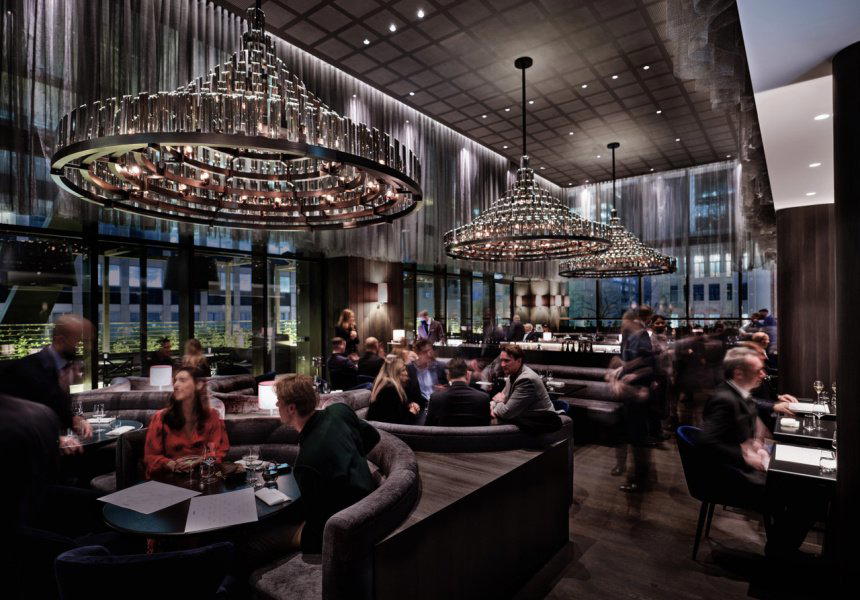
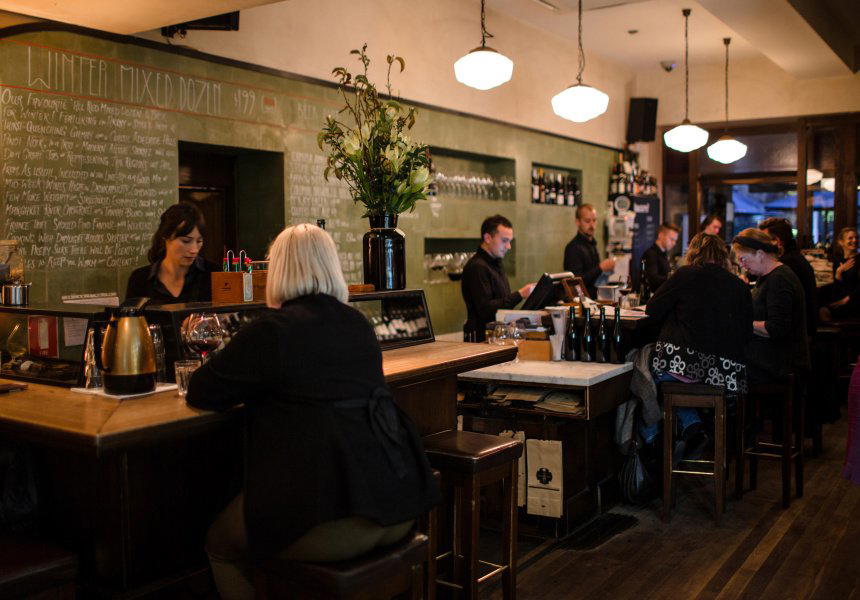
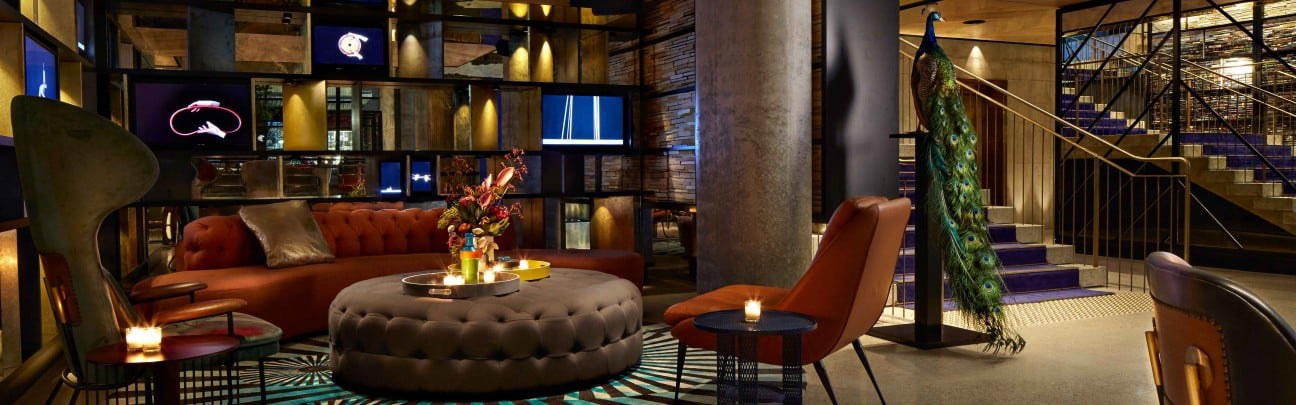
Melbourne's CBD dining scene has long sorted itself into rough tiers: the serious fine-dining floor (think Attica or the upper register of Australian Modern), the mid-level with ambition, and the casual-but-considered category that the city does better than most Australian cities. Supernormal occupies the third tier without apology. The fit-out at 171 Collins Street uses an open kitchen as its centrepiece, a format that commits the kitchen to transparency and the dining room to energy. Japanese snack vending machines appear as deliberate set-dressing rather than utility. The aesthetic borrows directly from the izakaya-meets-brasserie format that runs through a handful of Asian capitals, translated here with a level of finish that separates it from the imitators.
For context, this is the kind of room that works against quiet, intimate conversation and in favour of group momentum. That's not a criticism; it's a design choice that signals menu intent. Restaurants built around sharing formats need rooms that make sharing feel natural, and the configuration here does exactly that.
Menu Architecture: The Sharing Format as Argument
The editorial angle here is the menu structure, because it reveals more about Supernormal's position in Melbourne's dining scene than any individual dish could. The format is pan-Asian with a Japanese spine: small plates, larger plates, and a dim sum-adjacent register, all designed for lateral sharing across a table rather than sequential personal progression. This is a deliberate departure from the European fine-dining model that still dominates Melbourne's top tier, where the tasting menu or fixed-course format remains the dominant grammar.
The sharing format has become a significant structural trend across Australian casual-fine dining over the past decade. Aru Melbourne works within it. Bottarga applies it to a Mediterranean context. Flower Drum, Melbourne's long-standing Cantonese reference point, operates from a different cultural tradition but lands at a similar communal logic. What distinguishes Supernormal's version is the range compression: the menu is broad in reference but disciplined in execution, moving between Japanese, Chinese, and Korean touchpoints without losing coherence. That's architecturally harder than it looks.
Open kitchen reinforces the format. Watching a kitchen produce at pace across multiple cuisine registers, rather than a single tasting-menu sequence, makes its own case for the breadth of the operation. Andrew McConnell, whose portfolio includes several well-regarded Melbourne addresses, brings a track record of restaurants that hold together as ideas, not just as collections of competent cooking.
The Wine List as a Separate Credential
3-Star accreditation from the World of Fine Wine's Leading Wine Lists in Australasia awards, which Supernormal holds, is a specific credential worth understanding. The World of Fine Wine assessment weights list construction, range, and depth of selection rather than simply volume. A 3-Star result in this system places Supernormal's wine program in a peer group that includes some of the more serious lists in the country, operating at a price and format point where strong wine investment is less common. For a pan-Asian sharing-format restaurant, that's a notable distinction. Most operations in this category treat wine as an afterthought relative to cocktails or sake; a 3-Star accreditation signals the opposite decision was made here.
Melbourne has a strong wine culture anchored in part by proximity to serious Victorian regions and a restaurant community that has historically invested in list depth. For guidance on where that culture extends beyond the dining room, see our full Melbourne wineries guide.
Where Supernormal Sits in the Melbourne Context
Flinders Lane and the immediate CBD grid carry a density of good restaurants that few Australian streets match. 48h Pizza e Gnocchi Bar operates nearby in a completely different register. The lane culture that defines this part of Melbourne rewards walkers who know what they're looking for; Supernormal is sufficiently well-known that it doesn't require discovery so much as decision. The question for any visitor building a Melbourne itinerary is placement: Supernormal works better as a mid-week dinner with a group than as a special-occasion solo progression. The room and format reward numbers.
Against the broader Australian dining map, McConnell's approach here is distinct from the produce-driven, single-region focus that characterises places like Brae in Birregurra or the seafood intensity of Saint Peter in Sydney. Supernormal operates at the intersection of urban brasserie energy and Asian culinary reference, a category Melbourne has developed more confidently than Sydney or Brisbane. Bacchus in Brisbane and Amaru in Armadale represent adjacent ambitions in different cities and registers; the comparison is instructive about how Melbourne has absorbed and reframed Asian dining influences over the past two decades.
For visitors extending beyond the CBD, 400 Gradi in Brunswick East and Agrarian Kitchen in Hobart (for those crossing Bass Strait) represent the other end of the spectrum: single-discipline, regional-inflected, and operating at a different kind of ambition. Internationally, the closest structural analogues to Supernormal's format sit in the register of a place like Le Bernardin in New York City in terms of format discipline, though the culinary reference points are entirely different. Emeril's in New Orleans shares the celebrity-chef-restaurant DNA that inevitably attaches to McConnell's name, for better or worse. The comparison is worth making because it sets the expectation correctly: this is a restaurant that performs reliably at scale, which is a specific and underrated skill.
Planning Your Visit
Supernormal sits at 180 Flinders Lane in the central CBD, making it accessible on foot from most Melbourne hotels. Our full Melbourne hotels guide covers the leading options within walking distance. The format suits groups of three or more, where the sharing menu delivers most clearly. Reservations are advisable; the room is large but the reputation draws consistent demand. For the wider picture of what Melbourne's dining, bar, and experience scenes offer, see our full Melbourne restaurants guide, our full Melbourne bars guide, and our full Melbourne experiences guide.
Frequently asked questions
What's Supernormal's location?
Supernormal is located at 180 Flinders Ln, Melbourne VIC 3000, Australia, Melbourne.
Does Supernormal have a Michelin star or similar recognition?
Supernormal has received recognition including: Supernormal is a restaurant in Melbourne, Australia. It was published on Star Wine List on December 2, 2021 and is a White Star.;
What should I eat at Supernormal?
Supernormal's menu is built around a sharing format, so ordering several dishes across the table is the intended approach. The kitchen draws on Japanese and broader Asian references, and the wine list holds a 3-Star accreditation from World of Fine Wine's Best Wine Lists in Australasia, so pairing dishes with something from that list is worth factoring into how you order. Specific menu items change, so check current offerings directly with the restaurant at 180 Flinders Lane.
What's the best way to book Supernormal?
Supernormal sits in Melbourne's CBD at 180 Flinders Lane, a stretch with high foot traffic and strong demand across the week, so advance booking is advisable rather than walking in. The restaurant is part of Andrew McConnell's group, which typically manages reservations through its own booking channels. Check the current booking method directly via the venue, as phone and online booking details are subject to change.
What's the signature at Supernormal?
The defining characteristic of Supernormal is its pan-Asian sharing format inside a space that reads as deliberately Japanese in aesthetic, from katakana signage to crimson neon cherries visible from Flinders Lane. Andrew McConnell, who has built a recognised group of Melbourne restaurants, shaped this venue around that particular tension between casual atmosphere and considered execution. The wine program is a separate credential, holding a 3-Star accreditation from the World of Fine Wine's Best Wine Lists in Australasia.
Is Supernormal good for vegetarians?
Supernormal's sharing format typically allows vegetarians to build a meal across multiple smaller dishes rather than relying on a single main, which works in their favour. The pan-Asian menu direction generally includes vegetable-forward preparations alongside protein dishes. For current vegetarian-specific options, check the venue's official channels at 180 Flinders Lane, Melbourne, as menus change seasonally.
How does Supernormal's wine list compare to other Melbourne CBD restaurants?
Supernormal holds a 3-Star accreditation from the World of Fine Wine's Best Wine Lists in Australasia, which places it among a small group of Melbourne CBD restaurants with formally recognised wine programs. That credential is independent of the food offering and reflects depth, range, and presentation of the list itself. For a restaurant operating in a casual-leaning, sharing-format category, a 3-Star wine accreditation is a meaningful differentiator within the Flinders Lane dining corridor.
Reputation Context
| Venue | Cuisine | Price | Awards | Notes |
|---|---|---|---|---|
| SupernormalThis venue (the venue you are viewing) | Modern Asian Fusion | $50–100 | Star Wine List · World's Best Wine Lists Awards WBWL 3-Star | Not listed |
| Flower Drum | Fine Dining Cantonese | $50–100 | World's 50 Best #33 · Star Wine List | Cantonese |
| Attica | Modern Australian Indigenous Fine Dining | $300–500 | World's 50 Best #20 · La Liste Top Restaurants | Australian Modern |
| Vue de Monde | Modern Australian Fine Dining | $200–300 | La Liste Top Restaurants · Star Wine List | Australian Fine Dining |
| Florentino | Classic Italian Fine Dining | $150–200 | La Liste Top Restaurants · World's Best Wine Lists Awards WBWL 3-Star | Modern Italian |
| 48h Pizza e Gnocchi Bar | Authentic Italian Pizza and Gnocchi | $20–30 | 50 Top Pizza Asia-Pacific #14 | Not listed |
Recognition history
Dated appearances from independent guides and award organizations, with the underlying list record or original source where available.
Star Wine List
Star Wine List
World's Best Wine Lists Awards WBWL 3-Star
World's Best Wine Lists Awards
Full recognition history (6 entries)
World's Best Wine Lists Awards WBWL 3-Star
World's Best Wine Lists Awards
World's Best Wine Lists Awards WBWL Category Winner
World's Best Wine Lists Awards
World's Best Wine Lists Awards WBWL Category Winner
World's Best Wine Lists Awards
World's Best Wine Lists Awards WBWL 3-Star
World's Best Wine Lists Awards