
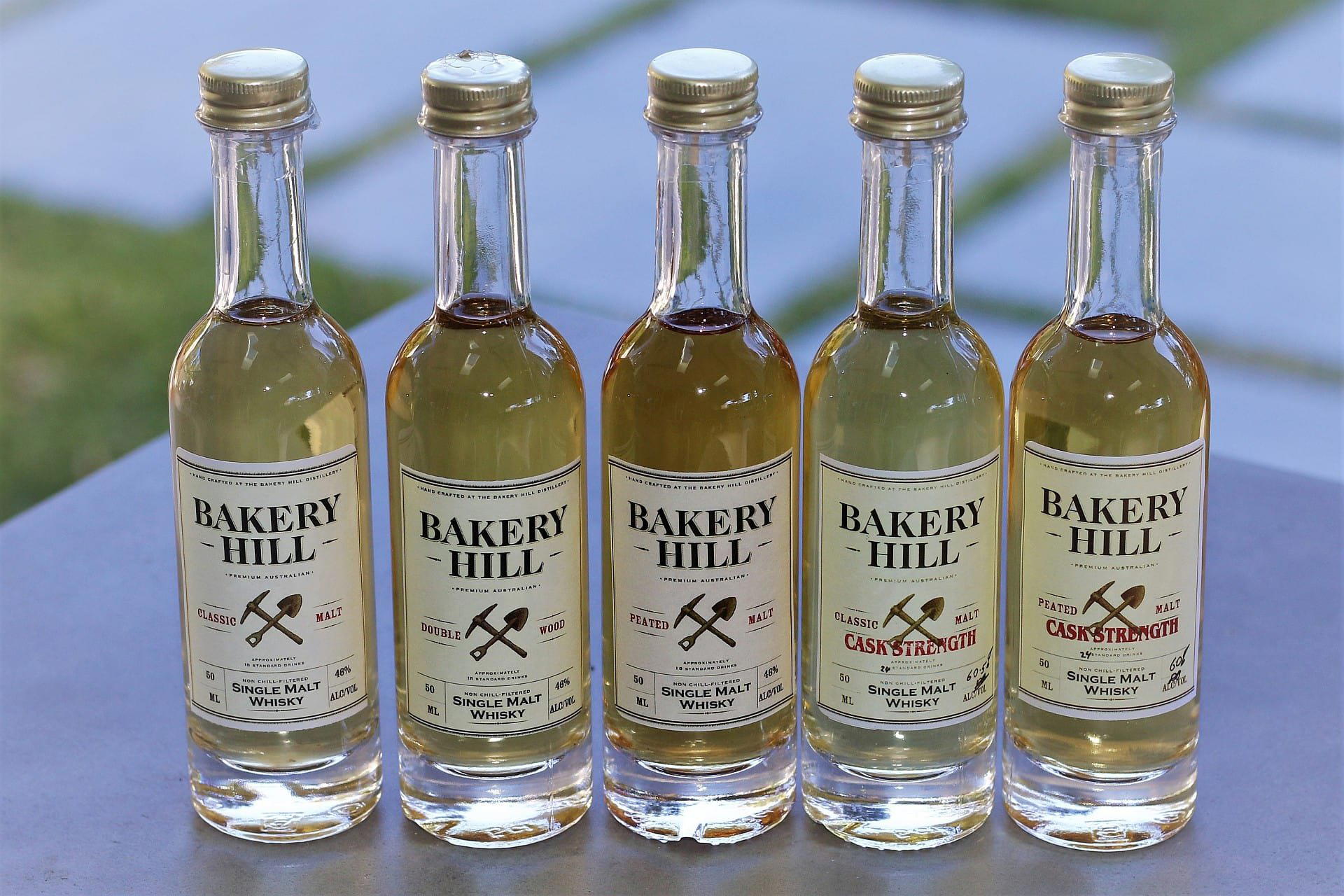
Bakery Hill Distillery in Kensington has earned a Pearl 2 Star Prestige rating for 2025, placing it among Melbourne's most credentialed craft spirits producers. Operating from 411 Macaulay Road, it represents the serious, terroir-conscious end of the city's distilling scene, a counterpoint to volume-driven operations, where provenance and process take precedence over scale.
 Discover on Pearl
Pearl is the En Primeur Club membership app — saves, bookings, and concierge access live there. Same editors, same standards.
- Address
- 411 Macaulay Rd, Kensington VIC 3031
- Phone
- +61 3 9531 4687
- Website
- bakeryhill.com
Kensington and the Craft Distilling Quarter
Melbourne's inner-north and inner-west have quietly absorbed a concentration of serious craft spirits producers over the past decade. Kensington, sitting just three kilometres from the CBD along Macaulay Road, has become part of that corridor: a low-rise industrial zone where warehouse footprints suit the tank and still configurations that small-batch distilling demands. The neighbourhood character is working rather than polished, which tends to suit producers more interested in process than presentation. Bakery Hill Distillery at 411 Macaulay Road belongs to that tradition, a Kensington address in Melbourne, Australia, and holds a Pearl 2 Star Prestige rating for 2025.
The Melbourne craft spirits scene has diversified considerably since the early wave of gin producers that defined the category locally around 2014 to 2017. What followed was a second, more technically exacting cohort: distilleries focused on maturation, grain sourcing, and the slower-return economics of whisky. That shift mirrors what happened in Scotland and the United States a generation earlier, where initial craft enthusiasm gave way to producers willing to wait years for spirit to reach its potential. Bakery Hill sits within that patient, whisky-oriented tier.
Terroir in a Southern Hemisphere Context
The concept of terroir travels awkwardly from viticulture to distilling, but it applies more than the industry sometimes acknowledges. Water chemistry, local barley varieties, climate during maturation, and even the humidity profile of the warehouse all leave marks on the final spirit. Victoria's climate, warm summers, cold winters, and significant diurnal temperature variation, accelerates angel's share loss compared to Scottish conditions, which means shorter maturation can achieve comparable colour and flavour development, but barrel selection and warehousing choices carry more consequence per year of ageing.
Australian single malt producers have had to think carefully about what local conditions mean for their whisky rather than simply transposing Scottish or Irish frameworks. The results, when the reasoning is followed through, are spirits with a distinct character: richer oak extraction, often a drier grain profile from Australian barley, and a warmth that reflects the ambient temperature cycles the barrels experience. Bakery Hill's recognition with a Pearl 2 Star Prestige award for 2025 puts it at the credentialed end of producers who have navigated these conditions with consistency.
The terroir argument becomes meaningful when comparing across these geographies: Sydney and Melbourne warehouses create different maturation environments, and serious producers track those variables.
The Melbourne Craft Spirits comparable set
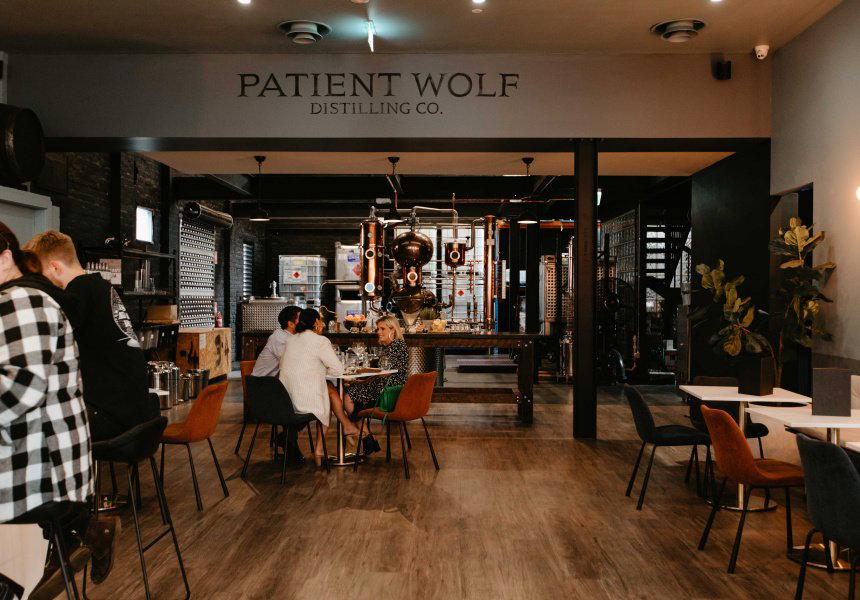
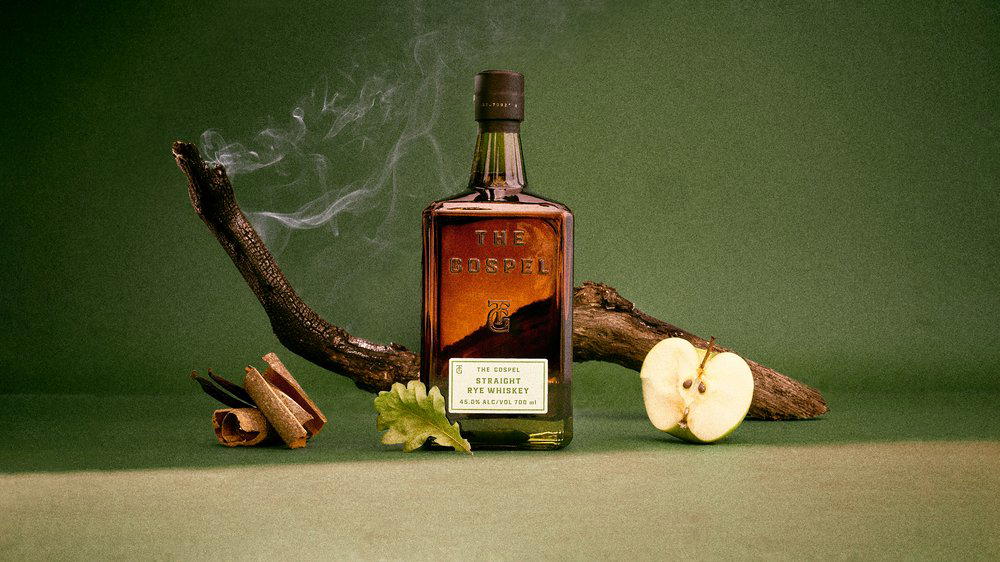
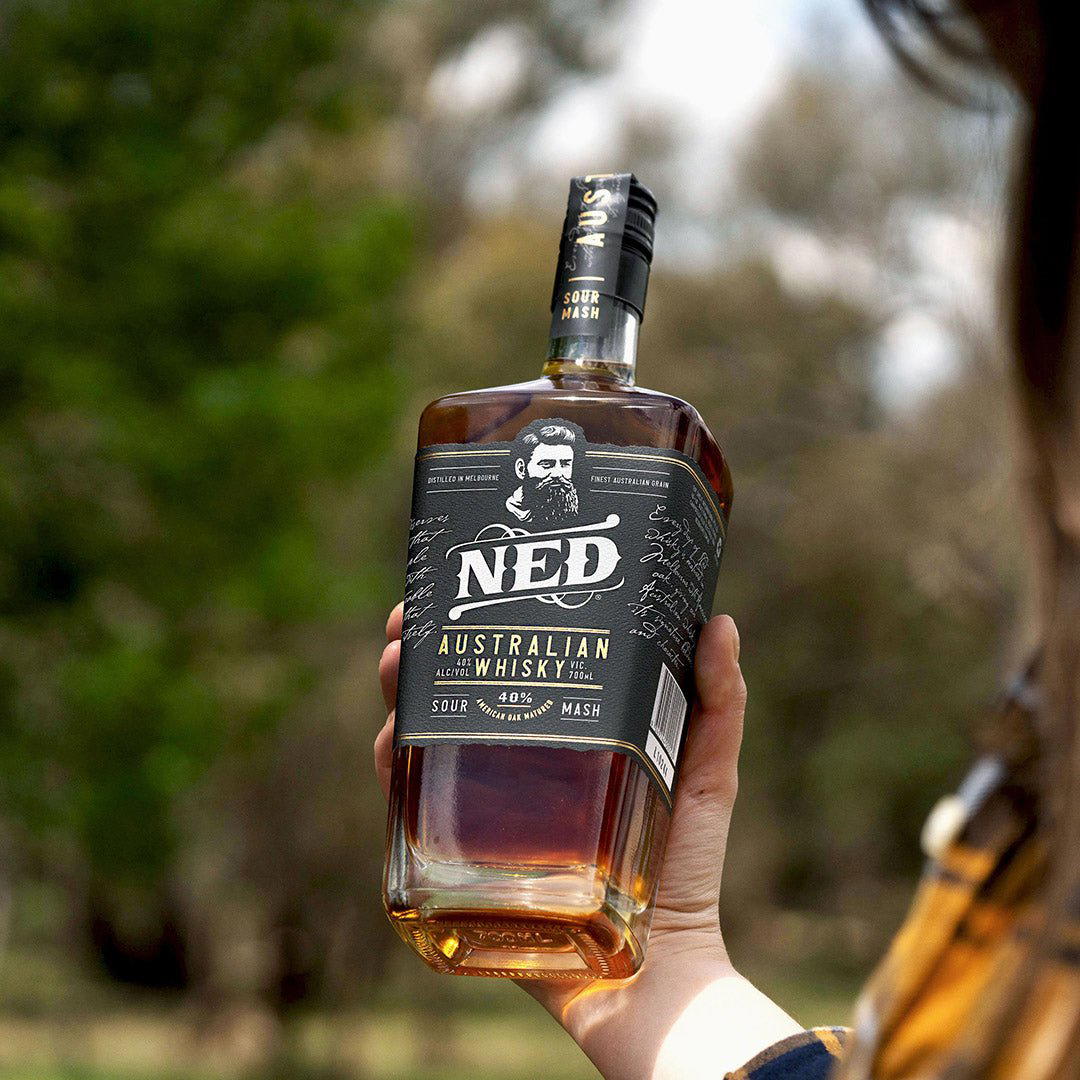
Bakery Hill occupies a specific position within Melbourne's distilling cohort. Several producers in the city operate across a spectrum from gin-forward to whisky-specialist, and the comparable set matters for understanding where Bakery Hill sits. Starward Distillery has pursued scale and international distribution from its Port Melbourne base, with wine cask maturation as its signature approach. Boatrocker Brewers and Distillers operates across beer and spirits with a Bayside presence. Patient Wolf Distilling Co has staked its identity on gin rather than matured spirits. The Gospel Distillers focuses on rye whiskey with an American-influenced programme, while Leading Shelf (Ned Whisky) pursues volume-oriented production at the accessible price tier.
Bakery Hill's 2025 Pearl 2 Star Prestige recognition places it among a smaller cohort of Victorian producers where quality signals carry more weight than distribution footprint. That cohort includes some rural Victorian producers worth tracking alongside it: Blue Pyrenees Estate in the Pyrenees and Leading's Wines in Great Western both demonstrate how Victoria's inland regions produce spirits and wines with a cooler-climate character distinct from what the city's warehouses yield, offering useful reference points for understanding regional variation.
Australian Whisky in the Broader Spirits Context
Australian single malt has moved from novelty to a recognised category in international competition over the past fifteen years. Early producers spent considerable effort establishing that the category existed at all; more recent entrants, and established producers releasing aged expressions, have shifted the conversation toward style differentiation and regional identity. Victoria has a credible claim to a distinct profile: the combination of local grain, variable humidity, and the prevalence of both ex-wine and ex-bourbon cask maturation creates a flavour range that doesn't map directly onto Scotch, Irish, or American whisky traditions.
Bass Phillip in Gippsland produces Pinot Noir that carries a cool-climate restraint specific to that microclimate, while All Saints Estate in Rutherglen makes fortified wines shaped by an entirely different ambient temperature regime. The parallel with whisky maturation is direct: where the spirit rests, and under what temperature conditions, is as determinative as what goes into the still.
International reference points include Aberlour in Aberlour, one of Speyside's benchmark single malt producers, whose approach to sherry cask finishing has influenced how many Australian producers think about secondary maturation. The comparison is useful not to suggest equivalence but to mark the intellectual debt and the deliberate departures that define the Australian style at its most considered.
Planning a Visit to Kensington
Bakery Hill Distillery sits at 411 Macaulay Road, Kensington VIC 3031, accessible from the city via the Craigieburn or Upfield train lines to Kensington station or by tram along Flemington Road. The surrounding neighbourhood rewards a longer visit: the inner-west has accumulated a density of wine bars, specialty roasters, and independent food producers that make Kensington and adjacent Flemington worth an afternoon rather than a single stop. For broader Melbourne planning, our full Melbourne restaurants guide maps the city's current hospitality geography in detail.
Visiting in the cooler months gives a useful reminder of the maturation conditions that shape the spirit, warehouse temperature in Melbourne winter is meaningfully different from summer, and producers at the serious end of the craft tier often have more to show and discuss when the contrast is obvious.
Continue exploring
More in Melbourne
Wineries in Melbourne
Browse all →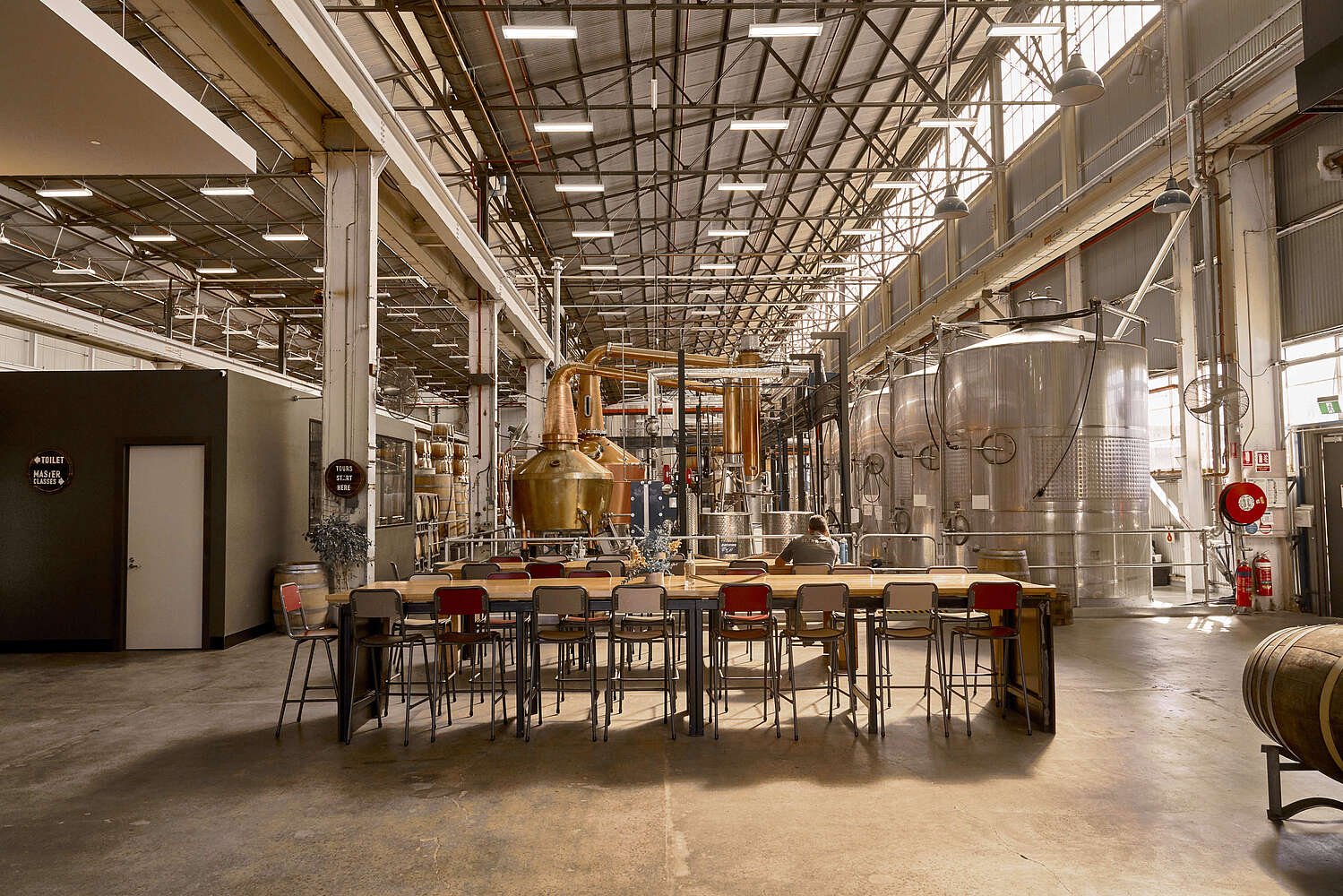
Bars in Melbourne
Browse all →
Restaurants in Melbourne
Browse all →

At a Glance
- Industrial
- Rustic
- Intimate
- Wine Education
- Group Outing
- Corporate Event
- Barrel Room
- Private Tasting
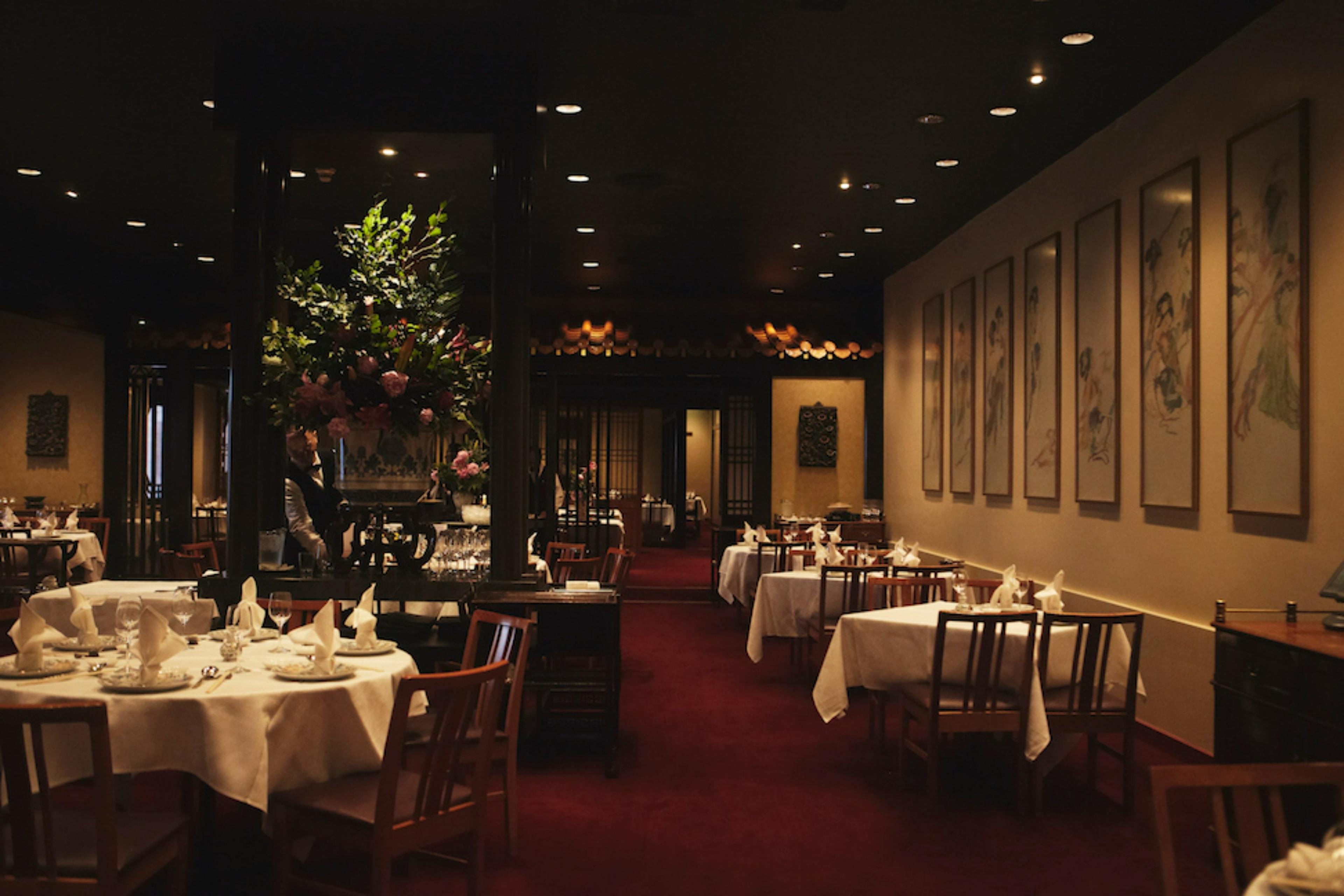
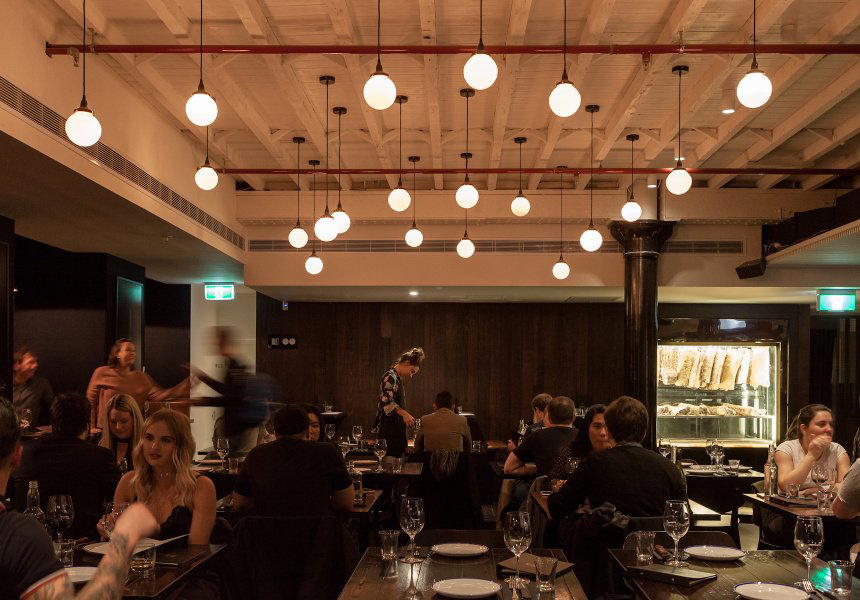
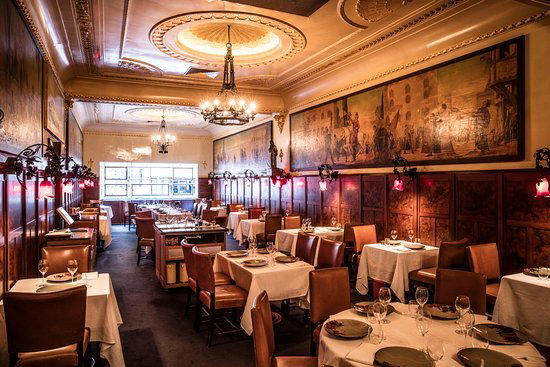
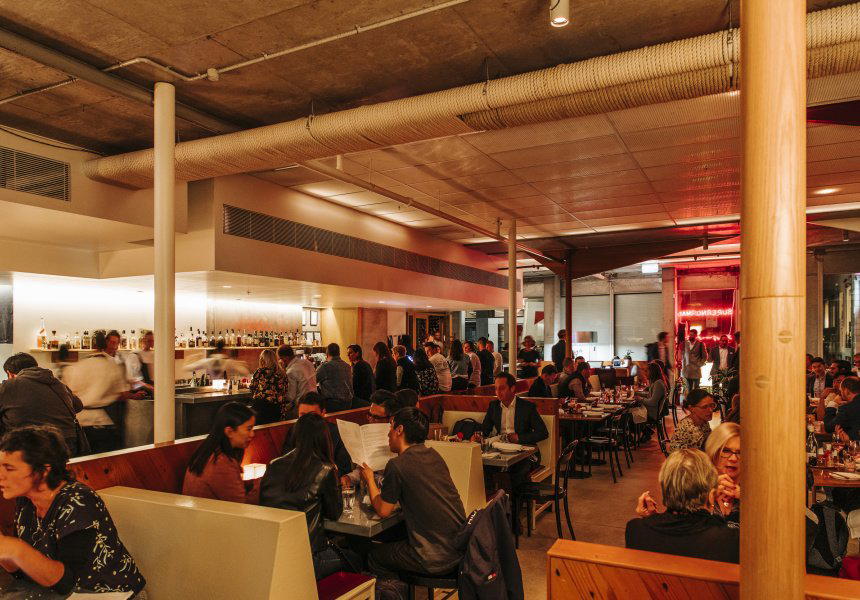
Vibrant and immersive atmosphere with a focus on craftsmanship and education during tours and tastings.