
Starward Distillery in Port Melbourne holds a Pearl 2 Star Prestige rating (2025), placing it among Australia's most recognised whisky producers. Operating from a working distillery on Bertie Street, Starward has built its reputation around using Australian wine barrels for maturation, a technique that positions it within a small peer group nationally and draws comparison with Scotch-lineage houses internationally.
 Discover on Pearl
Pearl is the En Primeur Club membership app — saves, bookings, and concierge access live there. Same editors, same standards.
- Address
- 50 Bertie St, Port Melbourne VIC 3207
- Phone
- +61 3 9005 4420
- Website
- starward.com.au
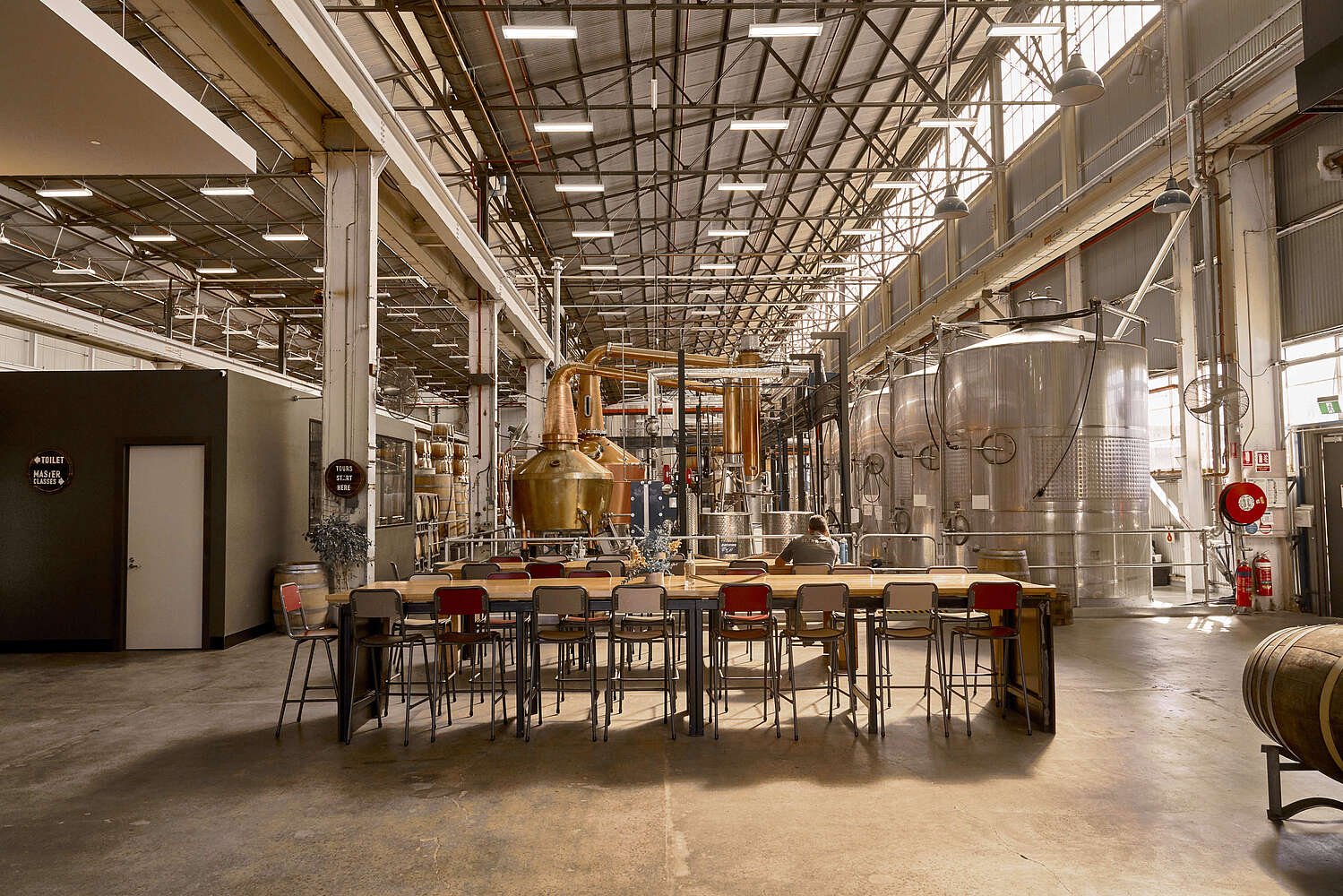
Port Melbourne's Industrial Edge and the Whisky That Grew From It
The approach to Bertie Street in Port Melbourne tells you something about Australian whisky's trajectory over the past decade. Starward Distillery occupies this terrain deliberately. The physical environment, warehouses, port infrastructure, and salt air off the bay are part of what the spirit becomes. Australian whisky's defining characteristic has never been landscape in the Highland or Speyside sense, but it carries geography in a different register: the vineyards that supply the barrels, the climate that accelerates maturation, and the urban settings where many of its leading producers have chosen to work.
That context matters when you arrive at 50 Bertie St. What you encounter is not a curated pastoral tableau but the actual apparatus of whisky-making in a city that has become one of the more consequential addresses in Southern Hemisphere spirits production.
Wine Barrels and the Logic of Australian Maturation
The technique that defines Starward's output connects directly to Australia's wine industry rather than its whisky heritage, which is comparatively young. Maturation in Australian red wine barrels, specifically from regions that produce full-bodied, deeply extracted reds, imparts colour and flavour profiles that diverge sharply from Scotch or American bourbon tradition. The climate does the rest: Melbourne's temperature swings between seasons drive higher interaction between spirit and wood than the steadier conditions of Scotland, compressing maturation timelines and producing whisky that drinks with more immediate character than age statements alone would suggest.
This barrel approach situates Starward within a broader conversation about what Australian whisky is allowed to be. The country has no equivalent of Scotland's protected geographical indications for whisky style, which creates both freedom and the challenge of defining identity. The producers that have resolved that question most convincingly have done so by leaning into local wine culture as the connective tissue. Starward is among the clearest examples of that strategy, and its Pearl 2 Star Prestige recognition in 2025 reflects how seriously that approach is now taken within the premium tier of spirits evaluation.
For visitors arriving from international wine regions, the parallel is instructive. Just as All Saints Estate in Rutherglen draws on Victoria's fortified wine tradition, or Bass Phillip in Gippsland expresses a specific cold-climate terroir through Pinot Noir, Starward expresses geography through the secondary medium of the barrel. The spirit's character is, in part, a record of Australian viticulture.
Melbourne's Distillery Tier: Where Starward Sits
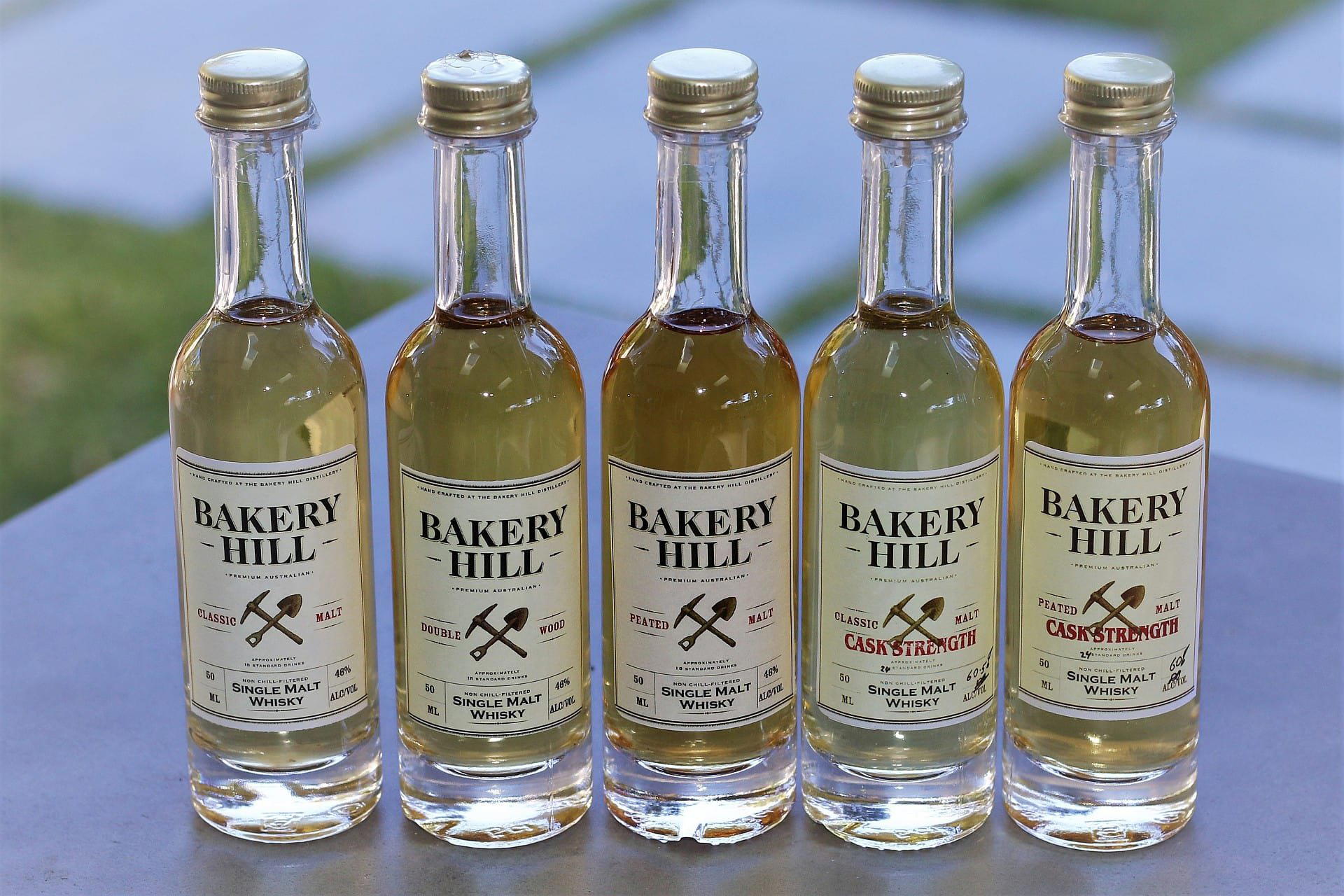
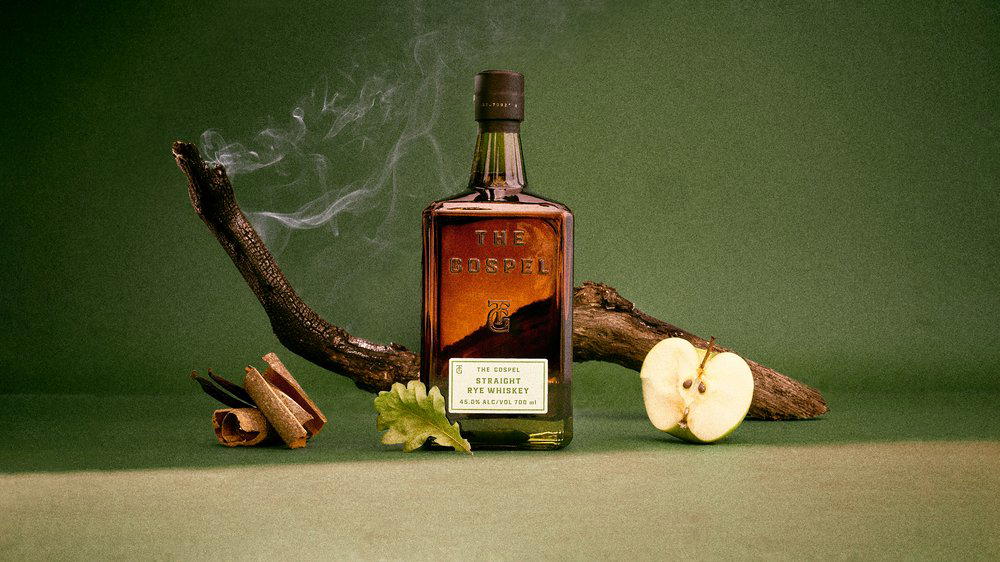
Melbourne has developed a credible cluster of independent distilleries over the past fifteen years, and Starward operates in the upper tier of that group by recognition and distribution scale. Bakery Hill Distillery works a more Scottish-influenced register with single malts that have attracted their own following among purists. Patient Wolf Distilling Co focuses on gin rather than whisky, occupying a different product niche entirely. Boatrocker Brewers and Distillers bridges the craft beer and spirits categories, while The Gospel Distillers works an American rye-influenced style. Leading Shelf (Ned Whisky) targets volume at a lower price point.
What distinguishes the Starward position within this comparable set is the combination of export presence and the 2025 Pearl 2 Star Prestige rating, which places it in a tier where the comparison is less about Melbourne competitors and more about Australian whisky broadly, and by extension, the international premium single malt category. The two represent the clearest markers of what the Australian premium spirits category looks like in 2025.
The Sense of Place at Bertie Street
Visitors who arrive expecting a pastoral or winery-style setting will need to recalibrate. The interest at Bertie Street is industrial in character, and that is appropriate to the product. Whisky maturation in an urban environment operates on the same principles as anywhere else: the barrels sit and breathe, the temperature swings do their work, and the spirit that emerges carries the memory of both the grain and the wood. What the site offers that a rural distillery cannot is immediacy to the city's hospitality infrastructure. Port Melbourne sits within direct reach of the CBD, and the distillery experience can anchor a broader day that includes the restaurant and bar programming Melbourne does particularly well.
The seasonal consideration worth noting is that Melbourne's climate, specifically the temperature differential between summer and winter, is not incidental to the product. It is the mechanism. Summer heat in Victoria pushes maturation forward at a rate that would be unusual in Scotland, which is why Starward releases whisky with developed character at ages that would produce quite different results in a cooler, more stable environment. Visiting in summer gives that context a physical register you do not get from reading tasting notes.
Planning Your Visit
Starward Distillery is located at 50 Bertie St, Port Melbourne VIC 3207, close enough to the CBD to combine with other Melbourne programming. Those wanting to extend into Victorian wine country can move east to Bass Phillip in Gippsland or west toward Leading's Wines in Great Western and Blue Pyrenees Estate in the Pyrenees, all of which produce wine from the same Victorian wine culture that supplies Starward's barrels. That continuity of reference gives the visit more dimension than a standalone distillery stop would suggest.
For comparative context outside Australia, the barrel-maturation approach at Starward draws useful contrast with traditional Scotch houses such as Aberlour in Speyside, where sherry cask finishing has long been the secondary-wood tradition. The principle is related; the results are distinct. International visitors who know Speyside or Napa-production contexts, like those who follow Accendo Cellars in St. Helena or Bird in Hand in the Adelaide Hills, will find the comparison between wine-barrel influence in whisky and barrel-fermentation influence in wine a productive lens for reading what Starward produces.
And for those tracking the South Australian angle of Australian wine and spirits culture, Angove Family Winemakers in Renmark provides useful context on the Riverland wine production that intersects with Australian spirits maturation at the industrial scale.
Continue exploring
More in Melbourne
Wineries in Melbourne
Browse all →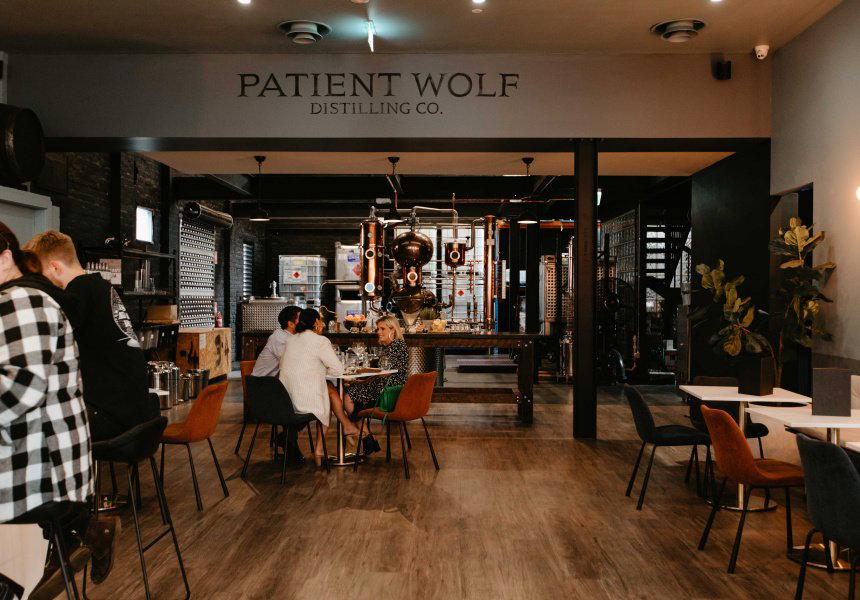

Bars in Melbourne
Browse all →
Restaurants in Melbourne
Browse all →
At a Glance
- Modern
- Trendy
- Industrial
- Lively
- Group Outing
- Wine Education
- Celebration
- Barrel Room
- Historic Building
- Sustainable
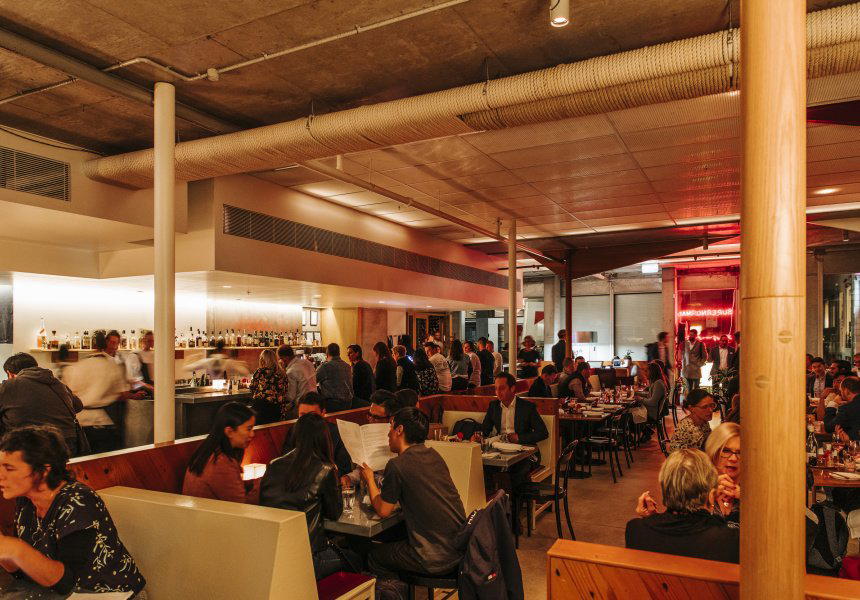
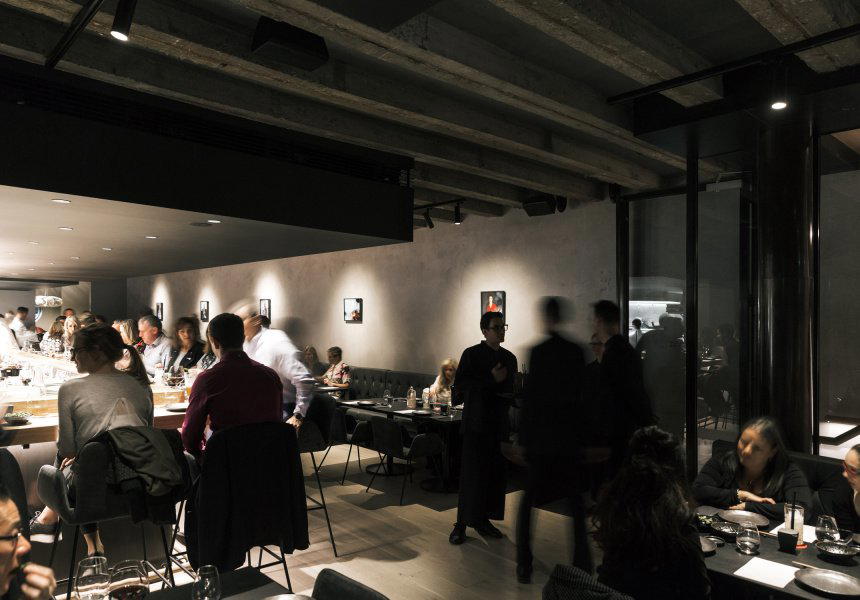
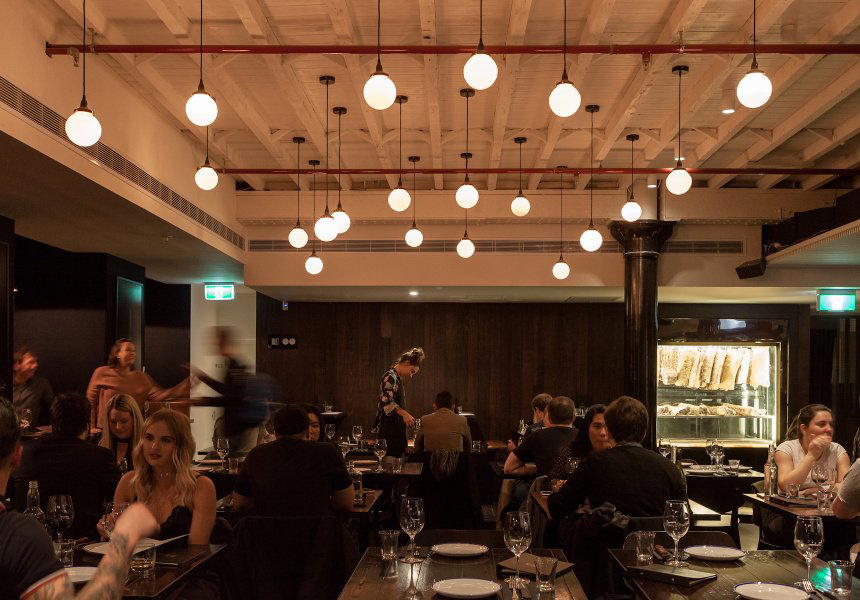
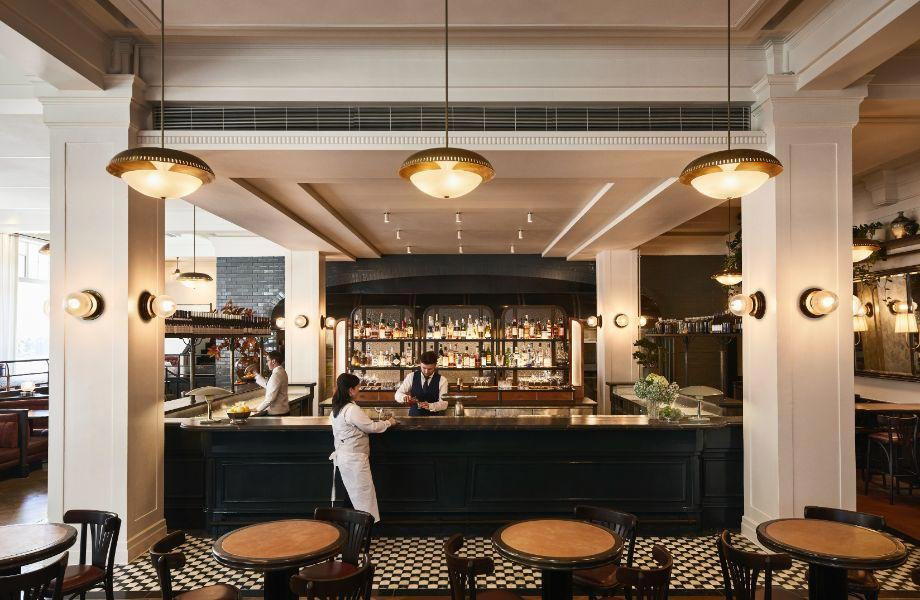
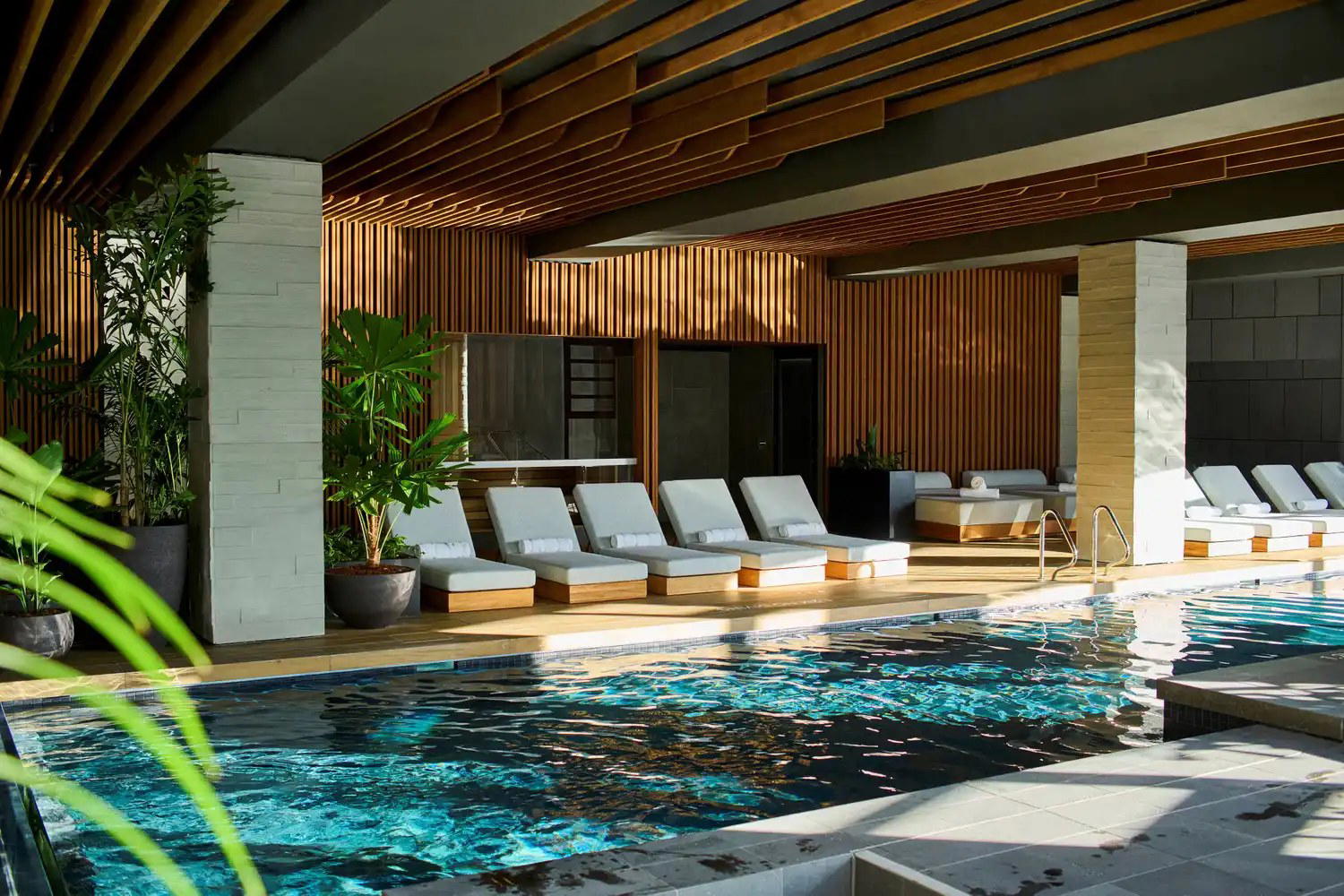
Trendy-industrial chic with sleek bar, indoor plants, views of active stills, spacious and welcoming atmosphere.