

Kisumé holds a 3-Star Accreditation from the World of Fine Wine & Lifestyle Awards and occupies a prominent position on Flinders Lane, Melbourne's most concentrated strip of serious dining. The restaurant operates across multiple levels, combining Japanese-inflected technique with a kitchen format serious enough to draw comparison with the city's top European and modern Australian programs.
Pearl is the En Primeur Club membership app — saves, bookings, and concierge access live there. Same editors, same standards.
- Address
- 175 Flinders Ln, Melbourne VIC 3000, Australia
- Phone
- +61 3 9671 4888
- Website
- kisume.com.au
- Directions
- Get directions
 Saves & bookings on Pearl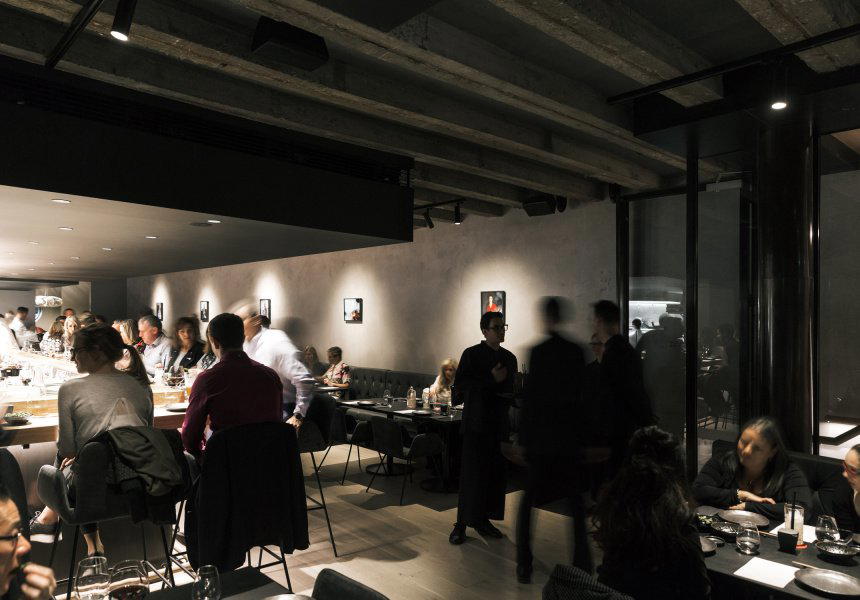
Flinders Lane and the Tier It Occupies
Flinders Lane has been Melbourne's most competitive dining address for at least two decades. The street runs parallel to the Yarra and collects an unusual density of restaurants that price and perform at a level where comparison with Sydney, Tokyo, and London is not unreasonable. Kisumé, at number 175, sits toward the upper end of that address hierarchy: a multi-level venue holding a 3-Star Accreditation from the World of Fine Wine & Lifestyle Awards, a credential that places it alongside a small comparable set of Australian restaurants recognised for program depth rather than casual accessibility. For context on how competitive this block is, consider that Flower Drum (Cantonese) has anchored nearby since 1975, and newer arrivals like Aru Melbourne are applying pressure from below. Kisumé's positioning is deliberate and its competitive set is narrow.
The Arc of the Meal: How the Experience Sequences
Japanese-influenced fine dining in Australia has matured considerably since the early 2000s, when the category was largely defined by sashimi platters and tempura in hotel dining rooms. The better operations now approach meal structure the way serious European kitchens do: as a sequenced argument, where early courses establish a logic that later courses resolve. Kisumé operates within that tradition. The venue spans multiple floors, and the progression through the room parallels the progression through a menu, entry-level interaction gives way to something more deliberate and controlled as you move deeper into the experience.
The tasting progression format at venues of this calibre typically moves through four to six broad arcs: something light and acidic to calibrate the palate, then raw or lightly treated protein, a mid-sequence of more intensely seasoned or cooked dishes, and a close that shifts register entirely. At restaurants holding 3-Star recognition from wine-focused award bodies, the beverage pairing is not incidental, it is part of the argument, with each pour timed to a specific moment in the culinary sequence rather than simply offered as an upgrade. That integration of kitchen and cellar is one of the markers separating this tier from the broader category. For comparable sequencing discipline in the Australian context, Attica (Australian Modern) and Brae in Birregurra operate with similar arc-driven logic, though their ingredient vocabularies and cultural references differ significantly from Kisumé's Japanese-inflected approach.
What the Physical Space Communicates
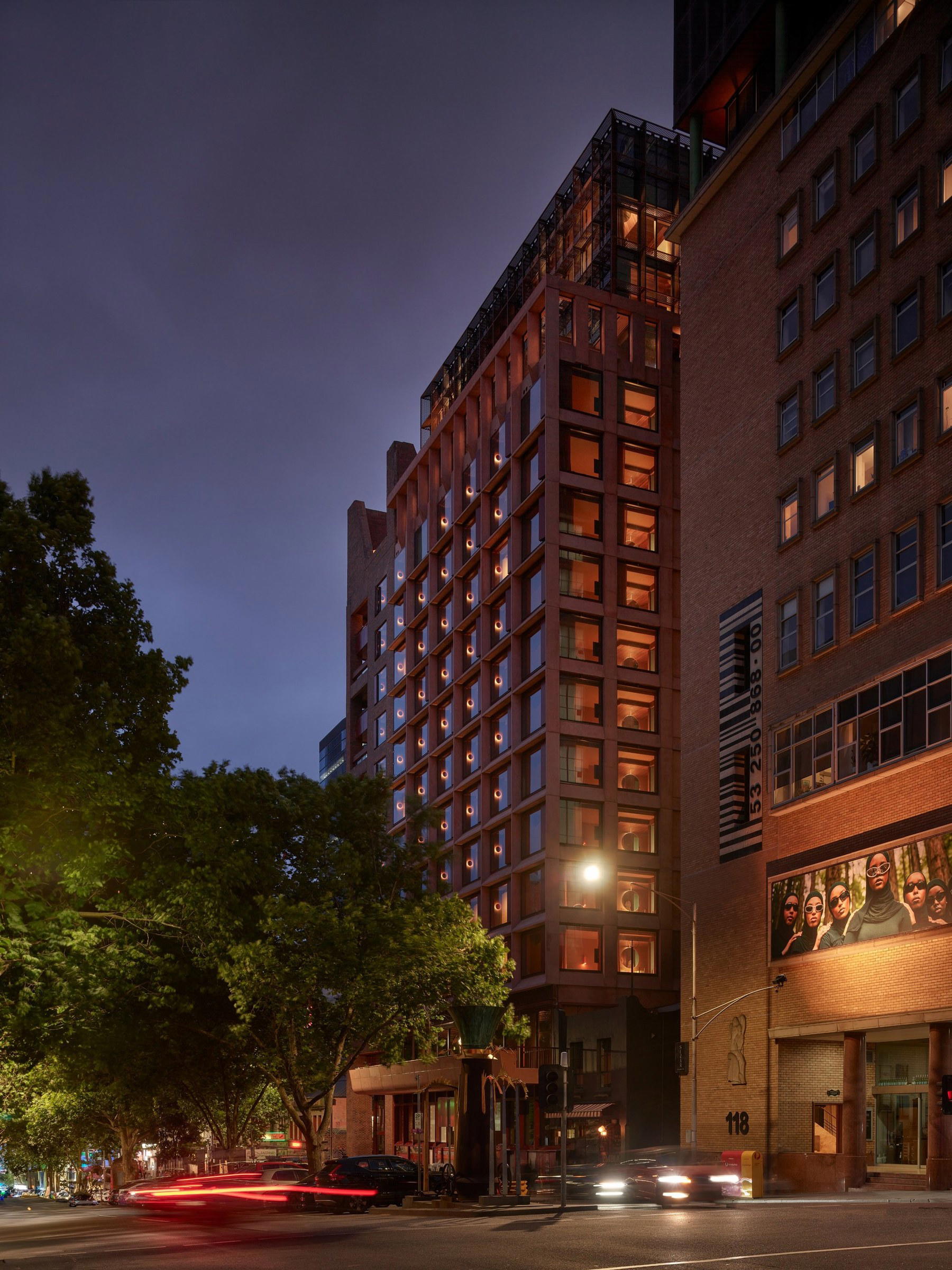
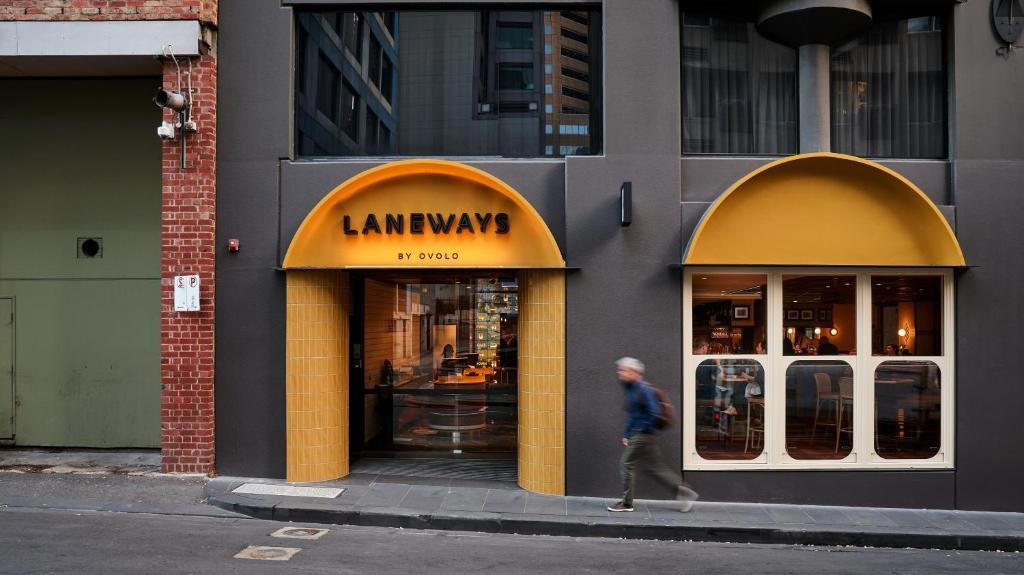
Approaching 175 Flinders Lane from the street, the building gives little away. This is consistent with a particular school of Melbourne hospitality design: understated exteriors that defer all drama to the interior, a strategy that rewards those who already know and slightly disorients those who don't. Inside, the architecture does deliberate work. The layout across levels creates a hierarchy of spaces that maps loosely onto formality and intimacy, with lower floors typically operating as accessible bar or lounge formats and upper levels reserving the more considered dining experience. This spatial grammar is common to Melbourne's leading multi-level venues and functions as a kind of editorial choice: you can engage with the restaurant at whatever register suits the evening, though the full argument is only made at the summit of the building.
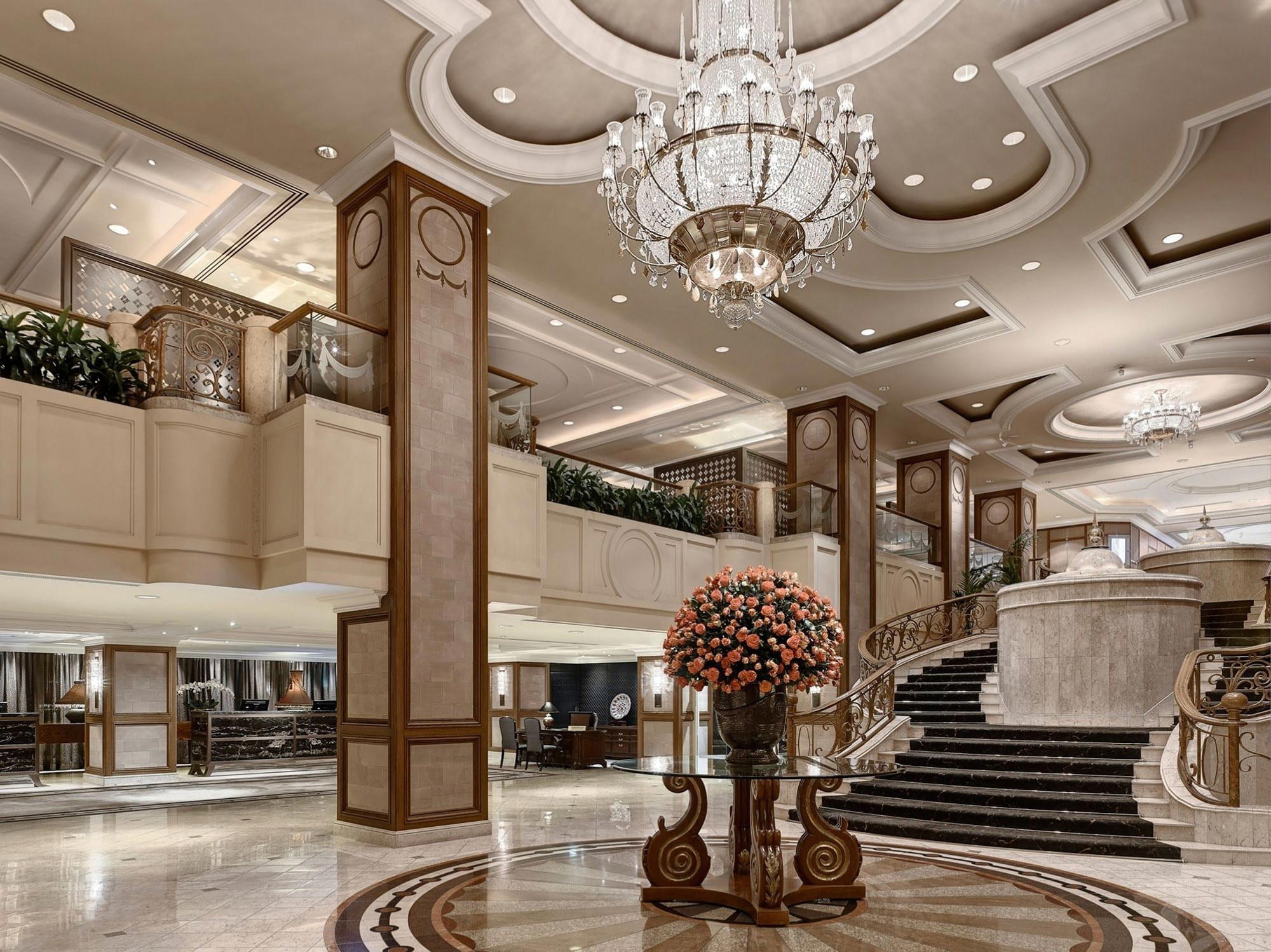
The materials and lighting at venues of this category in Melbourne tend toward restraint, avoiding the maximalist finishes of hotel dining rooms and the studied roughness of casual Japanese izakayas. The middle position, clean precision with warmth in the service and the tableware, is where Kisumé situates itself. That positioning is appropriate for a program receiving international wine-focused recognition, where the room is expected to serve the food rather than compete with it.
Melbourne's Japanese Fine Dining Tier: Where Kisumé Fits
Australian cities have developed their own version of Japanese fine dining that differs from both the Tokyo omakase tradition and the pan-Asian fusion category that peaked in the 2000s. The local variant tends to incorporate Australian produce, sometimes explicitly, sometimes in the background, while maintaining Japanese technique as the primary organising principle. The price and ambition of this tier in Melbourne has risen sharply over the past decade, with the upper bracket now performing against international comparators rather than domestic ones. Kisumé's 3-Star World of Fine Wine & Lifestyle Accreditation situates it within that international-facing tier, alongside operations like Saint Peter in Sydney, which occupies an analogous position in the Australian premium seafood category, recognised internationally, priced accordingly, and designed for guests who travel specifically to eat rather than eating opportunistically while travelling.
The contrast with mid-market Melbourne Japanese dining is instructive. Venues like 48h Pizza e Gnocchi Bar and 400 Gradi in Brunswick East serve different purposes and different demographics, and the gap between those operations and a 3-Star-accredited venue on Flinders Lane is not merely one of price but of structural ambition and sequencing philosophy. The latter category is asking you to give it your full attention for two to three hours.
The Wine Program and Its Significance
A 3-Star Accreditation from the World of Fine Wine & Lifestyle Awards is specifically a wine-program credential, not a general dining award. That matters because it sets Kisumé apart from Melbourne fine dining venues that hold culinary recognition without corresponding cellar depth. The award signals that the list is serious enough to be assessed against international peer programs, that it demonstrates depth across regions and vintages, and that the team can construct beverage pairings that complement a complex tasting sequence. For those visiting Melbourne specifically to eat and drink at the highest available level, this credential places Kisumé on a short shortlist.
Planning Your Visit
Kisumé is at 175 Flinders Lane, Melbourne, in the CBD core, a short walk from Flinders Street Station and easily reached from most inner-city hotels. For accommodation context, maps the city's property tier relevant to this dining category. Reservations at venues of this tier in Melbourne typically require advance planning; the 3-Star accreditation and the restaurant's standing in the local market mean demand is consistent year-round, with weekends and the peak summer dining season (December through February) filling earliest. Bottarga offers a useful contrast in culinary register, and Amaru in Armadale adds another perspective on Melbourne's fine dining geography. The venue's address in the CBD core also means proximity to Melbourne's wine bar and sommelier-led drinking scene, detailed in
Comparable Options
Comparable venues nearby, for context on price, style, and recognition.
| Venue | Cuisine | Price | Notes |
|---|---|---|---|
| KisuméThis venue — the venue you are viewing | Sophisticated Modern Japanese | $$$$ | Not listed |
| Victor Churchill | Modern Australian Steakhouse | $$$$ | Armadale |
| Centonove | Contemporary Italian | $$$$ | Kew |
| Maison Bâtard | Modern French Brasserie | $$$$ | Melbourne |
| Grill Americano | Modern Italian Grill | $$$$ | Melbourne |
| Yiaga | Modern Australian tasting menu | $$$$ | East Melbourne |
Recognition history
Dated appearances from independent guides and award organizations, with the underlying list record or original source where available.
Wine Spectator Best of Award of Excellence
Wine Spectator
World's Best Wine Lists Awards WBWL 3-Star
World's Best Wine Lists Awards
World's Best Wine Lists Awards WBWL 3-Star
World's Best Wine Lists Awards
World's Best Wine Lists Awards WBWL 3-Star
World's Best Wine Lists Awards
Continue exploring
More in Melbourne
Restaurants in Melbourne
Browse all →
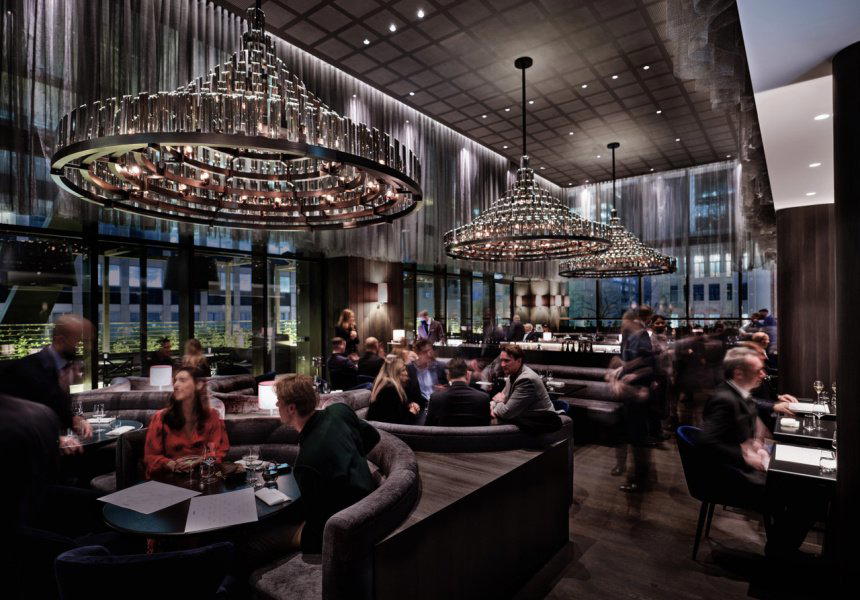
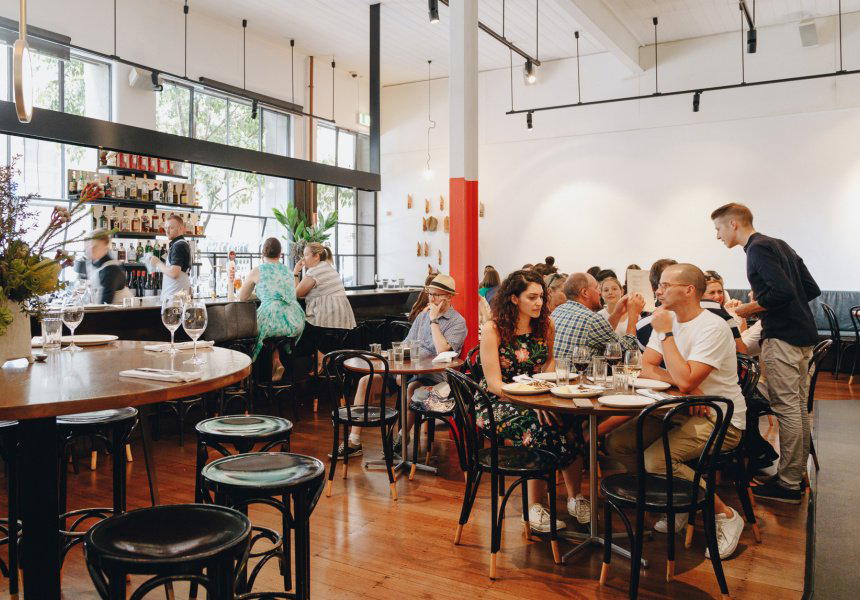
Bars in Melbourne
Browse all →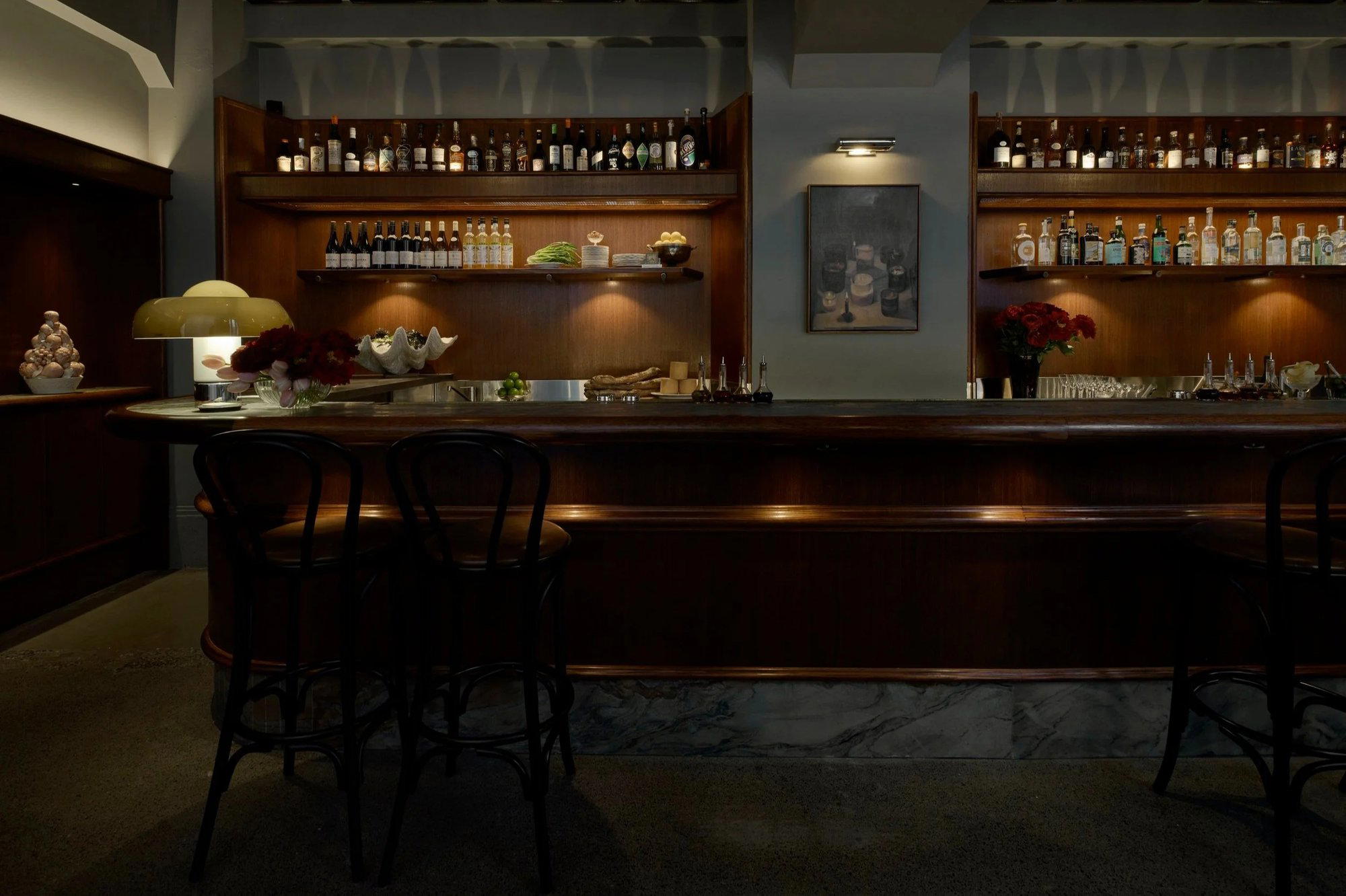
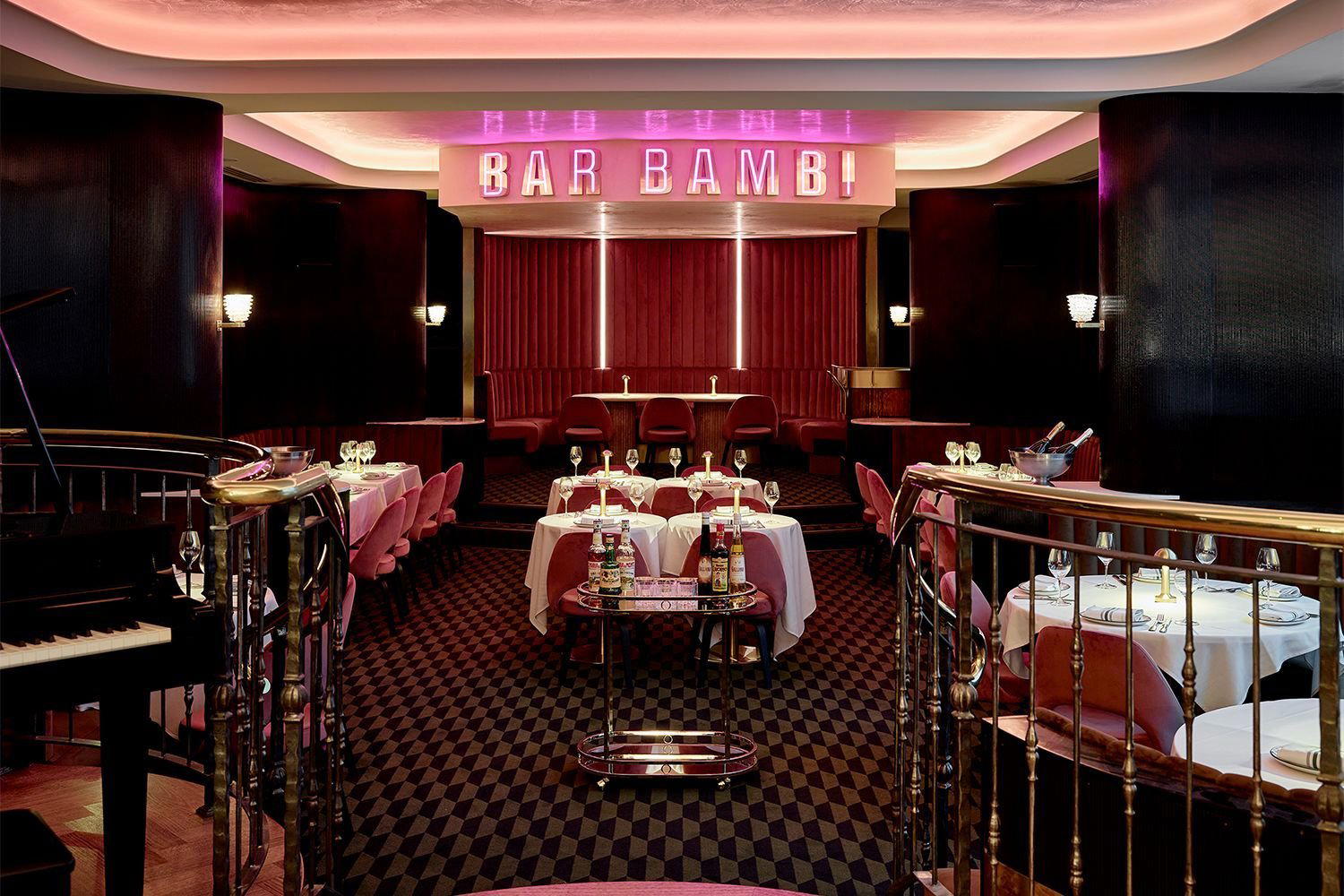
Hotels in Melbourne
Browse all →
At a Glance
- Trendy
- Sophisticated
- Elegant
- Modern
- Date Night
- Special Occasion
- Business Dinner
- Chefs Counter
- Private Dining
- Open Kitchen
- Extensive Wine List
- Sake Program
- Craft Cocktails
Current opening hours
- Monday
- 5–11 PM
- Tuesday
- 12–3 PM, 5–11 PM
- Wednesday
- 12–3 PM, 5–11 PM
- Thursday
- 12–3 PM, 5–11 PM
- Friday
- 12–3 PM, 5–11 PM
- Saturday
- 12–3 PM, 5–11 PM
- Sunday
- 12–3 PM, 5–11 PM
Hours can change for holidays and private events. Last verified .
Warm, intimate atmosphere with sharp design, brass details, and bustling energy from open kitchens.