
Michelin Selected · Mr & Mrs Smith Seal of Approval
QT Melbourne occupies a converted heritage building on Russell Street, positioning itself within Melbourne's design-led hotel tier rather than the city's international chain segment. The property's theatrical interiors and CBD address place it alongside boutique-leaning alternatives to the Grand Hyatt and Crown Towers circuits, at a noticeably different register of hospitality.

Pearl is the En Primeur Club membership app — saves, bookings, and concierge access live there. Same editors, same standards.
- Address
- 133 Russell St, Melbourne VIC 3000, Australia
- Phone
- +61 3 8636 8800
- Website
- qthotels.com
- Directions
- Get directions
Russell Street and the Design Hotel Divide
Melbourne's CBD hotel market has split into two reasonably distinct camps: large international flags anchored around the Southbank and Collins Street corridors, and a smaller set of character-driven properties that use architecture and interior programming to compete on atmosphere rather than scale. QT Melbourne, at 133 Russell Street, belongs firmly to the second group. The address places it in the eastern CBD, within walking distance of the theatre district and Federation Square, in a building whose heritage shell is part of the offer rather than an obstacle to it.
That distinction matters when comparing options across the city. Properties like the Grand Hyatt Melbourne and Crown Towers Melbourne operate at scale, with large room counts, conference facilities, and the consistency that international flag status provides. QT's competitive argument is different: theatrical design language, a stronger sense of place, and an interior atmosphere that reads closer to a boutique property than a convention anchor. Travellers choosing between the two tiers are essentially choosing between predictable polish and considered idiosyncrasy.
The Interior Register: What You're Actually Walking Into
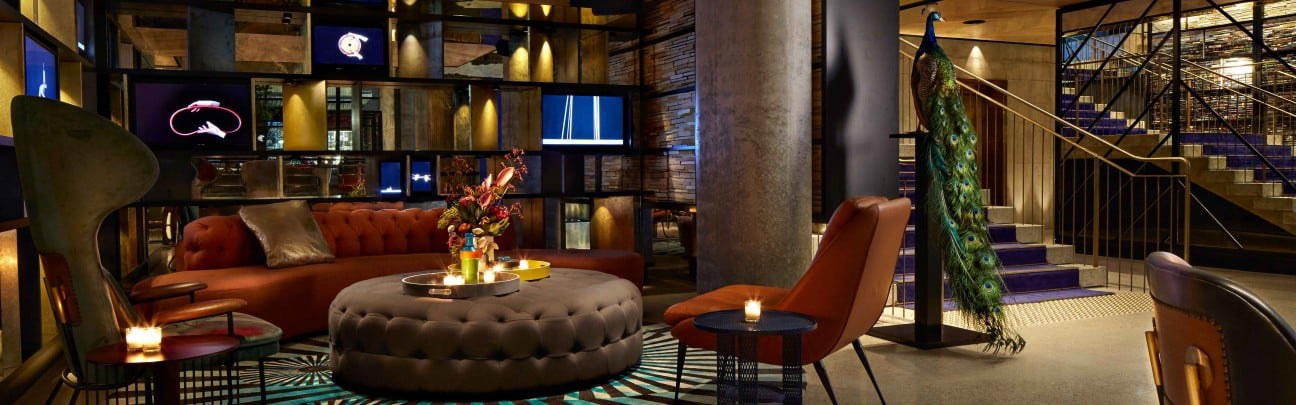
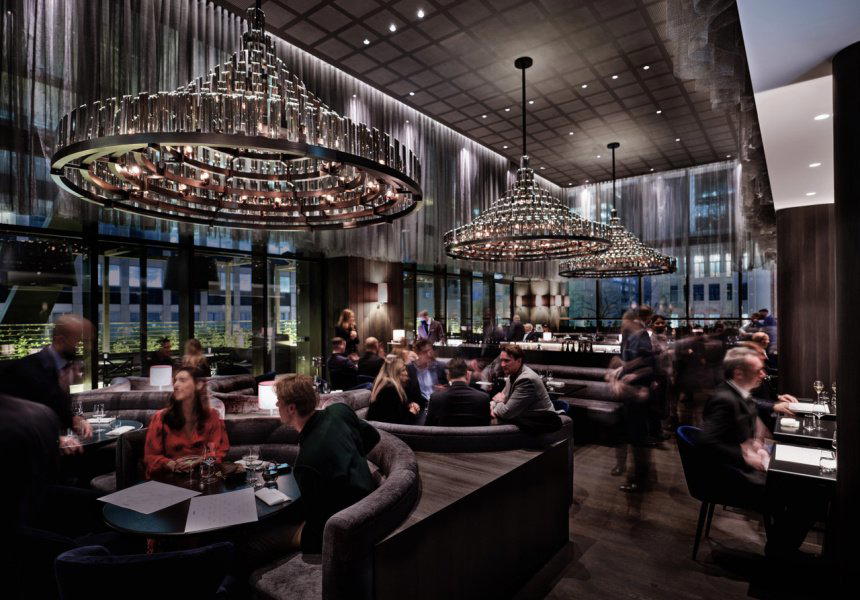
The QT brand has built its Australian footprint around a specific hospitality aesthetic: spaces that feel more like curated art environments than hotel lobbies, with dark materials, considered lighting, and a deliberate rejection of the neutral palettes that dominate mid-market international properties. The Melbourne outpost follows this template inside a converted heritage building, which means the theatrical interiors sit against the kind of structural bones that new builds can't replicate. Exposed architectural detail, high ceilings, and the physical history of the space provide a counterweight to the brand's more maximalist tendencies.
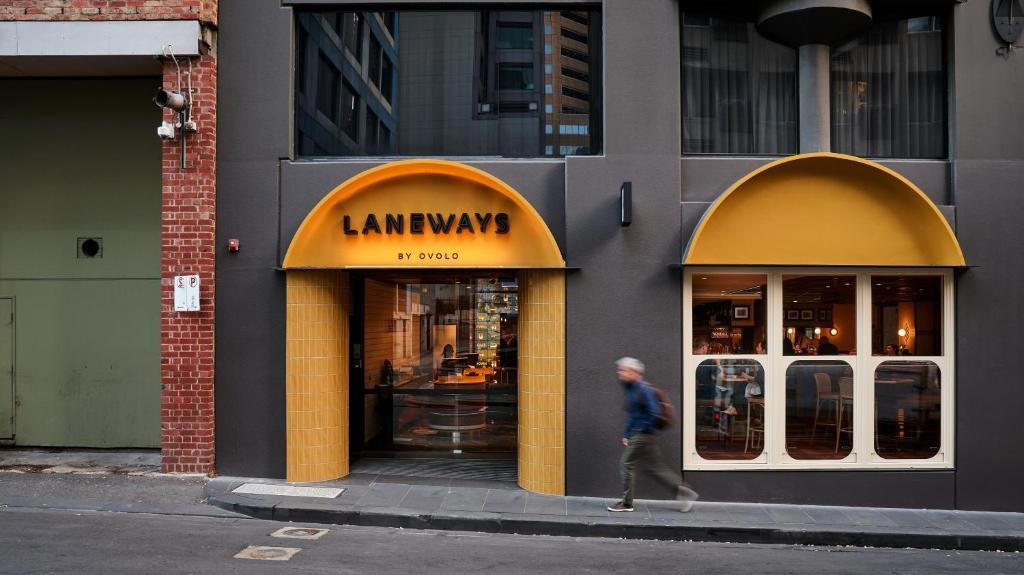
Across Australia's design-led hotel segment, this approach has become something of a marker. Properties like Laneways by Ovolo, Melbourne and Adelphi Hotel occupy adjacent territory, each using Melbourne's architectural stock as a foundation for a distinct interior identity. QT's version of this leans into drama and scale where Ovolo leans into laneway intimacy, and where Adelphi maintains a quieter, design-purist register.
Melbourne's Cultural Geography and the Russell Street Advantage
Australia's hotel culture has historically concentrated premium stays in waterfront or financial-district locations, but Melbourne's theatre and arts precinct around Russell Street and Spring Street has generated its own hospitality micro-climate. The Princess Theatre sits nearby, the Melbourne Theatre Company is a short walk, and the density of mid-century and Victorian-era buildings in this part of the CBD creates a streetscape that feels different from the glass-and-steel corridors further west.
For travellers orienting around arts programming or the restaurant strip along Bourke and Flinders Lane, a Russell Street address is operationally more convenient than Southbank alternatives. The walk to Melbourne's laneway coffee culture, to Chinatown on Little Bourke Street, and to the Federation Square arts cluster is measured in minutes rather than the longer transfers that waterfront properties require. This is the kind of locational intelligence that separates a stay from a logistics exercise.
Elsewhere in Australia, the design-led boutique tier has found strong footing in cities with similar cultural geography: The Calile in Brisbane anchors its appeal to the Fortitude Valley design district, and Capella Sydney leans into heritage conversion at a higher price point. QT Melbourne occupies the mid-tier of this national pattern, offering a comparable aesthetic sensibility at a more accessible entry price than the conversion flagships.
Planning a Stay: Timing, Booking, and Practical Context
Melbourne's hotel market tightens considerably during the Australian Open in January, the Formula 1 Grand Prix in March, the Melbourne Cup in early November, and during major arts festival periods through autumn. QT's Russell Street location sits close to both the Fitzroy Gardens and the Princess Theatre precinct, which means availability can compress quickly around major theatrical seasons as well as sporting events. Booking several weeks ahead for peak periods is standard practice across the city's design-led tier, and QT is no exception to that pattern.
Travellers arriving from interstate or internationally will typically come through Melbourne Airport at Tullamarine, approximately 23 kilometres northwest of the CBD. The SkyBus service connects the airport to Southern Cross Station in the city, from which the Russell Street address is a short taxi or rideshare transfer. The CBD's tram network, which remains free within the central city zone, makes movement between QT and Melbourne's major attraction corridors largely cost-free once you're on the ground.
For travellers considering the wider CBD hotel range, Melbourne Place, Pan Pacific Melbourne, and 1 Hotel Melbourne each represent distinct positions in the market. 1 Hotel operates at the sustainability-focused end of the design-hotel spectrum; Pan Pacific sits closer to the international business-travel tier. Leading Western Melbourne City Hotel serves the value-conscious end of the same neighbourhood. QT positions between the business flags and the sustainability-forward outliers, with the interior theatrics as its primary differentiator.
Beyond Melbourne, travellers building a broader Australian itinerary might consider pairing a QT stay with properties in adjacent regions: Lake House, Daylesford in the spa country 90 minutes northwest offers a complete tonal contrast, while The Tasman in Hobart provides heritage-conversion accommodation with a stronger fine-dining anchor. For those extending to wilderness territory, Southern Ocean Lodge in Kingscote and Wildman Wilderness Lodge in Marrakai sit at opposite ends of Australia's premium nature-lodgepole, each requiring a different kind of pre-planning than a CBD stay.
For a full account of where to eat and drink within walking distance of Russell Street, EP Club's Melbourne restaurants and hotels guide maps the city by neighbourhood and price tier.
Compact Comparison
A quick peer reference to anchor this venue in its category.
| Venue | Price | Awards |
|---|---|---|
| QT MelbourneThis venue — the venue you are viewing | Not listed | Michelin Selected · Mr & Mrs Smith Seal of Approval |
| Grand Hyatt Melbourne | $300–500 | Forbes Recommended |
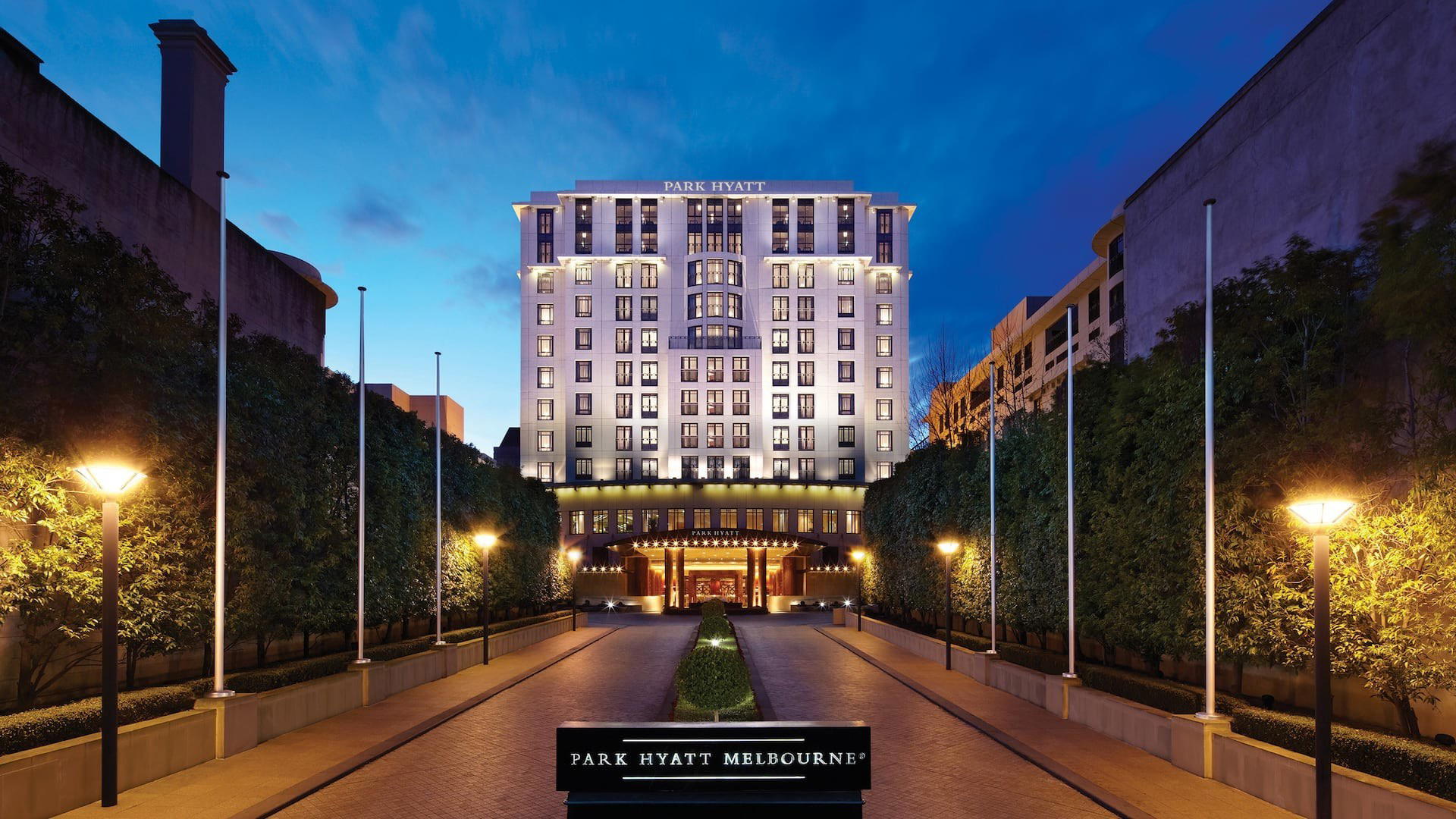
| Park Hyatt Melbourne | Not listed | Michelin Selected · La Liste Top Hotels |
| The Langham, Melbourne | Not listed | 1 Michelin Key · Forbes Recommended |
| 1 Hotel Melbourne | Not listed | 1 Michelin Key · Travel + Leisure It List Hotels |
| Crown Towers Melbourne | Not listed | La Liste Top Hotels · Virtuoso Luxury Hotel Partner |
Recognition history
Dated appearances from independent guides and award organizations, with the underlying list record or original source where available.
Michelin Selected
Michelin
Mr & Mrs Smith Seal of Approval
Mr & Mrs Smith
Continue exploring
More in Melbourne
Hotels in Melbourne
Browse all →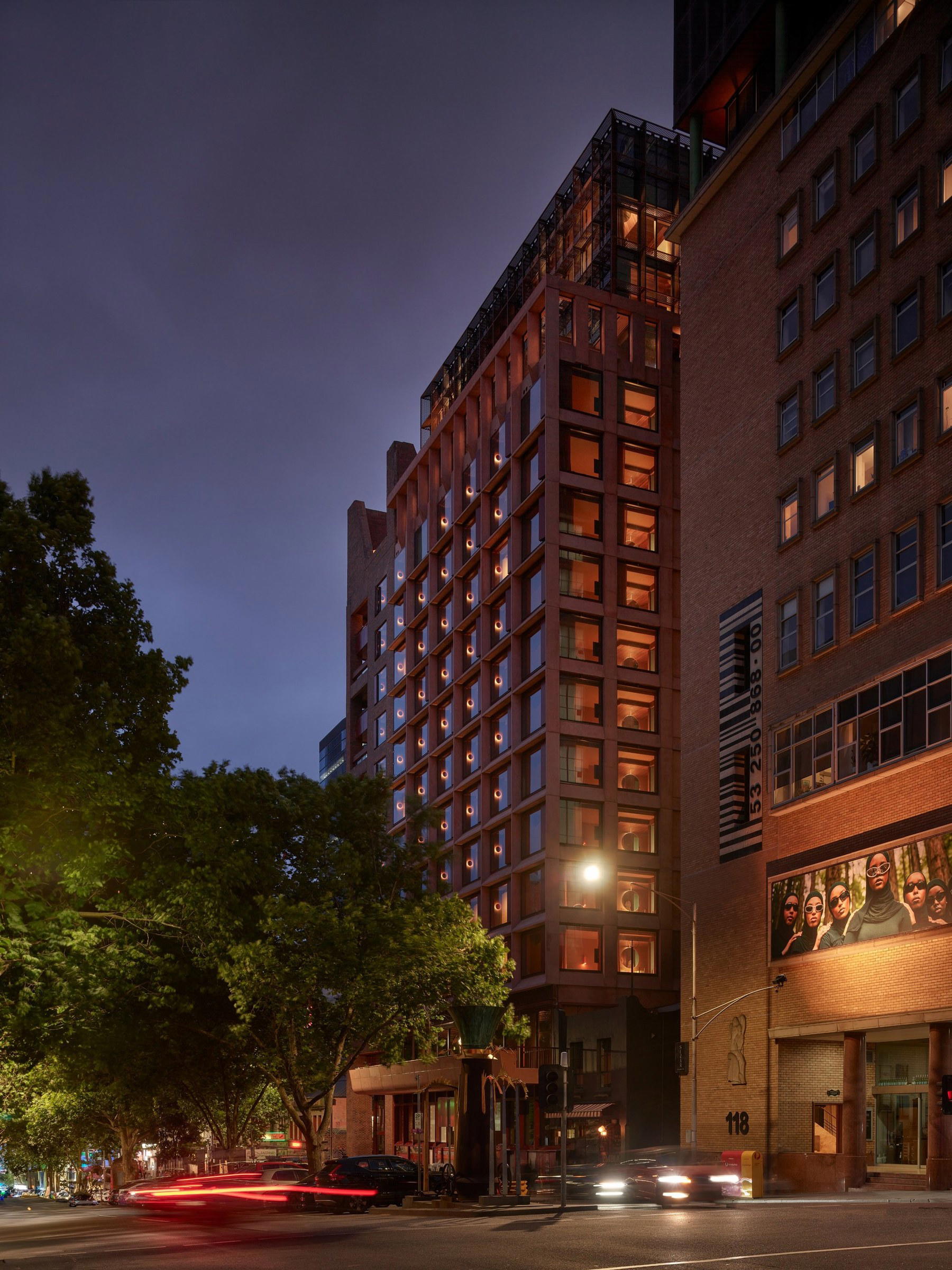
Bars in Melbourne
Browse all →
Restaurants in Melbourne
Browse all →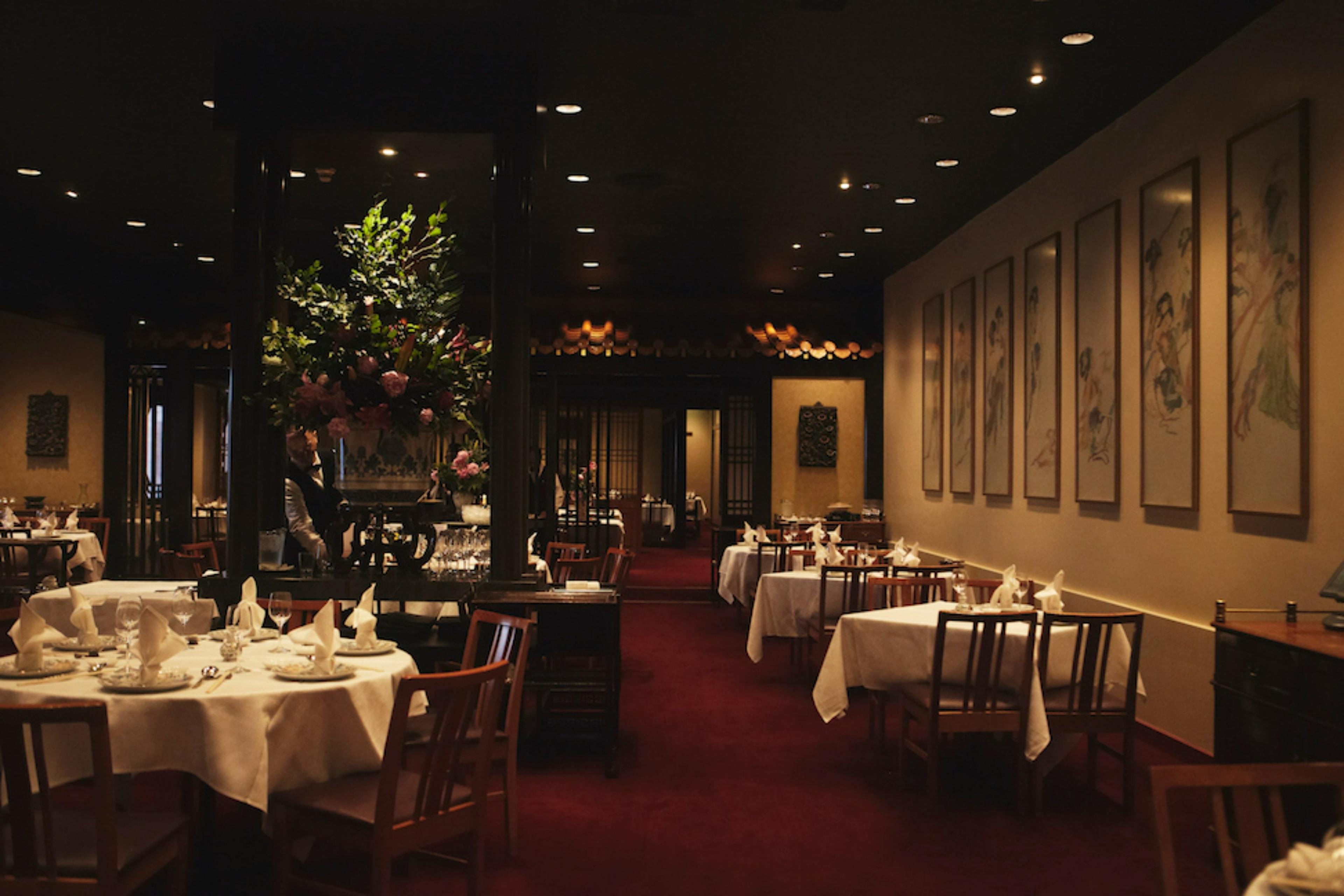
Details
- Trendy
- Sophisticated
- Modern
- Industrial
- Romantic Getaway
- Business Trip
- Weekend Escape
- Rooftop Pool
- Historic Building
- Design Destination
- Room Service
- Concierge
- Restaurant
- Skyline
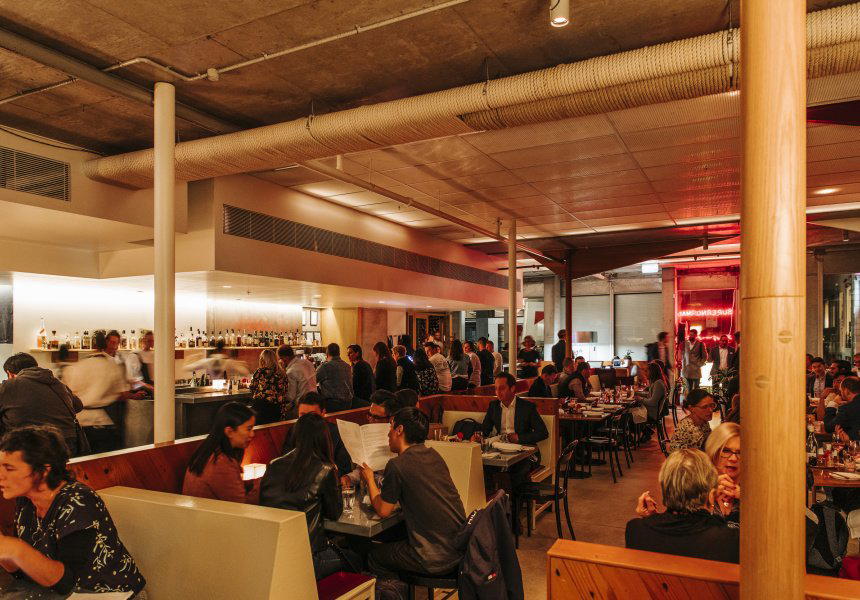
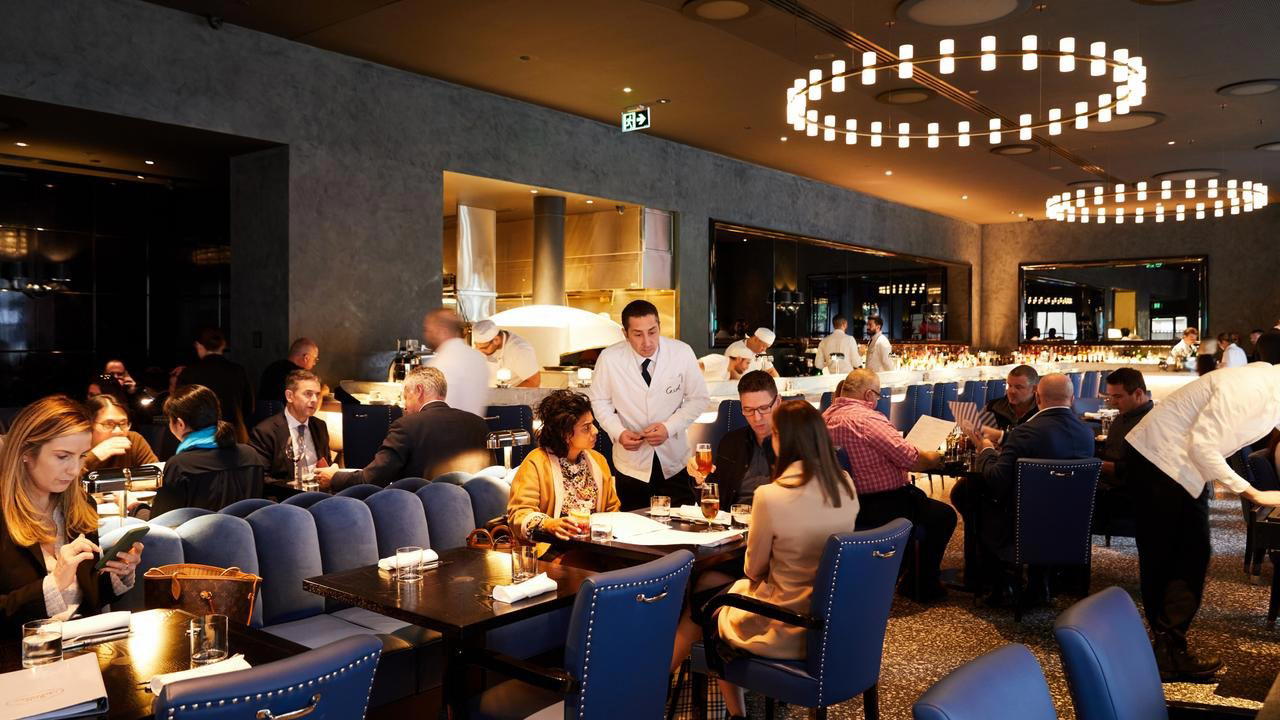
Moody, tactile atmosphere with low-lighting, velvet details, sculptural lighting, and eclectic contemporary art creating a sultry, sophisticated vibe.