
Design Hotels Member
On Flinders Lane in Melbourne's CBD, the Adelphi Hotel occupies a position among the city's more idiosyncratic boutique properties, with interiors conceived around the visual language of sweets and confectionery. The aesthetic is deliberate and committed, closer to an art installation than conventional hotel design, placing it in a distinct tier of design-led accommodation that prioritises character over category familiarity.

Pearl is the En Primeur Club membership app, where members save venues, book tables and use the concierge.
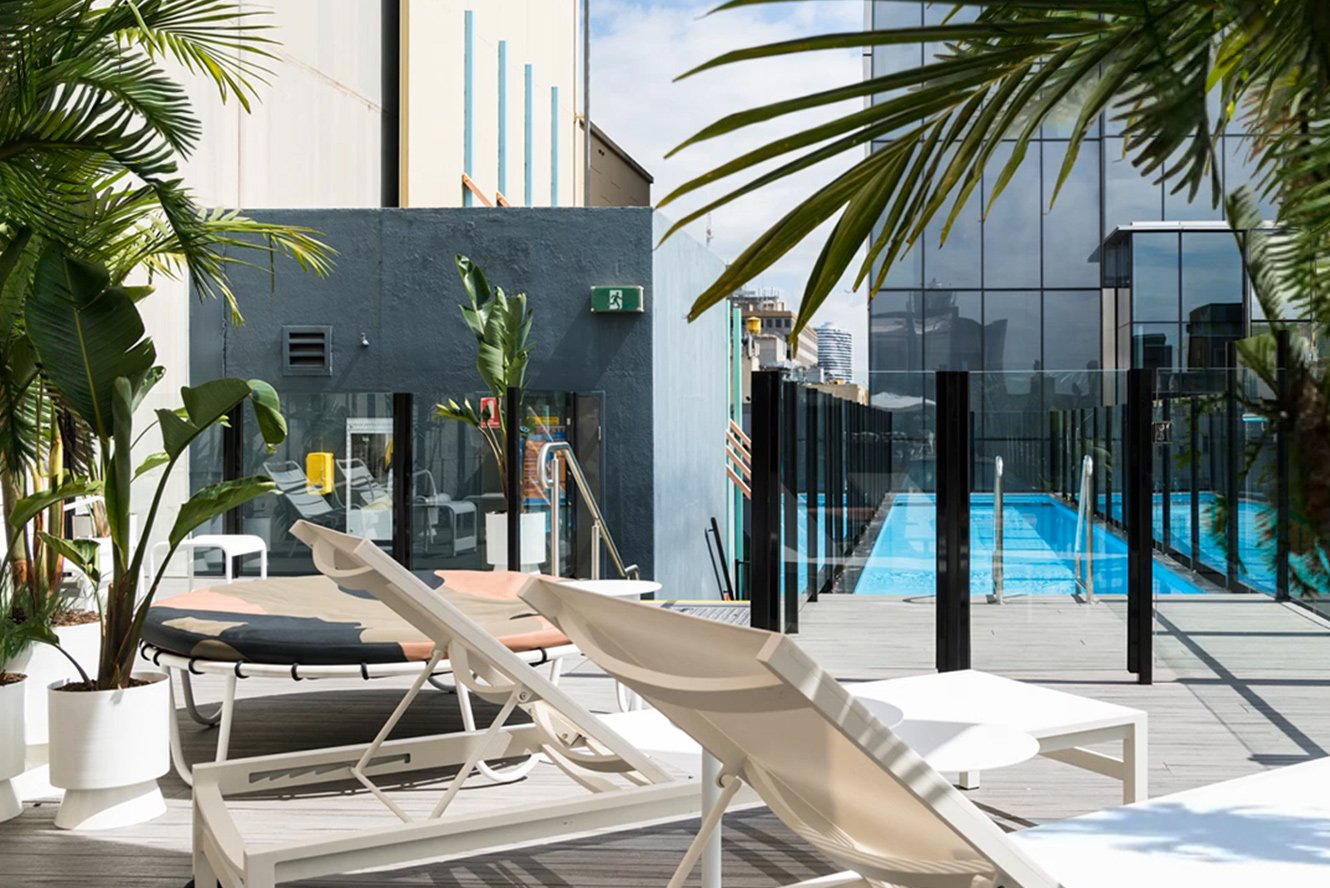
Flinders Lane and the Case for Design-Led Stays
Melbourne's hotel market has split cleanly over the past decade. On one side sit the international flagships, the Grand Hyatt Melbourne, Park Hyatt Melbourne, and Crown Towers Melbourne, which deliver consistent luxury within well-understood brand frameworks. On the other sit a smaller cohort of properties where the interior concept itself is the primary editorial statement. Adelphi Hotel, at 187 Flinders Lane, belongs to the second group, and has held that position for long enough to have become a reference point for what Melbourne boutique accommodation can look like when it commits to a singular visual idea.
Flinders Lane is not a peripheral address. It runs through the heart of the CBD, threading past galleries, independent fashion studios, and some of the city's more serious coffee operations. Staying here means walking distance to Federation Square, the NGV, and the dense laneway network that defines Melbourne's pedestrian character. The street itself has a grain that rewards the curious, the kind of urban texture that makes hotel location genuinely functional rather than aspirational shorthand. For the full picture of what the city offers across dining, bars, and cultural programming, the EP Club Melbourne guide maps the broader scene.
An Interior Concept That Earns Its Description
The confectionery-inspired interiors at Adelphi are not a mood board reference or a loose thematic gesture. The design proposition is committed enough to invite comparison with the Willy Wonka visual register, a deliberate choice that would be easy to execute badly and requires real discipline to carry with any coherence. In Australian boutique hotel design, the properties that hold attention over time tend to be those where a concept is applied with enough rigour that it reads as a point of view rather than a decorating theme. Adelphi has operated on Flinders Lane long enough to suggest the concept has survived the test of repeat visitors and editorial scrutiny.
That longevity puts it in a different conversation from newer design-led entrants. Laneways By Ovolo and Melbourne Place represent more recent iterations of personality-forward hotel design in the city. The Adelphi predates them as an example of Melbourne's appetite for accommodation that treats the guest experience as something closer to a curated environment than a service transaction.
Where Adelphi Sits in the Responsible Luxury Conversation
The sustainability conversation in Australian hospitality has matured significantly. Properties like 1 Hotel Melbourne have made environmental commitment a central brand pillar, applying it at scale with visible material choices and operational transparency. At the boutique end of the market, the calculus works differently. Smaller properties carry a structural advantage: lower key counts mean lower resource consumption per guest, tighter operational footprints, and, when managed carefully, the kind of supplier relationships that allow for more considered sourcing decisions.
Design-led boutique hotels also tend to resist the churn of refurbishment cycles that drive significant waste in larger category properties. A coherent interior concept, maintained with care rather than replaced on brand-cycle schedules, represents a form of design longevity that has its own environmental logic. Across Australia's broader hotel portfolio, the properties that have demonstrated this approach most clearly include Southern Ocean Lodge in Kingscote, where environmental integration is built into the site relationship, and Wildman Wilderness Lodge in Marrakai, where the property's purpose is inseparable from its ecological context. Urban boutique properties operate under different constraints, but the principle of doing more with less, fewer rooms, longer design lifespans, stronger community embeddedness, applies across the category.
In Melbourne specifically, a hotel on Flinders Lane is already embedded in a walkable, transit-connected urban environment. That positioning reduces car dependency for guests in a way that edge-of-city or resort properties structurally cannot. The CBD location functions as a passive sustainability asset, access to public transport, proximity to cultural and commercial destinations on foot, and integration with a city that has invested heavily in cycling infrastructure and pedestrian amenity.
Booking decisions in Melbourne's boutique tier increasingly involve a direct comparison between properties with distinct design philosophies. Pan Pacific Melbourne offers a more conventional luxury proposition at scale. Leading Western Melbourne City Hotel occupies the functional mid-market.
Across Australia, that tier has produced some of the more interesting hospitality conversations of the past decade. The Calile in Brisbane built an identity around subtropical modernism and has sustained it. The Tasman in Hobart drew on heritage architecture as its primary design asset. Bells at Killcare in New South Wales works a rural retreat format. Each has a legible design identity that extends beyond category convention. Adelphi's confectionery concept places it in this company, properties where the interior environment is an active part of what guests are selecting, not a neutral backdrop to other amenities.
For those comparing across international reference points, the design-commitment approach at Adelphi has analogues at properties like Aman New York or Aman Venice, where environment and concept carry significant weight in the guest decision, though at a different price tier and scale.
Planning a Stay: What to Know
The hotel sits at 187 Flinders Lane, placing it within walking distance of Southern Cross Station and Flinders Street Station, both of which connect to Melbourne Airport via the SkyBus network and regional rail services. The surrounding block supports pedestrian access to most of Melbourne's central cultural institutions without requiring a car or rideshare. Specific room configurations, current rates, and booking availability should be confirmed directly with the property, as the hotel's offer has evolved over its operating life and published third-party data can lag behind current positioning.
Guests comparing the Flinders Lane location with other Melbourne addresses should note that the CBD laneway grid places this property in the most walkable section of the city, an advantage over harbour-adjacent properties or those positioned closer to Southbank. Other nearby options worth assessing include Lake House in Daylesford for those considering a Victoria-based stay with a regional dimension, or Capella Sydney for those with Sydney in the itinerary. For Sydney coastal alternatives, Bondi Beach House, Watsons Bay Hotel, Harbour Rocks Hotel, and InterContinental Sydney Double Bay cover different neighbourhood positions. For Queensland's far north, Crystalbrook Riley in Cairns rounds out a multi-city Australian itinerary.
Pricing, Compared
Comparable venues nearby, for context on price, style, and recognition.
| Venue | Price | Awards | Notes |
|---|---|---|---|
| Adelphi HotelThis venue (the venue you are viewing) | $200–300 | Design Hotels Member | Not listed |
| Hyatt Centric Melbourne | $1–100 | Michelin Selected | Melbourne, Upper-upscale contemporary boutique hotel with deep connection to local urban culture and historic resonance. |
| Pan Pacific Melbourne | $200–300 | Michelin Selected | South Wharf, Contemporary urban luxury hotel with panoramic river and city views |
| Lanson Place Parliament Gardens | Not listed | 1 Michelin Key | East Melbourne, Heritage-meets-modern luxury serviced apartments and hotel |
| Hyde Melbourne Place | $200–300 | 1 Michelin Key · National Geographic Hotel Awards Runner-up | Melbourne, Urban lifestyle design hotel blending moody luxury with contemporary Australian character in the heart of Melbourne’s CBD. |
| Best Western Melbourne City Hotel | Not listed | Not listed | Melbourne, Quaint inner-city home away from home in historic European-style building. |
Recognition history
Dated appearances from independent guides and award organizations, with the underlying list record or original source where available.
Design Hotels Member
Design Hotels
Continue exploring
More in Melbourne
Hotels in Melbourne
All hotels in Melbourne →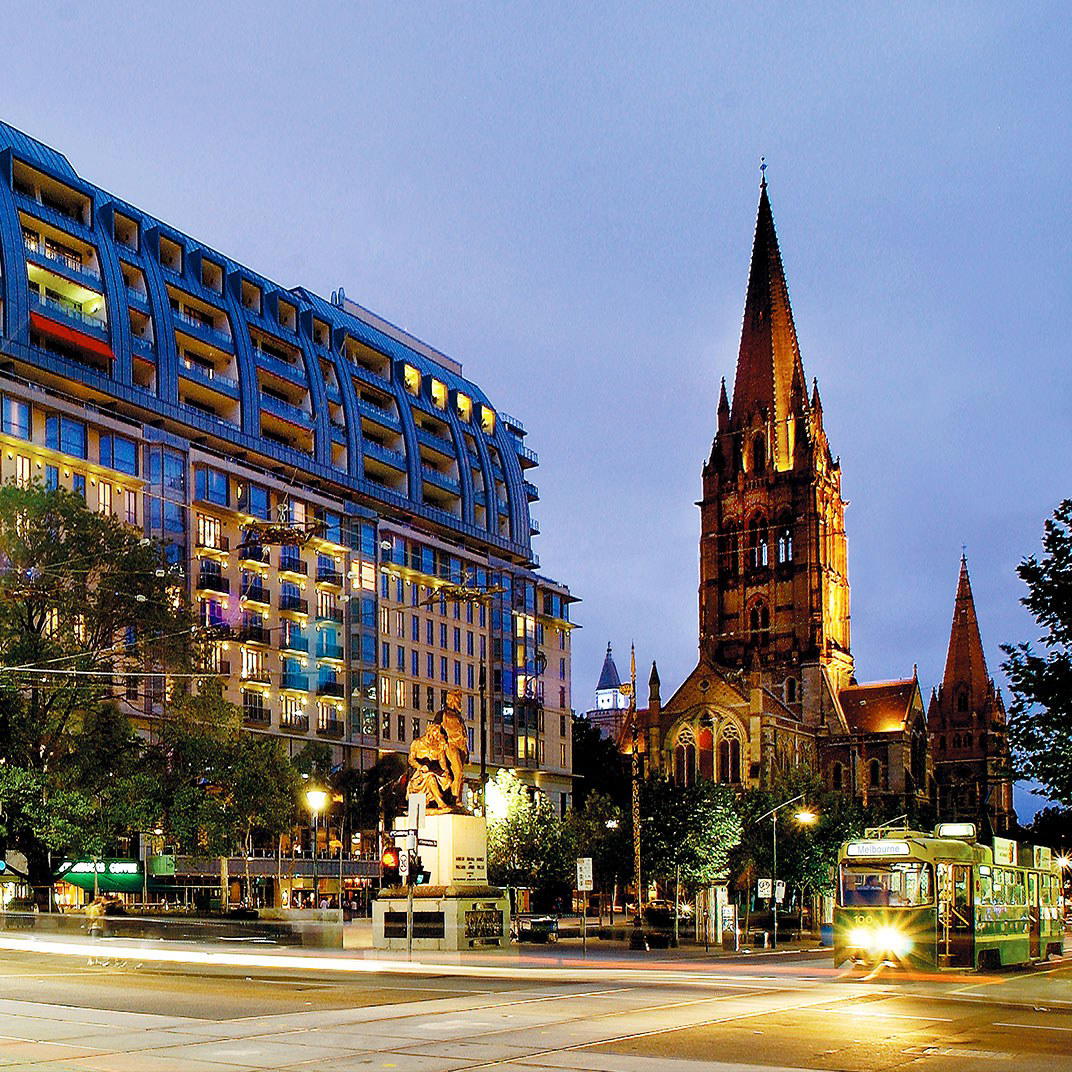
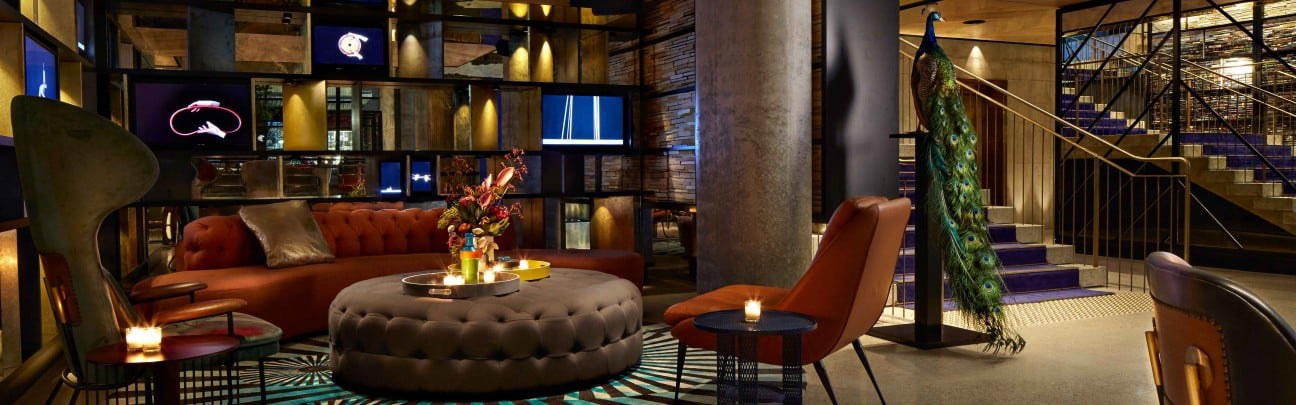
Bars in Melbourne
All bars in Melbourne →
Restaurants in Melbourne
All restaurants in Melbourne →

Details
- Trendy
- Modern
- Whimsical
- Elegant
- Sophisticated
- Romantic Getaway
- Business Trip
- Weekend Escape
- Rooftop Pool
- Historic Building
- Design Destination
- Wi Fi
- Pool
- Fitness Center
- Room Service
- Concierge
- Restaurant
- Business Center
- Skyline
- Elevator
- Wheelchair Accessible
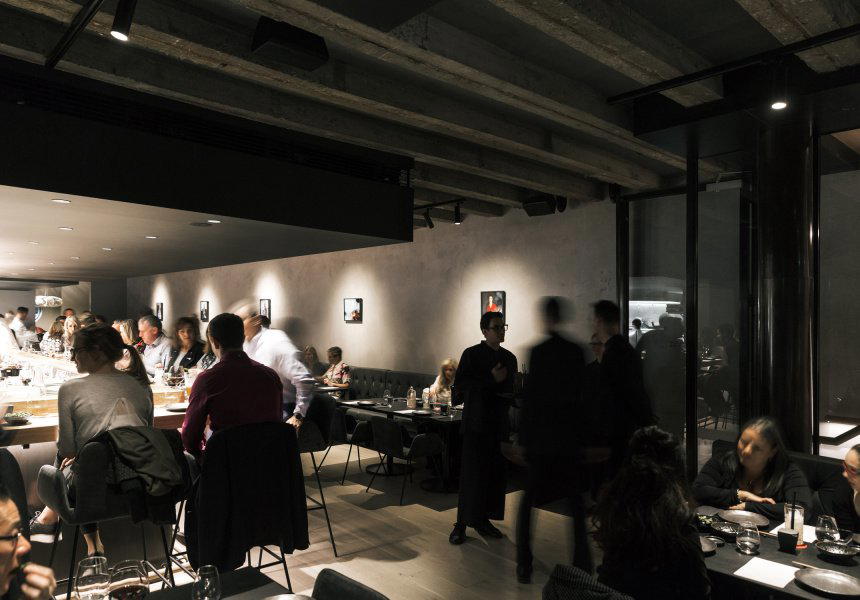
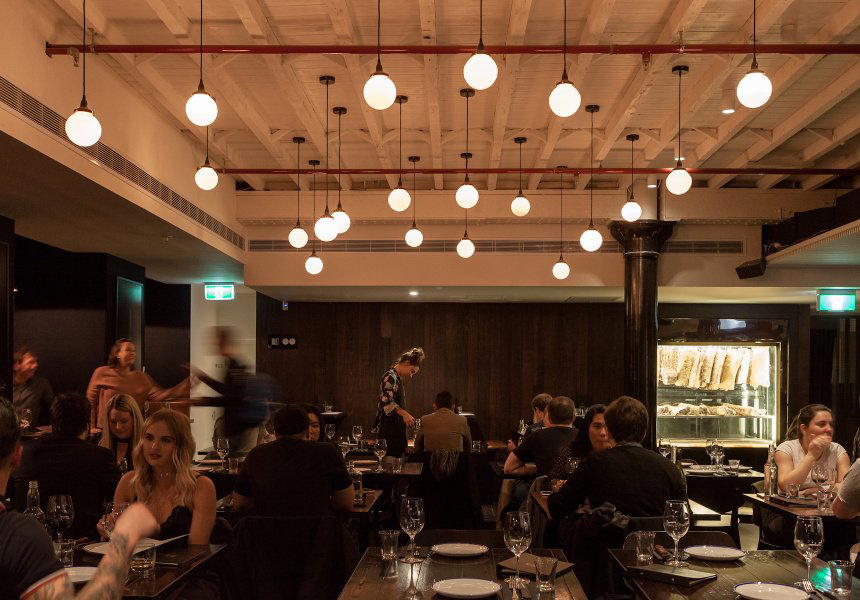
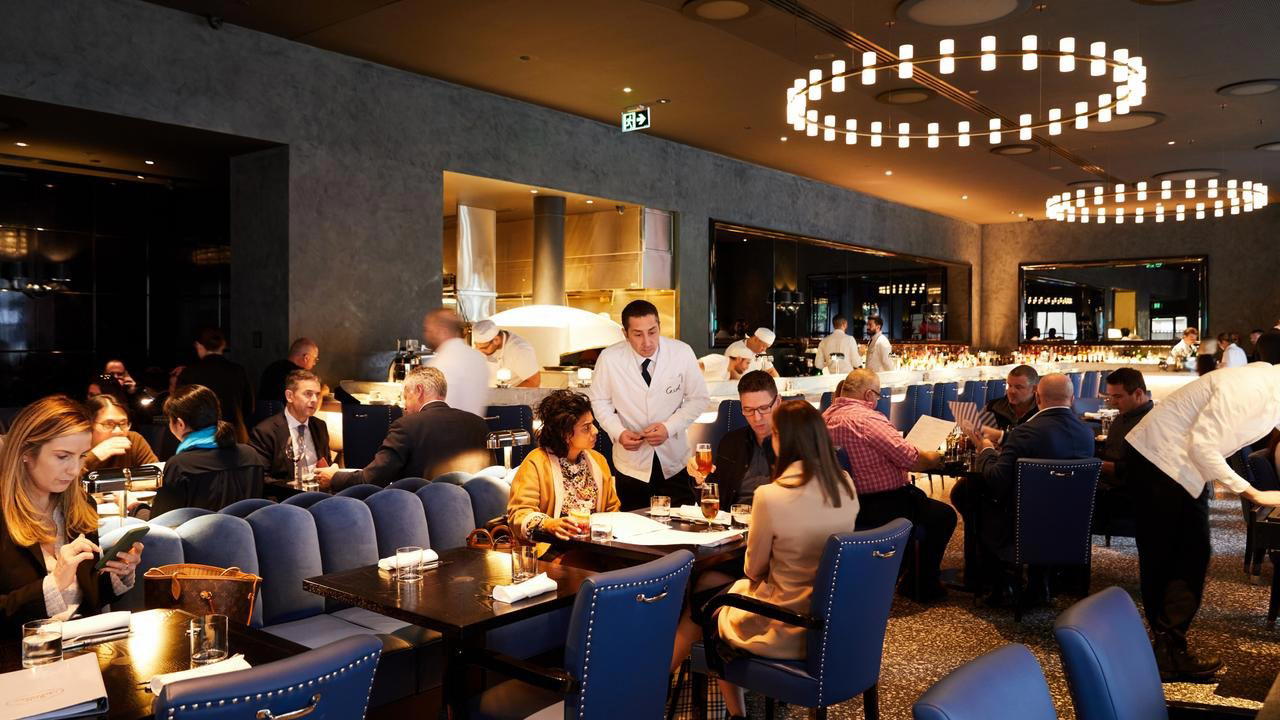
Playful yet elegant dessert-inspired design with quirky decor, stylish lighting, and sophisticated atmosphere.