Boatrocker Brewers & Distillers operates from Braeside in Melbourne's south-east industrial belt. The operation spans both brewing and distilling under one roof, placing it in a narrower peer group than single-discipline producers. For those tracking Melbourne's independent spirits and craft beer scene, Boatrocker represents one of the few dual-discipline producers working at recognised prestige level.
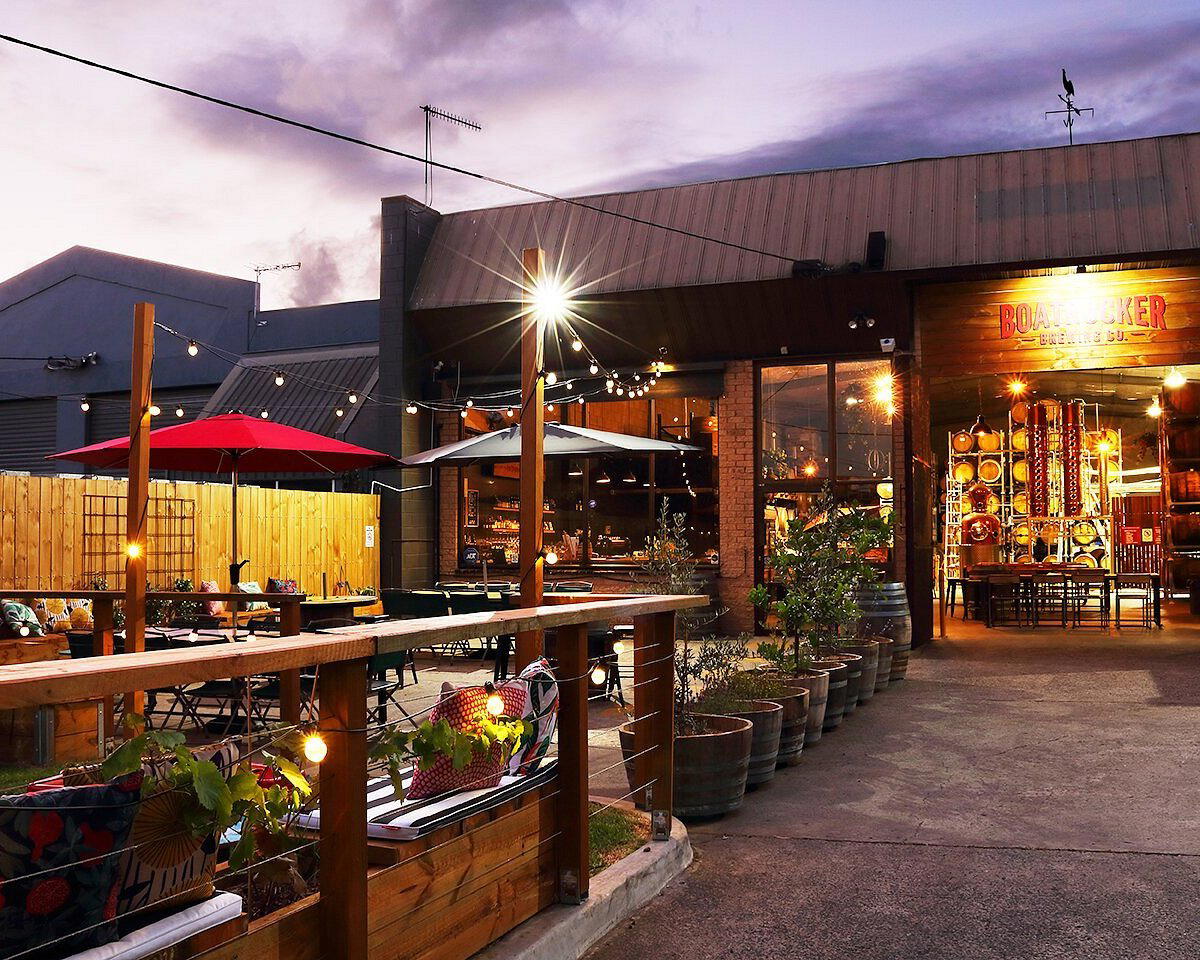
Where Brewing and Distilling Share a Roof in Melbourne's South-East
Melbourne's craft production scene has, over the past decade, sorted itself into recognisable tiers. At street level sit the neighbourhood taprooms and weekend-market distillers. Above them, a smaller cohort of producers has built operations substantial enough to attract sustained critical attention, earn formal recognition, and anchor a repeat-visit culture that extends well beyond novelty. Boatrocker Brewers & Distillers, operating from a warehouse address on MacBeth Street in Braeside, occupies that upper tier, a dual-discipline producer.
Braeside is not a dining or drinking destination in the conventional sense. It sits in Melbourne's south-eastern industrial corridor, roughly 20 kilometres from the CBD, in the kind of suburb where warehouse footprints make the economics of serious production possible. That geography is deliberate. The space a producer can command in Braeside allows for the kind of barrel storage, fermentation capacity, and equipment investment that inner-city operations must sacrifice for foot traffic. Boatrocker has used that advantage to build something that reads less like a hospitality venue and more like a working production facility that happens to welcome visitors.
The Dual-Discipline Model: Why It Matters
Across Australia's independent producer scene, the brewing-distilling crossover remains genuinely uncommon at a recognised prestige level. Most operations choose one discipline or the other, partly for regulatory simplicity, partly because the skill sets, while related, diverge significantly when taken seriously. Fermentation knowledge travels between the two, but the patience required for barrel-aged spirits, the grain-sourcing decisions, and the blending philosophy each demand dedicated focus.
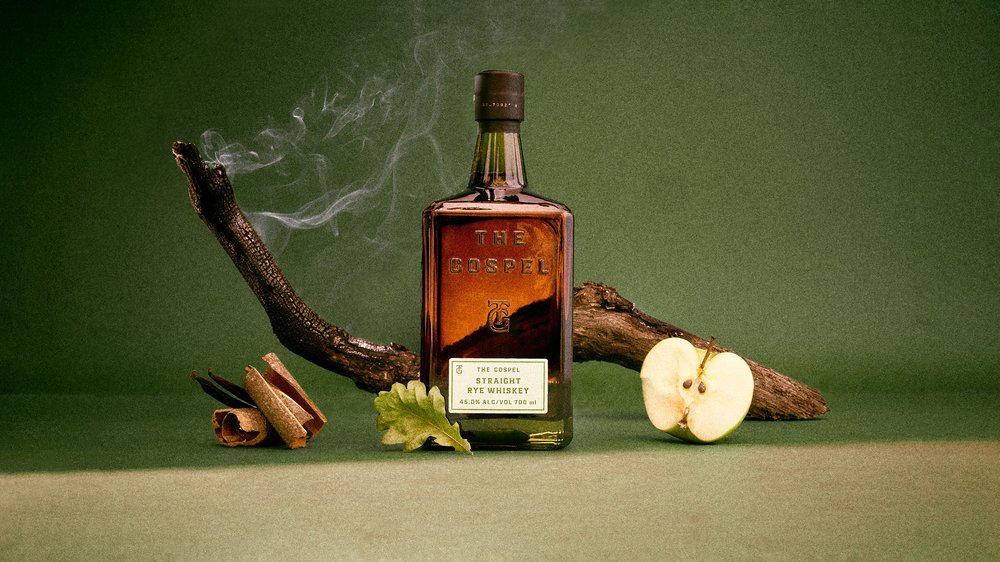
Boatrocker's decision to pursue both places it in a narrow category. In Melbourne's spirits scene, single-discipline distillers like Patient Wolf Distilling Co have built reputations around focused gin programs, while Starward Distillery has become closely associated with Australian whisky aged in wine casks. The Gospel Distillers concentrates on rye whisky with a regional grain identity, and Leading Shelf (Ned Whisky) operates at commercial scale in a different competitive bracket entirely. Against this backdrop, a producer running credible brewing and distilling programs simultaneously, and earning formal prestige recognition across the combined operation, occupies a distinct position.
For context beyond Melbourne, the dual-discipline model finds parallels at Archie Rose Distilling Co in Sydney, which has expanded its original distilling identity into a broader production philosophy. The comparison is instructive: both producers have resisted the narrowing that comes with category specialisation, though they operate in different markets with different production signatures.
The Philosophy Behind the Production
The editorial angle that makes Boatrocker worth examining is not its address or its format, but what the dual-discipline commitment implies about production philosophy. Operating two technically demanding disciplines under one set of standards requires a consistent approach to raw materials, fermentation management, and quality thresholds. A brewery that also produces spirits cannot afford to treat either output as secondary, the prestige recognition is applied to the whole operation, not a single category.
This philosophy echoes patterns visible at wine producers who have diversified without diluting. All Saints Estate in Rutherglen maintains fortified wine production alongside table wine with consistent critical standing. Angove Family Winemakers in Renmark spans multiple categories without losing category definition. The challenge, in both cases, is the same: can a producer maintain discipline-specific credibility while dividing attention across outputs?
The barrel-aging dimension of spirits production also connects Boatrocker to a tradition that rewards patience over volume. Australian whisky producers have increasingly drawn on local wine cask inventory, a technique that aligns with the country's strength in viticulture and creates flavour profiles distinct from Scotch or American models. Producers like Bass Phillip in Gippsland and Leading's Wines in Great Western demonstrate the depth of Victorian wine culture that informs the raw materials available to local distillers. That regional context is not incidental, it shapes what Melbourne-area spirits production can credibly claim as its own.
Placing Boatrocker in Melbourne's Broader Drinks Scene
Melbourne's independent producer landscape rewards specificity. The city has enough serious operations, across wine, spirits, and beer, that generic craft positioning no longer distinguishes anyone. What does distinguish a producer is a combination of recognisable output, consistent quality signals, and a clear position in the category hierarchy.
Within the local distilling peer group, Bakery Hill Distillery has built a long-standing reputation in Australian single malt whisky, a narrower focus, but one that has earned deep specialist recognition over many years. Boatrocker's approach is broader by design, and the trade-off is that it competes across categories rather than owning one. For visitors or collectors building a picture of Melbourne's production scene, understanding that distinction matters more than treating both operations as interchangeable.
For Scottish whisky enthusiasts who follow prestige distilling globally, the reference points extend beyond Australia. Operations like Aberlour in Aberlour demonstrate what long-maturation, cask-specific programs look like at the established end of the spectrum. At the premium Napa end of comparison, Accendo Cellars in St. Helena and Bird in Hand in Adelaide Hills illustrate how allocation-model thinking applies across prestige drink categories. Blue Pyrenees Estate in Pyrenees adds another Victorian reference point for how regional identity anchors a producer's positioning over time.
Planning a Visit
Boatrocker's Braeside location means a visit requires deliberate planning rather than a spontaneous drop-in. The address, 34 MacBeth Street, is accessible by car from the Nepean Highway corridor, and the industrial setting means the experience skews toward the production-focused rather than the ambient. Visitors who make the trip to outer-Melbourne production facilities generally do so with intent: to buy direct, to understand the process, or to access releases that don't travel far into retail. Given the absence of published hours and booking contacts in the public record at time of writing, confirming visit arrangements directly with the venue before travelling from central Melbourne is advisable. For a broader map of where Boatrocker sits within the city's drinks and dining culture, the full Melbourne guide provides the wider context.
Frequently asked questions
Is Boatrocker Brewers & Distillers more formal or casual?
Boatrocker operates as a production-led venue rather than a polished hospitality destination, which puts the atmosphere firmly on the casual side. The Braeside address, an industrial pocket of Melbourne's south-east, reinforces that positioning.
What's the signature bottle at Boatrocker Brewers & Distillers?
Visiting the venue at 34 MacBeth Street or checking their direct channels is the most reliable way to identify current flagship releases.
Where is Boatrocker Brewers & Distillers in Melbourne?
Boatrocker Brewers & Distillers is located at 34 MacBeth St, Braeside VIC 3195, Melbourne.
What makes Boatrocker Brewers & Distillers worth visiting?
The combination of brewing and distilling under one roof at a recognised prestige level is genuinely uncommon in the Australian independent producer scene. The Braeside location requires a deliberate trip from central Melbourne, but that's consistent with visiting any serious production facility rather than a city-centre bar.
Should I book Boatrocker Brewers & Distillers in advance?
Treating the visit as a planned excursion rather than a drop-in is the practical approach regardless.
Does Boatrocker Brewers & Distillers produce both beer and spirits at the same site in Melbourne?
Yes, the dual-discipline model is central to Boatrocker's identity, with brewing and distilling conducted under the same roof at 34 MacBeth Street, Braeside. This kind of integrated production at a recognised prestige level remains uncommon across Australia's independent drinks scene.
Budget and Context
Comparable venues nearby, for context on price, style, and recognition.
| Venue | Cuisine | Price |
|---|---|---|
| Boatrocker Brewers & DistillersThis venue (the venue you are viewing) | Braeside, Winery | $20–30 |
| The Gospel Distillers | Brunswick, rye | $50–100 |
Request a visit to Boatrocker Brewers & Distillers
Tell us when you would like to go and how many people, and we put the request to the estate and reply to you by email.
Continue exploring
More in Melbourne
Wineries in Melbourne
All wineries in Melbourne →

Bars in Melbourne
All bars in Melbourne →


Details
- Industrial
- Lively
- Rustic
- Group Outing
- Celebration
- Barrel Room
- Tasting Paddle
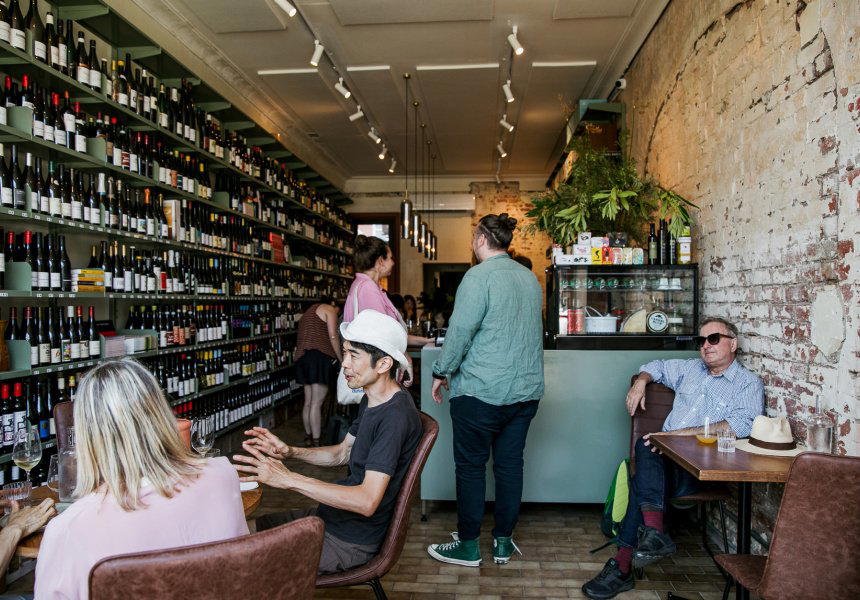
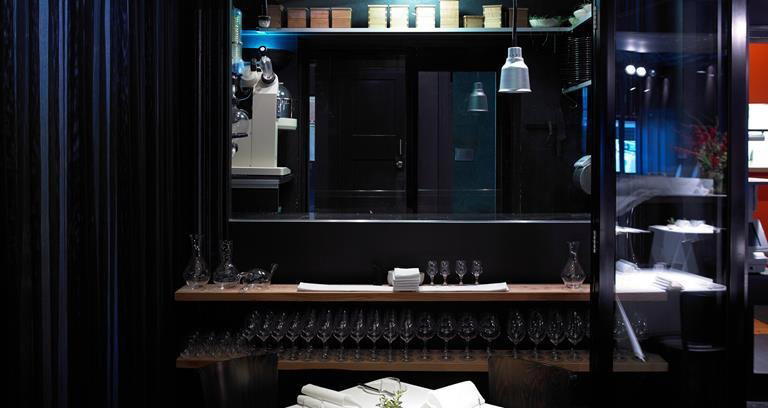
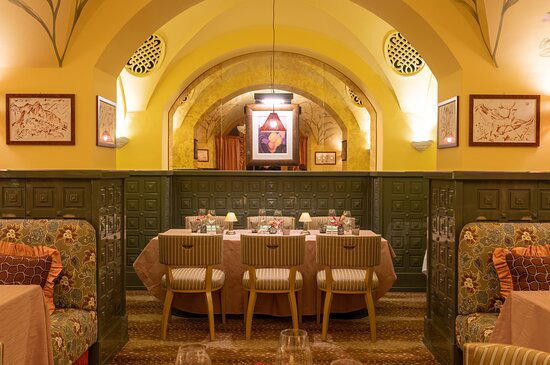
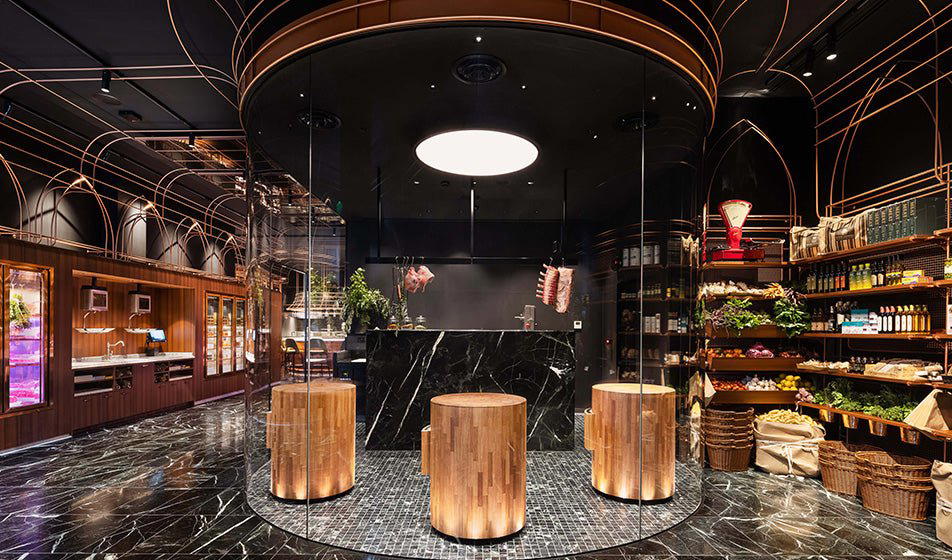
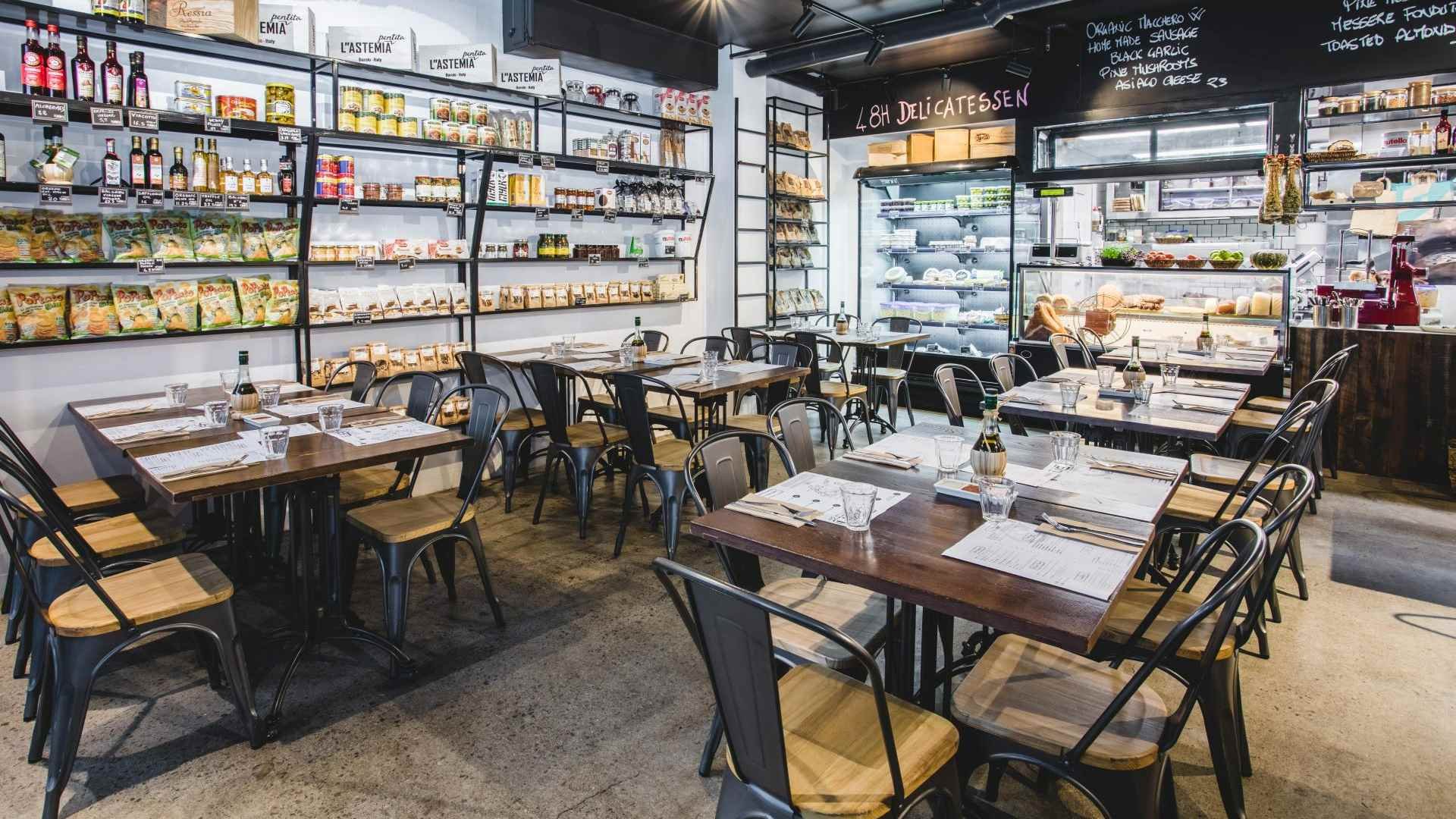
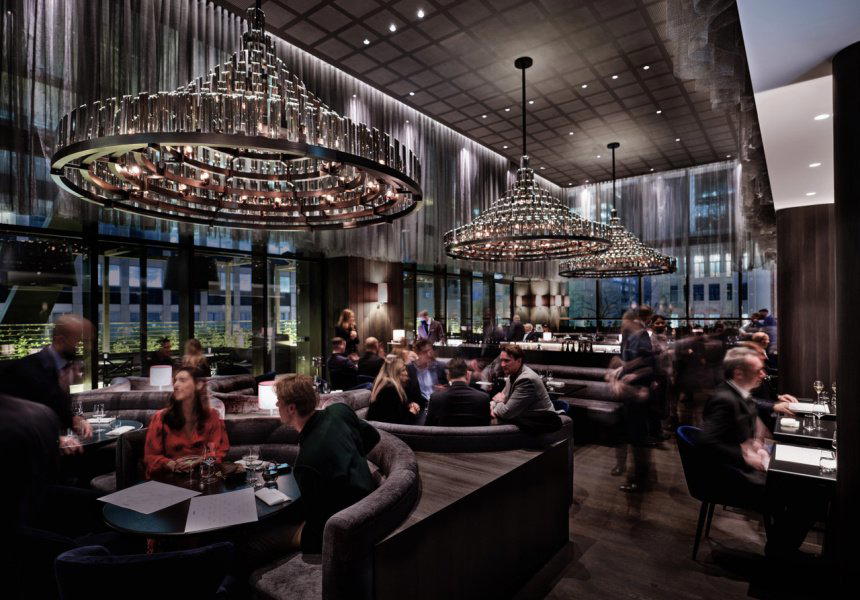
Laid-back industrial atmosphere with copper stills, wine barrels, and an open roller door creating a cool, conversational space.