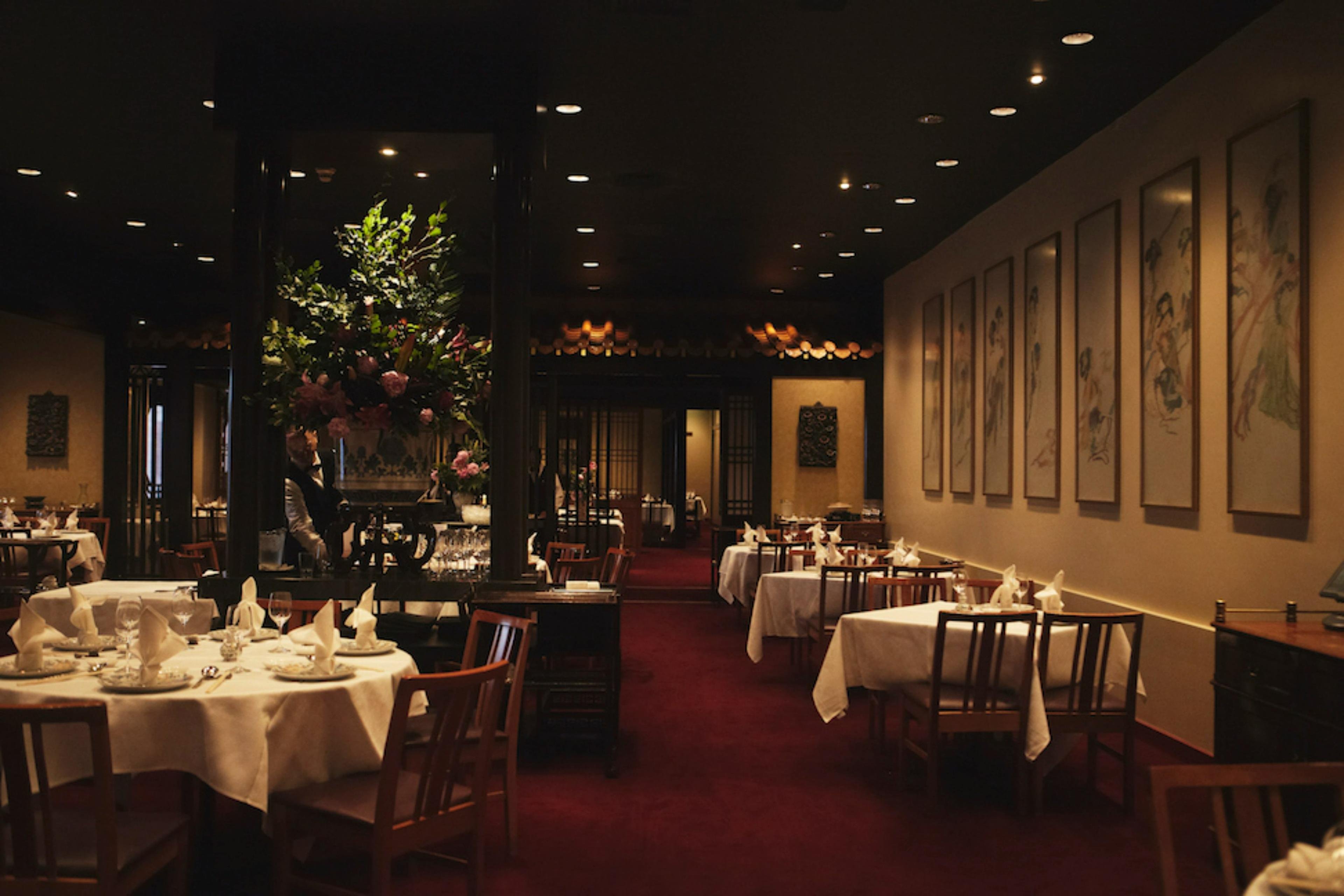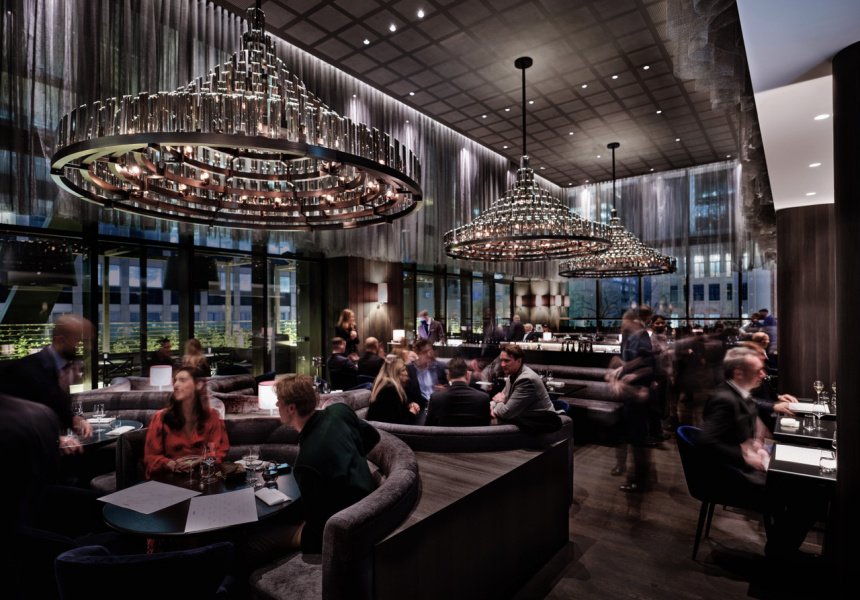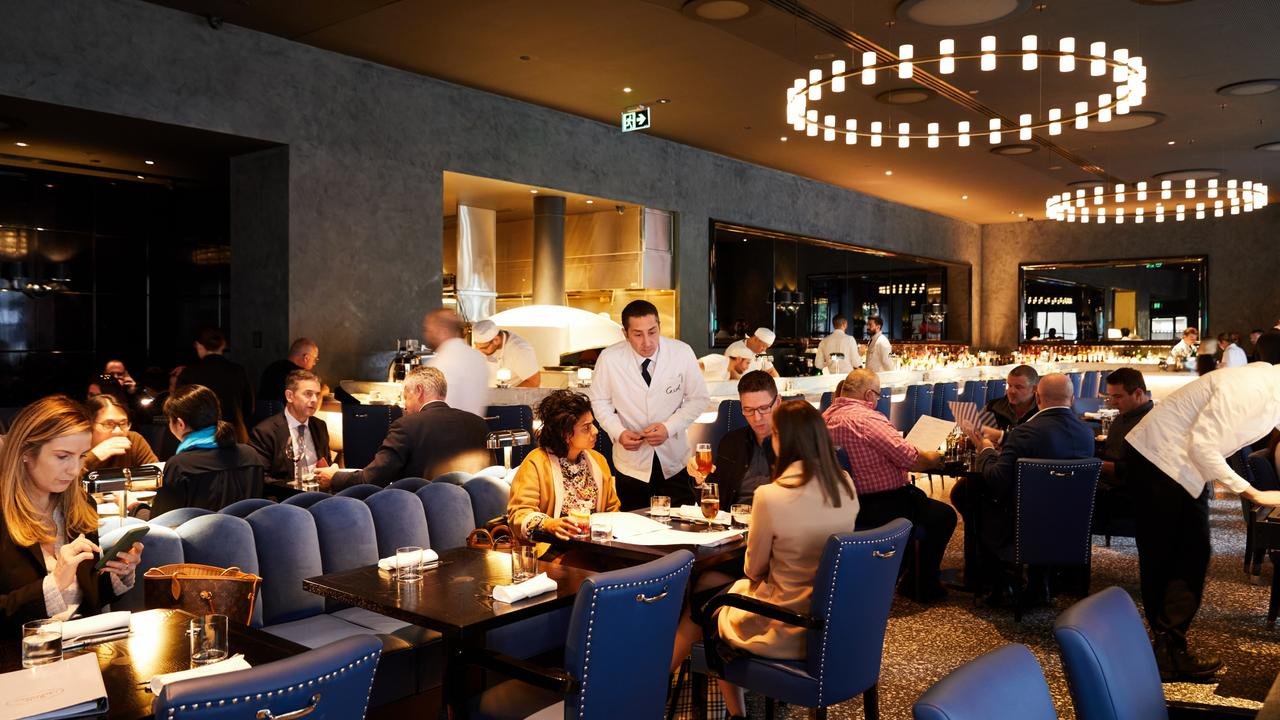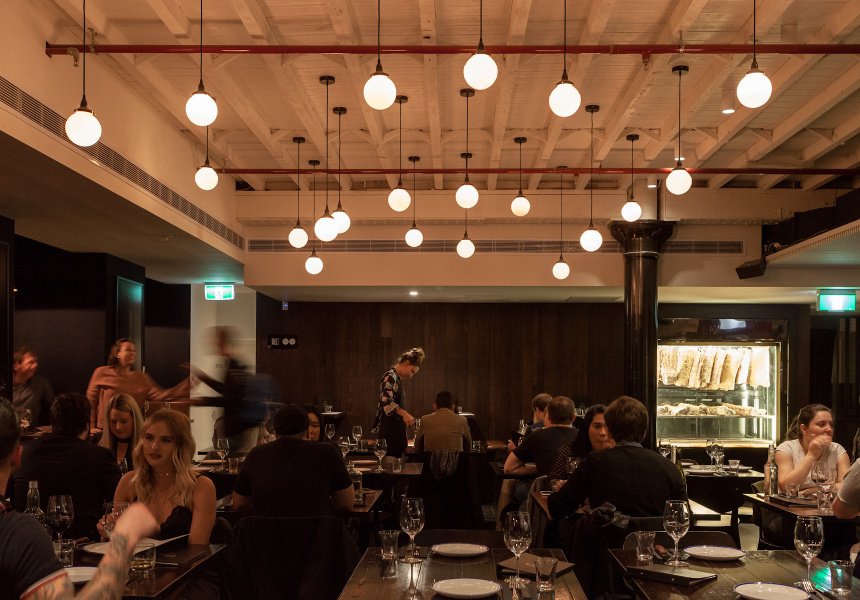

One of Melbourne's most enduring Italian dining rooms, Florentino on Bourke Street carries decades of institutional weight in a city where restaurant generations are earned rather than granted. Recognised in La Liste's global rankings across consecutive years, it occupies the tier where formal tradition and modern Italian technique converge. For visitors and locals alike, it functions as a fixed point on Melbourne's upper-end dining map.
 Discover on Pearl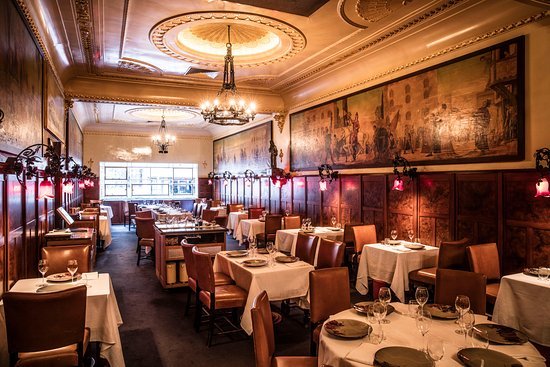
Bourke Street's Long Italian Memory
Melbourne's CBD has never been short of Italian ambition, but Florentino at 78–84 Bourke Street operates in a different register from the wave of trattoria-influenced openings that have shaped the city's Italian dining conversation over the past decade. Where newer arrivals build identity around informality and regional specificity, Florentino belongs to an older current: the grand urban Italian restaurant, shaped by generations of accumulated habit, where the room itself carries as much authority as whatever arrives on the plate. That accumulated weight is not nostalgia. It is a distinct competitive position, and in Melbourne it is increasingly rare.
To understand where Florentino sits today, it helps to map where Melbourne's Italian dining has moved. The city's Italian-origin population has always pushed the category beyond the generic, producing serious neighbourhood kitchens from Brunswick to Carlton that reward regulars over tourists. At the sharper end, venues like 48h Pizza e Gnocchi Bar have made the case for ingredient-focused simplicity, while fine dining more broadly has drifted toward Australian provenance narratives, represented most forcefully by Attica. Florentino does not try to compete on either axis. Its version of Modern Italian is weighted toward classical European formality — the long tablecloths, the serious wine program, the pacing of a meal designed to occupy an evening.
What La Liste's Numbers Tell You
La Liste's global restaurant rankings operate on a composite methodology that draws on multiple international guide scores, placing Florentino at 75 points in 2026 and 78 points in 2025. The slight movement between years is less significant than what consistent inclusion signals: Florentino holds its position inside the tier of Australian restaurants that register on international critical radar without chasing the tasting-menu arms race that drives scores at venues like Brae in Birregurra. In that sense, the ranking reflects durability rather than novelty — a quality La Liste's methodology is calibrated to capture.
Among Melbourne's Italian-leaning peers, this places Florentino above the casual tier but in a different conversation from, say, the Cantonese precision that has kept Flower Drum in continuous critical regard for decades. The analogy is instructive: both restaurants hold institutional status earned through consistency rather than reinvention, and both occupy rooms that feel as though they predate the current appetite for exposed brick and share-plate formats.
Kitchens That Pass Things Down
The editorial angle that matters most for Florentino is not a single chef's career arc but the broader tradition of intergenerational culinary transmission that the restaurant represents. Italian cooking, more than almost any other European tradition, is defined by recipes treated as inheritance: sauces built across hours, pasta ratios memorised before they were written down, techniques transferred from senior cooks to junior ones in a continuum that resists disruption. The grandest Italian restaurants in cities like Milan carry this logic into white-tablecloth settings , Seta in Milan being one example of how classical Italian technique is maintained alongside Michelin-level ambition , and Florentino operates within that same cultural framework, transplanted to Melbourne's CBD.
This matters for the contemporary Australian dining context because that kind of kitchen continuity is not guaranteed. The churn rate in Melbourne's restaurant industry is high. Venues that have held serious positions for multiple decades, passing institutional knowledge through successive kitchen teams without abandoning their essential character, are fewer than the city's dining reputation might suggest. Charrd represents the newer, produce-driven format. Chin Chin the high-volume Southeast Asian model. Florentino's endurance is a different kind of statement about what Melbourne dining can sustain.
The comparison extends beyond the city. Rockpool in Sydney built a similar kind of institutional authority around seafood and wine culture over multiple decades. Agrarian Kitchen in Hobart embeds generational knowledge in a different way, through fermentation and farm-to-table continuity. Each represents a distinct model for how culinary inheritance operates in Australian fine dining. Florentino's version is the most formally European of the group.
The Room and What It Asks of You
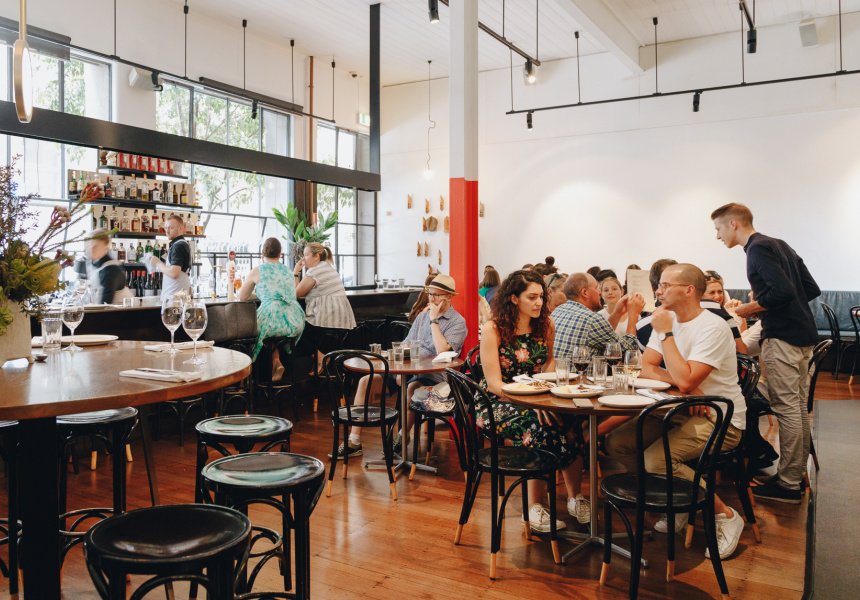
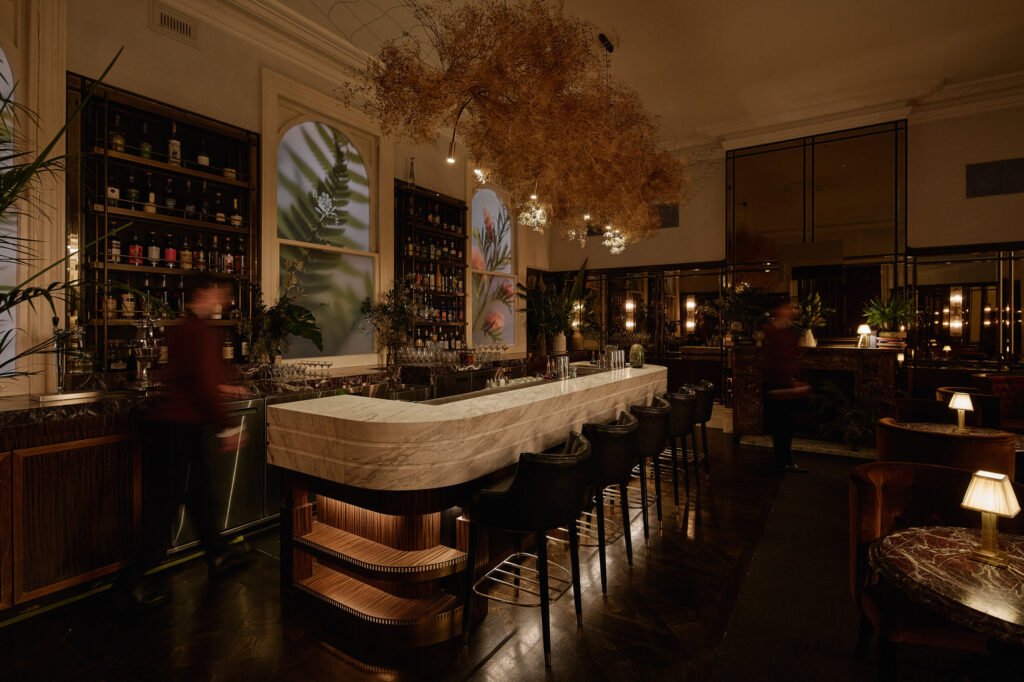
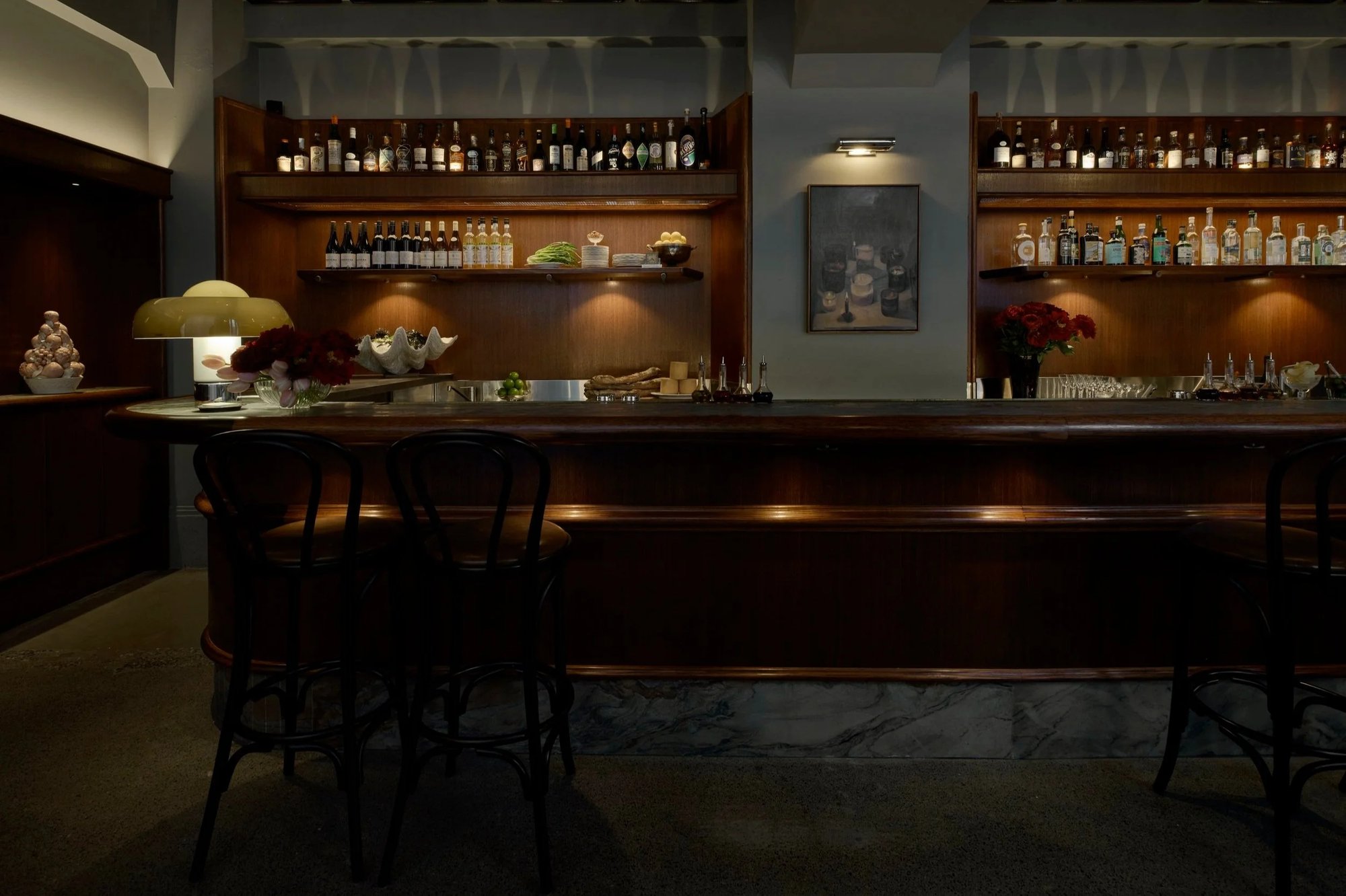
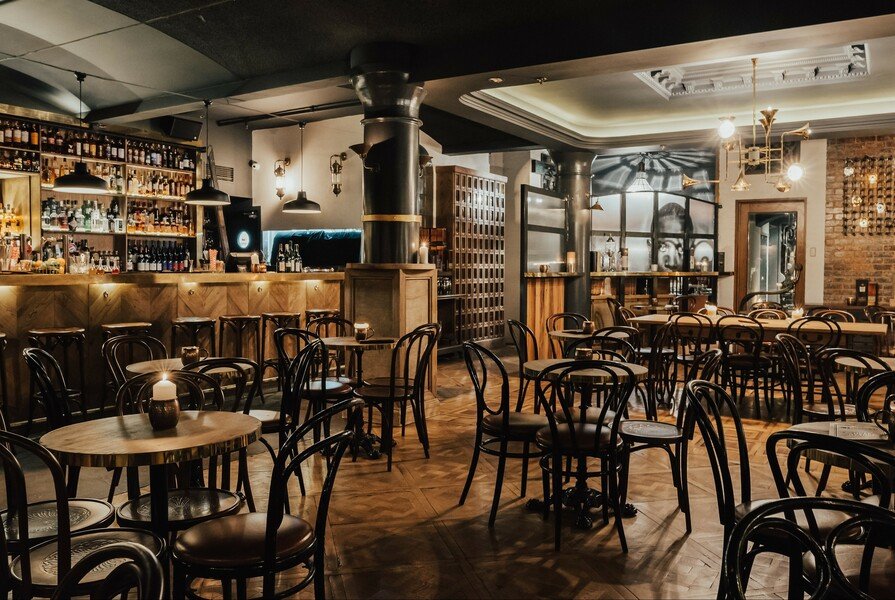
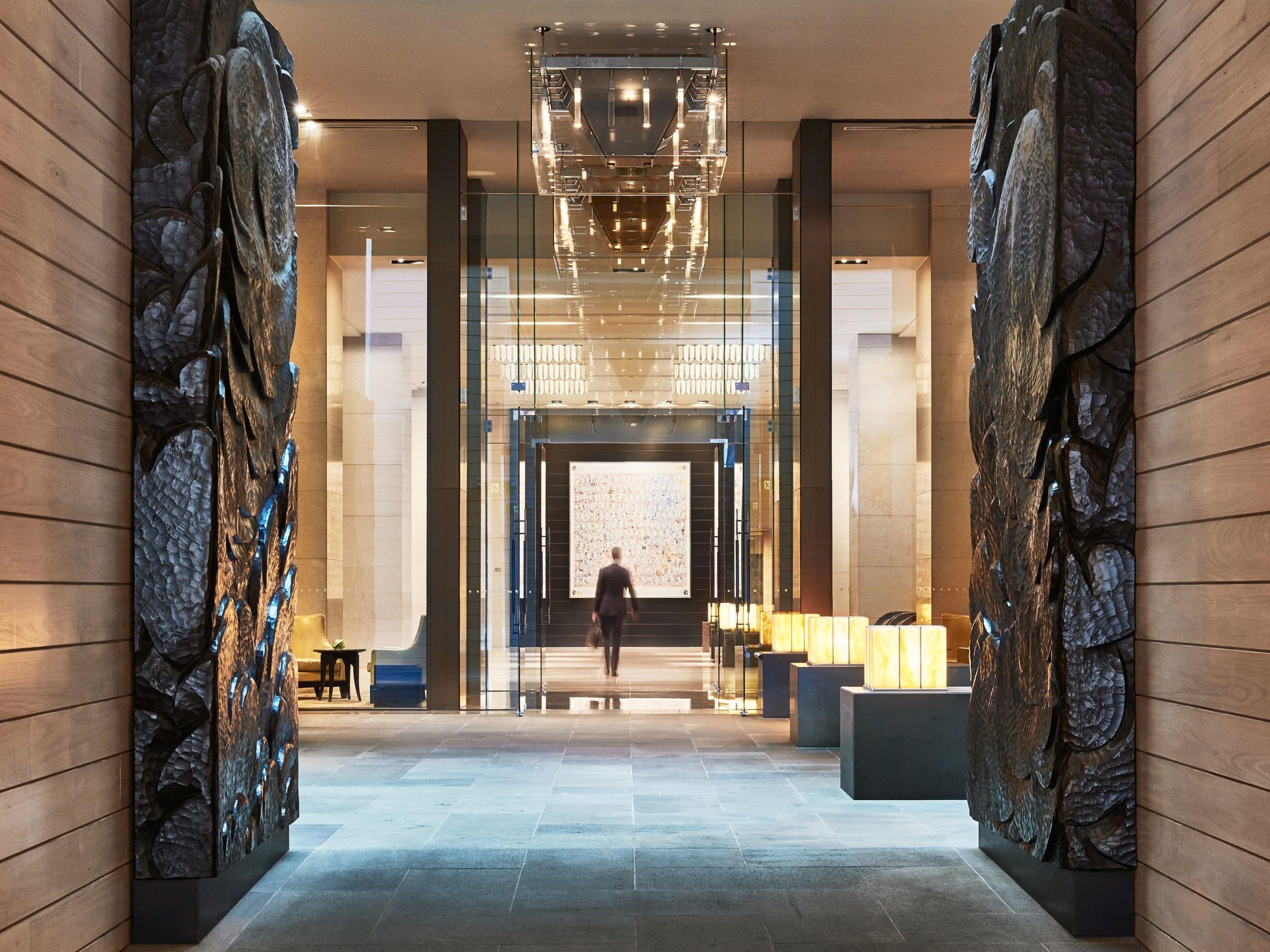
Walking into Florentino from Bourke Street, the visitor crosses from the noise of the CBD's eastern end into a room that has clearly resisted the pressure to modernise its atmosphere every few years. The building's history on this block runs deep , the address has housed serious hospitality for the better part of a century, and the architecture reflects that seniority. High ceilings, structured service, a wine list weighted toward Italian producers and serious Victorian labels: these are the room's fixed coordinates, and they set expectations that the kitchen is asked to meet rather than subvert.
For context on what surrounds it, Melbourne's CBD and inner-city restaurant scene is well documented in our full Melbourne restaurants guide. Those looking to extend a visit across other categories will find further orientation in our Melbourne hotels guide, our Melbourne bars guide, and our Melbourne wineries guide. For something more experiential beyond the table, our Melbourne experiences guide covers the broader city.
On the Italian dining spectrum, those wanting to track how the tradition evolves at the regional southern Italian end should look at Contaminazioni in Somma Vesuviana for a point of comparison that highlights just how much the Modern Italian category can stretch across geography. Closer to home, 400 Gradi in Brunswick East represents the other end of Melbourne's Italian spectrum , Neapolitan pizza seriousness at a more accessible price point, occupying a different tier but the same broad tradition.
Planning Your Visit
Florentino is located at 78–84 Bourke Street, Melbourne VIC 3000, placing it in the heart of the CBD's eastern dining corridor, within easy walking distance of the major tram routes on Spring and Exhibition Streets. Given its standing as a formal dining room with consecutive La Liste recognition, the practical recommendation is to book ahead: rooms at this tier of Melbourne dining move on weekdays through corporate and occasion dining, and on weekends through a combination of both. Specific booking methods, current hours, and dress code details are confirmed directly through the venue. Those planning a broader Melbourne fine dining itinerary should also consider Amaru in Armadale and Bacchus in Brisbane for cross-city reference points at a comparable tier.
Recognition Snapshot
A small comparison set for context, based on the venues we track.
| Venue | Awards | Cuisine | Notes |
|---|---|---|---|
| Florentino | La Liste Top Restaurants (2026): 75pts; La Liste Top Restaurants (2025): 78pts | Modern Italian | This venue |
| Flower Drum | World's 50 Best | Cantonese | Cantonese |
| Attica | World's 50 Best | Australian Modern | Australian Modern |
| Vue de Monde | Australian Fine Dining | Australian Fine Dining | |
| 48h Pizza e Gnocchi Bar | |||
| Gimlet |
Continue exploring