Konoba Bare serves Modern Istrian Mediterranean food in Funtana, with grilled dishes, truffle pasta, and a terrace suited to lunch or dinner.
Pearl is the En Primeur Club membership app — saves, bookings, and concierge access live there. Same editors, same standards.
- Address
- Kamenarija ul. 4, 52452, Funtana, Croatia
- Phone
- +385 95 915 8610
- Website
- facebook.com
- Directions
- Get directions
 Saves & bookings on Pearl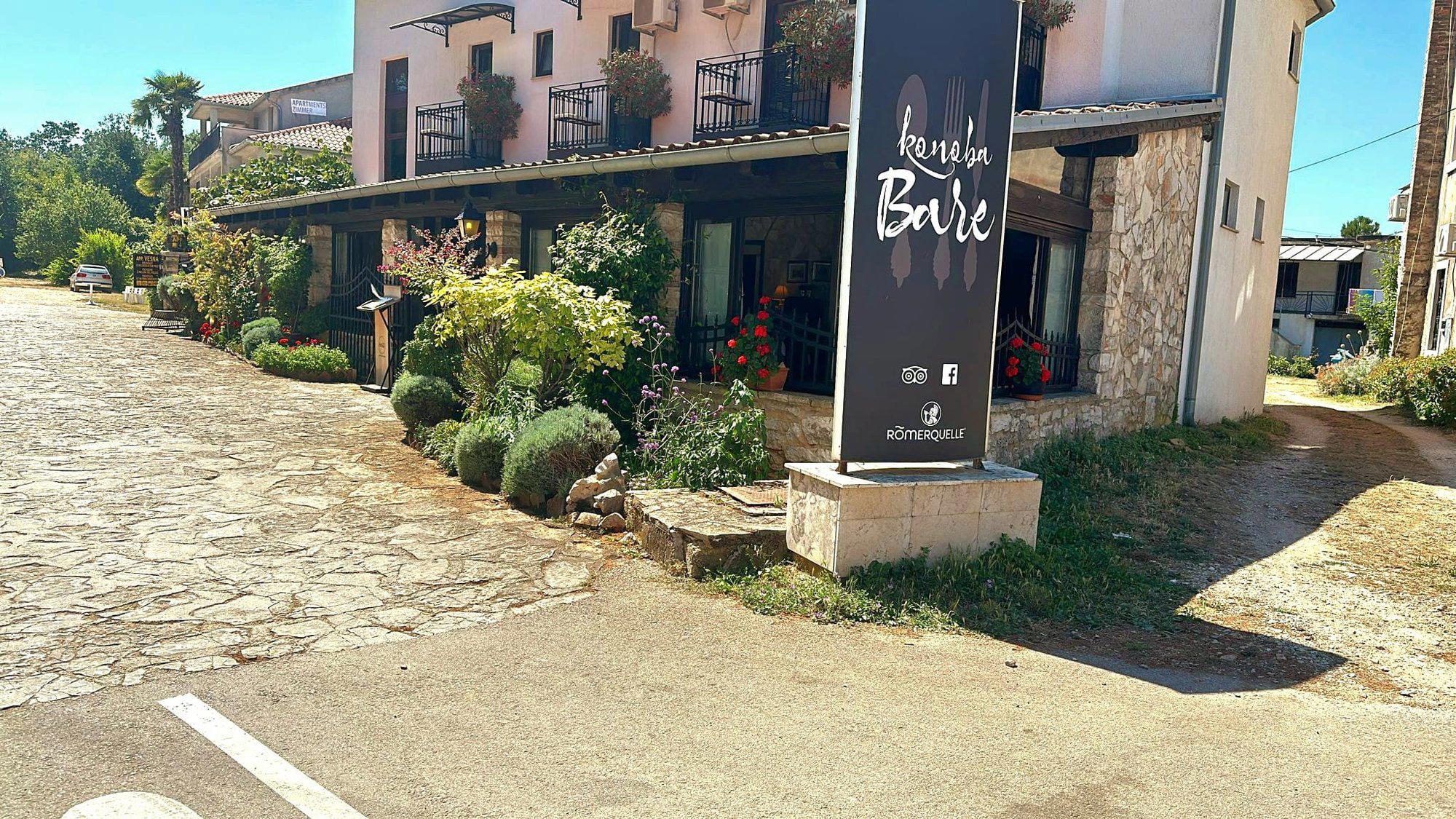
Stone Walls, Adriatic Catch, and the Logic of Istrian Konobas
Along the western Istrian coast between Poreč and Vrsar, the small fishing settlement of Funtana sits close enough to the sea that the priorities of its kitchens have never been in question. The konoba format that defines dining here is not a marketing concept but a functional inheritance: stone buildings, shared tables, a short menu anchored to what the boats and the surrounding land produced that week. Konoba Bare is a restaurant in Funtana, Croatia, serving modern Istrian Mediterranean food. The address is in the residential fabric of the village rather than on a promenade, which is itself a signal about the audience this kind of place has always served.
The konoba as a category sits apart from the fine-dining tier represented elsewhere in Croatia by venues such as Pelegrini in Sibenik or Restaurant 360 in Dubrovnik, both of which operate at the €€€€ level with modern tasting-menu formats. The konoba makes a different argument: that sourcing proximity and recipe fidelity matter more than presentation architecture. That argument is not a fallback position. In regions where the fish is pulled from waters within sight of the kitchen and the olive oil is pressed in the same municipality, it is a coherent editorial stance about what dining should do.
Where the Ingredients Begin
Istria's food geography is compressed in a way that rewards the konoba model specifically. The Adriatic shelf off Funtana and the surrounding Poreč-Vrsar corridor is a productive fishing zone, with sea bass, sea bream, John Dory, and shellfish forming the backbone of coastal menus across the peninsula. The supply chain at this scale is short enough that fish served in the evening may have been in the water that morning, a logistical reality that distinguishes Istrian coastal cooking from urban restaurant contexts where the same species arrive after longer cold-chain handling.
The terrestrial side of the equation is equally direct. Istria's interior produces some of Croatia's most regarded olive oils, with the Poreč area and the Buje corridor generating oils that have placed consistently in international competitions. Local wine production, particularly from the Malvazija Istarska grape, provides the white wine most naturally suited to the fish preparations that dominate the coast. A konoba drawing on these inputs is not curating a sourcing story for its menu copy; it is simply describing the geography of its kitchen. That distinction matters when reading any Istrian coastal menu against comparable venues further down the Dalmatian coast, where supply distances are longer and the same fish commands different freight economics.
The Konoba Dining Register
Atmosphere at a konoba like Bare is not produced by design consultants. It accumulates from repeated use: worn stone, a terrace calibrated to the evening light rather than a photographer's brief, the sound of a village in summer rather than a curated soundtrack. The approach entering from Kamenarija Street is through residential Funtana, which sets the register before any food appears. This is neighbourhood dining in the literal sense, not the rebranded version that urban restaurants adopt as an aesthetic.
The service model at konobas in this tier is conversational rather than procedural. Menus are typically short, the kitchen's position on a given day may be explained verbally, and the assumption is that the diner will follow the house's read on what is fresh rather than directing the kitchen around fixed expectations. This format works because the sourcing logic is legible: if the catch was good that morning, the fish menu expands. If it was not, the kitchen pivots to what it has. That transparency is less common at the higher tier of Croatian fine dining, where menu architecture is necessarily planned further in advance.
Croatia's dining tier that occupies this register, the mid-range konoba with honest sourcing and generational recipes, is what differentiates the Istrian coast from comparable Mediterranean coastal markets. It is not a product of tourism pressure but predates it, which is why the format survives most authentically in villages like Funtana rather than in the historic cores of Rovinj or Dubrovnik, where real estate economics have pushed the equivalent operations out or toward the tourist-facing register. Venues with more elaborate formats in the region, such as Agli Amici Rovinj in Rovinj or Nebo by Deni Srdoč in Rijeka, serve a different purpose in the broader dining map.
Placing Funtana in the Croatian Dining Map
Croatia's premium restaurant tier has consolidated around a handful of addresses over the past decade. Dubravkin Put in Zagreb, Krug in Split, LD Restaurant in Korčula, and Boskinac in Novalja operate in a separate conversation from the village konoba. So do the sourcing-driven venues at the other end of the country's price range, such as BioMania Bistro Bol in Bol or Burin in Crikvenica. Konoba Bare does not compete with those addresses, nor should it. Its comparable set is the working konoba economy of western Istria, where the comparison point is the quality of tonight's fish against yesterday's, not the proximity of a Michelin inspector.
Each sits in a different sub-category of Croatian dining and maps the range from village-scale konoba eating to internationally framed tasting menus.
Planning a Visit
Funtana is a small settlement on the D75 road between Poreč (approximately 7 kilometres north) and Vrsar. The village is accessible by car from Poreč in under ten minutes, and the address on Kamenarija Street sits within the residential core rather than on the waterfront, so arriving on foot from the harbour area requires a short walk inland. Reservations are recommended, and the restaurant is open Monday, Tuesday, Thursday, Friday, Saturday, and Sunday from 12 to 11 PM; Wednesday is closed. Expect casual dress and a typical spend of about $35 per person. Visiting outside peak summer months typically means shorter waits and a more local composition in the dining room.
A Quick Peer Check
Comparable venues nearby, for context on price, style, and recognition.
| Venue | Cuisine | Price | Notes |
|---|---|---|---|
| Konoba BareThis venue — the venue you are viewing | Modern Istrian Mediterranean | $$ | Not listed |
| More | Istrian Seafood & Mediterranean | $$ | Funtana |
| Mali Raj | Mediterranean Seafood | $$ | old town |
| Vela Vrata | Traditional Istrian | $$ | Beram |
| Kažun Tavern | Traditional Istrian Mediterranean | $$ | Pula center |
| Ročka Konoba | Authentic Istrian | $$ | Roč |
Continue exploring
More in Funtana
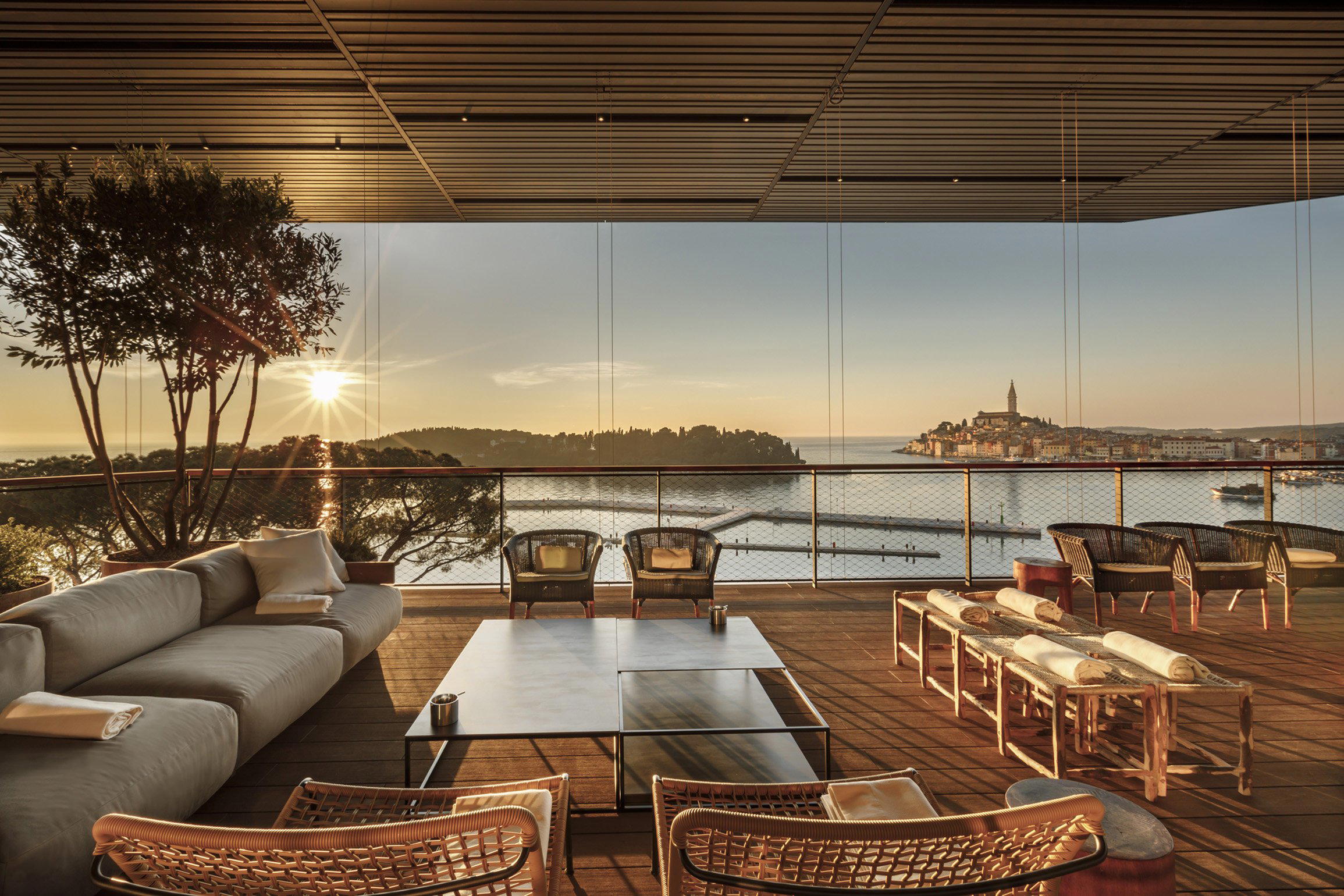
Restaurants in Funtana
Browse all →
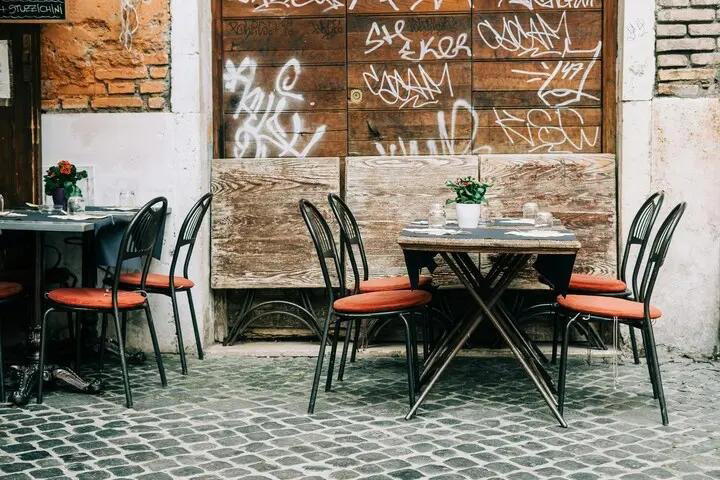
Bars in Funtana
Browse all →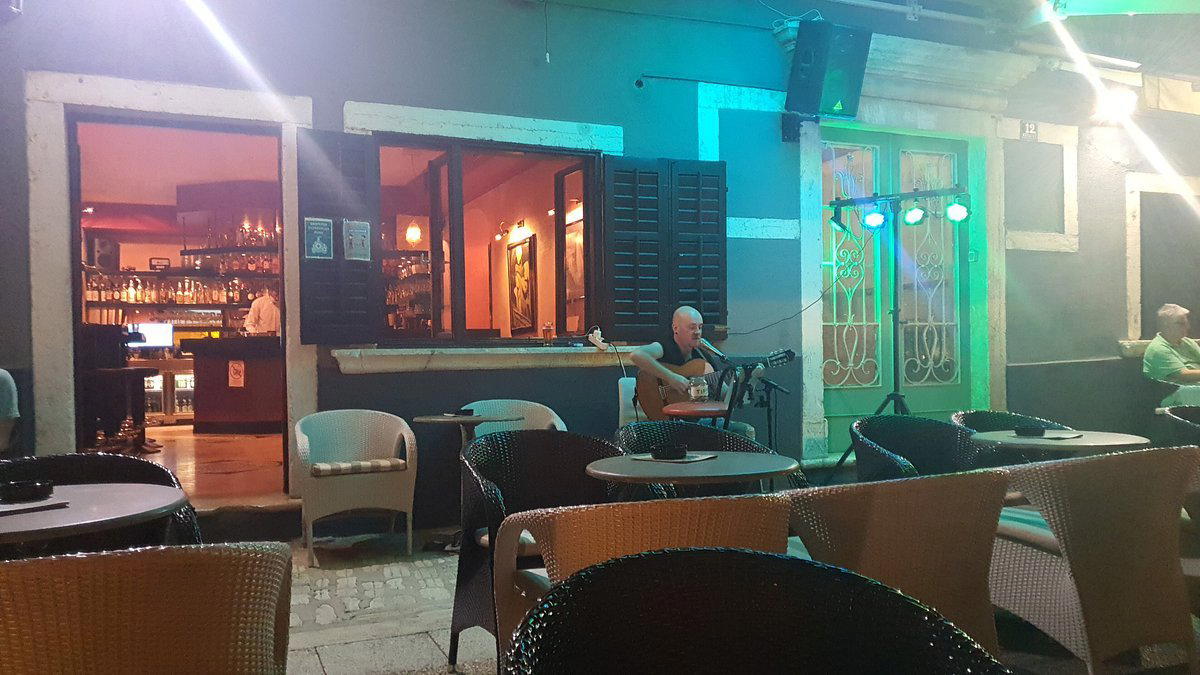
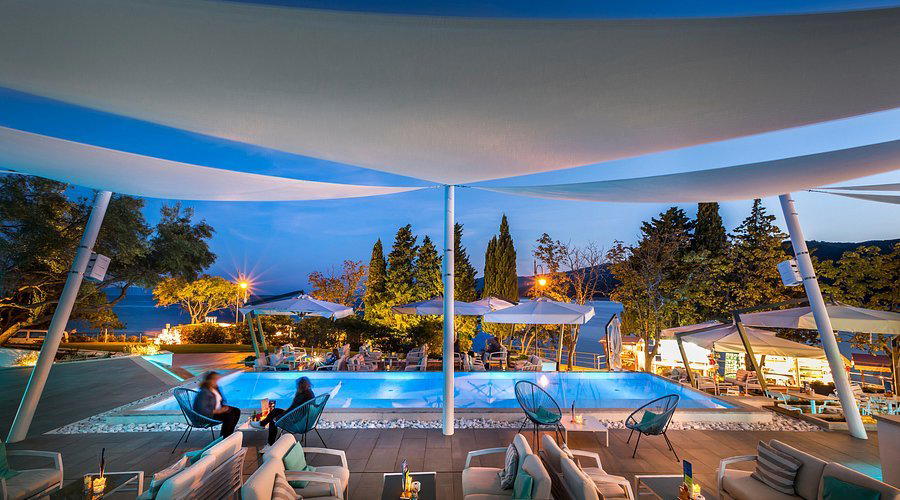
Hotels in Funtana
Browse all →

At a Glance
- Rustic
- Cozy
- Classic
- Family
- Group Dining
- Casual Hangout
- Terrace
- Extensive Wine List
- Beer Program
- Local Sourcing
Current opening hours
- Monday
- 12–11 PM
- Tuesday
- 12–11 PM
- Wednesday
- Closed
- Thursday
- 12–11 PM
- Friday
- 12–11 PM
- Saturday
- 12–11 PM
- Sunday
- 12–11 PM
Hours can change for holidays and private events. Last verified .
Homely and rustic with stone walls and wooden-beam ceilings; warm, bubbling atmosphere with a tourist-friendly yet polished culinary approach.