Mondo occupies a stone-walled address on Motovun's Barbican street, a few steps from the medieval ramparts that frame one of Istria's most historically layered hilltop towns. The kitchen works within a region where truffle country, Adriatic producers, and an old Italian agricultural inheritance converge, placing Mondo inside a dining tradition that is hard to replicate at lower altitudes. Check our full Motovun coverage for context before you visit.
Pearl is the En Primeur Club membership app — saves, bookings, and concierge access live there. Same editors, same standards.
- Address
- Barbican ul. 1, 52424, Motovun, Croatia
- Phone
- +38552681791
- Website
- konoba-mondo.com
- Directions
- Get directions
 Saves & bookings on Pearl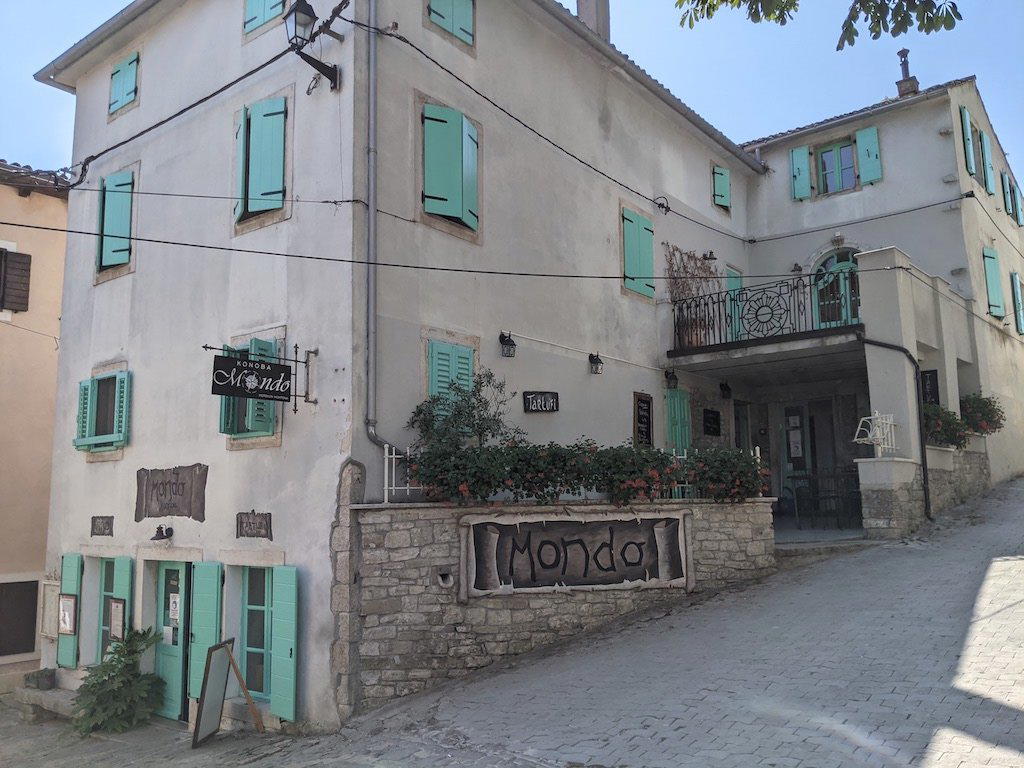
Stone Walls, Hill Town Air, and What Grows Below
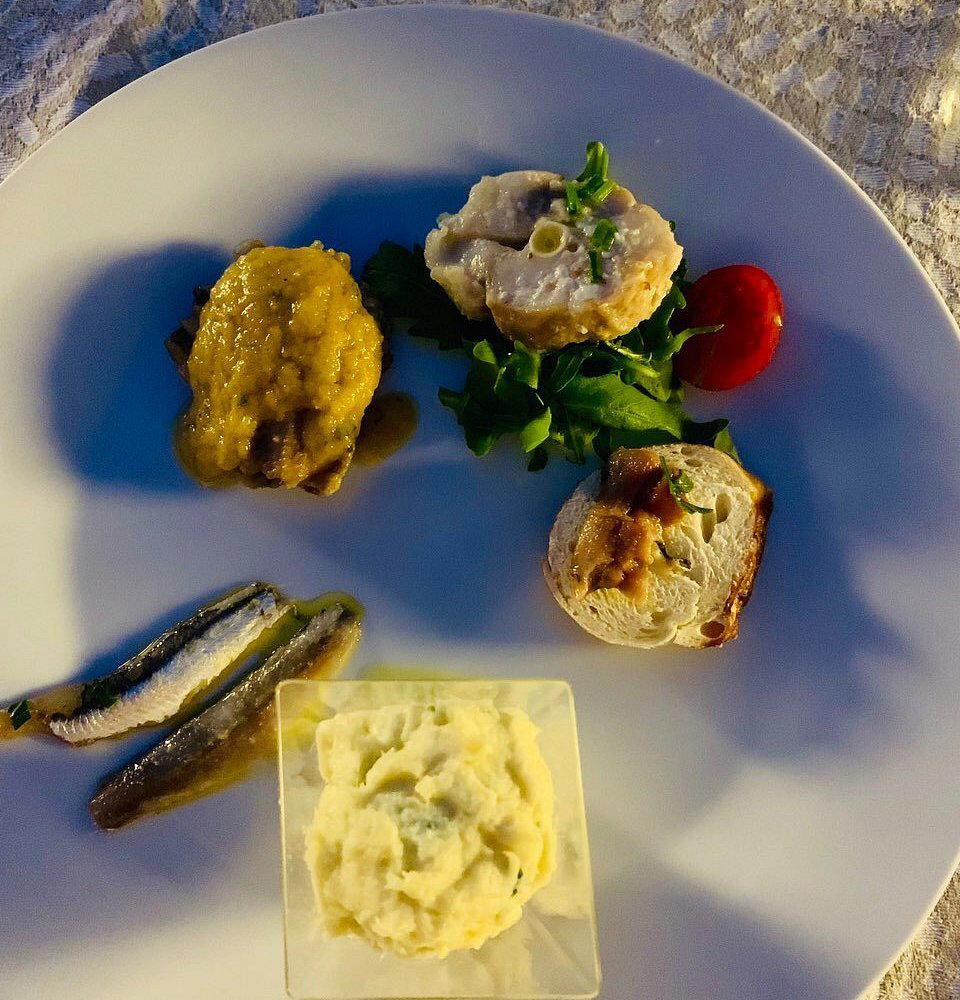
Motovun sits at around 280 metres above the Mirna River valley, and the approach, a winding road through oak and hornbeam forest, sets the terms for everything that follows. This is truffle country in its most concentrated form: the Motovun forest below the town is one of the few places in Europe where Tuber magnatum Pico, the white truffle, grows in commercially significant quantities and at a density that draws buyers from across the continent every autumn. Arriving on foot through the town's barbican gate, past medieval stonework that has barely shifted in six centuries, you are entering a place where the distance between ingredient and table is measured in metres of altitude rather than kilometres of road. Mondo is a restaurant on Barbican Street in Motovun, Croatia, serving modern Istrian truffle cuisine at about $35 per person. Mondo, addressed directly on Barbican Street, sits at that threshold.
The Istrian Ingredient Geography
To understand what a kitchen in Motovun is working with, it helps to map the sourcing geography. The Mirna valley floor produces some of Croatia's most productive truffle grounds, harvested by licensed hunters and their dogs through a season that runs roughly from late September into January for white truffle and extends across more of the year for the black Tuber aestivum. Olive groves across the Istrian interior yield oils with a grassy, peppery character distinct from Dalmatian coastal oil. The hill towns have their own livestock and vegetable traditions, cured meats, aged sheep cheeses, field herbs, that predate the Italian and Austro-Hungarian administrative layers that also left their mark on local cooking. Inland Istrian cuisine sits at the junction of these threads: it is not coastal Adriatic, it is not alpine Slovenian, and it is not straightforwardly Italian despite the significant culinary overlap with Friuli and Veneto across the border. Restaurants in hilltop Motovun operate within this specific, geographically bounded tradition, and strong examples among them treat sourcing as a structural decision rather than a marketing point.
Inland kitchens work a different pantry: more truffle, more funghi, more cured meats and aged dairy, less reliance on the day's catch.
Where Mondo Sits in Motovun's Eating Scene
Motovun is a small town, permanent population under a thousand, and its restaurant count reflects that scale. The dining options cluster around the main street and the rampart-adjacent lanes, and they serve a mix of summer visitors, Truffle Days festival crowds (the annual festival typically falls in late January), and year-round locals and second-home owners from the surrounding Istrian municipalities. Within that compact scene, Mondo's position on Barbican Street places it at one of the town's natural pedestrian pinch points: the stone archway that functions as both entrance and viewpoint, with valley panoramas opening on one side and the old town's tight lanes on the other.
The town's other recognized address, Pod Napun, draws from the same regional pantry and the same tourist and local base, which means the two venues effectively define what serious dining in Motovun looks like. In a town this size, the comparison set is short and the differentiation has to come from execution and sourcing specificity rather than scale or format variety.
The Truffle Economy and What It Means at the Table
Istrian white truffle has occupied an increasingly prominent position in European gastronomy over the past two decades, partly because supply from the better-known Piedmontese grounds has become less reliable due to climate and land-use shifts, and partly because Istrian producers have invested significantly in international market relationships. The Motovun forest specifically has become a reference point for truffle buyers and chefs, the river valley's clay soils and microclimate create conditions that produce the fungus at a quality tier that competes directly with Alba. This is not a local claim; it is reflected in auction prices and in the buying patterns of European wholesale markets.
For a kitchen in Motovun, this creates both an opportunity and an obligation. Proximity to the source means access to fresher product at a lower logistics cost than a restaurant in Zagreb or Split would face. But it also means diners arriving with specific truffle expectations, particularly during and around the autumn white truffle season. The editorial question worth asking about any Motovun kitchen is whether it treats the truffle as a flex, shaved tableside as a premium upsell, or as one element within a broader Istrian ingredient logic. The former is common; the latter is harder to execute and more interesting to eat.
Inland Istria operates at a different price register but with sourcing credentials that are, in their own category, equally specific. Other Croatian addresses worth benchmarking against include Boskinac in Novalja, Dubravkin Put in Zagreb, Krug in Split, LD Restaurant in Korčula, Nebo by Deni Srdoč in Rijeka, Alfred Keller in Mali Lošinj, Korak in Jastrebarsko, BioMania Bistro Bol in Bol, Bodulo in Pag, Burin in Crikvenica, and Cantilly Garden Restaurant in Samobor, each of which anchors its identity in a specific regional or product story. For international reference on how sourcing-led kitchens operate at the summit of their respective categories, Le Bernardin in New York City and Atomix in New York City both demonstrate how ingredient origin can function as a structural editorial position rather than a supplementary detail.
Planning a Visit
Reservations are recommended. Outside those peaks, the town operates at a quieter rhythm where walk-in dining is more plausible, though given the limited total seat count across all of Motovun's restaurants, advance contact is advisable regardless of season.
Comparable Venues
Comparable venues nearby, for context on price, style, and recognition.
| Venue | Cuisine | Price | Notes |
|---|---|---|---|
| MondoThis venue — the venue you are viewing | Modern Istrian Truffle Cuisine | $$ | Not listed |
| Pod Napun | Traditional Istrian | $$ | Motovun |
| Kantina Melon | Istrian Mediterranean with Pizza and Grill | $$ | Petrovija |
| Hotel & Restoran Degenija | Traditional Croatian Regional Grill | $$ | Selište Drežničko, Rakovica |
| Al Ponte Konoba | Seasonal Croatian Konoba | $$ | Mošćenička Draga |
| Ružmarin | Mediterranean Pizza & Grill | $$ | Slatina |
Continue exploring
More in Motovun
Restaurants in Motovun
Browse all →
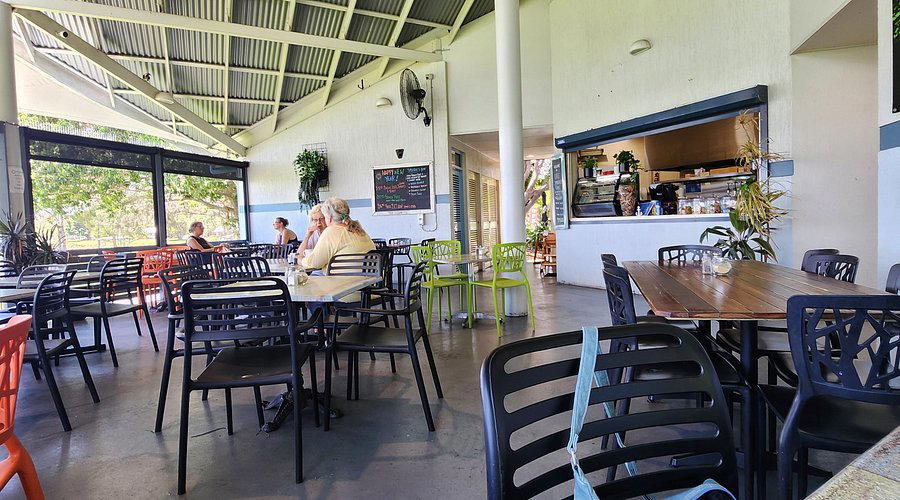
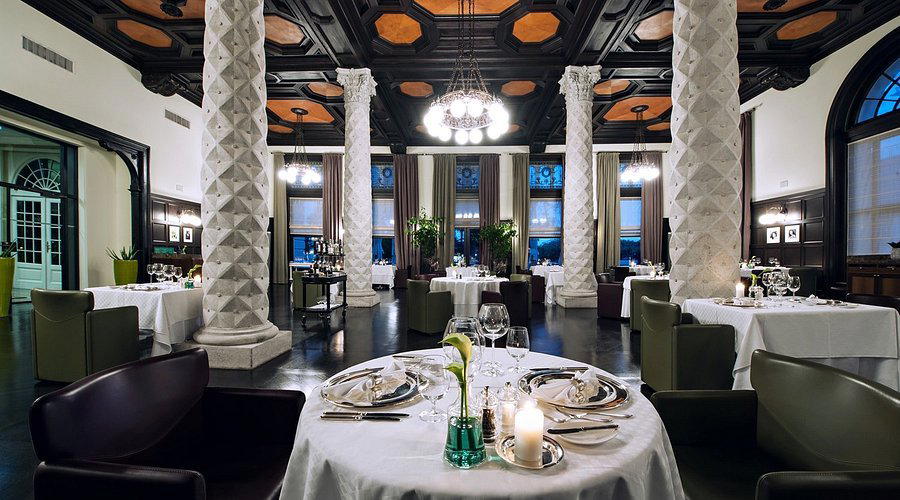
Bars in Motovun
Browse all →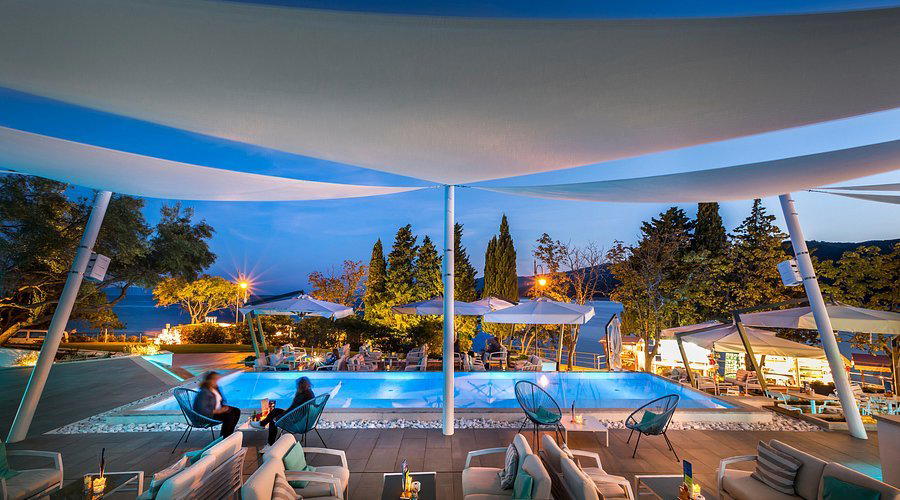
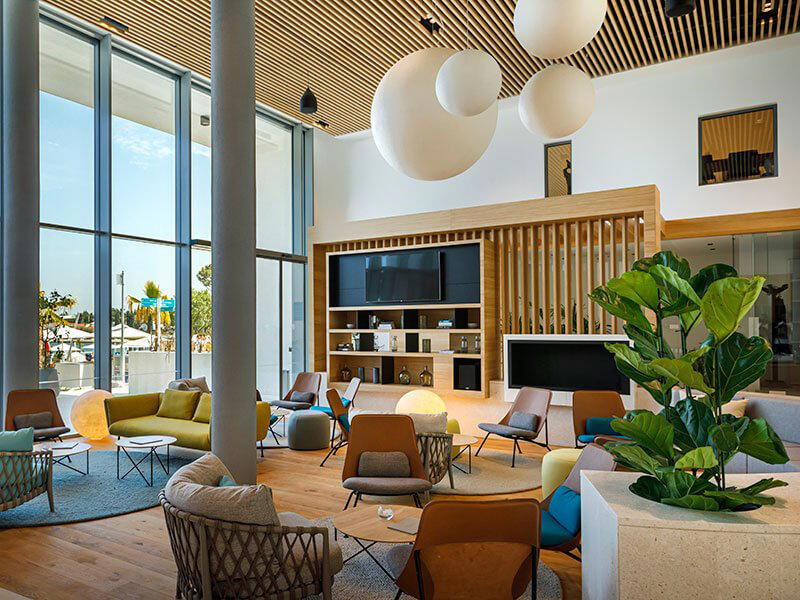
Hotels in Motovun
Browse all →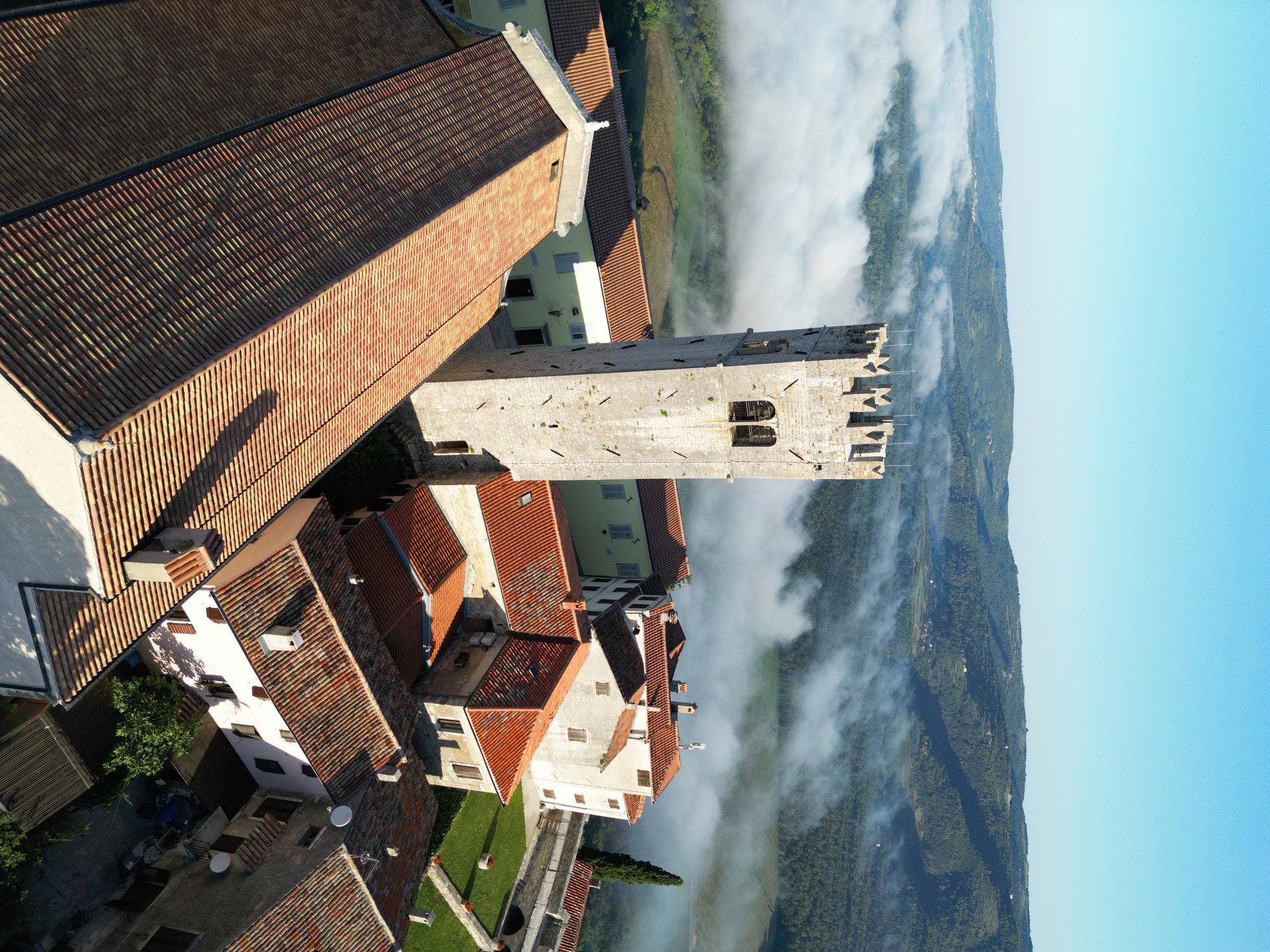

At a Glance
- Rustic
- Cozy
- Scenic
- Special Occasion
- Date Night
- Terrace
- Extensive Wine List
- Local Sourcing
- Street Scene
Current opening hours
- Monday
- 12–10 PM
- Tuesday
- Closed
- Wednesday
- 12–10 PM
- Thursday
- 12–10 PM
- Friday
- 12–10 PM
- Saturday
- 12–10 PM
- Sunday
- 12–10 PM
Hours can change for holidays and private events. Last verified .
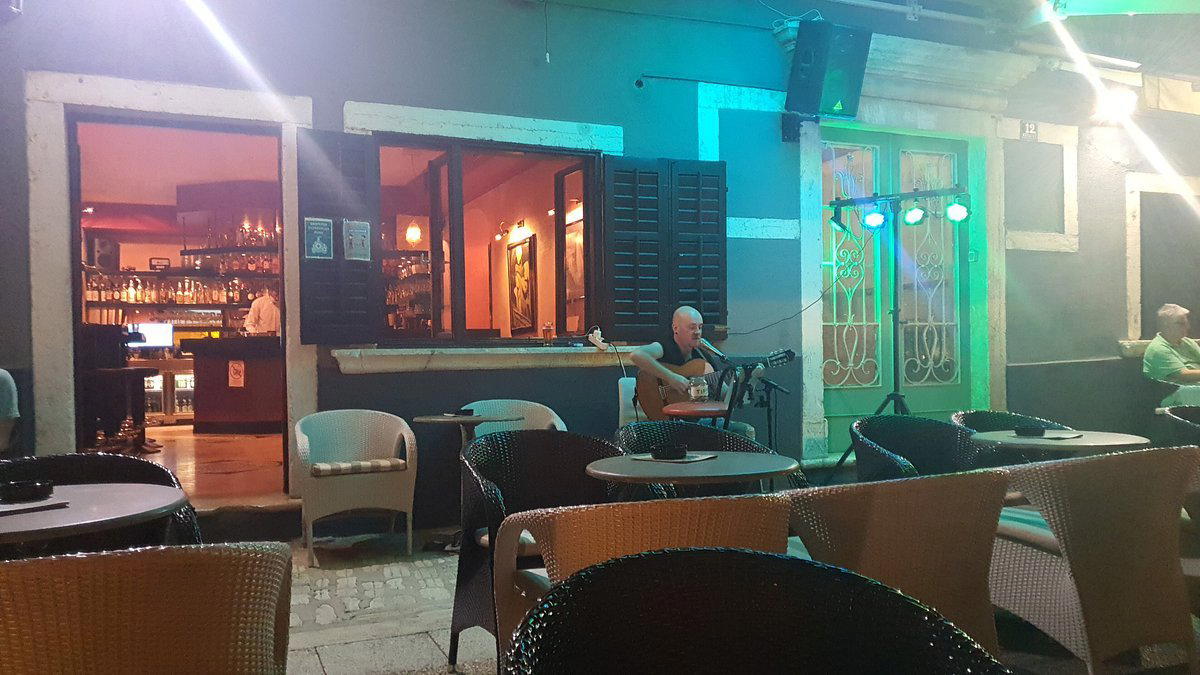
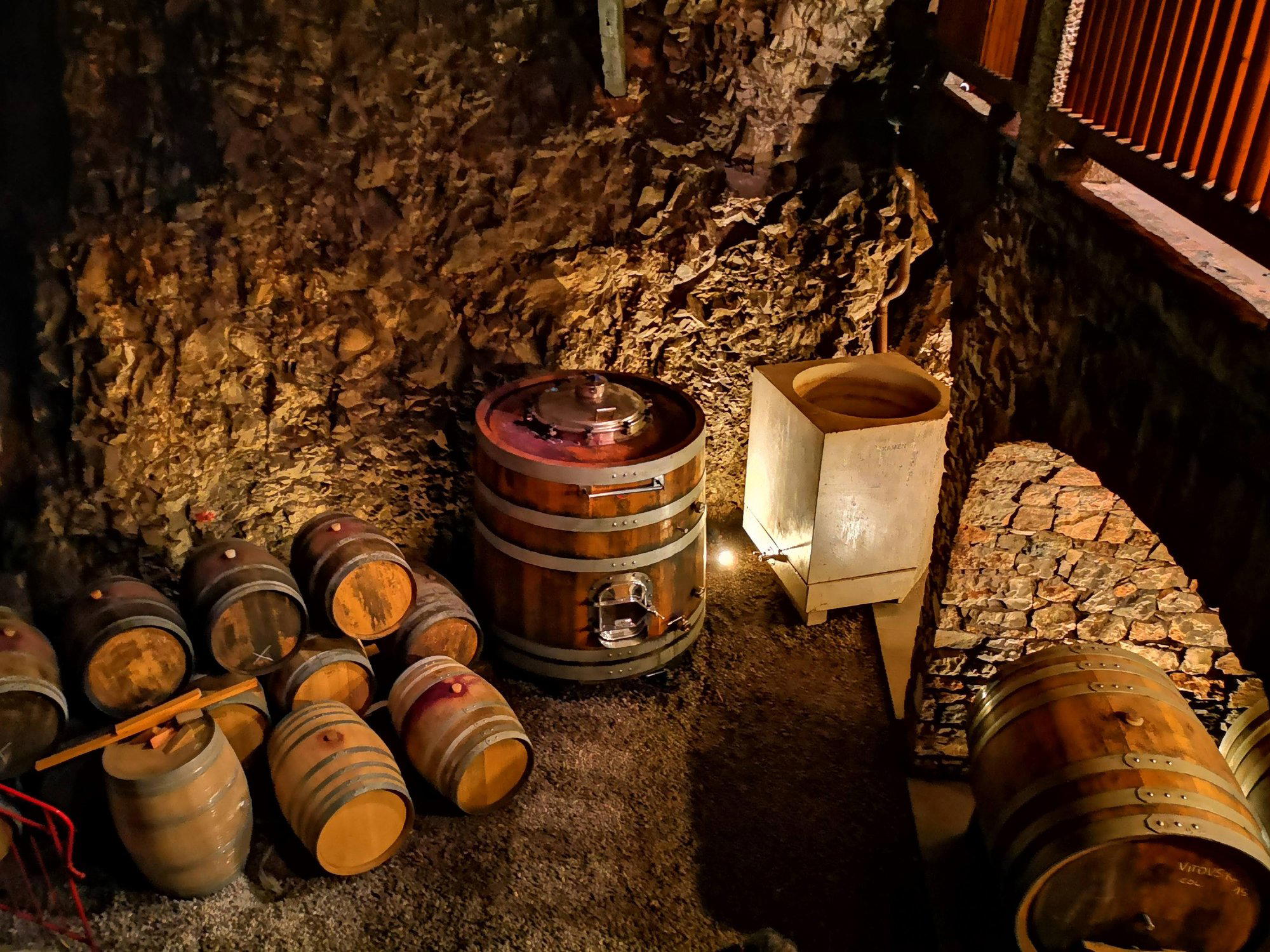
Rustic yet inviting with wonderful terrace seating, mint-colored shutters, and occasional live saxophone music creating a cozy, old-world atmosphere.