Veli Jože occupies a stone-walled address on Ul. Sv. Križa in Rovinj's old town, where the Istrian kitchen's relationship with local land and sea defines the menu. The restaurant sits within a dining scene that prizes proximity of ingredient over culinary showmanship, placing it in a tradition that runs deep across this corner of Croatia's Adriatic coast.
Pearl is the En Primeur Club membership app — saves, bookings, and concierge access live there. Same editors, same standards.
- Address
- Ul. Sv. Križa 1, 52210, Rovinj, Croatia
- Phone
- +38552816337
 Saves & bookings on Pearl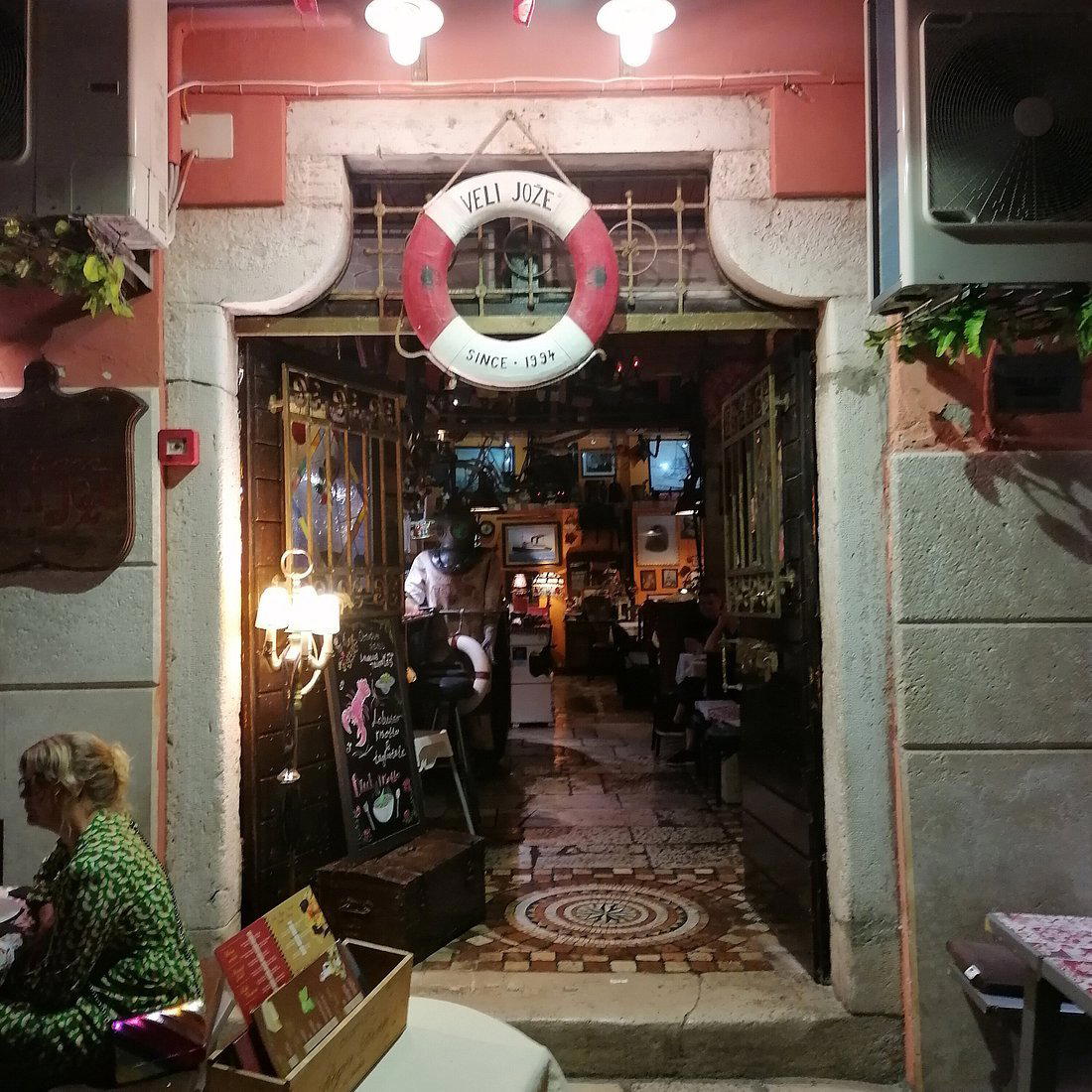
Stone, Salt, and the Istrian Table
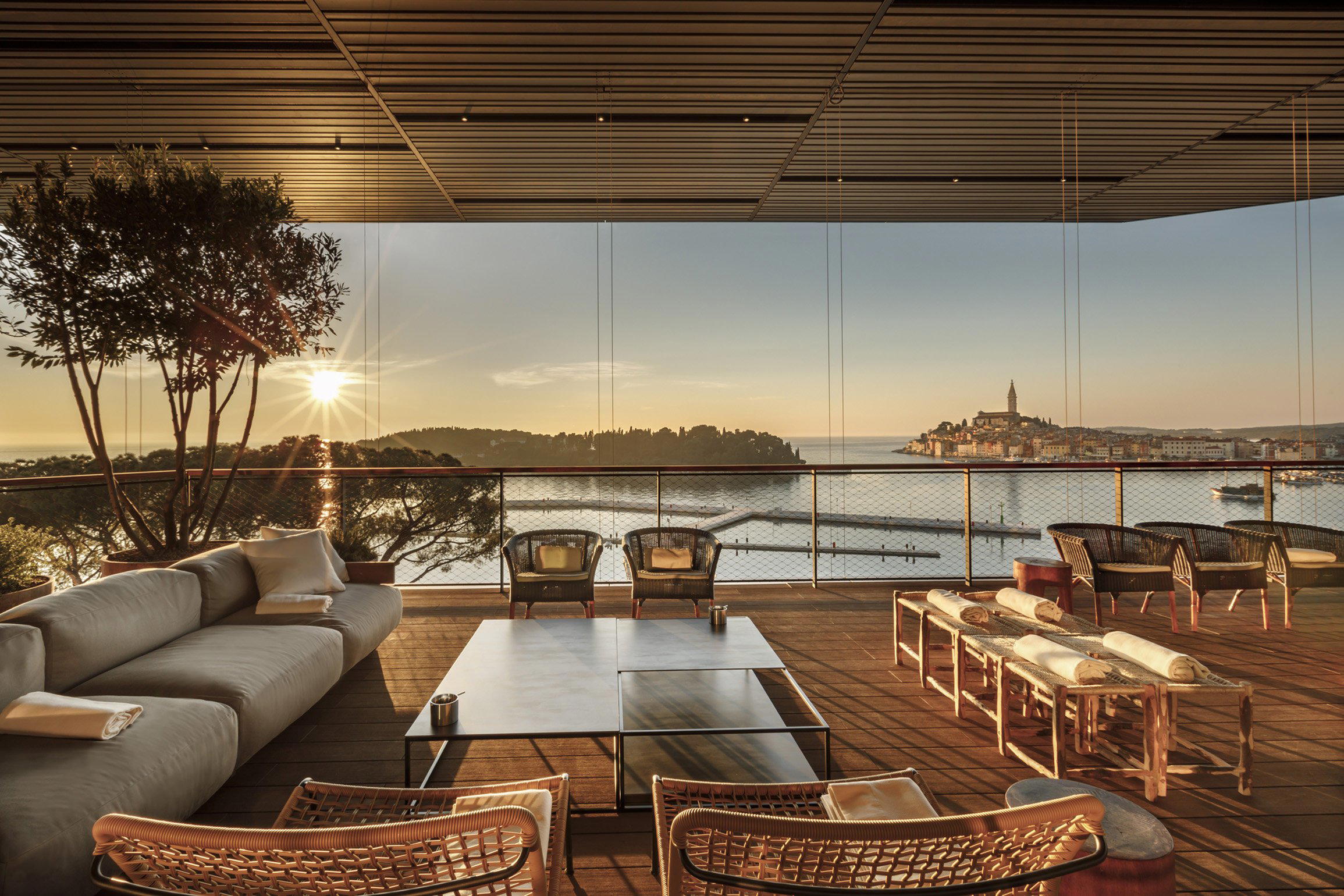
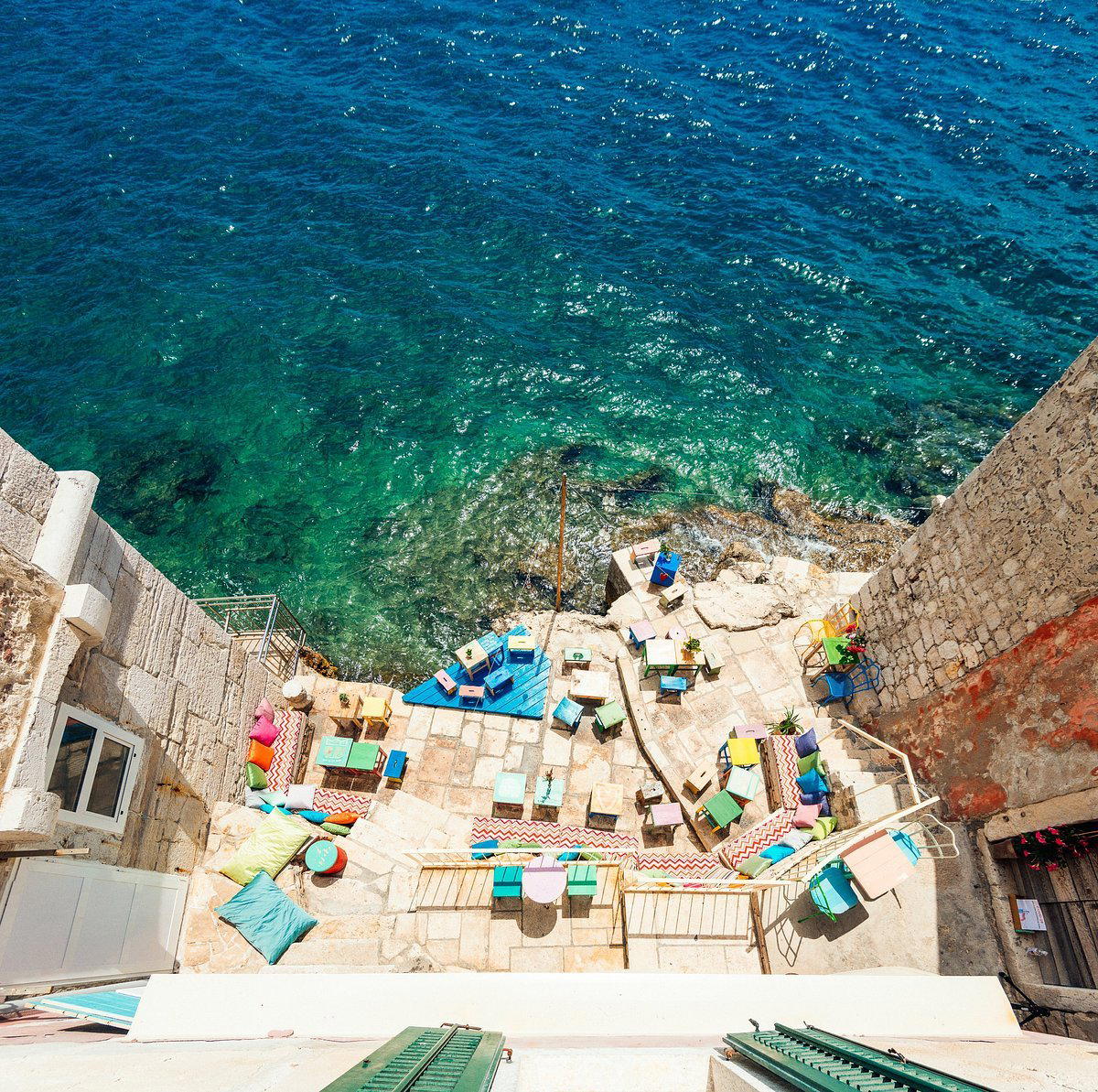
Approach Rovinj's old town on foot and the streets narrow quickly, cobblestones rising toward the hilltop church of St. Euphemia, the facades pressing close on either side. Ul. Sv. Križa runs through this compressed topography, and it is here that Veli Jože occupies one of those addresses that feels less chosen than inherited, the kind of room that fits its surroundings so precisely that imagining it elsewhere becomes difficult. The physical environment of Rovinj's historic core sets terms that every restaurant operating within it must meet: materials that speak to the building's age, a pace that matches the unhurried rhythm of the waterfront town, and food that earns its place in a landscape defined by specific producers, specific seasons, and a specific sea.
Istria's restaurant culture has matured considerably over the past decade. The peninsula now operates multiple tiers simultaneously: a creative fine-dining register represented by venues like Monte and its experimental offshoot Cave Lab by Monte, an upmarket Italian-inflected category anchored by places like Agli Amici Rovinj, and a broader tier of restaurants that do the harder, less theatrical work of presenting regional cuisine with integrity and consistency. Veli Jože is a casual restaurant serving Traditional Istrian Seafood at Ul. Sv.
What the Istrian Kitchen Demands of Its Ingredients
The ingredient logic of Istrian cooking is not complicated, but it is demanding. The region produces some of Croatia's most recognised olive oils, concentrated in the groves around Vodnjan and the Brijuni islands. Istrian truffles from the Motovun forest, particularly the black variety in summer and the white in autumn, have been exported to European fine-dining kitchens for decades, though they appear most honestly when consumed closer to where they were found. The Adriatic off the Istrian coast yields sea bass, dentex, mullet, and squid, with the quality of that catch varying sharply depending on the relationship between kitchen and supplier. This is the sourcing infrastructure that any serious Istrian kitchen must engage with, and the question worth asking of any restaurant in Rovinj is how directly and how honestly it does so.
In a broader Croatian context, the commitment to proximity of ingredient has become a meaningful differentiator among the country's more considered restaurants. Pelegrini in Sibenik has built its reputation largely on this principle, as has Boskinac in Novalja, which integrates its own estate production. On the Dalmatian coast, LD Restaurant in Korčula and Restaurant 360 in Dubrovnik operate in a similar mode at higher price points. What these restaurants share is a kitchen philosophy anchored in what the surrounding region can actually provide, rather than in imported prestige ingredients. Veli Jože belongs to this tradition at the Istrian end of the spectrum.
The Scene in Rovinj's Upper Dining Tier
Rovinj has enough restaurant density for a town of its size to support genuine comparison shopping. The creative end of the market is well covered: Cap Aureo occupies the premium bracket alongside Monte, while Dream operates at a somewhat more accessible register. Against these, and against comparison venues operating at €€€€ price points in the region, the restaurant positions itself through the specificity of its Istrian address and the weight of its local ingredient relationships rather than through format ambition or international reference points.
For context, Croatia's dining scene at the national level includes kitchens with significant pedigree: Dubravkin Put in Zagreb, Nebo by Deni Srdoč in Rijeka, Krug in Split, and Alfred Keller in Mali Lošinj. These venues operate with the kind of credentialed ambition that draws international attention. The restaurant is not in that conversation, nor does it appear to seek entry into it. Its frame of reference is narrower and more specific: the old town of Rovinj, the Istrian producers it works with, and the visitors and locals who want that specificity without the ceremony of a tasting menu format.
That positioning is not a limitation. In the context of how travel editorial has shifted toward ingredient provenance as a primary quality signal, a restaurant whose strength is its rootedness in a particular place and its supply relationships carries a different kind of authority than one whose ambition is to reference international fine dining. For a reader trying to understand where the restaurant fits, one accurate frame is: a restaurant whose value is local coherence rather than creative ambition, operating in a part of Croatia where local coherence means access to some genuinely good raw material.
Planning Your Visit
The restaurant sits at Ul. Sv. Križa 1 in Rovinj's pedestrian old town, which means arrival on foot is the only practical option for the final approach. Reservations are recommended. Korak in Jastrebarsko represents the continental Croatian kitchen at a similar register, while BioMania Bistro Bol in Bol applies comparable sourcing principles in a Dalmatian island context.
Side-by-Side Snapshot
Comparable venues nearby, for context on price, style, and recognition.
| Venue | Cuisine | Price | Notes |
|---|---|---|---|
| Veli JožeThis venue — the venue you are viewing | Traditional Istrian Seafood | $$ | Not listed |
| La Vela | Mediterranean Seafood & Pizza | $$ | Old Town |
| Tutto Bene | Mediterranean Seafood | $$$ | old town |
| Dream | Istrian Fusion Mediterranean | $$$ | old town |
| Segutra | Mediterranean Seafood | $$ | Old Town |
| Male Madlene | Istrian Tapas & Fine Finger Food | $$$ | Santa Croce |
Continue exploring
More in Rovinj
Restaurants in Rovinj
Browse all →
At a Glance
- Rustic
- Classic
- Cozy
- Well Known
- Casual Hangout
- Group Dining
- Terrace
- Street Scene
Current opening hours
- Monday
- 11 AM–11 PM
- Tuesday
- 11 AM–11 PM
- Wednesday
- 11 AM–11 PM
- Thursday
- 11 AM–11 PM
- Friday
- 11 AM–11 PM
- Saturday
- 11 AM–11 PM
- Sunday
- 11 AM–11 PM
Hours can change for holidays and private events. Last verified .
High-ceilinged rustic space crammed with antiques, sea-going kitsch, and unchanged decor creating a nostalgic living museum atmosphere.