Sitting directly against the outer wall of Pula's Roman amphitheatre, Amfiteatar Restaurant occupies among the more historically charged dining addresses in Croatia. The kitchen draws on Istrian ingredients and Adriatic produce, placing it among Pula's more context-driven dining options. For visitors already at the arena, it is a logical and considered stop.
Pearl is the En Primeur Club membership app — saves, bookings, and concierge access live there. Same editors, same standards.
- Address
- Amfiteatarska ul. 6, 52100, Pula, Croatia
- Phone
- +385915762362
- Website
- restaurant-amfiteatar.com
- Directions
- Get directions
 Saves & bookings on Pearl
Dining in the Shadow of Rome
Amfiteatar Restaurant is a casual Mediterranean and Istrian restaurant in Pula, Croatia. The building sits on Amfiteatarska ul. 6, pressed against the outer limestone arcade of Pula's Roman amphitheatre, one of the six largest surviving Roman arenas in the world and the defining object of the city's skyline. Before you consider what's on the plate, the setting does significant work: the amphitheatre was completed in the first century AD, has a capacity that once held 20,000 spectators, and remains in active use today for concerts and events. Eating here is, in a literal sense, dining beside two millennia of continuous public life.
This kind of address creates both an opportunity and a pressure. In many heritage-adjacent dining rooms across Europe, the monument outside becomes an excuse for the kitchen to coast. The better operators in this category understand that proximity to a landmark demands a corresponding seriousness about what's on the table, specifically, that the food should be as rooted in its place as the stone walls outside. Istria's culinary identity gives any kitchen here material to work with: truffles from the interior forests around Motovun, olive oils from groves that have been producing since Roman settlement, seafood pulled from the northern Adriatic, and a winemaking tradition that predates Croatia's modern borders.
Istrian Ingredients and Why the Sourcing Story Matters
Istria sits at a crossroads of Italian, Slavic, and Central European culinary influence, and its ingredient base reflects that layered geography. The region's white truffles rival Périgord and Alba in prestige, though they remain less internationally marketed, which keeps them relatively available to local restaurants that prioritise regional supply chains. Istrian extra-virgin olive oils have accumulated international recognition in competitions judged against Mediterranean-wide fields, and the peninsula's seafood, particularly scampi from the Kvarner Gulf to the northeast, commands attention from chefs across the Adriatic coast.
For a restaurant positioned on this address, the editorial question is whether the kitchen connects to those supply networks or defaults to a tourist-facing menu that could exist anywhere. Venues in Pula that lean into Istrian provenance, sourcing truffles from named inland suppliers and building menus around the seasonal Adriatic catch rather than a fixed protein roster, occupy a different tier from those treating the setting as the entirety of the offer. The distinction matters particularly in summer, when Pula's tourist volume is at its highest and the temptation to standardise is greatest. Pula's dining scene has matured enough in recent years to include operators at multiple price points who take sourcing seriously: Fradis Minoris (Sardinian) and Farabuto represent the end of that range where ingredient decisions are central to the editorial identity of the kitchen.
Pula's Dining Context
Pula is not a large city, its year-round population sits around 55,000, but it functions as the economic and cultural capital of Istria, and its dining scene punches above that demographic size. The amphitheatre draws visitors from across Europe throughout the summer months, and the restaurants that cluster in the old town, particularly along the roads radiating from the arena, have learned to balance volume with quality.
Within Pula, the comparison set for a restaurant at this address includes Gina, Kantina, and Kažun Tavern, each of which approaches Istrian cooking with its own emphasis. Across the broader Croatian Adriatic coast, the standard of destination restaurants has risen sharply over the past decade. Michelin has expanded its Croatian coverage, and venues like Agli Amici Rovinj in Rovinj, Pelegrini in Sibenik, and LD Restaurant in Korčula have established that Croatian coastal dining is no longer a regional footnote in a southern European context. Further up the coast, Nebo by Deni Srdoč in Rijeka and Alfred Keller in Mali Lošinj represent how Kvarner and the islands have developed their own serious dining propositions. On the island of Pag, Boskinac in Novalja integrates estate wine production with its kitchen in a way that raises the bar for what regional sourcing can mean. Inland, Korak in Jastrebarsko and Dubravkin Put in Zagreb show how the continental Croatian kitchen has developed its own rigour. In Dalmatia, Krug in Split and Restaurant 360 in Dubrovnik operate at price points and with presentation standards that align them with international reference points rather than domestic ones. Globally, the technical ambition of venues like Le Bernardin in New York City and the format experimentation of Lazy Bear in San Francisco illustrate how far the conversation around sourcing and kitchen identity has travelled. Istria's leading kitchens are part of that conversation, even if they haven't always sought the international recognition that would make it obvious.
Planning Your Visit
The amphitheatre address means Amfiteatar is easy to locate on foot from anywhere in Pula's old town: the arena itself is the wayfinding landmark, and the restaurant occupies the ground level of the adjacent building on the arena's outer perimeter. Summer evenings, when the amphitheatre is lit and the stone radiates the day's warmth, represent one atmospheric window for a meal here. Pula's peak tourist season runs from late June through August, when the arena hosts major events including the Pula Film Festival in late July; table availability at restaurants near the monument tightens considerably during those weeks, and planning ahead is advisable. The shoulder months, May through early June and September through October, carry more comfortable temperatures, shorter queues, and kitchens that are often at their most focused.
Side-by-Side Snapshot
Comparable venues nearby, for context on price, style, and recognition.
| Venue | Cuisine | Price | Notes |
|---|---|---|---|
| Amfiteatar RestaurantThis venue — the venue you are viewing | Mediterranean and Istrian with Modern Twist | $$ | Not listed |
| Kantina | Istrian Mediterranean with Truffle Specialties | $$ | Pula Old Town |
| Kažun Tavern | Traditional Istrian Mediterranean | $$ | Pula center |
| Veritas Food&Wine | Istrian Seafood & Mediterranean | $$$ | Old Town |
| Restoran Katarina | Mediterranean Istrian Seafood | $$ | Marina Polesana |
| Farabuto | Istrian-Mediterranean Slow Food | $$$ | Outskirts of Pula city centre |
Continue exploring
More in Pula
Restaurants in Pula
Browse all →
Bars in Pula
Browse all →
Hotels in Pula
Browse all →

At a Glance
- Scenic
- Casual
- Casual Hangout
- Family
- Terrace
- Historic Building
- Extensive Wine List
- Local Sourcing
- Street Scene
Current opening hours
- Monday
- Closed
- Tuesday
- 5–11 PM
- Wednesday
- 5–11 PM
- Thursday
- 5–11 PM
- Friday
- 5–11 PM
- Saturday
- 5–11 PM
- Sunday
- 12–3 PM
Hours can change for holidays and private events. Last verified .
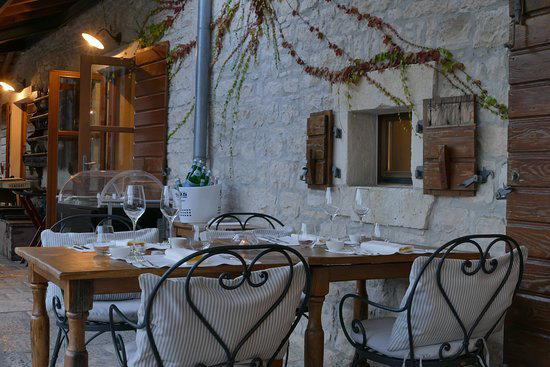
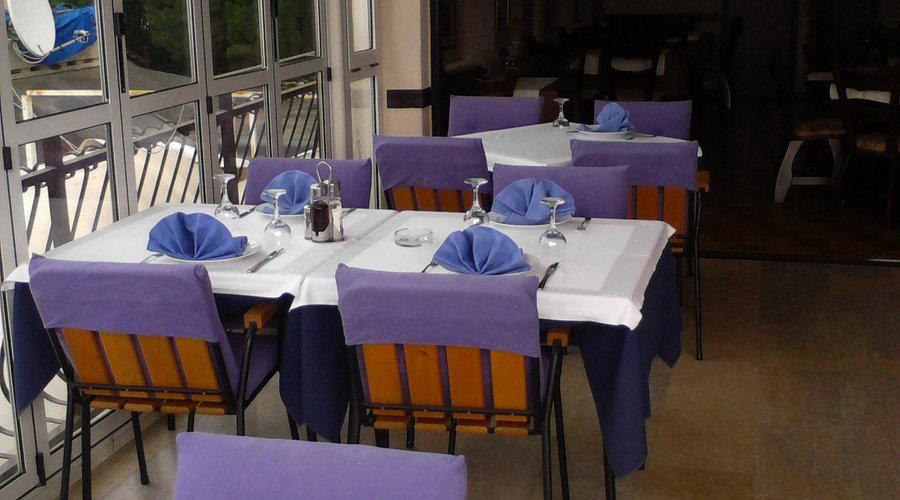
Casual atmosphere with terrace seating overlooking the historic Roman Amphitheater and sea.