
Michelin Plate
Our verdict
Badi holds consecutive Michelin Plate recognitions (2024 and 2025) in the small coastal village of Lovrečica, on Istria's northwestern shore near Umag. The kitchen works within a Mediterranean framework that reflects the olive-producing, seafood-oriented character of the surrounding peninsula. At the €€€ price tier, it sits a step below the starred Istrian names while drawing consistent critical acknowledgment.

Pearl is the En Primeur Club membership app — saves, bookings, and concierge access live there. Same editors, same standards.
- Address
- Umaška ulica 12, Lovrecica, 52470, Umag, Croatia
- Phone
- +385 52 756 293
- Website
- restaurant-badi.com
- Directions
- Get directions
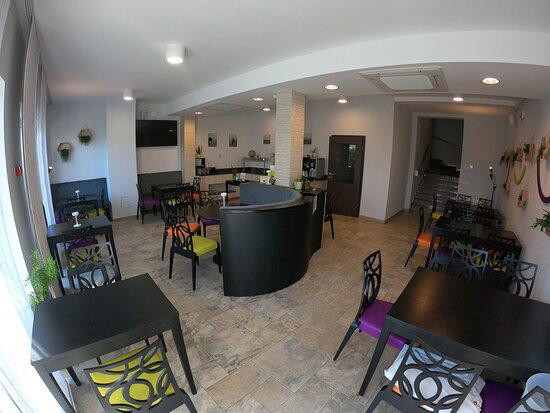
The menu
What to order
- Badi soup
- Tagliatelle Badi
- Scampi na buzaru
- Sea bass in bread
The Istrian Shore and What It Puts on a Plate
Approaching Lovrečica from Umag along the narrow coastal road, the Adriatic appears in pale flashes between the stone walls and olive groves that define this stretch of northwestern Istria. The village itself is small enough that Badi operates not as one option among many but as a reason to make the trip. That positioning, modest village address combined with two consecutive Michelin Plate recognitions in 2024 and 2025, places it within a pattern that has been reshaping Istrian dining for some years: serious kitchens choosing quiet settings over the noise of tourist-heavy towns.
The Michelin Plate is not a star, but its consecutive appearance on a restaurant of this scale and location carries a specific signal. It marks a kitchen operating at a consistent technical level, reviewed and re-reviewed across seasons. For context, Istria now carries more Michelin-recognized addresses per square kilometre than most of continental Croatia, and the competition for that recognition includes starred rooms such as Agli Amici Rovinj in Rovinj, which holds two stars and sets the regional ceiling. Badi occupies a different tier within that same geography: Mediterranean in scope, €€€ in pricing, and rooted in the produce and flavour logic of the Istrian coast rather than in Italian or international frameworks.
Olive Oil as Architecture
To understand what Mediterranean cuisine means at this address, it helps to understand what Istria's olive oil sector has become. The peninsula produces some of the most decorated extra-virgin oils in Europe, with cultivars such as Bjelica, Buža, and the local Istarska Bjelica appearing consistently at international competitions. The olive harvest runs from late October through November, and the oils that result, typically cold-pressed within hours of picking, are grassy and peppery in a way that fundamentally shapes how food from this region tastes. A kitchen working in the Mediterranean tradition here does not treat olive oil as a finishing flourish; it functions as structural fat, flavour base, and sauce component across the meal.
This distinction matters when comparing Badi to Mediterranean-labelled restaurants operating in contexts where olive oil arrives in unmarked carafes. The access to fresh, regionally produced oil in Istria gives local kitchens a material advantage that shows most clearly in simply prepared dishes: grilled fish, raw shellfish, vegetable preparations dressed at the table. The gap between good and indifferent Mediterranean cooking often comes down to exactly this ingredient. For a broader view of how this philosophy plays out across the northern Adriatic and the wider Mediterranean, see comparable approaches at La Brezza in Ascona and, at the higher-luxury end, Arnaud Donckele and Maxime Frédéric at Louis Vuitton in Saint-Tropez.
Where Badi Sits in Croatia's Recognized Dining Circuit
Croatia's Michelin-listed restaurants cluster in a handful of locations: Dubrovnik, Split, Rovinj, Šibenik, and the islands. Starred rooms such as Pelegrini in Šibenik and Restaurant 360 in Dubrovnik operate at the €€€€ tier and present tasting-menu formats that draw destination diners. Nebo by Deni Srdoč in Rijeka and LD Restaurant in Korčula represent similar ambitions along the coast. Badi sits below that starred tier in price and format, which gives it a different kind of utility: it functions as a serious meal in an area where most dining options are oriented toward summer volume rather than culinary depth.
The €€€ price range places Badi above casual konoba territory but below the starred dining circuit. Within Istria specifically, this mid-premium tier has proved fertile ground: Alla Beccaccia in Valbandon operates in a similar register. Further afield on the Croatian coast, Boskinac in Novalja and Krug in Split represent the same positioning logic: Michelin-recognized quality without the tasting-menu formality or four-euro-sign pricing of the flagship rooms. Dubravkin Put in Zagreb and Korak in Jastrebarsko show that the same pattern holds inland. Alfred Keller in Mali Lošinj demonstrates how island settings have developed comparable credentials.
Planning Your Visit
Lovrečica sits a few kilometres south of Umag along the Istrian coastline, reachable by car from the Umag town centre in under ten minutes. The surrounding area rewards broader exploration: see our full Lovrečica restaurants guide for the local dining picture, and our Lovrečica hotels guide if you are planning an overnight stay. For the full local picture, the bars guide, wineries guide, and experiences guide round out what the area offers beyond the table. Given Badi's Michelin recognition and relatively small village setting, booking in advance is the sensible approach, particularly during the Istrian high season running from June through August and during the September truffle and olive harvest period when regional food tourism intensifies.
Frequently asked questions
What's the price range at Badi?
Pricing at Badi is listed as €€€.
A Quick Peer Check
| Venue | Cuisine | Price | Awards |
|---|---|---|---|
| BadiThis venue — the venue you are viewing | Traditional Istrian Seafood | $50–100 | Michelin Plate |
| Pelegrini | Mediterranean, Modern Cuisine | Not listed | Michelin 1 Star |
| Restaurant 360 | International, Modern Cuisine | Not listed | Michelin 1 Star |
| Foša | Croatian, Classic Cuisine | Not listed | Not listed |
| Nautika | Modern European, Classic Cuisine | Not listed | Not listed |
| Agli Amici Rovinj | Italian Contemporary | Not listed | Michelin 2 Star |
Recognition history
Dated appearances from independent guides and award organizations, with the underlying list record or original source where available.
Michelin Plate
Michelin · 2026 Michelin Plate
Full recognition history (3 entries)
Michelin Plate
Michelin
Michelin Plate
Michelin
Continue exploring
More in Lovrečica
Restaurants in Lovrečica
Browse all →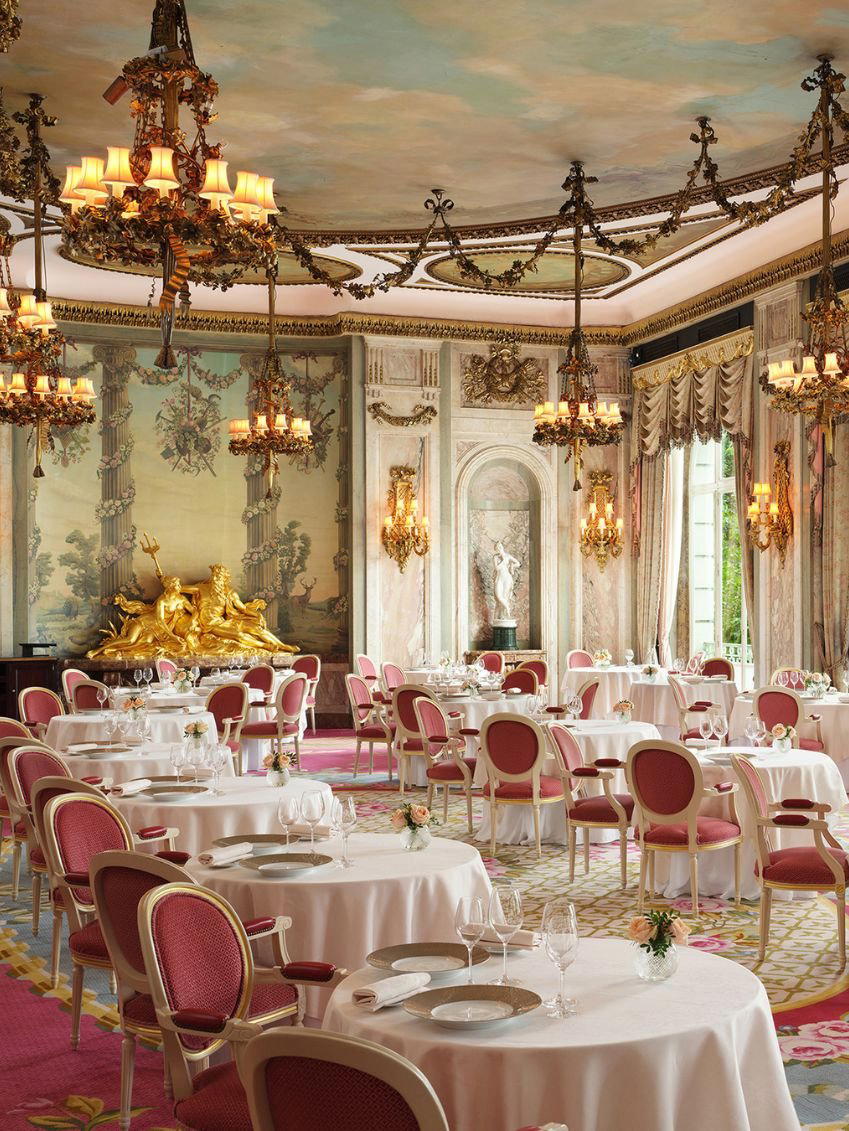
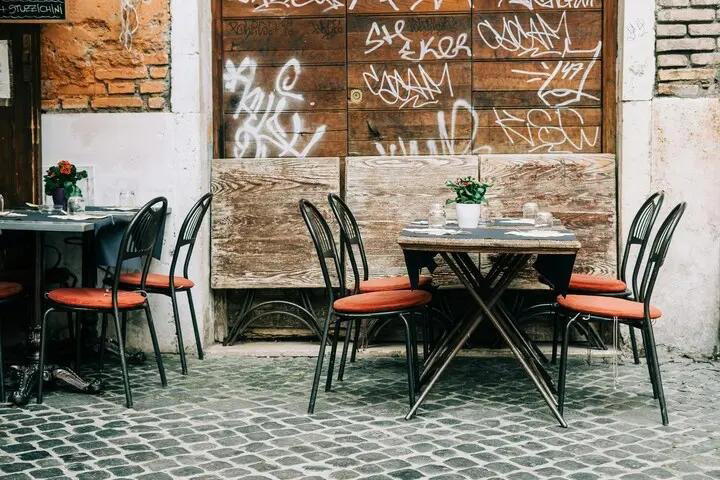
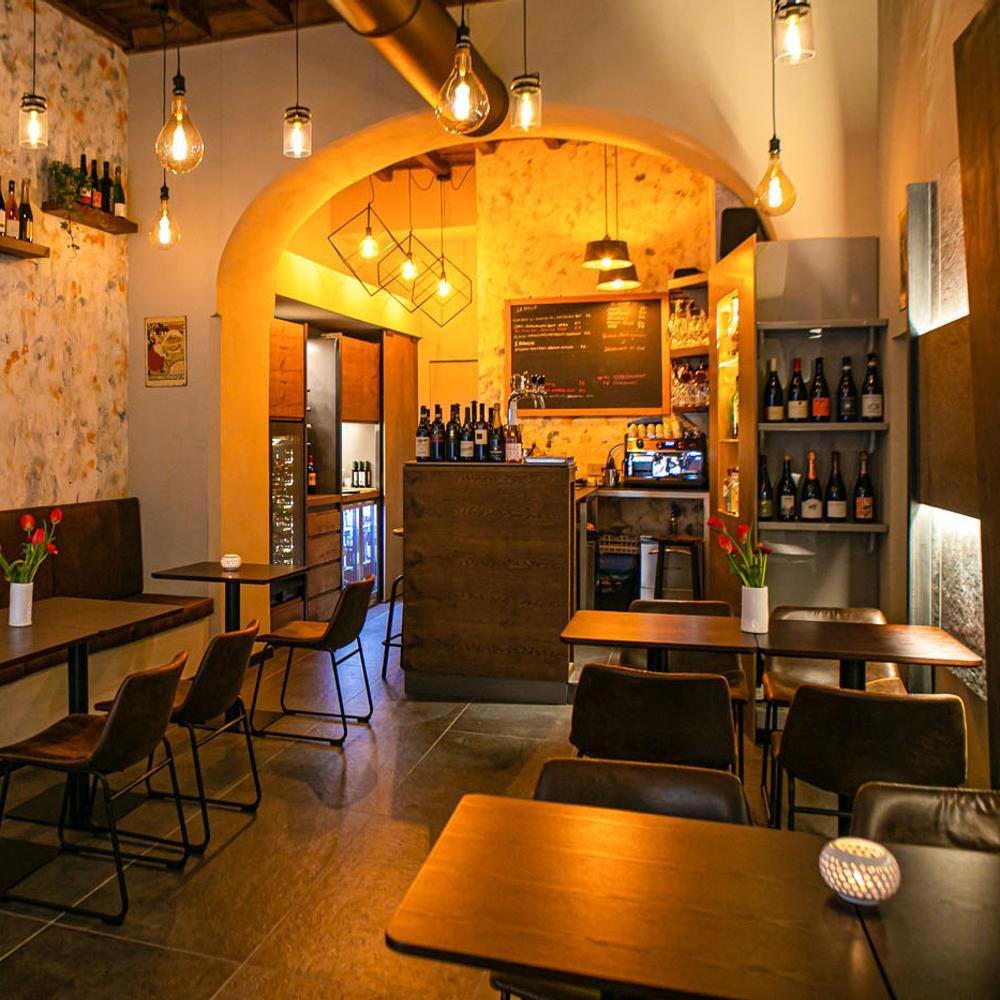
Bars in Lovrečica
Browse all →
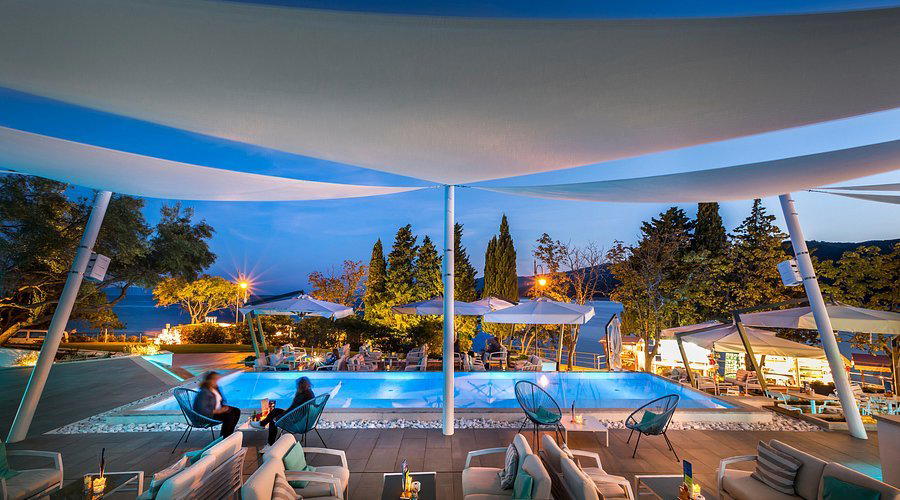
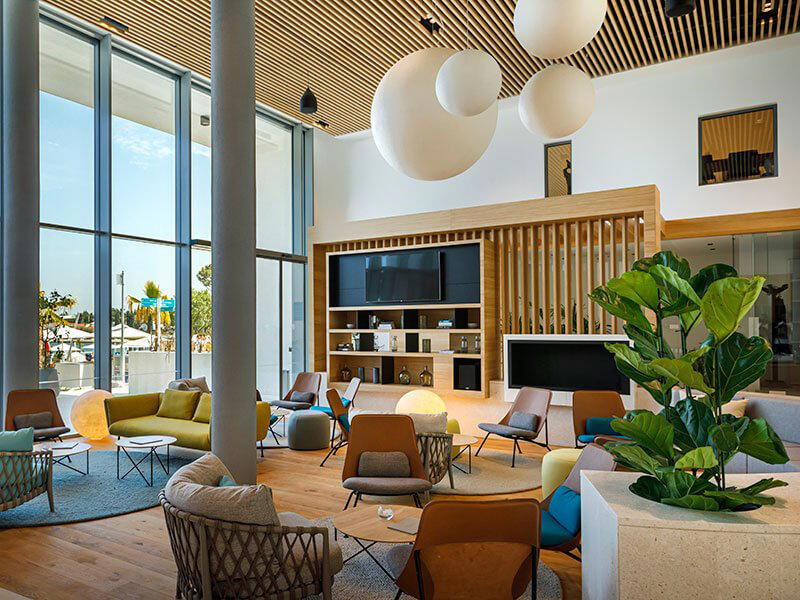
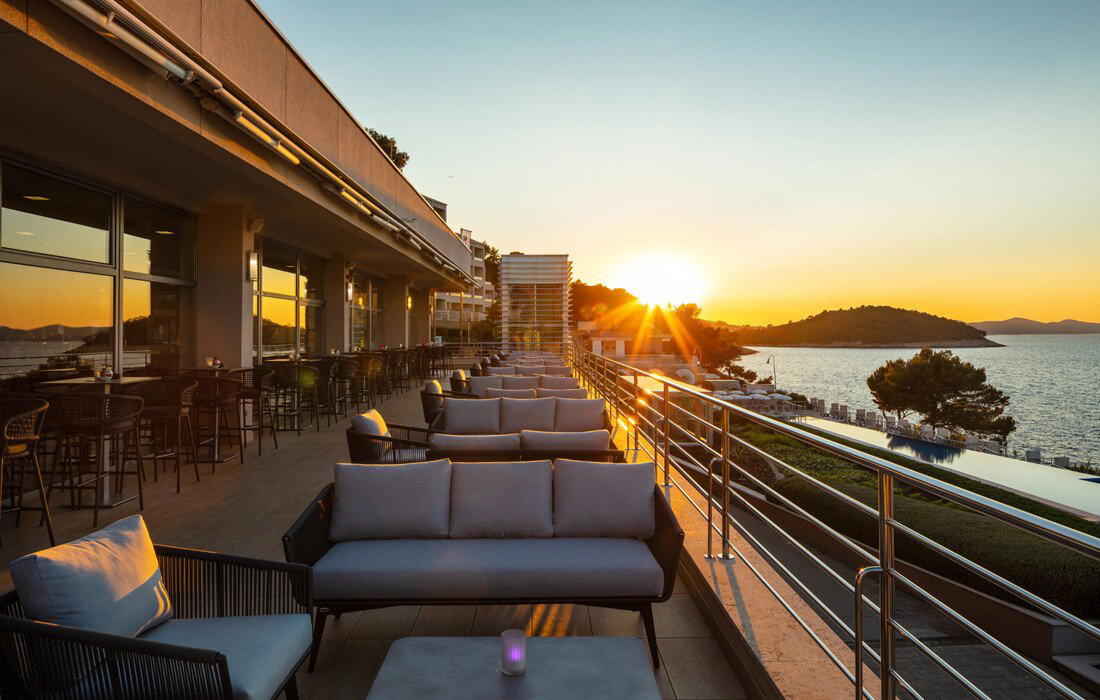
Hotels in Lovrečica
Browse all →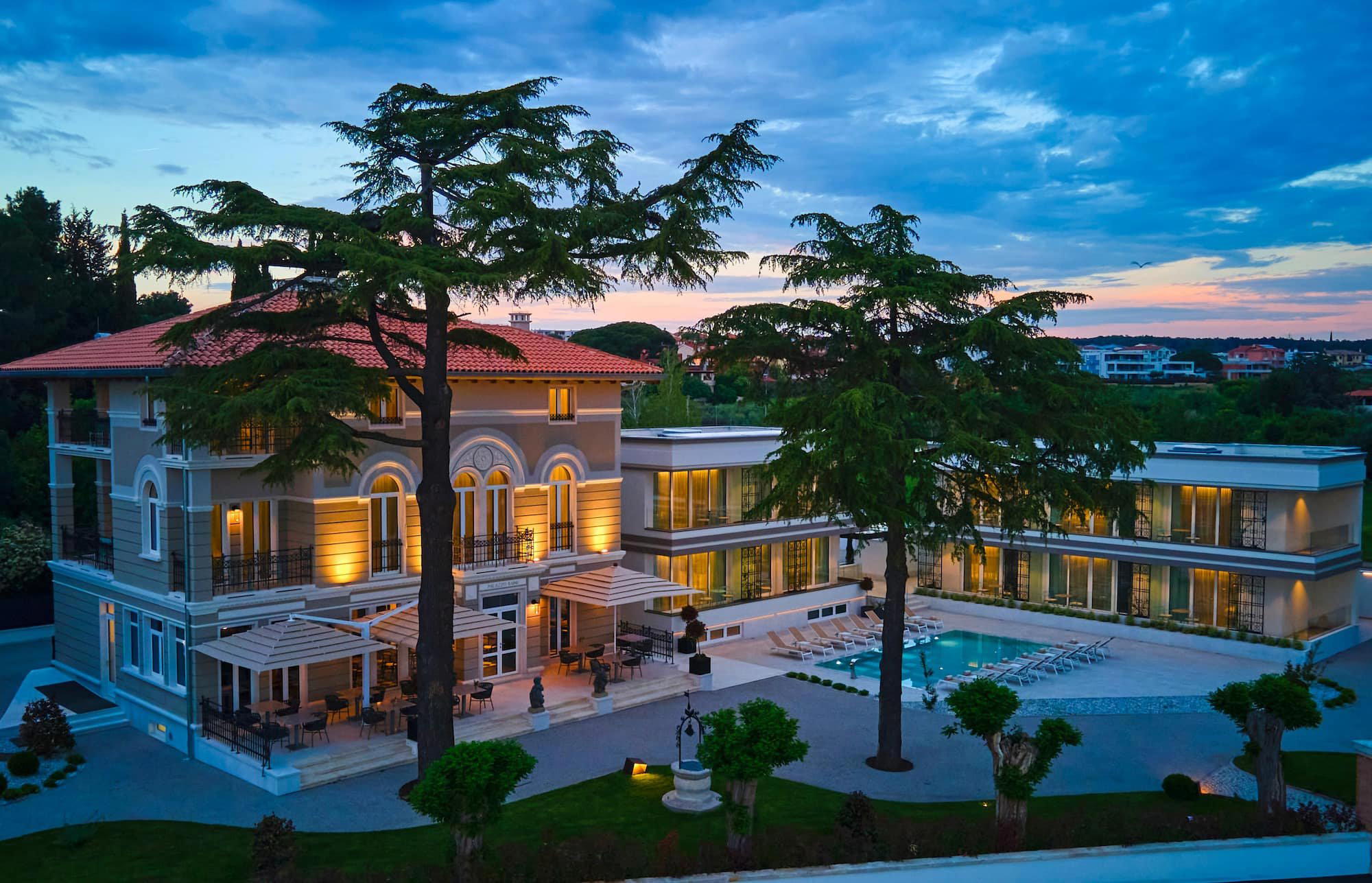

Details
- Cozy
- Rustic
- Intimate
- Special Occasion
- Celebration
- Family
- Waterfront
- Terrace
- Extensive Wine List
- Local Sourcing
- Waterfront
- A La Carte
- Tasting Menu
- Pescatarian Friendly
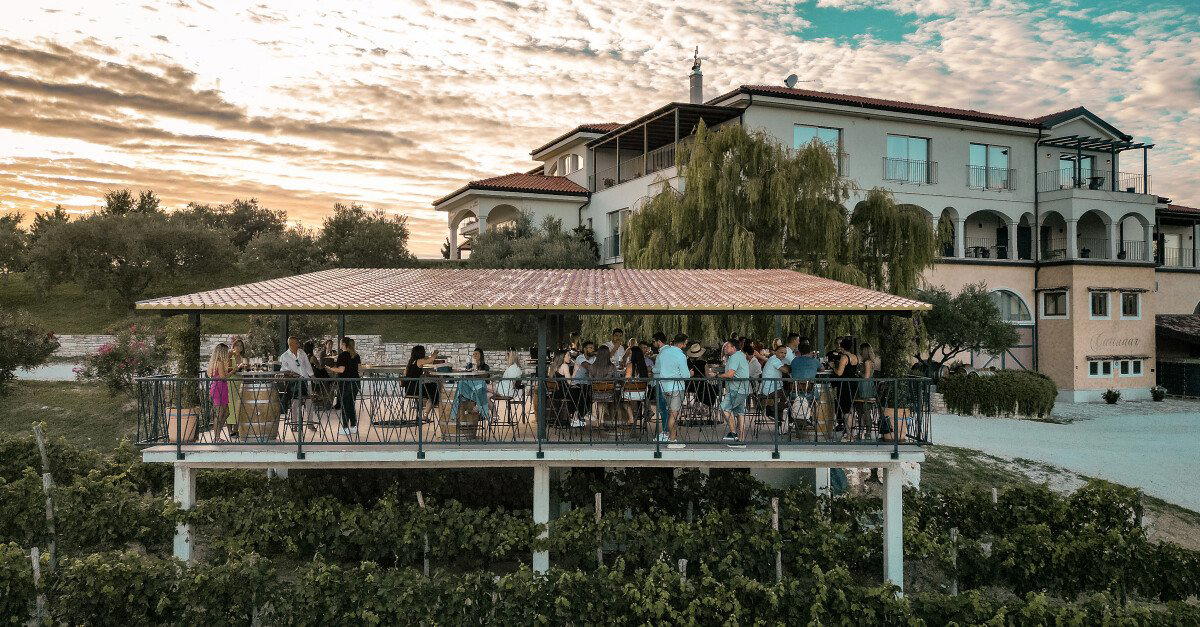
Cozy and homely atmosphere with a welcoming family feel and spacious terrace for outdoor dining.