Chiu Hing Noodle House is a Hong Kong institution where the craft of Cantonese noodle-making remains the central concern. In a city where haute kitchens compete for headlines, this kind of focused, ingredient-led operation holds its own through consistency and a loyal following drawn from across the districts. Direct to approach, harder to leave without ordering again.
Pearl is the En Primeur Club membership app — saves, bookings, and concierge access live there. Same editors, same standards.
- Address
- 109 Hennessy Rd, Wan Chai, Hong Kong Island, Hong Kong
- Phone
- +852 2186 8522
- Directions
- Get directions
 Saves & bookings on Pearl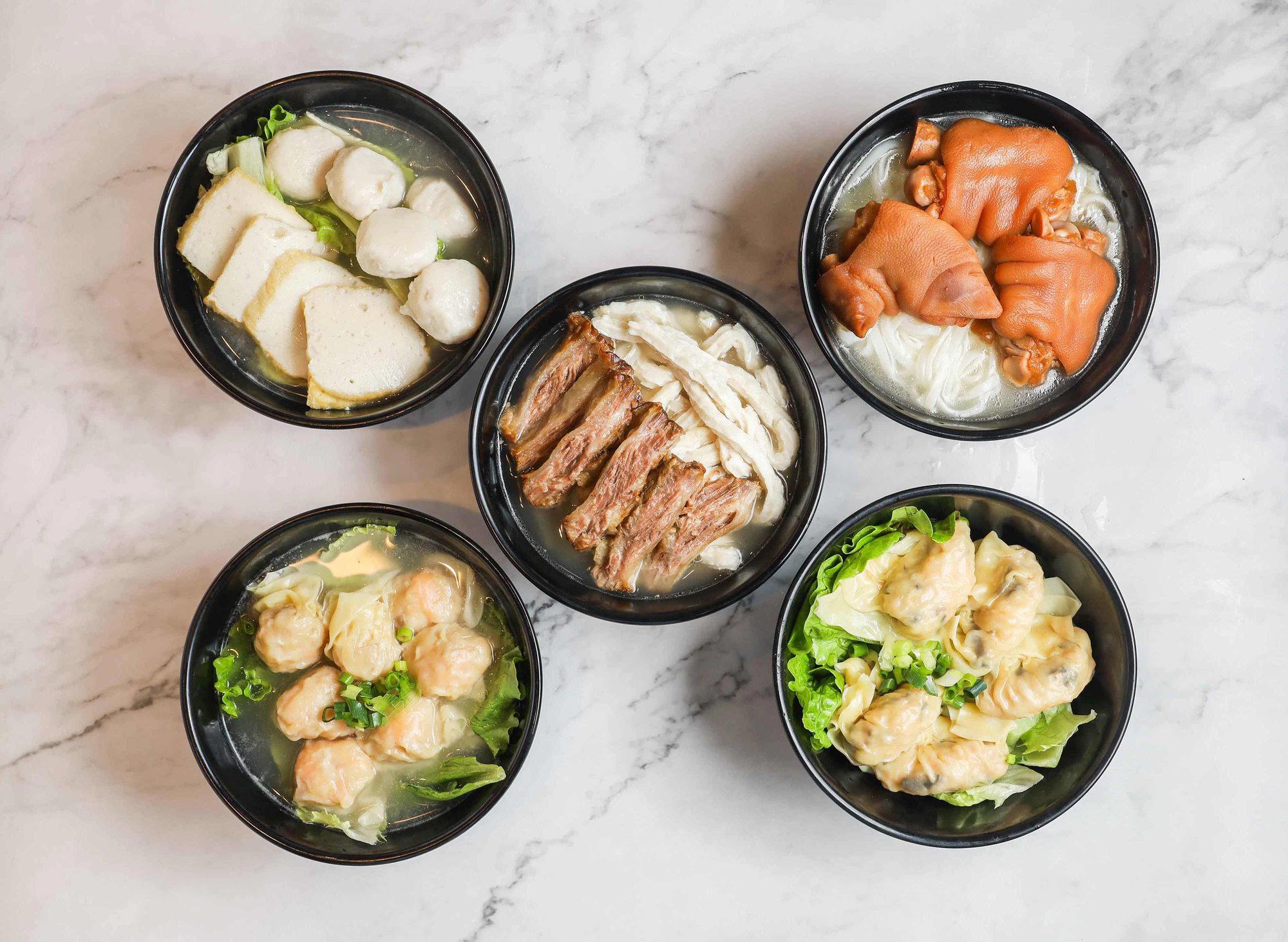
Where the Bowl Is the Point
Hong Kong's noodle houses occupy a distinct register in the city's food culture, and Chiu Hing Noodle House in Hong Kong serves Teochew Fishball Noodles at a casual, walk-in-friendly counter. These are kitchens where refinement is measured not in reduction sauces or precision temperatures but in the tensile pull of a noodle strand and the clarity of a broth that has been going since before the morning rush. Chiu Hing Noodle House belongs to that tradition. The name signals Chiu Chow heritage, a culinary lineage that runs through much of Hong Kong's southern Chinese cooking and that brings with it particular commitments: to preserved ingredients, to slow-cooked proteins, and to broths that derive depth from time rather than technique theatre.
The Ingredient Logic Behind Cantonese Noodle Culture
Cantonese noodle culture is built on a sourcing logic that most Western food writing undervalues. The quality of a bowl depends upstream: on whether the noodles were made with sufficient egg and the right alkalinity to achieve that characteristic snap, on whether the char siu came from a roaster who selects pork for fat distribution rather than price, and on whether the broth base uses dried seafood and pork bones in a ratio that produces sweetness without heaviness. At the level of a specialist noodle house, these decisions are made daily and are largely invisible to the diner, which is precisely why the results can be so difficult to replicate at home or at a generalist kitchen trying to cover too many bases at once.
Hong Kong maintains a critical mass of these specialists, which creates a competitive pressure that keeps standards from slipping. The city's appetite for wonton mein, beef brisket noodles, and fish ball soup is not nostalgic consumption; it is active and comparative. Regulars at one shop will know the difference between the broth here and the version three streets over. In that environment, a noodle house earns its following through consistency across hundreds of bowls a week, not through a single headline dish or a chef's biography. Chiu Hing operates inside that framework.
Chiu Chow Sourcing and What It Means on the Plate
The Chiu Chow tradition, rooted in the Chaoshan region of eastern Guangdong, has long shaped how Hong Kong eats at the less formal end of the spectrum. Its larder includes lo shui braised meats, fish balls made from hand-pounded fish paste rather than commercial blends, and preserved vegetables that add salinity and fermented depth without overwhelming a bowl's balance. Where Cantonese cooking at the fine-dining tier, as seen at Forum or Caprice's French-influenced counterpoint, tends toward technical elaboration, the Chiu Chow noodle tradition prizes directness. The ingredient is meant to be identifiable. The broth is meant to taste like what it is.
That sourcing philosophy carries practical implications. Hand-pounded fish balls, for instance, require labour investment that machine-processed alternatives do not. A kitchen committed to them is making a choice about cost structure that the price of a bowl may or may not fully recover. In Hong Kong's specialist noodle shops, this kind of commitment is often the difference between a place that attracts a steady, returning clientele and one that becomes interchangeable with its neighbours. It is also the reason that the better noodle houses in the city have survived the displacement pressures of rising rents and changing demographics, where more easily standardised operations have not.
Where This Fits in Hong Kong's Wider Eating Map
Hong Kong's food options span an extreme range, from the European fine dining of 8 1/2 Otto e Mezzo Bombana at one end to the district-specific specialists that require more local knowledge to locate. Between those poles lies a set of neighbourhood-anchored operations, noodle houses, congee shops, roast meat specialists, that form the actual daily eating infrastructure of the city. Chiu Hing belongs in that middle register, alongside places like Lei Garden in Sha Tin or the community-embedded operators found in districts such as Tuen Mun and Wong Tai Sin.
For visitors building an itinerary around Hong Kong's food range, the noodle house tier is often where the city reveals itself most clearly. The room will be functional rather than designed. The service will be efficient and transactional in the way that high-volume, low-margin kitchens require. The value proposition is the bowl itself. Those expecting the produce-led, nature-sourced framing of somewhere like One-ThirtyOne in Tai Po will be reading a different kind of place. Those who want to understand how Hong Kong actually eats, as opposed to how it performs eating for international audiences, will find that context here.
Planning Your Visit
Noodle houses in Hong Kong typically operate on early-morning-to-afternoon schedules, with some running a second service into the evening. Peak hours align with local commuter patterns, which means mid-morning and the lunch window from noon to 1:30pm are the busiest. Arriving at either edge of those windows, before 11:30am or after 2pm, usually means shorter waits and a slightly calmer room. Payment in cash remains standard at this tier of the market, and table-sharing is normal rather than unusual.
Comparison Snapshot
Comparable venues nearby, for context on price, style, and recognition.
| Venue | Cuisine | Price | Notes |
|---|---|---|---|
| Chiu Hing Noodle HouseThis venue — the venue you are viewing | Teochew Fishball Noodles | $ | Not listed |
| Mammy Pancake | Hong Kong Egg Waffles | $ | Tsim Sha Tsui |
| Man Man Kee Noodle Shop | Cantonese Wonton Noodle Shop | $ | Jordan |
| Kung Wo Dou Ban Chong | Traditional Hong Kong Tofu Specialty | $ | Sham Shui Po |
| Keung Kee Dai Pai Dong | Cantonese Dai Pai Dong | $ | Sham Shui Po East |
| Master Low Key | Hong Kong Street Food - Egg Waffles & Puffs | $ | Shau Kei Wan |
Continue exploring
More in Hong Kong
Restaurants in Hong Kong
Browse all →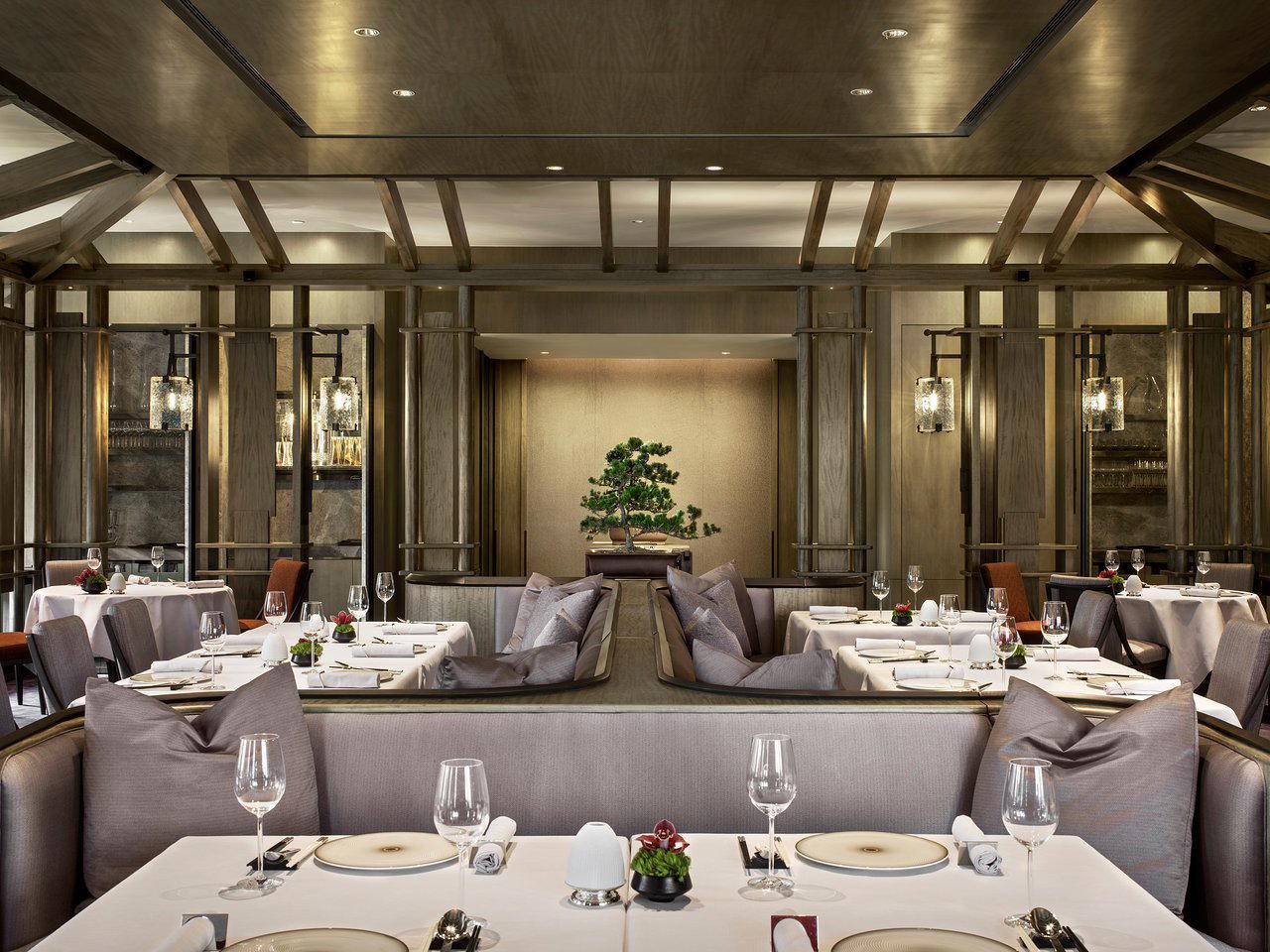
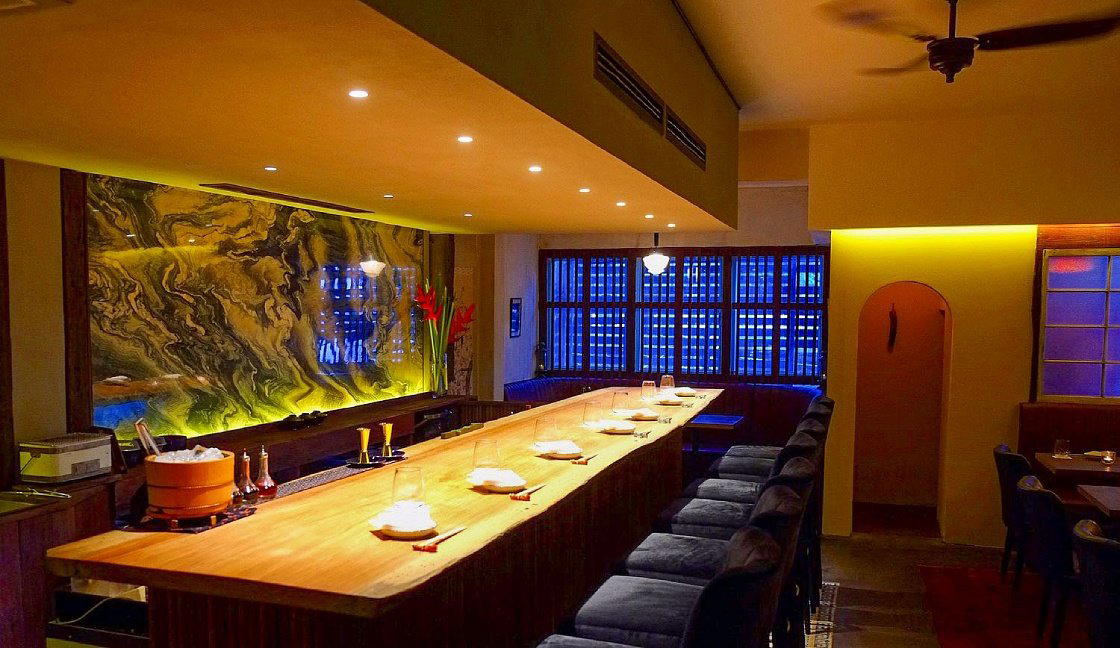
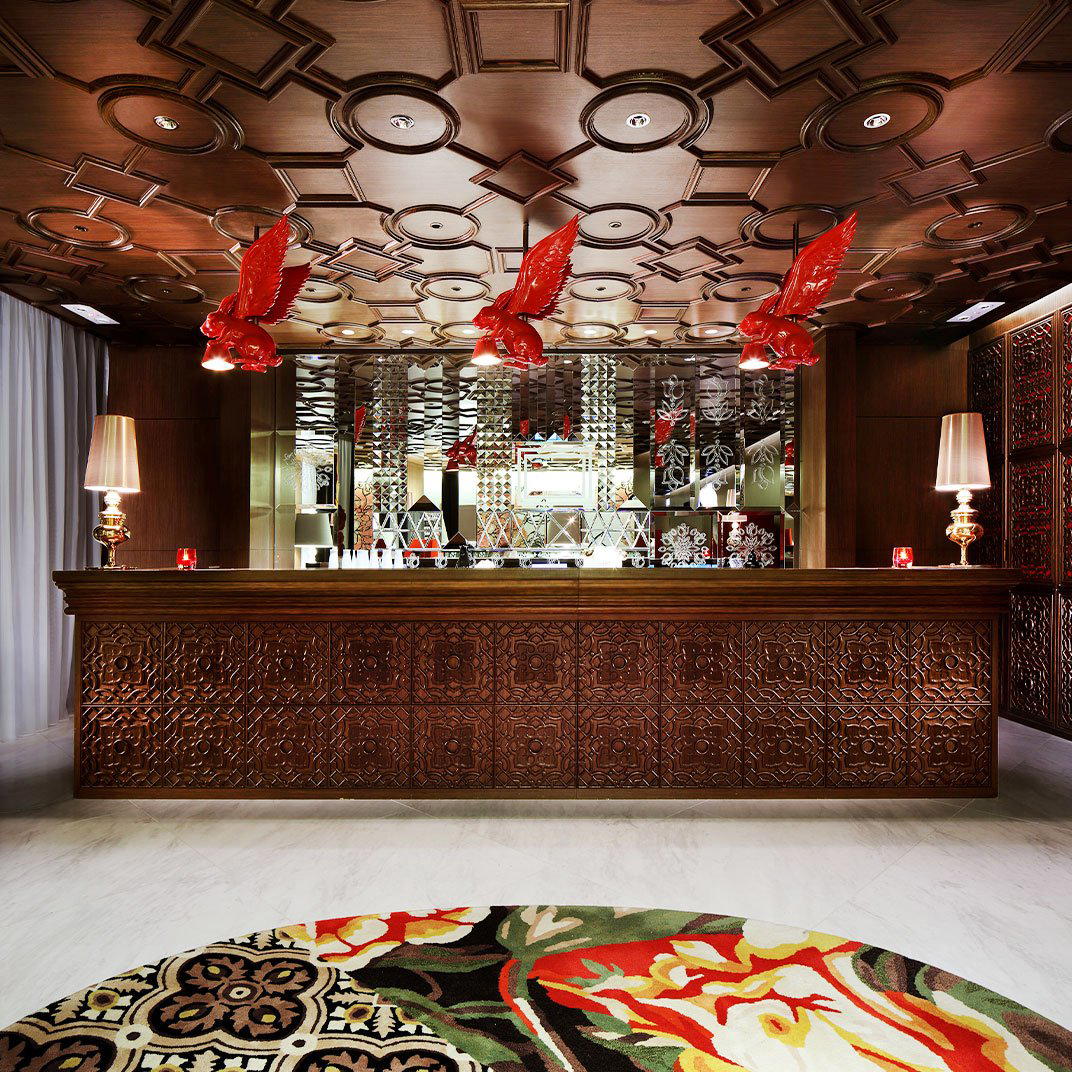
Bars in Hong Kong
Browse all →
At a Glance
- Classic
- Cozy
- Casual Hangout
- Late Night
Current opening hours
- Monday
- Open 24 hours
- Tuesday
- Open 24 hours
- Wednesday
- Open 24 hours
- Thursday
- Open 24 hours
- Friday
- Open 24 hours
- Saturday
- Open 24 hours
- Sunday
- Open 24 hours
Hours can change for holidays and private events. Last verified .
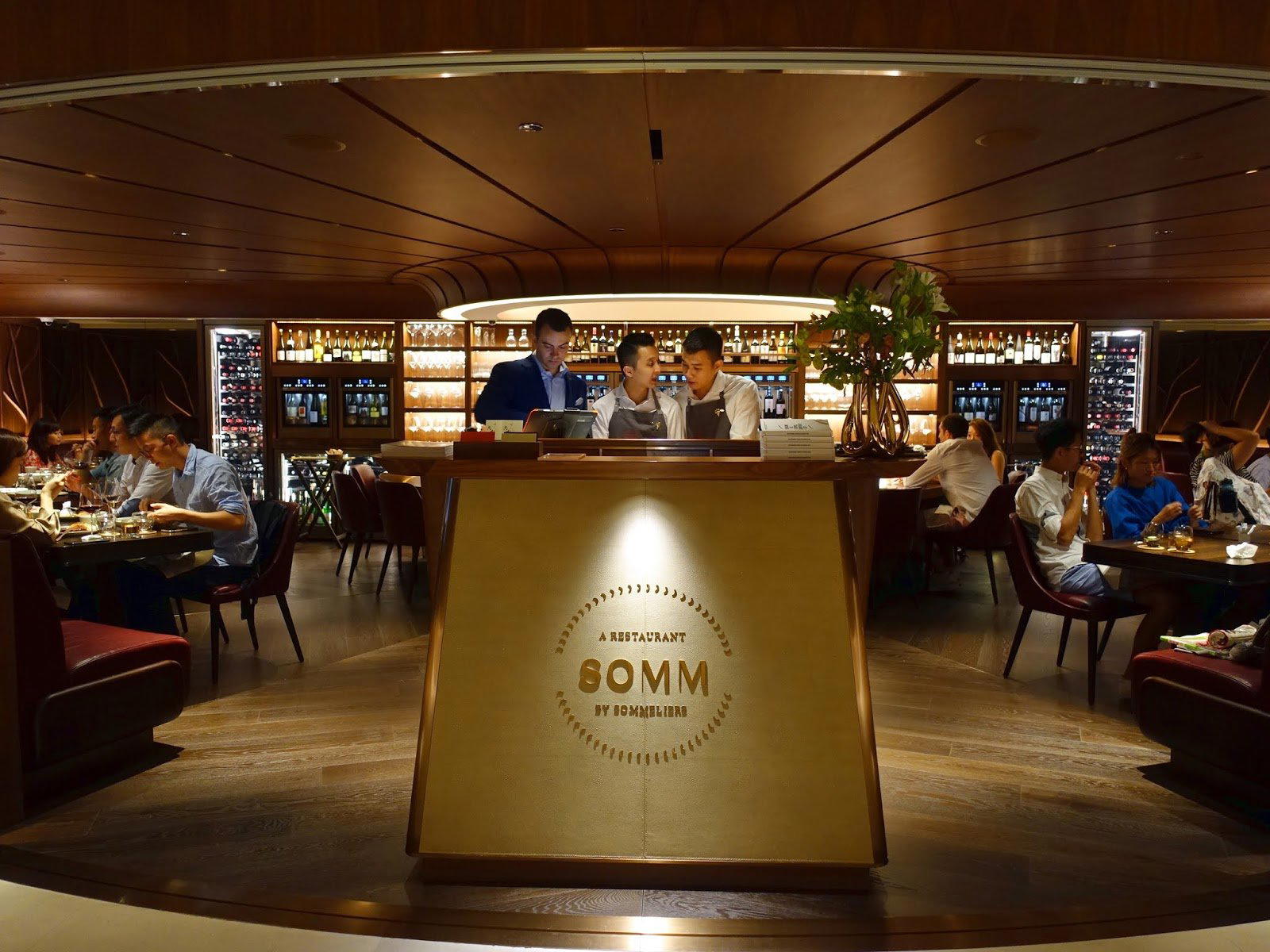
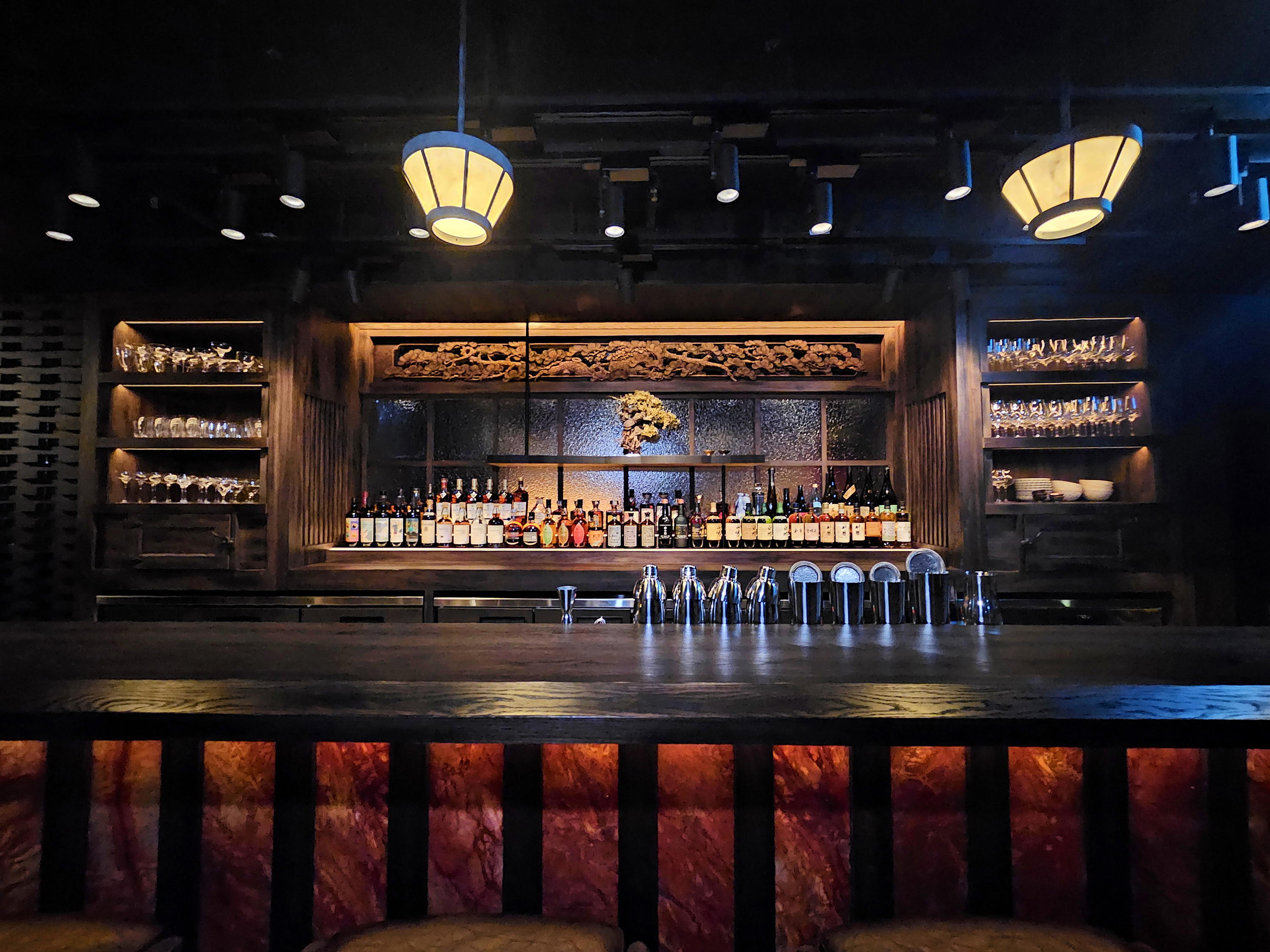
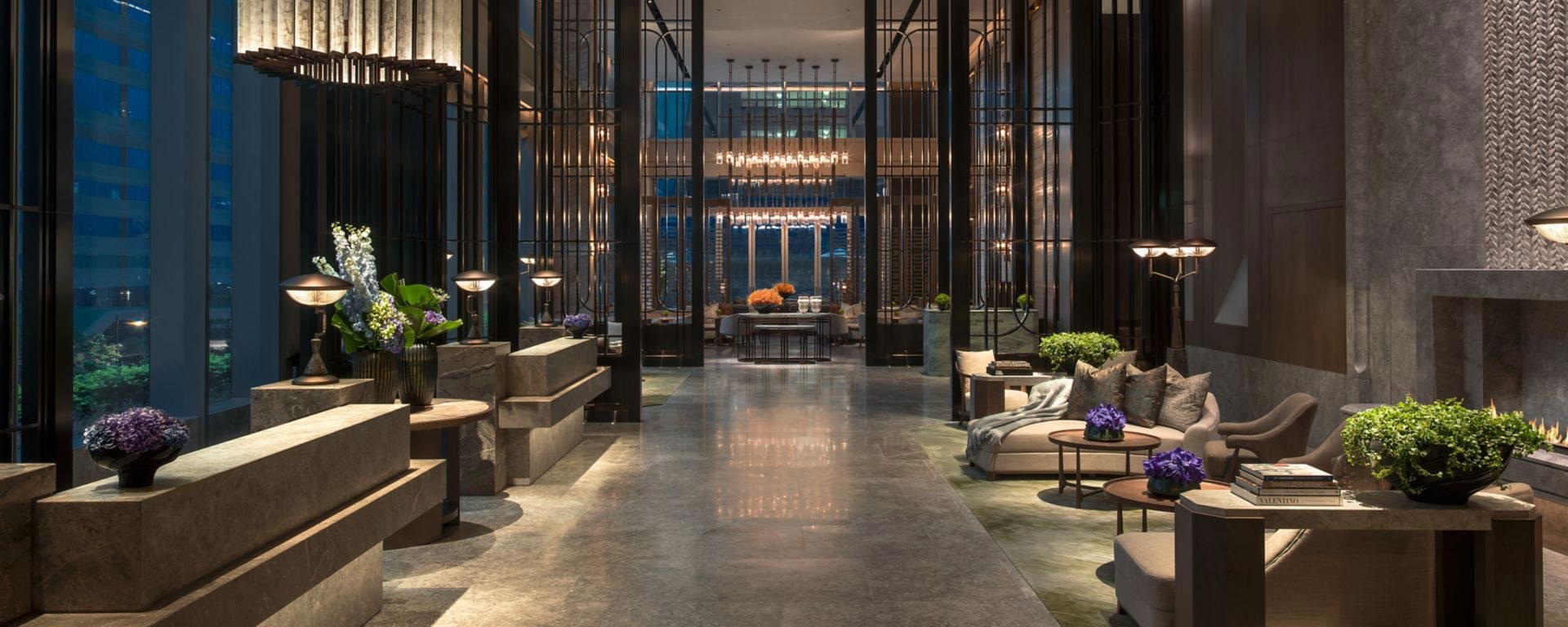
Typical neighborhood noodle house with a casual, local atmosphere.