Anna
Our verdict
On Avenida Epitácio Pessoa in Ipanema, Anna occupies a stretch of Rio where the lagoon meets the southern zone's appetite for contemporary dining. The address places it within reach of the city's most competitive restaurant corridor, where kitchens drawing on Brazilian ingredients through internationally trained technique have become the defining mode of serious cooking in the city.

Pearl is the En Primeur Club membership app — saves, bookings, and concierge access live there. Same editors, same standards.
- Address
- Av. Epitácio Pessoa, 214 - Ipanema, Rio de Janeiro - RJ, 22471-002, Brazil
- Phone
- +552125298810
- Hours
- Mon–Thu 6 PM–12 AMFri–Sat 6 PM–12:30 AMSun 12–11 PM
- Website
- annarestaurante.com.br
- Directions
- Get directions
The menu
What to order
- Ravioli de bacalhau
- Cherne em crosta de presunto de Parma
Where Ipanema Faces the Lagoon
Avenida Epitácio Pessoa runs along the edge of Lagoa Rodrigo de Freitas, one of Rio's more quietly residential addresses despite sitting minutes from the beach noise of Ipanema proper. The avenue has historically attracted restaurants that serve a neighbourhood rather than a tourist circuit — places where a table on a Tuesday is as considered a choice as one on a Saturday. Anna at number 214 sits within that register: a southern-zone address that positions the restaurant inside the city's most densely contested fine-dining corridor without the beachfront theatrics of Leblon or the self-conscious formality of Copacabana's hotel dining rooms.
For context, the restaurants that define Rio's current serious-dining conversation — Lasai, Oteque, and Oro, have largely emerged from the same Zona Sul geography. Each operates at the $$$ or $$$$ tier and has staked its identity on a version of the same central tension in Brazilian fine dining: how much of the plate should be local, and how much of the technique should travel.
The Technique-and-Terroir Argument in Brazilian Fine Dining
Brazil's most interesting restaurant kitchens of the past decade have been shaped by a specific generational shift. Chefs trained in European or North American contexts, classical French brigades, Scandinavian fermentation programs, or Japanese precision schools, returned to Brazilian kitchens and confronted an ingredient library that European tradition had no vocabulary for. Açaí, jabuticaba, tucupi, baru nuts, small-boat Atlantic fish from the Southeast coast: these are products that reward technique without requiring it to be imported wholesale.
The conversation began in São Paulo, where D.O.M. spent years mapping Amazonian pantry ingredients against classical plating discipline. It spread to Bahia, where Manga in Salvador built a kitchen around Nordeste produce and international wine knowledge simultaneously. In the South, Manu in Curitiba has pursued a similar premise with Paraná's agricultural specificity. Rio's contribution to this national argument is a cluster of restaurants that apply the same logic to the city's own geography: the Atlantic, the Serra Fluminense highlands, the market circuits of the Zona Norte.
Anna's Ipanema address places it inside that Rio chapter of the debate. The avenue's proximity to both the lagoon's microclimate and the supply routes feeding the city's southern zone gives kitchens here access to a particular kind of ingredient specificity, smaller, more perishable, more seasonal than what arrives at a city-centre wholesale market.
Reading the Competitive Set
At the top of Rio's dining tier, the competitive set is small and well-defined. Oteque operates a tasting menu format at the $$$$ bracket with a wine program that has drawn international press attention. Lasai, Regional Brazilian, Modern Cuisine at the same price tier, has held Michelin recognition and built its identity around sourcing discipline and tasting-menu restraint. Oro works a Contemporary Italian-Brazilian axis, its kitchen drawing on both Brazilian products and Italian structural logic in a way that has found a consistent audience among the city's international visitors and local professionals.
These are the peer references that matter for understanding where a restaurant on Avenida Epitácio Pessoa fits. Against that competitive set, the key variables are format (tasting menu versus à la carte), sourcing provenance, and the degree to which the kitchen anchors itself in Brazilian ingredient identity versus international technique as the primary signal. See our full Rio de Janeiro restaurants guide for a broader map of the city's dining tiers.
For those arriving from outside Brazil, the southern-zone restaurant corridor also includes Cipriani and Casa 201, which operate at the Italian and French registers respectively and serve a different function in the city's dining geography: the former anchored in Copacabana Palace's international hotel identity, the latter a smaller-format address with a European culinary orientation.
Brazilian Ingredients Through an International Lens
The editorial angle that applies most directly to a restaurant at this address and in this city moment is the one driving Brazilian fine dining broadly: the productive friction between imported method and local material. When a kitchen trained in French classical or Japanese precision technique applies that training to Cerrado fruits, to Southeast Atlantic fish species, or to the fermented pepper traditions of Pará, the result is neither Brazilian traditional cooking nor straightforwardly international cuisine. It occupies a third category that Rio's better kitchens have been refining for the better part of a decade.
This is the same logic at work in Orixás North Restaurant in Itacaré, where Bahian coastal ingredients meet a structurally rigorous kitchen, and in Mina in Campos do Jordão, where altitude-specific produce from the Serra da Mantiqueira becomes the raw material for contemporary plating. The national conversation is coherent enough that a restaurant in Ipanema is in dialogue with kitchens in Curitiba, Salvador, and the interior of Minas Gerais, not just with its neighbours on the lagoon avenue. The same could be said for comparable international examples: the discipline with which Le Bernardin in New York treats seafood, or the produce-first commitment of Lazy Bear in San Francisco, both demonstrate how serious kitchens build identity around primary ingredient quality rather than cuisine category alone.
Elsewhere in Brazil's interior, Birosca S2 in Belo Horizonte, State of Espírito Santo in Rio Bananal, Castelo Saint Andrews in Gramado, Primrose in Gramado, and Olivetto Restaurante e Enoteca in Campinas each represent a regional chapter of the same national story: Brazilian dining is no longer centred exclusively on São Paulo or Rio, and the most interesting technique-and-terroir work is happening across multiple cities and climates simultaneously.
Planning a Visit
Anna sits at Av. Epitácio Pessoa, 214, Ipanema, on the lagoon-facing side of the avenue, accessible from both the Ipanema and Leblon sides of the Zona Sul. The address is direct by taxi or rideshare from anywhere in the southern zone, and within walking distance of Ipanema's main commercial strip for those staying in the neighbourhood. Given that Rio's top-tier restaurant corridor has become increasingly reservation-driven, Oteque and Lasai both require forward planning of several weeks during high season, approaching any address in this tier with advance contact rather than walk-in expectations is advisable. Contact and booking details are best confirmed directly through current local listings, as hours and availability at this level of the market tend to shift with seasons and chef programs.
Frequently asked questions
Where is Anna in Rio De Janeiro?
Anna is located at Av. Epitácio Pessoa, 214 - Ipanema, Rio de Janeiro - RJ, 22471-002, Brazil, Rio De Janeiro.
Is Anna a good choice for a special-occasion dinner in Ipanema?
Anna's address on Av. Epitácio Pessoa, along the lagoon edge in Ipanema, places it within Rio de Janeiro's small set of fine-dining rooms where setting and kitchen ambition align. For a special occasion, the lagoon-facing location adds a dimension that interior Ipanema addresses cannot offer. Confirming current hours and availability directly with the venue before booking is recommended.
What do regulars order at Anna?
Confirmed dish-level data for Anna is not part of the public record at this time. What the Ipanema address and the broader Zona Sul dining moment suggest is a kitchen working Brazilian ingredients through a technique-forward lens — the approach that defines Rio's competitive fine-dining tier. Visiting with an open menu in mind, rather than a fixed order, is consistent with how this tier of restaurant operates.
How hard is it to get a table at Anna?
Rio's fine-dining tier across Ipanema and Leblon has tightened in recent years as international travel to the city recovered and local demand for the Zona Sul's better addresses held firm. Anna's position on Av. Epitácio Pessoa, one of the more sought-after dining corridors in Rio de Janeiro, puts it in a bracket where advance planning is advisable. Contacting the venue directly before your travel dates is the practical approach.
Comparable Spots
A quick peer list to put this venue’s basics in context.
| Venue | Cuisine | Price | Awards | Notes |
|---|---|---|---|---|
| AnnaThis venue — the venue you are viewing | Italian Seafood | $50–100 | Not listed | Not listed |
| Oteque | Modern Seafood Fine Dining | $100–150 | 1 Michelin Star · World's 50 Best #38 | Modern Brazilian, Modern Cuisine |
| Lasai | Modern Brazilian Fine Dining | Not listed | 2 Michelin Stars · World's 50 Best #28 | Regional Brazilian, Modern Cuisine |
| Oro | Brazilian Vanguard Fine Dining | Not listed | 2 Michelin Stars · La Liste Top Restaurants | Contemporary Italian, Brazilian, Modern Italian |
| Lilia | Modern Brazilian Creative | $20–30 | Michelin Plate | Italian, Brazilian |
| Mee | Pan-Asian Fusion with Japanese Influence | $50–100 | 1 Michelin Star | Asian Influences |
Continue exploring
More in Rio de Janeiro
Restaurants in Rio de Janeiro
Browse all →
Bars in Rio de Janeiro
Browse all →
Anna
The wine
- Wine program
- Curated wine list
- Extensive wine list
Details
- Elegant
- Sophisticated
- Date Night
- Special Occasion
- Standalone
- Extensive Wine List
- Waterfront
- A La Carte
Current opening hours
- Monday
- 6 PM–12 AM
- Tuesday
- 6 PM–12 AM
- Wednesday
- 6 PM–12 AM
- Thursday
- 6 PM–12 AM
- Friday
- 6 PM–12:30 AM
- Saturday
- 6 PM–12:30 AM
- Sunday
- 12–11 PM
Hours can change for holidays and private events. Last verified .
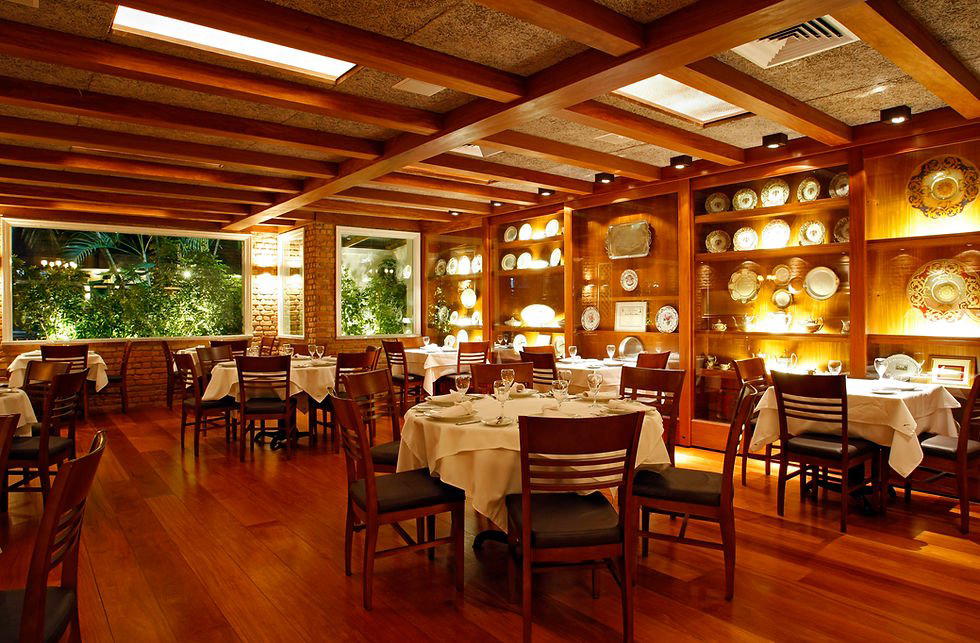
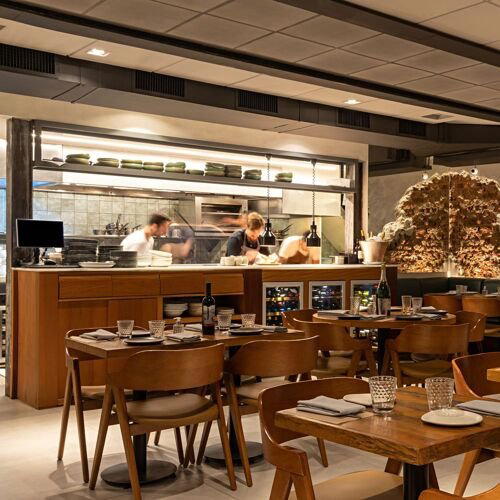
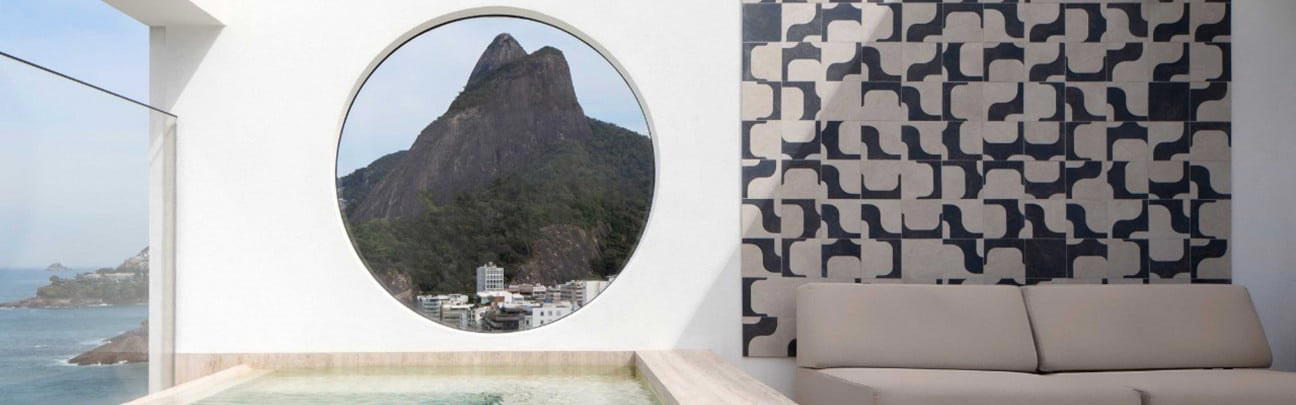
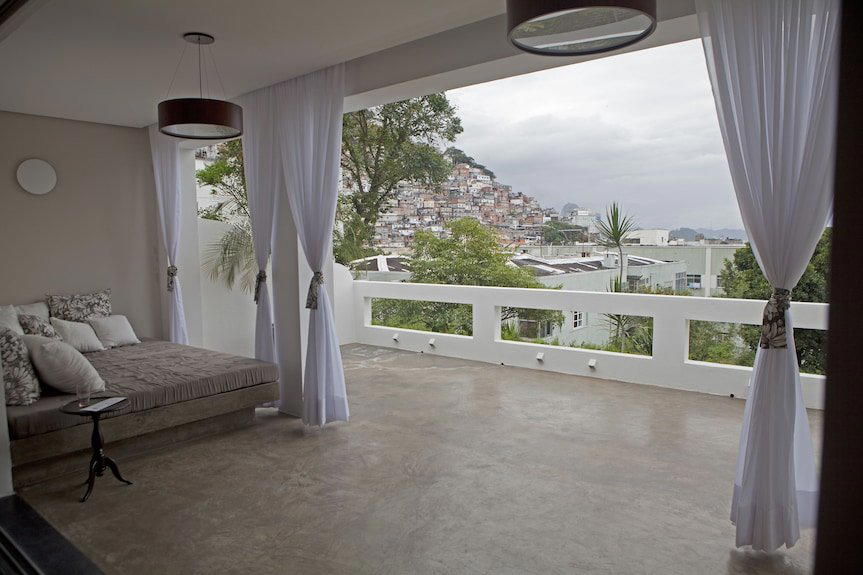
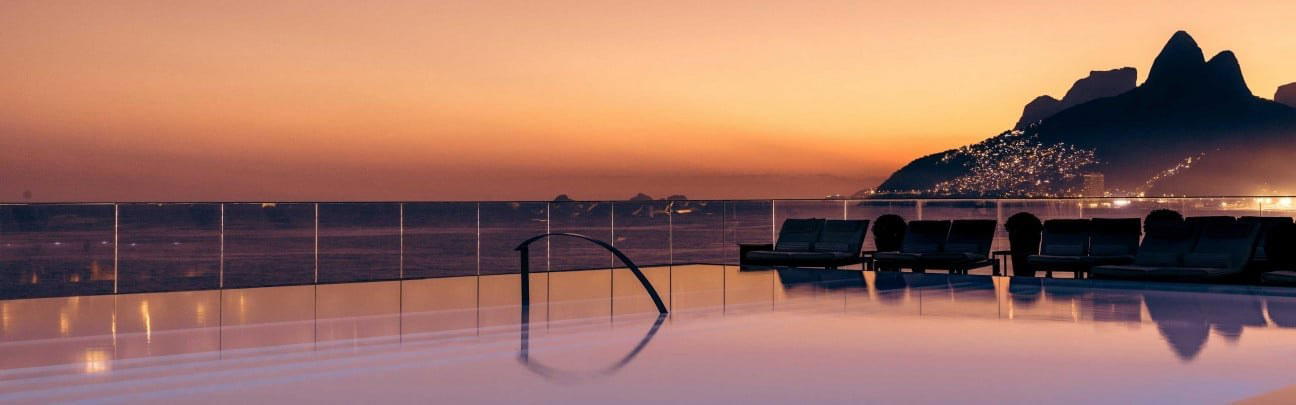
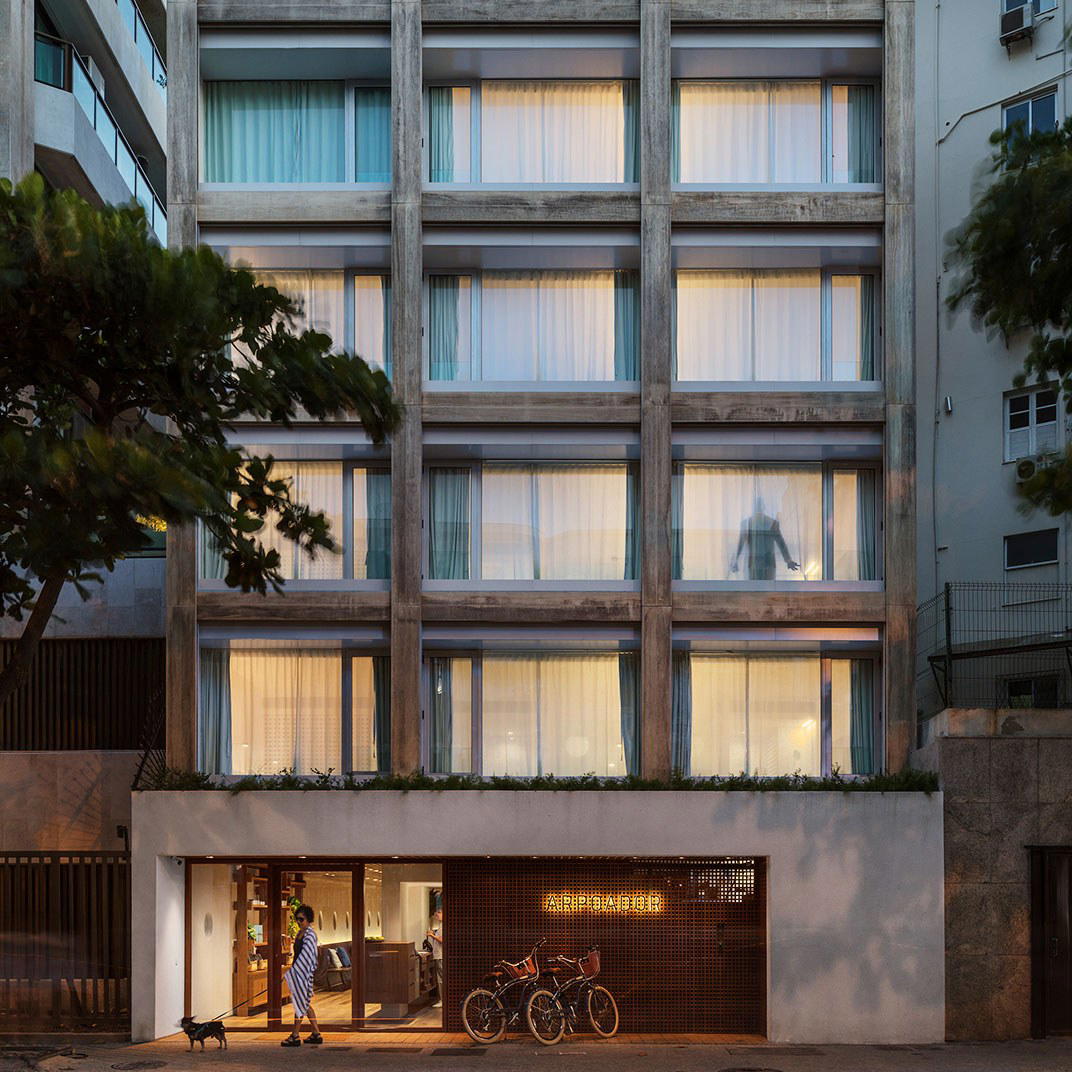
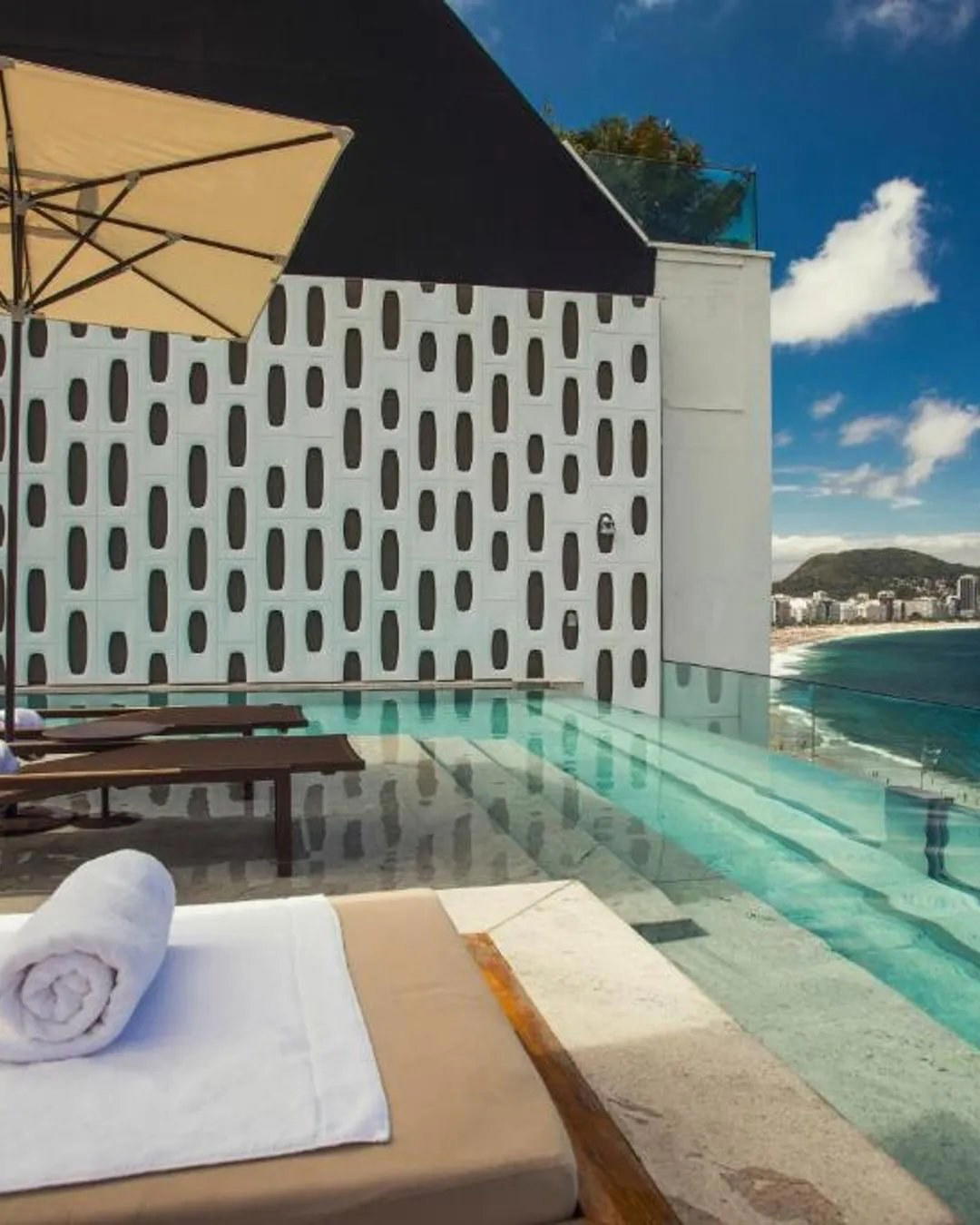
Elegant and spacious decor with a serene, well-cared-for atmosphere.