
World's 50 Best #100
Our verdict
Fukasawa occupies a precise corner of Vitacura where Japanese technique meets Chilean produce in the tradition known as Nikkei cuisine. Led by chef Marcos Baeza and his sons, the restaurant has built recognition across Santiago's serious dining circuit for work that draws on both cultures without flattening either. Reservations require planning; the address on Av. Nueva Costanera 3900 serves as a reliable marker for the city's Japanese-inflected dining.

Pearl is the En Primeur Club membership app, where members save venues, book tables and use the concierge.
The menu
What to order
- Soft Shell Crab Temaki
- Risotto Uni Ikura
- Fatty Salmon with Foie Gras
Vitacura and the Nikkei Tradition in Santiago
Santiago's Vitacura district has long concentrated the capital's more technically demanding restaurants, and the Nikkei category sits near the centre of that gravity. The cuisine itself has deep roots in South America: Japanese immigrants arrived in Peru and Chile from the late nineteenth century onward, and over several generations their culinary habits merged with local ingredients and coastal traditions. What emerged was a cooking style built on Japanese precision applied to the fish, produce, and flavour logic of the Pacific coast. In Santiago, that tradition has developed its own character, distinct from the Peruvian-led version that captured international attention first.
Fukasawa, at Av. Nueva Costanera 3900 in Vitacura, operates inside this tradition and has earned recognition for doing so with consistent seriousness. The address places it on one of Vitacura's main commercial arteries, close to the Mapocho River and within the neighbourhood's established dining corridor. This is not the part of Santiago where restaurants survive on foot traffic; the clientele arrives with intent, and the room reflects that expectation.
What the Room Signals Before You Order
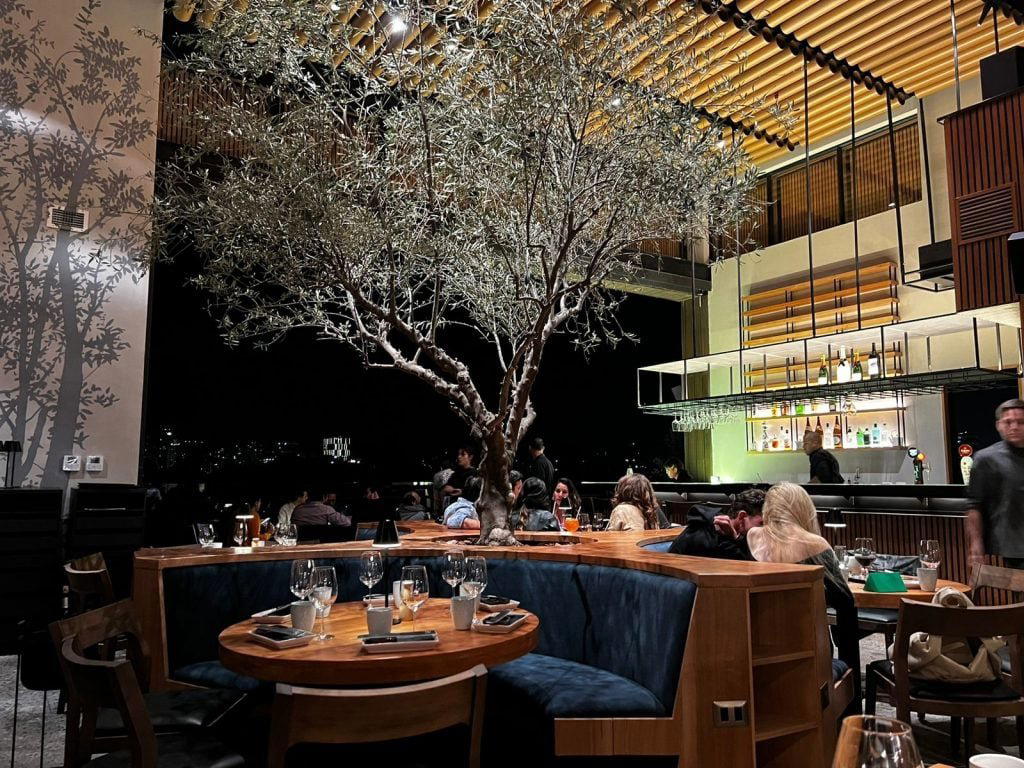
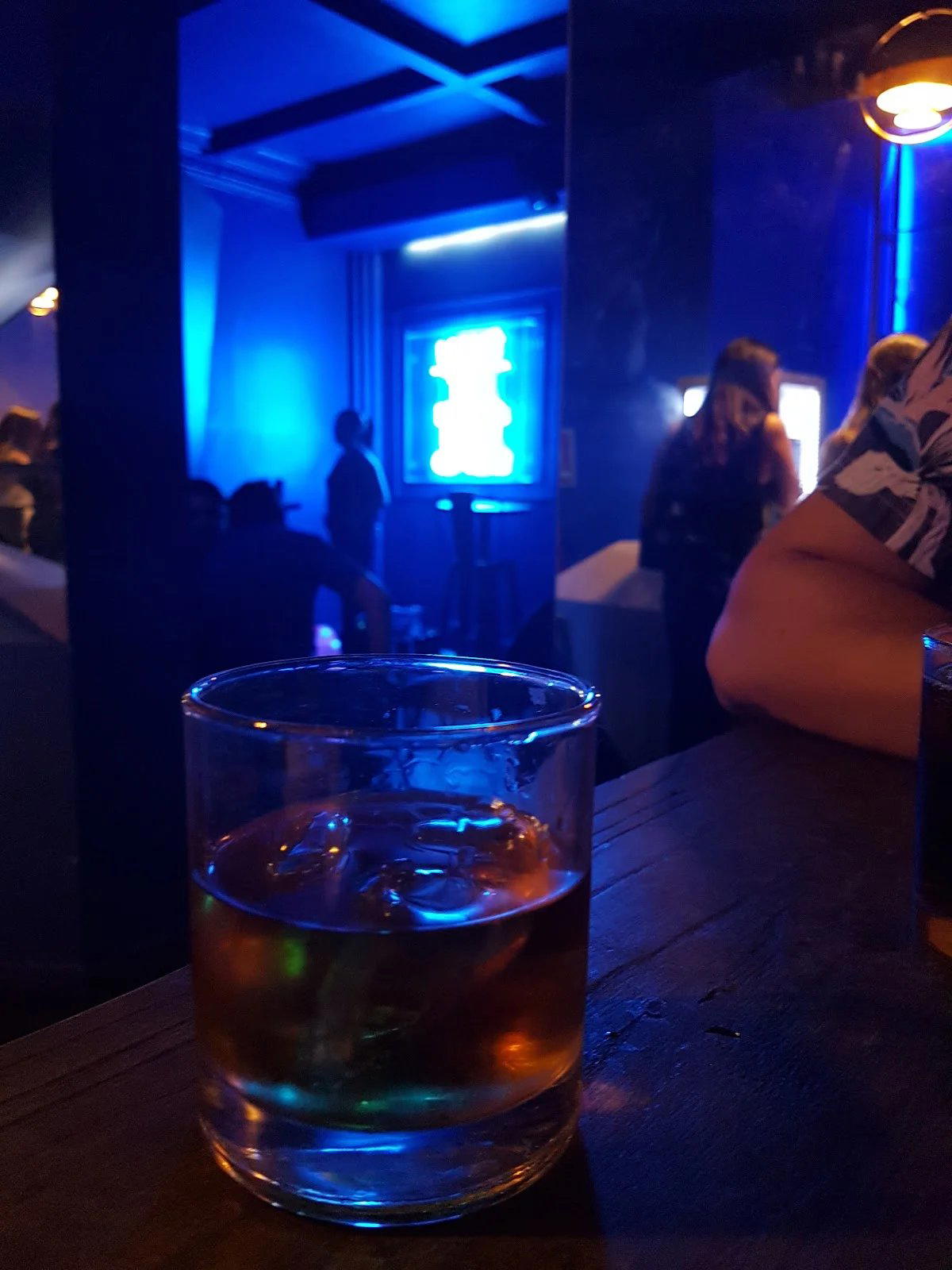
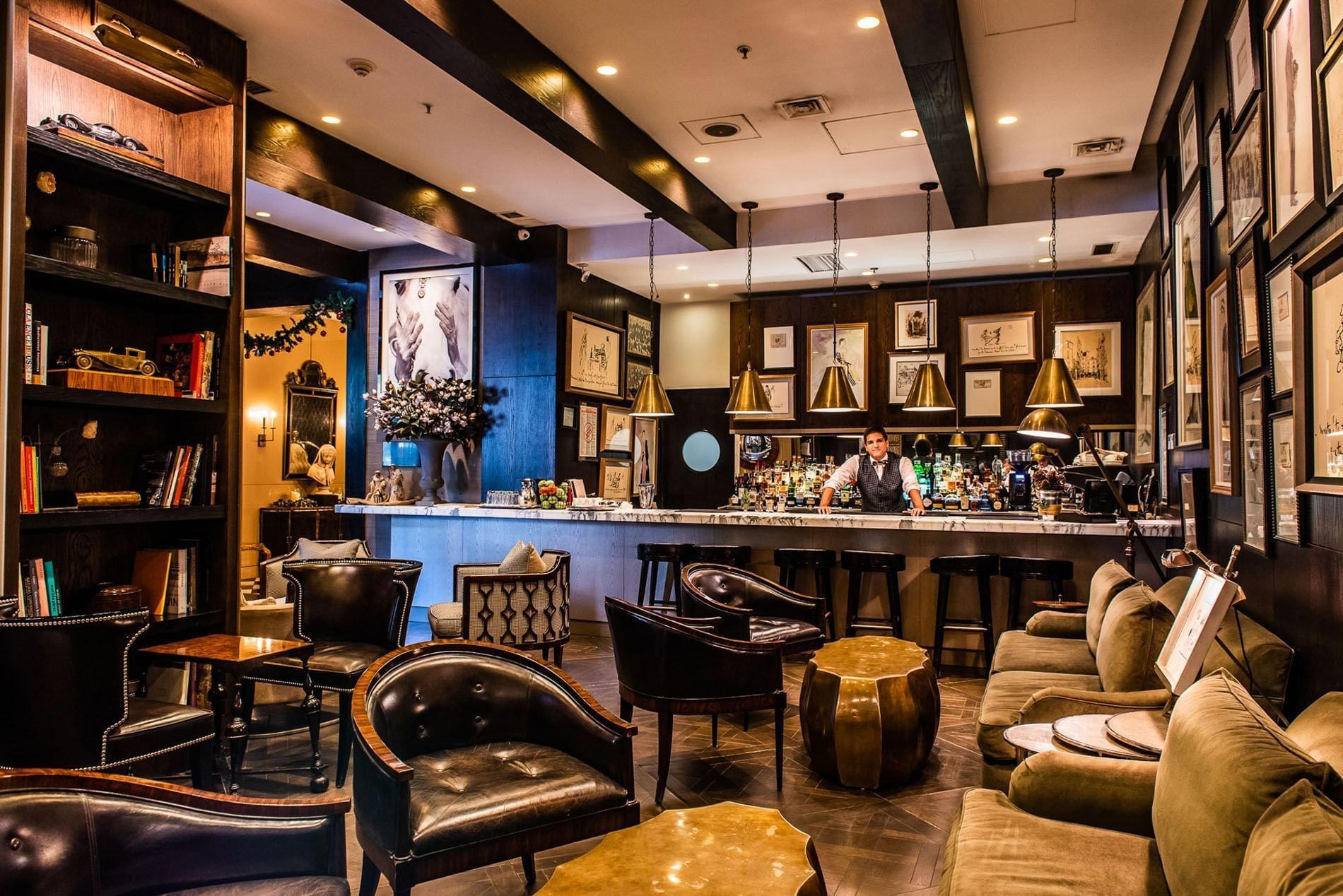
Approaching a Nikkei counter in Santiago carries specific atmosphere cues that differ from either a Japanese omakase room or a Chilean steakhouse. The interiors tend toward restraint: clean lines, materials that do not compete with the plate, service that moves efficiently without the performance layer common in higher-volume restaurants. Fukasawa operates within that register. The physical environment on Nueva Costanera is calibrated for a dining experience where attention to the food is the primary transaction, not the setting itself.
That restraint extends to how the restaurant presents itself publicly. There is no phone number in wide circulation, no active web presence in the standard directories. In Santiago's serious dining tier, this is not unusual. Restaurants that rely on word-of-mouth and repeat clientele often operate with deliberately low public profiles, allowing the food and the room's reputation to carry the weight. For a first-time visitor, this means arriving with a confirmed reservation, not a plan to walk in.
The Booking Experience: What to Know Before You Go
Getting a table at Fukasawa requires more advance planning than most Santiago restaurants in the mid-tier. Venues of this type in Vitacura typically book two to four weeks ahead for weekend sittings, with weekday availability opening closer to the date. Anyone staying at a property with a capable concierge team should use that channel first.
For international visitors, the Vitacura location has practical implications. The district sits north of the city centre, closer to the Costanera Center and the financial zone than to the historic Barrio Lastarria or Bellavista neighbourhoods where many visitors base themselves. A taxi or rideshare from the centre takes roughly fifteen to twenty minutes depending on traffic, and Nueva Costanera can move slowly on Friday evenings. Building that into dinner timing matters if there is a hard arrival window. For those building a Santiago itinerary around dining, our full Santiago restaurants guide maps the city's neighbourhoods against cuisine type and booking difficulty, which helps in sequencing evenings efficiently.
The operating assumption for any reservation should be that the kitchen sets the pace. Arriving on time and without dietary restrictions that have not been communicated in advance is a baseline expectation at restaurants in this category.
Marcos Baeza and the Family Kitchen
The involvement of chef Marcos Baeza and his sons places Fukasawa in a smaller category within Santiago's dining scene: family-led restaurants where succession and continuity of technique are explicit parts of the proposition. This matters in Nikkei cooking, where the apprenticeship model is structurally important and where the depth of a kitchen's Japanese reference points is often a function of how long those techniques have been practiced in one place. The family format does not guarantee quality, but in this cuisine it signals a certain kind of accumulated knowledge rather than a concept assembled around a trend.
Across Santiago's contemporary dining tier, the contrast is worth noting. Operations like Boragó work in a modernist Chilean register, using native ingredients as primary material. Ambrosia holds the French-Chilean line that defined Santiago's fine dining for an earlier generation. La Calma by Fredes focuses tightly on Chilean seafood. Fukasawa operates in a different lane entirely, one where the primary reference point is neither European technique nor Chilean terroir in isolation, but the specific cultural synthesis that Nikkei represents. Within Vitacura itself, Naoki works comparable territory and provides a useful peer comparison for anyone building a Japanese-influenced itinerary in the district.
Where Fukasawa Sits in a Broader Santiago Itinerary
Santiago's serious dining circuit rewards pre-planning over spontaneity, and Fukasawa fits a specific slot in that itinerary: a kitchen that requires advance booking, rewards focus, and delivers a type of cooking not duplicated elsewhere in the city's accessible range. The Nikkei tradition it represents is well established in Lima and São Paulo; in Santiago it remains a more defined niche, which means the restaurants working within it carry more individual weight in shaping how the city's version of the cuisine develops.
For visitors building a multi-day dining itinerary, pairing Fukasawa with venues that work entirely different registers gives the sharpest contrast. Demencia operates in a more experimental mode. Bocanáriz anchors the wine-bar end of the spectrum with one of the city's deeper Chilean wine lists, a logical stop before or after a more structured dinner. Allería in Providencia fills a different neighbourhood slot entirely. Our full Santiago hotels guide and full Santiago bars guide help frame the full trip architecture beyond the dinner table.
For those extending beyond Santiago, the country's dining geography stretches considerably. Awasi Atacama in San Pedro de Atacama and Awasi Patagonia in Torres del Paine represent the lodge-dining tier at the country's geographic extremes. Clos Apalta Residence in Valle de Apalta anchors the wine-country end. CasaMolle in El Molle extends the itinerary further north. Our full Santiago wineries guide and full Santiago experiences guide cover the broader picture for visitors spending meaningful time in the region.
For international context, the Nikkei tradition in South America has no direct equivalent in North America or Europe. Restaurants like Le Bernardin in New York City and Atomix in New York City each work within defined culinary inheritances with similar structural seriousness, but the cultural synthesis at play in Nikkei cooking is its own category, shaped by migration history and geography in ways those kitchens do not replicate.
Planning Your Visit
Fukasawa is located at Av. Nueva Costanera 3900, Vitacura, Santiago. No phone number or booking platform is currently listed in public directories, so reservations are leading secured through a hotel concierge or direct referral. The restaurant's low public profile is consistent with Vitacura's upper dining tier, where returning clientele and word-of-mouth carry more operational weight than visibility. Plan the booking at least two to three weeks in advance for weekend tables, and communicate any dietary requirements at the time of reservation rather than on arrival.
Frequently Asked Questions
What dish is Fukasawa famous for?
Fukasawa has built its recognition on Nikkei cuisine, the cooking tradition that applies Japanese technique to Chilean and South American ingredients. The kitchen, led by chef Marcos Baeza, works at the intersection of Japanese precision and local produce, which in practice means dishes where the logic of one cuisine shapes how the other's ingredients are handled. For the most current menu information, contact the restaurant directly at the time of booking.
Is Fukasawa reservation-only?
Given Fukasawa's standing in Vitacura's dining tier and its recognition for Nikkei cuisine in Santiago, walk-in availability is not a reasonable assumption. Restaurants at this level in this neighbourhood operate primarily on reservations, and the absence of a public booking platform suggests the process runs through direct contact or referral channels. If you are visiting Santiago from abroad, the most reliable approach is to ask your hotel concierge to make contact on your behalf. The restaurant does not maintain a widely circulated public phone number, which reinforces the expectation that a confirmed reservation is the correct entry point, not spontaneous arrival.
Frequently asked questions
What's Fukasawa's location?
Fukasawa is located at Av. Nueva Costanera 3900, Vitacura, Región Metropolitana, Chile, Santiago.
Has Fukasawa won any awards?
Fukasawa has received recognition including: Fukasawa is a corner of Japan with a Chilean heart in Santiago, recognized for its culinary excellence and innovation in Nikkei cuisine. The restaurant, led by chef Marcos Baeza and his sons, offers a unique experience that fuses Japanese p….
What dish is Fukasawa famous for?
Fukasawa has built its reputation on Nikkei cooking, a discipline that applies Japanese technique to Chilean ingredients rather than treating either tradition as a backdrop to the other. Chef Marcos Baeza and his sons work within that framework, so the kitchen's signature output reflects both local sourcing and Japanese precision. No single dish is publicly documented as the restaurant's set centerpiece, but the Nikkei format itself, where ceviches, tiraditos, and cooked preparations coexist, defines what the kitchen sends out.
Is Fukasawa reservation-only?
Fukasawa is located at Av. Nueva Costanera 3900 in Vitacura, a district where demand at this tier of restaurant consistently outpaces walk-in availability. No phone number or booking platform is currently listed in public directories, which means contacting the restaurant directly through its own channels is the most reliable route. Arriving without a booking is a risk worth avoiding given the neighbourhood's dining density.
Price Lens
| Venue | Cuisine | Price | Awards |
|---|---|---|---|
| FukasawaThis venue (the venue you are viewing) | Nikkei Fusion | Not listed | World's 50 Best #100 |
| Boragó | Hyper-Local Chilean Tasting Menu | $100–150 | World's 50 Best #23 · La Liste Top Restaurants |
| Ambrosia | Modern Gastro-Bistro | Not listed | We're Smart World 1 Radish |
| La Calma by Fredes | Fresh Chilean Seafood | $50–100 | World's 50 Best #57 · The Best Chef One Knife |
| Bocanáriz | Modern Chilean Wine Bar | $50–100 | Not listed |
| The Singular Santiago, Lastarria Hotel | Modern French-Chilean Fine Dining | $50–100 | La Liste Top Restaurants |
Recognition history
Dated appearances from independent guides and award organizations, with the underlying list record or original source where available.
World's 50 Best Latin America's Best Restaurants #100
World's 50 Best
Continue exploring
More in Santiago
Restaurants in Santiago
All restaurants in Santiago →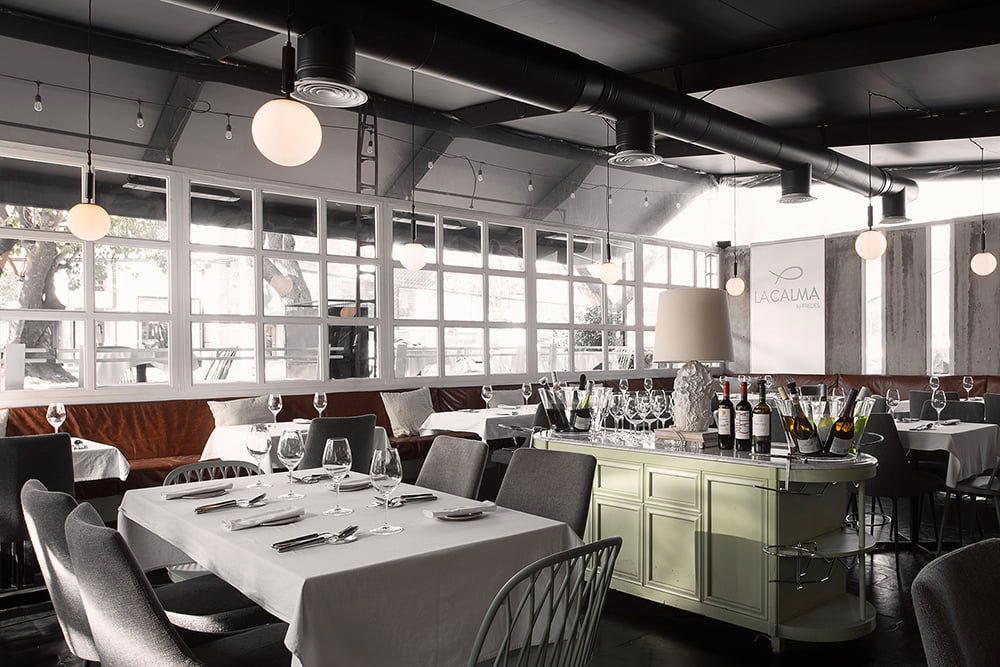
Bars in Santiago
All bars in Santiago →

Details
- Elegant
- Sophisticated
- Modern
- Trendy
- Date Night
- Special Occasion
- Open Kitchen
- Panoramic View
- Rooftop
- Sake Program
- Local Sourcing
- Mountain
- A La Carte
- Small Plates
- Counter Dining
- Vegetarian Friendly
Current opening hours
- Monday
- 1–11 PM
- Tuesday
- 1–11 PM
- Wednesday
- 1–11 PM
- Thursday
- 1–11 PM
- Friday
- 1–11 PM
- Saturday
- 1–11 PM
- Sunday
- Closed
Hours can change for holidays and private events. Hours as of .
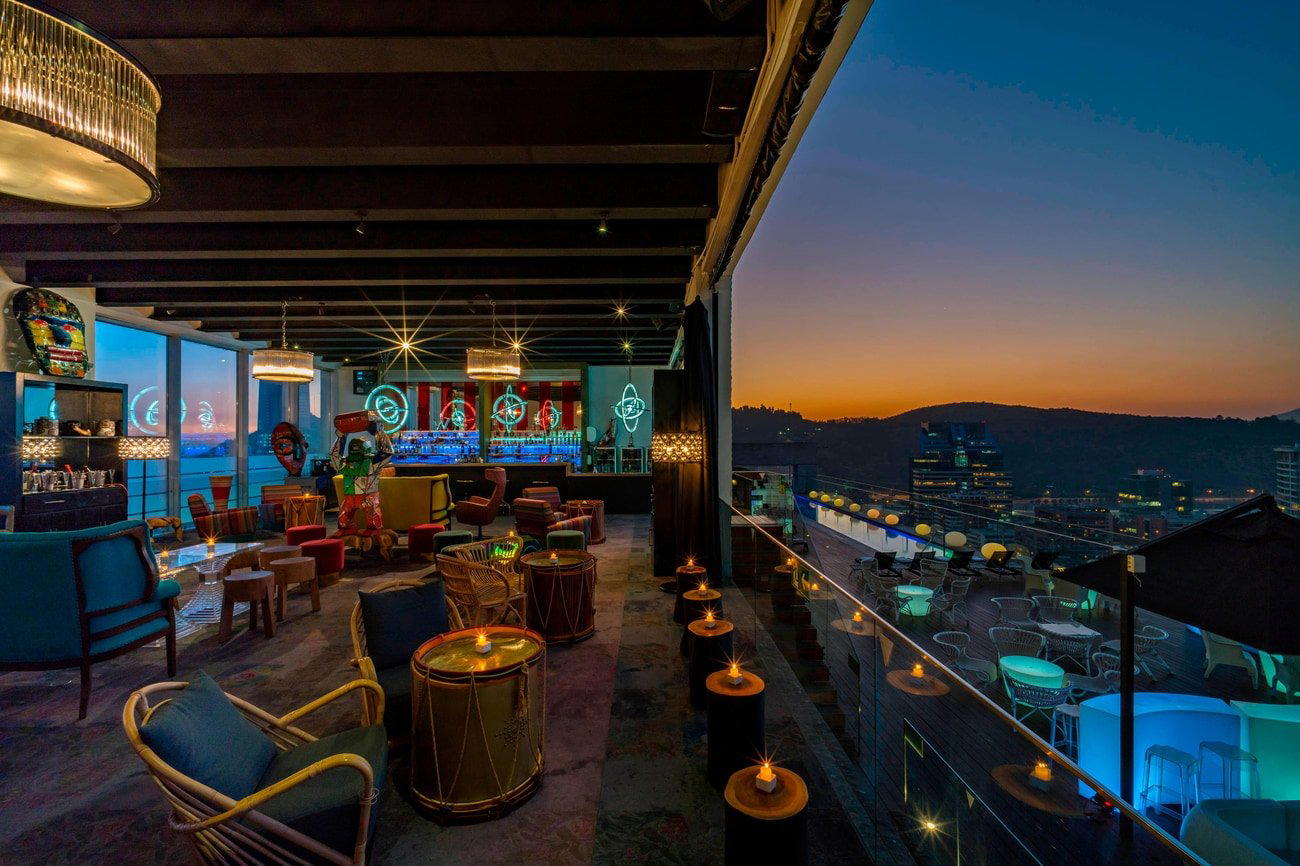
Clean lines, natural wood, floor-to-ceiling windows with mountain views, intimate tables and lively sushi counter.