Amares Bistro
Amares Bistro on Antonino Toro in Antofagasta operates within a regional dining scene shaped by proximity to the Atacama and the Pacific coast, two of Chile's most distinct ingredient sources. The bistro format positions it between the city's casual eateries and the destination restaurants drawing visitors from San Pedro de Atacama southward. A grounded option for travelers passing through Chile's northern port.
Pearl is the En Primeur Club membership app — saves, bookings, and concierge access live there. Same editors, same standards.
- Address
- Antonino Toro 995, 1270077 Antofagasta, Chile
- Phone
- +56946720804
- Website
- amares.cl
- Directions
- Get directions
 Saves & bookings on Pearl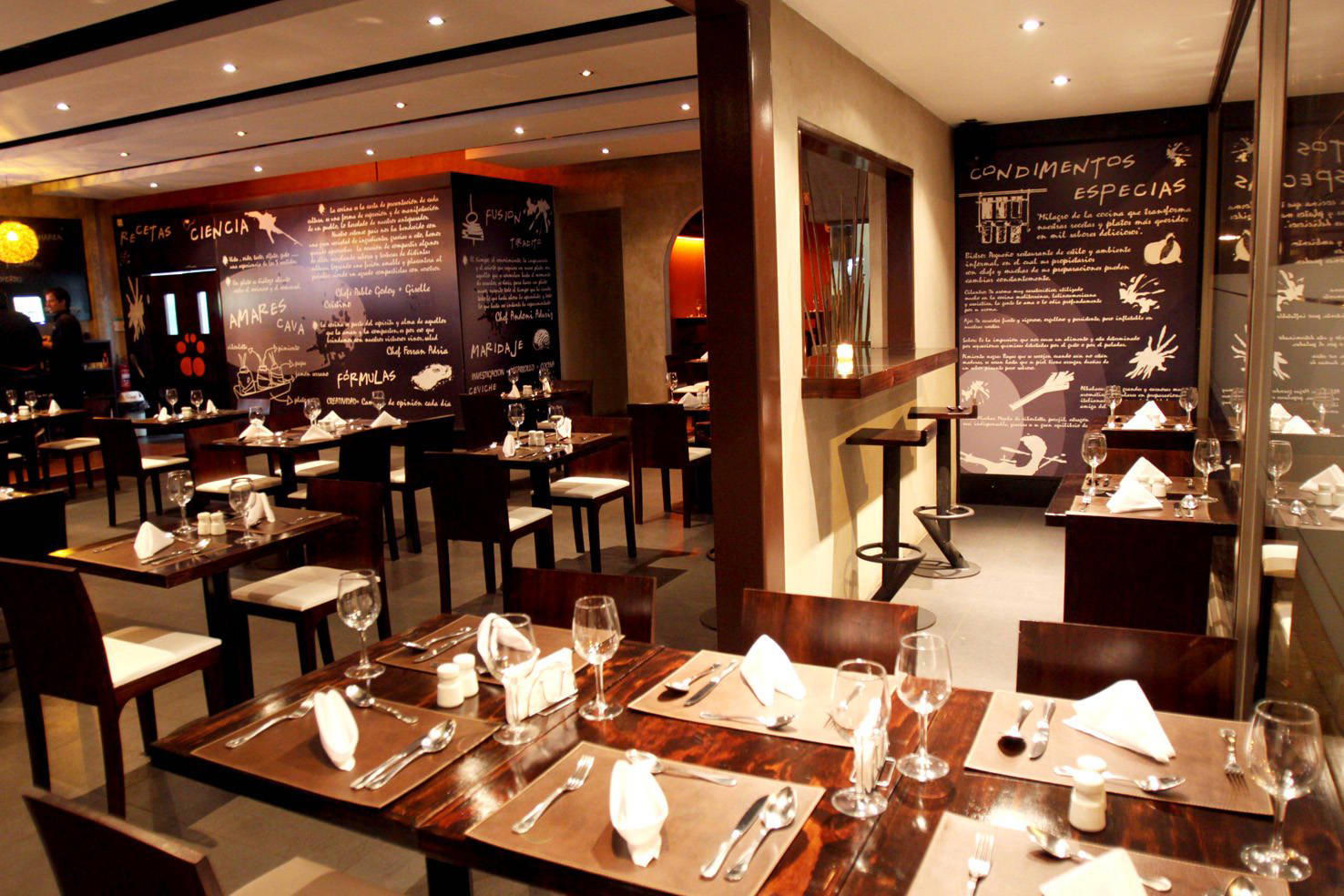
Where the Atacama Meets the Pacific: Antofagasta's Sourcing Geography
few cities in South America sit at the intersection of two ingredient sources as extreme as the Atacama Desert and the Humboldt Current. Antofagasta occupies exactly that position: a port city on Chile's northern coast where the cold, nutrient-dense waters of the Pacific push extraordinary seafood ashore, while the arid interior produces the kind of concentrated, mineral-driven agriculture that chefs in Santiago pay premiums to import. For a bistro format in this city, that geography is not backdrop, it is the supply chain.
Amares Bistro operates at Antonino Toro 995, in a city whose dining scene has historically been underwritten by the mining industry's transient workforce rather than culinary tourism. That context shapes expectations in both directions: there is genuine local demand for quality, but the infrastructure supporting sourcing is less codified here than it is in the wine valleys of central Chile or the gastronomic circuits around Santiago. What Antofagasta does have is direct access to raw materials that restaurants further south spend considerable effort and cost to source. The bistro format, at its leading in this context, acts as an edit of that access, a place where the sourcing advantage of the city's geography translates into the plate without the overhead of a destination dining production.
The Bistro Register in Chile's Northern Port
Chile's restaurant scene has bifurcated over the past decade into two recognizable tracks. The first runs through Santiago's high-concept addresses, places like Boragó in Santiago and Peumayen in Providencia, where native ingredient research and technique-forward cooking have earned international recognition. The second track, less documented but equally embedded in Chilean food culture, runs through the kind of neighborhood and mid-tier bistros that serve a city's daily life rather than its special occasions. Amares Bistro belongs to the second register.
That placement is not a limitation, it is a different brief. The bistro format in a port city like Antofagasta answers to lunch trade, to local professionals, to travelers moving between the coast and the Atacama interior. The comparable comparable set is not D.O. Restoran in Lo Barnechea or the estate dining at Lapostolle Residence in Santa Cruz. It is the neighborhood restaurant that understands its city's ingredient moment and expresses it without theater.
For context on what the broader Chilean north offers in destination format, Awasi Atacama in San Pedro de Atacama represents the premium lodge-dining tier, where sourcing from Atacama producers is built into the property's identity. Amares sits in a more accessible register, in a city where that sourcing proximity exists without the lodge infrastructure around it.
Antofagasta as a Dining City: The Case for Looking Harder
Antofagasta does not appear on most Chilean restaurant itineraries. The culinary gravity of Santiago, Valparaíso, and the wine regions pulls visitors south, and the Atacama's appeal as a travel destination tends to route people through San Pedro rather than the coast. That routing means the city's mid-tier restaurant scene operates largely for its own residents, which creates both a challenge and an opportunity for the curious traveler.
The challenge is limited editorial documentation, and the 50 Best Latin America list has historically concentrated on Santiago. The opportunity is that restaurants here are priced for local incomes rather than international visitor expectations, and the Pacific seafood that arrives at Antofagasta's wholesale markets is among the freshest on the Chilean coast. The ceviche tradition in this region draws on the same Humboldt Current fish stocks that underpin the celebrated seafood cooking at places like Aquí Jaime in Concon, but without the destination premium.
Within Antofagasta itself, Krossbar Antofagasta represents a different point on the city's dining register, and the contrast between the two addresses is useful for understanding how local options have differentiated.
Ingredient Sourcing and What It Signals About the Kitchen
In Chilean coastal cities, one telling indicator of kitchen discipline is not the menu description but the sourcing chain. A bistro on the northern coast that works with local fish markets and relies on the day's catch rather than frozen protein is operating on a fundamentally different model than one that imports standardized product from central distribution. The Humboldt Current's cold upwelling makes Antofagasta's Pacific waters unusually productive: congrio (conger eel), reineta (pomfret), and the various shellfish that define northern Chilean seafood cooking are caught close to port and move quickly from water to wholesale to kitchen.
Restaurants working within that supply chain tend to run shorter, more seasonal menus, not as a design philosophy but as a practical consequence of buying what is available. That constraint, in the hands of a kitchen that understands it, produces food that is more specifically of its place than a venue with a fixed menu built around imported consistency. The bistro format is well-suited to this model: the expectations around format and finish are lower than in a fine dining room, which gives the kitchen room to respond to what the day's supply actually offers.
For comparison, the wine-country dining circuit in central and southern Chile, from Viña Concha y Toro in Pirque to Clos Apalta Residence in Valle de Apalta, frames sourcing through terroir and estate produce. The northern coastal version of that story is different in character: it is about maritime abundance rather than agricultural precision, and it is less likely to appear on a curated tasting menu than on a daily chalkboard.
Planning a Visit to Amares Bistro
Amares Bistro is located at Antonino Toro 995, Antofagasta. Phone, website, and booking details are not listed here, so one reliable approach is to visit in person or contact the address directly. Antofagasta's mid-tier restaurant addresses of this type typically operate through walk-in trade rather than advance reservation systems, though that may vary by day of week and local demand. The city is served by Cerro Moreno International Airport (ANF), with connections to Santiago and several regional Chilean cities. Travelers routing through Antofagasta on their way to or from San Pedro de Atacama, a journey of roughly four hours by road, will find the city's lunch trade one active dining window.
For travelers building a wider Chilean itinerary, the contrast between northern coastal cooking and the kitchen traditions elsewhere in the country is worth noting. The southern lake district, represented by addresses like andBeyond Vira Vira in Araucanía, and the valley-driven cooking at CasaMolle in El Molle and Fuente Toscana in Ovalle, represent adjacent chapters in a country whose regional ingredient diversity is consistently underreported. For international reference points on what ingredient-led coastal cooking looks like, Le Bernardin in New York City and Lazy Bear in San Francisco set the technical ceiling, though the comparison is one of scale rather than ambition. For Italian-inflected bistro cooking with a similar mid-tier positioning, Pasta e Vino Ristorante in Valparaiso and Rosario in Rengo offer points of comparison in terms of format and register, while VIK in Santiago anchors the high end of the country's design-driven hospitality tier.
Comparison Snapshot
Comparable venues nearby, for context on price, style, and recognition.
| Venue | Cuisine | Price | Notes |
|---|---|---|---|
| Amares BistroThis venue — the venue you are viewing | Modern Peruvian Seafood Fusion | $$$ | Not listed |
| Krossbar Antofagasta | Brew Pub and Pizza | $$$ | Antofagasta |
| Aqui Esta Coco | Chilean Seafood | $$$ | Vitacura |
| Restaurant Dona Inés | Barbecue Specialties | $$ | Centro |
| Aquí está Coco Restaurante | Traditional Chilean Seafood | $$$$ | Vitacura |
| Restaurant Comida China | Chinese | $$ | Centro |
Continue exploring
More in Antofagasta
Restaurants in Antofagasta
Browse all →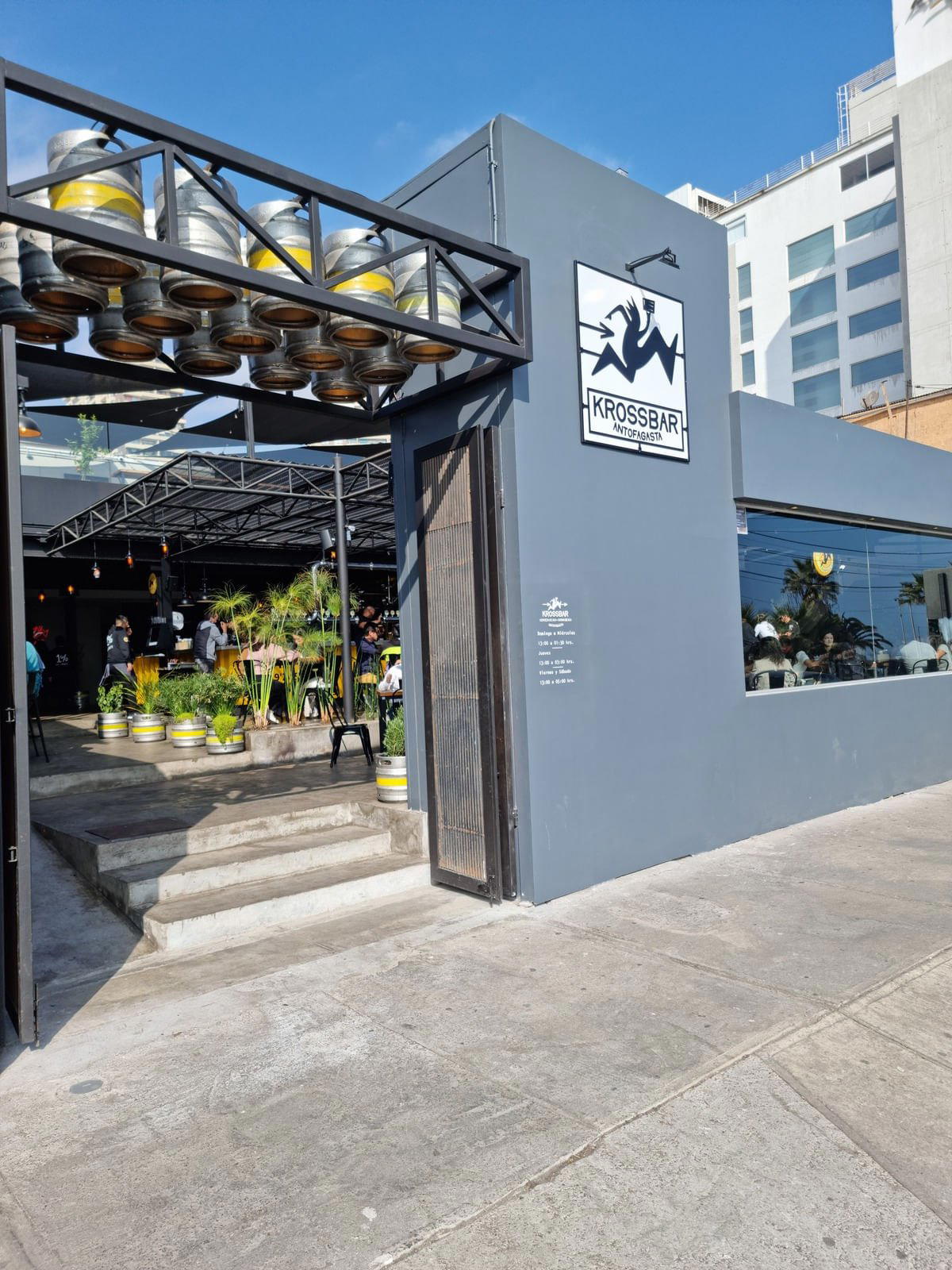
At a Glance
- Elegant
- Modern
- Cozy
- Sophisticated
- Date Night
- Special Occasion
- Open Kitchen
- Extensive Wine List
- Local Sourcing
- Sustainable Seafood
Current opening hours
- Monday
- 1–3:30 PM, 7–11 PM
- Tuesday
- 1–3:30 PM, 7–11 PM
- Wednesday
- 1–3:30 PM, 7–11 PM
- Thursday
- 1–3 PM, 7–11 PM
- Friday
- 1–3:30 PM, 7–11 PM
- Saturday
- 1–3:30 PM, 7–11 PM
- Sunday
- Closed
Hours can change for holidays and private events. Last verified .
Stylish, spacious, cozy setting with warm lighting and a relaxing, somewhat strict yet cool atmosphere.