
Amai Ko belongs to Tokyo’s older-school kanmi tradition, where Japanese sweets cafés sit closer to neighborhood habit than dessert spectacle. Its Tabelog 100 selection for Tokyo Japanese sweets cafés in 2023, 24-seat room, take-out format, and seasonal kakigori window place it in a small but serious tier of casual addresses that reward timing over formality.
Pearl is the En Primeur Club membership app — saves, bookings, and concierge access live there. Same editors, same standards.
- Address
- Japan, 〒167-0053 Tokyo, Suginami City, Nishiogiminami, 2 Chome−20−4 恵荘
- Phone
- +81 3-3333-3023
- Website
- twitter.com
 Saves & bookings on Pearl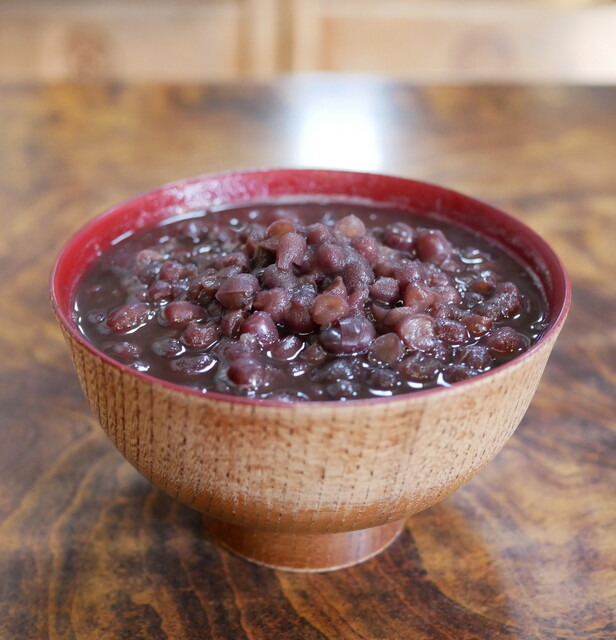
Approaching Nishi-Ogikubo from the south exit, the tempo shifts: fewer flagship façades, more residential storefronts, and a Tokyo dining culture built on repeat local use more than ceremony. Japanese sweets cafés fit here through small rituals, afternoon timing, seasonal ice, and quiet seriousness around anko, syrup, tea, and texture. Amai Ko sits inside that tradition, not as spectacle.
Tokyo dessert now runs in two lanes. One is camera-led: parfait architecture, concept cafés, and limited-run plates for social feeds. The other is older and stricter: kanmi-dokoro and wagashi cafés where value is restraint, turnover, and regular confidence to stop service when stock runs out. Amai Ko belongs to the second lane. Its 2023 Tabelog 100 selection for Tokyo Japanese traditional sweets and Japanese sweets cafés signals quality, but the sharper point is category discipline: this is for kakigori and Japanese sweets, not a general dessert room chasing trends.
Nishi-Ogikubo keeps Tokyo sweets culture grounded
Tokyo’s western neighborhoods often preserve dining formats central districts polish into luxury. Nishi-Ogikubo supports small specialists: independent cafés, compact counters, curry shops, ramen addresses, and sweets cafés serving local patterns before visitor itineraries. Here, a 24-seat Japanese sweets café reads differently than in Omotesando or Ginza: less rarity theater than patience, season, and neighborhood grammar.
The Tokyo comparison helps. Curry Shop Fennel and FRENCH CURRY SPOON share a low-to-mid casual spend band, but curry culture centers on meal replacement and quick satisfaction. Echigo Tsuruy sits closer in spirit because Japanese confectionery also depends on repetition, small purchases, and craft that can look modest outside. Amai Ko is narrower: a café featuring Japanese sweets and kakigori, with take-out available, no private rooms, and a non-smoking room. Those details describe a practical, compact operation, not a destination restaurant stretching dwell time.
This address belongs to Tokyo’s sweets ecology, not a standalone trophy. A visitor could build a citywide day using Our full Tokyo restaurants guide as the broader map. The same city contains charcoal and seafood rooms such as . 鮪と炭火焼き うお炭 秋葉原店, urban café concepts like 2D Cafe, curry specialists including 3 Chome no Curry Ya San, and formats with different social clocks such as 12/10 Shinjuku ten or 124. KAGURAZAKA (Yakitori). The restaurant does not compete with those meal structures. It owns the afternoon slot.
Kakigori marks the seasonal pivot, not a year-round promise
Tokyo kakigori’s evolution is revealing. A summer cooling habit now supports specialist shops, long queues, premium syrups, and seasonal calendars that draw ramen- or sushi-level planning. Yet the form remains tied to weather and timing. At the restaurant, kakigori is listed for late April through late October, preserving seasonal logic rather than flattening it into an all-year product.
That seasonality changes how to judge the room. During kakigori months, demand concentrates around heat, weekends, and late-afternoon sugar cravings. Outside that window, Japanese sweets carry the identity more directly. This dual rhythm is why serious Tokyo sweets cafés differ from pastry boutiques: they operate with a calendar, not just a display case. The restaurant keeps both sides legible.
The Tabelog score of 3.72 adds context. In Japan, platform scores are often compressed compared with Western review sites, so that range for a small sweets café suggests durable approval, not viral hype. The 2023 Tabelog 100 selection is the clearer trust marker, placing the shop inside a citywide category list for Japanese sweets cafés. It is not a Michelin-style luxury credential and should not be treated as one. It says something specific: within Tokyo’s deep field of wagashi and kanmi rooms, this address has earned category recognition.
The format avoids over-expansion. No chef mythology dominates, no grand tasting structure reframes sweets as fine dining, and no broad all-day menu dilutes the premise. In a city where dessert concepts can become over-designed, that restraint is the point. A small sweets café with seasonal ice, take-out, and a modest table layout can reveal Tokyo by showing tradition surviving as habit.
How to place it in a Tokyo itinerary
The restaurant works as a neighborhood-focused stop, not a meal anchor. The JR Nishi-Ogikubo connection gives it a clean logistical role for travelers exploring the western side, especially those preferring small specialist addresses over department-store dessert floors. Its scale and reservation-unavailable format make timing more important than months-ahead planning. The listed quieter midday window suits the category: Japanese sweets are often better before the final rush, when the room has not become queue management.
Payment reinforces the old-school character. Cash-only operations are common in Tokyo’s smaller food culture but can surprise travelers coming from hotel lobbies and transit apps. Treat this as a neighborhood sweets café with category recognition, not a high-service international restaurant. That distinction sets expectations correctly.
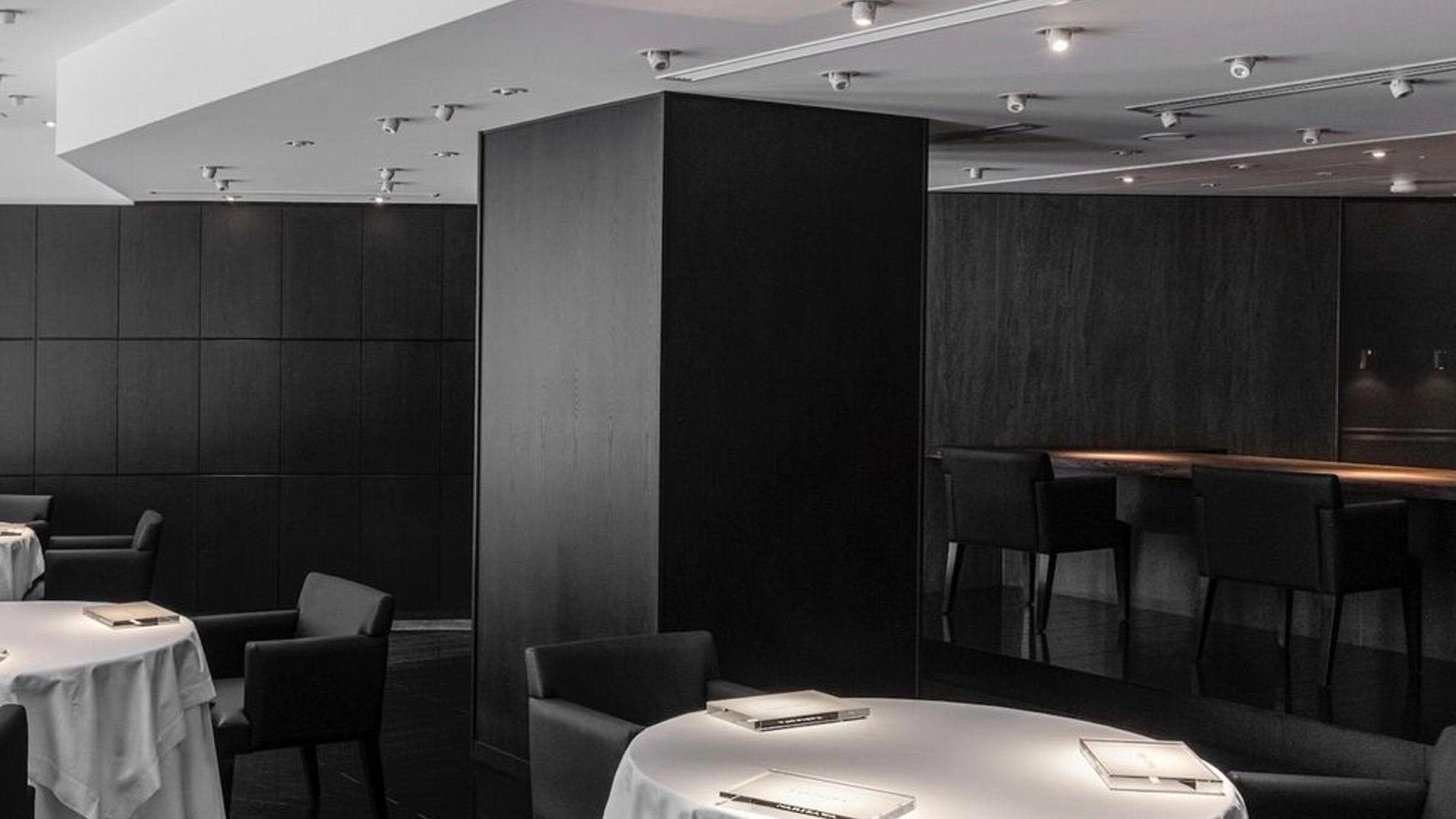
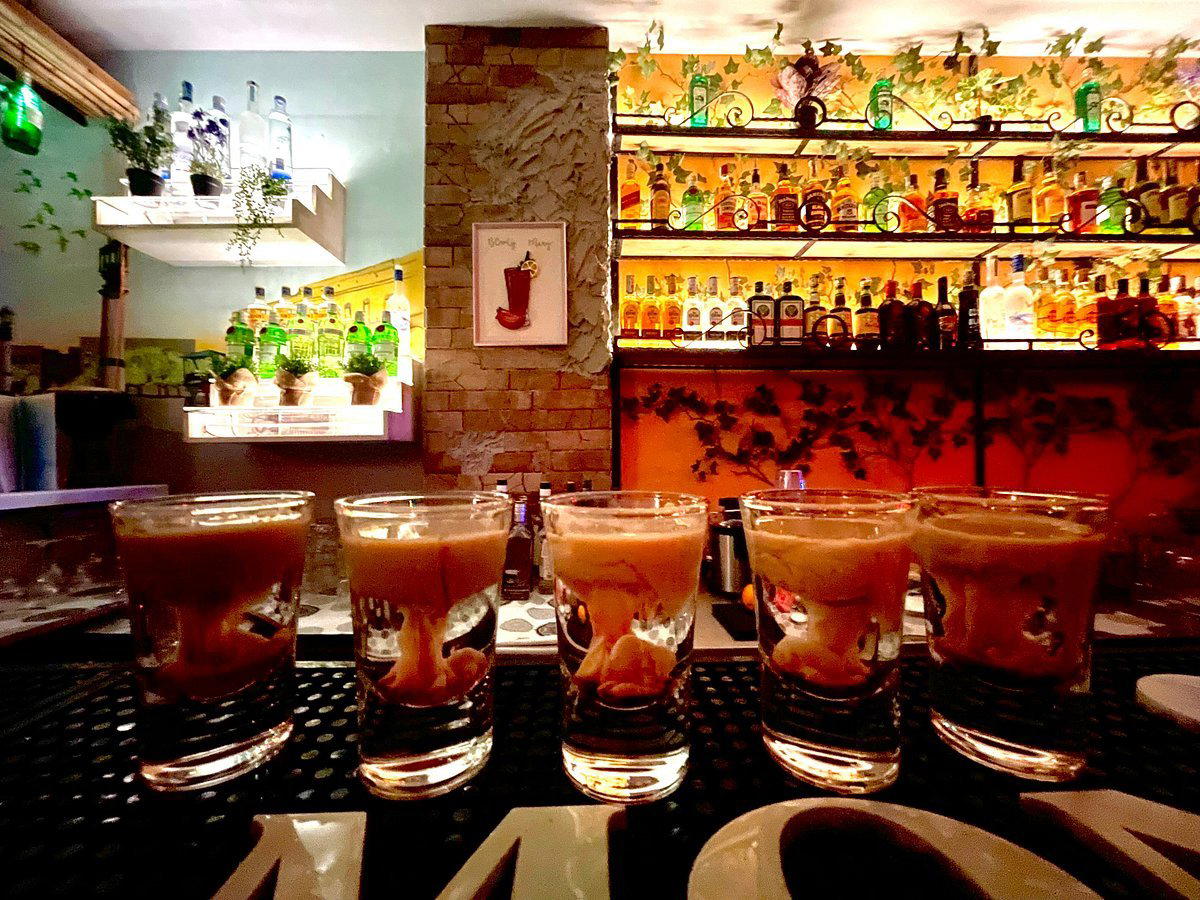
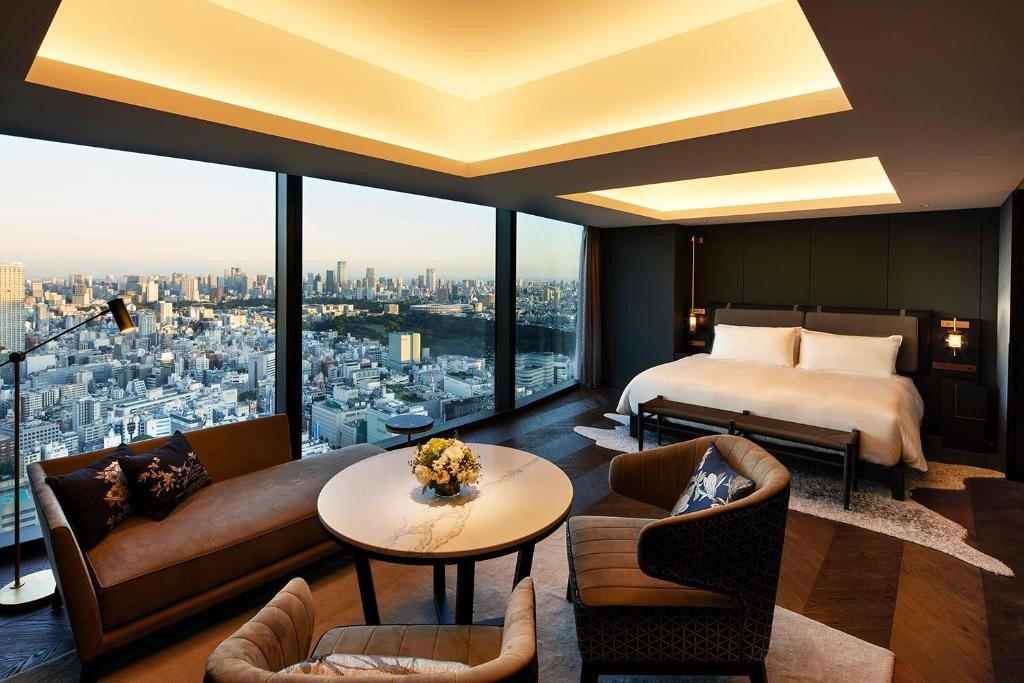
For visitors comparing Tokyo formats, the restaurant counterbalances reservation-led dining. The same itinerary might include hotels from Our full Tokyo hotels guide, cocktails through Our full Tokyo bars guide, wine context via Our full Tokyo wineries guide, and cultural programming from Our full Tokyo experiences guide. In that mix, a Suginami sweets café provides scale, showing that Tokyo’s food authority is not concentrated only in fixed-menu counters and international awards.
Beyond Tokyo, Japan’s casual specialist culture takes many forms, from -Grilled beef Sukiyaki- KAMAKURA TANUKIAN 鎌倉 たぬき庵 in Kamakura to.cafe in Osaka.know in Kumamoto, (Shoku) Vietnam in Kawasaki, [Curry Senmon Ten] Maruyama Kyoju. in Sapporo, and [ki:] in Kyoto. Abroad, Japanese formats are translated through places such as Jōdo Saké Bar in Los Angeles and Onigiri Time in Pasadena. The restaurant belongs to the quieter source culture behind that global spread: small, specific, seasonal, and confident enough not to explain itself loudly.
The verdict is restrained but clear. This is a Tokyo sweets stop for travelers who know casual does not mean careless. The draw is not luxury performance; it is the continued relevance of a neighborhood kanmi format, recognized within its category, shaped by kakigori season, and useful because it keeps Tokyo dessert culture close to everyday life.
Price Lens
Comparable venues at the same tier for side-by-side context.
| Venue | Cuisine | Price | Notes |
|---|---|---|---|
| Amai KoThis venue — the venue you are viewing | Not listed | $ | Not listed |
| SOBA-Shiro Kuro | Not listed | $ | Suginami, Specialty ramen / soba shop |
| Musashino Enza | Nerima, Traditional Musashino Udon | $ | Not listed |
| Ganso Stamina Manten Ramen Suzuki | Mitaka, Stamina-style ramen & soba | $ | Not listed |
| Shigekuniya 55 Bakery | Suginami, Japanese neighborhood bakery | $ | Not listed |
| Ramen Go On | Nakano, Japanese Ramen | $ | Not listed |
Recognition history
Dated appearances from independent guides and award organizations, with the underlying list record or original source where available.
Tabelog 100 #78 · No. 78
Tabelog · Tabelog 100 - Japanese traditional sweets / Japanese sweets cafe - TOKYO - 2023












At a Glance
- Solo
- Casual Hangout
- After Work
- Standalone
Current opening hours
- Monday
- Closed
- Tuesday
- 11 AM–4 PM
- Wednesday
- 11 AM–4 PM
- Thursday
- 11 AM–4 PM
- Friday
- 11 AM–4 PM
- Saturday
- 11 AM–4 PM
- Sunday
- 11 AM–4 PM
Hours can change for holidays and private events. Last verified .
Simple, no-frills Japanese sweets cafe with table seating, a quiet daytime atmosphere, and a classic neighborhood feel rather than a design-focused space.