
Musashino Enza brings Tokyo’s udon culture into a quieter Nerima setting, inside the Shakujii Park Furusato Museum precinct rather than a central station corridor. Its Tabelog Udon EAST 100 selection in 2024 places it among serious regional noodle addresses, with a modest lunch-range spend, a no-reservations format, and a ritual built around timing rather than ceremony.
Pearl is the En Primeur Club membership app — saves, bookings, and concierge access live there. Same editors, same standards.
- Address
- 東京都練馬区石神井町5-12-16 石神井公園ふるさと文化館内
- Phone
- +81339951577
- Website
- udon-enza.com
 Saves & bookings on Pearl
Approaching this corner of Nerima changes the tempo of a Tokyo meal. The city’s central food districts often compress dining into station basements, office towers, and late-night alleys; Shakujii shifts the frame toward parkland, neighborhood errands, and a slower lunch rhythm. Udon suits that setting. It is a cuisine of short decisions and exact timing: order, wait, eat while texture holds, then leave before the bowl turns from pleasure into starch. The ritual is not theatrical, but it is disciplined.
Musashino Enza belongs to the side of Tokyo dining that rewards people who travel beyond the obvious restaurant map. Its 2024 selection in Tabelog 100 Udon EAST gives it a clear credential in a category where prestige is less international than local: noodle shops are judged by repeat visits, texture, broth, value, and consistency rather than tasting-menu choreography. In that sense, this is a Tokyo address for diners who understand that serious eating in Japan is not limited to sushi counters and kaiseki rooms.
Tokyo udon, judged by pace rather than ceremony
Udon in the capital sits between two impulses. One is convenience: a fast bowl near a train line, eaten standing or at a narrow counter. The other is craft: a meal that remains casual but asks for attention to chew, temperature, dipping sauce, broth balance, and the point at which noodles begin to soften. The distinction matters because price alone does not explain the category. A low-cost udon shop can be deeply technical; a more polished room can lose the point if timing and texture drift.
This is where the Tabelog 100 signal carries weight. The list is not a Michelin-style luxury marker; it identifies category specialists that regular diners take seriously. Musashino Enza’s inclusion in the Udon EAST 2024 selection places it in a regional conversation rather than a neighborhood-only one. The comparison is not with Tokyo’s formal dining rooms, but with other noodle specialists where the meal’s success depends on speed, freshness, and a kitchen’s tolerance for repetition.
The dining ritual is also democratic. Udon does not require a script of chef interaction or wine-pairing vocabulary. It asks for basic respect: arrive with the expectation of a meal built around a single staple, accept that popular noodle shops often move according to supply and seating, and eat at the pace the food demands. This is a useful corrective in a city where visitors can over-plan luxury meals while underestimating how much craft sits in everyday formats.
Nerima makes the meal feel less transactional
Location changes the reading of a bowl. In Shinjuku or Ginza, even casual food can feel folded into a larger performance of access, queues, and itineraries. Nerima’s appeal is quieter: residential Tokyo, park-adjacent movement, and a dining culture that has less need to explain itself to travelers. A 30-seat room, with table seating and terrace seats, keeps the experience closer to a local lunch address than a destination restaurant staging exclusivity.
That does not make it casual in the sense of careless. The shop’s profile includes sake, take-out, children welcome, and non-smoking operation, details that point to a broad neighborhood use pattern rather than a narrow connoisseur format. Tokyo’s everyday restaurants often operate with this dual identity: technically serious enough to appear on specialist lists, practical enough for family meals and repeat local use. The result is not a contradiction. It is one of the city’s defining dining strengths.
Within its immediate competitive set, the positioning is clear. Shotaro Udon and Teuchi Udon Hasegawa occupy nearby udon territory at similarly modest spend levels, while PIZZERIA GTALIA DA FILIPPO, Blondir, and BUTCHER'S TABLE Ooizumi gakuen ten show how western Tokyo’s outer wards support specialist restaurants beyond the central wards. Musashino Enza is compelling because it keeps the focus narrow: wheat noodles, lunch discipline, and the kind of format where regularity matters more than novelty.
How to read the table before you sit down
The smart approach is to treat the meal as a time-sensitive noodle stop rather than a leisurely multi-course booking. Reservations are unavailable, and the format rewards flexibility. In Tokyo, no-reservation noodle shops are often easier for solo diners and pairs than for large groups, not because hospitality is limited, but because turnover and seat geometry define the rhythm. Here, the listed capacity gives small parties a practical advantage.
Payment habits also belong to the experience. Tokyo’s independent restaurants can be selective about accepted methods, and diners should not assume that credit cards cover every serious address. Planning around cash or supported QR payment avoids turning a simple bowl of udon into a logistics problem. The absence of private rooms also reinforces the nature of the meal: this is shared public dining, not a secluded business lunch.
For a broader Tokyo itinerary, pair this kind of specialist stop with other category-led addresses rather than only luxury reservations. EP Club’s city coverage ranges from restaurants such as . 鮪と炭火焼き うお炭 秋葉原店, 12/10 Shinjuku ten, 124. KAGURAZAKA (Yakitori), 2D Cafe, and 3 Chome no Curry Ya San to wider planning rails: Our full Tokyo restaurants guide, Our full Tokyo hotels guide, Our full Tokyo bars guide, Our full Tokyo wineries guide, and Our full Tokyo experiences guide. For related Japan and Japanese-food references beyond Tokyo, see -Grilled beef Sukiyaki- KAMAKURA TANUKIAN 鎌倉 たぬき庵 in Kamakura.cafe in Osaka.know in Kumamoto, (Shoku) Vietnam in Kawasaki, [Curry Senmon Ten] Maruyama Kyoju. in Sapporo, [ki:] in Kyoto, Jōdo Saké Bar in Los Angeles, and Onigiri Time in Pasadena.
Local
Comparable venues by cuisine and price in the same metro.
| Venue | Cuisine | Price | Notes |
|---|---|---|---|
| Musashino Enza | Traditional Musashino Udon | $ | Nerima |
| Gyoza no Fukuho (餃子の福包) | Traditional Japanese Gyoza | $ | Shinjuku |
| Café Trois Chambres | Traditional Japanese kissaten café | $ | Setagaya |
| Kyogashi Misakiya | Traditional Japanese Wagashi (Japanese Sweets) | $ | Shibuya |
| Suzumeya | Japanese sweets / Dorayaki | $ | Toshima |
| Tsukemen Gonokami Seisakujo | Shrimp Tsukemen Ramen Shop | $ | Shibuya |
Recognition history
Dated appearances from independent guides and award organizations, with the underlying list record or original source where available.
Tabelog 100 #83 · No. 83
Tabelog · Tabelog 100 - Udon - EAST - 2024













At a Glance
- Cozy
- Classic
- Solo
- Family
- Casual Hangout
- After Work
- Group Dining
- Standalone
- Local Sourcing
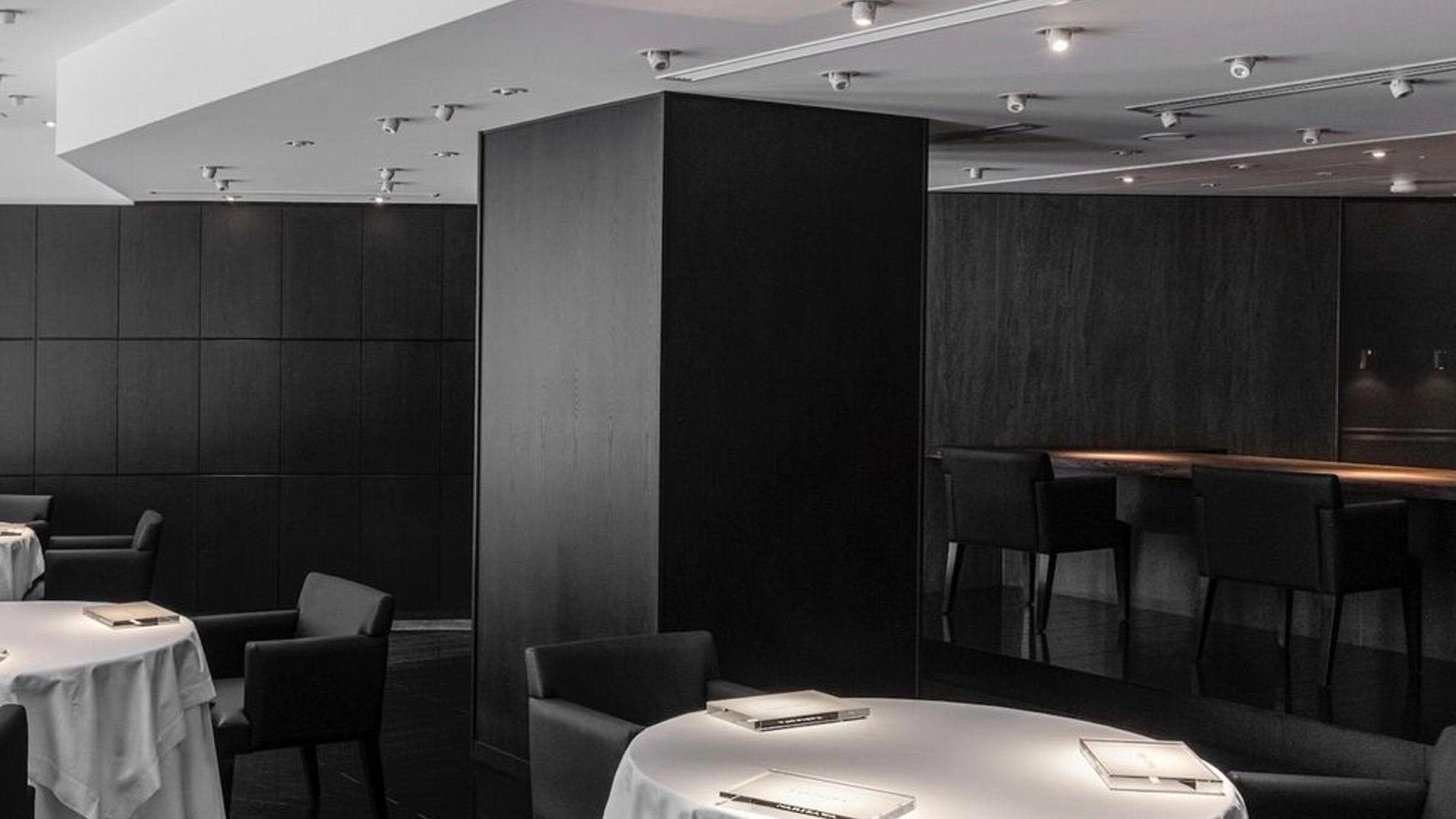
A modest, classic neighborhood udon shop with a warm, lived‑in feel; simple decor, bright but not harsh lighting, and a relaxed, family‑friendly atmosphere that stays comfortably busy without feeling hectic.