Althof Retz sits in the heart of Lower Austria's Weinviertel wine country, where the region's farming and viticultural traditions shape the table in direct, traceable ways. The address places it within one of Austria's most productive agricultural corridors, where proximity to source matters as much as technique. For travellers moving between Vienna and the Czech border, it represents a considered stop in a town that takes its wine and food seriously.
Pearl is the En Primeur Club membership app — saves, bookings, and concierge access live there. Same editors, same standards.
- Address
- Althofgasse 14, 2070 Retz, Austria
- Phone
- +434329423711
- Website
- althof.at
- Directions
- Get directions
 Saves & bookings on Pearl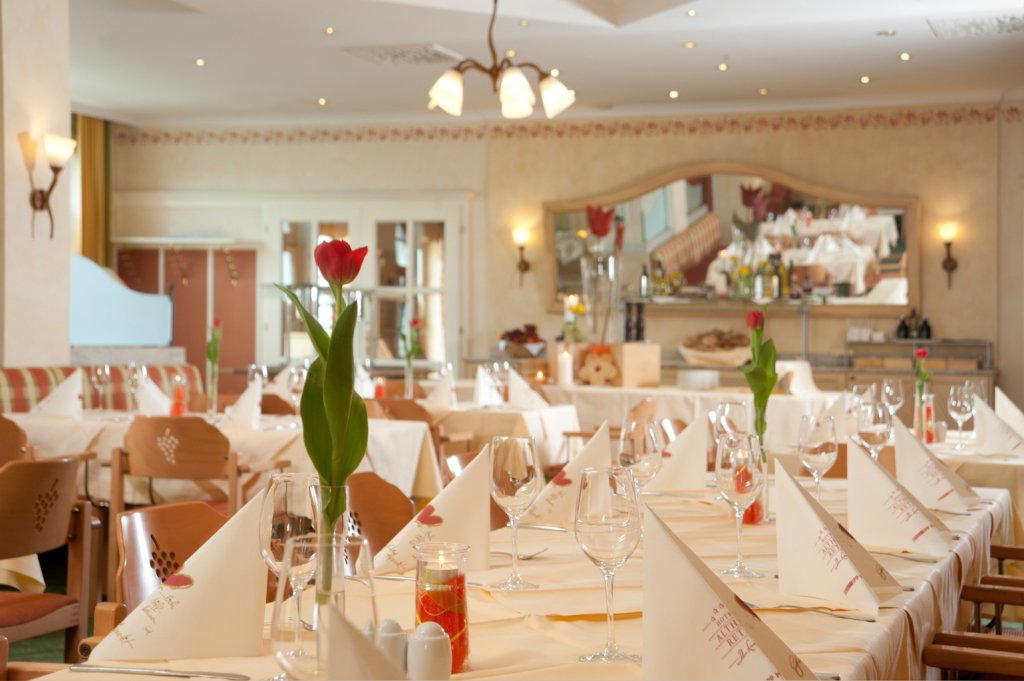
Where the Weinviertel Comes to the Table
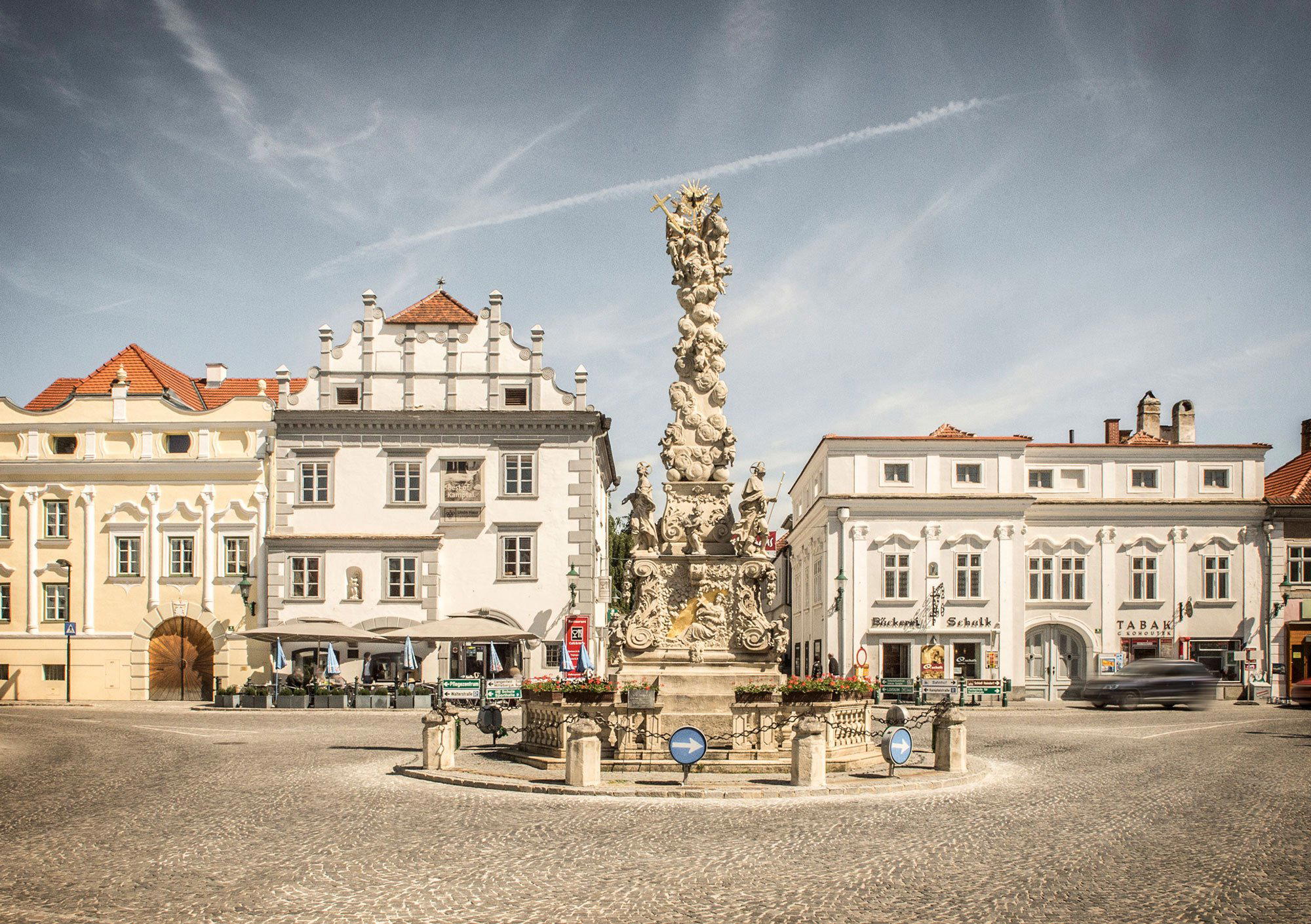
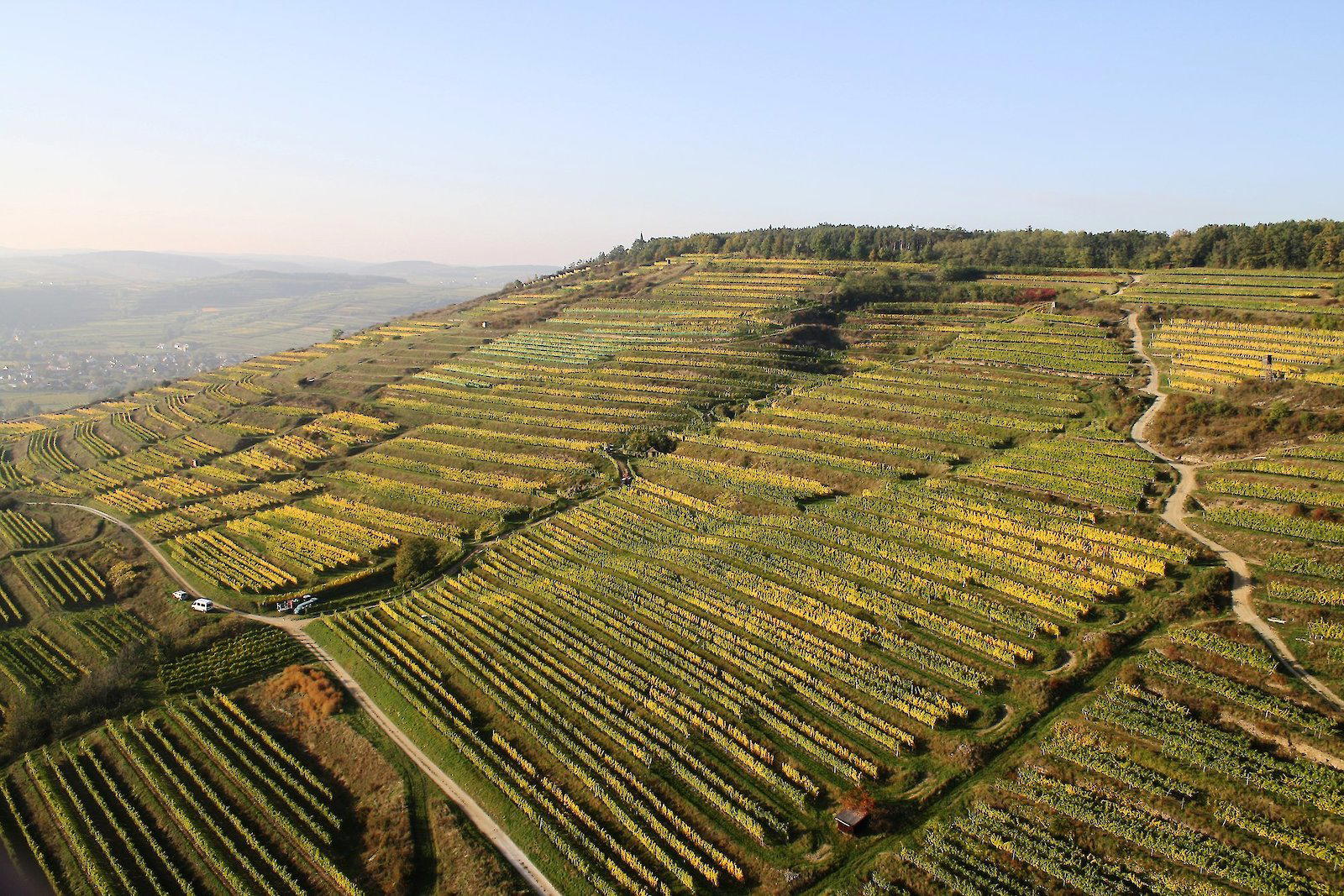
Lower Austria's Weinviertel sits between Vienna and the Moravian border in a landscape defined by loess hills, Grüner Veltliner vineyards, and market-garden agriculture that has supplied the capital for centuries. Retz, the region's most recognisable wine town, carries that agricultural identity with unusual coherence: its underground wine cellars run for kilometres beneath the old market square, and the farmland surrounding the town produces grain, vegetables, and game in quantities that make field-to-table sourcing a practical reality rather than a marketing posture. Althof Retz, at Althofgasse 14, is positioned inside that fabric rather than beside it.
This part of Austria does not follow the high-alpine restaurant model represented by places like Gourmetrestaurant Tannenhof in Sankt Anton am Arlberg or Griggeler Stuba in Lech, where seasonal drama is tied to altitude and snow. The Weinviertel operates on an agricultural calendar: spring asparagus from sandy soils, summer stone fruit, autumn pumpkin and game, winter root vegetables and preserved provisions. Kitchens anchored in this region draw from a different rhythm, one closer to the farming year than to the tourist calendar.
The Sourcing Logic of a Wine-Country Kitchen
Austria's premium dining tier has developed two recognisable sourcing orientations. The metropolitan end, exemplified by Steirereck im Stadtpark in Vienna, curates from producers across the country and beyond, building menus around access and curation. The regional end, seen at properties like Landhaus Bacher in Mautern an der Donau along the Danube, grounds itself in the immediate agricultural zone and uses proximity as a structural principle rather than a promotional one. Althof Retz operates in wine country where those two orientations overlap: the Weinviertel grows enough variety across field crops, viticulture, and livestock to sustain a kitchen without requiring far-reaching supply chains.
The ingredient argument for this region is specific. Weinviertel Grüner Veltliner, which carries a DAC (Districtus Austriae Controllatus) designation, grows on soils that also produce market vegetables with the same mineral directness. Kitchens in Retz that align with local producers work with an ingredient palette shaped by those same loess and sandy soils: vegetables with concentration from slow growth, game from surrounding forests, and lamb and pork from farms operating at small scale. This is a different sourcing context from the alpine zones that dominate Austria's culinary reputation, and it rewards a different kind of cooking.
Austria's broader rural restaurant tradition has produced some of its most considered food outside the major cities. Obauer in Werfen and Döllerer in Golling an der Salzach both built Michelin-recognised programmes in towns of comparable scale to Retz, drawing on regional producers and operating within a logic of place rather than urban prestige. The Weinviertel has historically been underrepresented in that conversation relative to its agricultural depth, which makes Retz an address worth tracking as the region's dining profile develops.
Retz as a Destination Address
Retz sits approximately 70 kilometres northwest of Vienna by road, a distance that places it within reach for a day trip but far enough to function as a self-contained destination. The town's primary draw has traditionally been wine tourism: the cellars beneath the market square, the surrounding Grüner Veltliner and Zweigelt producers, and a wine festival calendar that anchors the autumn season. Food has lagged behind wine as a reason to make the journey, but that gap has been closing as Lower Austria's regional dining identity gains more attention from Austrian food media and travellers moving beyond the capital's established circuit.
The comparison point is the broader pattern of wine-country restaurant destinations in the German-speaking world. In Austria specifically, the Wachau's Landhaus Bacher demonstrates what a wine-region kitchen can achieve when it operates with consistency and sourcing discipline over decades. The Weinviertel has the agricultural base to support similar ambition; the question is whether individual addresses choose to build in that direction. For travellers with an interest in how wine country shapes kitchen practice, Retz offers a more direct test case than the tourist-heavy Wachau corridor.
Other Austrian regional addresses worth considering in the same trip-planning frame include Taubenkobel in Schützen am Gebirge, which operates in Burgenland wine country with a modern Austrian sensibility, and Ois in Neufelden, a smaller address in Upper Austria that has built a following on sourcing specificity. Both provide useful reference points for what regionally anchored Austrian dining looks like when executed with focus. For international comparisons that illustrate how ingredient provenance shapes a restaurant's identity at the highest level, Le Bernardin in New York City and Lazy Bear in San Francisco show how sourcing discipline translates across different culinary contexts.
Further context on Austrian regional kitchens is available through addresses like Atelier Fischer in Sankt Gilgen, Restaurant 141 by Joachim Jaud in Mieming, Schwarzer Adler in Hall in Tirol, Kräuterreich by Vitus Winkler in Sankt Veit im Pongau, Stüva in Ischgl, Thaller - Gasthaus in Sankt Veit am Vogau, and Ikarus in Salzburg.
Planning a Visit
Althof Retz is located at Althofgasse 14 in the town centre. Retz is served by regional rail from Vienna's Franz-Josefs-Bahnhof, with journey times under 90 minutes, making it accessible without a car for those based in the capital. Wine-harvest season in October brings higher visitor volumes to the region; spring and early summer, when asparagus and early vegetable harvests are at their peak, offer a quieter entry point with produce-driven kitchen logic at its most immediate.
Comparison Snapshot
Comparable venues nearby, for context on price, style, and recognition.
| Venue | Cuisine | Price | Notes |
|---|---|---|---|
| Althof RetzThis venue — the venue you are viewing | Regional Austrian Fine Dining | $$$ | Not listed |
| Genusswirtschaft | Modern Austrian Fine Dining | $$$ | Weinviertel |
| Winery Nigl | Traditional Austrian Regional | $$$ | Senftenberg |
| Restaurant Richard Löwenherz | Traditional Austrian with Regional Specialties | $$$ | Dürnstein |
| HOPFELD – Restaurant DREIKÖNIGSHOF | Refined Austrian Regional | $$$ | Stockerau |
| Dorfwirt Litschau | Modern Waldviertel Regional Cuisine | $$$ | Litschau |
Continue exploring
More in Retz
Restaurants in Retz
Browse all →
Bars in Retz
Browse all →
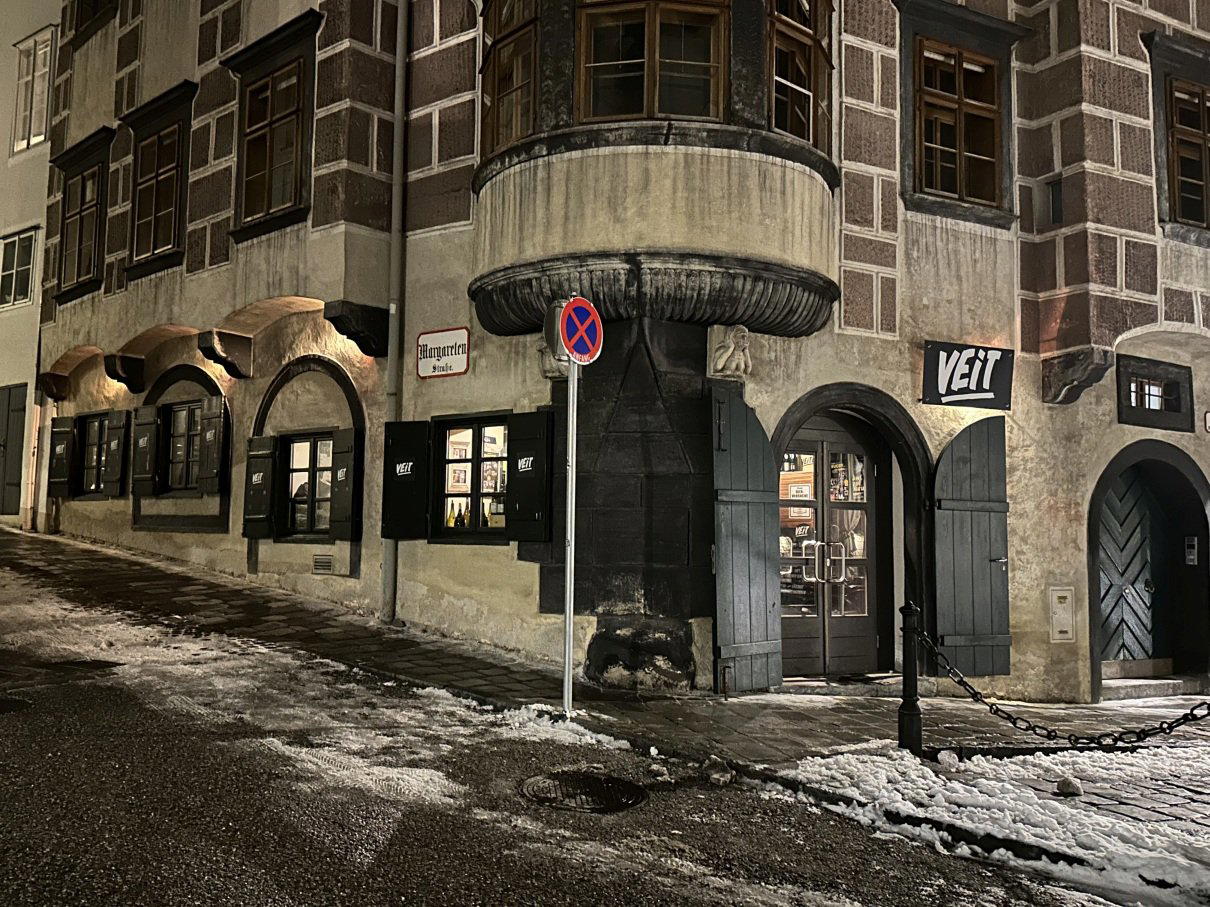

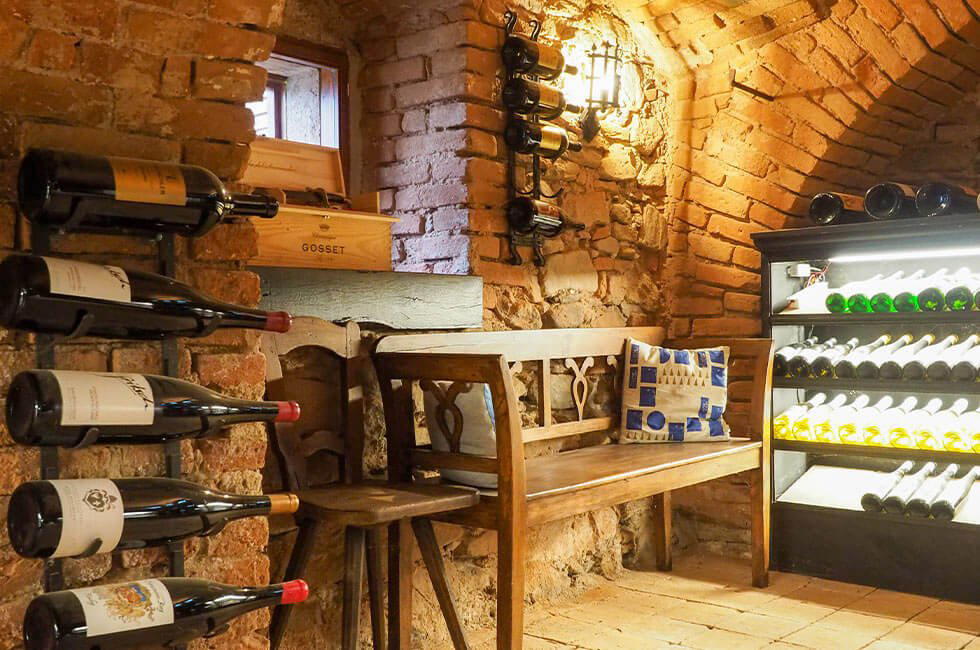
Hotels in Retz
Browse all →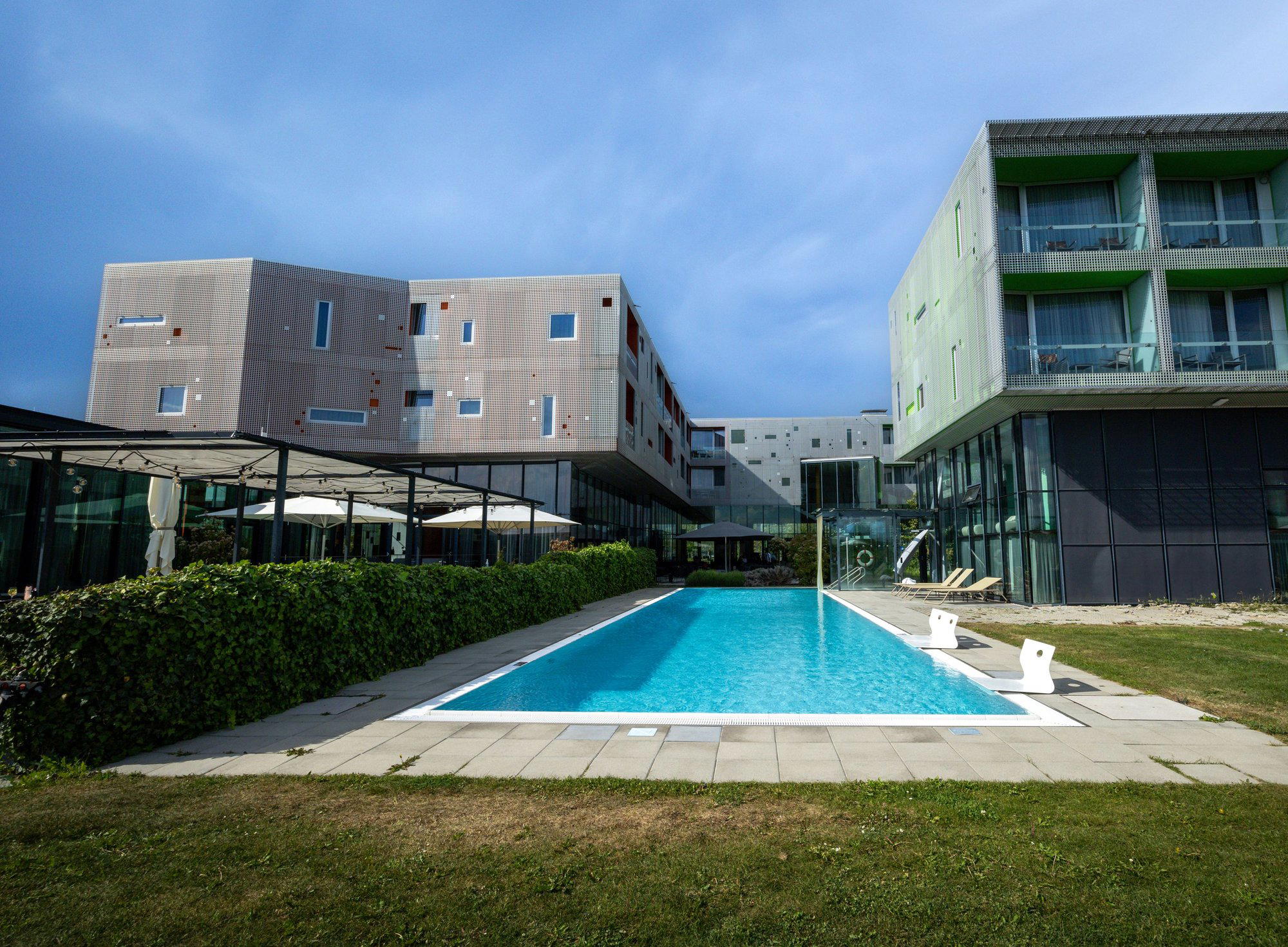
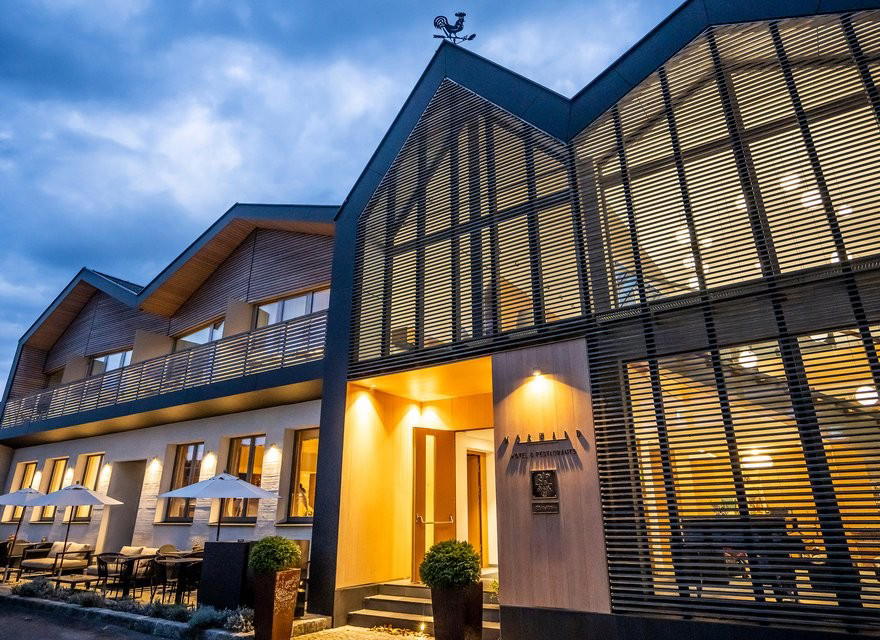
At a Glance
- Rustic
- Elegant
- Cozy
- Scenic
- Special Occasion
- Date Night
- Historic Building
- Wine Cellar
- Terrace
- Extensive Wine List
- Sommelier Led
- Local Sourcing
- Vineyard
- Street Scene
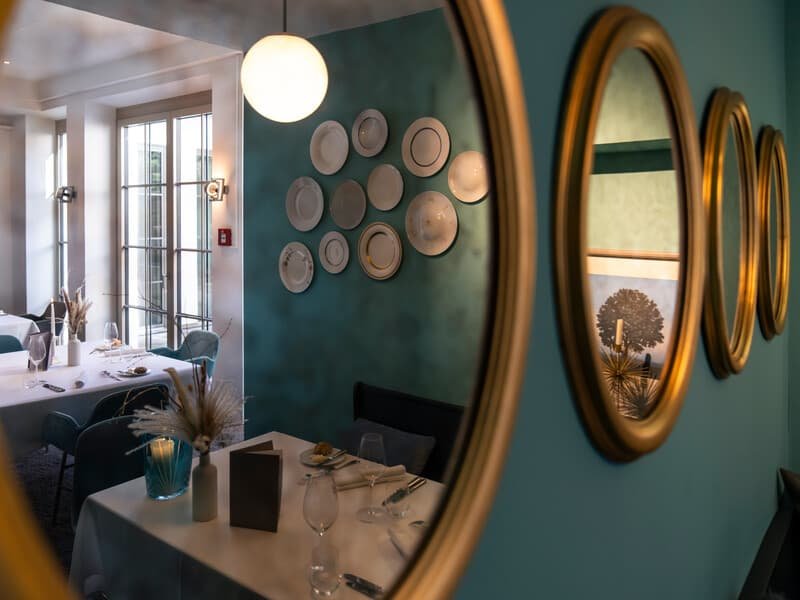
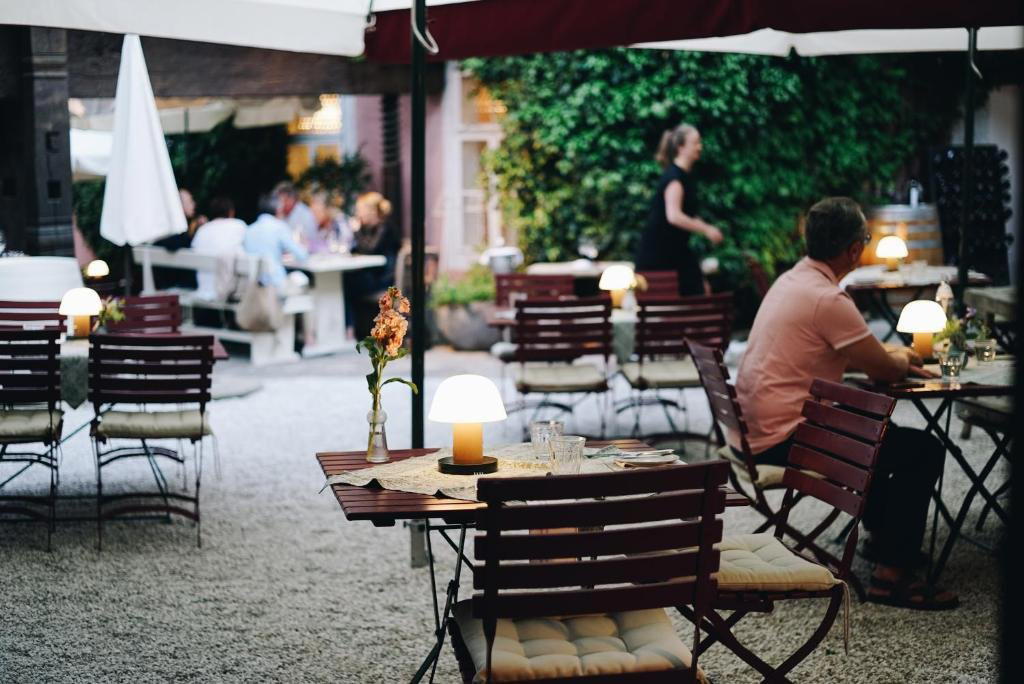
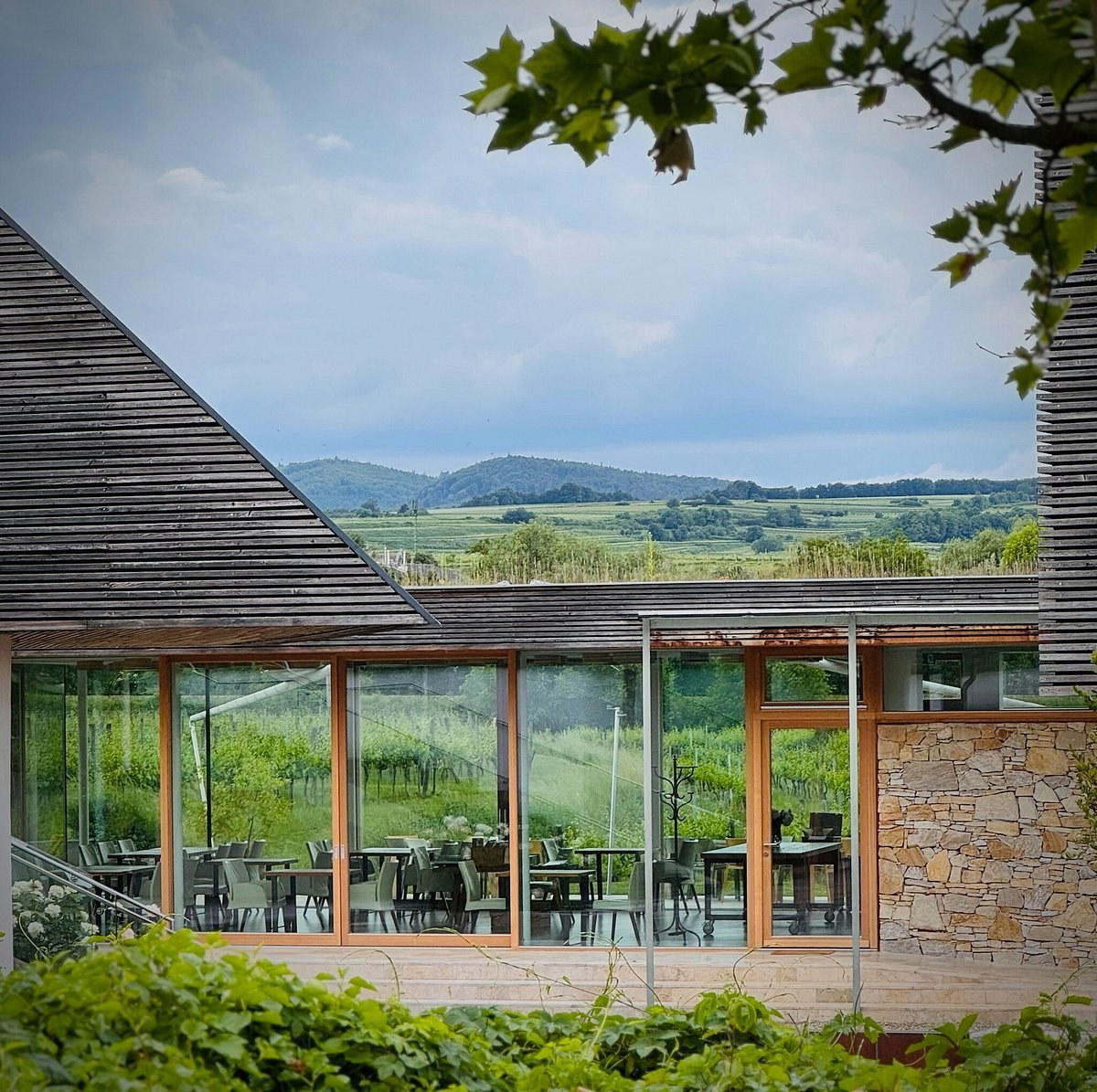
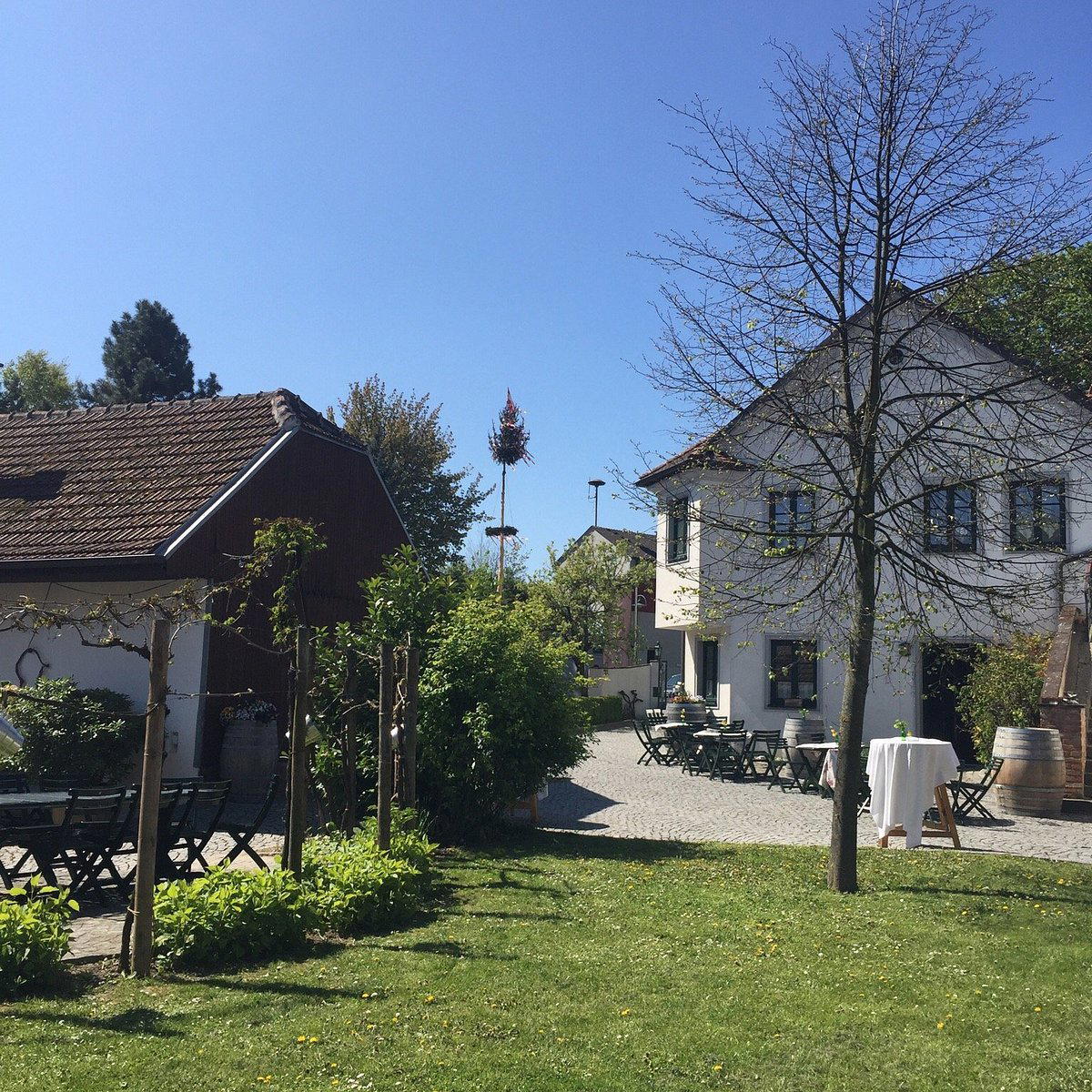
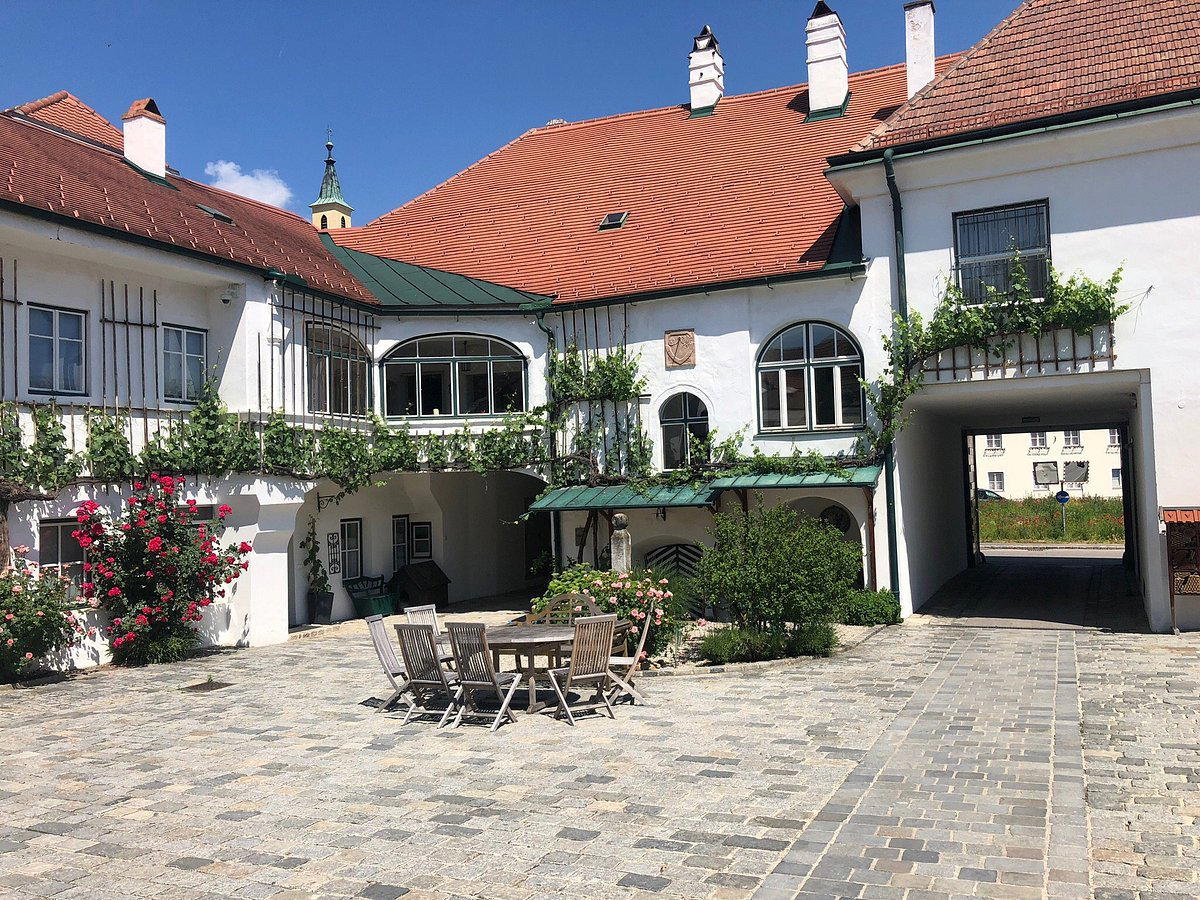
Light and airy with large glass windows, traditional style across three salons, offering a relaxed regional atmosphere with Mediterranean touches.