HOPFELD at the Dreikönigshof occupies a considered position in Lower Austrian regional dining, drawing on the Weinviertel's agricultural output in a historic Stockerau address. The restaurant sits within a tier of Austrian provincial cooking defined by supply proximity and local hospitality rather than destination-kitchen formality. For Vienna-based diners, it is under an hour from the capital by rail.
Pearl is the En Primeur Club membership app — saves, bookings, and concierge access live there. Same editors, same standards.
- Address
- Hauptstr. 29-31, 2000 Stockerau, Austria
- Phone
- +432266627880
- Website
- hopfeld.at
- Directions
- Get directions
 Saves & bookings on Pearl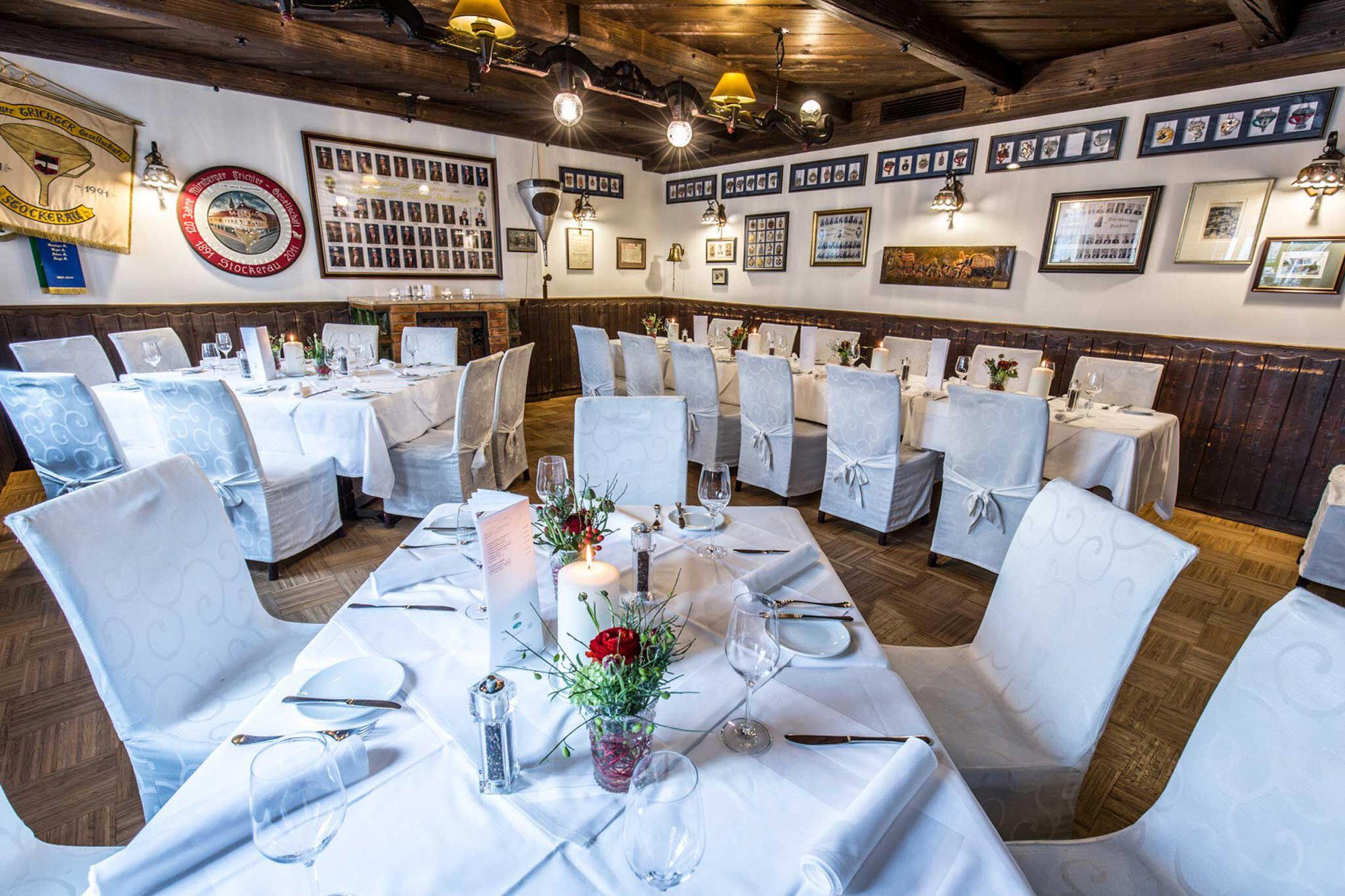
Where the Lower Austrian Countryside Meets the Table
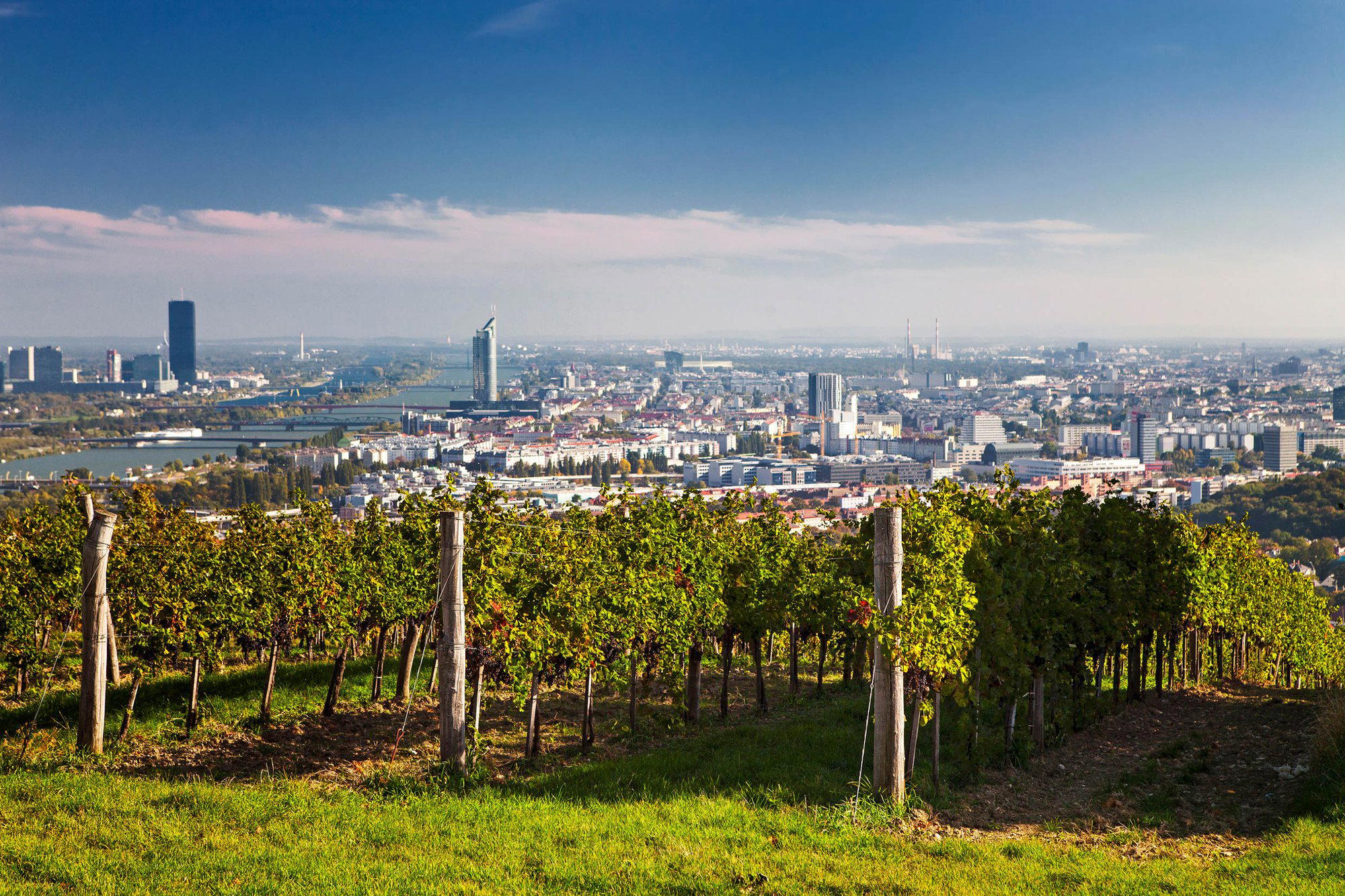
Stockerau sits in the Weinviertel corridor north of Vienna, a stretch of agricultural lowland where field and vineyard have defined the local economy for generations. The town itself is compact and unhurried, closer in character to a market settlement than a tourist destination, and that context shapes the kind of dining it produces. HOPFELD is a restaurant in Stockerau, Austria, serving refined Austrian regional cuisine at Hauptstr. 29-31.
The trajectory of serious Austrian cooking over the past two decades has been inseparable from sourcing geography. When Steirereck im Stadtpark in Vienna codified what a produce-led Austrian kitchen could look like at the summit of the market, it shifted expectations across the country. Kitchens that could name their suppliers, point to a specific farm, or align their menus to the seasons of a particular river valley began to be taken more seriously than those that could not. Regional addresses, including those in Lower Austria's quieter towns, entered a different conversation as a result.
The Ingredient Argument for the Weinviertel
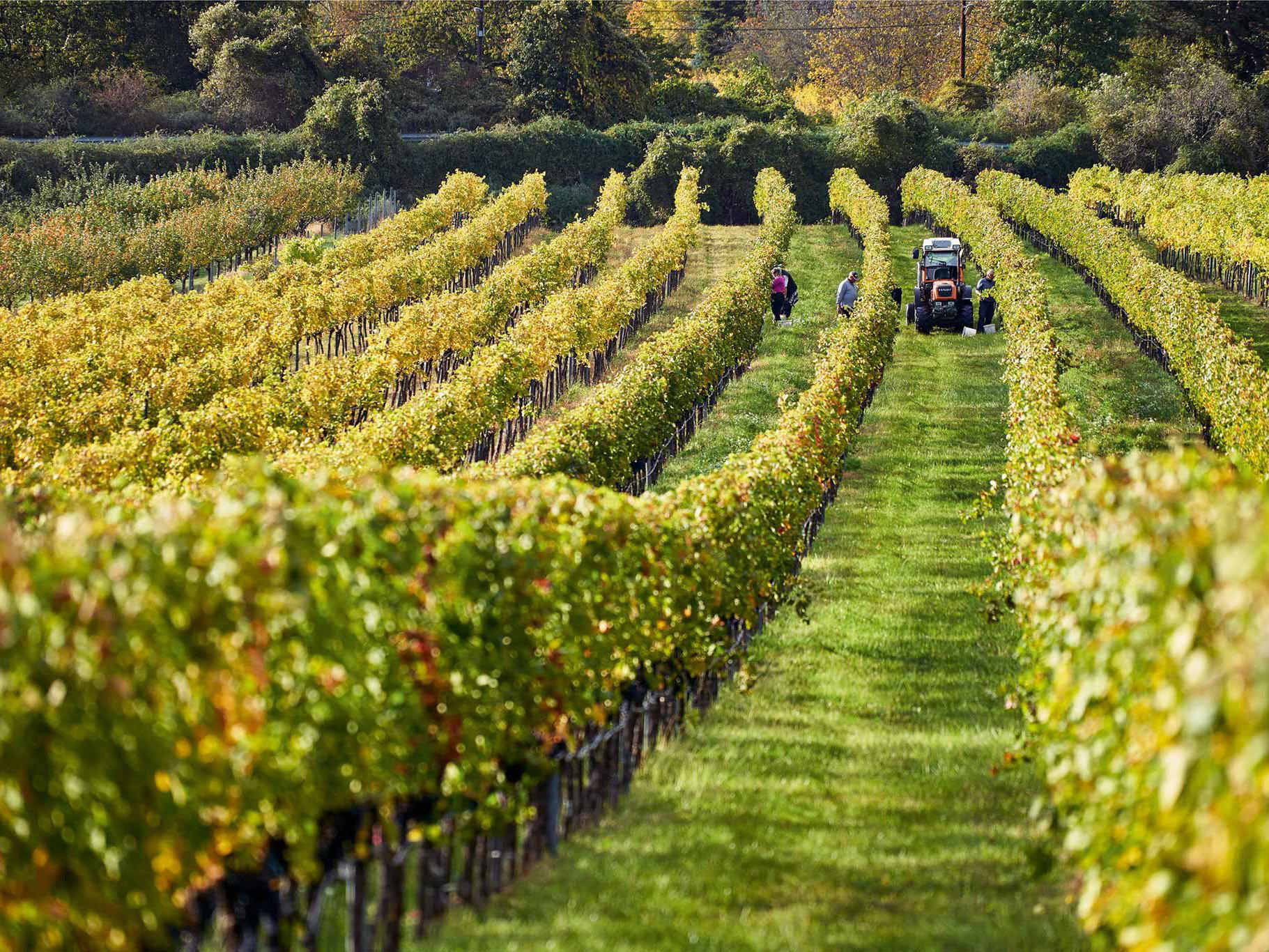
Lower Austria's agricultural output is genuinely varied. The Weinviertel's loess soils produce grain and root vegetables with a density that gives them utility well beyond the obvious. Closer to the Danube, market gardens supply leaves, alliums, and soft herbs with the kind of short transit times that urban kitchens can rarely achieve. Wild garlic, elderflower, and hedgerow fruit are not an affectation here but a function of where the region sits on the calendar. For a kitchen in Stockerau, proximity to these sources is not a differentiator in the way it might be marketed in a city restaurant; it is simply the operational reality of cooking where the food is grown.
This sourcing logic connects HOPFELD to a wider pattern of Austrian regionalist dining that includes addresses such as Landhaus Bacher in Mautern an der Donau, where the Danube valley's produce calendar has anchored a serious kitchen for decades, and Taubenkobel in Schützen am Gebirge, which has made the Burgenland's agricultural specificity its primary editorial statement. The argument in each case is the same: proximity to supply is a culinary advantage, not merely a marketing frame.
Austria's mountain kitchens make a parallel case from a different geography. Döllerer in Golling an der Salzach has built a reputation on Alpine sourcing, while herb-focused approaches at Kräuterreich by Vitus Winkler in Sankt Veit im Pongau and the broader ingredient discipline visible at Obauer in Werfen show how consistently Austrian regional dining returns to sourcing as its organising principle. HOPFELD's position in the Lower Austrian flatlands simply represents a different flavour region within that same national conversation.
The Dreikönigshof Setting
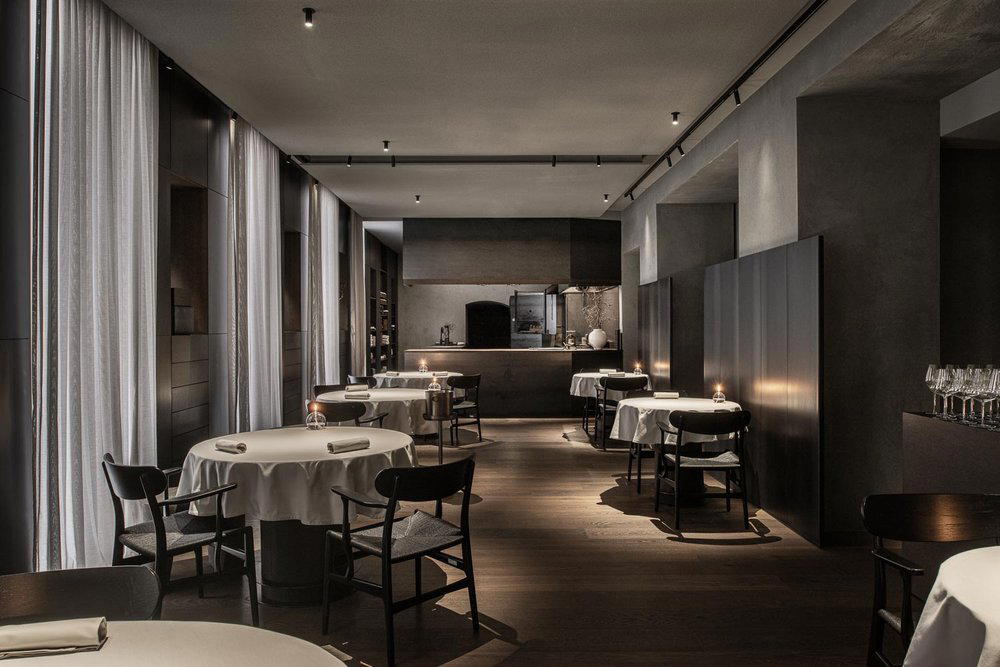
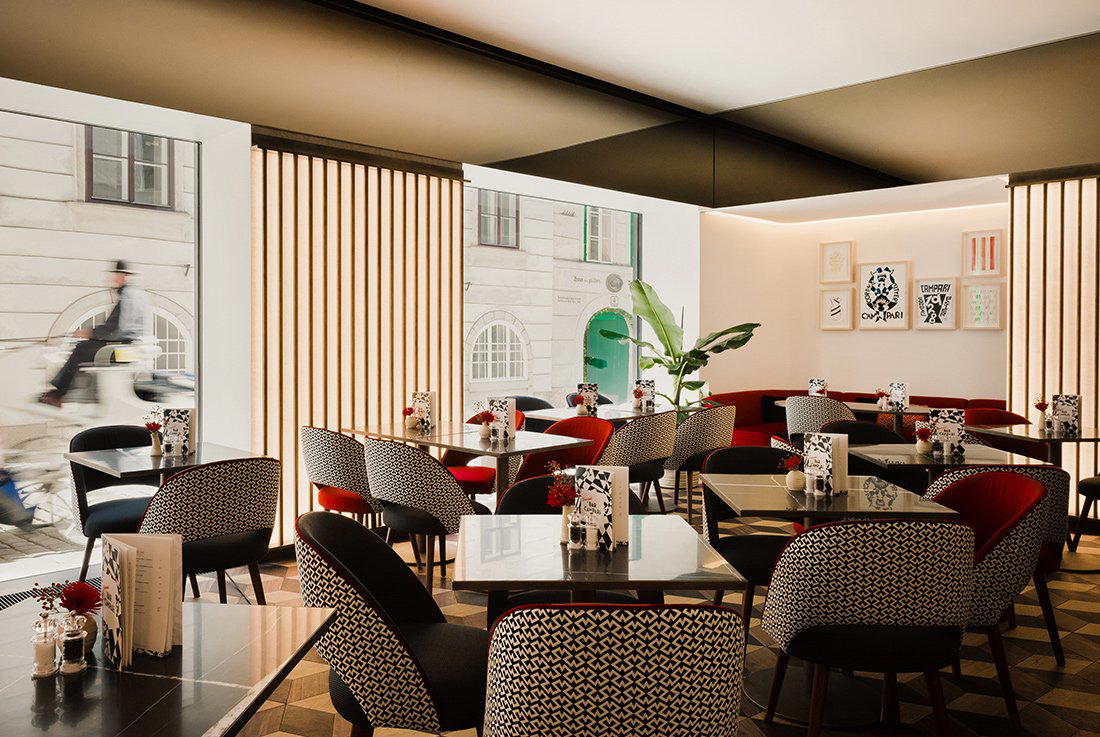
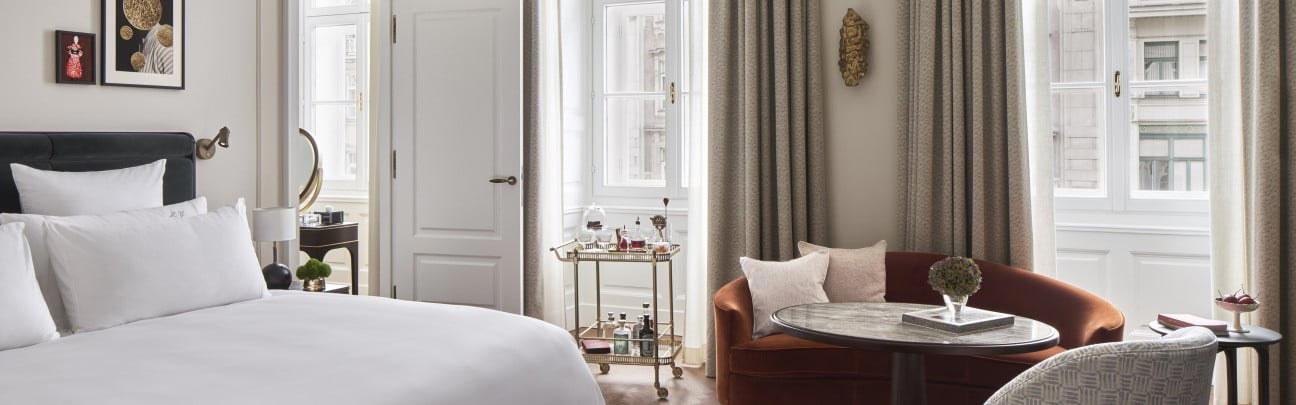
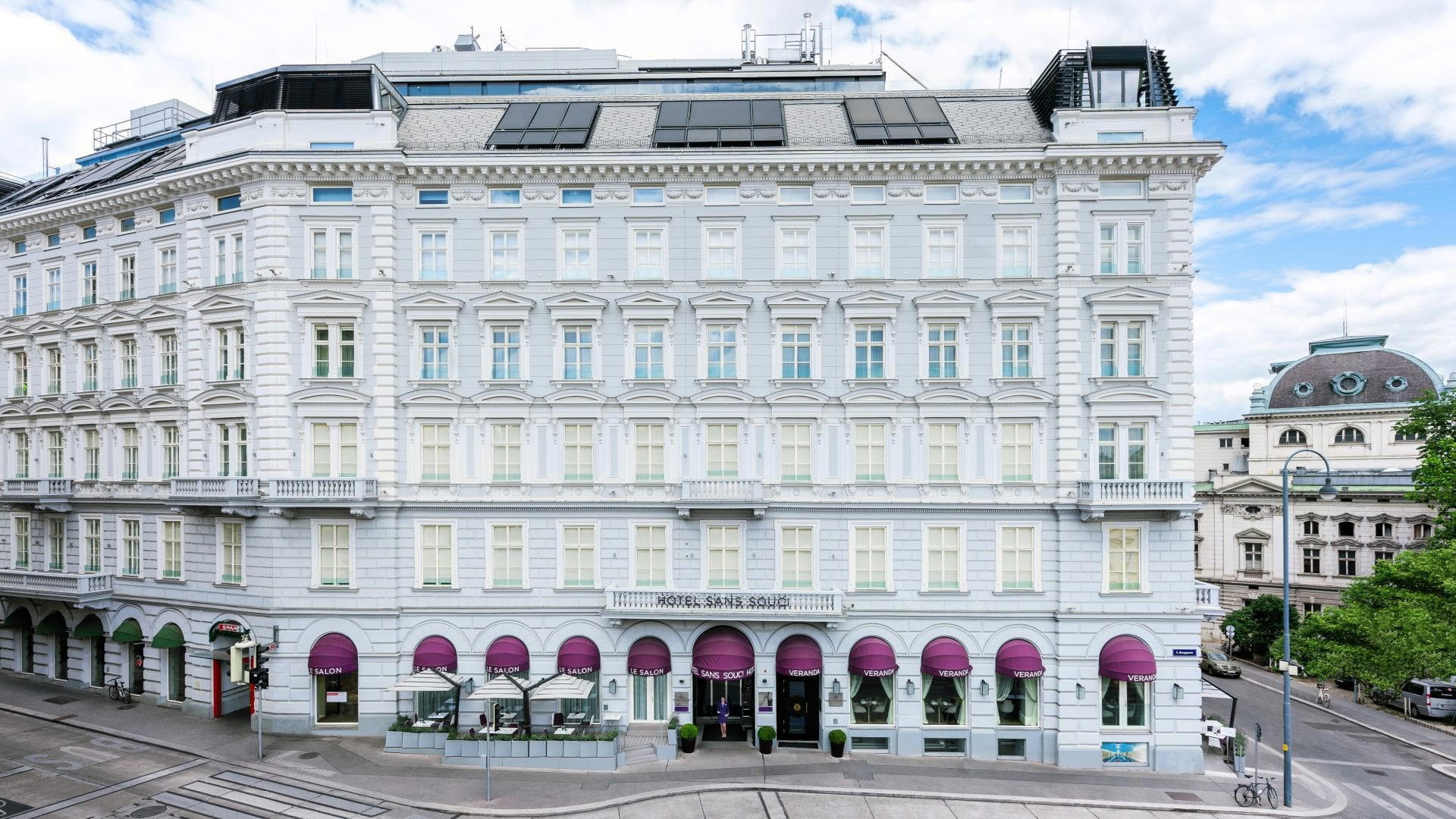
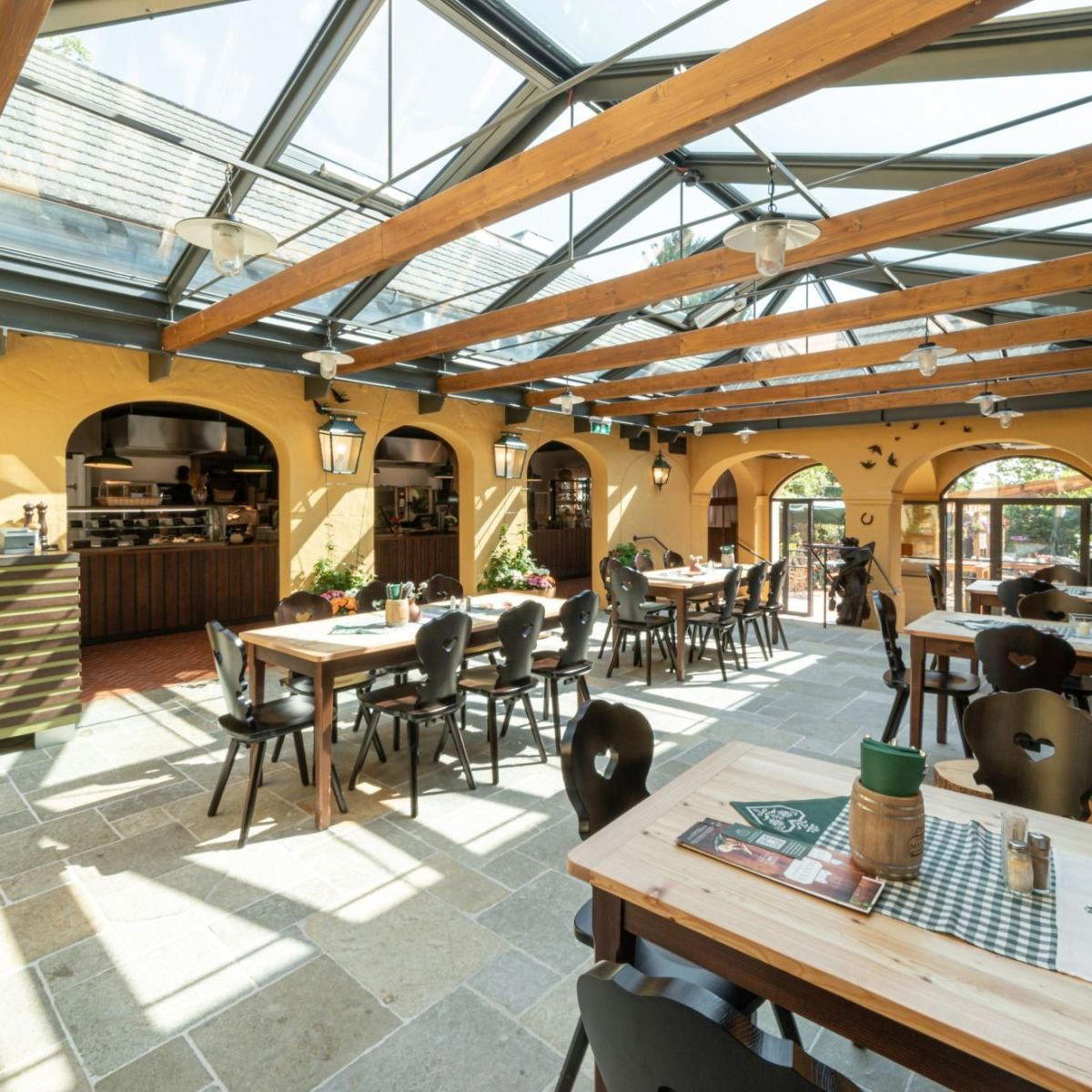
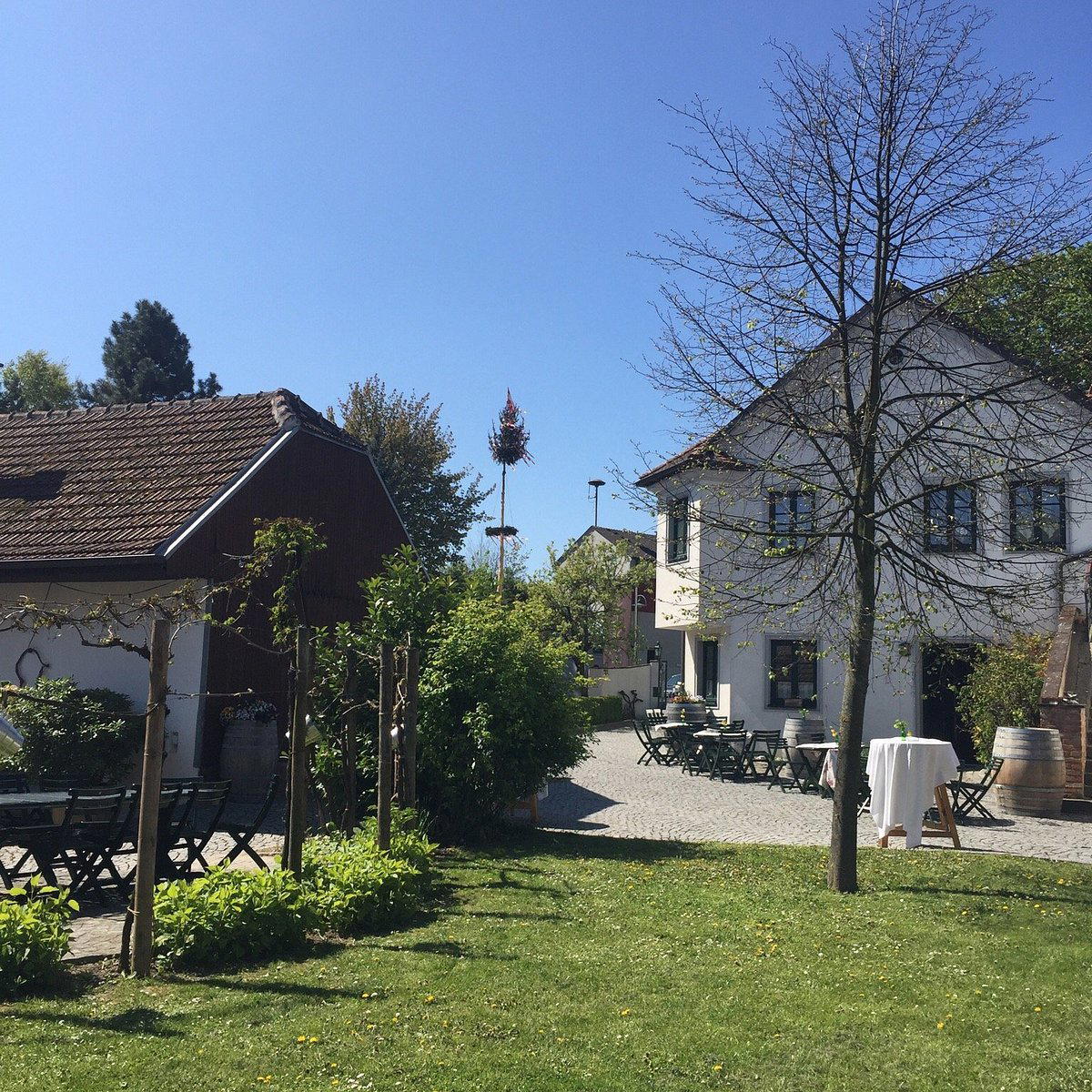
The address, Hauptstrasse 29-31, places the restaurant on Stockerau's central street, within a building whose name, Dreikönigshof, carries the weight of an established local property rather than a purpose-built dining venue. In Austrian regional towns, this kind of address tends to mean thick walls, proportioned rooms, and an interior register that sits somewhere between the civic and the domestic. The physical experience of entering a converted historic building in a Lower Austrian market town is distinct from the stripped-back industrial rooms that have defined urban fine-dining aesthetics for the past decade; the architecture does a different kind of work.
That physical context matters to how a meal reads. Austrian provincial dining at its most considered tends toward a hospitality register that feels grounded rather than performative, where the room is an argument for staying rather than for spectacle. The comparisons that come to mind when thinking about what this format achieves at its leading are places like Ois in Neufelden or Atelier Fischer in Sankt Gilgen, both of which demonstrate that the smaller Austrian town can sustain serious cooking without replicating the codes of a metropolitan tasting-menu room.
Situating HOPFELD in the Austrian Restaurant Tier
Austria's recognised dining tier is not uniformly distributed.
Gourmetrestaurant Tannenhof in Sankt Anton am Arlberg, Griggeler Stuba in Lech, or Stüva in Ischgl, nor the award-heavy urban kitchens like Ikarus in Salzburg or Schwarzer Adler in Hall in Tirol. It occupies a regional tier where the proposition is different: a locally embedded address with supply-chain advantages that a destination kitchen cannot replicate, and a hospitality scale that suits the town it is in. That is a legitimate category, and in Austria it is not a small one.
Le Bernardin in New York City or Atomix in New York City operates in a different critical and commercial register entirely, and the comparison is useful mainly to calibrate what regional European dining offers that the globally recognised tier does not: informality, proximity to supply, and a meal that is shaped by the specific place rather than by the pressures of international reputation management. Artis in Graz represents another Austrian regional address working within this same logic.
Planning a Visit
Stockerau is accessible from Vienna by S-Bahn, with the journey running under an hour on the S3 line, which makes the restaurant reachable without a car for those based in the capital. The town itself offers limited accommodation, so most visitors arrive and return the same day. HOPFELD's location on the main street means it is within walking distance of the station.
Comparable Venues
Comparable venues nearby, for context on price, style, and recognition.
| Venue | Cuisine | Price | Notes |
|---|---|---|---|
| HOPFELD – Restaurant DREIKÖNIGSHOFThis venue — the venue you are viewing | Refined Austrian Regional | $$$ | Not listed |
| Bitzinger The Passion | Modern Viennese | $$$ | Innere Stadt |
| Tuttendörfl | Classic Austrian with Contemporary Accents | $$$ | Korneuburg |
| Brasserie Palmenhaus Wien | Austrian Brasserie Classics | $$$ | Innere Stadt |
| Lokal im Hof | Modern Austrian with International Influences | $$$ | Favoriten |
| Stockerwirt | Traditional Austrian | $$$ | Sulz im Wienerwald |
Continue exploring
More in Stockerau
Restaurants in Stockerau
Browse all →
Bars in Stockerau
Browse all →


Hotels in Stockerau
Browse all →
At a Glance
- Cozy
- Classic
- Elegant
- Business Dinner
- Family
- Celebration
- Historic Building
- Hotel Restaurant
- Extensive Wine List
- Local Sourcing
- Organic
Current opening hours
- Monday
- Closed
- Tuesday
- 6–9 PM
- Wednesday
- 11:30 AM–2:30 PM, 6–9 PM
- Thursday
- 11:30 AM–2:30 PM, 6–9 PM
- Friday
- 11:30 AM–2:30 PM, 6–9 PM
- Saturday
- 11:30 AM–9 PM
- Sunday
- Closed
Hours can change for holidays and private events. Last verified .
Cozy and friendly atmosphere in a tasteful historic setting.