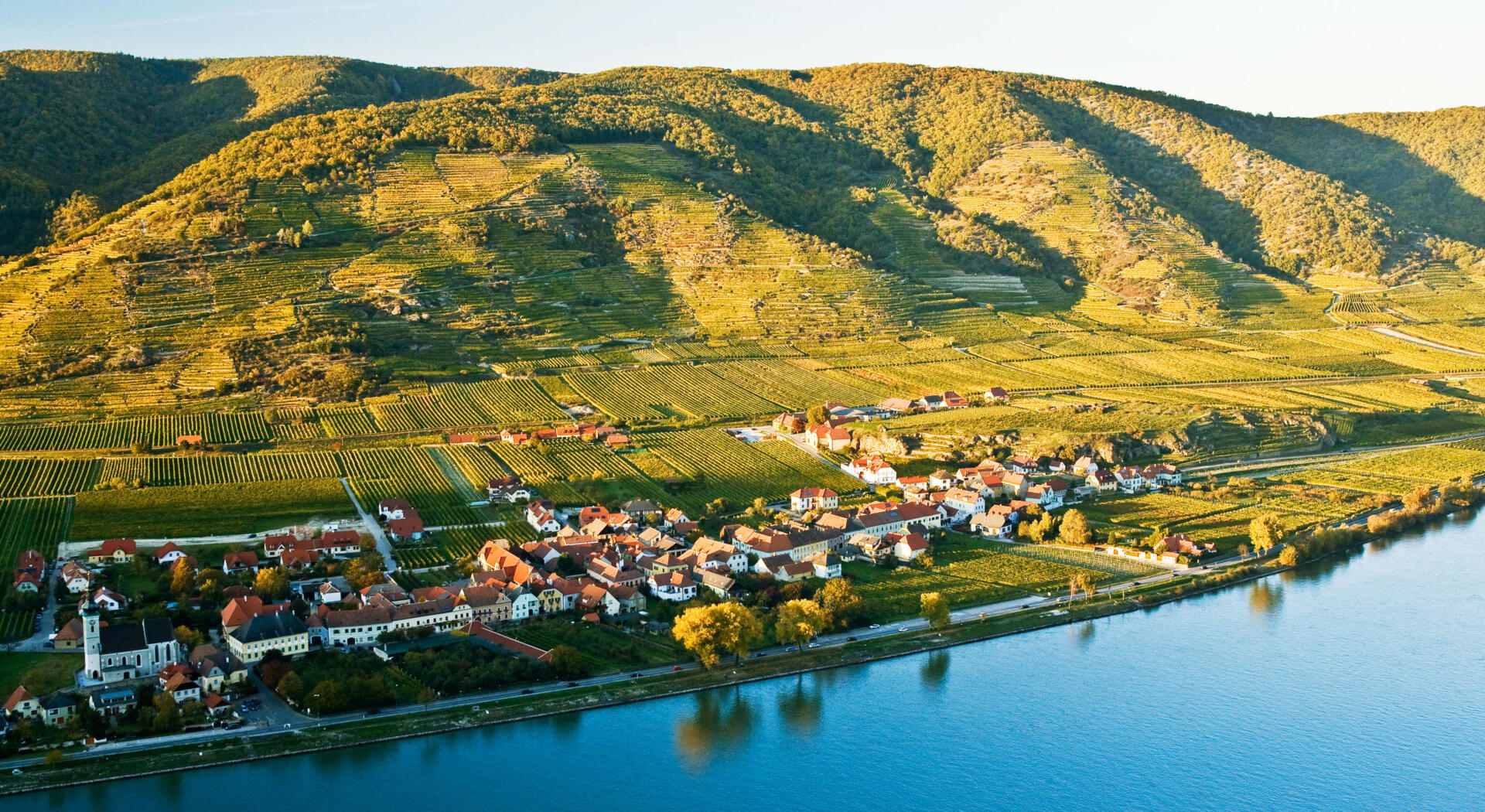
In the medieval village of Dürnstein, where the Wachau Valley's terraced vineyards press down to the Danube, Restaurant Richard Löwenherz occupies a setting that frames the food before the first course arrives. The kitchen draws on the surrounding region's agricultural and viticultural depth, placing it within Austria's serious provincial dining tradition alongside peers like Landhaus Bacher across the river in Mautern.
Pearl is the En Primeur Club membership app — saves, bookings, and concierge access live there. Same editors, same standards.
- Address
- Dürnstein 8, 3601 Dürnstein, Austria
- Phone
- +43 2711 222
- Website
- richardloewenherz.at
- Directions
- Get directions
 Saves & bookings on Pearl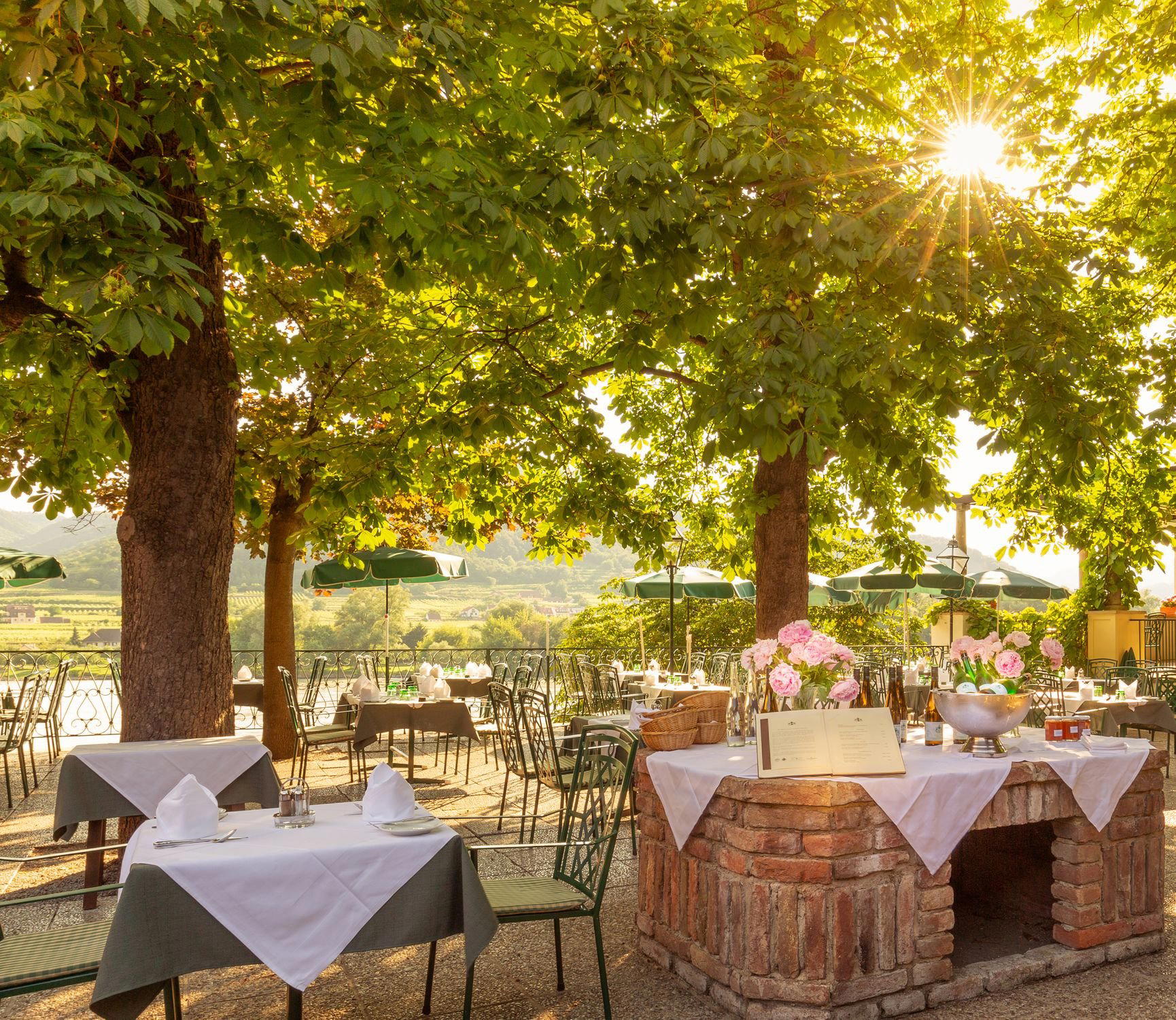
Where the Wachau Sets the Table
Dürnstein is one of those small Austrian towns where the built environment does the work of ten marketing departments. The blue baroque tower of the Augustinian church, the ruins of the castle where Richard I of England was held captive in 1192, the cobbled lane running parallel to the Danube, the physical context at this address is already clear. Restaurant Richard Löwenherz sits inside that frame, part of the historic Stift Dürnstein complex, in a space where stone walls and vaulted ceilings establish the register before any menu is presented. In the Wachau, architecture and agriculture are inseparable, and a serious restaurant here is expected to hold its own against both.
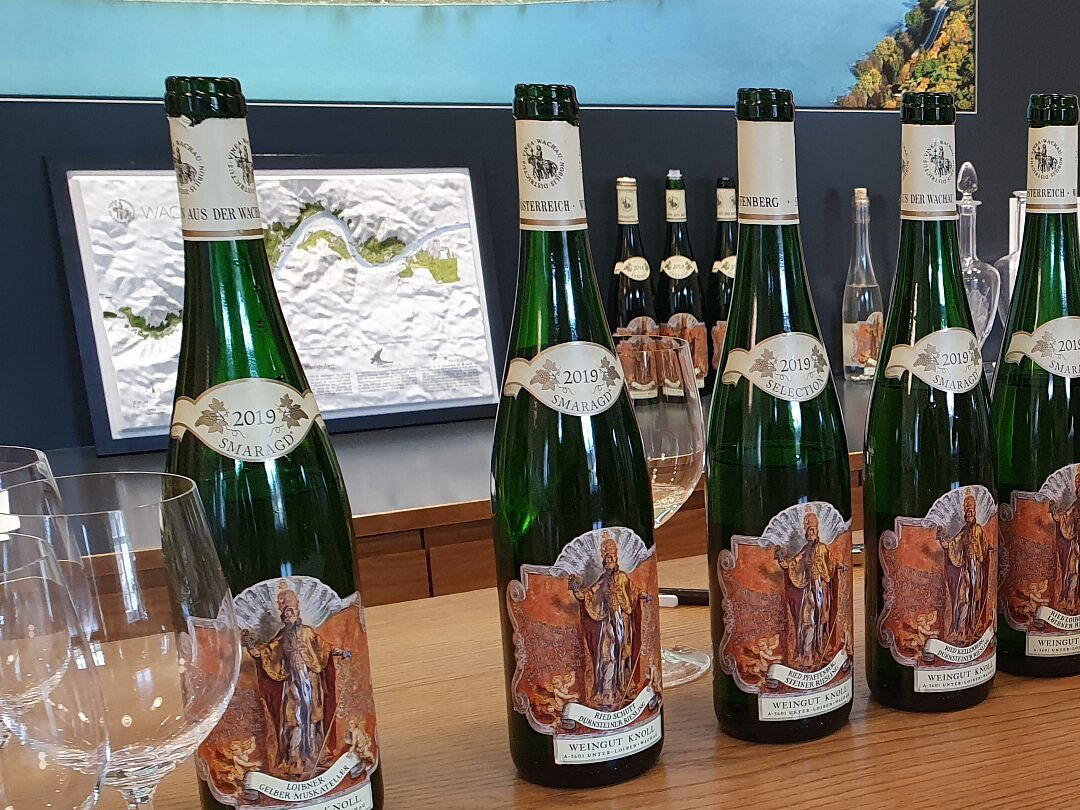
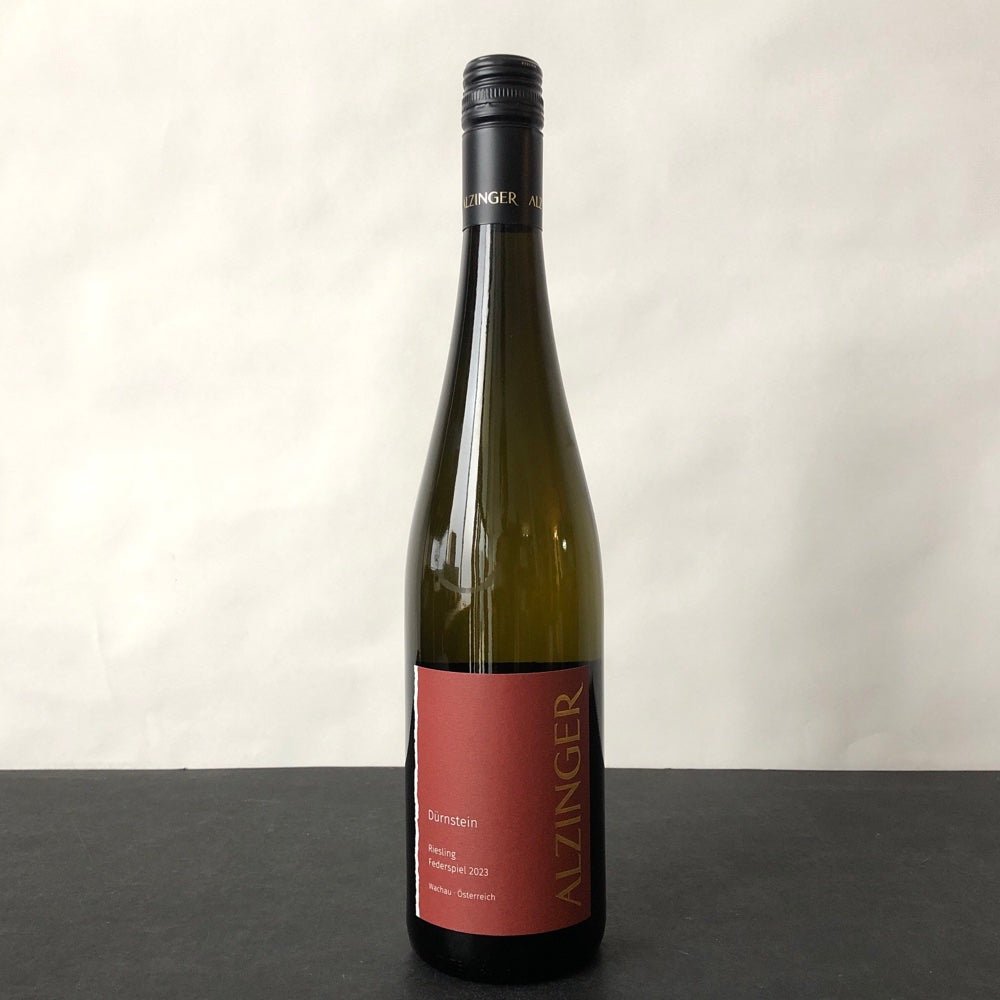
The Wachau corridor is one of Central Europe's most closely watched wine and agricultural zones. Protected as a UNESCO World Heritage Site, the valley's steep terraced vineyards produce Grüner Veltliner and Riesling under the Vinea Wachau classification system, a structure that signals provenance and quality discipline at the source. Any kitchen operating in this village has immediate access to an ingredient provenance story that most urban restaurants spend considerable effort constructing. Here it is simply a matter of using what the valley produces.
The Ingredient Logic of the Valley
Austrian provincial fine dining, at its most considered, is built on the premise that regional sourcing is not a marketing position but a structural constraint: the kitchen cooks what the surrounding land and water can provide, shaped by what the season allows. This model produces a different menu architecture from the internationalized tasting-menu format common at city restaurants. At venues like Steirereck im Stadtpark in Vienna, that regional logic is applied at a high technical level with a large brigade. At Landhaus Bacher in Mautern an der Donau, directly across the Danube, the same Wachau provenance grounds a kitchen with long institutional recognition. Restaurant Richard Löwenherz operates in the same geographic and philosophical corridor as Landhaus Bacher, with the Danube itself acting as the dividing line between two different interpretations of the same larder.
The valley's agricultural output is specific: apricots from Dürnstein and its neighbours are among the more closely identified regional products in Austria, appearing in preserves, distillates, and as fresh fruit in the summer months. Danube fish, particularly Zander and Wels catfish, have been part of the local diet for centuries and remain on serious menus in the region. Wachau asparagus, harvested in spring from fields above the valley floor, carries enough local identity to be sold under its own designation. A kitchen positioned in the middle of this supply chain, with sourcing relationships established by geography as much as by chef preference, has a structural advantage in ingredient quality that no amount of urban logistics can fully replicate.
This sourcing logic connects Restaurant Richard Löwenherz to a wider pattern across Austrian fine dining. Döllerer in Golling an der Salzach has built a reputation on Alpine ingredient sourcing with similar discipline. Kräuterreich by Vitus Winkler in Sankt Veit im Pongau centres its kitchen around herb cultivation at the property itself. Obauer in Werfen has maintained a multi-decade record of regional sourcing in Salzburgerland. The pattern across these venues is consistent: particularly credible provincial restaurants in Austria treat geography as a culinary argument, not a backdrop.
Dürnstein's Position in the Austrian Fine Dining Map
Austria's serious restaurant scene spreads across the country in a way that rewards movement. Vienna holds the density, with venues like Steirereck im Stadtpark anchoring the top tier, but the provinces carry significant weight. The Wachau is roughly 80 kilometres west of Vienna by road, a distance that places Dürnstein within a comfortable day-trip or short overnight from the capital, and the village draws visitors who combine the wine estates, the river, and the gastronomy into a single itinerary.
Within Dürnstein itself, Schloss Dürnstein represents the other significant dining address, operating at the castle hotel positioned above the town. The two restaurants occupy different physical positions in the village and serve different contexts: one refined and hotel-anchored, the other embedded in the historic abbey structure at river level. Visitors building a Wachau dining itinerary can reasonably hold both in view without one negating the other.
For those extending the trip to broader Austria, the regional dining circuit includes Gourmetrestaurant Tannenhof in Sankt Anton am Arlberg, Griggeler Stuba in Lech, Stüva in Ischgl, and Schwarzer Adler in Hall in Tirol in the west, with Taubenkobel in Schützen am Gebirge, Artis in Graz, and Restaurant 141 by Joachim Jaud in Mieming anchoring other corners of the country. Ois in Neufelden and Ikarus in Salzburg complete a circuit that demonstrates how thoroughly Austria's serious cooking has dispersed beyond the capital. Our full Dürnstein restaurants guide covers the village's dining options in detail.
Planning a Visit
Dürnstein is accessible by train from Vienna's Franz-Josefs-Bahnhof, with the Krems an der Donau station serving as the regional hub before a short onward connection or taxi into the village. The river boat from Vienna also stops at Dürnstein and places the arrival on the Danube itself. The village is small enough that every address is walkable once you arrive. High season runs from late April through October, when the valley is in full agricultural motion and outdoor dining is viable; the apricot harvest in July and the wine harvest in September and October are the two calendar anchors that most affect what appears on regional menus. Booking ahead is advisable during these periods.
For readers building itineraries that span both Europe and further afield, the contrast between a valley-anchored sourcing kitchen in the Wachau and technically intensive urban programs like Le Bernardin in New York City or Atomix in New York City is instructive: both models can produce food of serious quality, but they represent entirely different theories of what a restaurant is for and where its authority comes from.
A Quick Peer Check
Comparable venues nearby, for context on price, style, and recognition.
| Venue | Cuisine | Price | Notes |
|---|---|---|---|
| Restaurant Richard Löwenherz | Traditional Austrian with Regional Specialties | $$$ | Dürnstein |
| Schloss Dürnstein | Refined Austrian with International Influences | $$$$ | Dürnstein |
| Zum Topf | Modern Austrian with French Influences | $$$ | Kaltenbach bei Vitis |
| Demel Vienna cafe | Traditional Viennese Pastry Cafe | $$$ | Stephansdom |
| Öhlknechthof | Austrian Regional Fine Dining | $$$ | Stadt Horn |
| Goldenes Kreuz | Traditional Austrian | $$$ | Mariazell center |
Continue exploring
More in Dürnstein
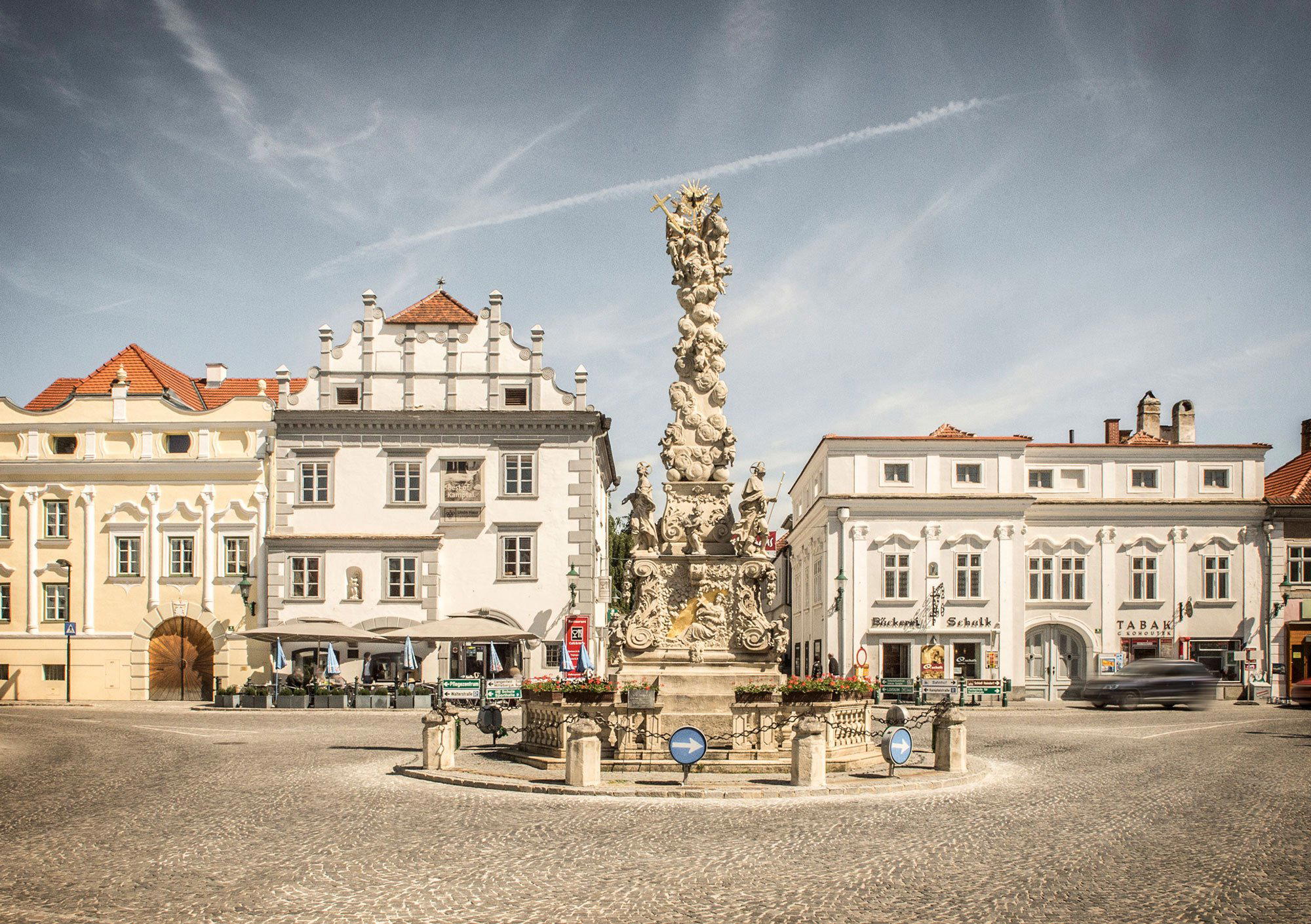
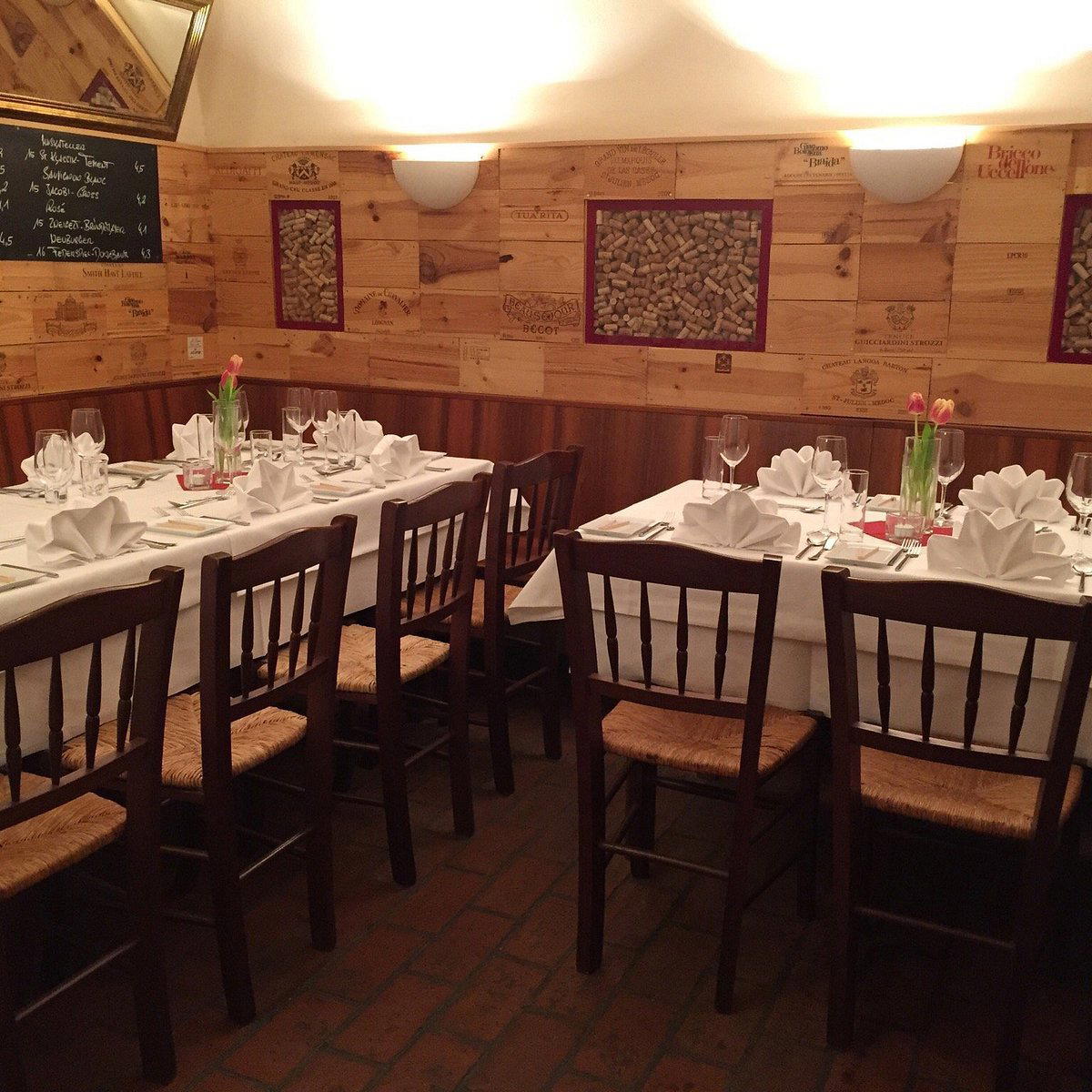
Restaurants in Dürnstein
Browse all →
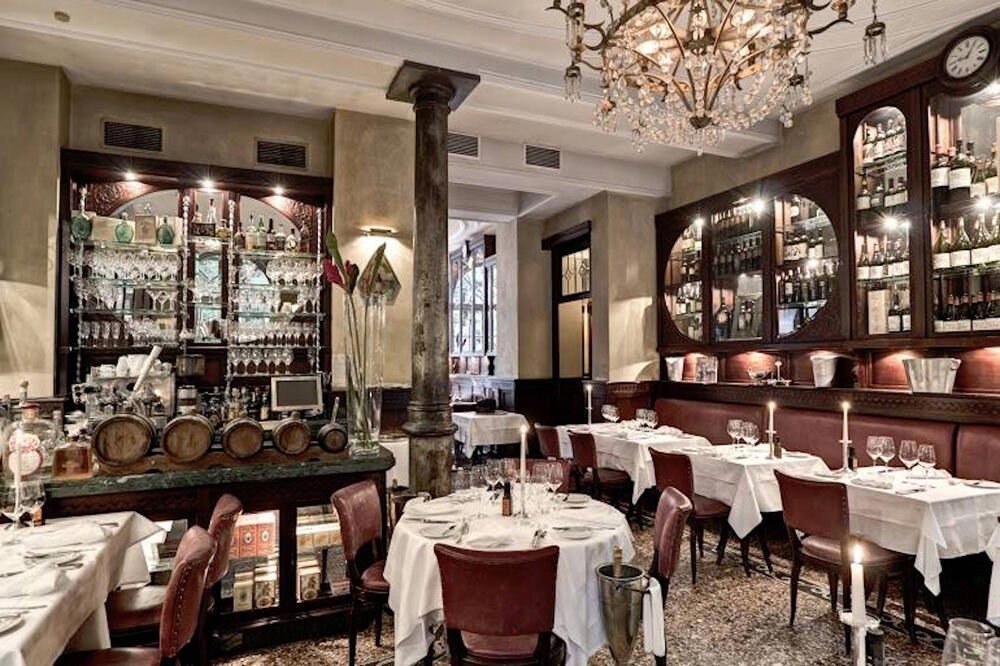
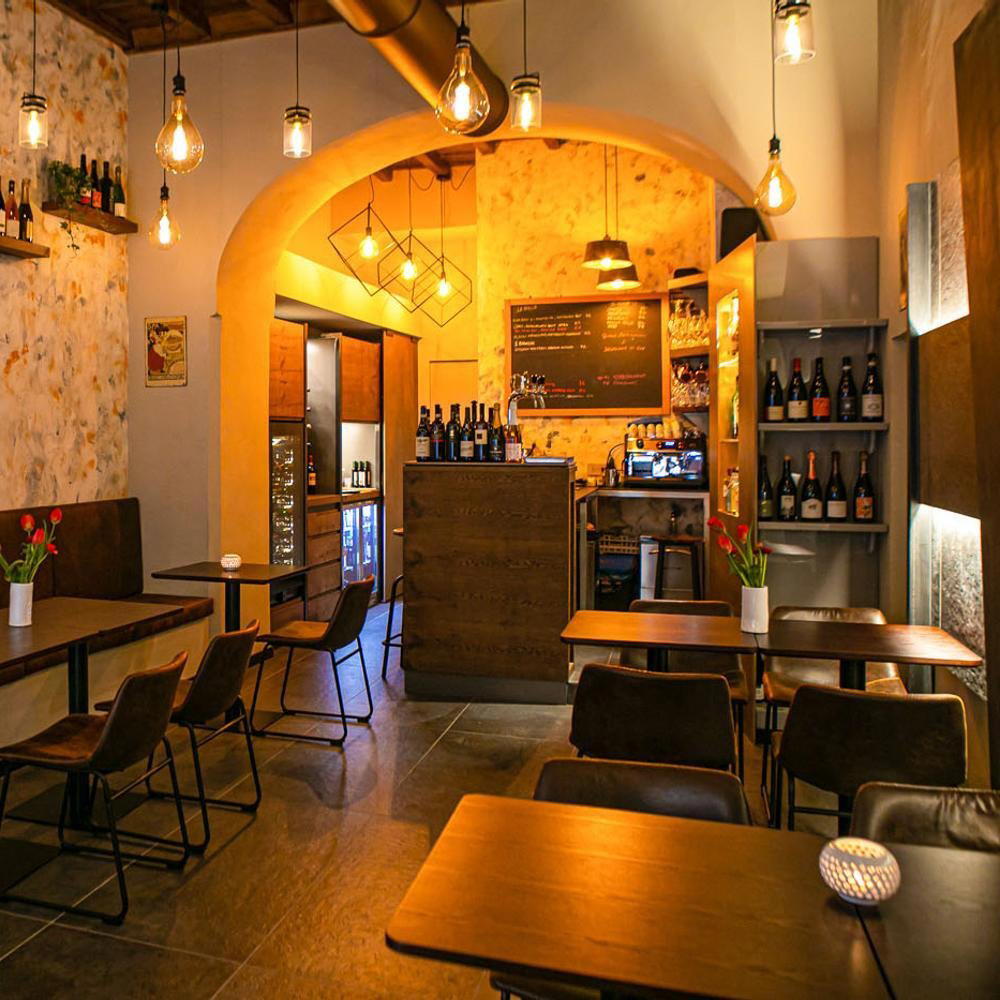
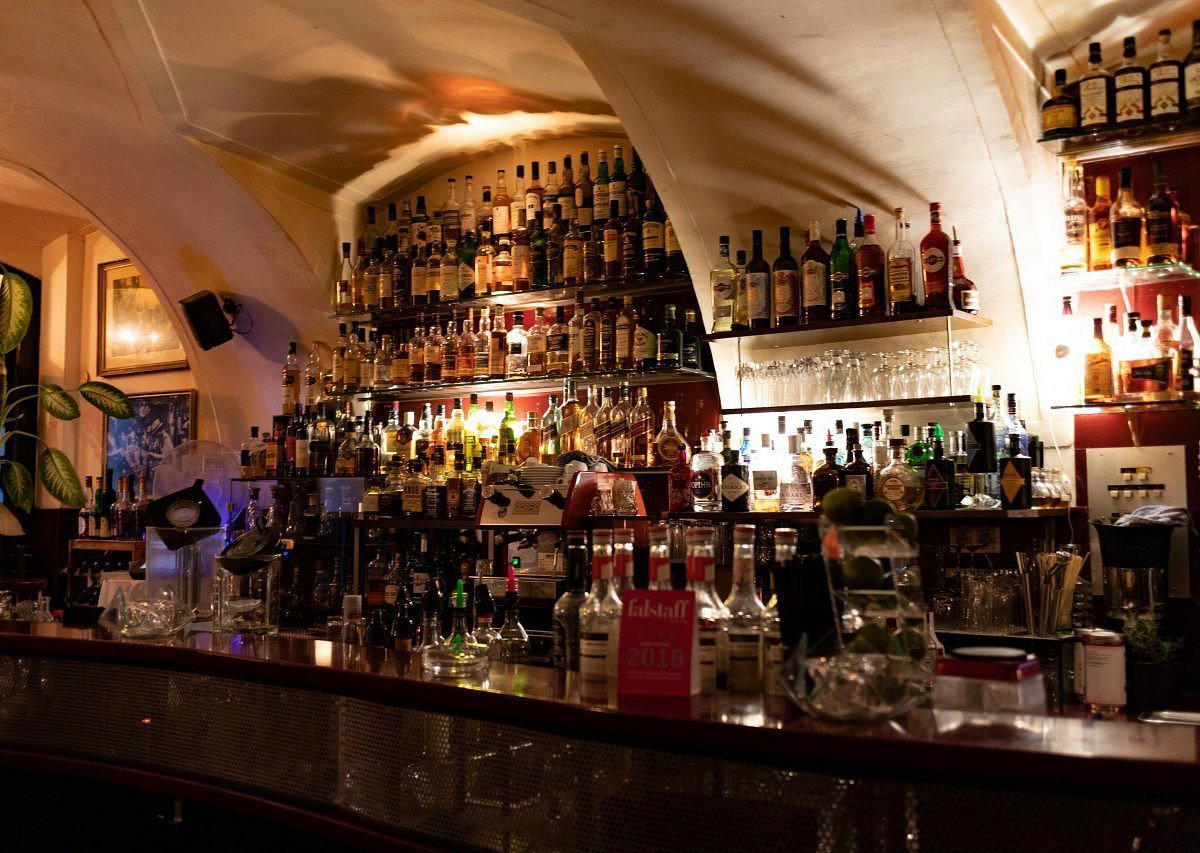
Bars in Dürnstein
Browse all →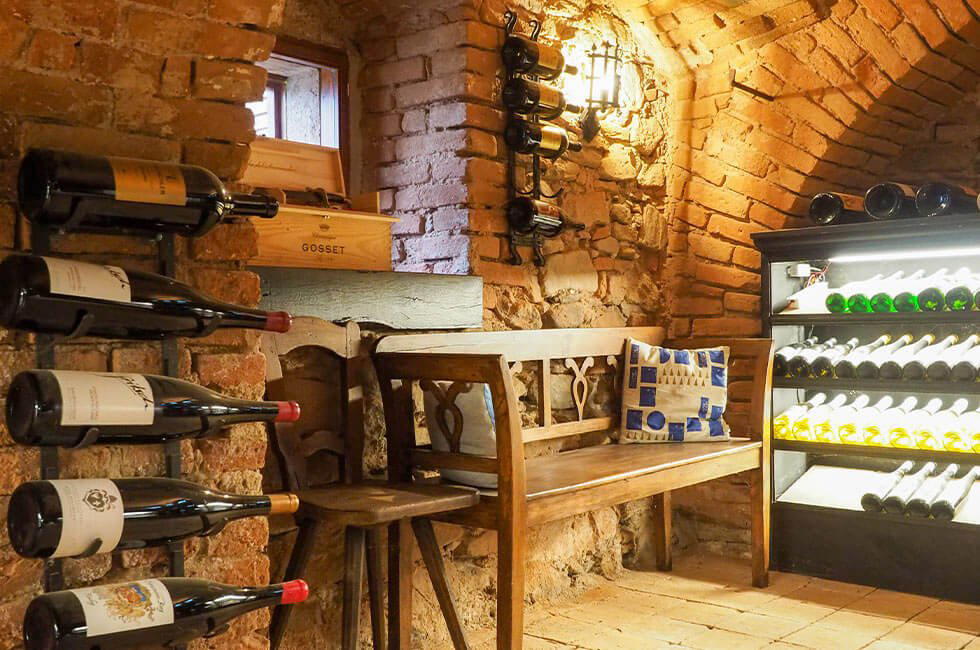
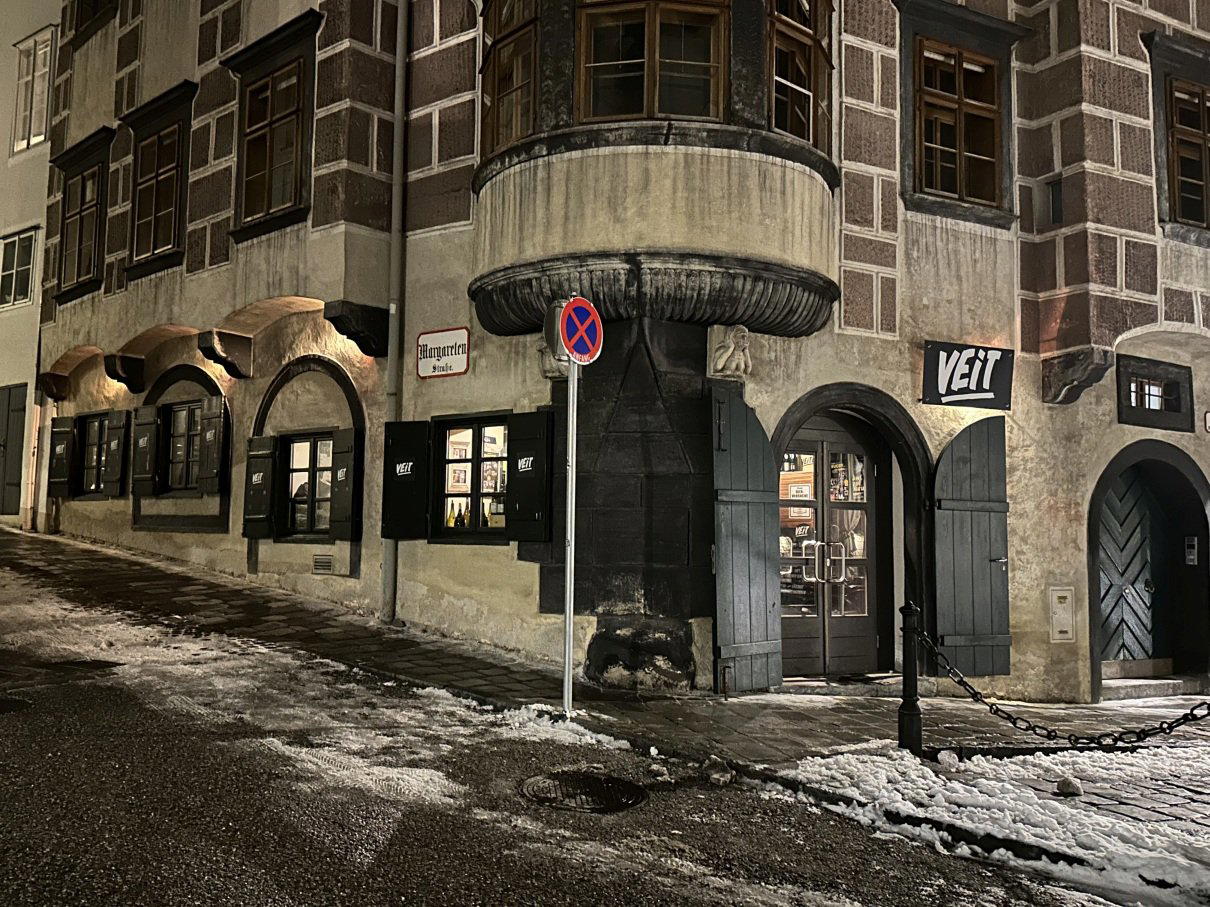
Hotels in Dürnstein
Browse all →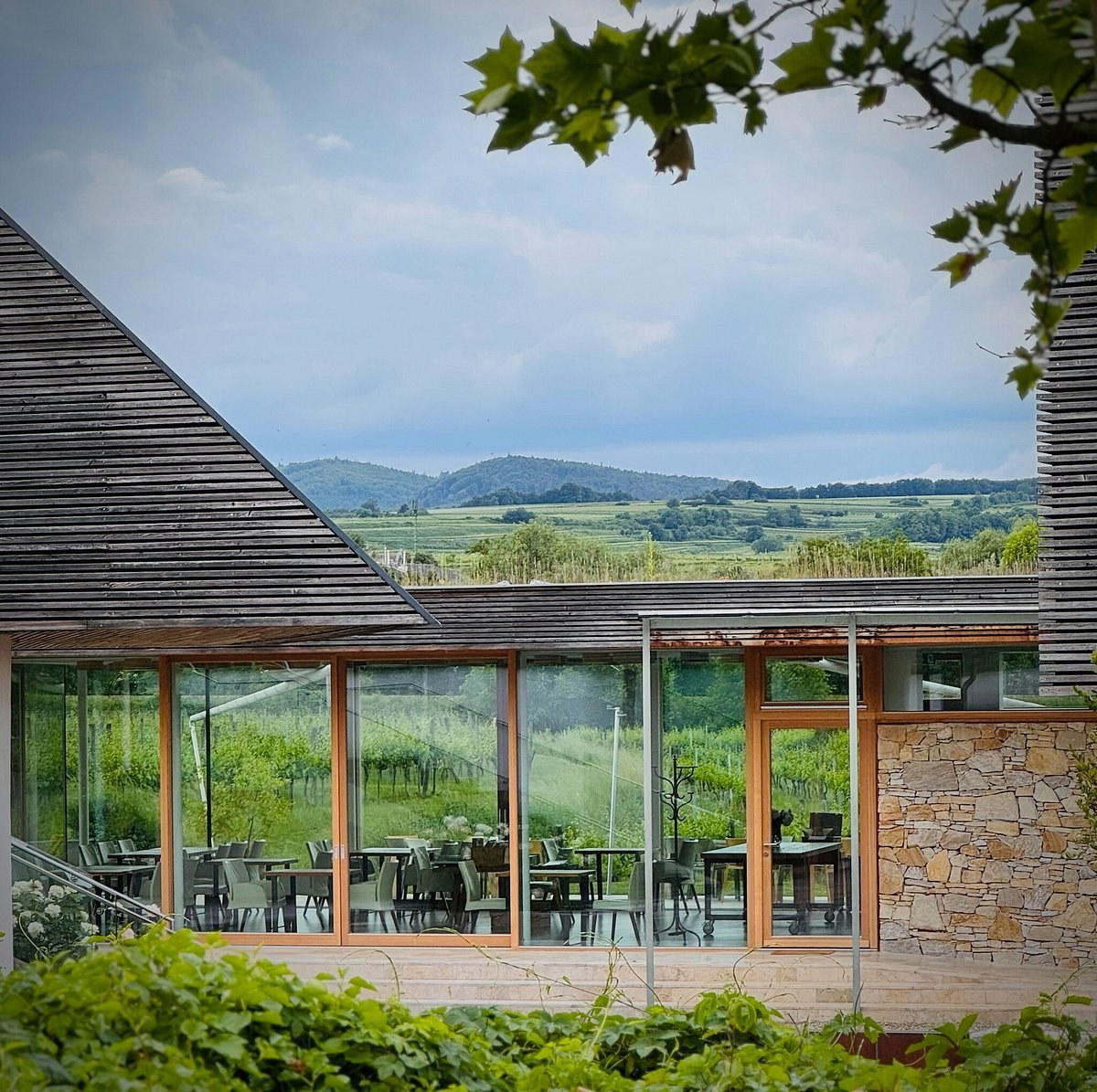
At a Glance
- Scenic
- Romantic
- Cozy
- Elegant
- Rustic
- Date Night
- Special Occasion
- Waterfront
- Terrace
- Historic Building
- Hotel Restaurant
- Extensive Wine List
- Local Sourcing
- Waterfront
- Vineyard
Current opening hours
- Monday
- 12–4 PM, 6–10 PM
- Tuesday
- Closed
- Wednesday
- Closed
- Thursday
- 12–4 PM, 6–10 PM
- Friday
- 12–4 PM, 6–10 PM
- Saturday
- 12–4 PM, 6–10 PM
- Sunday
- 12–4 PM, 6–10 PM
Hours can change for holidays and private events. Last verified .
Charming and picturesque terrace shaded by chestnut trees overlooking the Danube, with cozy indoor dining rooms offering a relaxed, scenic atmosphere.