Winery Nigl

Michelin Plate
Our verdict
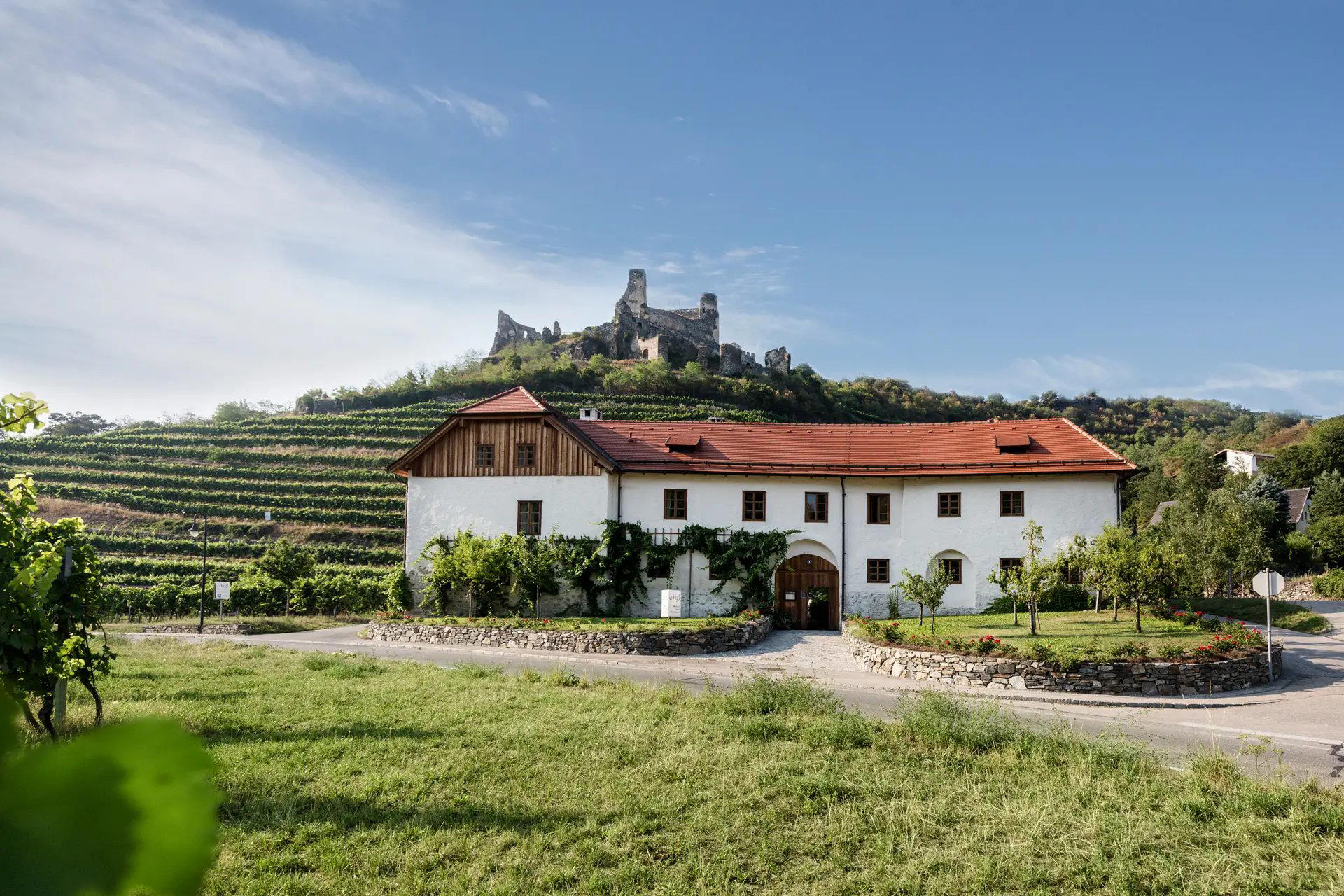
Winery Nigl sits at Kirchenberg 1 in Senftenberg, in the Kremstal wine region of Lower Austria, where the Kamptal and Danube corridors converge on some of the country's most discussed Grüner Veltliner and Riesling terroir. The winery operates from a working estate rather than a designed showcase, placing it in the producer-first tier of Austrian wine tourism rather than the hospitality-led segment.

Pearl is the En Primeur Club membership app, where members save venues, book tables and use the concierge.
The menu
What to order
- Grandma Nigl's traditional Waldviertel-style Grammelknödel
- Braised beef roulade with Schupfnudeln
Senftenberg and the Kremstal Terroir That Defines It
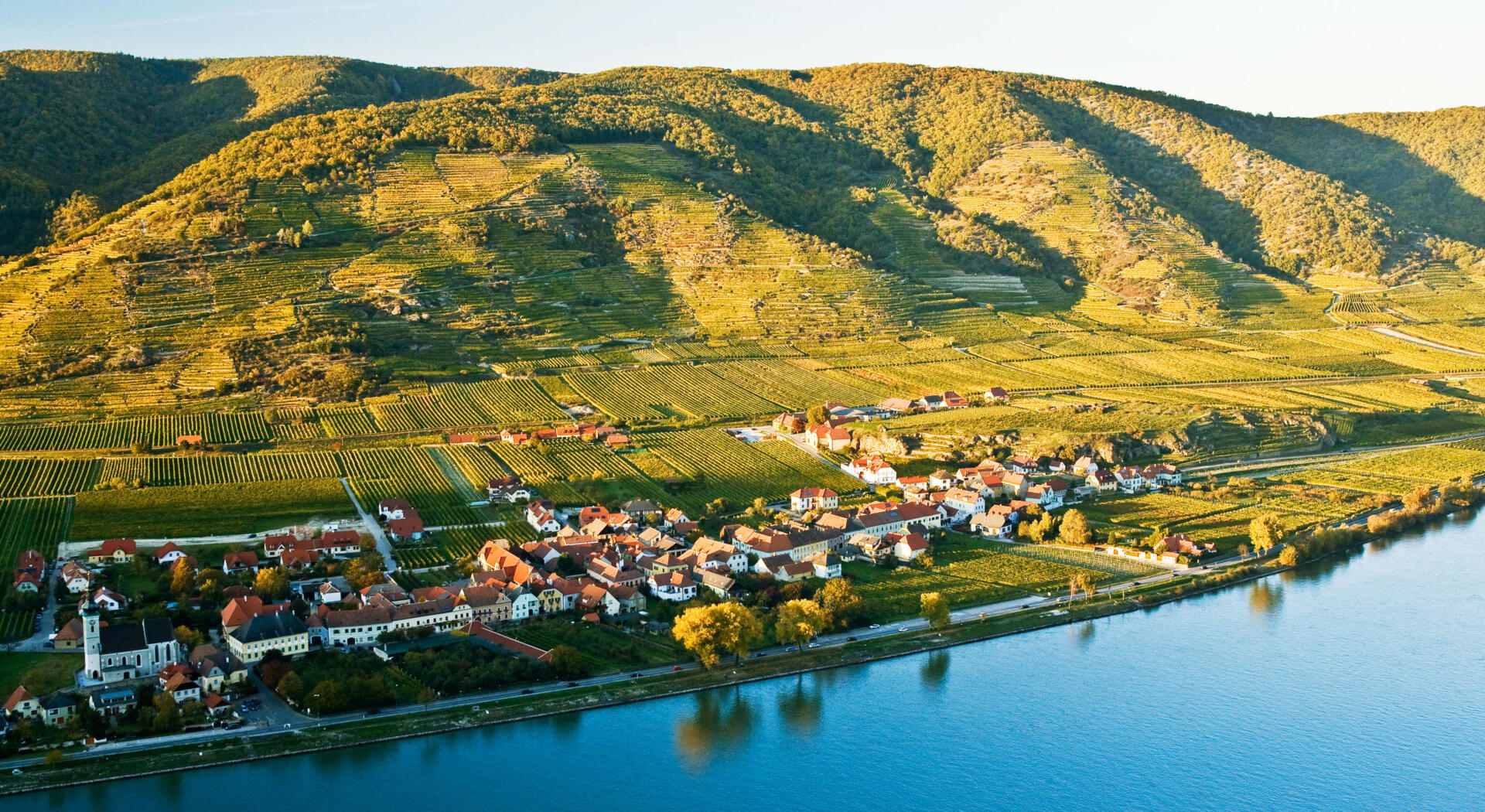
The Kremstal DAC sits between the broader Wachau to the west and the Kamptal to the north, and the town of Senftenberg occupies the higher, cooler reaches of that corridor. The hillside vineyards around the village, gneiss and granite soils on steep south-facing slopes, produce Grüner Veltliner and Riesling with an angular minerality that reads differently from the loess-heavy flatland wines of Lower Austria's warmer districts. This geological specificity is the context in which Winery Nigl, addressed at Kirchenberg 1, must be understood. The address itself is telling: Kirchenberg, or church hill, references the refined, rocky terrain that growers in this part of the Kremstal have cultivated for centuries.
Austrian wine tourism has split between two recognisable formats in recent decades. The first is the designed visitor experience, with tasting rooms built to attract international wine travellers, guided flights, and accommodation attached. The second is the working estate model, where the wine is the primary output and visits happen on the estate's terms rather than the traveller's convenience. Winery Nigl belongs to that second category. The estate at Kirchenberg 1 is a production property first, and the interaction a visitor has with it is shaped by that hierarchy. For those already familiar with how the leading small producers in Burgundy or the Mosel receive guests, the dynamic will feel familiar.
What the Kremstal DAC Means for What Goes in the Glass
Austria formalised its Districtus Austriae Controllatus system in the early 2000s, and the Kremstal DAC, established in 2007, restricts its designation to Grüner Veltliner and Riesling from within the defined boundary. That restriction matters when reading a Nigl label: if a bottle carries the Kremstal DAC appellation, it is one of those two varieties, grown in that defined zone. The wines coming out of the refined Senftenberg plots carry a different character than those from the valley floor, and producers with hillside holdings in this area tend to price and position their leading cuvées against the Wachau's Smaragd tier rather than against entry-level regional bottlings.
The sourcing logic here is direct in geographic terms. Gneiss and granite do not retain heat the way gravel or loess does. The vines work harder, yields are lower, and the resulting wines carry more tension and less immediate generosity than warmer-site alternatives. This is not a fault but a feature, and it is precisely why collectors working through the top tier of our full Senftenberg restaurants guide and producer list will find Nigl referenced repeatedly as a marker for what refined Kremstal can achieve. The comparison set for the leading Nigl single-vineyard bottlings runs through producers like Loimer and Hirsch in the adjacent Kamptal rather than through mainstream Grüner Veltliner from the Weinviertel.
Austrian Fine Dining and Where Wine Estates Fit In
The broader Austrian fine dining scene has developed a strong terroir-first sensibility over the past two decades, and wine estates in the producing regions have become part of that circuit for serious travellers. Places like Landhaus Bacher in Mautern an der Donau, which sits just downstream from the Kremstal along the Danube, built a reputation precisely by anchoring its wine program to regional producers with documented vineyard sources. The relationship between the kitchen and the cellar in that part of Lower Austria is not incidental, it is the editorial argument the region makes to the world.
That same logic extends to how venues like Taubenkobel in Schützen am Gebirge or Steirereck im Stadtpark in Vienna build their Austrian wine lists. The Kremstal producers with identifiable single-vineyard work, traceable to specific soil types and elevations, occupy a different position on those lists than commodity bottlings. In this sense, the winery as a place to visit is part of a larger system that serious food and wine travellers in Austria are already navigating across venues including Ikarus in Salzburg, Obauer in Werfen, and Döllerer in Golling an der Salzach.
The same sourcing rigour that defines those kitchens, where vegetables, proteins, and dairy come from documented regional suppliers, applies to wine selection. A Nigl Riesling from the Kremstal hillsides lands on those lists because the provenance is traceable and the terroir expression is pronounced enough to anchor a pairing conversation. Producers in Graz and further west in Tyrolean venues including Gourmetrestaurant Tannenhof in Sankt Anton am Arlberg and Griggeler Stuba in Lech draw from this same pool of documented Austrian producers when building by-the-glass programs that tell a regional story.
Getting to Senftenberg and Planning Around a Winery Visit
Senftenberg is accessible from Krems an der Donau, the main town at the eastern edge of the Wachau, which itself sits roughly 70 kilometres west of Vienna by road and is served by regular rail from Vienna Franz-Josefs-Bahnhof. From Krems, the route into the Kremstal hills toward Senftenberg is a short drive, making the estate a feasible half-day excursion combined with a meal in Mautern or a longer sweep through the Wachau. Visitors combining wine estate visits with dining stops at venues such as Ois in Neufelden or Atelier Fischer in Sankt Gilgen on a broader Austrian itinerary should note that the Kremstal sits firmly within a day's reach of Vienna, unlike the Salzkammergut and alpine venues further west.
Spring, when the vines are dormant and the cellar work has settled, tends to offer more flexibility at smaller estates in this part of Lower Austria.
Where Winery Nigl Sits in the Broader Producer Conversation
Austrian wine at the premium end has attracted sustained international attention, particularly as the generation of producers who came of age after the 1985 diethylene glycol scandal rebuilt the country's export credibility from the ground up. The Kremstal sits alongside the Wachau and the Kamptal as one of the three regions that anchored that recovery through documented quality and appellation discipline. Within that frame, estate producers in the Senftenberg hills with access to granite-heavy hillside plots have a structural advantage in producing wines that read as mineral and age-worthy rather than immediately approachable.
The comparison for travellers who have visited top-tier small producers elsewhere in Europe is instructive. The working-estate model in Senftenberg is closer to how a serious Mosel producer like Egon Müller receives visitors, or how a small Burgundy domaine operates during non-harvest periods, than it is to the designed visitor centres of New World wine regions. For readers whose reference points run through high-concept venues like Le Bernardin in New York City or Atomix in New York City, the shift in register toward a production-first estate visit requires a recalibration of expectations, and that recalibration is usually rewarded with access to wines in their place of origin rather than through a retailer's shelf narrative. Venues like Schwarzer Adler in Hall in Tirol, Stüva in Ischgl, Kräuterreich by Vitus Winkler in Sankt Veit im Pongau, and Restaurant 141 by Joachim Jaud in Mieming represent the kind of regional fine dining circuit that draws on producers with exactly this profile.
Frequently asked questions
Is Winery Nigl good for families?
A working wine estate in Senftenberg is inherently adult-oriented in focus, with the primary draw being the Kremstal DAC wines themselves.
Is Winery Nigl better for a quiet night or a lively one?
Senftenberg is a small Austrian wine-producing village, and a visit to Winery Nigl at Kirchenberg 1 sits firmly in the contemplative end of the spectrum. The draw is the Kremstal DAC appellation's wines and the cooler hillside terroir that shapes them, not a high-energy hospitality format. Plan for a focused, unhurried experience rather than anything resembling a social occasion.
What wine region does Winery Nigl belong to, and how does that affect its style?
Winery Nigl sits within the Kremstal DAC, an Austrian appellation established in 2007 that permits only Riesling and Grüner Veltliner to carry the regional designation. Senftenberg's position in the higher, cooler reaches of the Kremstal, distinct from the warmer valley floor closer to Krems an der Donau, shapes wines with tighter structure and more pronounced mineral character than many of the region's lower-altitude sites. That combination of appellation discipline and cooler-site advantage places Nigl in the conversation among Kremstal's most terroir-specific producers.
What should I order at Winery Nigl?
The Kremstal DAC designation, formalised in 2007, restricts its classification to Riesling and Grüner Veltliner, which means those two varieties define what Nigl's vineyards in Senftenberg are built around. Within that framework, the higher-altitude sites tend to produce wines with more pronounced acidity and mineral structure than the valley floor equivalents across the region.
What part of town is Winery Nigl in?
Winery Nigl is located at Kirchenberg 1, 3541 Senftenberg, Austria, Senftenberg.
How hard is it to get a table at Winery Nigl?
Winery Nigl is a wine estate in Senftenberg, not a restaurant, so the question of table availability depends on whatever tasting room or hospitality format the estate operates at Kirchenberg 1. No booking lead times, tasting room hours, or reservation policies are documented on record. Contact the estate directly to confirm current visit options, particularly outside the main Austrian wine tourism season.
How It Stacks Up
Comparable venues nearby, for context on price, style, and recognition.
| Venue | Cuisine | Price | Awards | Notes |
|---|---|---|---|---|
| Winery NiglThis venue (the venue you are viewing) | Traditional Austrian Regional | $50–100 | Michelin Plate | Not listed |
| Restaurant Richard Löwenherz | Traditional Austrian with Regional Specialties | $50–100 | Not listed | Dürnstein |
| Gasthaus Gruber | Modern Austrian Gastropub | Not listed | Not listed | Euratsfeld |
| Urbanek | Austrian Delicatessen & Wine Bar | Not listed | Not listed | Wieden |
| Café & Restaurant Motto am Fluss | Modern Austrian with International Influences | $50–100 | Not listed | Innere Stadt |
| Heiligenkreuzerkeller | Traditional Austrian | Not listed | Not listed | Winden am See |
Recognition history
Dated appearances from independent guides and award organizations, with the underlying list record or original source where available.
Michelin Plate
Michelin
Continue exploring
More in Senftenberg
Restaurants in Senftenberg
All restaurants in Senftenberg →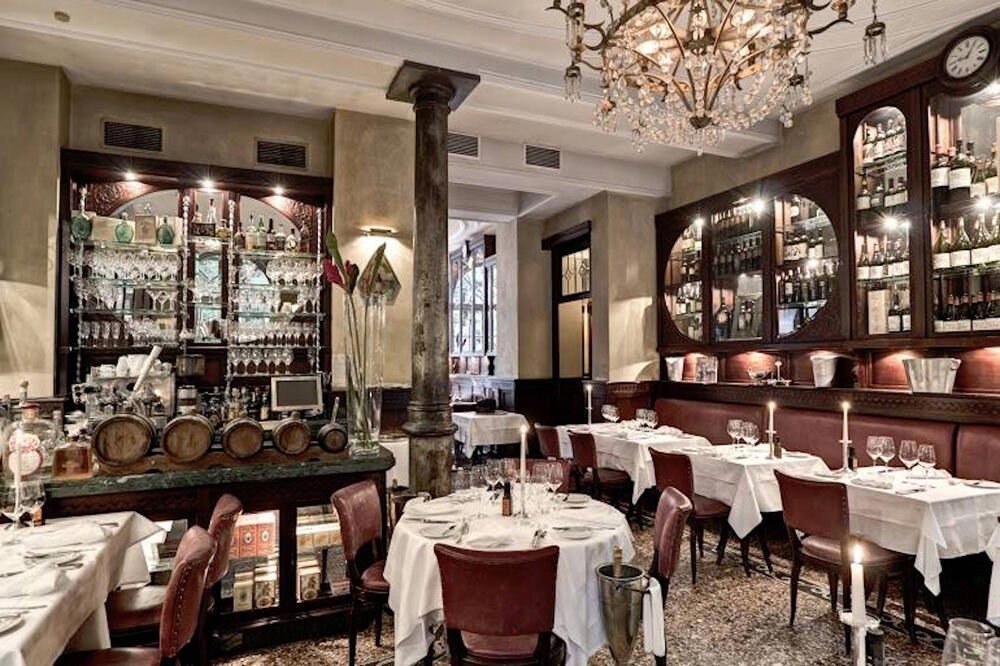
Bars in Senftenberg
Browse all →
Hotels in Senftenberg
Browse all →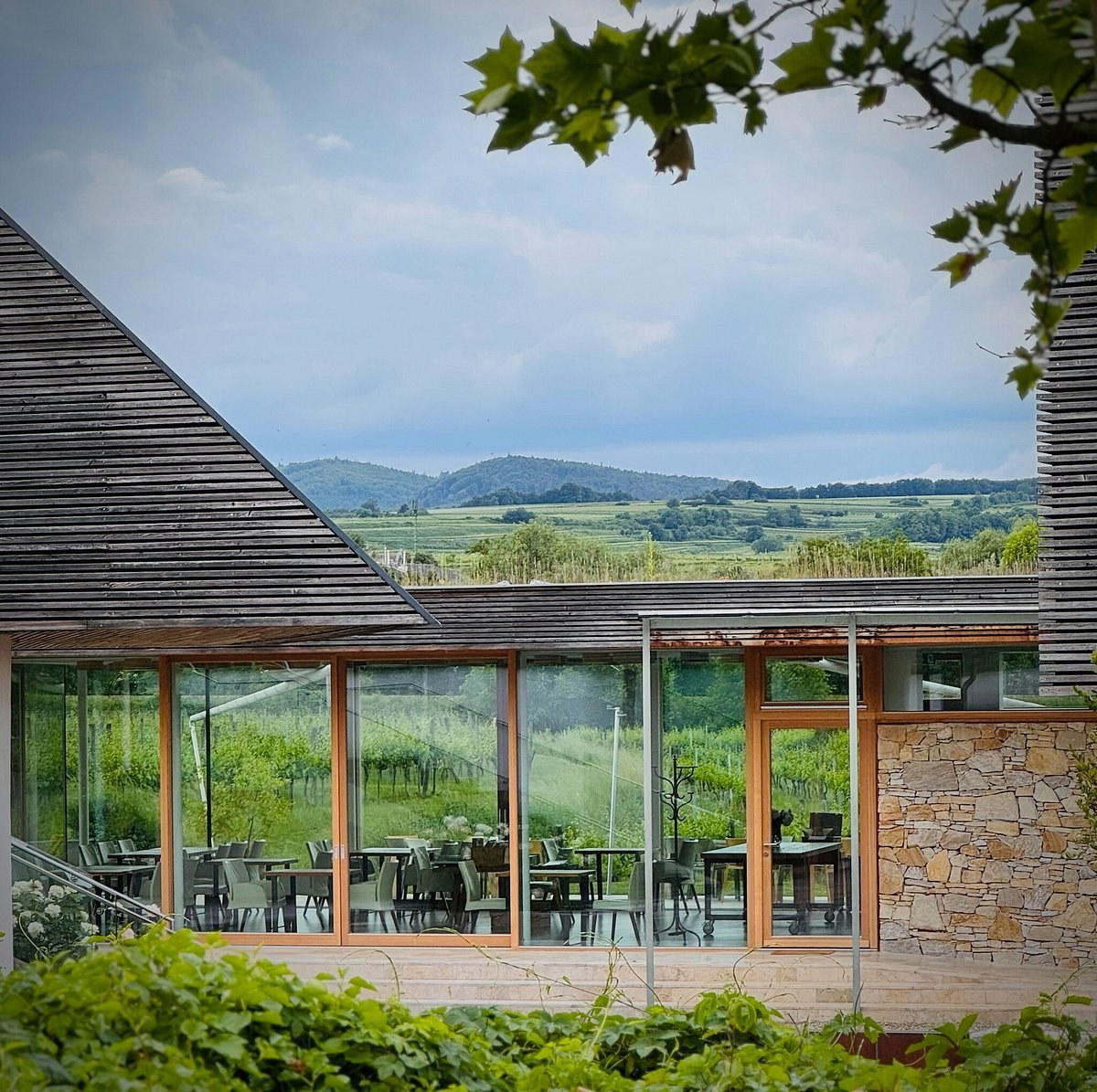
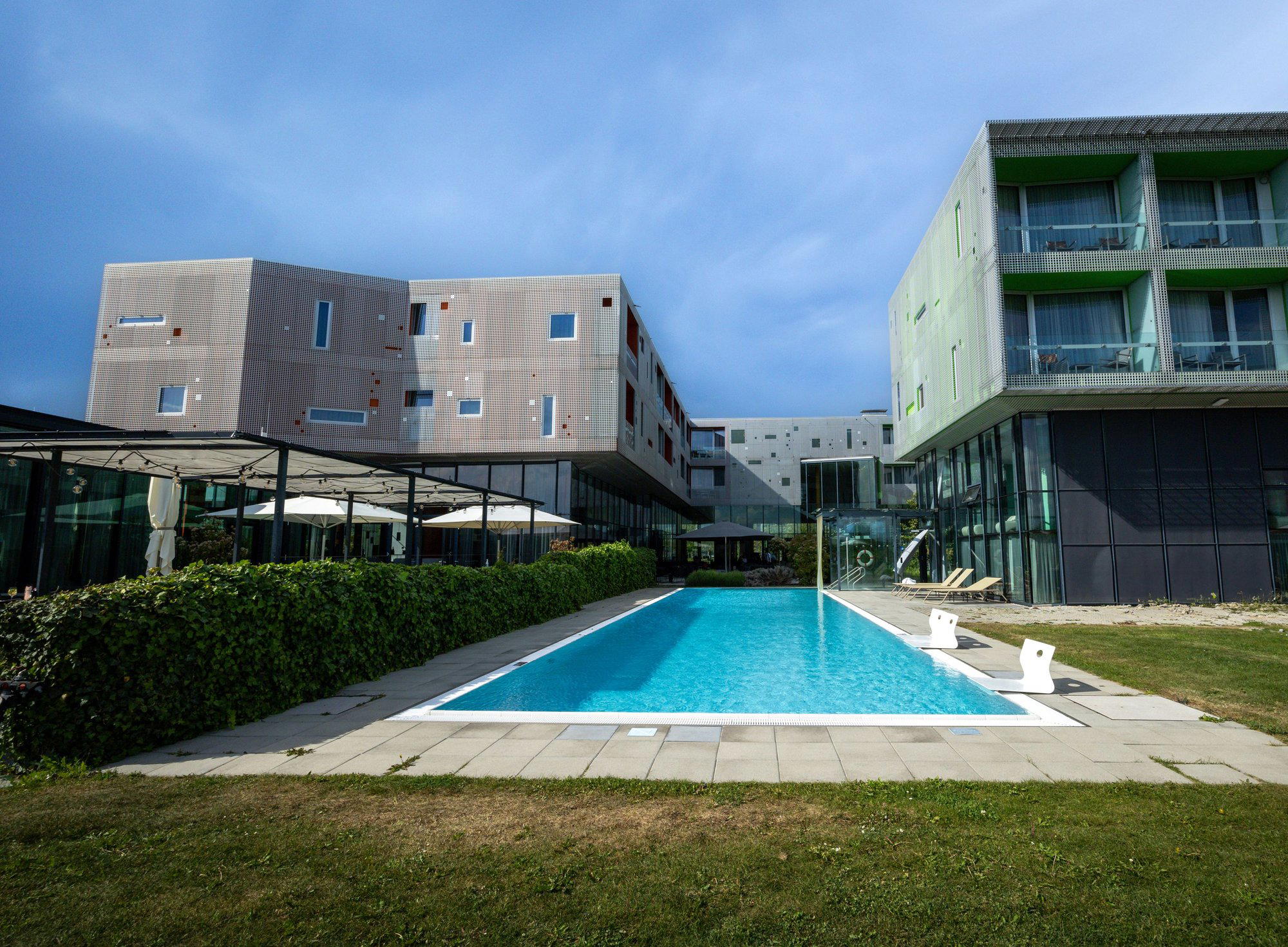
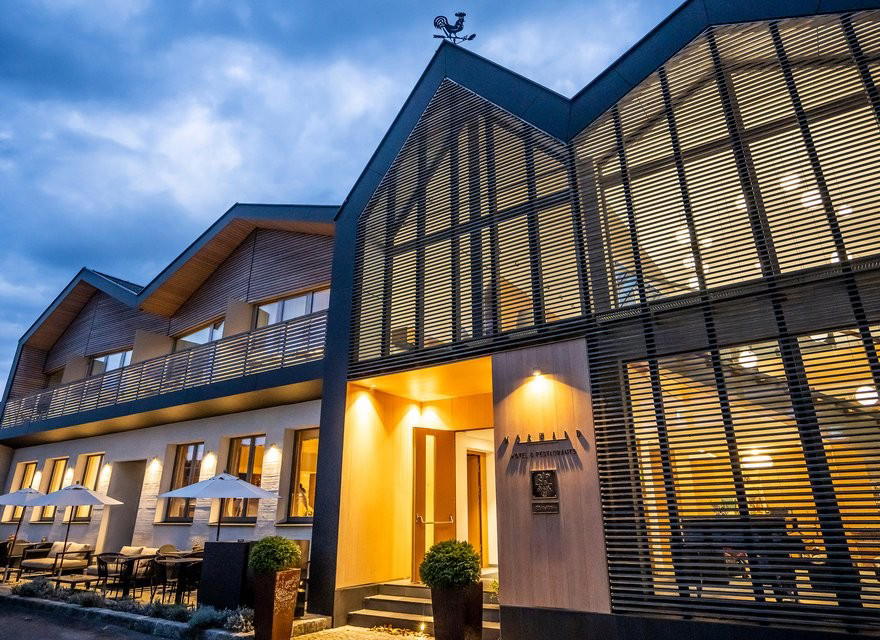
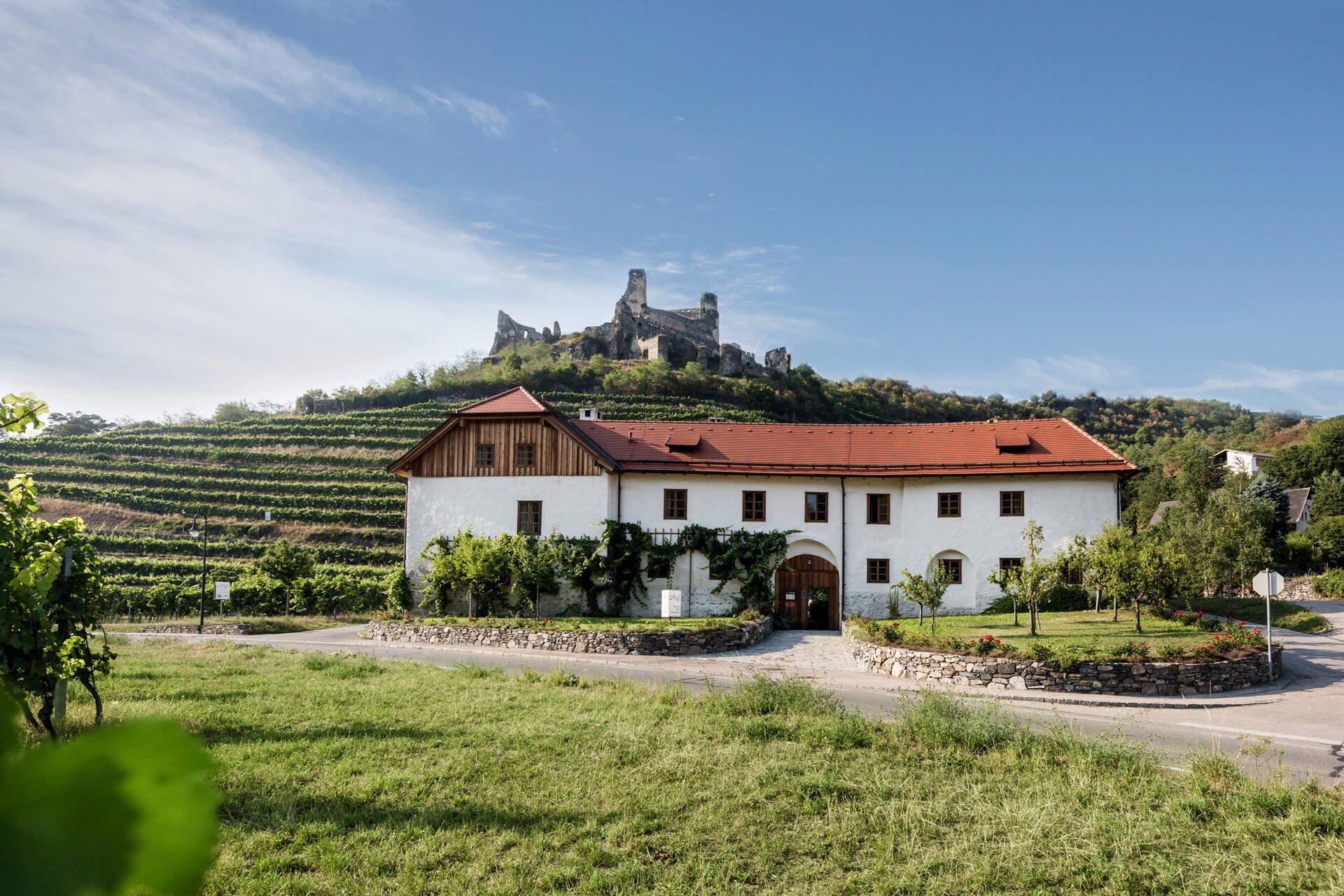
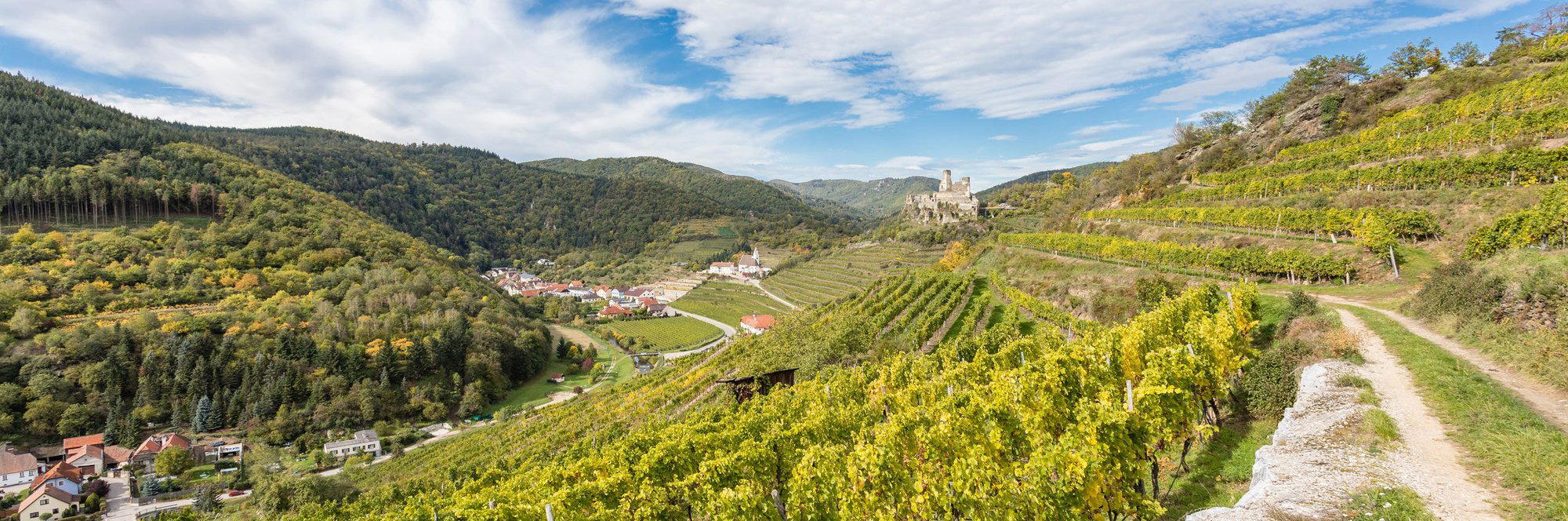
Winery Nigl
The wine
- Wine program
- Deep wine list
- Extensive wine list
Details
- Rustic
- Scenic
- Cozy
- Elegant
- Special Occasion
- Date Night
- Garden
- Historic Building
- Wine Cellar
- Extensive Wine List
- Farm To Table
- Local Sourcing
- Vineyard
- Mountain
- A La Carte
- Estate Wines
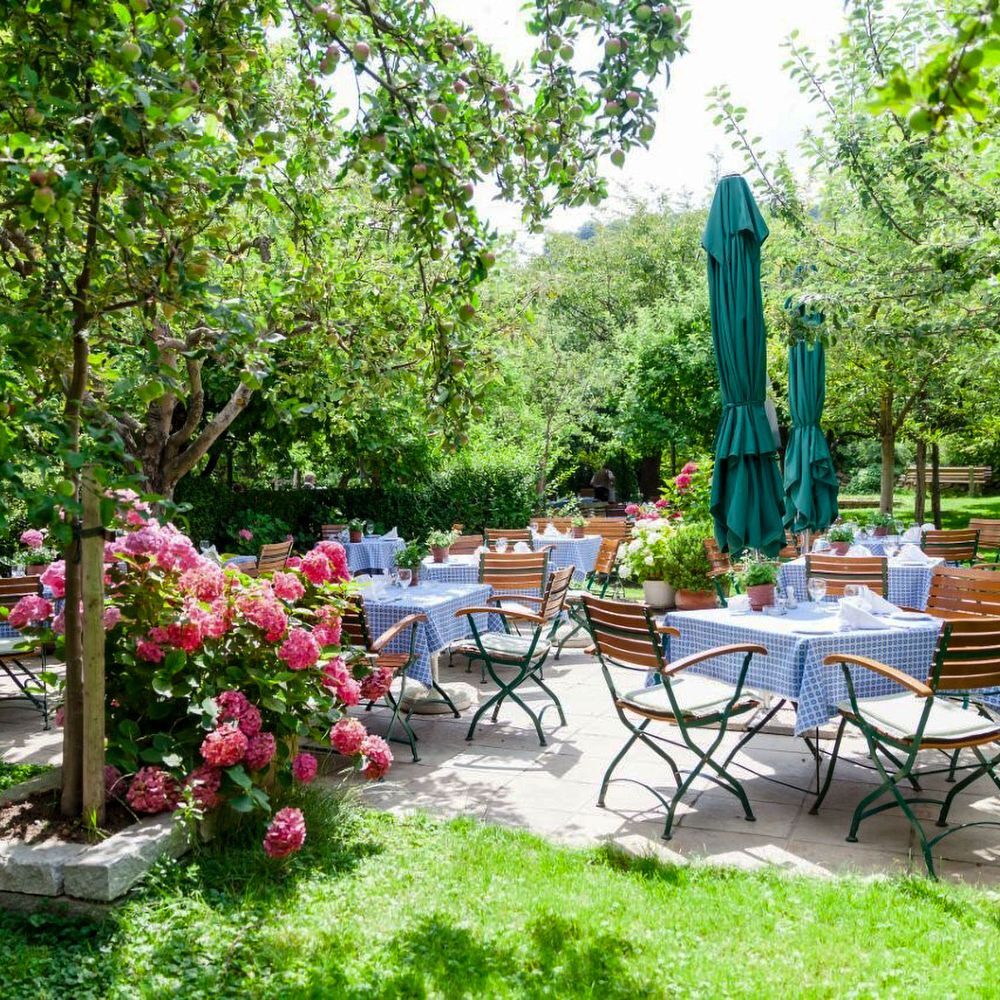
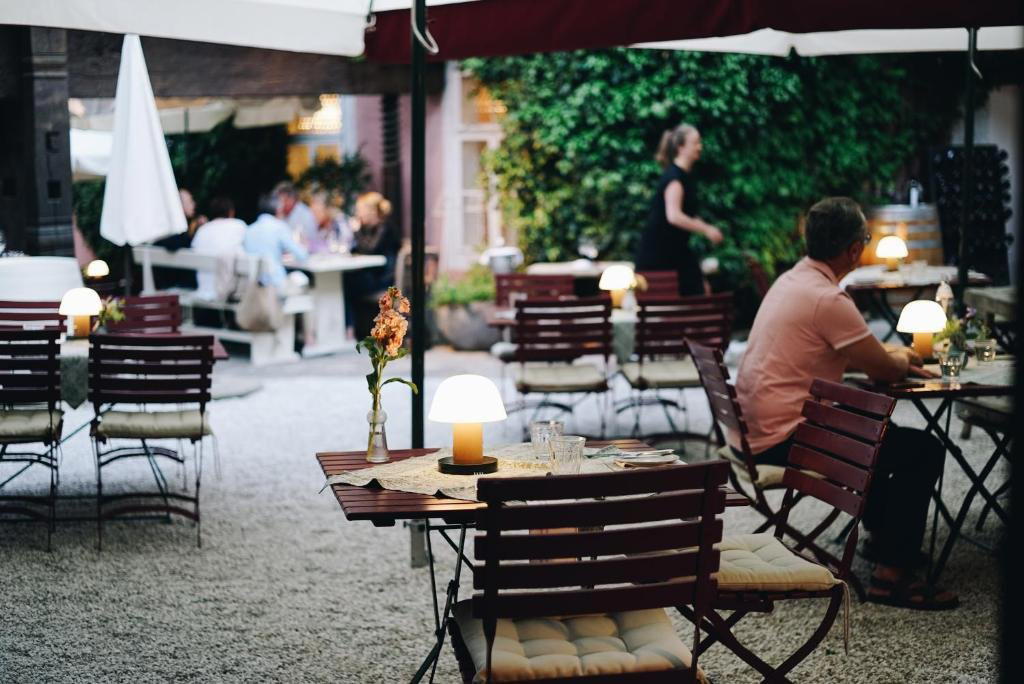
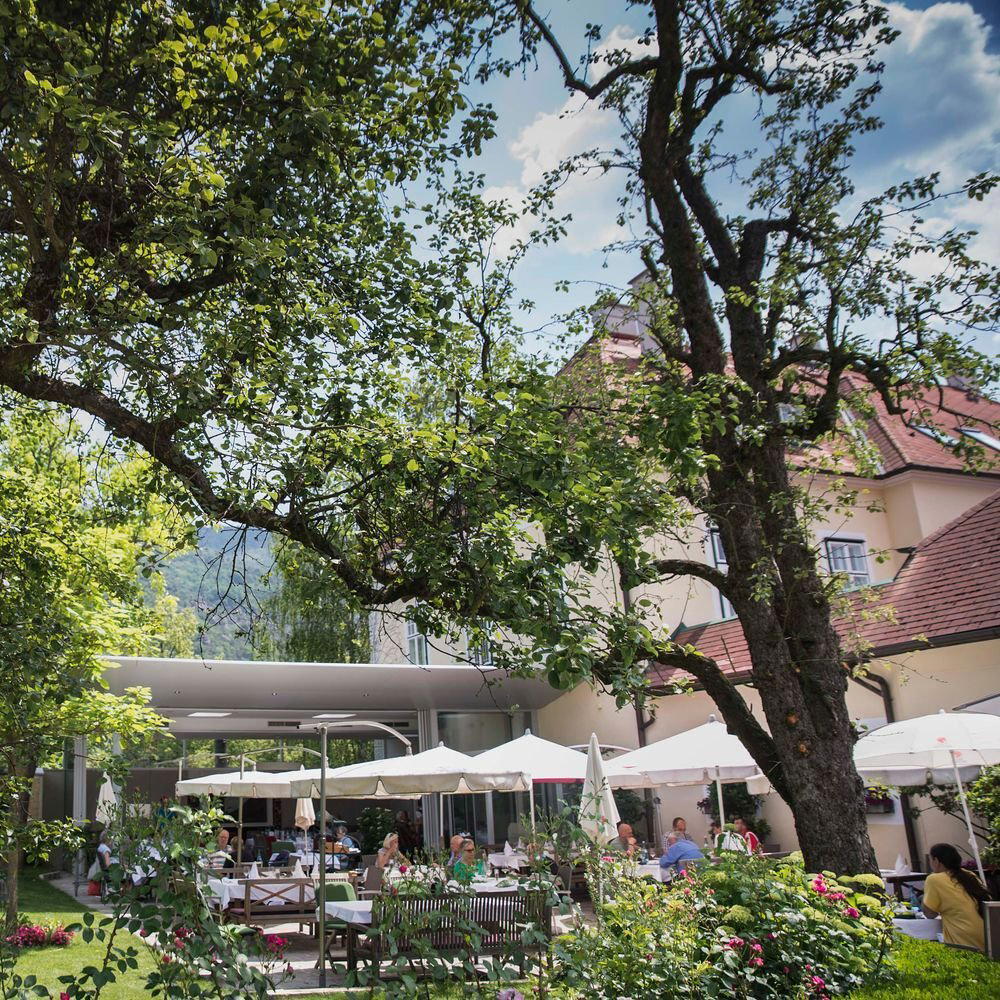
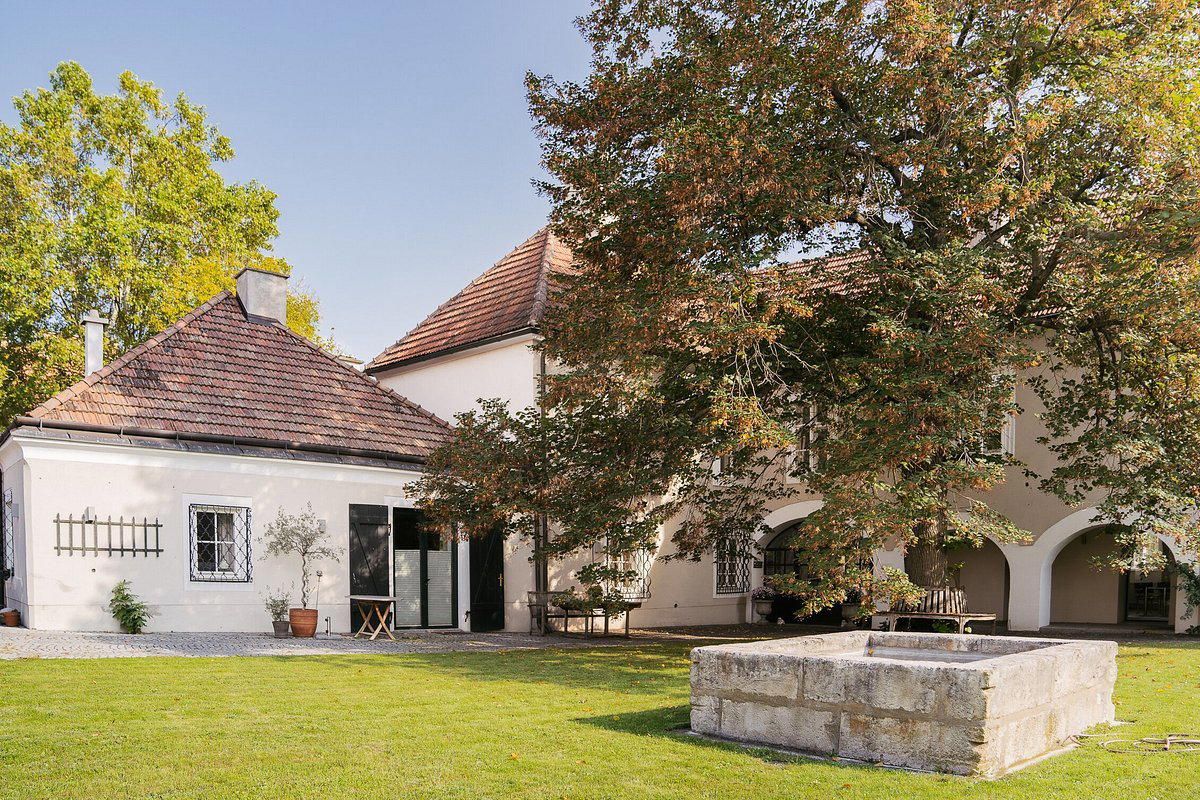
Cozy dining room and idyllic garden with rural charm, warm inviting intimate homely feel under vine-covered slopes.