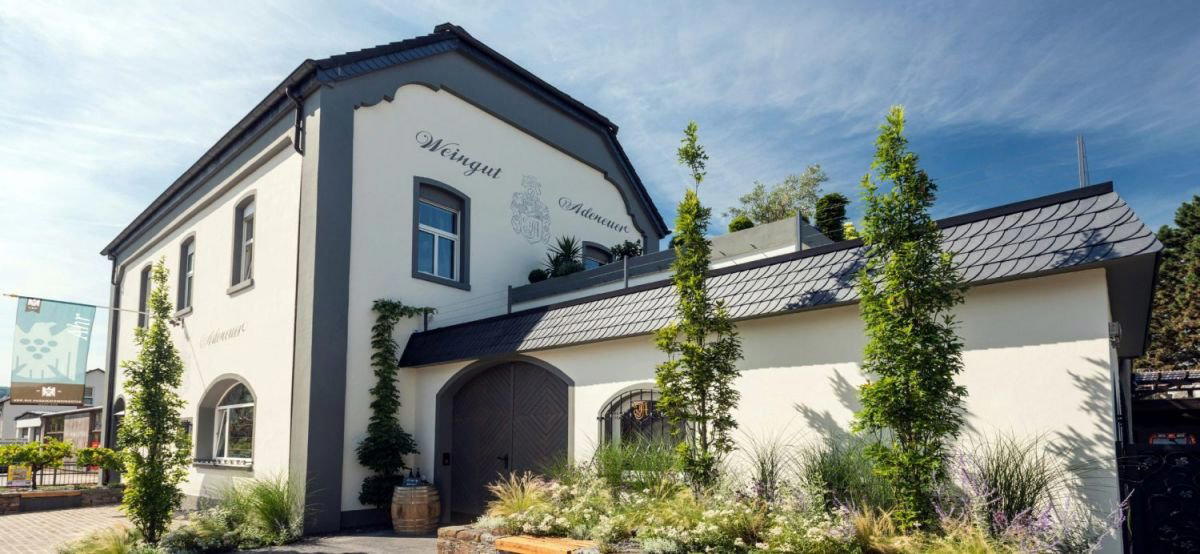
Alte Rebe occupies a quiet address on Kirchstraße in Remagen, a small Rhine town that sits between Bonn and Koblenz and rarely appears on the fine-dining circuit. The name translates as 'old vine,' a signal toward the wine-country character of the surrounding region. For travellers moving through the Middle Rhine, the address is worth tracking before a visit to confirm current format and hours.
Pearl is the En Primeur Club membership app — saves, bookings, and concierge access live there. Same editors, same standards.
- Address
- Kirchstraße 4, 53424 Remagen, Germany
- Phone
- +4926429029269
- Website
- alte-rebe-remagen.de
- Directions
- Get directions
 Saves & bookings on Pearl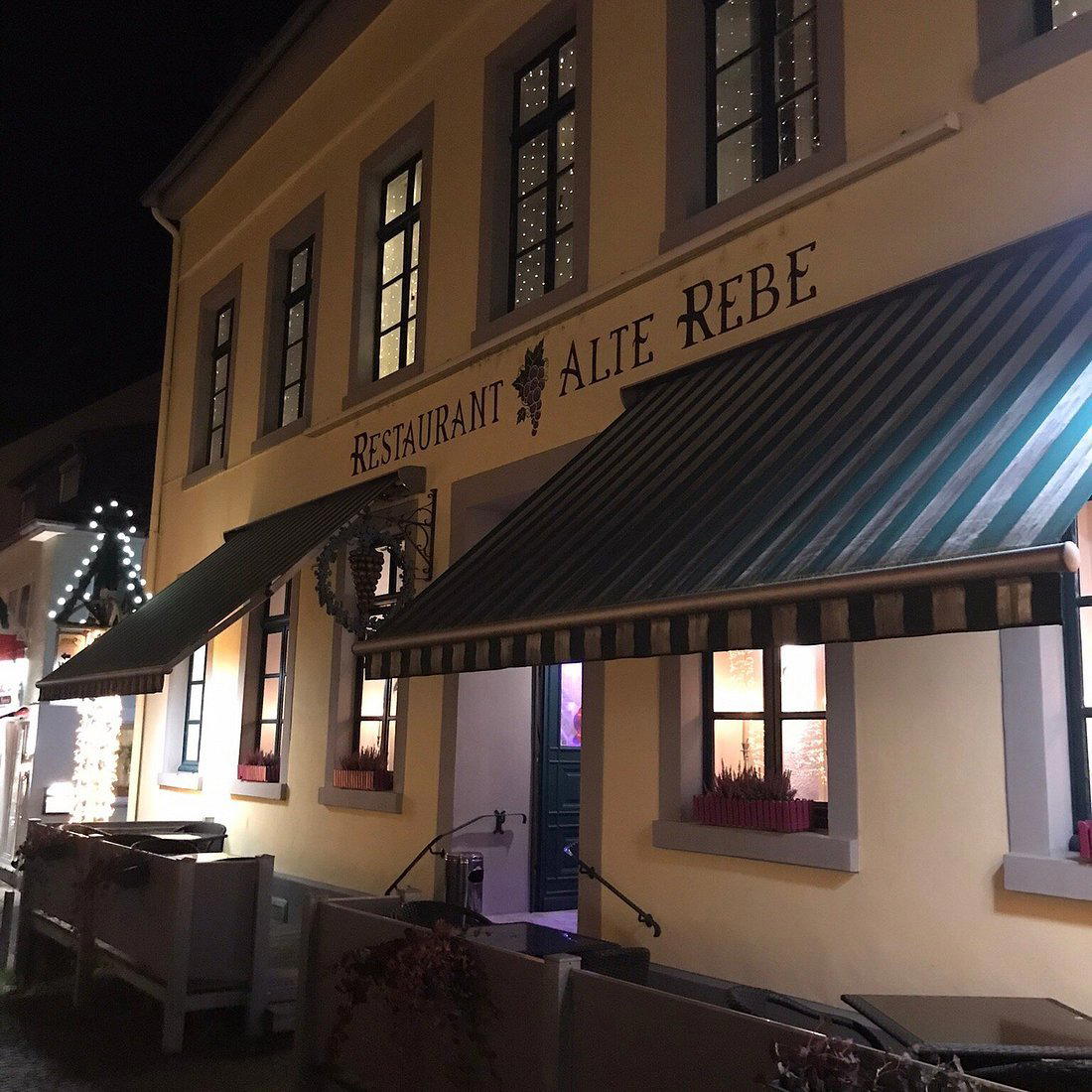
Remagen and the Rhine's Quiet Dining Register
The stretch of the Rhine between Bonn and Koblenz operates at a different register from Germany's headline dining cities. While JAN in Munich or Vendôme in Bergisch Gladbach sit within well-documented fine-dining ecosystems with clear peer sets and award histories, smaller Rhine towns like Remagen occupy a different category: places where the dining room is shaped more by local agriculture, regional wine culture, and the rhythms of river travel than by competitive tasting-menu circuits. Alte Rebe, at Kirchstraße 4, sits inside that quieter register. The name — old vine — points immediately toward the wine-growing character of the surrounding Ahr and Mittelrhein regions, both of which have built growing reputations for Pinot Noir and Riesling respectively over the past decade.
Where the Name Points
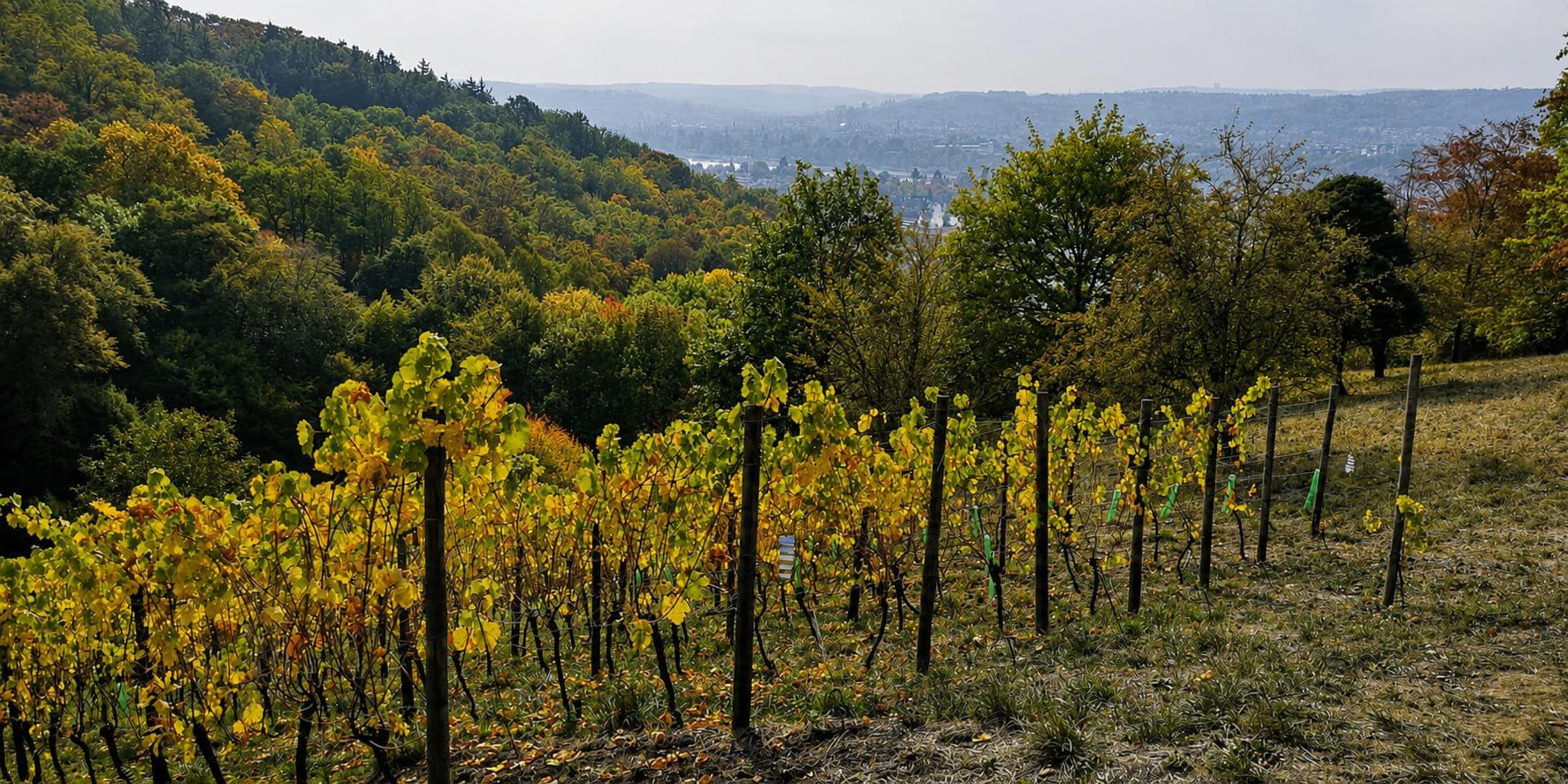
In German wine culture, the phrase 'alte Rebe' carries specific meaning. Old vines, by convention understood as those over 25 to 35 years of age and often considerably older, produce lower yields and are associated with greater concentration in the finished wine. Restaurants and wine bars in Germany's wine regions that adopt the term as a name signal an orientation toward provenance: toward the land the vines sit on, the growers who tend them, and the idea that what grows locally should inform what appears on the table. The Ahr Valley, less than fifteen kilometres from Remagen, is Germany's northernmost quality red-wine region, producing Spätburgunder (Pinot Noir) from steep slate and volcanic soils under conditions that have attracted serious international attention, particularly since the region began recovering from the devastating 2021 flood. The Mittelrhein, running north from Koblenz, holds some of Germany's most dramatic Riesling terroir, though its small production scale keeps it outside mainstream export markets. A venue in Remagen drawing on the 'alte Rebe' concept has access to both traditions within a short radius. For restaurants elsewhere in Germany working at a different scale, Schanz in Piesport operates at the heart of Mosel Riesling country in a comparable proximity-to-producer model, the sourcing geography is part of the proposition, not background detail.
The Sourcing Logic of Small-Town Rhine Restaurants
Ingredient sourcing in smaller German towns tends to follow one of two patterns. The first is regional pragmatism: working with whatever suppliers serve the area, producing menus that reflect logistics as much as philosophy. The second is deliberate regionalism: building relationships with specific growers, butchers, and foragers within a defined radius, and letting that supply network set the editorial direction of the menu. The latter approach has become more common across Germany's mid-sized wine-region towns over the past decade, partly driven by the country's broader shift toward producer-transparency and partly because smaller towns can sometimes access relationships that city restaurants cannot: a winemaker who sells only locally, a small-scale vegetable grower who doesn't ship. In the Ahr context specifically, post-flood recovery has in some cases deepened those producer relationships, as local businesses have worked more closely with the agricultural community around them.
For comparison, Germany's more documented fine-dining operations show how sourcing geography can function as an editorial framework across very different formats. Aqua in Wolfsburg draws on international sourcing for its three-Michelin-star tasting menu, a model that reflects its position in a global luxury tier. Waldhotel Sonnora in Dreis, in the Eifel region not far from Remagen's general geography, operates within a more defined regional sourcing logic tied to the surrounding landscape. Schwarzwaldstube in Baiersbronn anchors its sourcing identity to Black Forest producers specifically. Alte Rebe, at its scale and location, would most naturally align with the Sonnora model rather than Aqua's, a venue whose sourcing story is a function of where it sits rather than what it can fly in.
Remagen as a Dining Stop
Remagen is a small Rhine town of roughly 17,000 residents, known internationally for the Remagen Bridge, the first Allied crossing of the Rhine in 1945, and now home to a peace museum at the bridge towers. It sits on a rail line connecting Bonn (approximately 25 kilometres north) and Koblenz (approximately 40 kilometres south), making it accessible as a day stop or overnight point for travellers on the Rhine corridor. The town itself has a compact old-town core around the Kirchstraße area, where Alte Rebe's address places it, close to the church and the pedestrian centre. For travellers building a Rhine itinerary that includes serious wine visits to the Ahr, the valley entrance at Bad Neuenahr-Ahrweiler is around ten kilometres from Remagen, the town functions as a practical base. Compared to the competition density of Bonn or the tourist infrastructure of Koblenz, Remagen offers fewer dining options overall, which means a well-run local restaurant carries more weight within its immediate context than it would in a larger city. See our full Remagen restaurants guide for a broader picture of what's available in the area.
What to Know Before You Visit
Venue data for Alte Rebe is limited in current databases, with no confirmed hours, booking method, price range, or menu format available at the time of writing. Before travelling specifically for this address, direct contact via the venue's current contact details or a search for recent local reviews is the appropriate step. German restaurant hours in smaller towns frequently differ from city norms, with some venues closing two or three days a week and running limited sittings even on open days. The Kirchstraße 4 address places the venue in the central part of Remagen, walkable from the main train station in under ten minutes. Given the Ahr region's ongoing recovery and the general seasonality of Rhine tourism, visiting between spring and early autumn is likely to align with the broadest range of local produce availability, though this should be confirmed with the venue directly.
For travellers building a broader German fine-dining itinerary around this region, the Rhine-Moselle-Ahr triangle contains several significant addresses worth cross-referencing: Bagatelle in Trier to the southwest, and Restaurant Haerlin in Hamburg for those continuing north. Further afield, Victor's Fine Dining by Christian Bau in Perl and ES:SENZ in Grassau represent the broader range of Germany's serious dining addresses. For format contrast, CODA Dessert Dining in Berlin, AUGUST in Augsburg, AURA by Alexander Herrmann and Tobias Bätz in Wirsberg, ammolite in Rust, and ATAMA by Martin Stopp in Sankt Ingbert show how different the country's dining formats can run across geography and price tier. For international reference points on sourcing-led menus, Le Bernardin in New York City and Atomix in New York City both demonstrate how ingredient provenance can serve as the structural backbone of a serious restaurant proposition, even at very different scales from a small Rhine town address.
How Alte Rebe Remagen compares with similar nearby venues.
| Venue | Cuisine | Price |
|---|---|---|
| Feinschliff | Modern Cuisine | €€€ |
| Steinheuers Restaurant | Classic French | €€€€ |
| Kräutergarten | Classic Cuisine | €€€ |
| halbedel's Gasthaus | Modern French | €€€€ |
Continue exploring
More in Remagen
Restaurants in Remagen
Browse all →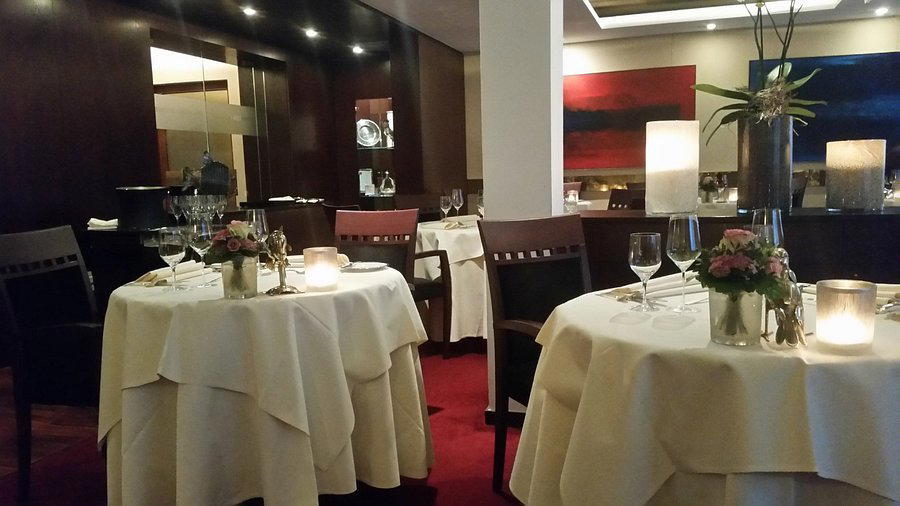
Bars in Remagen
Browse all →
Hotels in Remagen
Browse all →

At a Glance
- Modern
- Minimalist
- Elegant
- Date Night
- Business Dinner
- Historic Building
Current opening hours
- Monday
- 5–10 PM
- Tuesday
- 5–10 PM
- Wednesday
- Closed
- Thursday
- 5–10 PM
- Friday
- 5–10 PM
- Saturday
- 12–2:30 PM, 5:30–10 PM
- Sunday
- 12–2:30 PM, 5:30–10 PM
Hours can change for holidays and private events. Last verified .
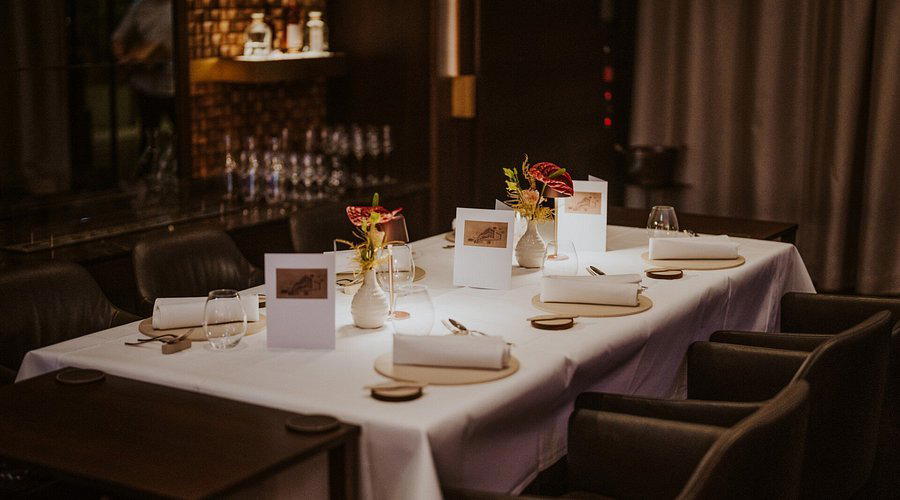
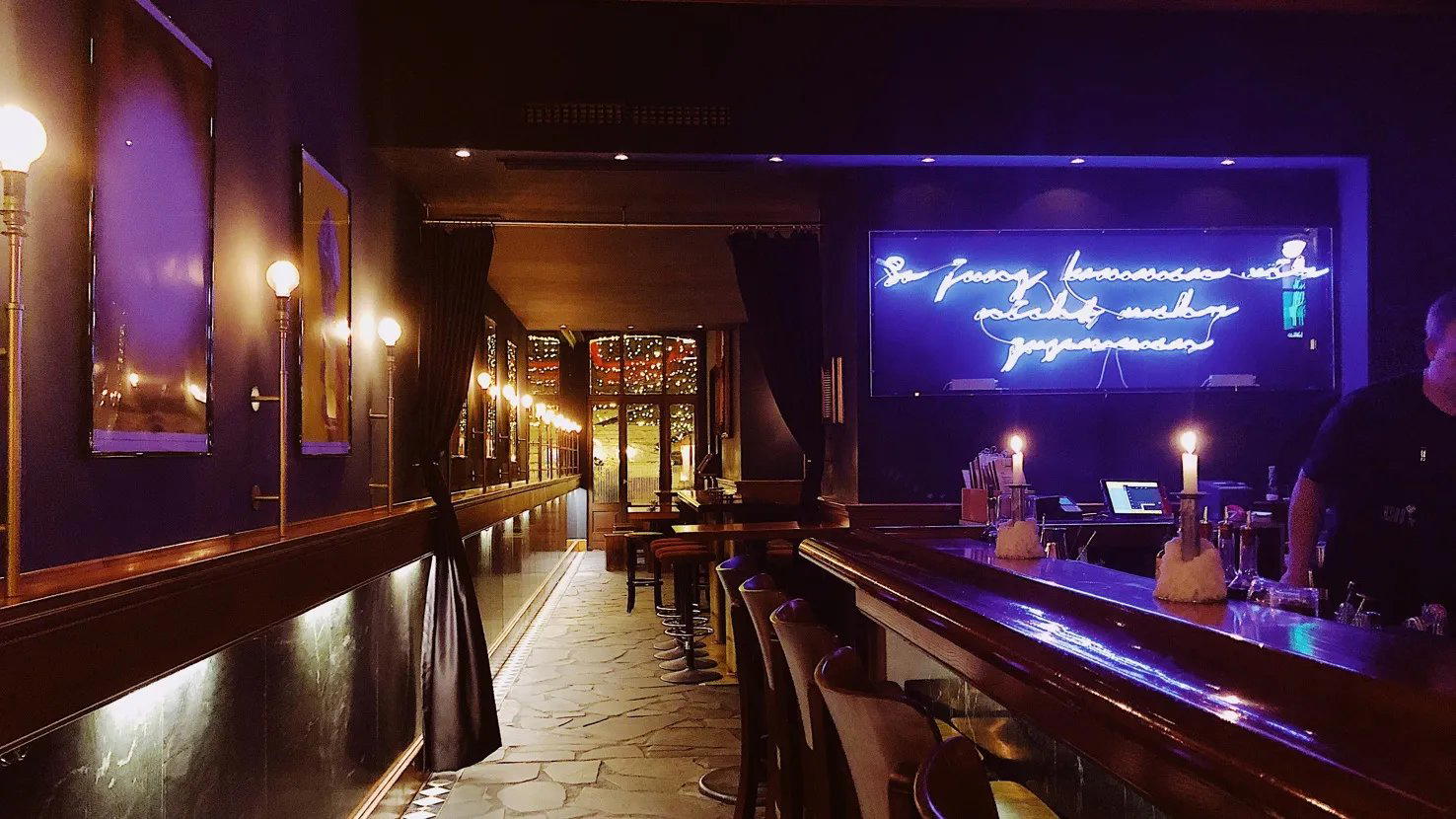
Modern, minimalist-style interior with striking color accents in purple.
Know Before You Go
- Getting there
- Kirchstraße 4, 53424 Remagen, Germany