
A converted 19th-century water tower in Cologne's Neustadt-Süd district, the Wasserturm Hotel translates one of the city's most recognizable industrial structures into a distinctive hotel address. Part of Hilton's Curio Collection, the property offers a physical experience that no purpose-built hotel in Cologne can replicate: cylindrical rooms stacked inside a listed landmark, where the architecture is the amenity.
Pearl is the En Primeur Club membership app — saves, bookings, and concierge access live there. Same editors, same standards.
- Address
- Kaygasse 2, 50676 Köln, Germany
- Phone
- +49 221 20080
- Website
- hilton.com
- Directions
- Get directions
 Saves & bookings on Pearl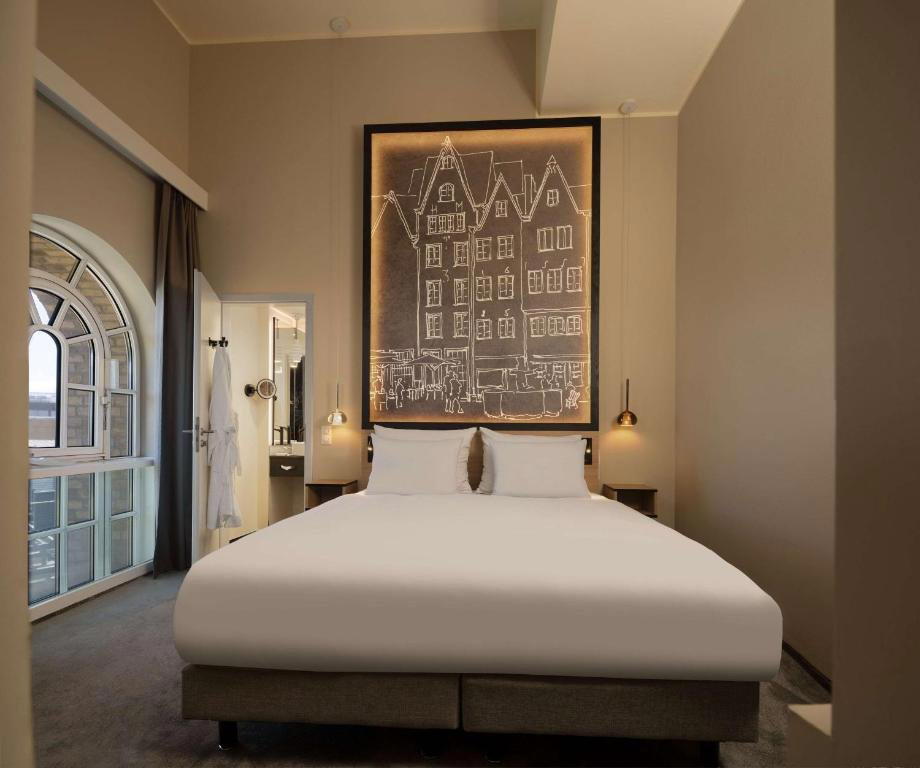
When the Building Is the Argument
Wasserturm Hotel Cologne, Curio Collection by Hilton is a 4-star hotel in Cologne, Germany, with 88 rooms and rates from about $137 per night. The Wasserturm Hotel sits in the second category, and its claim on that position is unusually literal: the building is a 19th-century water tower, a listed structure in the Neustadt-Süd district at Kaygasse 2, and every room occupies a slice of a cylinder. That physical fact sets the premise for the stay before a guest reaches the front desk.
The Tower: Architecture as Primary Experience
The Wasserturm belongs to an even narrower sub-category: the repurposed utility structure, where the original engineering logic of the building, in this case a circular plan designed around a central water reservoir, becomes the organizing principle of the room layout. The curved exterior walls that define each guest room are not a design choice made by an interior architect; they are a structural inheritance from the tower's original function.
That historical context matters for how the hotel reads within its neighborhood. Neustadt-Süd is a mid-density residential area, not a tourist district, and the tower rises above the surrounding street fabric in a way that made it a local landmark long before the hotel conversion. Arriving at Kaygasse, the scale of the structure registers before anything else: the tower's brick mass and the circular footprint visible from the street are the opening statement.
Each of those conversions involves adapting a building designed for human use; the Wasserturm involves adapting infrastructure built for water storage, which creates a more unusual architectural problem and, from a guest's perspective, a more unusual result.
Room Character and the Curio Collection Context
Within that framework, the Wasserturm is among the more architecturally specific entries: the curved room walls and the tower's floor plate impose constraints that no interior refurbishment can fully neutralize, and those constraints produce rooms that read differently from anything in a purpose-built hotel. The circular geometry affects how furniture sits, how light enters from windows set into thick brick walls, and how the proportions of the space feel from inside.
Particularly sought-after room configurations are typically those on upper floors, where the panoramic potential of the circular plan can be more fully realized and where the distance from street level reinforces the sense of the tower as a contained world. This is a pattern common to converted towers and lighthouses across Europe: elevation amplifies the architectural premise.
Positioning Within Cologne's Upper-Tier Hotel Set
Cologne's upper-tier hotel market is not large. The city functions primarily as a trade-fair and congress destination, with major events around Anuga, Art Cologne, and the twice-annual fashion weeks at Messe Cologne driving significant occupancy spikes. Outside those windows, the city draws leisure travelers and Rhine-corridor visitors who tend to split between the cathedral-adjacent center and quieter residential neighborhoods. The Wasserturm's address in Neustadt-Süd places it slightly south of the main tourist corridor, which is a practical trade-off: less pedestrian noise, a more residential street character, and proximity to the Belgisches Viertel, Cologne's most concentrated area of independent retail and café culture.
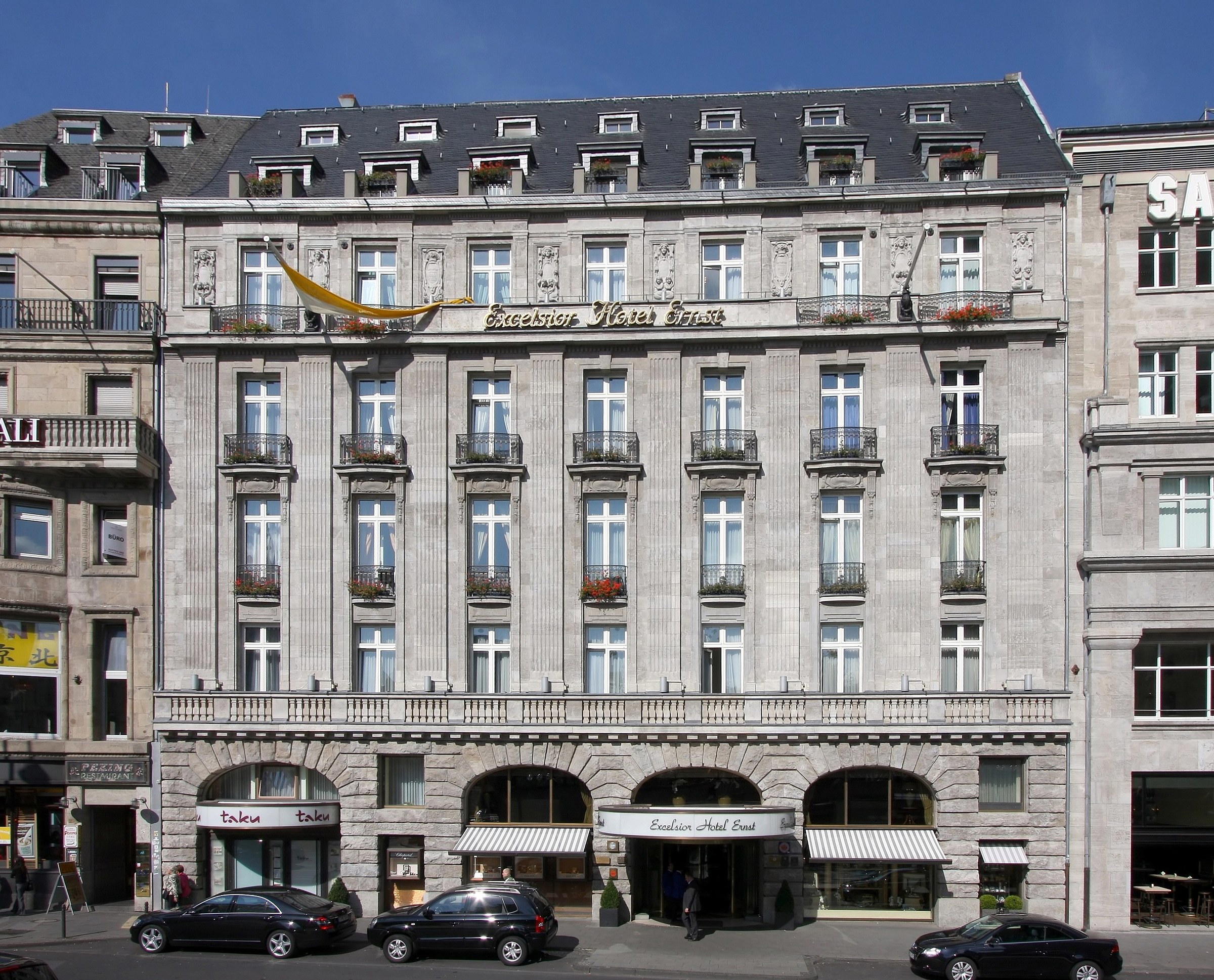
THE QVEST, housed in a converted radio station building in the same general southern district, represents the comparable architectural-identity play in the city. The two properties draw from a similar guest profile: travelers for whom the building's history is part of the point, not incidental to it. For those whose priority is a grand-hotel experience with Rhine views and ballroom scale, Excelsior Hotel Ernst across from the cathedral is the established answer. The Wasserturm addresses a different question entirely.
Across Germany more broadly, the category of architecturally significant boutique and conversion hotels includes properties as varied as Hotel Ketschauer Hof in Deidesheim and Mandarin Oriental Munich, though those sit in different competitive tiers and geographies. For travelers building a German itinerary around hotels with genuine structural character, the Wasserturm connects to a wider conversation that also includes Althoff Seehotel Überfahrt in Rottach-Egern, Schloss Elmau Luxury Spa Retreat & Cultural Hideaway in Elmau, and Das Kranzbach Hotel & Wellness Retreat in Kranzbach, each of which makes the building or setting the central experience rather than a backdrop.
Planning Your Stay
The hotel's address at Kaygasse 2, in the southern Neustadt, puts guests within walking distance of Rudolfplatz and the Belgisches Viertel, and a manageable distance from the cathedral and main train station via tram. Booking well outside Cologne's major trade-fair periods offers more flexibility on room selection and pricing.
Travelers whose itineraries extend beyond Cologne to other German cities can cross-reference properties including Fairmont Hotel Vier Jahreszeiten in Hamburg, Breidenbacher Hof Düsseldorf in Düsseldorf, Hotel Bareiss in Baiersbronn, BUDERSAND Hotel in Hörnum, Der Öschberghof in Donaueschingen, Esplanade Saarbrücken in Saarbrücken, Gut Steinbach Hotel Chalets Spa in Reit im Winkl, Kempinski Hotel Berchtesgaden in Berchtesgaden, LA MAISON in Saarlouis, Landhaus Stricker in Sylt, and Luisenhöhe in Horben. For international reference points on converted or architecturally distinctive hotels, Aman Venice in Venice, The Fifth Avenue Hotel in New York City, and Aman New York in New York City occupy the upper end of the same structural-identity conversation in their respective cities.
Quick Comparison
Comparable venues nearby, for context on price, style, and recognition.
| Venue | Cuisine | Price | Awards | Notes |
|---|---|---|---|---|
| Wasserturm Hotel Cologne, Curio Collection by HiltonThis venue — the venue you are viewing | Industrial heritage conversion with contemporary luxury positioning; a repurposed 19th-century water tower transformed into a design-forward boutique hotel. | $$$ | 4-Star | Not listed |
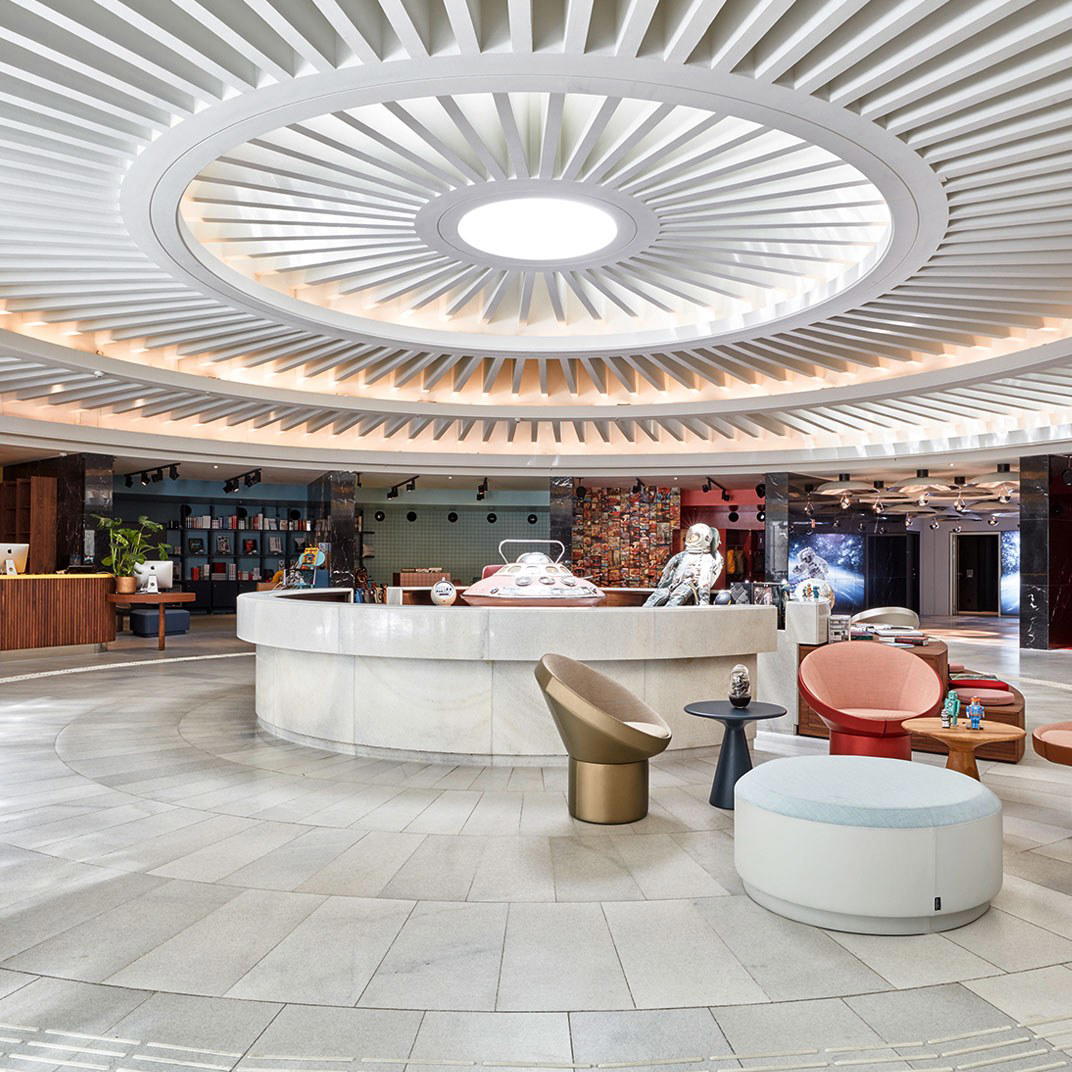
| 25hours Hotel The Circle | Repurposed historic Brutalist rotunda with retro-futuristic interiors | $$$ | 4-Star | Altstadt/Nord |
| Legend Hotel, Cologne | Contemporary boutique blending modern architecture with historic Cologne context | $$$ | 4-Star | Altstadt/Nord |
| THE QVEST | Neo-Gothic heritage boutique with contemporary design integration | $$$$ | 4-Star | Altstadt/Nord |
| Urban Loft Cologne | Urban loft-style hotel with artist-inspired design and central location near Cologne Cathedral. | $$$ | 4-Star | Altstadt/Nord |
| The Qvest Hideaway | Neo-Gothic historic building with contemporary design refuge | $$$$ | 4-Star | Altstadt/Nord |
Recognition history
Dated appearances from independent guides and award organizations, with the underlying list record or original source where available.
Michelin Selected
Michelin
Continue exploring
More in Cologne
Hotels in Cologne
Browse all →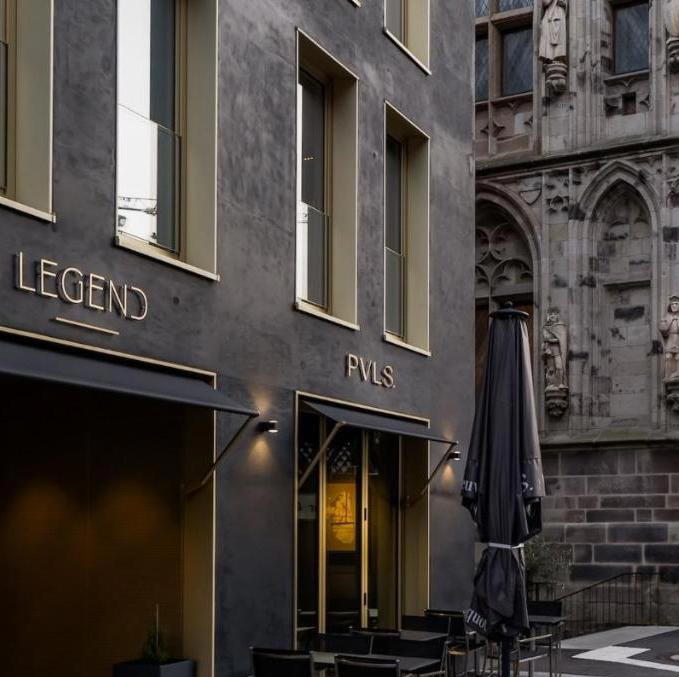
Bars in Cologne
Browse all →
Restaurants in Cologne
Browse all →

At a Glance
- Well Known
- Modern
- Elegant
- Industrial
- Romantic Getaway
- Weekend Escape
- Celebration
- Historic Building
- Design Destination
- Panoramic View
- Terrace
- Wi Fi
- Spa
- Fitness Center
- Bar
- Restaurant
- Garden
- Skyline
- Wi Fi
- Spa
- Fitness Center
- Bar
- Restaurant
- Garden
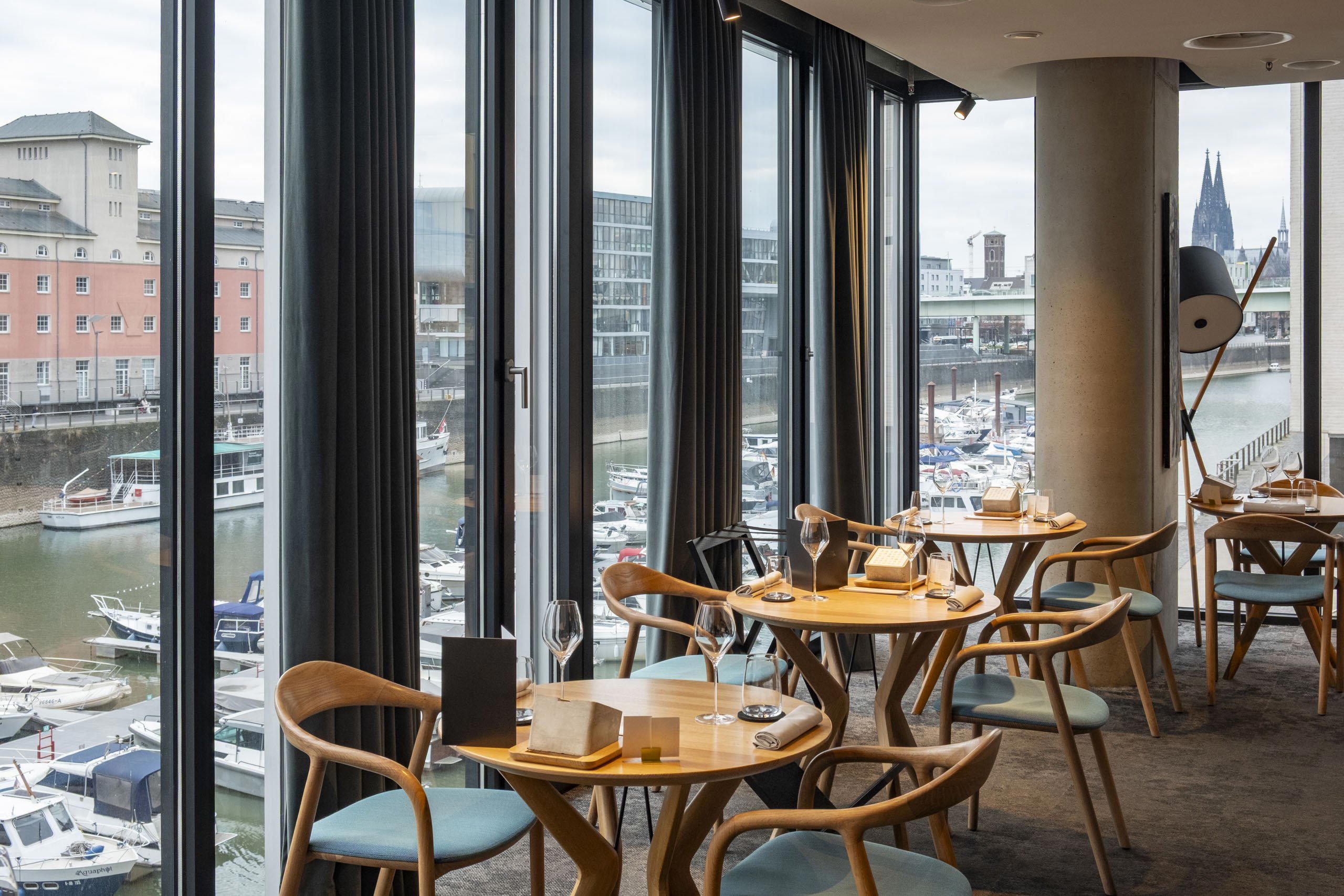
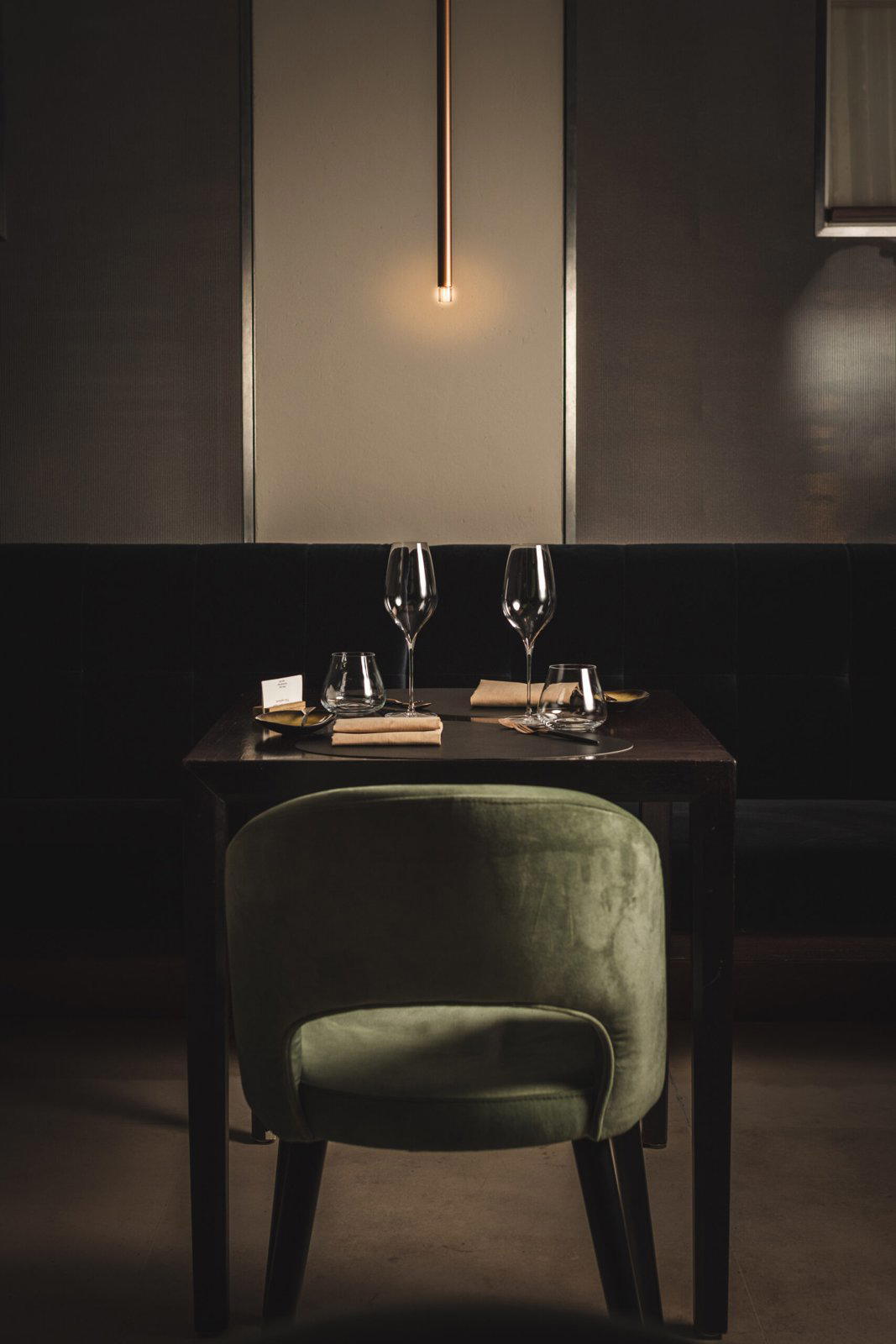
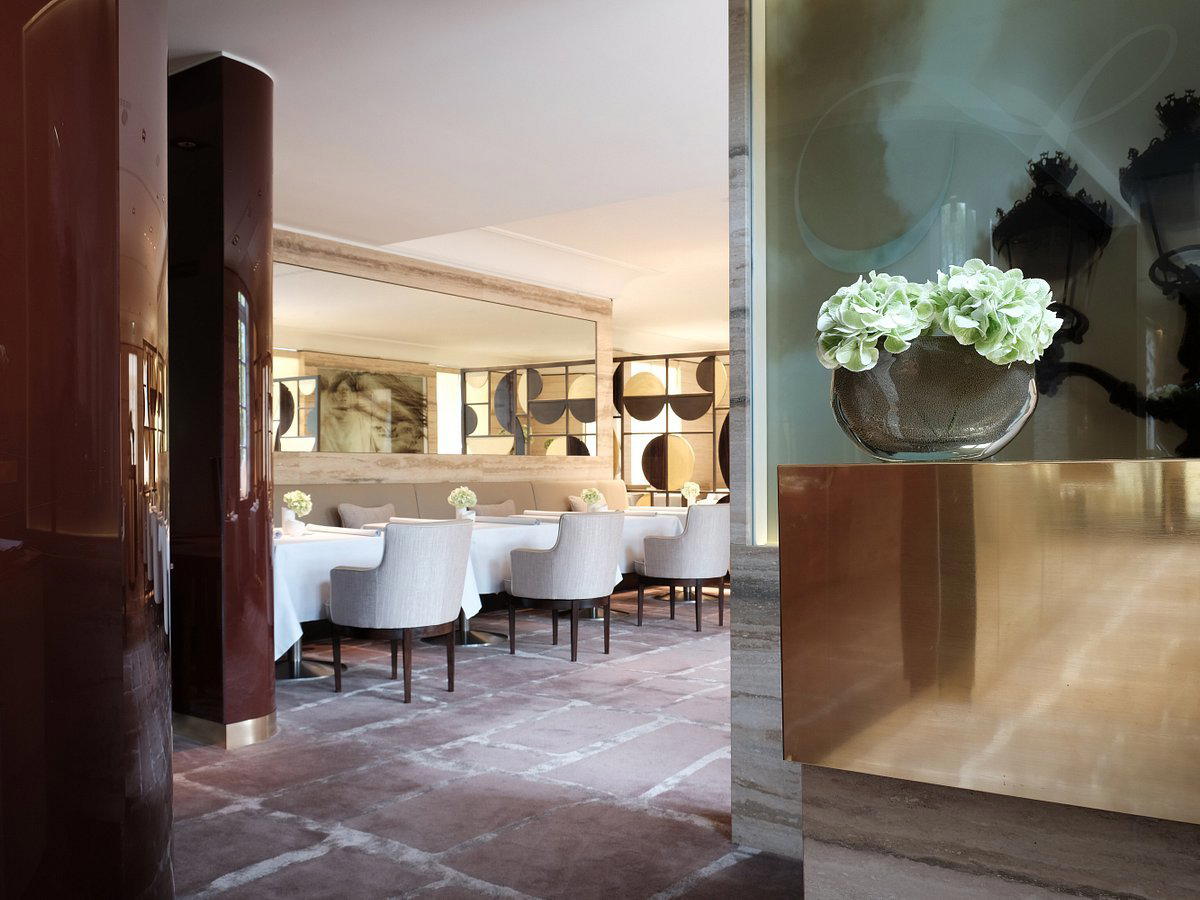
Modern and sophisticated with dramatic architectural elements; the 11-meter-high lobby and geometric patterns create an innovative, gallery-like atmosphere with contemporary design throughout.