




1 Michelin Star · Star Wine List · Relais Chateaux Award
Our verdict
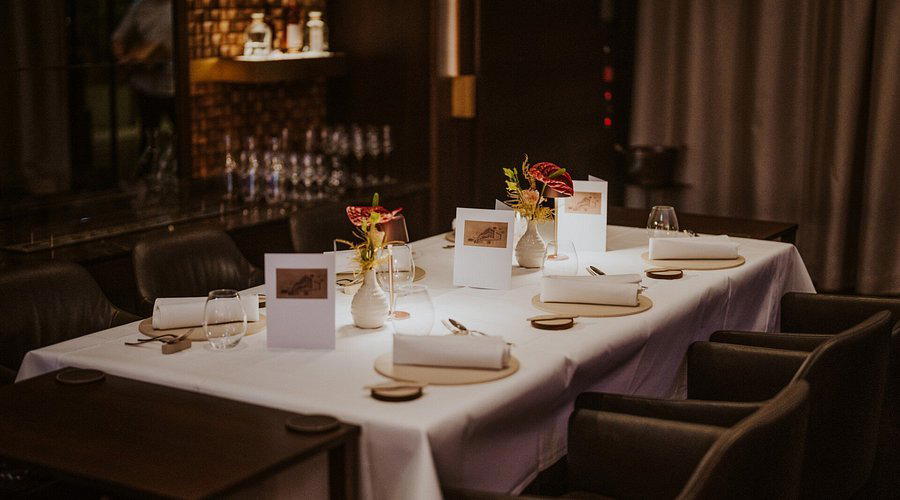
Inside a Rhineland town better known for its medieval walls than its restaurant scene, PURS holds a Michelin star and an Opinionated About Dining ranking among Europe's top 400. The kitchen, under chef Peter Fridén, works a modern French-leaning register inside a space designed in its entirety by Belgian architect and designer Axel Vervoordt. It is one of Germany's more architecturally cohesive dining experiences.

Pearl is the En Primeur Club membership app, where members save venues, book tables and use the concierge.
Where the Rhine Meets Vervoordt
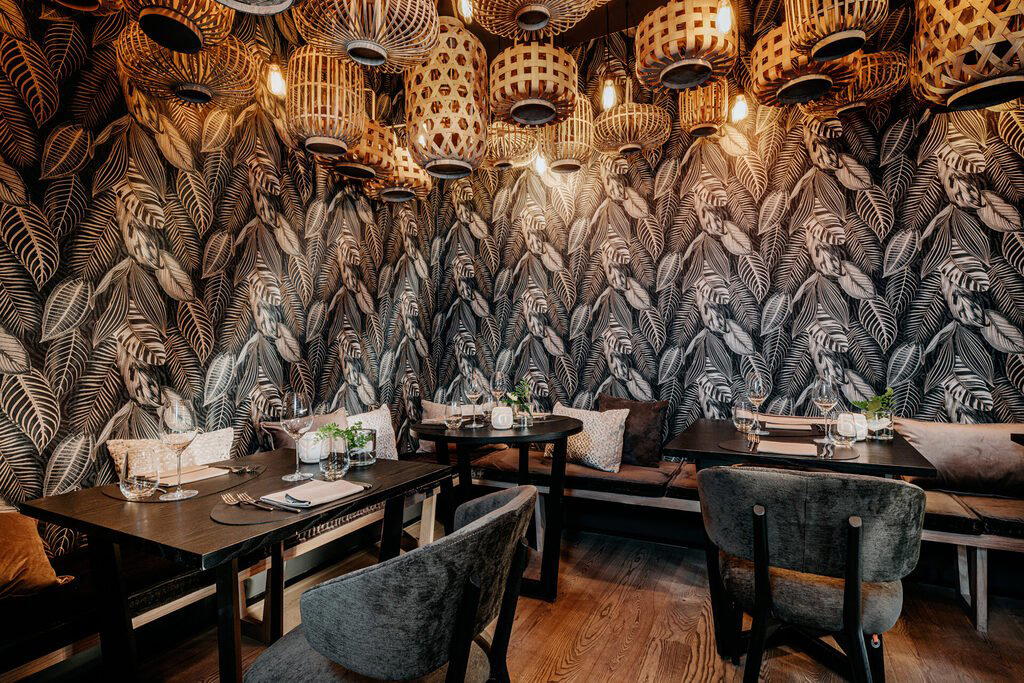
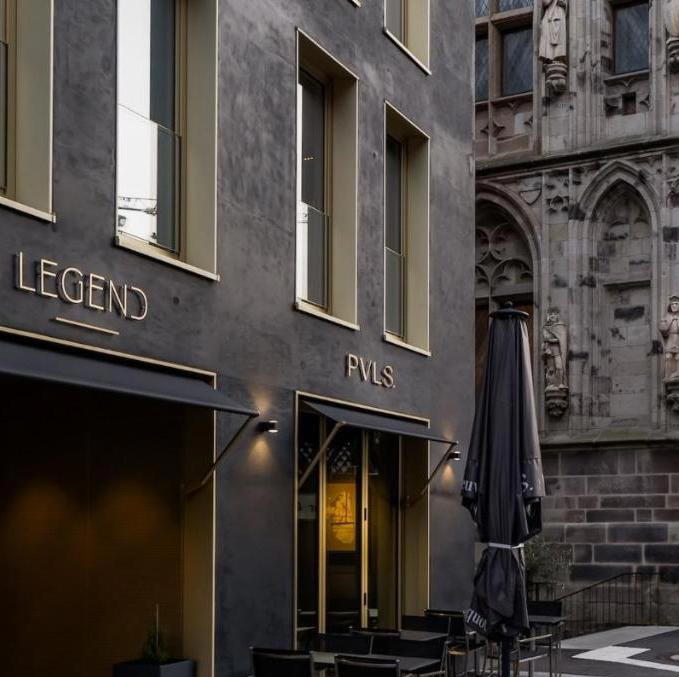
Andernach sits on the west bank of the Rhine, roughly equidistant between Koblenz and Bonn, a town that most travellers pass through without stopping. The medieval basalt-stone walls, the old crane at the harbour, the quietly provincial rhythm of the Steinweg: none of it signals that the street holds one of Germany's more considered fine-dining rooms. That mismatch is part of PURS's character. It occupies a restored historic building at Steinweg 30-32, and the first impression is architectural rather than gastronomic. The Belgian designer Axel Vervoordt conceived the hotel and restaurant as a unified project, and the restraint of his approach is legible from the threshold: muted natural materials, deliberate proportions, the sense that nothing has been placed casually. PURS is the first public space Vervoordt designed as an overall project, which gives the room a coherence that hotel-restaurant combinations rarely achieve. Most fine-dining rooms are designed to signal occasion; this one is designed to create stillness.
Modern French in a German Wine Region
The tension at the centre of contemporary fine dining in Germany is one that plays out differently depending on which part of the country you are in. In the Black Forest, classicism is almost a point of pride, kitchens like Schwarzwaldstube in Baiersbronn hold to French discipline with little interest in disrupting it. In Berlin, the opposite pull is strongest: CODA Dessert Dining dismantles the very structure of a meal. PURS sits somewhere in the middle of that axis. Its cuisine is classified as modern French and modern European, which in practice means classical technique remains the structural framework, but the kitchen applies it without demanding that every plate look like a reference to the canon.
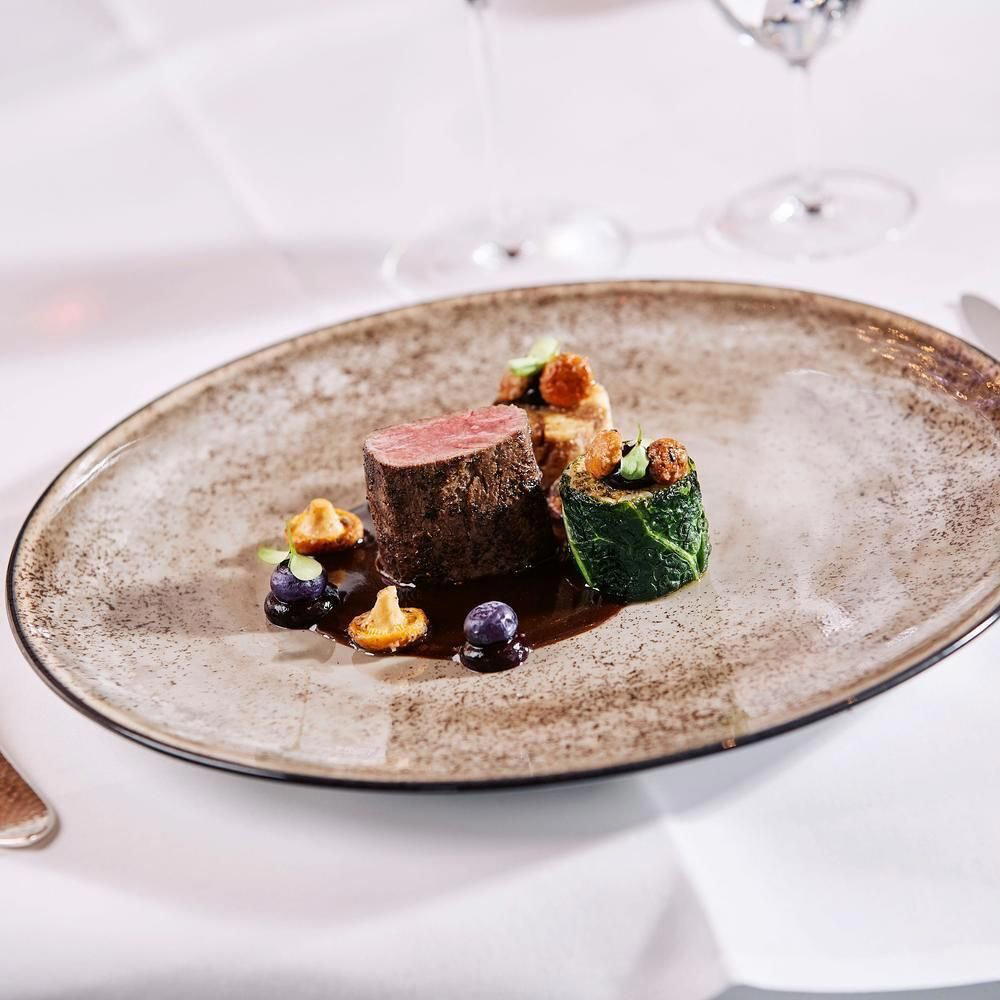
Chef Peter Fridén works within a lineage that is French in its foundations but does not treat that lineage as a constraint. The distinction matters in a region where the Mosel and Ahr valleys produce wines that push toward lightness and acidity, conditions that reward cooking with precision over richness. A kitchen that leans too heavily on cream and reduction can work against the local wine culture; one that pursues clarity and balance works with it. PURS earned its Michelin star in 2025, appearing for the first time in the Michelin guide's starred tier after being recognised with a Michelin Plate in 2024. The progression from plate to star in a single cycle is evidence of a kitchen gaining confidence in its own register rather than chasing the next tier's conventions.
For a sense of how PURS sits relative to its German peers, the Opinionated About Dining ranking is instructive. The platform ranked it 383rd among European restaurants in 2025, up from 523rd in 2024, a movement of 140 places in a single year. Among the German kitchens in similar territory are Vendôme in Bergisch Gladbach, Aqua in Wolfsburg, and JAN in Munich, each working a different inflection of European fine dining at the leading price tier. PURS at €€€€ prices occupies the same bracket, but its Rhineland setting and the Vervoordt design context give it a positioning that is distinct from urban fine dining in Frankfurt or Munich.
The Vervoordt Effect
It is worth being specific about what Axel Vervoordt's involvement means in practice. Vervoordt is an Antwerp-based designer and art dealer whose work is associated with wabi-inspired restraint: aged surfaces, natural light, the deliberate absence of decorative noise. His private residential projects have appeared in international design publications for decades, but PURS represents something different, a commissioned public hospitality space where he controlled the full environment, from architecture to furniture to materials palette. The result is a room that does not perform luxury through conventional signals. There are no chandeliers broadcasting status, no plush upholstery competing with the food. The space asks the kitchen to carry the evening, which is a form of pressure that design-led restaurants sometimes avoid by letting the room do the work.
That approach connects PURS to a broader movement in European fine dining where the physical environment is treated as an editorial choice rather than a backdrop. At ES:SENZ in Grassau, landscape and materiality are part of the proposition. At Waldhotel Sonnora in Dreis, the estate setting carries its own logic. PURS is distinct in that the design has an authorial identity attached to it, Vervoordt is a name with specific cultural weight in the European art and design world, and that weight extends to the hospitality context.
Wine at PURS
Star Wine List ranked PURS's wine program first in its category in 2021, a signal that the cellar was already operating at a serious level before the Michelin recognition arrived. The Rhineland's proximity to the Ahr, Germany's northernmost red wine region, producing Pinot Noir of real structural finesse, and the Mosel suggests a list built around those northern wine cultures, though the exact composition of the cellar is not publicly detailed. For the wider wine context of the region, our full Andernach wineries guide maps the local producers.
Andernach's Dining Scene
PURS is the most formally ambitious restaurant in Andernach, but the town has a small dining scene worth understanding in its own right. Ai Pero represents the Italian end of the market, while YOSO Asian Comfort Food covers the Asian register at a different price point. Neither operates in the same competitive tier as PURS, which means the restaurant is largely without local peers at the starred level. For those building a longer itinerary around the region, our full Andernach restaurants guide covers the breadth of options, and our full Andernach hotels guide handles the accommodation context. The bars guide and experiences guide round out the picture for a full stay.
For those extending into the wider German fine-dining circuit, the Rhineland and Mosel form a loose geographic cluster with several starred addresses: Schanz in Piesport and Waldhotel Sonnora in Dreis are both reachable within an hour's drive. Crossing into Belgium, the modern European-French register continues at Castor in Beveren and De Kristalijn in Genk. In Hamburg, Restaurant Haerlin represents the classical French tradition in its most formal German expression.
Planning a Visit
PURS operates as both a hotel and a restaurant, which means the most complete version of the experience involves staying on-site. For those travelling specifically to dine, Andernach is served by rail connections from Koblenz (approximately 20 minutes) and is accessible by car from the A61 motorway. The restaurant's current hours are not publicly listed in standard booking channels, and given the closed-day pattern typical of Michelin-starred operations in smaller towns, confirming availability directly before travelling is advisable. At €€€€ pricing, PURS is positioned at the ceiling of the Andernach market and competes on a national rather than local scale.
Frequently asked questions
What should I order at PURS?
PURS holds a Michelin star (2025) with a designation of creative cooking, which means the kitchen works a tasting-menu or multi-course format built around the chef's current direction rather than à la carte signatures. The most reliable approach at a restaurant in this tier is to follow the set menu in full: creative kitchens of this type are designed around sequence and progression, and opting out of courses disrupts the arc the chef has constructed. The wine pairing, given that the program was ranked first by Star Wine List in 2021, is worth requesting, the Rhineland's proximity to both the Ahr and Mosel means the cellar likely draws on northern German Pinot Noir and Riesling alongside a broader European selection. Confirming the current menu format when booking is the practical first step.
Cuisine and Recognition
| Venue | Cuisine | Price | Awards | Notes |
|---|---|---|---|---|
| PURSThis venue (the venue you are viewing) | New Nordic Japanese Cuisine | Not listed | 1 Michelin Star · Star Wine List | Not listed |
| Schwarzwaldstube | Modern French Fine Dining | $150–200 | 3 Michelin Stars · World's 50 Best #47 | French, Classic French |
| Aqua | Contemporary German, Italian/Japanese, Creative | Not listed | Michelin 3 Star | Not listed |
| CODA Dessert Dining | Dessert-Inspired Fine Dining | $200–300 | 2 Michelin Stars · World's 50 Best #79 | Creative |
| Tantris | Modern French, French Contemporary | Not listed | Michelin 2 Star | Not listed |
| Vendôme | Modern German Haute Cuisine | $200–300 | 2 Michelin Stars · World's 50 Best #47 | Modern European, Creative |
Recognition history
Dated appearances from independent guides and award organizations, with the underlying list record or original source where available.
Michelin 1 Star
Michelin
Star Wine List
Star Wine List
Falstaff Restaurant - 93 Falstaff Points
Falstaff
Opinionated About Dining Top Restaurants in Europe Recommended
Opinionated About Dining
Relais Chateaux Award
Relais Chateaux
Full recognition history (11 entries)
Opinionated About Dining Top Restaurants in Europe Ranked #383
Opinionated About Dining
Relais Chateaux Award
Relais Chateaux
Michelin Plate
Michelin
Opinionated About Dining Top Restaurants in Europe Ranked #523
Opinionated About Dining
Opinionated About Dining Top New Restaurants in Europe Recommended
Opinionated About Dining
Star Wine List
Star Wine List
Continue exploring
More in Andernach
Restaurants in Andernach
All restaurants in Andernach →
Bars in Andernach
Browse all →
Hotels in Andernach
All hotels in Andernach →

Details
- Elegant
- Modern
- Intimate
- Sophisticated
- Minimalist
- Date Night
- Special Occasion
- Open Kitchen
- Historic Building
- Hotel Restaurant
- Extensive Wine List
- Sommelier Led
- Tasting Menu
- Vegetarian Friendly
- Vegan Options
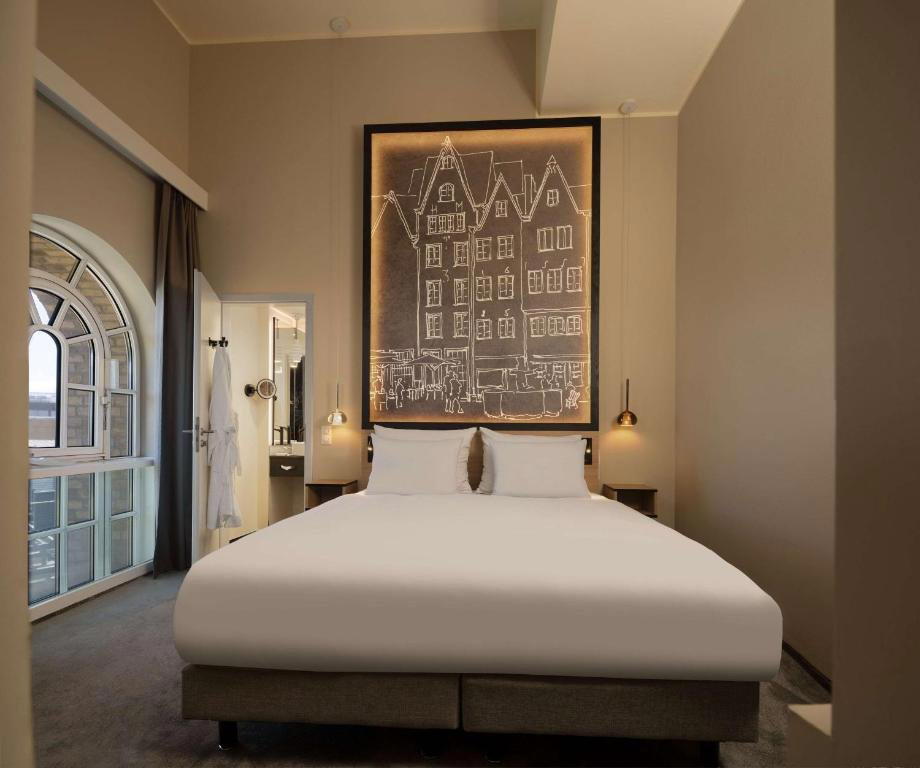
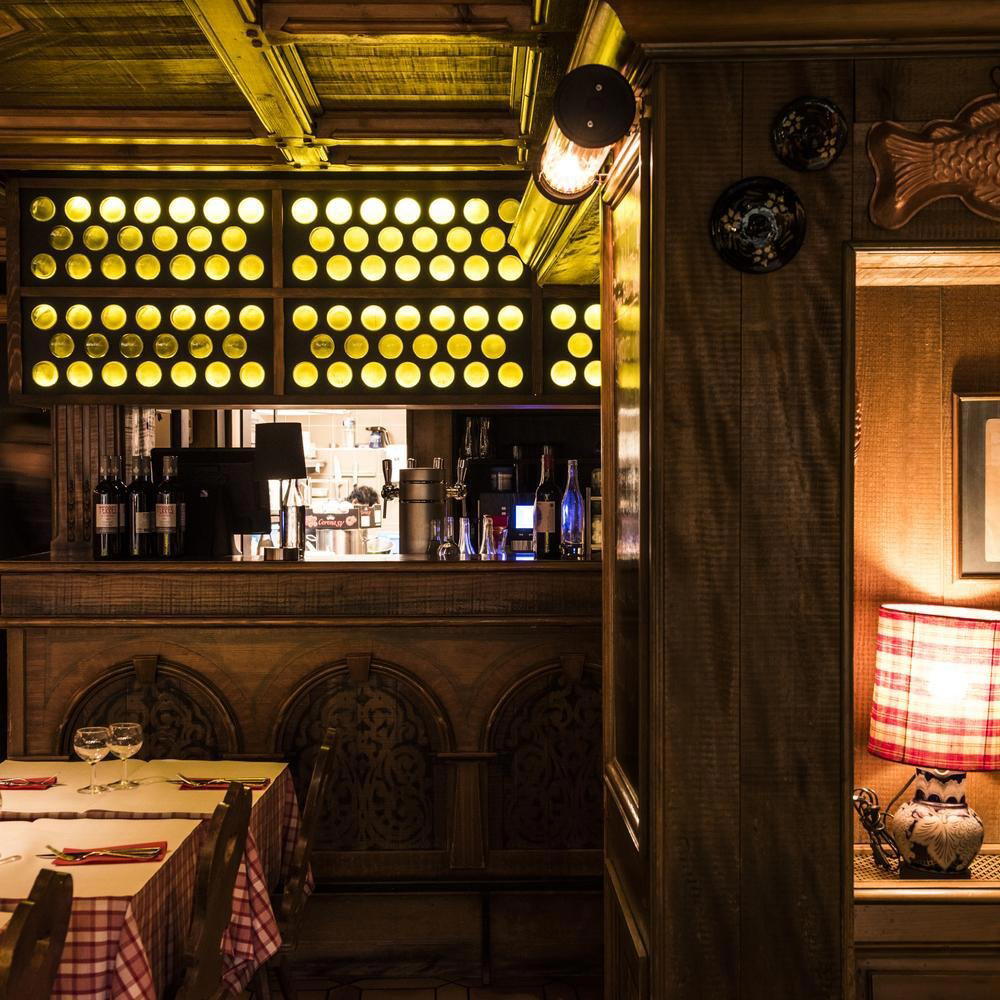
Minimalist interior with muted tones, timeless historical charm, open kitchen view, and an atmosphere of casual perfection and elegance.