
Michelin Selected
A Michelin Selected property on the Rhine in Koblenz, FÄHRHAUS takes its name and character from the historic ferry crossing at its address on An der Fähre. The setting places guests at the confluence of the Rhine and Moselle, where the city's waterfront identity is most concentrated. For travellers seeking a smaller, character-led base over an international chain, the location and recognition make it a considered choice.

Pearl is the En Primeur Club membership app — saves, bookings, and concierge access live there. Same editors, same standards.
- Address
- An d. Fähre 3, 56072 Koblenz, Germany
- Phone
- +49 261 201710
- Website
- faehr.haus
- Directions
- Get directions
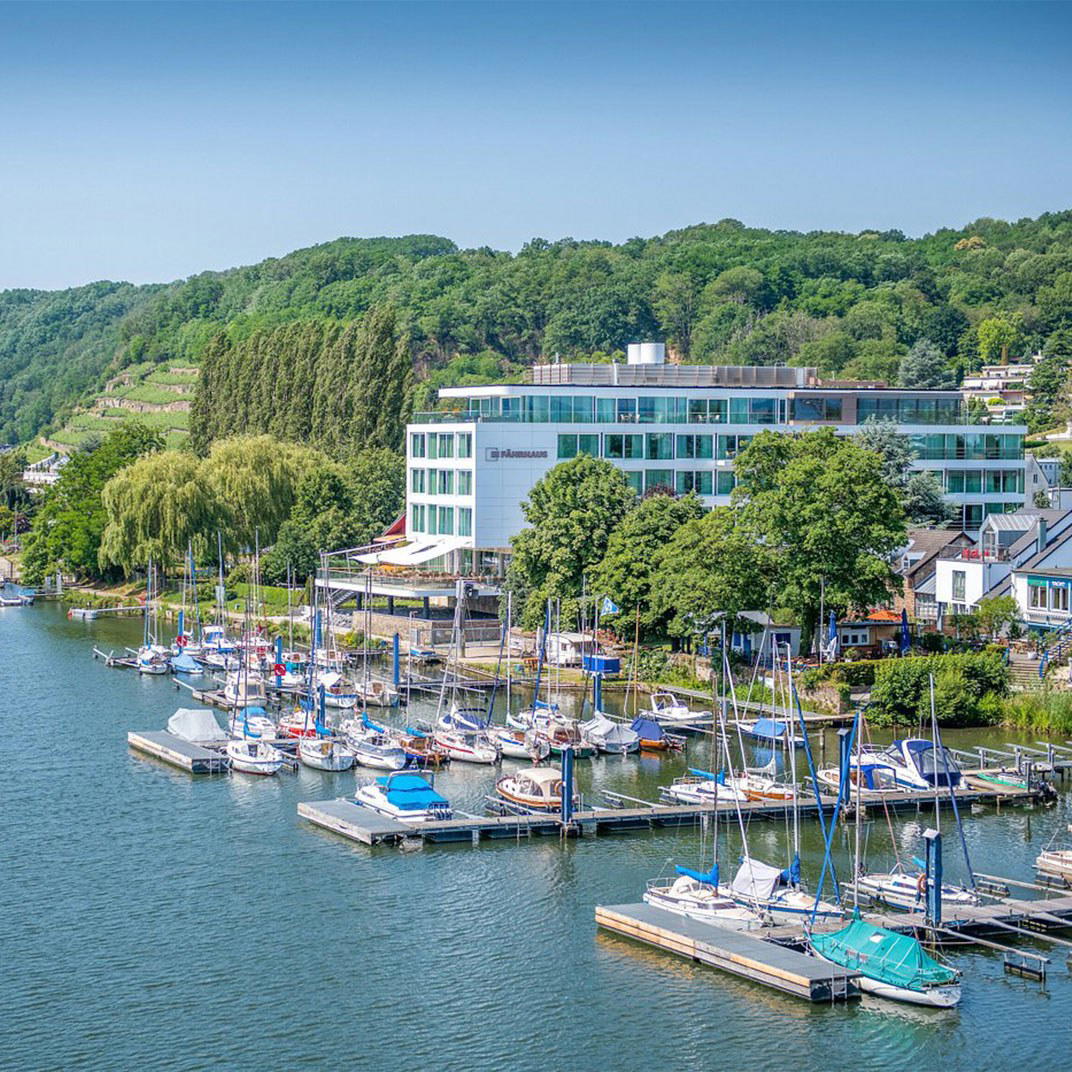
Where the Ferry Once Ran
Koblenz organises itself around water. The Rhine and Moselle converge here at the Deutsches Eck, and the city's leading addresses have always found their character in that relationship with the river rather than despite it. The FÄHRHAUS Koblenz sits at 3 An der Fähre, an address that carries its own history: Fähre means ferry crossing, and the name signals a building whose identity is inseparable from the working waterfront it once served. That kind of spatial narrative, where a property's physical origin is readable in its bones, is what separates character-led accommodation from generic hotel rooms that happen to have a river view.
Among Michelin Selected hotels in Germany's western river corridor, properties with a genuine vernacular connection to their site are far less common than those that simply deploy riverside imagery as a design motif. The FÄHRHAUS belongs to a smaller category: places where the setting is the architecture, not the backdrop.
Michelin Selected in a City of Confluences
The Michelin Selected designation, current for 2025, places FÄHRHAUS Koblenz within the guide's tier for properties that meet defined quality standards in comfort, character, and hospitality without necessarily carrying a star rating for cuisine. In a city the size of Koblenz, that recognition matters more than it would in Frankfurt or Berlin, where the field of comparable properties is deeper. Here, it functions as a reliable signal in a market where the choice between independent character hotels and mid-range chain properties is the operative decision for most travellers.
Koblenz sits at roughly 90 kilometres from Frankfurt by rail, a journey that takes under an hour on direct services, which positions it as both a standalone destination and a logical stop on a Rhine or Moselle itinerary. The city's UNESCO-listed Upper Middle Rhine Valley begins just south of the Deutsches Eck, meaning guests based at the FÄHRHAUS are effectively at the gateway to one of Germany's most architecturally significant river stretches, with Burg Rheinfels, Bacharach, and the Loreley accessible by boat or road within a half-day.
The Architecture of a Working Waterfront
German riverside towns developed a recognisable typology of buildings around their ferry crossings: practical structures that needed to manage passengers, cargo, and the unpredictability of river conditions. Over time, many were absorbed into the urban fabric and repurposed, their heavy construction and proximity to the water making them attractive candidates for hospitality conversions. The FÄHRHAUS name positions this property within that tradition, where the physical mass of the building carries a legibility that a purpose-built hotel rarely achieves.
In the broader context of premium independent hotels in Germany, the pattern of adaptive reuse has produced some of the country's most distinctive properties. The Telegraphenamt in Berlin occupies a converted telegraph office; Villa Contessa in Bad Saarow draws its character from its lakeside villa origins. FÄHRHAUS Koblenz operates within the same logic: a building whose prior function gives the guest experience a frame of reference that purely contemporary construction cannot provide.
Where It Sits in the German Hotel Scene
Germany's premium accommodation market has split along fairly clear lines over the past decade. At one end sit the grand urban institutions: the Fairmont Hotel Vier Jahreszeiten in Hamburg, the Breidenbacher Hof in Düsseldorf, and the Excelsior Hotel Ernst in Cologne, all of which compete on scale, long heritage, and proximity to major commercial centres. At the other end, a growing tier of smaller, design-conscious properties has emerged in secondary cities and resort locations, from the Seezeitlodge Hotel and Spa in Gonnesweiler to the LA MAISON in Saarlouis, places that compete on specificity of place rather than breadth of amenity.
FÄHRHAUS Koblenz belongs to this second cohort. Its Michelin Selected status aligns it with properties that the guide's hotel editors have identified as delivering a level of quality worth signalling to travellers, without the infrastructure of a full-service luxury hotel. For the right trip, that is precisely the point. Not every stay requires a spa wing and three restaurants; sometimes the correct choice is a well-positioned, well-maintained base in a city that rewards walking, river access, and proximity to the wine-producing valleys immediately to the south and west.
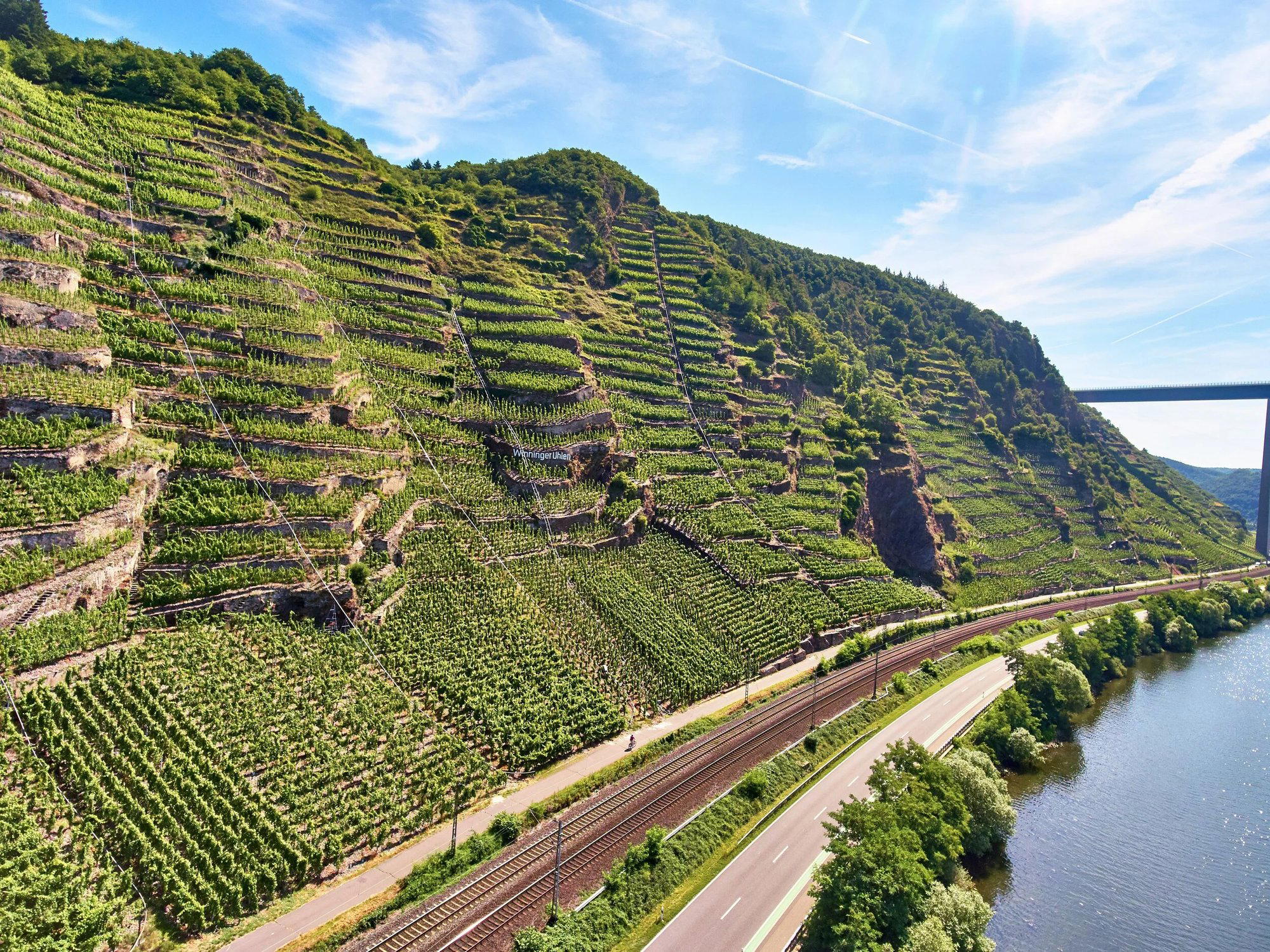
The Moselle Valley, beginning just west of Koblenz, is Germany's most concentrated Riesling region, with producers across the Bernkastel-Kues and Traben-Trarbach stretches offering cellar visits and direct sales. Guests using the FÄHRHAUS as a base for Moselle wine touring are following a pattern the region has supported for decades, and the hotel's waterfront location puts the river routes within immediate reach. For comparable smaller-hotel options elsewhere in Germany's wine and spa corridor, Esplanade Saarbrücken and Luisenhöhe in Horben serve similar functions in their respective regions.
Planning Your Stay
Koblenz is accessible by direct rail from Cologne in approximately 50 minutes and from Frankfurt in under an hour, making it one of the more straightforwardly connected secondary cities in western Germany. The FÄHRHAUS address at An der Fähre places it on the Rhine bank, within walking distance of the Altstadt and the cable car that connects the city to Festung Ehrenbreitstein, the clifftop fortress that serves as Koblenz's most visited landmark. Spring and autumn are the most productive seasons for visitors interested in the river valleys; summer brings higher prices and Rhine cruise traffic, while the wine harvest period in October makes Moselle day trips particularly worthwhile. Room availability at smaller Michelin Selected properties in Koblenz tends to tighten around the Bundesgartenschau legacy calendar and regional festival weekends, so advance booking is advisable for peak-season travel.
For travellers combining Koblenz with a wider Rhine or German itinerary, the Sofitel Frankfurt Opera covers the Frankfurt end of the corridor, while Althoff Seehotel Überfahrt in Rottach-Egern and Schloss Elmau represent the Bavaria tier for those continuing south. North Sea options such as Söl'ring Hof in Sylt, BUDERSAND Hotel in Hörnum, and Seesteg Norderney sit at the opposite end of Germany's accommodation geography. For broader context on where to eat and stay in the city, see our full Koblenz restaurants guide.
Side-by-Side Snapshot
Comparable venues nearby, for context on price, style, and recognition.
| Venue | Cuisine | Price | Awards | Notes |
|---|---|---|---|---|
| FÄHRHAUS KoblenzThis venue — the venue you are viewing | Contemporary luxury design hotel positioned as a destination retreat rather than transient accommodation, emphasizing architectural transparency and river integration. | $300–500 | Michelin Selected | Not listed |
| Steigenberger Inselhotel | Historic luxury hotel in former monastery | $200–300 | Michelin Selected | Old Town |
| Hyatt Regency Köln | Contemporary luxury with modern elegance; established 1988, renovated 2011-2012 with Hirsch Bedner Associates design. | $100–200 | Michelin Selected | Deutz |
| Strandhotel Ostseeblick | Contemporary classic beachfront hotel | $100–200 | Michelin Selected | Heringsdorf |
| Burghotel Staufeneck | Historic castle with modern five-star superior luxury | Not listed | Michelin Selected | Salach |
| Steigenberger Hotel Hamburg | Elegant country house with modern renovations | $100–200 | Michelin Selected | Alstertal |
Recognition history
Dated appearances from independent guides and award organizations, with the underlying list record or original source where available.
Michelin Selected
Michelin
Continue exploring
More in Koblenz
Hotels in Koblenz
Browse all →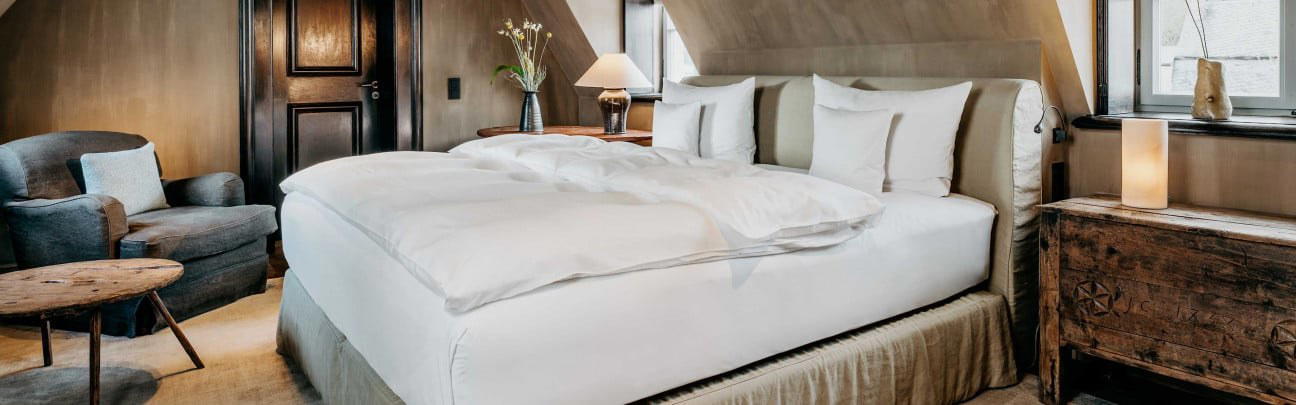
Bars in Koblenz
Browse all →
Restaurants in Koblenz
Browse all →
Details
- Modern
- Elegant
- Scenic
- Sophisticated
- Romantic Getaway
- Wellness Retreat
- Anniversary
- Weekend Escape
- Waterfront
- Destination Spa
- Panoramic View
- Infinity Pool
- Private Dining
- Wi Fi
- Pool
- Spa
- Fitness Center
- Sauna
- Room Service
- Concierge
- Valet Parking
- EV Charging
- Restaurant
- Bar
- Massage
- Waterfront
- Vineyard
- Wheelchair Accessible
- Elevator
- Accessible Restroom
- Step Free Entrance
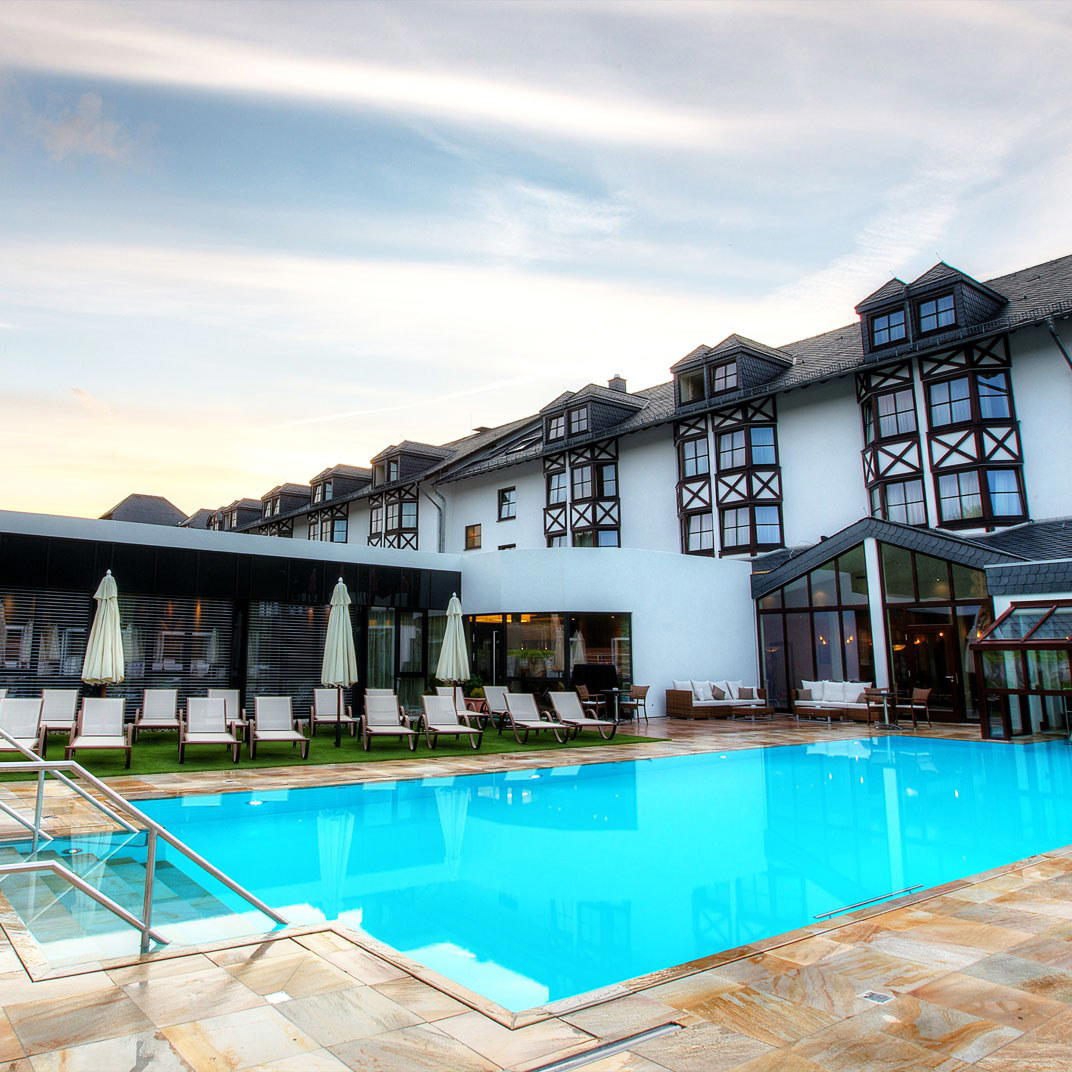
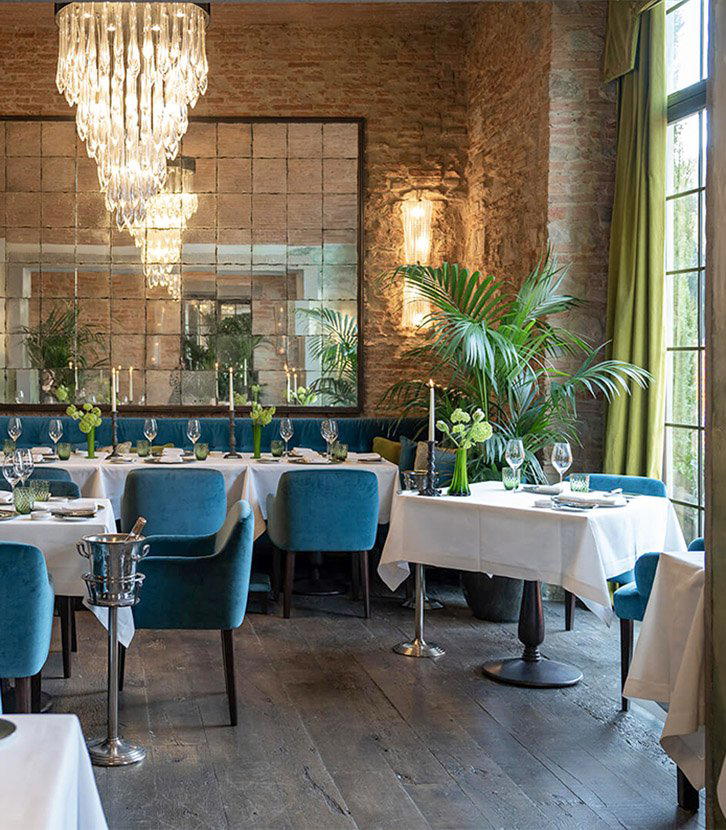
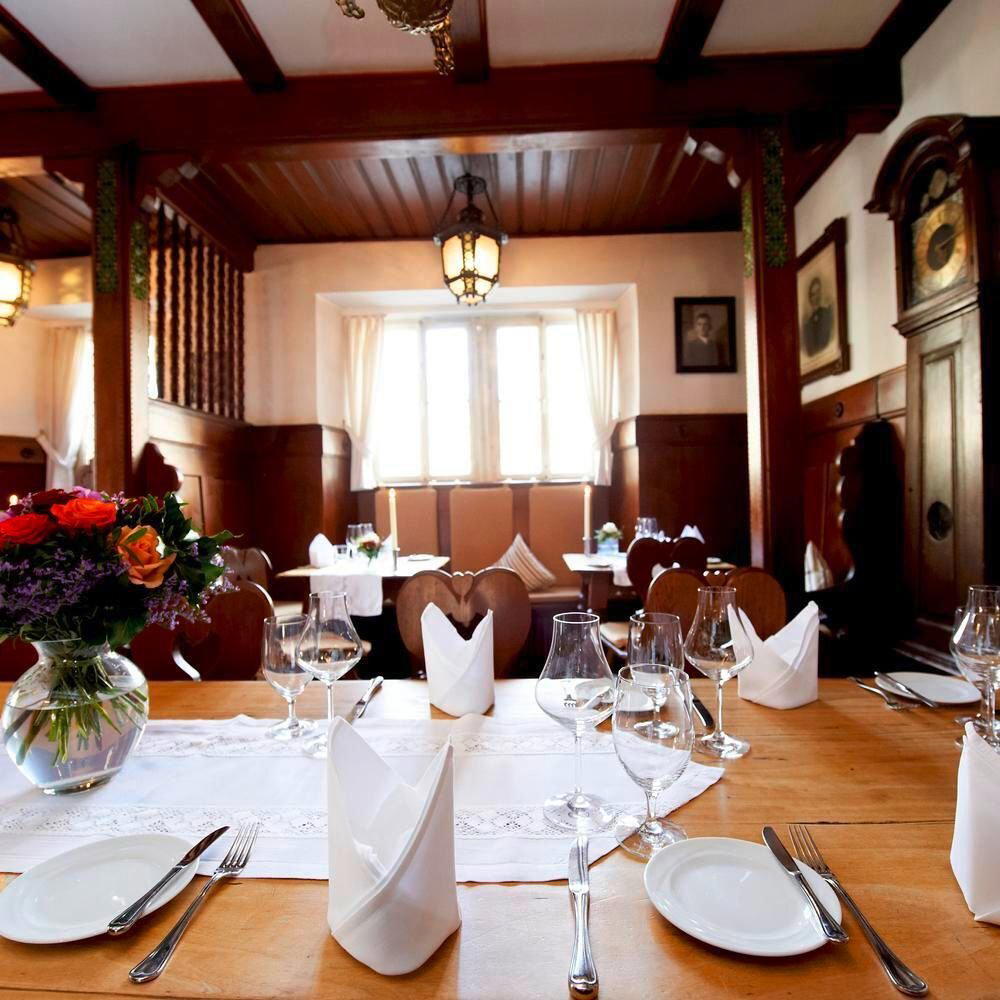
Calm, open, and transparent design with floor-to-ceiling windows overlooking the river; sophisticated yet welcoming atmosphere with high-quality furnishings and natural light throughout.