On Görresstraße in Koblenz's central district, Liesers Bistro occupies a spot in the city's mid-range dining fabric, where the bistro format carries its own set of expectations around pacing, informality, and the rhythm of a meal taken without ceremony. For visitors building an itinerary around the Rhine-Moselle confluence, it represents a neighbourhood option worth factoring into the wider dining picture.
Pearl is the En Primeur Club membership app — saves, bookings, and concierge access live there. Same editors, same standards.
- Address
- Görresstraße 12, 56068 Koblenz, Germany
- Phone
- +4926130001399
- Website
- liesers-koblenz.de
- Directions
- Get directions
 Saves & bookings on Pearl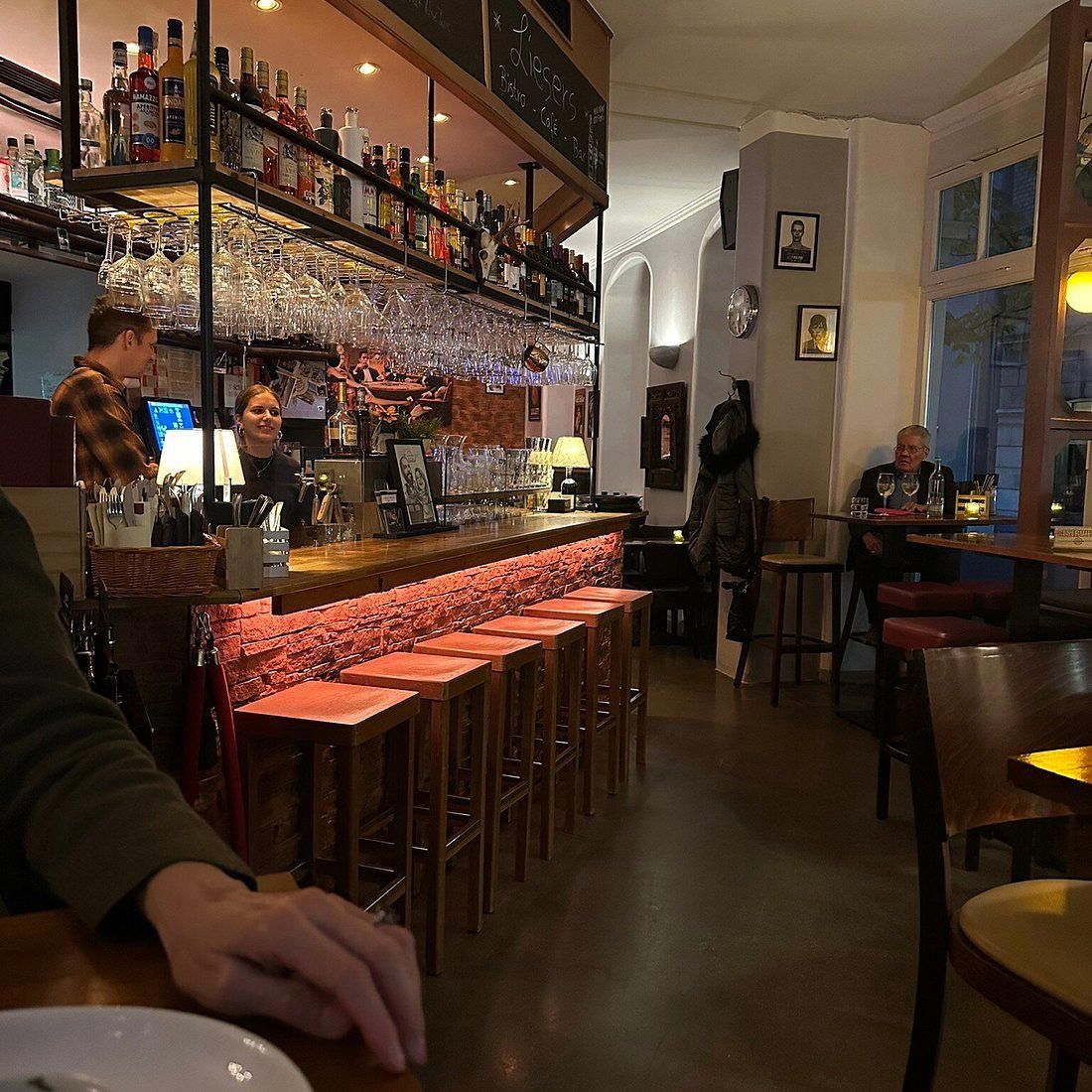
The Bistro Ritual on the Rhine
There is a particular rhythm to eating in a German city bistro that differs from both the white-tablecloth formality above it and the quick-service casualness below. The meal unfolds at a pace set by the room rather than the kitchen: a drink arrives, the menu is considered without pressure, and the evening has permission to extend. Görresstraße, a residential-commercial street in Koblenz's 56068 postal district, provides exactly that kind of backdrop for Liesers Bistro — a setting where the architecture of the meal matters as much as what arrives on the plate.
Koblenz itself occupies an underappreciated position in German dining. Positioned at the confluence of the Rhine and the Moselle, it draws wine-minded travellers from the surrounding regions — the Mosel valley to the west, the Ahr to the north, the Mittelrhein immediately around it, yet its restaurant scene has developed more quietly than comparable cities of similar size. The city's leading end is represented by places like Gotthardt's by Yannick Noack, which operates at the €€€€ tier with modern cuisine, and Schiller's Manufaktur, which brings classical technique to a similar price bracket. Below that tier, the mid-range options define the daily dining character of the city far more than the destination restaurants do.
What the Bistro Format Demands
The bistro, as a format, carries specific obligations that a restaurant at a higher price point can sidestep. There is less room for theatrical presentation or multi-hour tasting structures. The expectation is that a meal is complete, satisfying, and finished within a reasonable window, typically ninety minutes for a two-course lunch, slightly longer for dinner. German bistros in city-centre locations tend to anchor themselves to seasonal produce cycles and regional wine lists, partly because local supply chains are strong and partly because the clientele expects a sense of place from their neighbourhood table.
Koblenz's position between two major wine rivers gives any bistro operating here a natural pairing advantage. Mosel Rieslings, with their tension between acidity and residual sugar, suit the moderate richness of central European bistro cooking. Ahr Spätburgunder, Germany's most significant red wine zone by reputation despite its small size, offers a lighter-framed red that works across a wider range of dishes than many international alternatives. A bistro on Görresstraße that engages thoughtfully with either appellation places itself inside a regional narrative that the dining rooms at Verbene and FÄHRHAUS Koblenz also inhabit, each at their own price and format tier.
Koblenz in the Broader German Dining Conversation
Germany's restaurant culture has shifted considerably over the past decade. The concentration of Michelin recognition has remained in established centres, Munich, Hamburg, Berlin, the Black Forest, but the mid-tier has expanded and become more technically serious across the country. Venues like Aqua in Wolfsburg and Schwarzwaldstube in Baiersbronn define the upper ceiling of German fine dining. Closer to the Rhine-Mosel region, Waldhotel Sonnora in Dreis and Schanz in Piesport represent what serious cooking looks like in rural settings with strong wine connections. Vendôme in Bergisch Gladbach anchors the higher end of the NRW-adjacent corridor.
These reference points matter because they frame what a bistro in Koblenz is not competing with and what it is. A neighbourhood bistro on Görresstraße does not sit in the same conversation as Victor's Fine Dining by Christian Bau in Perl or Restaurant Haerlin in Hamburg. Its peer group is the everyday dining fabric of a mid-sized German city, and that is a legitimate and necessary tier. The city's dining scene as a whole is documented in our full Koblenz restaurants guide, which maps the range from casual to formal.
Internationally, the bistro format has proven more durable than many predicted. In cities like New York, where the full-service dining experience has bifurcated sharply between hyper-formal tasting menus (see Atomix) and technically serious casual rooms (see Le Bernardin's position at the seafood-formal end), the middle register has thinned. In German cities of Koblenz's scale, that middle register has held more firmly, supported by a dining culture that values regularity and neighbourhood loyalty over occasion-driven destination eating.
Pacing a Meal on Görresstraße
The dining ritual at a bistro on this kind of street follows its own logic. Lunch tends to draw a working-week crowd; dinner extends the format toward something slightly more considered. Seasonal German cooking at the bistro level typically moves through a short menu, three or four starters, a similar number of mains, with wine served by the glass from a rotating selection.
For visitors to Koblenz who have already experienced the more formal end of the city's options, GERHARDS GENUSSGESELLSCHAFT operates in this space, a bistro meal offers a different register of the same city. The wine regions surrounding Koblenz reward a slower, more exploratory approach to eating, and a bistro format accommodates that without requiring the full commitment of a tasting menu evening. Comparable formats have produced serious reputations elsewhere in Germany: JAN in Munich and CODA Dessert Dining in Berlin both demonstrate that format clarity at a particular price point builds a more coherent identity than format ambiguity at a higher one. ES:SENZ in Grassau takes a similar position in the Alpine context.
Planning a Visit
Liesers Bistro is located at Görresstraße 12 in central Koblenz, within the 56068 postal district. Given the limited availability of booking details in the public record, visiting in person or contacting the venue directly on arrival is the most reliable approach for confirming availability, particularly for weekend evenings when neighbourhood bistros in German city centres tend to fill from regulars first. Koblenz is accessible by rail from both Frankfurt and Cologne in under two hours, and the Görresstraße address sits within walking distance of the old town. For visitors spending more than a single evening in the city, the bistro format suits a second-night meal after a more formal first-evening booking elsewhere in the city's dining range.
How Liesers Bistro Koblenz compares with similar nearby venues.
| Venue | Cuisine | Price |
|---|---|---|
| Verbene | Modern Cuisine | €€€€ |
Continue exploring
More in Koblenz
Restaurants in Koblenz
Browse all →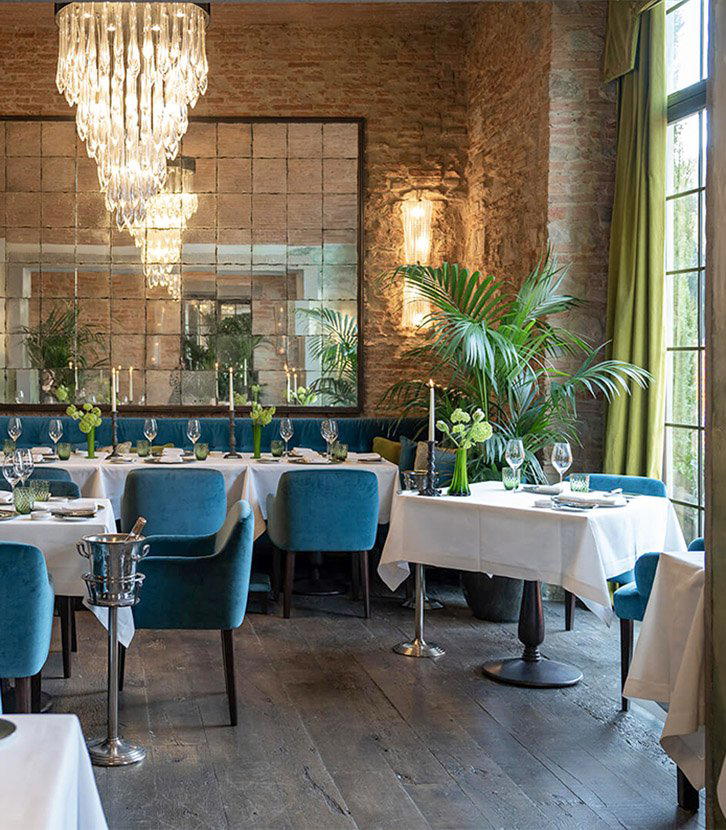
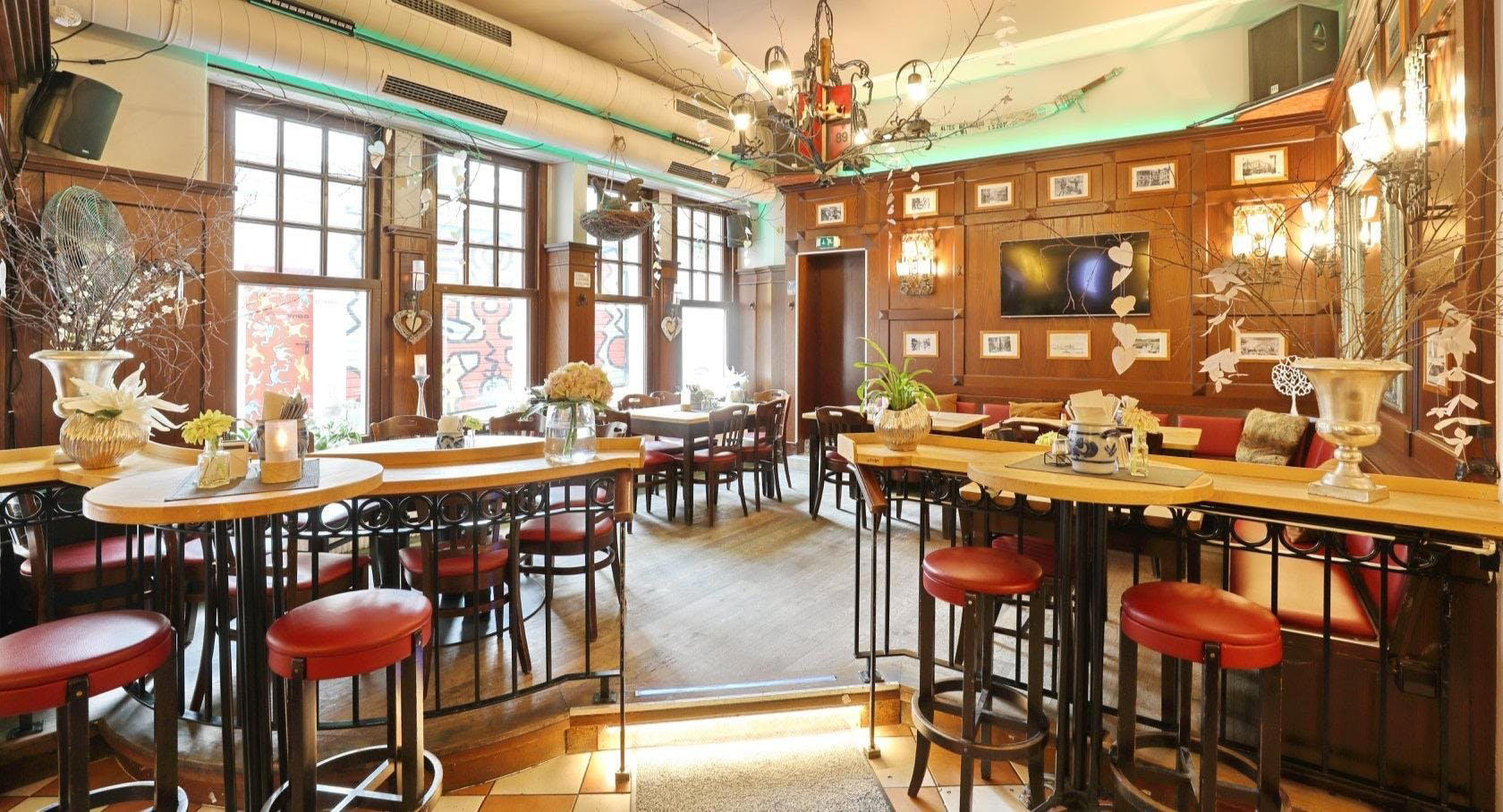
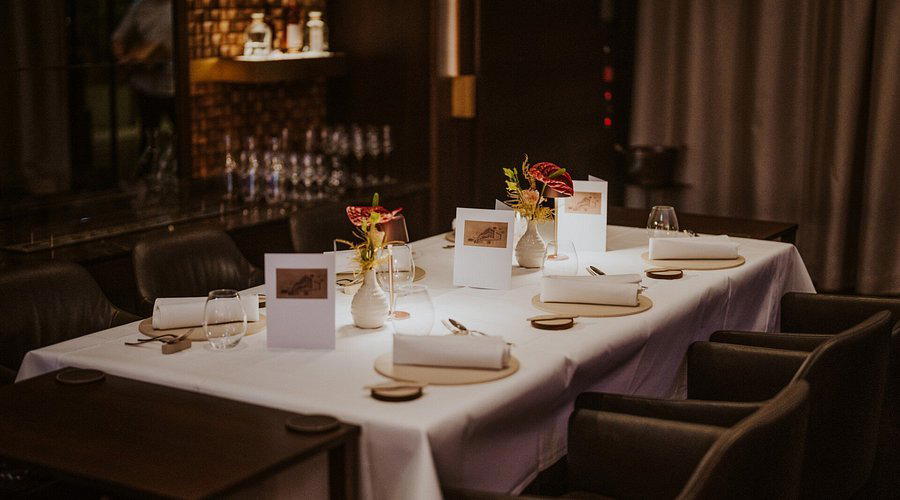

Bars in Koblenz
Browse all →
Hotels in Koblenz
Browse all →
At a Glance
- Cozy
- Date Night
- Casual Hangout
Current opening hours
- Monday
- 5 PM–12 AM
- Tuesday
- Closed
- Wednesday
- Closed
- Thursday
- 5 PM–12 AM
- Friday
- 5 PM–12 AM
- Saturday
- 5 PM–12 AM
- Sunday
- 5 PM–12 AM
Hours can change for holidays and private events. Last verified .
Inviting and cozy atmosphere suitable for casual dining.
Know Before You Go
- Getting there
- Görresstraße 12, 56068 Koblenz, Germany