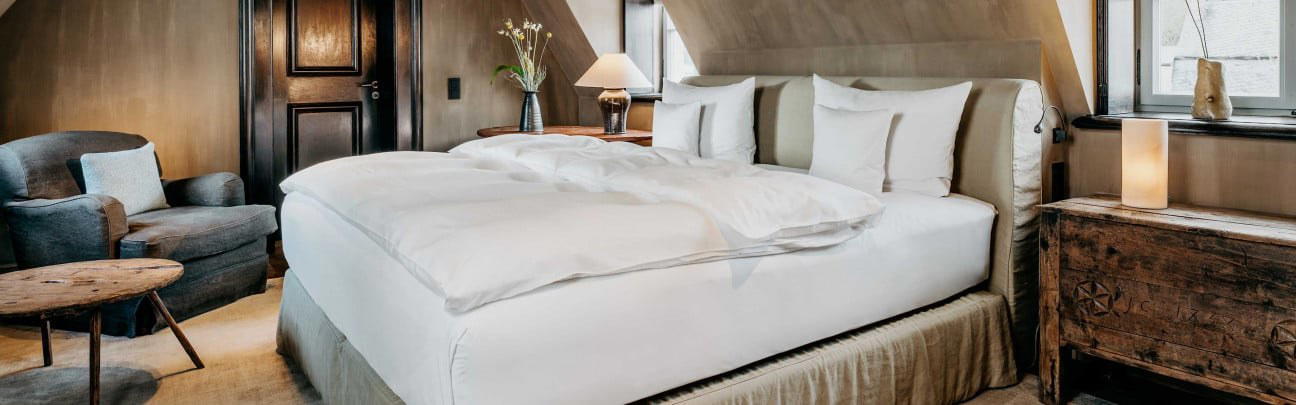
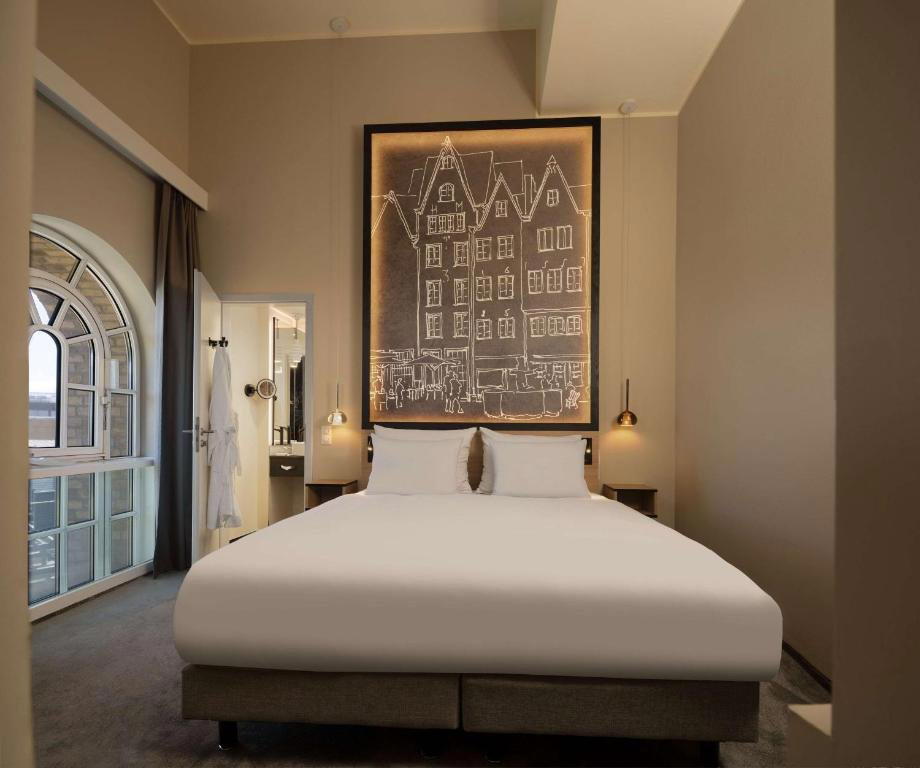
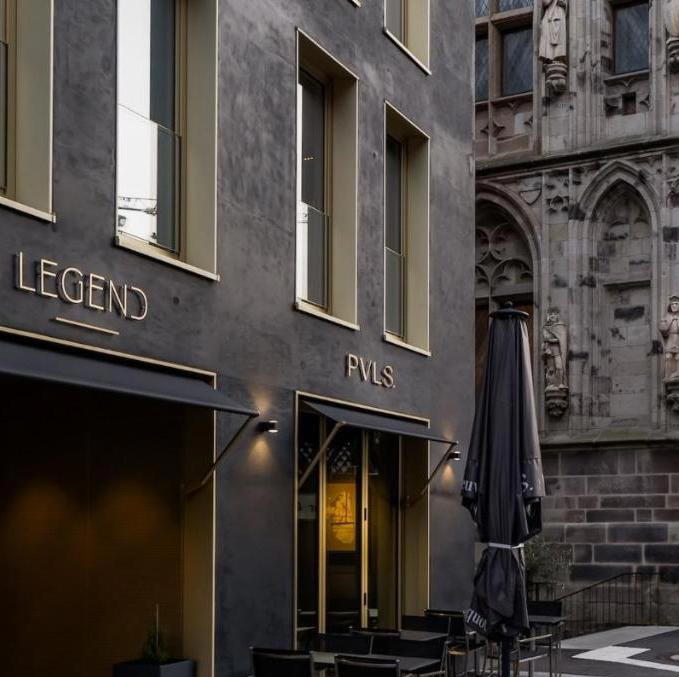
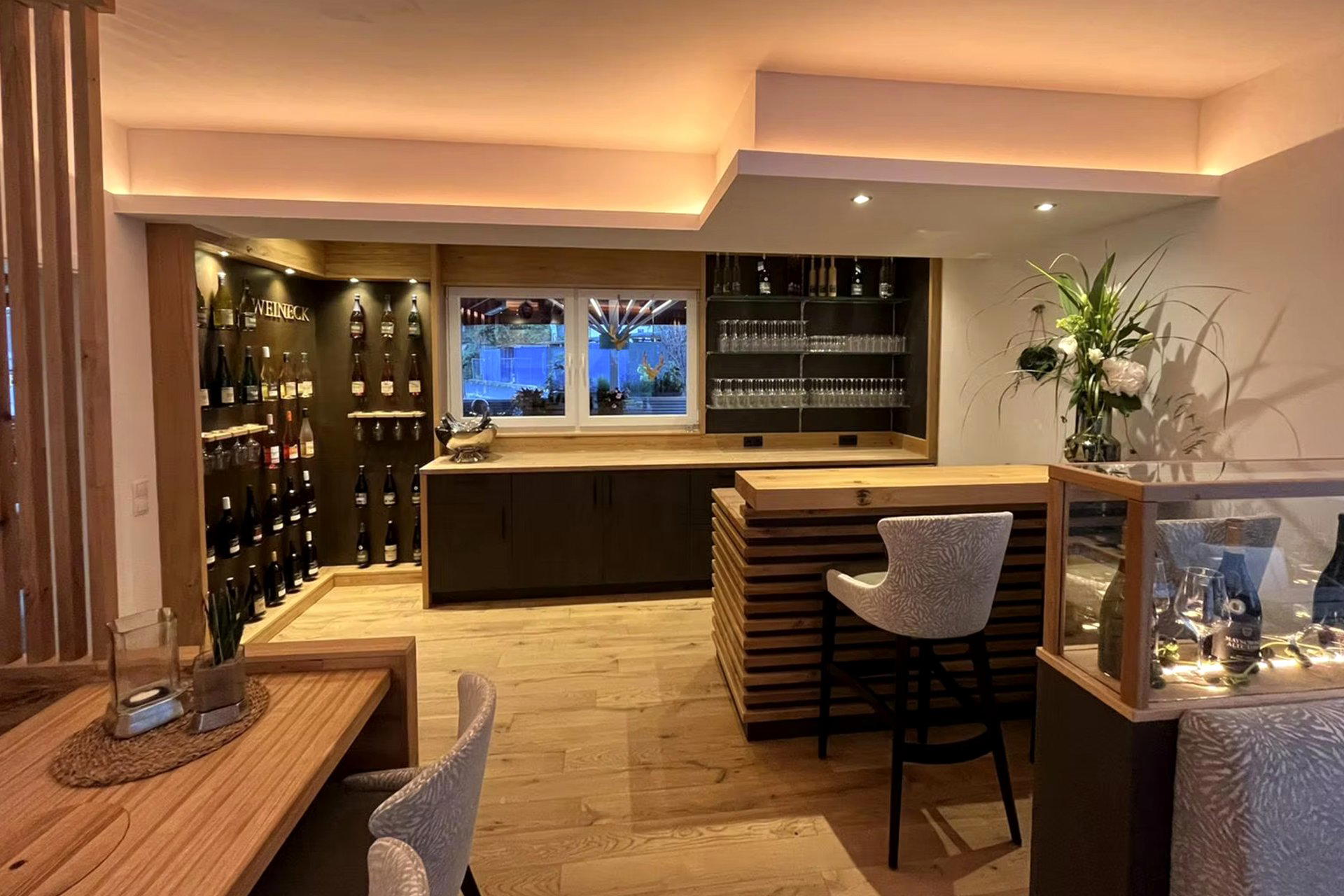
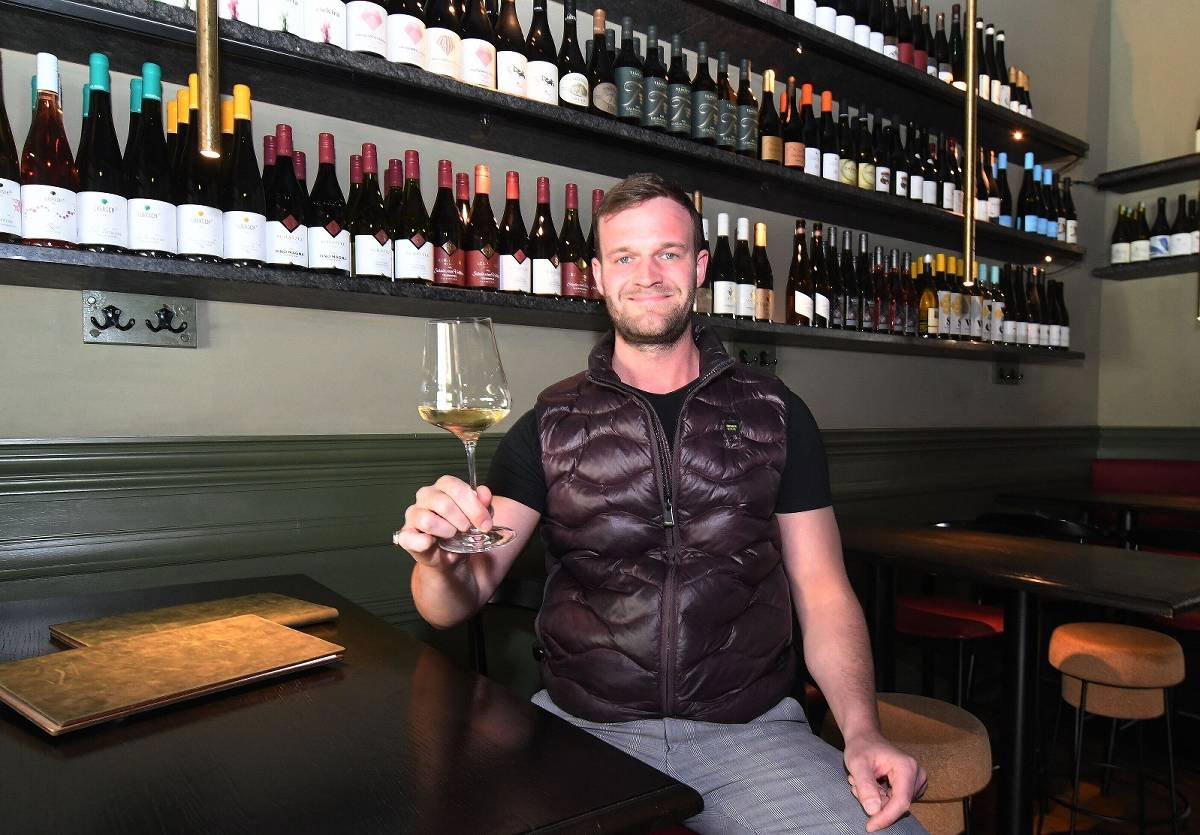
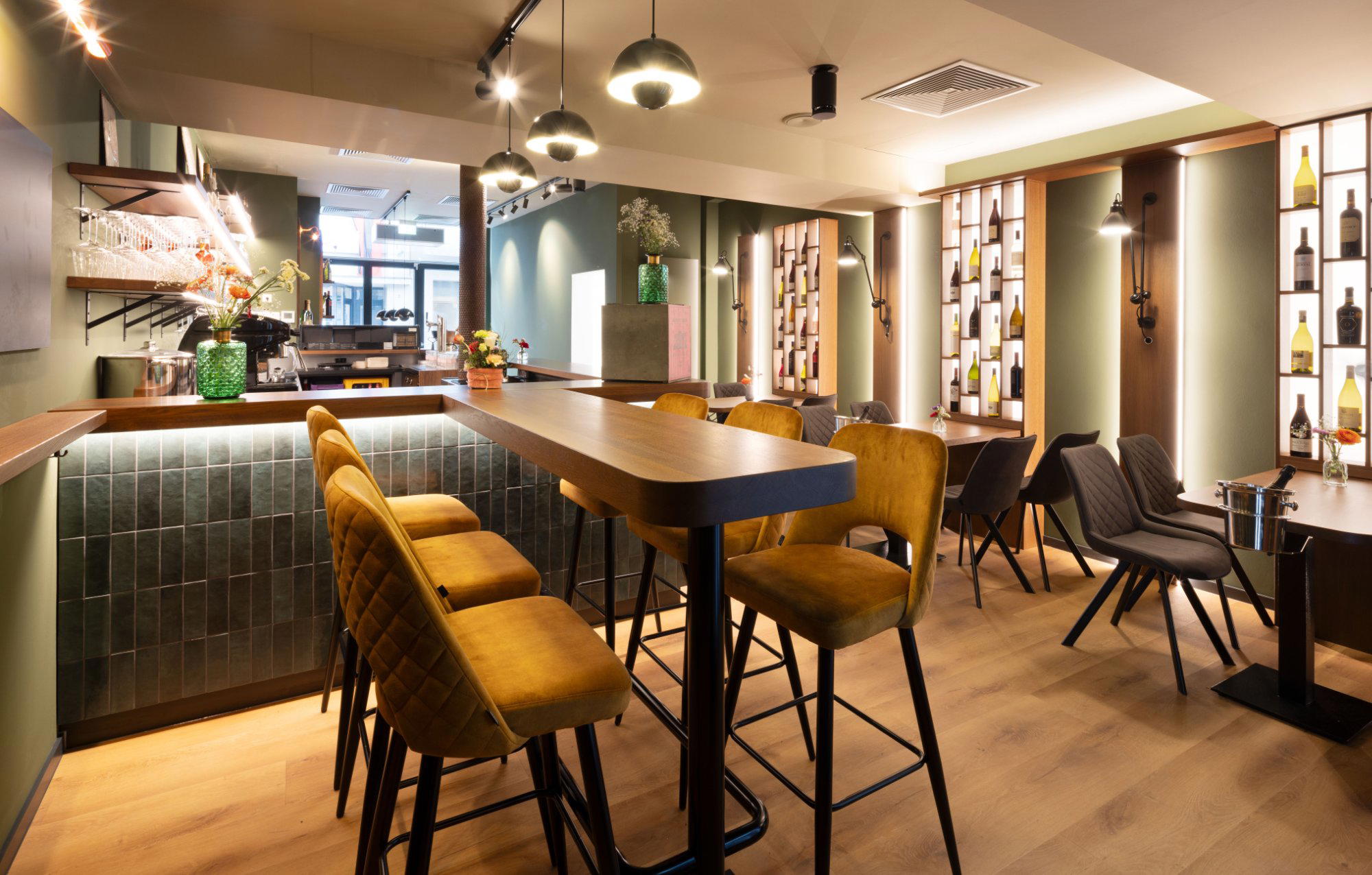
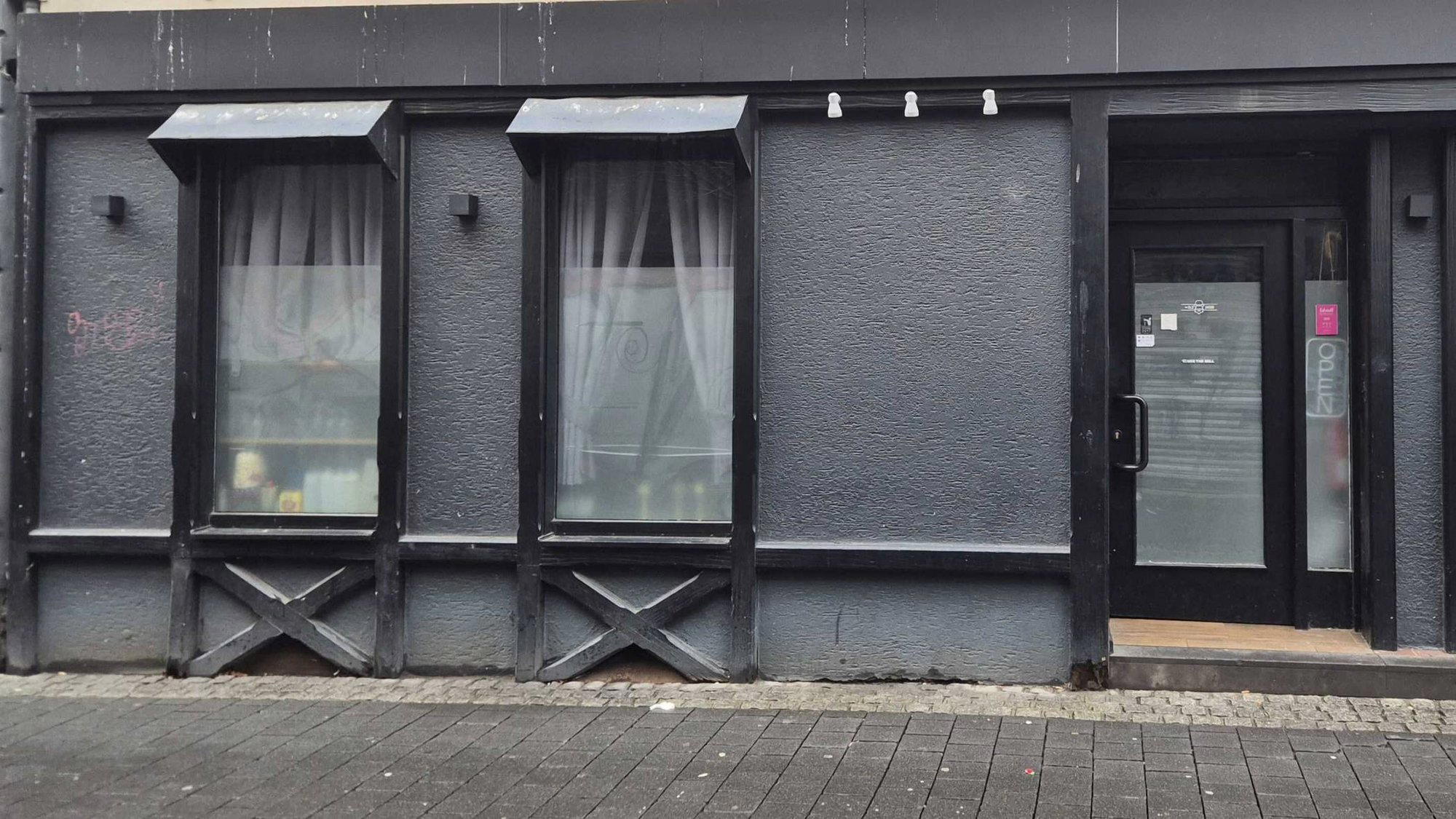
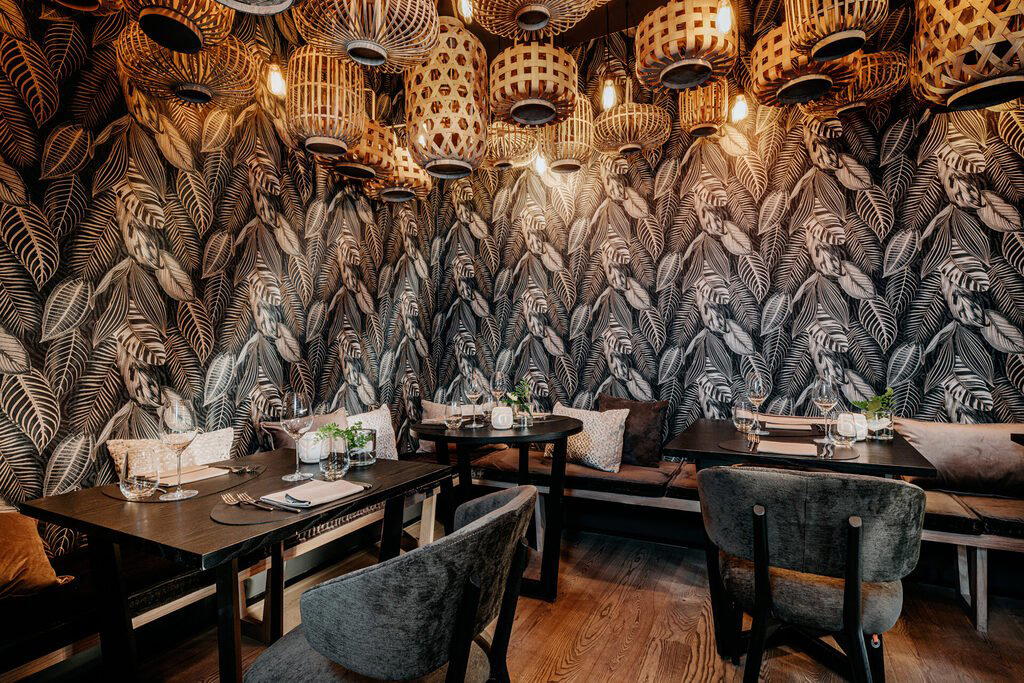
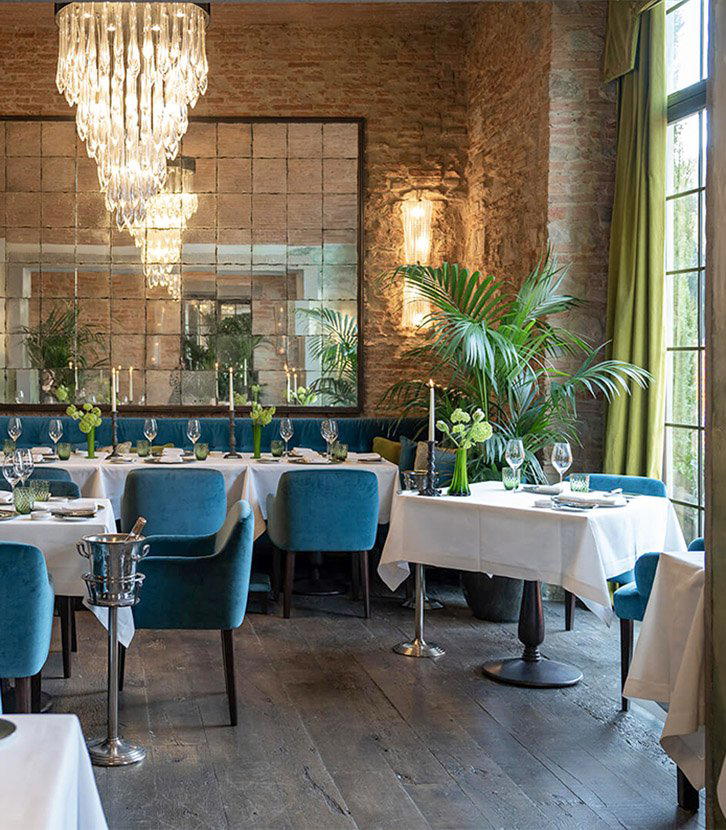
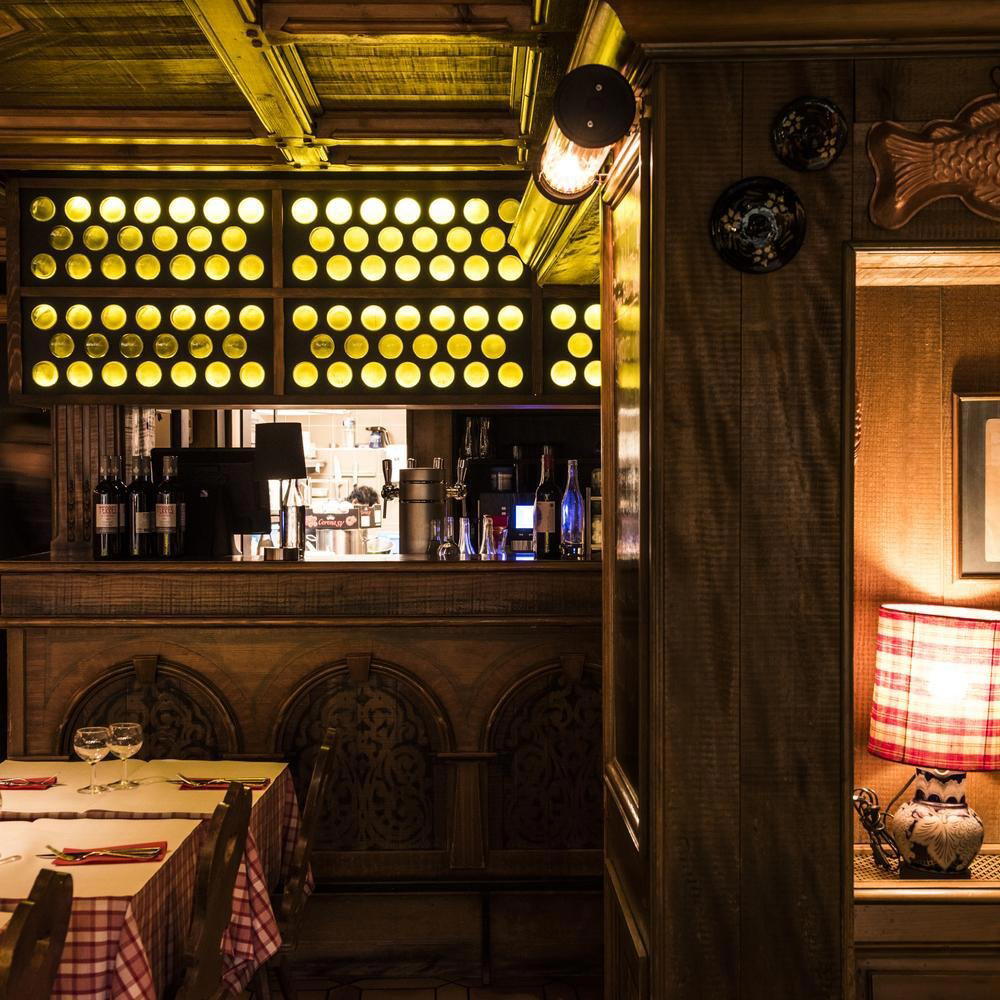
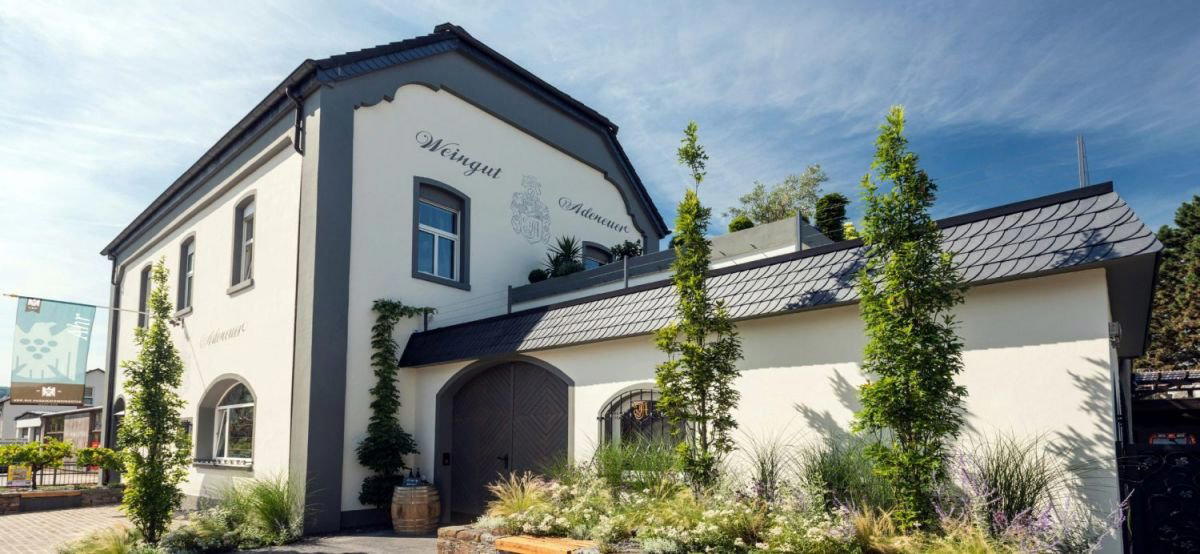
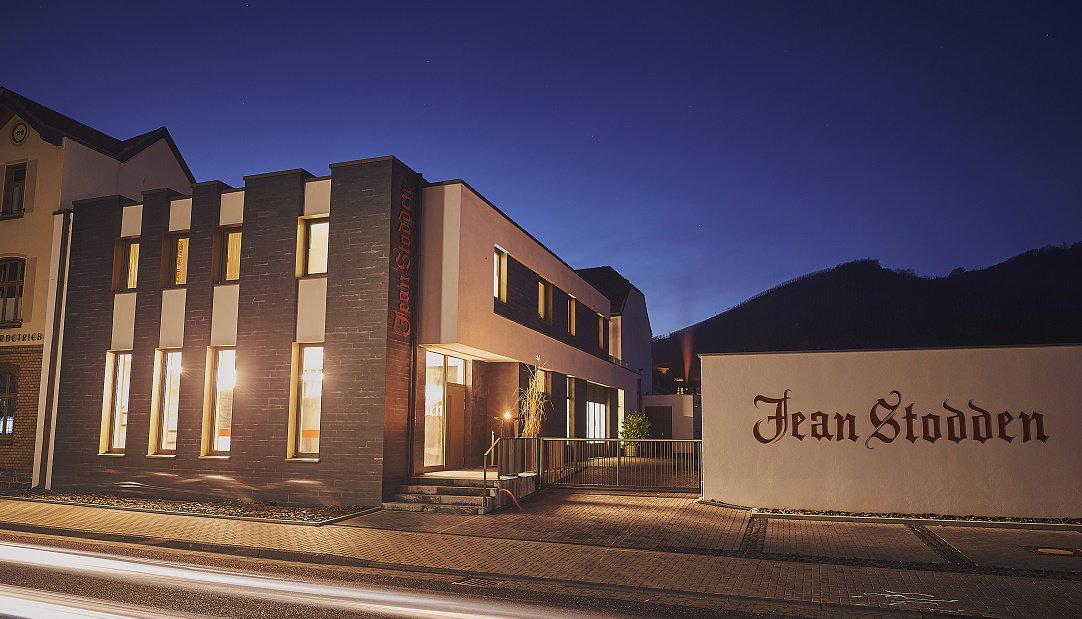
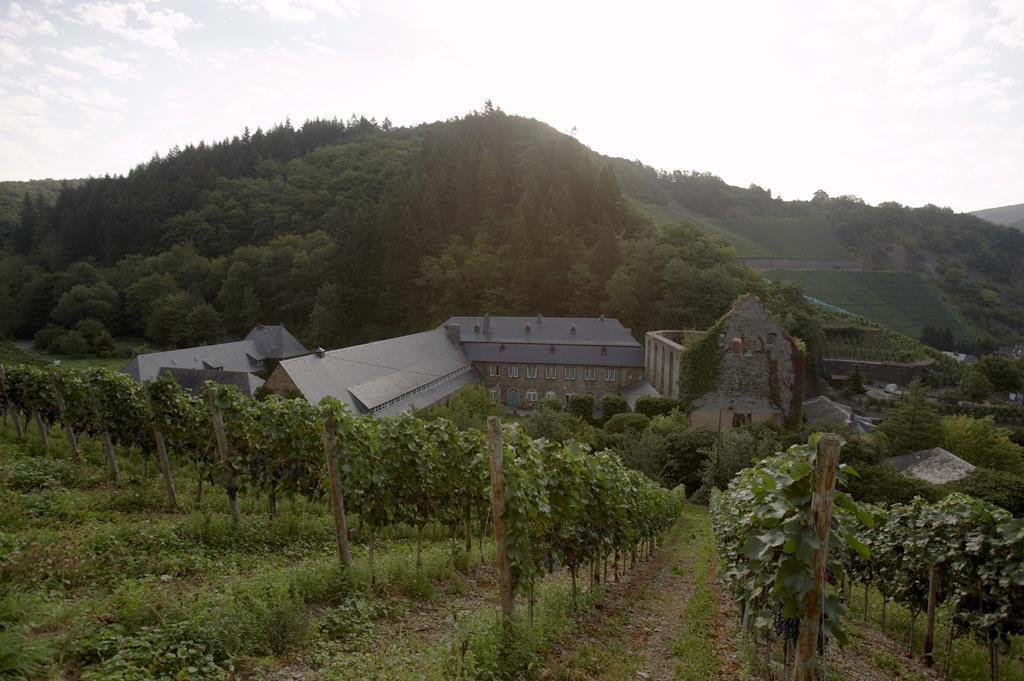
The main building dates back approximately 300 years, and that age is not incidental. Vervoordt's methodology tends to work with existing material rather than against it, the patina of old stone, the unevenness of historic joinery, so a structure of this age gives the design language something to collaborate with. For a cohort of travellers accustomed to seeing "heritage" used as a veneer applied to otherwise conventional hotel interiors, a property where the building's age is genuinely integrated into the design logic represents a different proposition.
Eleven Rooms and the Economics of Intimacy
The property runs eleven rooms. That number is not a limitation, it is a positioning decision. In the boutique hotel category, room counts below fifteen signal a specific operating model: one where the economics depend on rate premium rather than occupancy volume, and where the guest experience is shaped by the absence of the anonymity that larger properties cannot avoid. Properties in this tier, including LA MAISON in Saarlouis and Hotel Ketschauer Hof in Deidesheim, occupy the same niche, where the argument for choosing them over a larger address rests on access and atmosphere rather than amenity breadth.
Rates at PURS start from $410 per night, with the EP Club member price at $529. For the Rhine-Mosel region, that places it in the upper bracket of independent properties, comparable in rate to design-led hotels in cities with far higher baseline costs. The rooms in the historic main building carry the most direct expression of the Vervoordt aesthetic, and within an eleven-room property, the difference between room types matters more than it would in a 150-key hotel.
Nordic-Japanese Cuisine in a German River Town
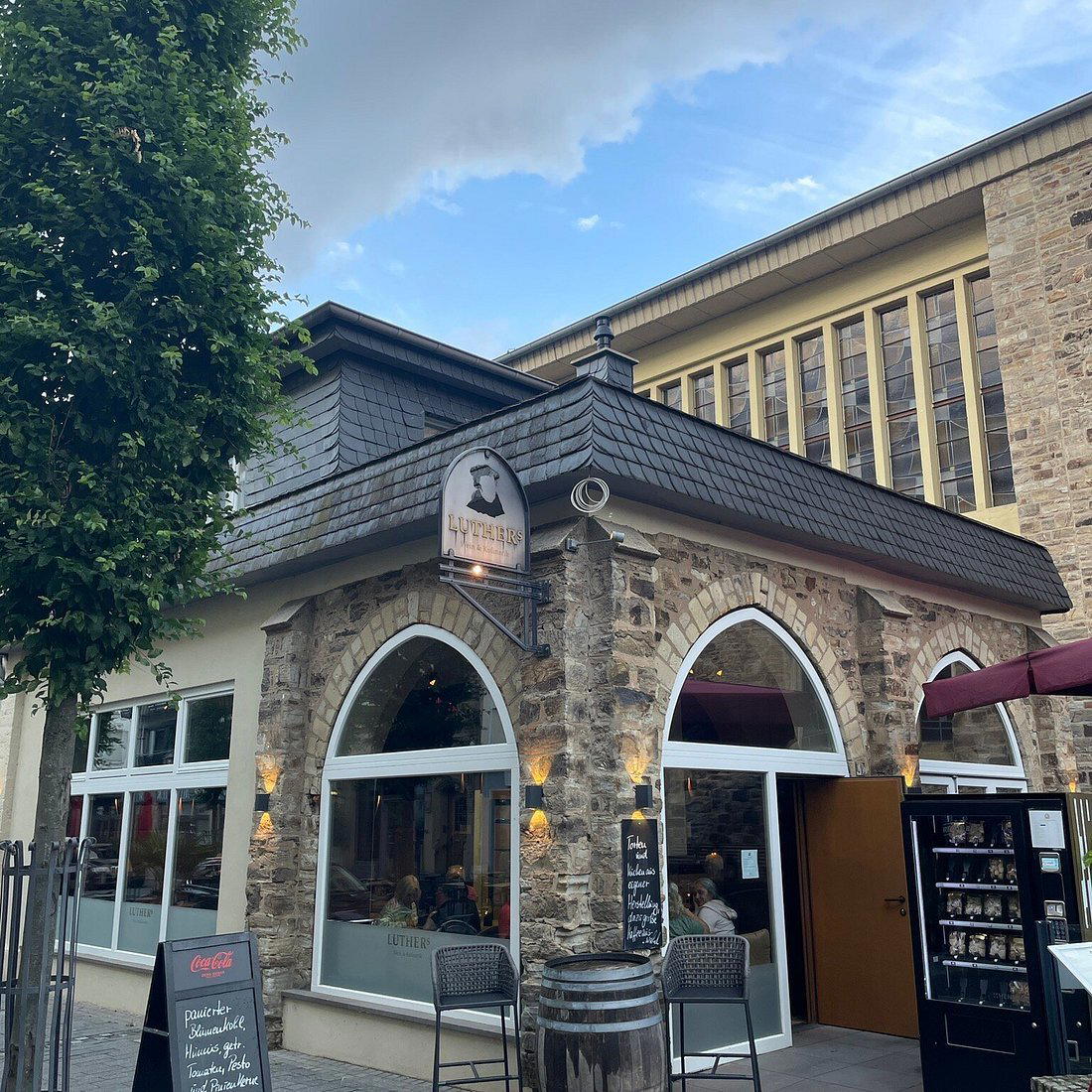
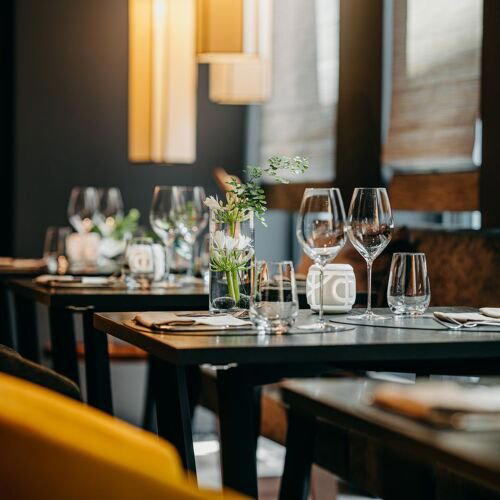
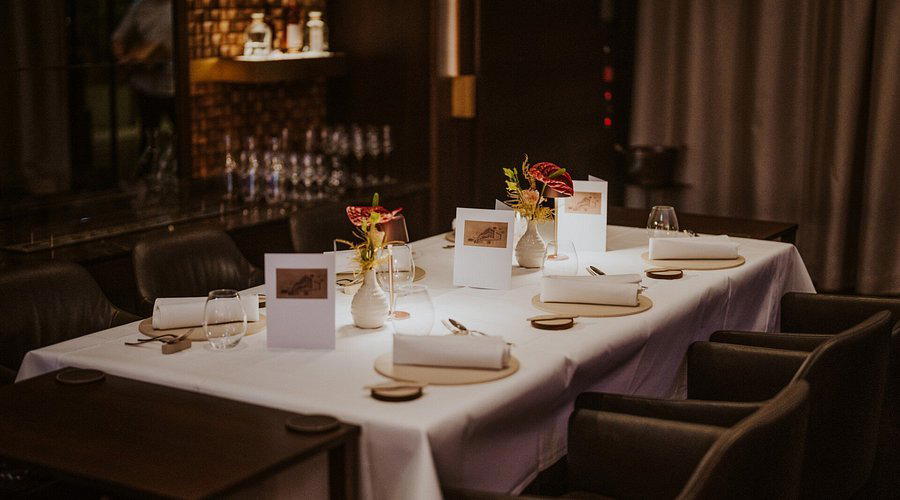
The restaurant at PURS operates on a format that positions it as a destination in its own right rather than a convenience for hotel guests. Nordic-Japanese nouvelle cuisine is a category that has moved from novelty to an established register in European fine dining over the past fifteen years, driven by the influence of fermentation-forward Nordic kitchens and the precision-obsessed Japanese approach to ingredient treatment. In Germany, the category sits alongside the country's strong tradition of regional produce-driven cooking, a tradition that properties like Hotel Bareiss in Baiersbronn represent at the leading end.
What Nordic-Japanese cooking offers in a setting like Andernach is a cuisine without local obligation, it does not need to answer to Rhineland tradition, which gives a small restaurant in a mid-sized German city a frame of reference that scales internationally rather than regionally.
The restaurant closure calendar is worth noting for planning purposes: PURS Restaurant closes from 19 August to 30 August 2025, while the broader hotel observes a closure from 10 to 19 August 2025. These staggered dates mean the windows for experiencing both the hotel and the restaurant simultaneously are defined. Anyone planning a visit should verify current dates directly, as annual closure periods can shift year to year.
Andernach: Why the Location Is Part of the Editorial Point
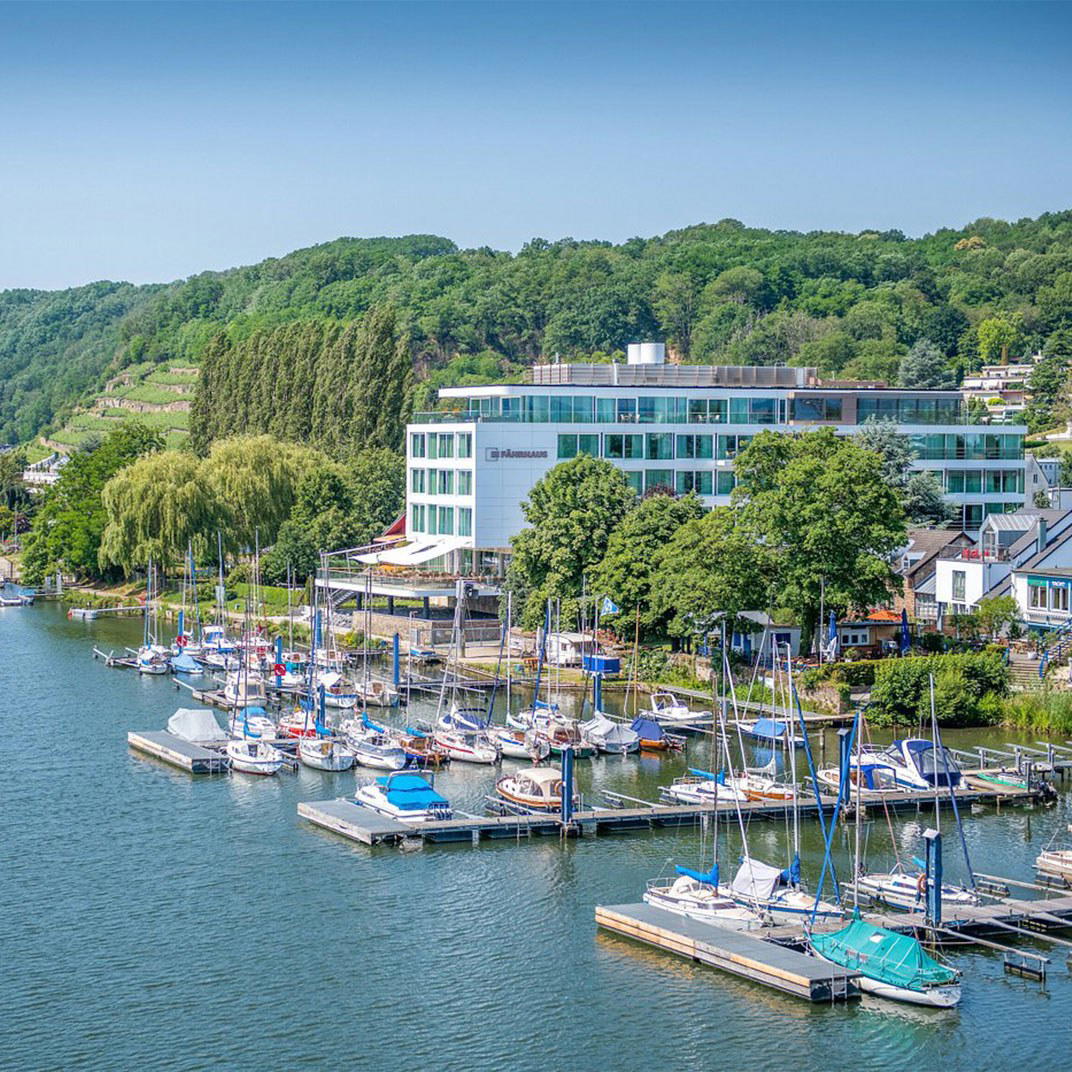
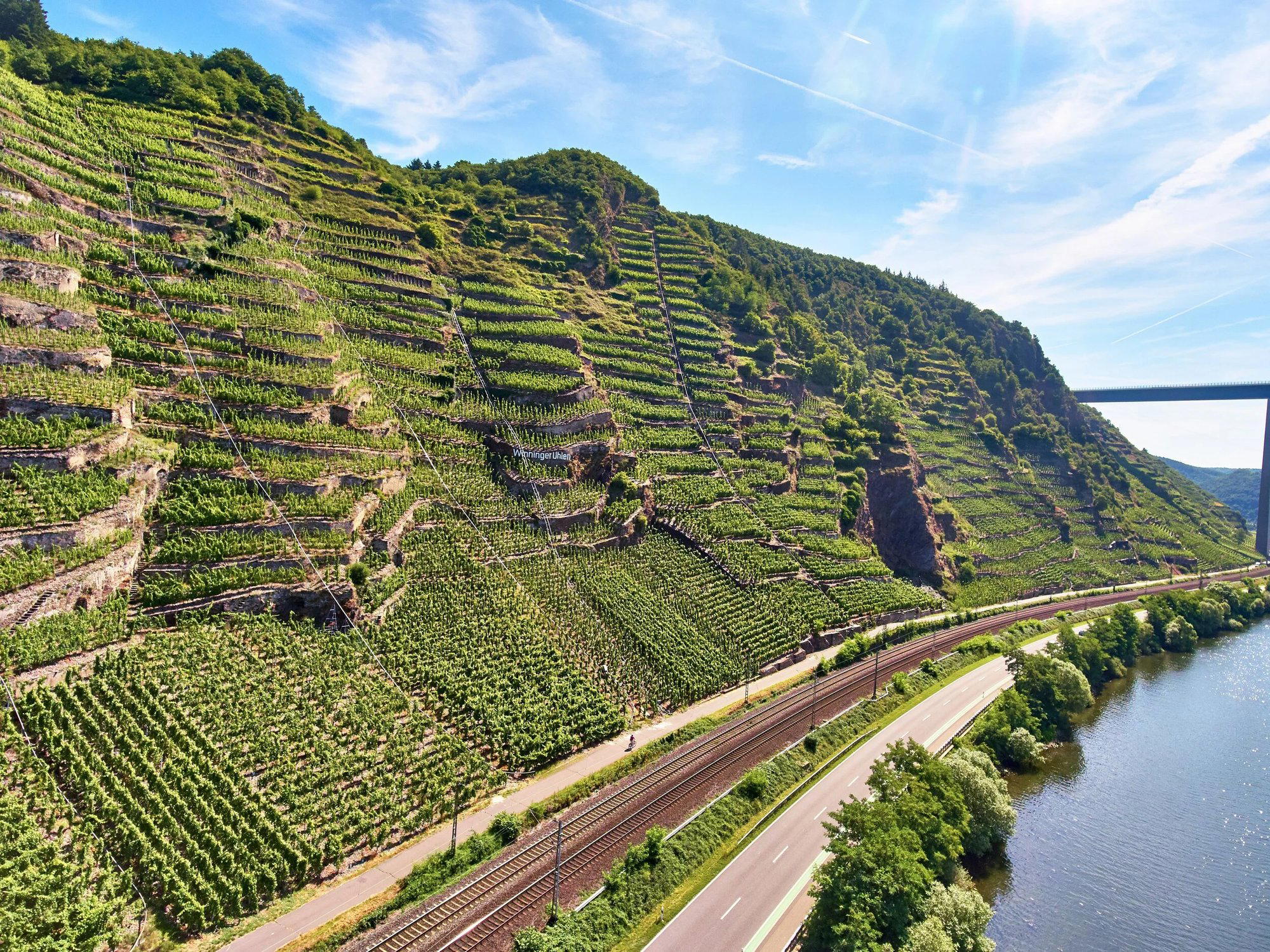
Andernach sits on the Rhine between Koblenz and Bonn, a historically significant town with a documented Roman foundation, a medieval old town, and a position in one of Germany's most travelled river corridors. It is not a city that generates significant independent hotel demand from business travel, which means that a property like PURS draws almost entirely on leisure travellers willing to build an itinerary around a destination stay rather than stopping incidentally.
That guest profile shapes everything about the operating model. A property drawing deliberate visitors rather than passing trade can sustain a higher design investment, a more demanding restaurant format, and a smaller room count. The comparison set for PURS is not the regional business hotel market, it is the cohort of German design-led properties where guests arrive with a specific property in mind: addresses like Villa Contessa in Bad Saarow or Bülow Palais in Dresden, which similarly ask guests to travel to them rather than accommodating guests already in transit.
For readers building a Rhine Valley itinerary, PURS offers a different register from the grander properties further south, the Althoff Seehotel Überfahrt in Rottach-Egern or the Schloss Elmau Luxury Spa Retreat & Cultural Hideaway in Elmau, and operates on a model that prizes editorial curation over facility breadth. See our full Andernach restaurants guide for wider context on what the town offers beyond the hotel itself.
Planning a Stay: What to Know Before You Book
PURS is an eleven-room property with defined annual closure windows for both hotel and restaurant. With a room count this small, availability during peak Rhine travel months, spring and autumn, when the river corridor draws the most visitors, compresses quickly. Booking well ahead of intended travel dates is practical necessity rather than precaution. The EP Club member rate sits at $529, while the public rate begins at $410, a spread that reflects the property's premium positioning in the independent German boutique market.
The restaurant operates as a bookable destination independently of hotel stays, which means demand for tables is not limited to the eleven rooms' worth of guests. Anyone planning to dine at PURS Restaurant during a stay should treat the restaurant booking as a separate logistics question from the room booking. The closure calendar for 2025 runs from 19 August through 30 August for the restaurant specifically, outside those dates, the restaurant schedule should be confirmed at time of booking.
PURS occupies that same tier, distinguished by the Vervoordt signature and the Nordic-Japanese restaurant format, in a river-town setting that requires, and rewards, a deliberate choice to be there.