Alloro
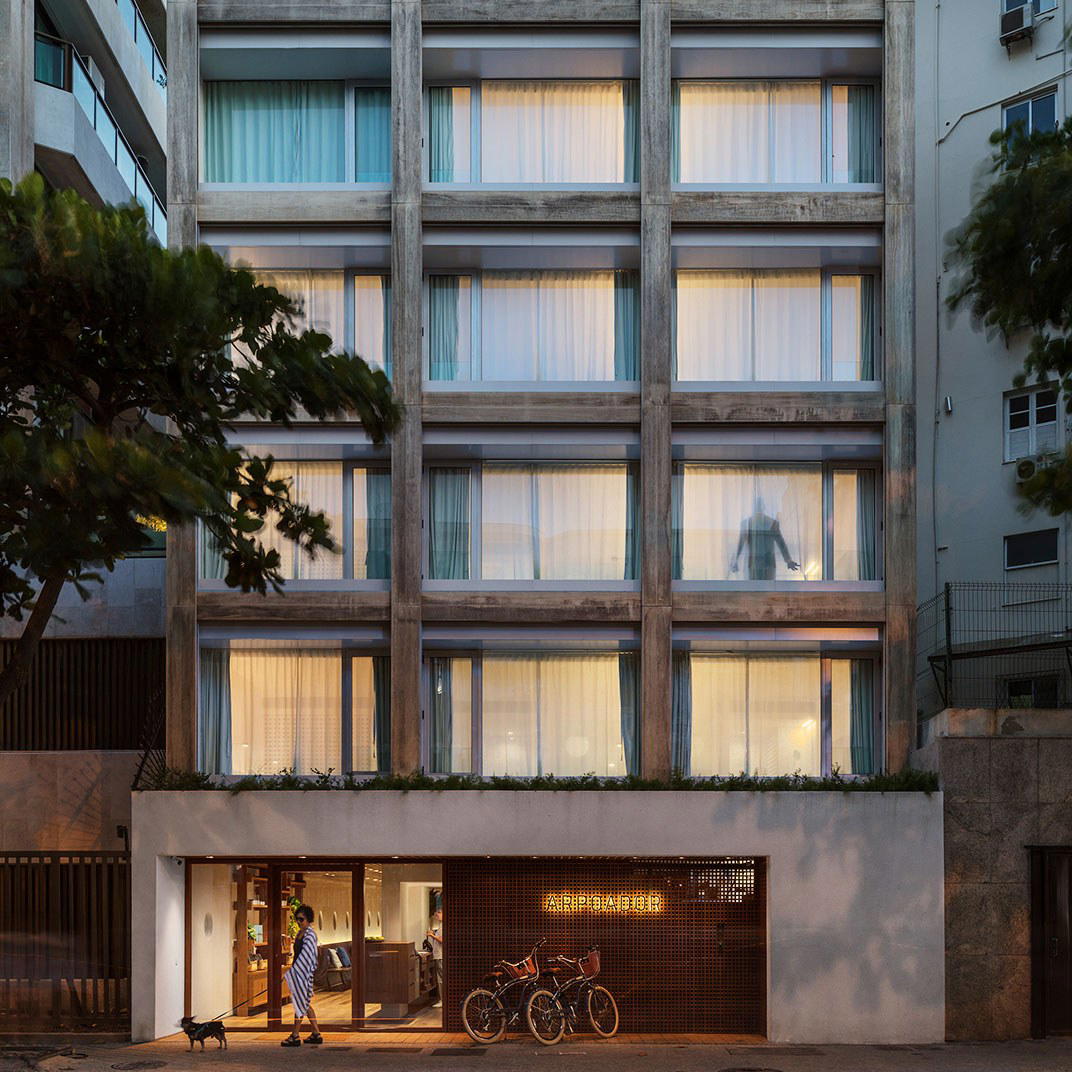
On Avenida Atlântica in Copacabana, Alloro occupies a position where the Atlantic-facing boulevard meets Rio's appetite for European-inflected dining. The address alone places it within a competitive set that includes long-standing Italian rooms and newer contemporary tables, making it a reference point for understanding how Italian cuisine has evolved along this stretch of coastline.
Pearl is the En Primeur Club membership app — saves, bookings, and concierge access live there. Same editors, same standards.
- Address
- Av. Atlântica, 3668 - Copacabana, Rio de Janeiro - RJ, 22070-001, Brazil
- Phone
- +552121956213
- Website
- windsorhoteis.com
- Directions
- Get directions
 Saves & bookings on Pearl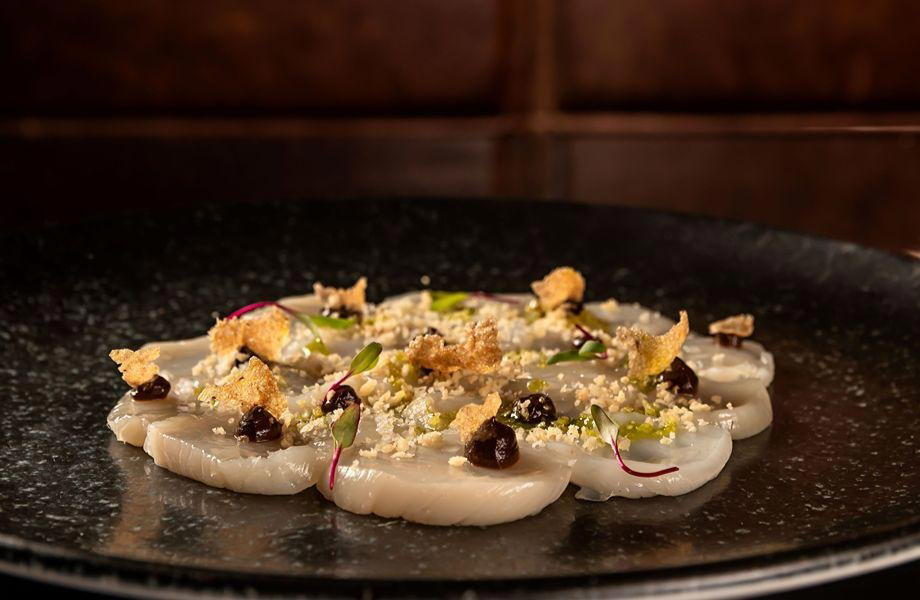
Where Copacabana's Boulevard Meets the Table
Avenida Atlântica is one of the more loaded dining addresses in South America. The boulevard runs the length of Copacabana beach, and the restaurants positioned along it or directly off it operate against a backdrop that is simultaneously tourist-facing and fiercely competitive among locals. Alloro, at Av. Atlântica, 3668, sits inside that tension. The address signals proximity to the ocean, but the question any serious diner asks is whether the kitchen can hold its own against the deeper roster of Rio tables that have spent the last decade redefining what dining in this city means.
That decade matters. Rio's restaurant scene has undergone a meaningful shift, driven partly by the international visibility that came with the 2016 Olympics and partly by a generation of Brazilian chefs who trained abroad and returned with techniques calibrated to local ingredients. The result is a city where the ceiling for serious dining is higher than it was fifteen years ago, and where European-inflected rooms like Alloro have to position themselves carefully against both the modernist Brazilian tables, Lasai and Oteque occupy the upper bracket with Michelin recognition, and the Italian rooms that compete directly on the same culinary register.
The Italian Table in Rio: A Context Worth Understanding
Italian cuisine in Rio occupies a longer history than in most South American cities. The Italian immigrant community that shaped São Paulo's food culture also left a quieter but durable mark on Rio, producing a restaurant tradition that runs from neighbourhood trattorias in Santa Teresa and Leblon through to the polished rooms along the Zona Sul coast. Within that tradition, the contemporary Italian category has been shaped by places like Oro, which blends Italian and Brazilian registers, and Cipriani, which occupies the legacy-luxury end of the spectrum at the Copacabana Palace. Alloro's position on Atlântica places it in direct conversation with Rio's Italian dining scene.
The broader Brazilian fine dining circuit provides useful reference points. D.O.M. in São Paulo demonstrated how a European-trained chef could build a world-recognised restaurant around Brazilian ingredients; that model influenced how Rio's serious kitchens think about sourcing and identity. Regional rooms like Orixás in Itacaré and Manga in Salvador show how far outside the Rio-São Paulo axis serious dining now extends. Against that national context, a Copacabana Italian address is making a specific and deliberate choice about where it wants to compete.
Reading the Meal as a Sequence
The logic of a tasting progression at a room like this follows a pattern recognisable across Southern European cooking: lighter, more acid-driven courses in the early stages, building through pasta and protein toward something that closes with restraint rather than excess. The Italian culinary tradition handles this arc differently from French haute cuisine, favouring ingredient clarity over constructed complexity. At the better Italian rooms in Rio and across Brazil, Olivetto in Campinas is a useful regional example with its enoteca format, the wine list is treated as a structural element of that progression rather than an afterthought. A kitchen serious about Italian cooking will sequence courses to move from delicate to strong flavours in a way that makes the wine pairing legible rather than arbitrary.
Copacabana address also carries implicit expectations about the opening register. Diners arriving from the boulevard, often after time on the beach or before an evening walk along the seafront, tend to arrive in a different frame than those coming from the business districts of Centro or Botafogo. The leading Italian rooms account for this: lighter antipasti, a crudo register that acknowledges both Italian and Brazilian coastal traditions, before moving toward the heavier architecture of a ragù or a braised meat course. It is the kind of sequencing that rewards patience and penalises rushing, a point that distinguishes the rooms worth spending two hours in from the ones that fill covers and move on.
Placing Alloro on the Rio Map
Rio's dining geography clusters differently from São Paulo or Buenos Aires. Ipanema and Leblon carry the highest concentration of neighbourhood restaurants with local loyalty; Botafogo has developed into a younger, more experimental zone over the last decade; and the Zona Sul coast from Leme through Copacabana carries a mix of legacy rooms and hotel dining that draws both international visitors and Cariocas who associate the area with occasion dining. Casa 201 represents the French register within that broader Zona Sul offer.
Internationally, the arc from a Copacabana Italian room toward the kind of precision seen at Le Bernardin in New York or the structured progression at Lazy Bear in San Francisco reflects how much the global conversation around tasting menus has influenced what diners now expect from any room operating at the upper end of the market. The question for a Rio Italian table is whether it is engaging that conversation or choosing to sit slightly outside it, and both are defensible positions, provided the kitchen has the depth to back the choice.
Beyond Rio, the wider Brazilian fine dining circuit rewards exploration: Manu in Curitiba, Mina in Campos do Jordão, and Primrose in Gramado each demonstrate how regional Brazilian dining has developed distinct identities independent of the major city centres. Birosca S2 in Belo Horizonte and the Castelo Saint Andrews in Gramado extend that picture further. State of Espírito Santo in Rio Bananal shows how even smaller cities are producing tables worth the detour.
Planning a Visit
Alloro is located at Avenida Atlântica, 3668, in Copacabana, one of the more direct addresses to reach in Rio, accessible by metro to Cardeal Arcoverde station (a short walk) or by taxi and rideshare from anywhere in the Zona Sul. The Atlântica address means parking is limited during peak beach hours, and arriving by car on a weekend afternoon requires accounting for the volume of traffic that accumulates along the seafront. Evening visits, when the boulevard quiets and the ocean breeze becomes the dominant atmospheric note, tend to produce the better meal: less ambient noise, more attentive service pacing, and a natural alignment between the cooling temperature outside and the progression of a longer Italian dinner.
Standing Among Peers
Comparable venues nearby, for context on price, style, and recognition.
| Venue | Cuisine | Price | Notes |
|---|---|---|---|
| AlloroThis venue — the venue you are viewing | Refined Regional Italian | $$$ | Not listed |
| Anna | Italian Seafood | $$$ | Leblon |
| Capricciosa | Contemporary Neapolitan Pizzeria & Italian Trattoria | $$$ | Ipanema |
| Bráz | Pizza Paulistana | $$$ | Jardim Botânico |
| COLTIVI ☕️Café & 🍕Pizzaria | Italian Pizza Café | $$$ | Humaitá |
| BOTA | Italian & Mediterranean Seaside | $$$ | Glória |
Continue exploring
More in Rio de Janeiro
Restaurants in Rio de Janeiro
Browse all →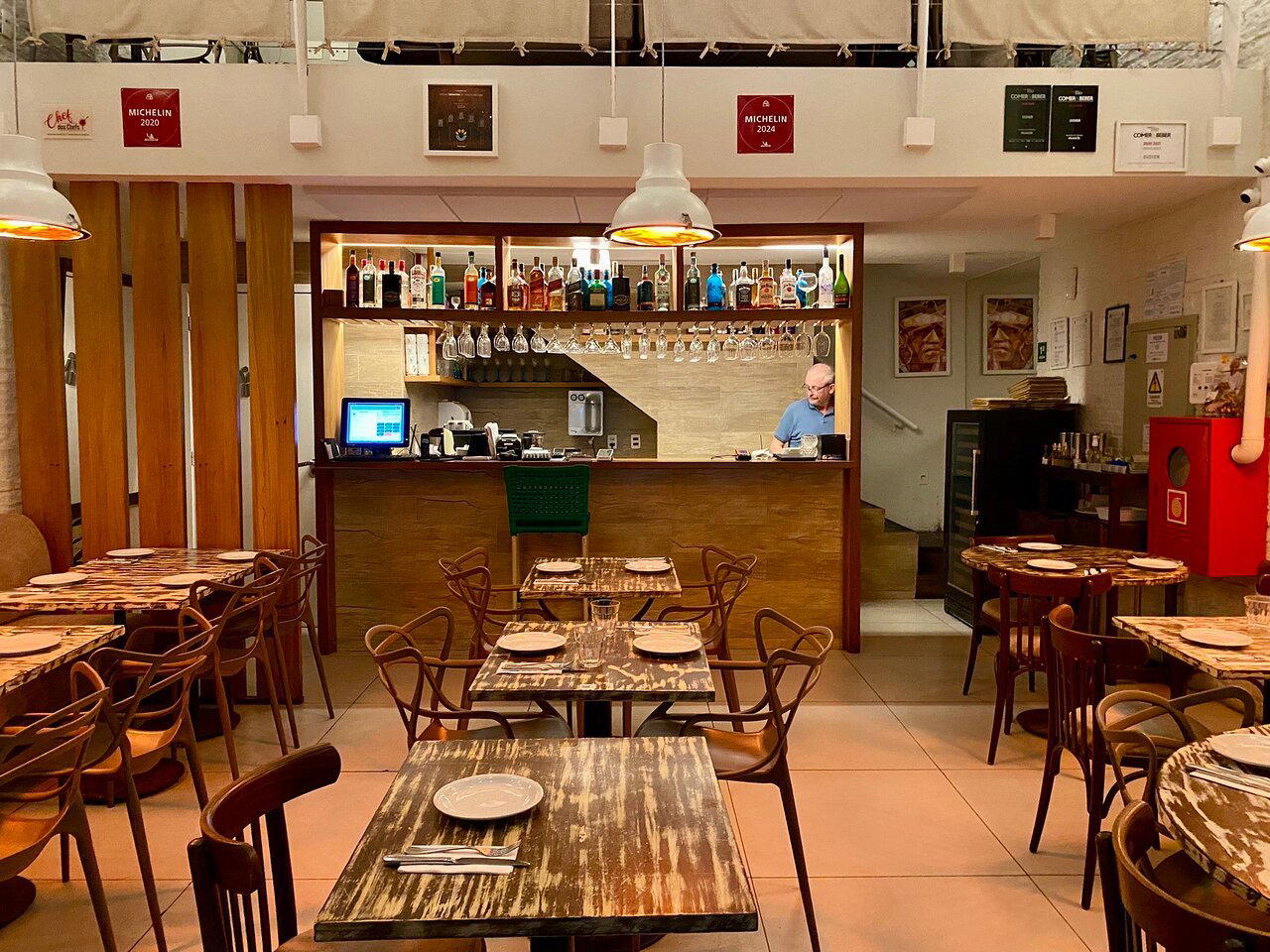
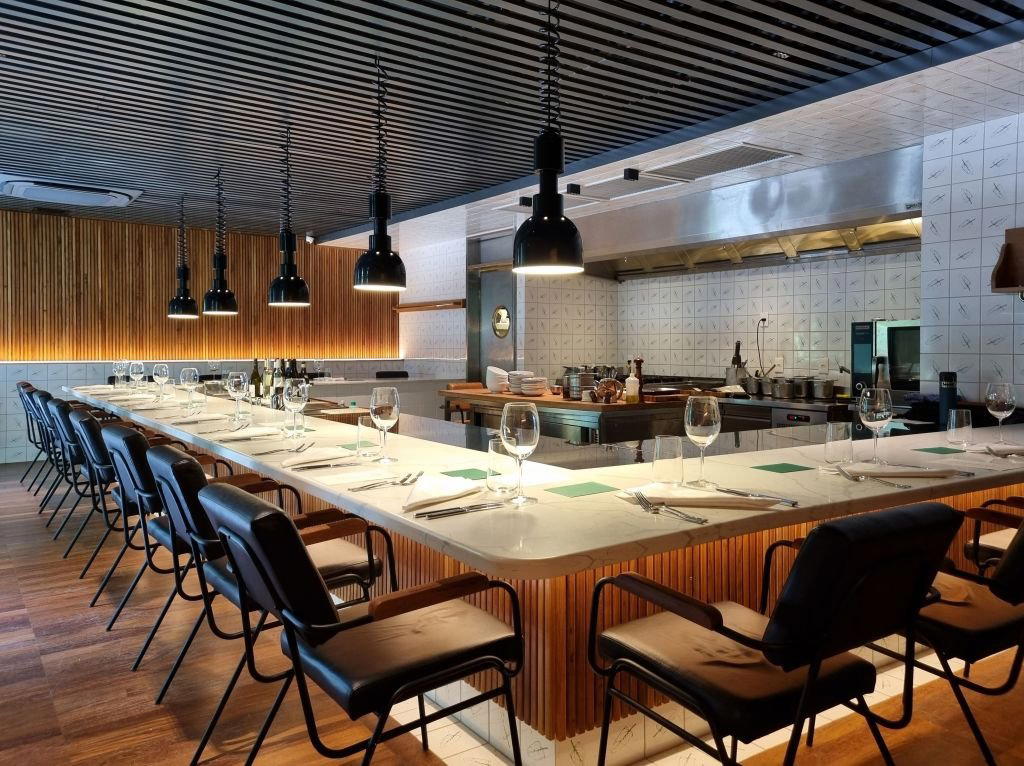
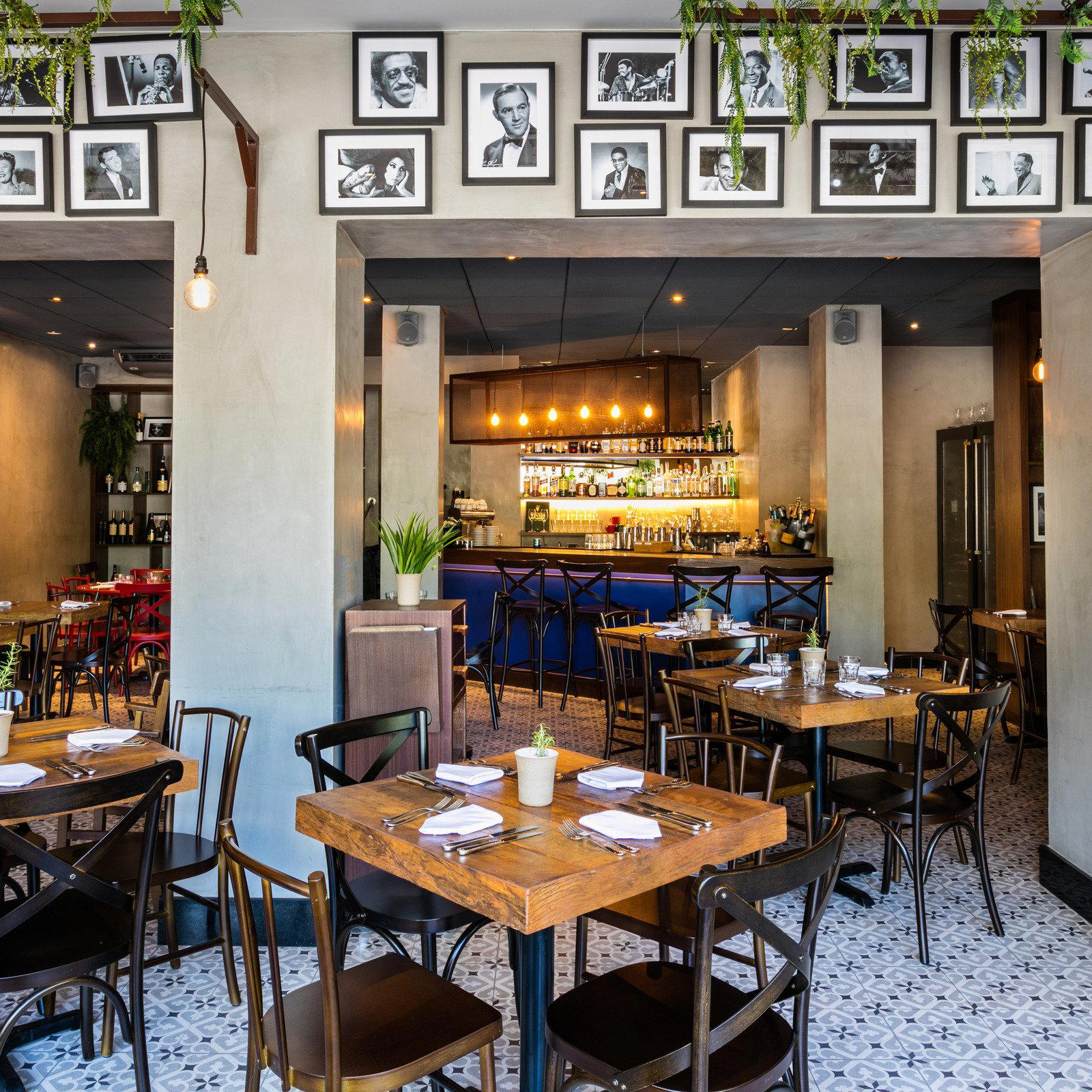
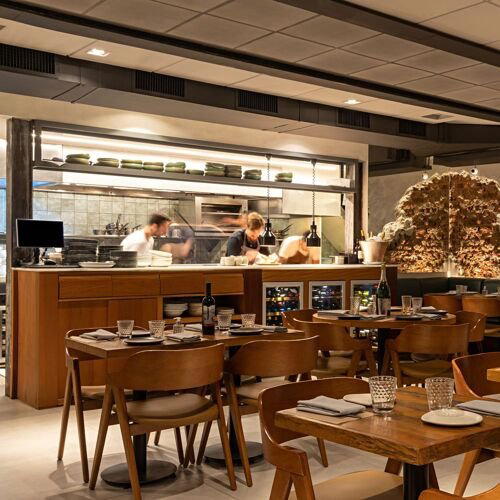
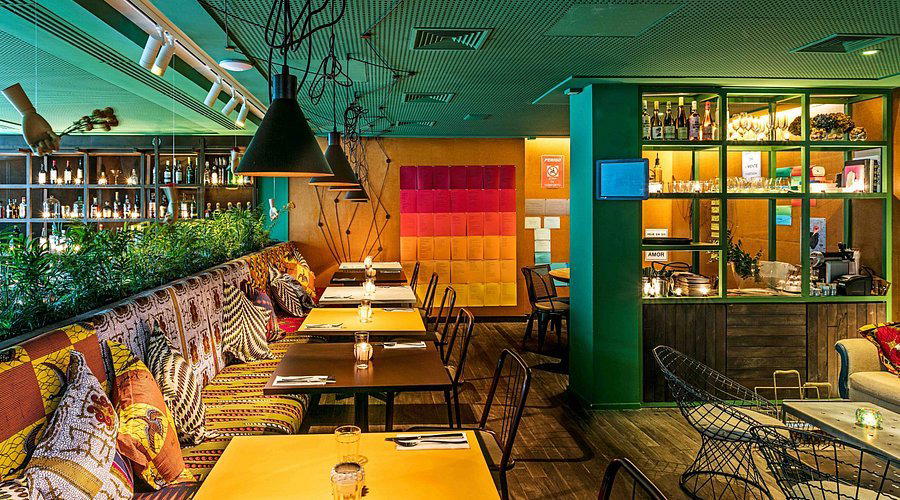
Bars in Rio de Janeiro
Browse all →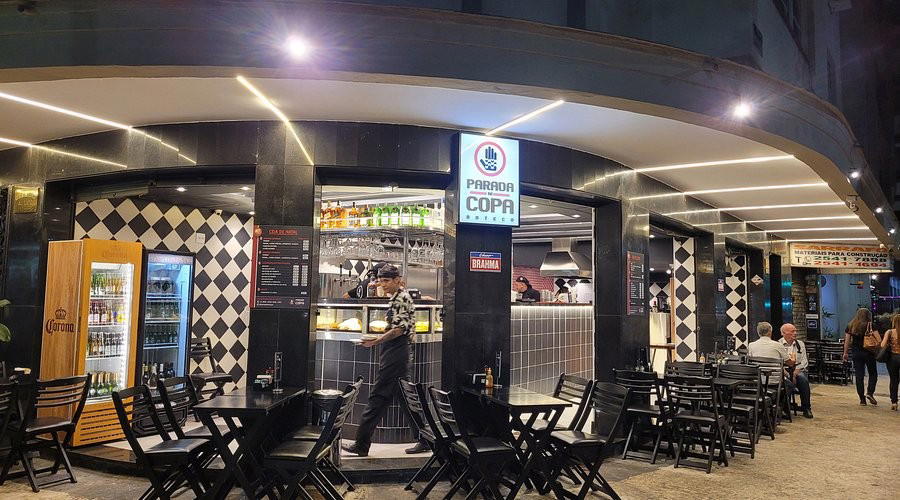

At a Glance
- Elegant
- Romantic
- Sophisticated
- Date Night
- Special Occasion
- Waterfront
- Extensive Wine List
- Waterfront
Current opening hours
- Monday
- 12–11 PM
- Tuesday
- 12–11 PM
- Wednesday
- 12–11 PM
- Thursday
- 12–11 PM
- Friday
- 12–11 PM
- Saturday
- 12:30–11 PM
- Sunday
- 12:30–11 PM
Hours can change for holidays and private events. Last verified .
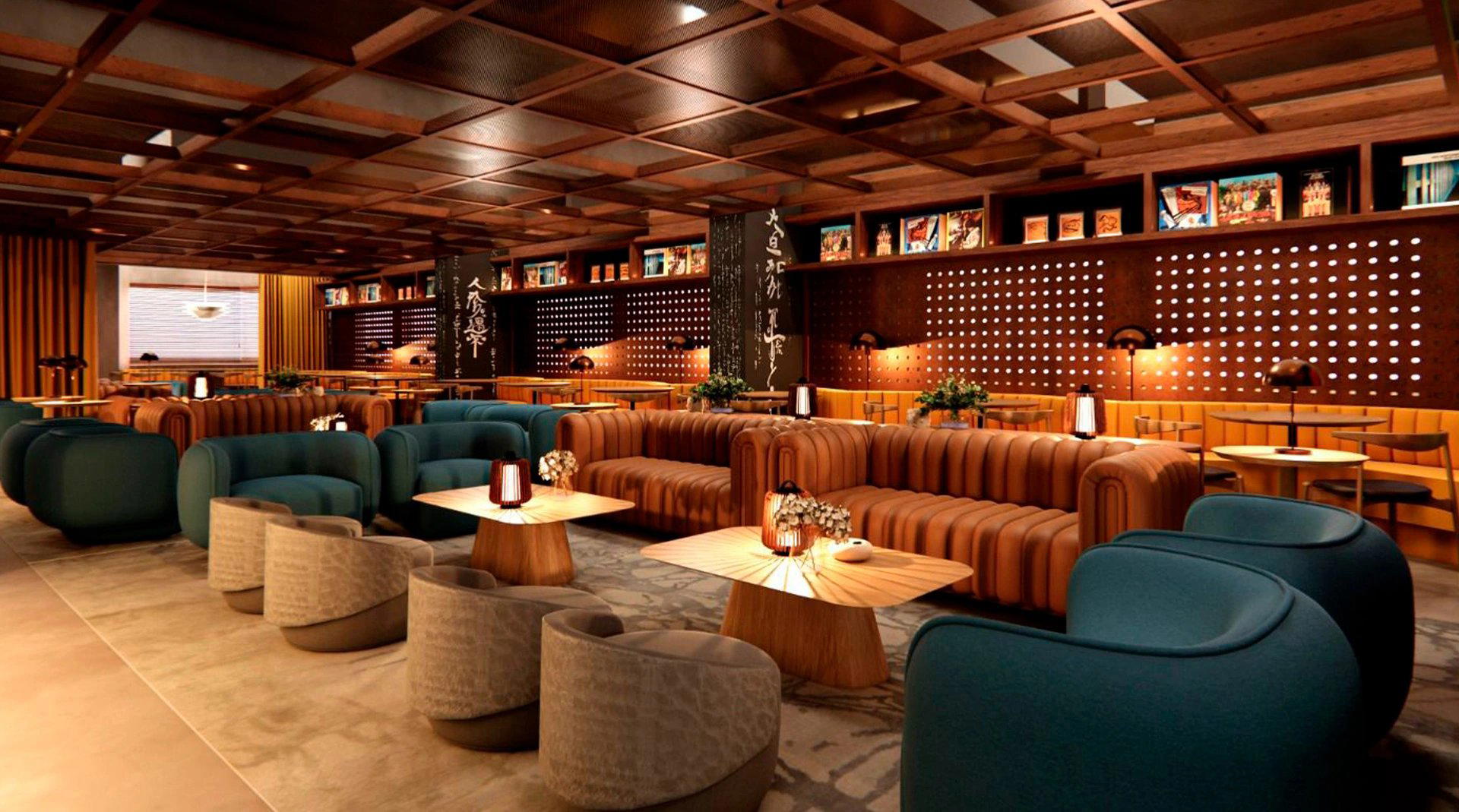
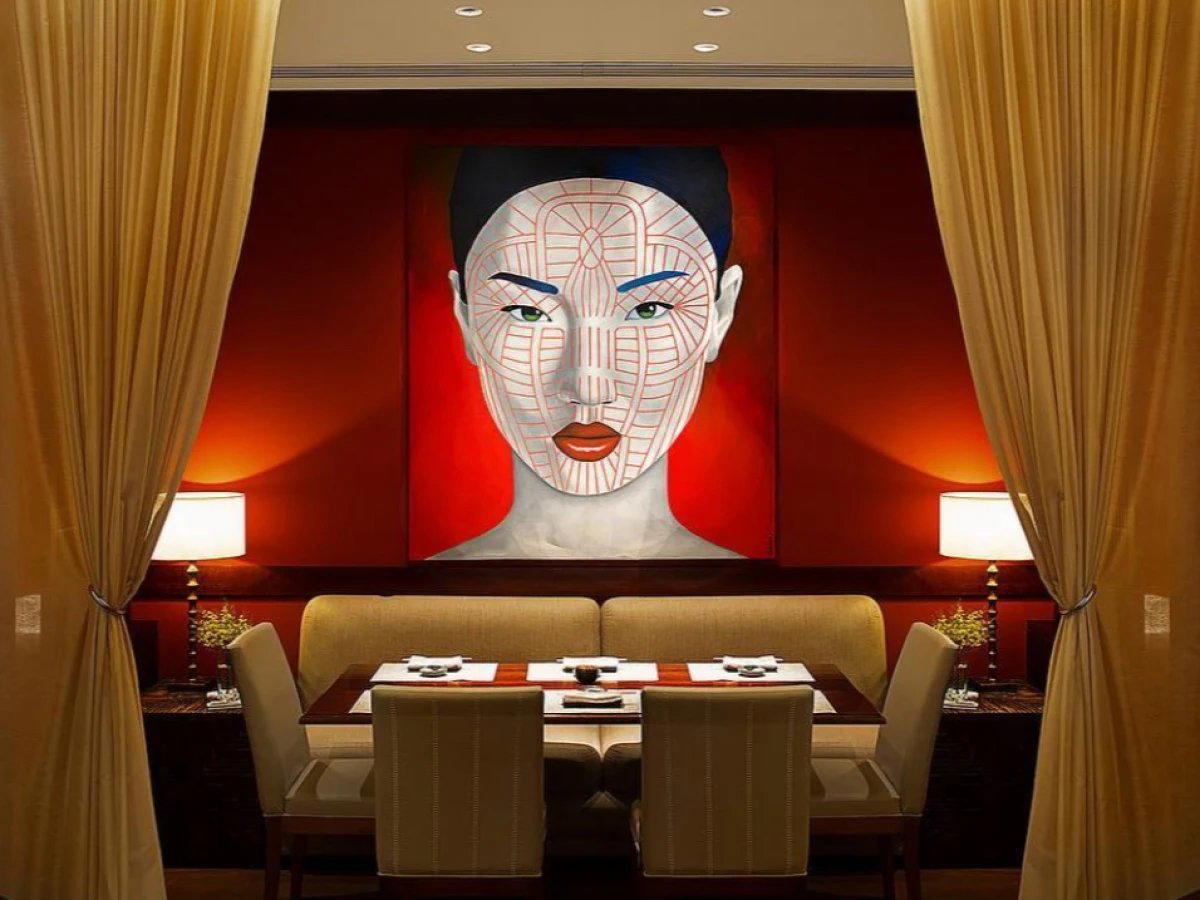
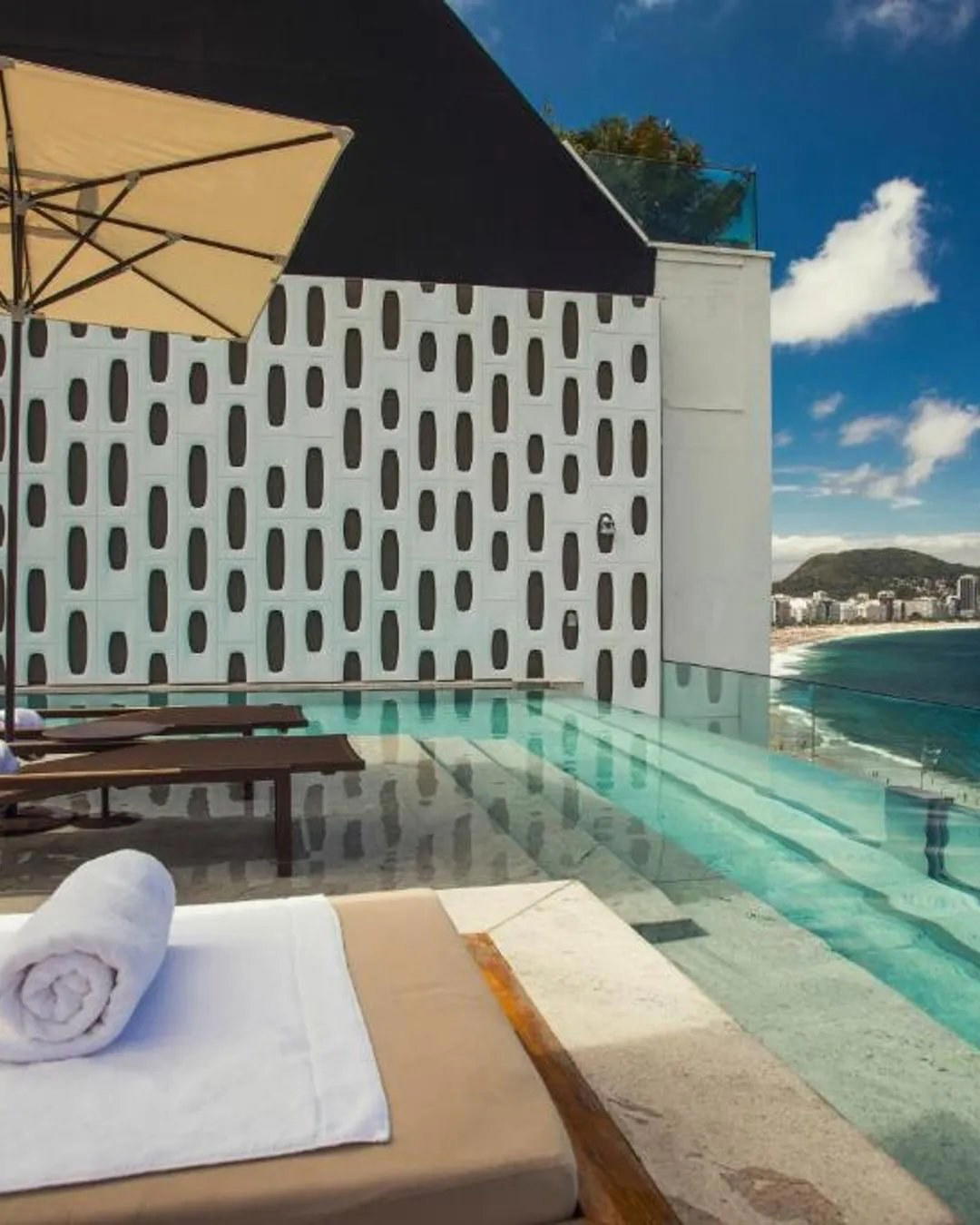
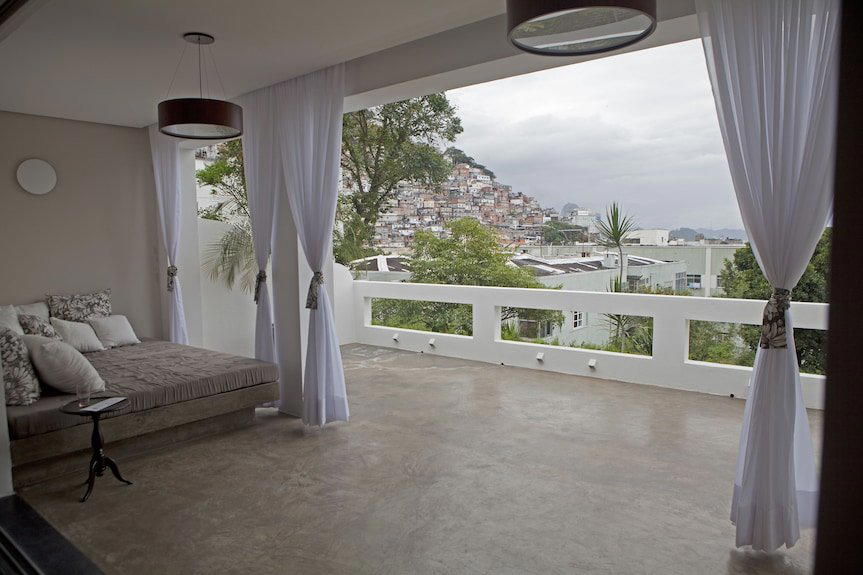
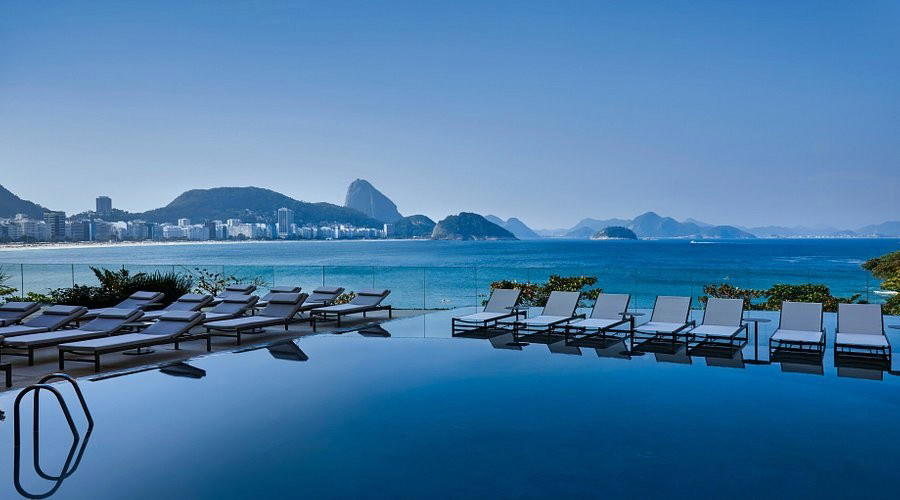
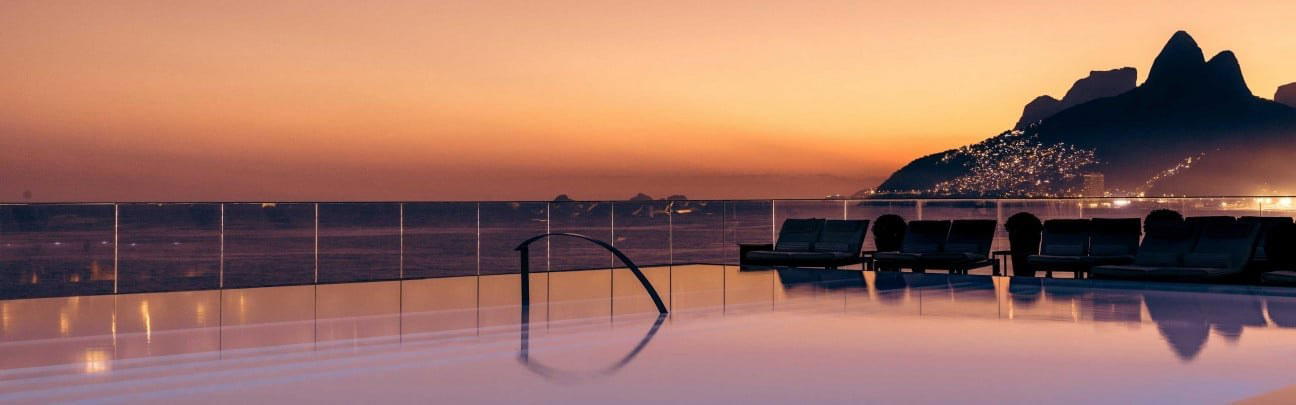
Elegant wood-panelled dining room with sophisticated atmosphere and panoramic ocean views.