Our verdict
Aladdin Hiroo occupies a quieter register than Tokyo's headline dining addresses, sitting in the residential calm of Hiroo rather than the competitive density of Ginza or Roppongi. The address alone signals a deliberate departure from the city's high-volume fine dining circuit. For visitors tracing Tokyo's more considered dining rooms, it represents a useful coordinate in the Shibuya ward's less-trafficked dining map.

Pearl is the En Primeur Club membership app — saves, bookings, and concierge access live there. Same editors, same standards.
Hiroo and the Case for Dining Away from the Centre
Tokyo's premium dining geography has never been perfectly aligned with its geographic centre. While Ginza and Nishi-Azabu host the most concentrated cluster of Michelin-starred tables — venues like Harutaka in the sushi tier and RyuGin in kaiseki — a quieter circuit of serious dining rooms has long operated in the city's residential wards. Hiroo, a neighbourhood in Shibuya that sits between the diplomatic quarter along Gaien-Higashi-dori and the leafy backstreets near Arisugawa Park, belongs to that second circuit. The area draws a particular demographic: long-term foreign residents, embassy staff, and Tokyo professionals who prefer a dining experience that does not require navigating the theatre of a destination district.
Aladdin Hiroo, addressed at 5 Chome-14-14 Hiroo, sits inside this residential logic. The postcode places it in a pocket of Shibuya ward that feels removed from the visual density of the city's commercial dining corridors, where signage competes and queues form. What Hiroo offers instead is the quiet authority of a neighbourhood room: a place that sustains itself on return visits and local trust rather than destination traffic.
The Wine Angle in a City That Increasingly Takes It Seriously
Tokyo's relationship with wine has shifted considerably over the past two decades. For much of the late twentieth century, sake, shochu, and whisky set the terms for serious beverage culture, with wine largely occupying a secondary or performative role. That picture has changed. The city's high-end French contingent, anchored by rooms like L'Effervescence and Sézanne, helped establish the expectation that a serious wine list could anchor an evening rather than merely support it. Both operate at the ¥¥¥¥ tier and treat their cellars as editorial statements, lists that reward engagement and carry enough depth to sustain a conversation across multiple courses.
The broader effect has been a raising of the cellar floor across Tokyo's better dining rooms. In neighbourhoods like Hiroo, where the dining proposition leans toward considered rather than conspicuous, wine lists tend to reflect that restraint: tighter in breadth but more deliberate in selection. The sommelier role in rooms of this type often carries more interpretive weight than at larger, more volume-driven restaurants, where the list size can substitute for genuine curation. At venues operating outside the Ginza spotlight, the wine program becomes one of the primary signals of a kitchen's seriousness.
For context on how Tokyo's wine culture sits relative to other Japanese cities, it is worth noting that Osaka's scene, represented at the high end by venues like HAJIME, has developed its own French-influenced cellar tradition, while Kyoto's Gion Sasaki demonstrates how Japanese haute cuisine can develop a sophisticated pairing culture without defaulting to Bordeaux-heavy convention. Tokyo absorbs and exceeds both, simply because the concentration of demand, import infrastructure, and skilled sommeliers is unmatched in the country.
Hiroo in the Context of Tokyo's Residential Dining Circuit
Placing Aladdin Hiroo within Tokyo's broader dining map requires thinking about the city's residential restaurant category as a distinct tier. These are not the rooms that appear at the top of critic lists or draw international press, venues like Crony, with its innovative French positioning, operate in a more visible register. Residential dining rooms instead earn their standing through consistency, neighbourhood loyalty, and a format calibrated for regular visitors rather than single-visit pilgrims.
Hiroo supports this model better than most Tokyo neighbourhoods. The area's international character, shaped by the proximity of multiple embassies and a concentration of long-term expat residents, creates a dining public that expects European standards of service, cellar depth, and menu coherence. Restaurants that succeed here over time typically do so because they perform reliably across all three. The address on a quiet Hiroo block is itself a kind of positioning statement: this room is not competing for attention on a busy thoroughfare but sustaining a proposition that its neighbourhood public values enough to return to.
What the Address Tells You Before You Arrive
The specific address, 5 Chome-14-14 Hiroo, places the venue deep enough into the neighbourhood that arrival requires intention. Unlike Roppongi restaurants that benefit from foot traffic and visible signage on main arteries, a Hiroo address at this postcode suggests a room that does not rely on passing trade. That structural detail is meaningful: restaurants at this kind of remove tend to price and program for their committed audience rather than for turnover.
In global terms, the parallel is to the kind of neighbourhood room that serious dining cities like New York and San Francisco have long cultivated, rooms where the proposition is depth over spectacle. Le Bernardin in New York and Lazy Bear in San Francisco both represent, in different registers, the idea that a defined and committed audience sustains a restaurant more durably than broad appeal. Tokyo's residential dining rooms operate on a similar principle.
For those mapping out a broader Japan itinerary beyond Tokyo, the residential dining model recurs across the country's smaller cities. akordu in Nara, Goh in Fukuoka, and Abon in Ashiya all demonstrate how serious dining propositions can operate outside the headline city format. Further afield, affetto akita in Akita, Aji Arai in Oita, Ajidocoro in Yubari District, Akakichi in Imabari, and aki nagao in Sapporo extend that map into Japan's regional dining circuit, where local sourcing and committed craft often outpace what the big-city noise might suggest.
Planning a Visit
Frequently Asked Questions
Recognition Snapshot
Comparable venues nearby, for context on price, style, and recognition.
| Venue | Cuisine | Price | Awards | Notes |
|---|---|---|---|---|
| Aladdin HirooThis venue — the venue you are viewing | Authentic Iranian | $30–50 | Not listed | Not listed |
| Partenope Ebisu | Authentic Neapolitan Pizza | Not listed | Tabelog 100 #62 | Ebisu |
| Arakawa (Kyoto) | Traditional Kyoto yakiniku (Japanese BBQ) | Not listed | Not listed | Nakagyo Ward / Kawaramachi |
| Ebisu Kuroiwa | Kaiseki | $200–300 | Tabelog 100 #58 | Shibuya |
| Yokoyama | Seasonal Japanese Kaiseki | $100–150 | Not listed | Minato |
| レザンファン ギャテ | Modern French Terrine Specialist | $100–150 | Tabelog 100 #54 | Shibuya |
Continue exploring
More in Tokyo
Restaurants in Tokyo
All restaurants in Tokyo →
Bars in Tokyo
All bars in Tokyo →
Details
- Cozy
- Elegant
- Date Night
- Casual Hangout
- Sake Program
- A La Carte
Current opening hours
- Monday
- 11:30 AM–3 PM, 5–10 PM
- Tuesday
- Closed
- Wednesday
- 11:30 AM–3 PM, 5–10 PM
- Thursday
- 11:30 AM–3 PM, 5–10 PM
- Friday
- 11:30 AM–3 PM, 5–10 PM
- Saturday
- 11:30 AM–3 PM, 5–10 PM
- Sunday
- 11:30 AM–3 PM, 5–10 PM
Hours can change for holidays and private events. Last verified .
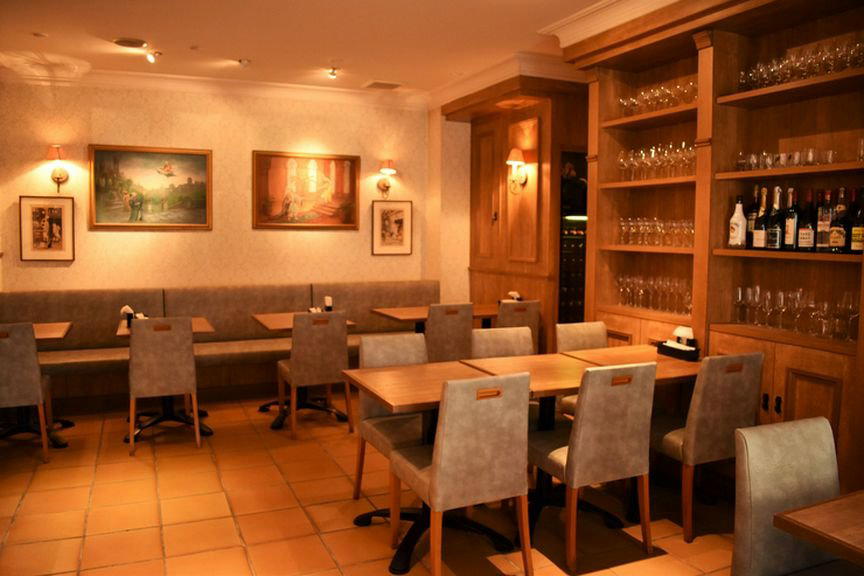
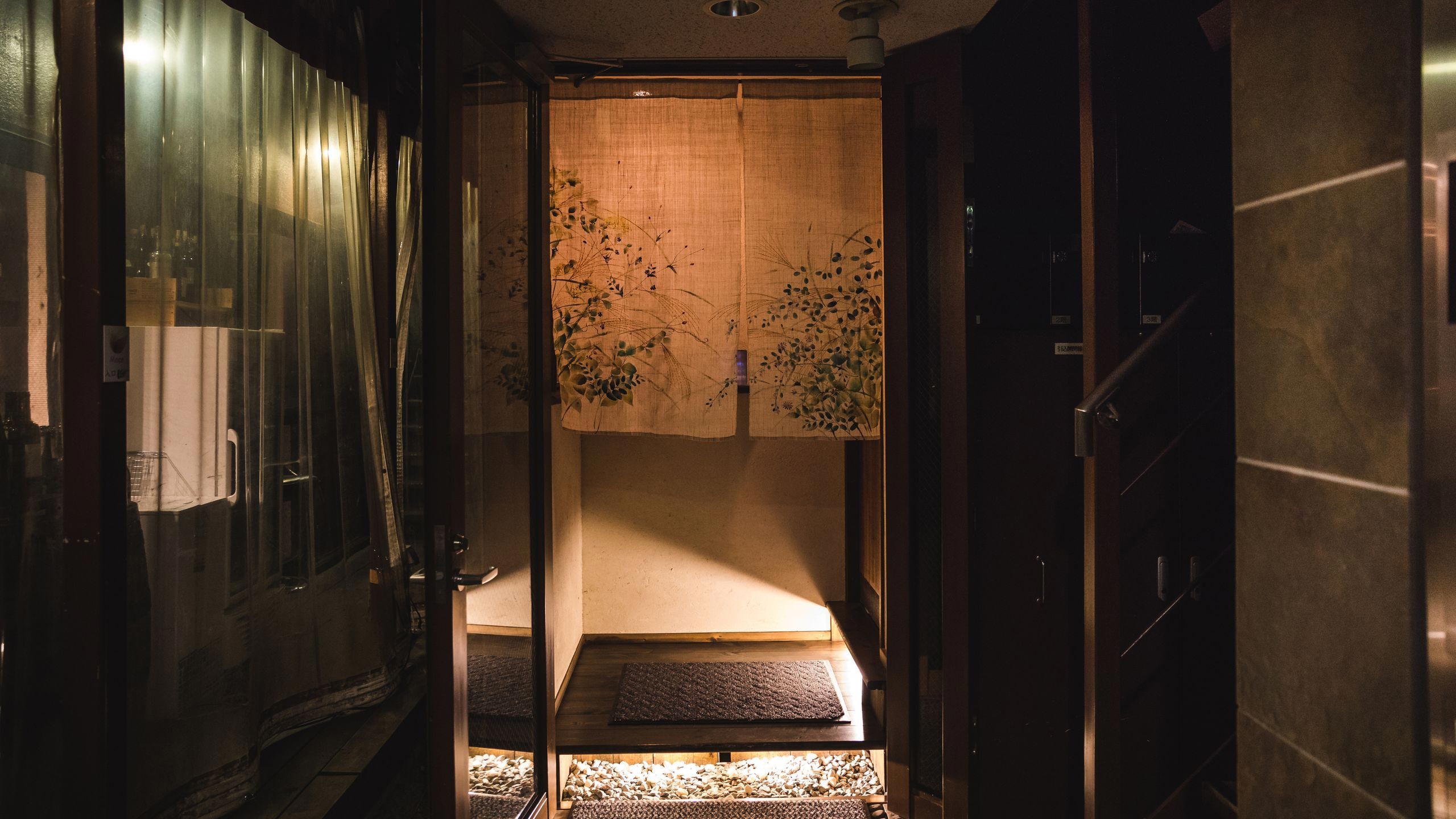
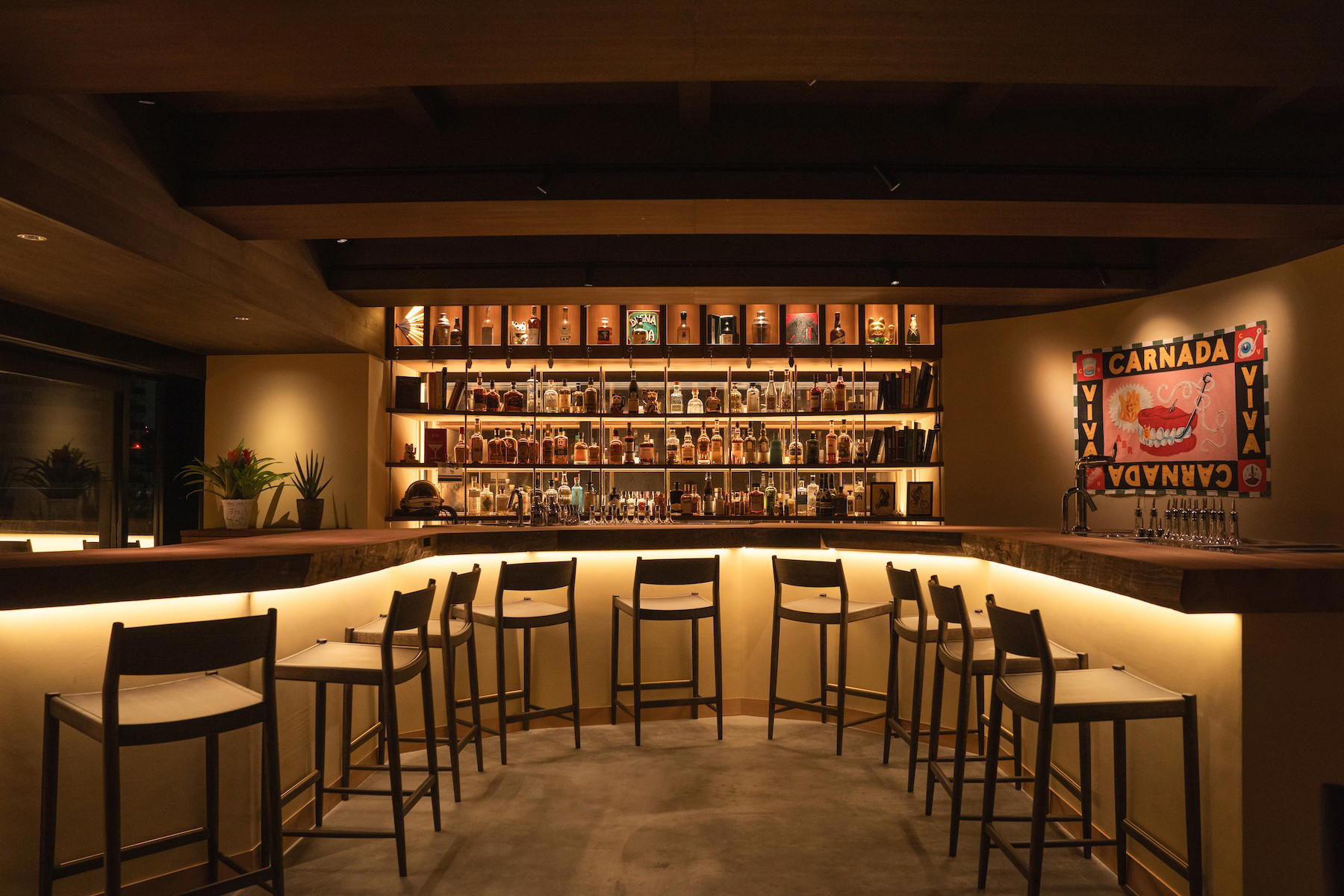
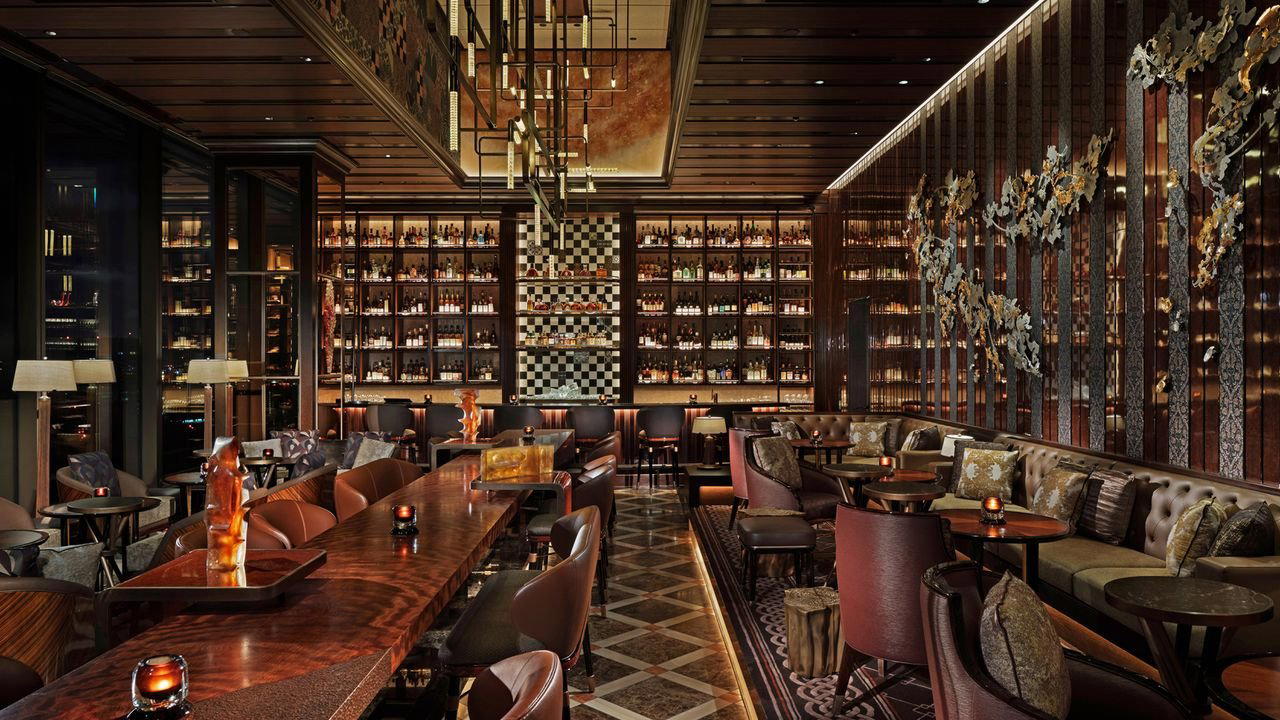
Warm wooden interior with Persian art, homely atmosphere, and exotic Iranian music.